
 admin
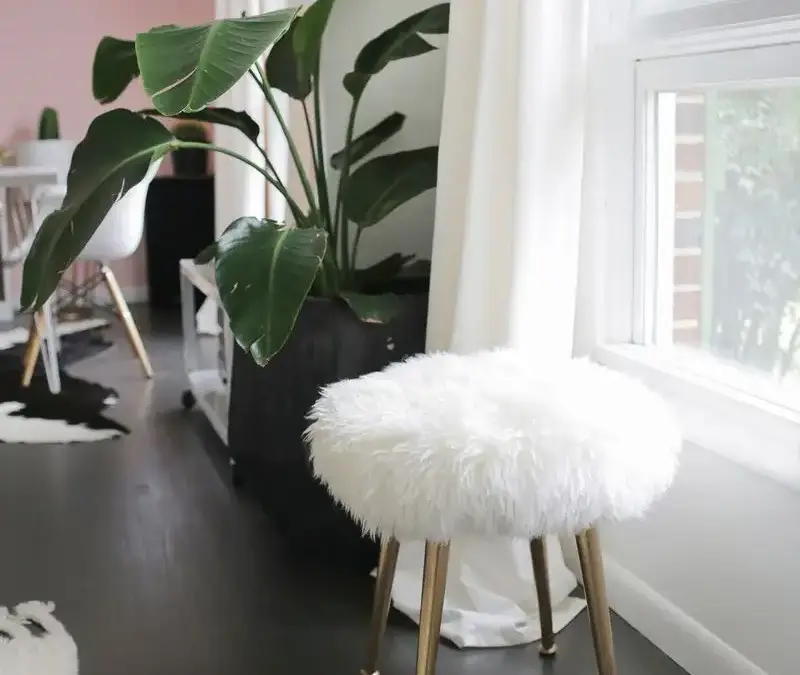
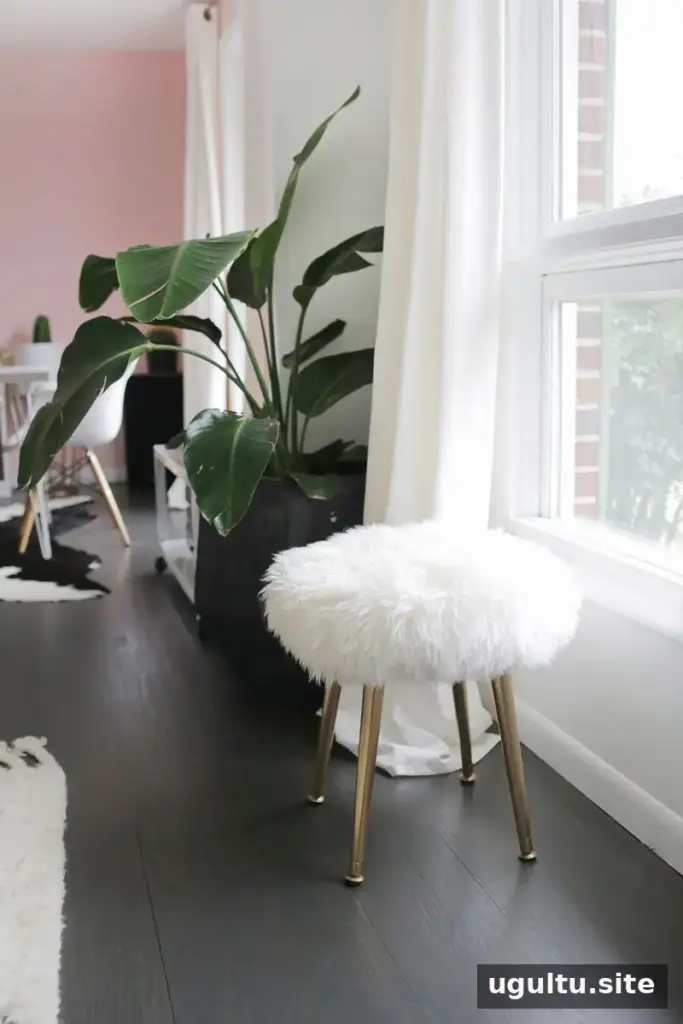
A DIY faux fur stool can add a soft, decorative touch to a room without the high price often associated with ready-made versions. This project uses a round wood board, midcentury-style legs, and faux fur to create a compact seat with gold-finish legs. It can work as an accent piece or a spot by a window, but check that the finished stool is stable and suitable for its intended use.
Materials for a DIY Faux Fur Stool
Gather the following supplies before you begin. Preparing the parts first makes assembly quicker and helps you check that the fabric is large enough to cover the seat.
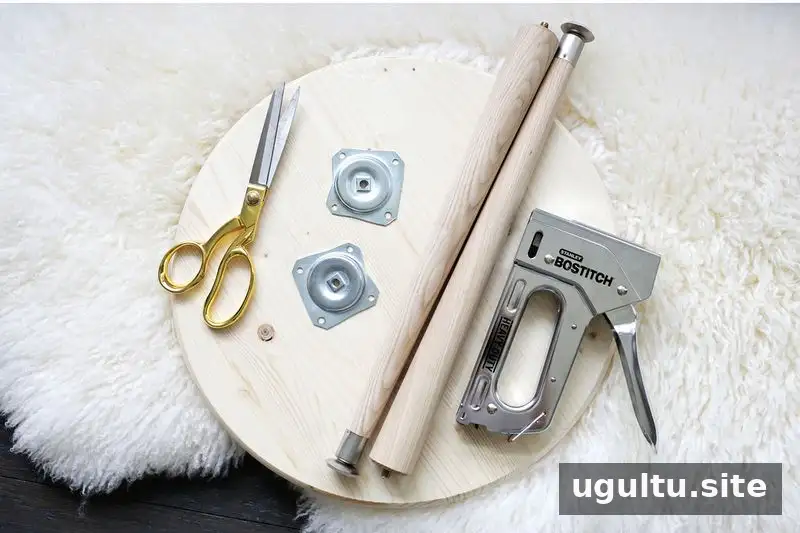
- One round 15-inch wood board
- Gold spray paint
- Four midcentury 16-inch legs
- Four angled leg plates
- Faux fur
- A drill
- A staple gun and long staples
Attach and Paint the Stool Legs
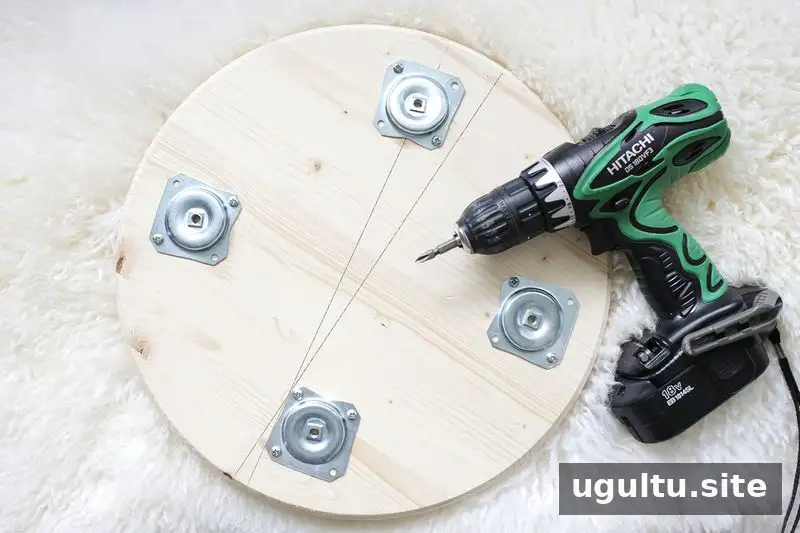
Turn the wood board over and position the four angled leg plates underneath it. Place each plate about 1 inch in from the edge, then use a drill to fasten the plates securely. Keeping the plates evenly spaced helps the stool sit level, so measure or mark their positions before attaching them.
Apply a coat of gold spray paint to the legs and let them dry according to the paint label before handling. Use spray paint in a well-ventilated area and protect the surrounding surface. Once dry, screw each leg into an angled plate. Check that all connections are snug before moving on.
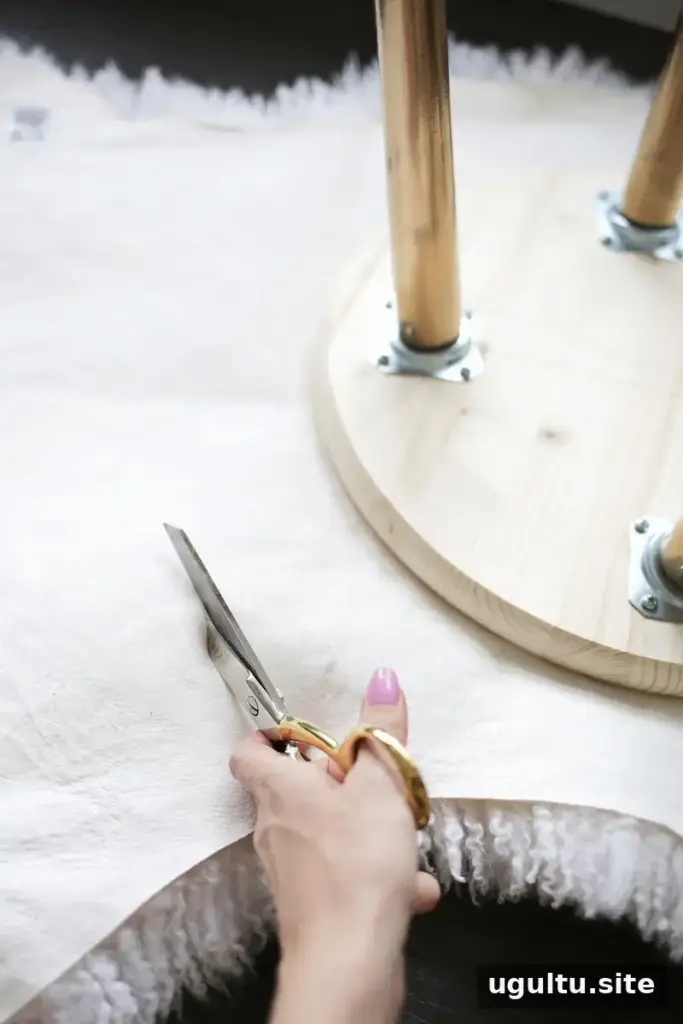
Cut and Attach the Faux Fur
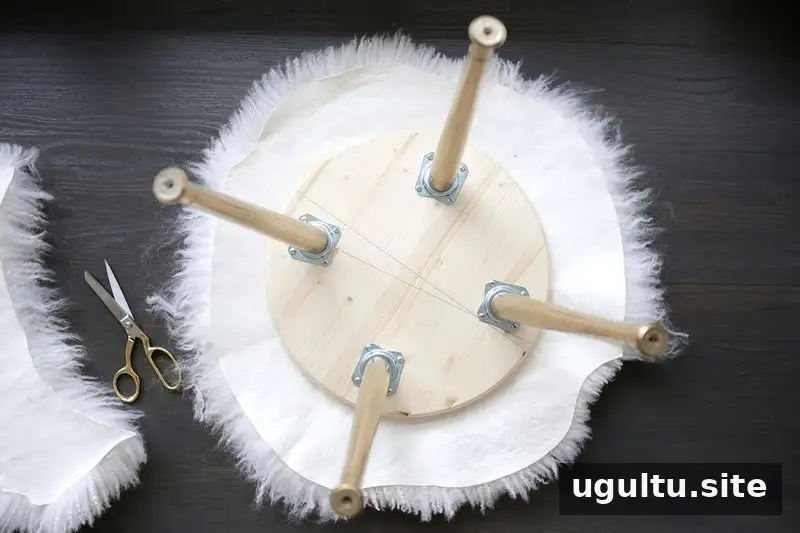
Lay the faux fur with its back facing up and place the wood board on top. Cut around the board, leaving approximately 3 to 4 inches of extra material on every side. This allowance gives you enough fabric to wrap around the board and staple underneath. Fabric shops may carry suitable faux fur, and some home stores may offer faux or real sheepskins.
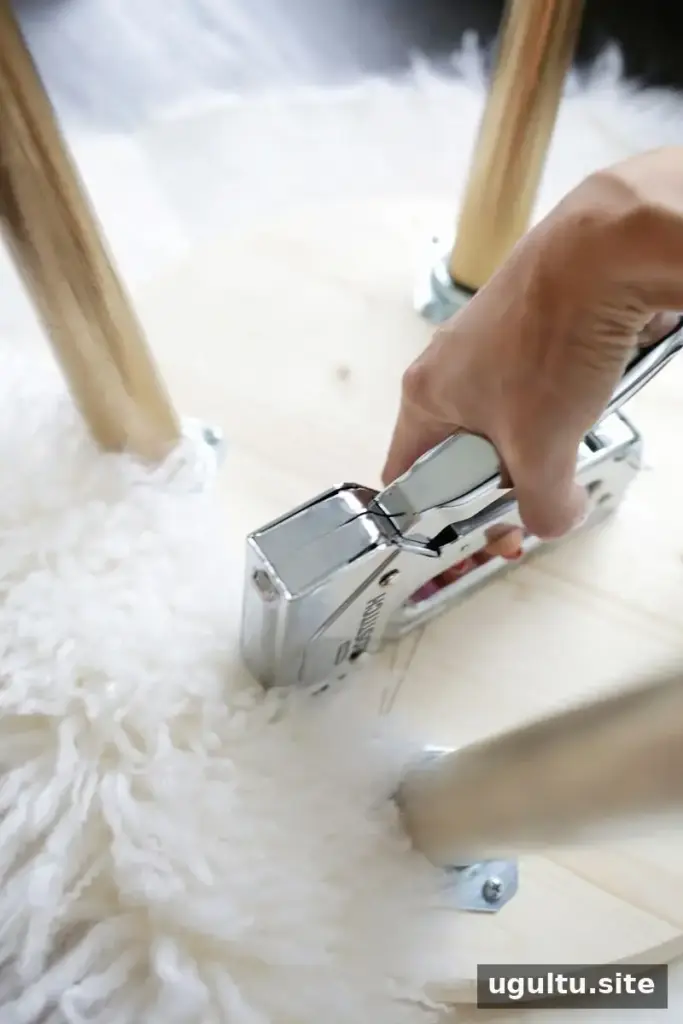
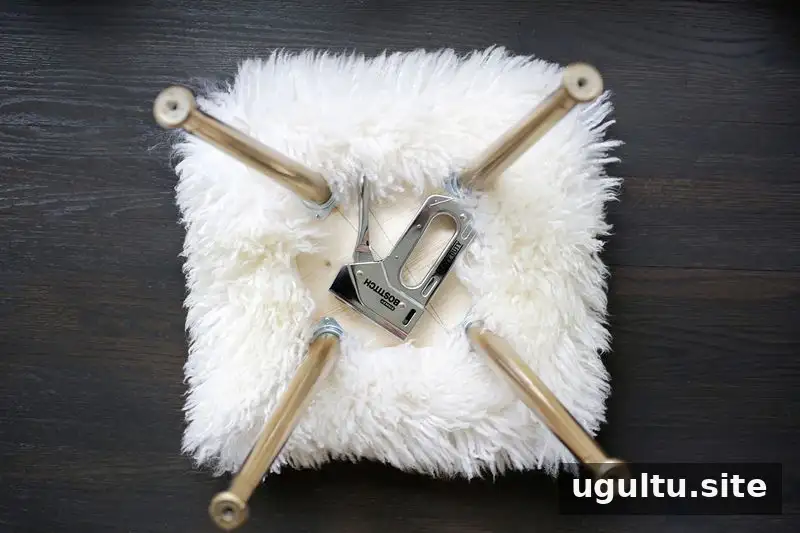
With the board upside down, pull the material over its underside. Use the staple gun to secure it at four points between the legs first. Then fold the remaining fabric neatly as needed and staple it to the underside. Keep the fur pulled evenly around the seat, and avoid covering or obstructing the leg attachments.
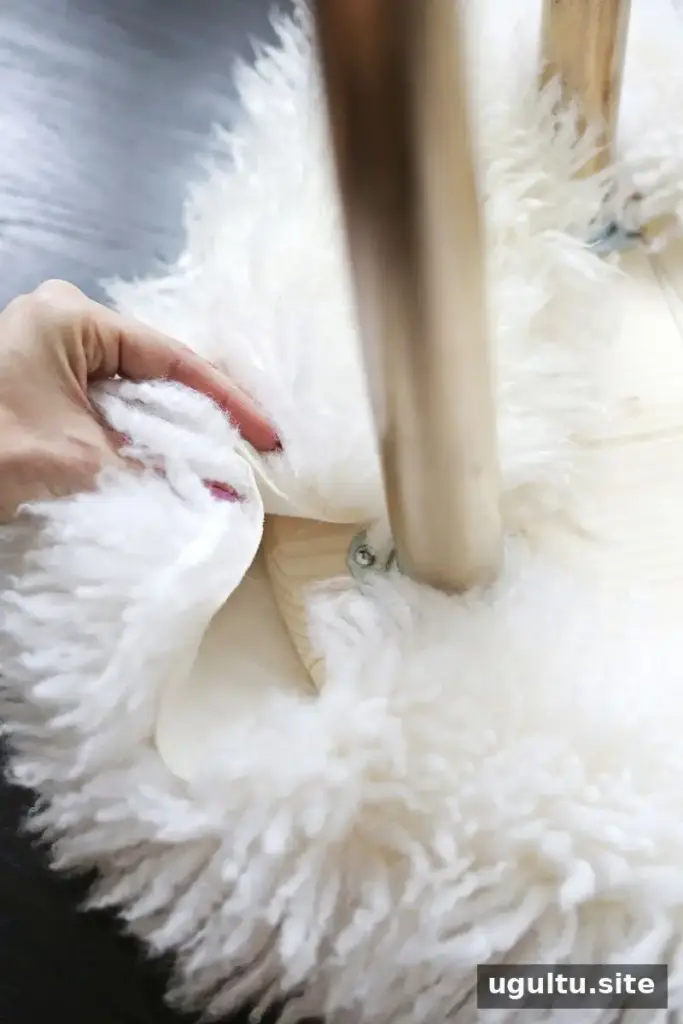
Turn the stool upright and inspect the fabric and legs. Make sure the staples are secure, the fur is attached evenly, and the stool does not wobble before placing it in the room.
Optional Cushioning and Finishing Checks
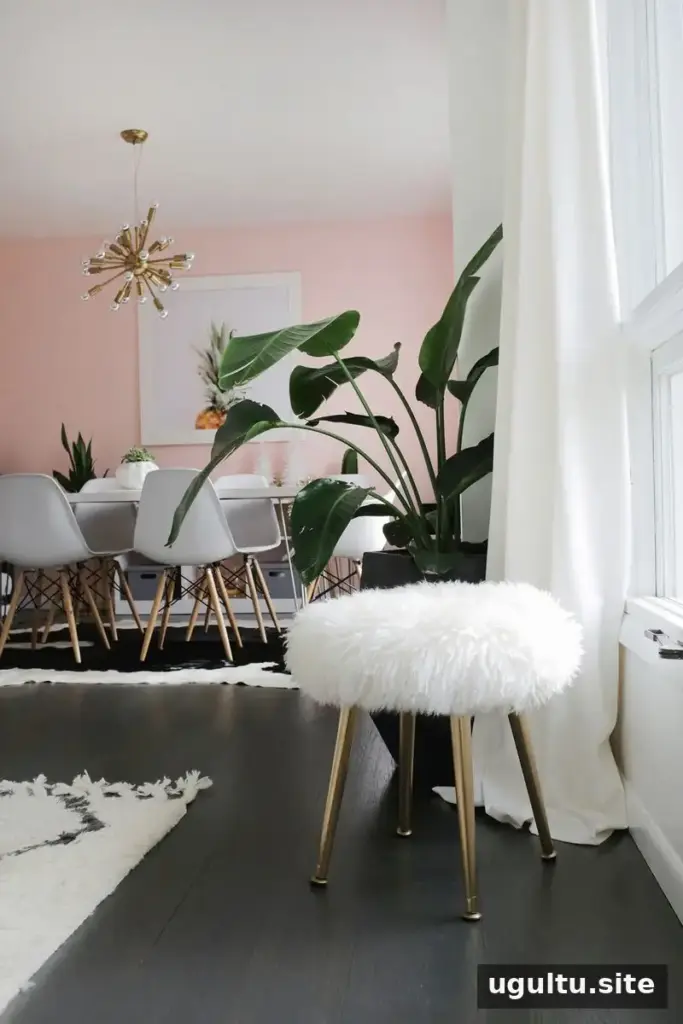
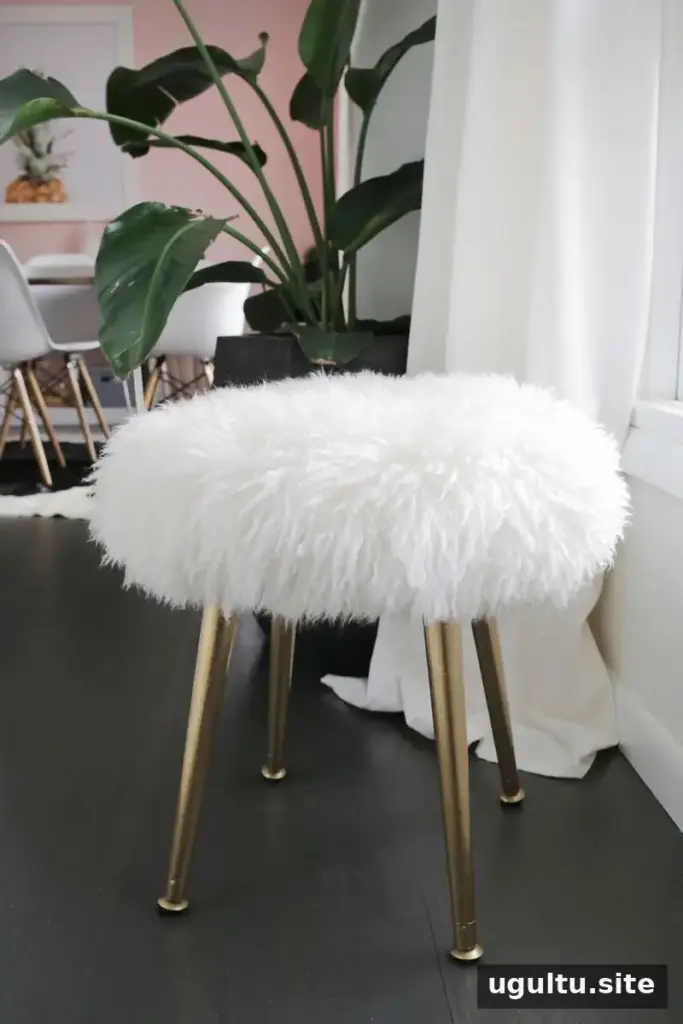
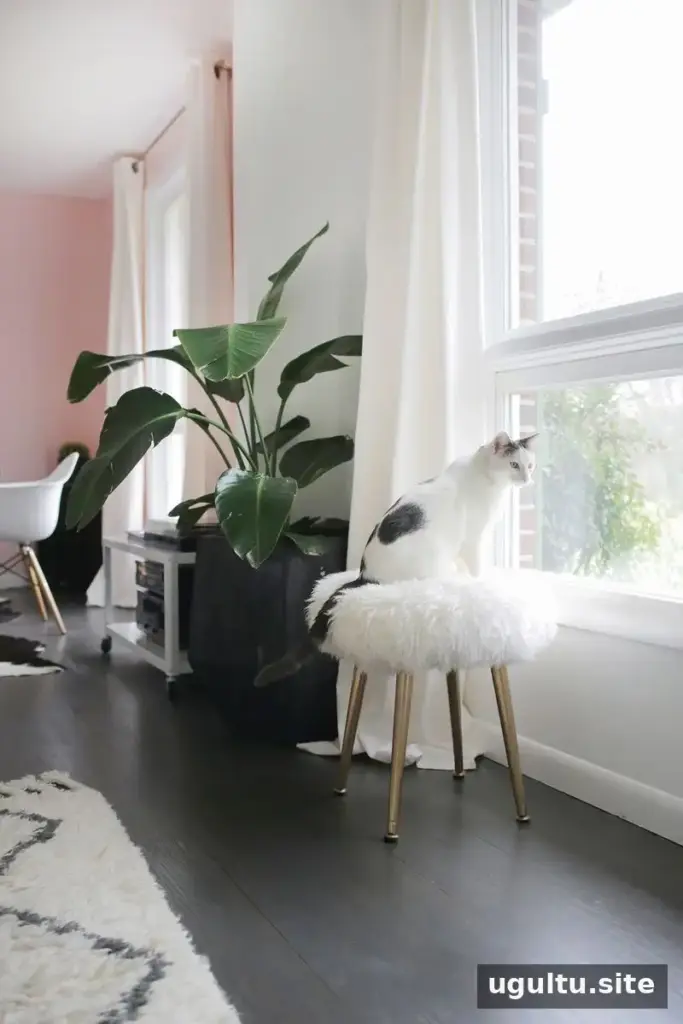
For a fuller-looking seat, add a few layers of foam cut to size between the wood board and the faux fur before stapling the fabric. The stool can also be made without foam for a slimmer profile. In either case, check the finished piece on a flat surface and tighten any loose fittings before use.
Conclusion
This DIY faux fur stool combines a simple wood base, four gold-finished legs, and a fabric-covered seat. Careful measuring, an even fabric allowance, and a final stability check help the finished project look tidy and sit securely. Project by Laura.


