admin
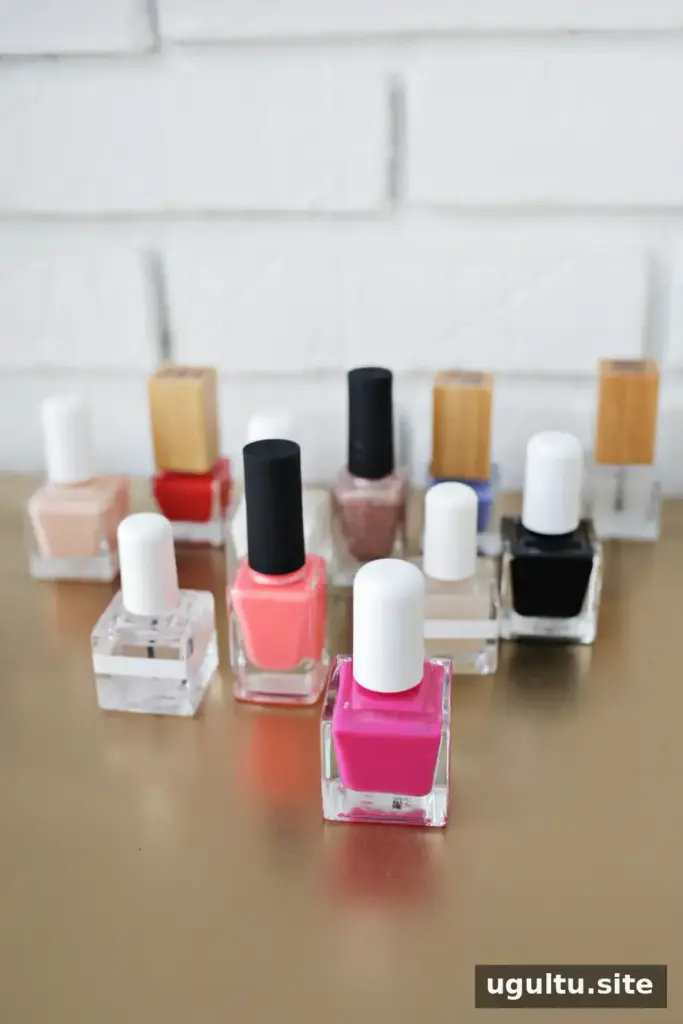
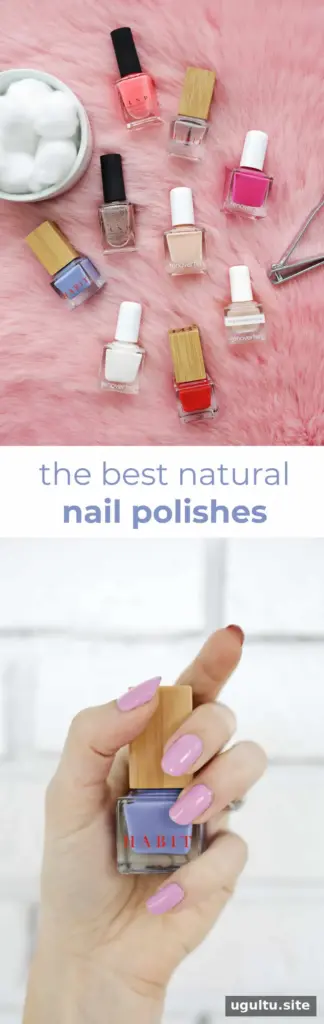
Natural nail polish can be an option for people who want to review the ingredients in their beauty products without giving up color or shine. Formulas and ingredient standards vary, so terms such as 3-free or 8-free are useful starting points—not guarantees that a product is risk-free or suitable for everyone. The products below were tested over several months, with attention to color selection, packaging, application, and how well the polish wore.
Some natural or alternative polishes cost more than conventional drugstore options. Comparing ingredient lists, finish, and wear time can help you decide which products are worth trying. Check the label on the specific bottle, since formulas may change over time.
Natural nail polish brands and finishes
I Love NP
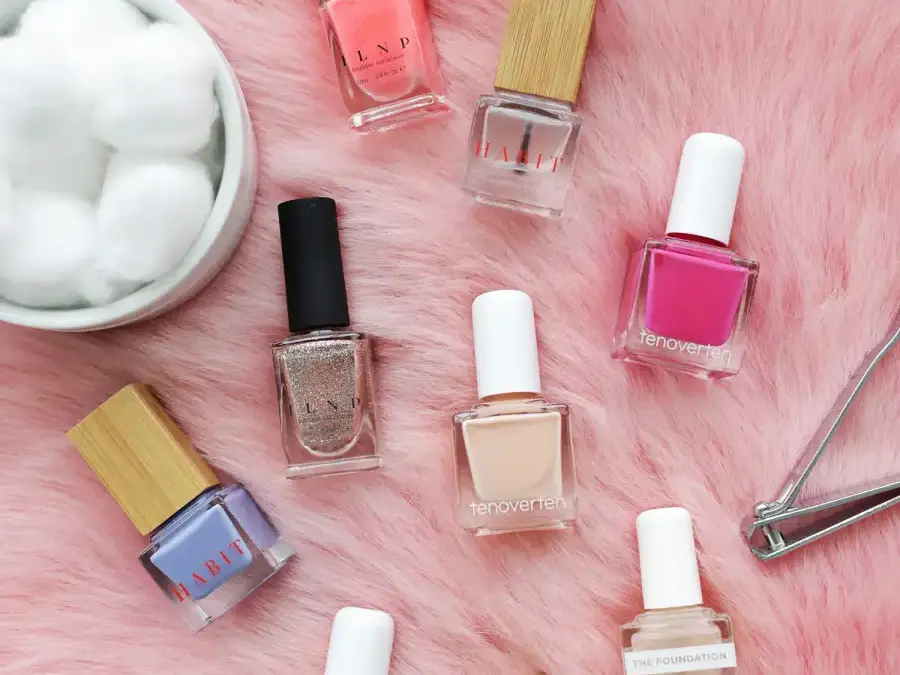
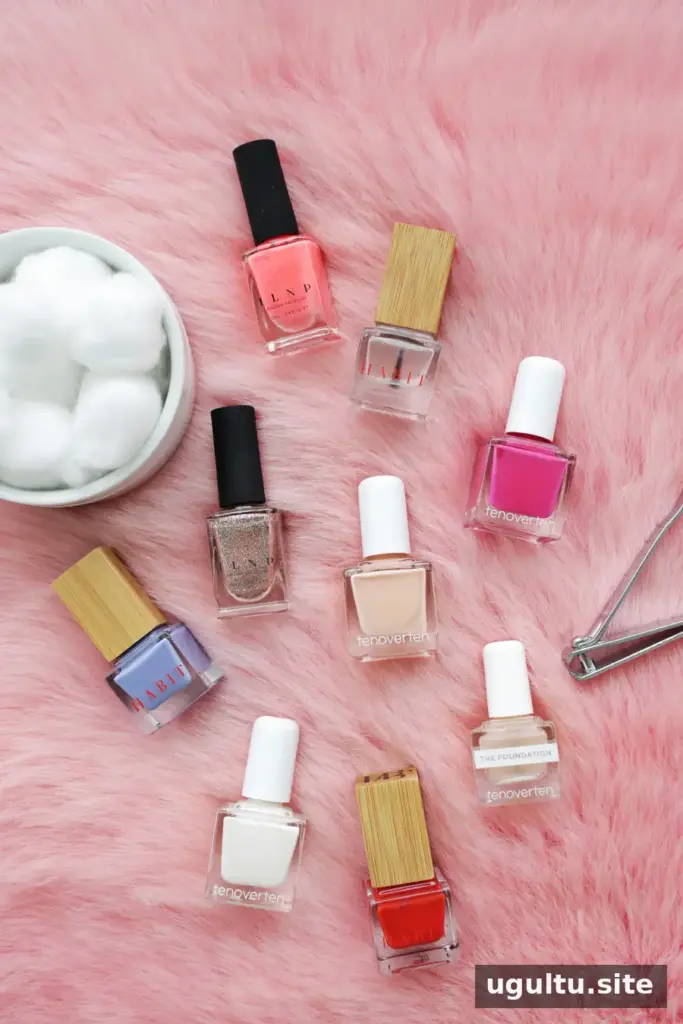
I Love NP offers 3-free polish, meaning its listed formula excludes toluene, formaldehyde, and dibutyl phthalate (DBP). The range includes vivid colors and holographic finishes. Juliette, a rose-gold holographic shade, was noted for its pink glitter and reflective look in sunlight. A coral neon shade was another standout.
Practical tip: Glitter and holographic finishes can look different under indoor and natural light, so consider viewing swatches in more than one setting before choosing a shade.
Habit Cosmetics
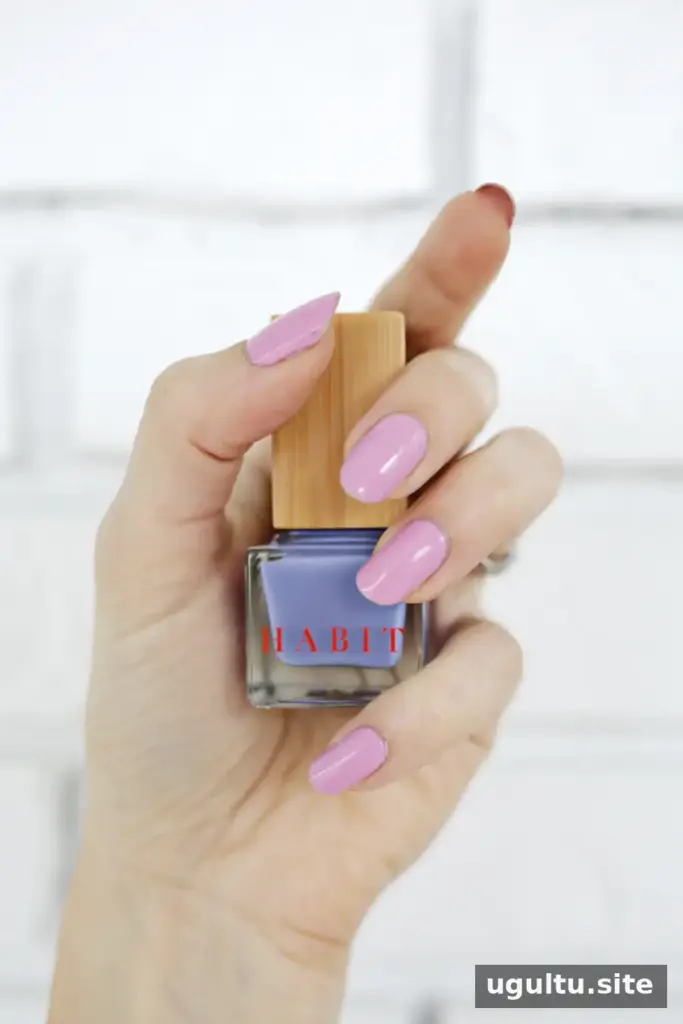
Habit Cosmetics offers a broad color selection and packaging with bamboo lids. Shades tested included Tabou, a bright orange-red, and Belle Epoque, a dark lavender. The top coat and base coat were also tested, and the polish quality was rated positively. Bardot was identified as a shade to try next, rather than a color already tested.
Laura’s nail color in the accompanying photo is Mineral Fusion in Pebble. It was noted for drying quickly.
Practical tip: A base coat can provide a smoother surface, while a top coat adds a finishing layer. Follow the product directions and allow each coat to dry before applying the next.
TenOverTen
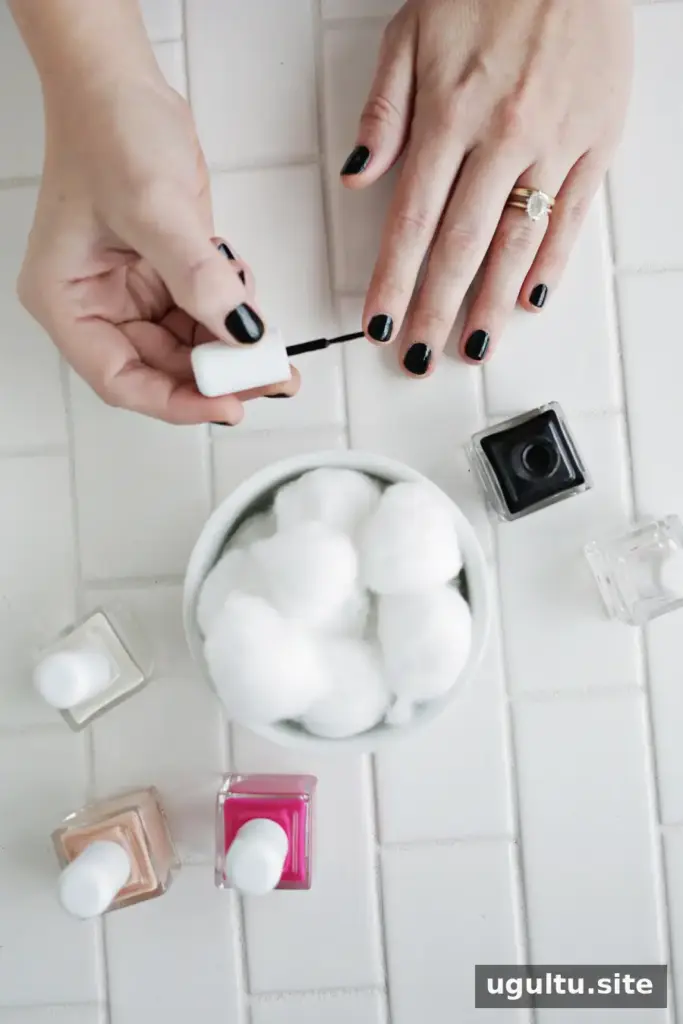
TenOverTen describes its polish as 8-free. The listed exclusions are formaldehyde, dibutyl phthalate (DBP), toluene, formaldehyde resin, camphor, ethyl tosylamide, xylene, and parabens. The brand was appreciated for its packaging and color range. The black polish received especially positive feedback, while the white shade tested did not provide the full coverage desired.
Darker shades sometimes needed a touch-up about once a day. Wear time varies with application, daily activities, and individual nails, so this result may not be the same for every person. The polish was considered comparable in durability to the writer’s previous experience with Essie.
How to choose and apply natural nail polish
When comparing natural nail polish, look beyond the marketing label. Read the current ingredient list and check which substances a brand excludes. A 3-free or 8-free claim describes a specific list of exclusions; it does not establish that a product is completely non-toxic or that it will suit every user.
- Choose a finish that fits your routine: glitter and holographic shades offer a distinctive look, while darker colors may make small chips more noticeable.
- Use a compatible base coat and top coat if available, and follow the label instructions.
- Apply thin, even layers and let them dry fully to help avoid smudges.
- If you have a sensitivity or concern about an ingredient, review the label and seek advice from a qualified professional.
Conclusion: finding natural nail polish that works for you
Natural nail polish options can offer appealing colors and finishes, though price, coverage, and wear time differ by brand and shade. Habit Cosmetics and TenOverTen were suggested as starting points for shoppers interested in base and top coats, while I Love NP was noted for glittery and holographic colors. Comparing labels and testing a shade that suits your needs can help you find the right fit. Readers are also welcome to share product recommendations.
— Elsie