
 admin
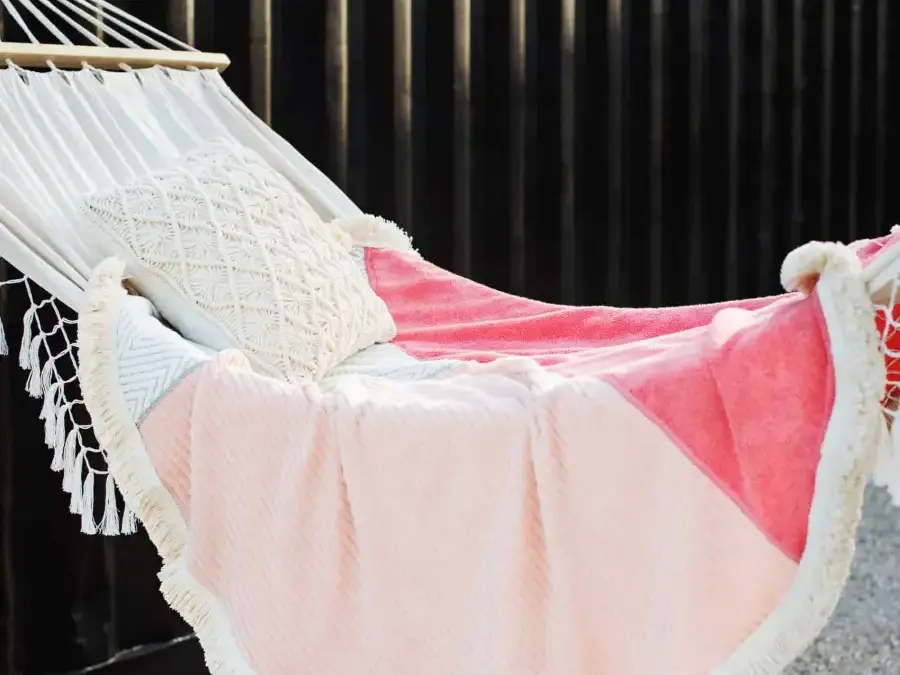
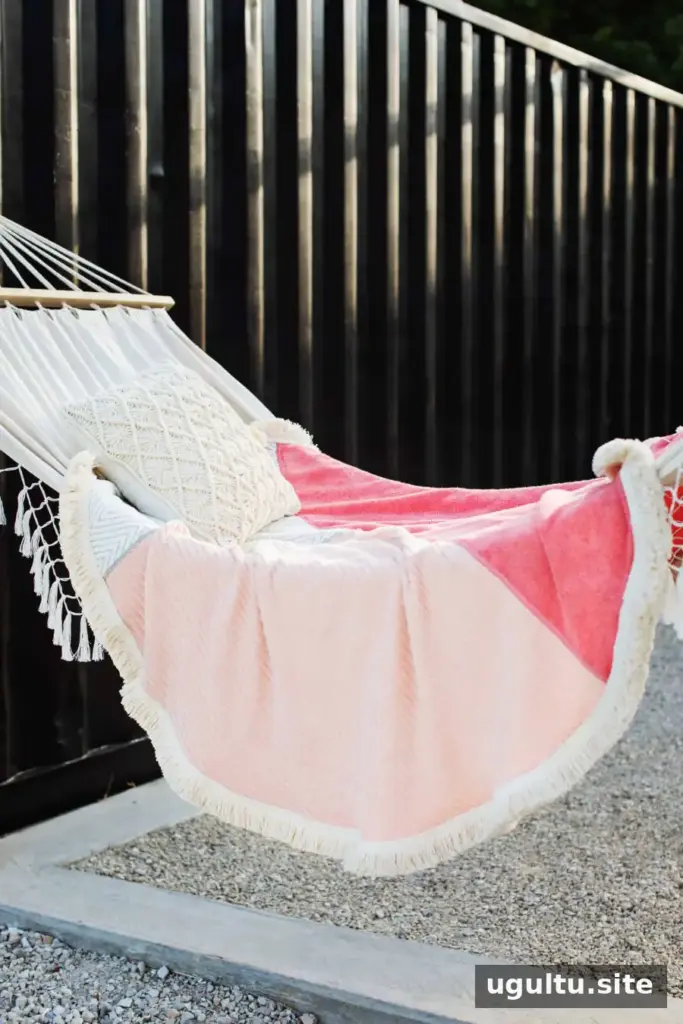
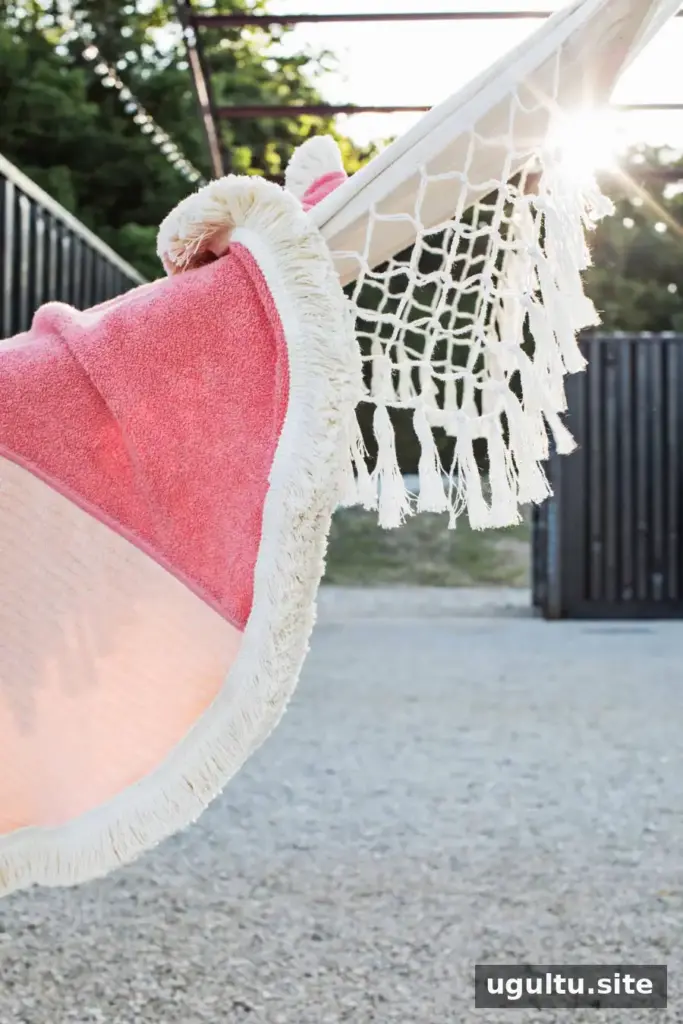
A DIY round beach towel is a practical way to create a soft, absorbent pool or beach blanket in colors you choose. This color-block version combines three bath towels with fringed trim, so you can make a distinctive circular towel without searching for a single piece of terry cloth wide enough for the project.
Using towels with finished hems helps keep the joined sections neat and flat. Choose towels in similar thicknesses, and plan the color layout before sewing so you can check that the design looks balanced.
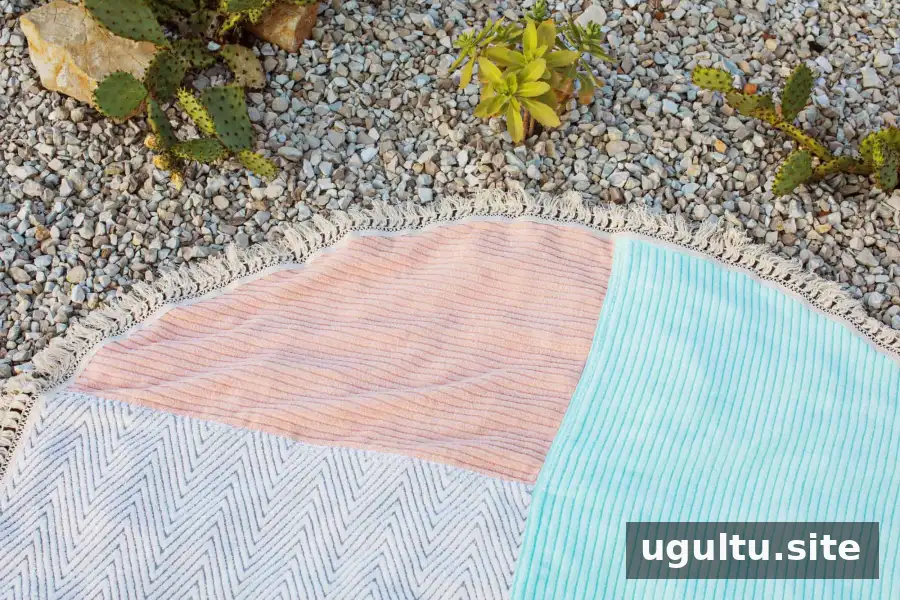
A single wide piece of terry cloth can be difficult to find, so this project uses towel sections arranged in a modern patchwork design. The layout was inspired by beach blankets by Sandy Nomad. Keeping the towel edges square, rather than cutting the pieces diagonally, also helps reduce stretching and uneven seams.
DIY Round Beach Towel Supplies
Gather the following materials and tools:
- Three bath towels in similar thicknesses
- 5.5 yards of fringed trim per towel
- Straight pins
- Yardstick
- Scissors
- Sewing machine
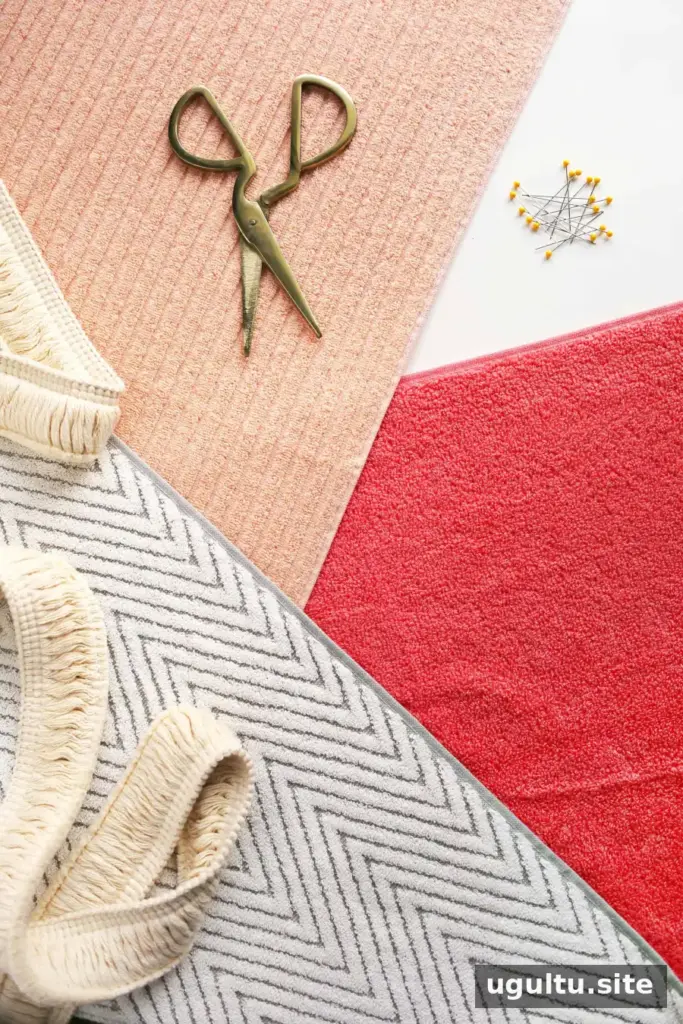
Before cutting, compare the towels’ thickness and texture. Towels with very different weights may not lie flat when joined. Textured or subtly patterned towels can add visual interest, but test the arrangement on a flat surface first. In the example, four towels cost $25 and provided enough material for two round towels with minimal scraps. The finished towels cost about $38 each, including the trim.
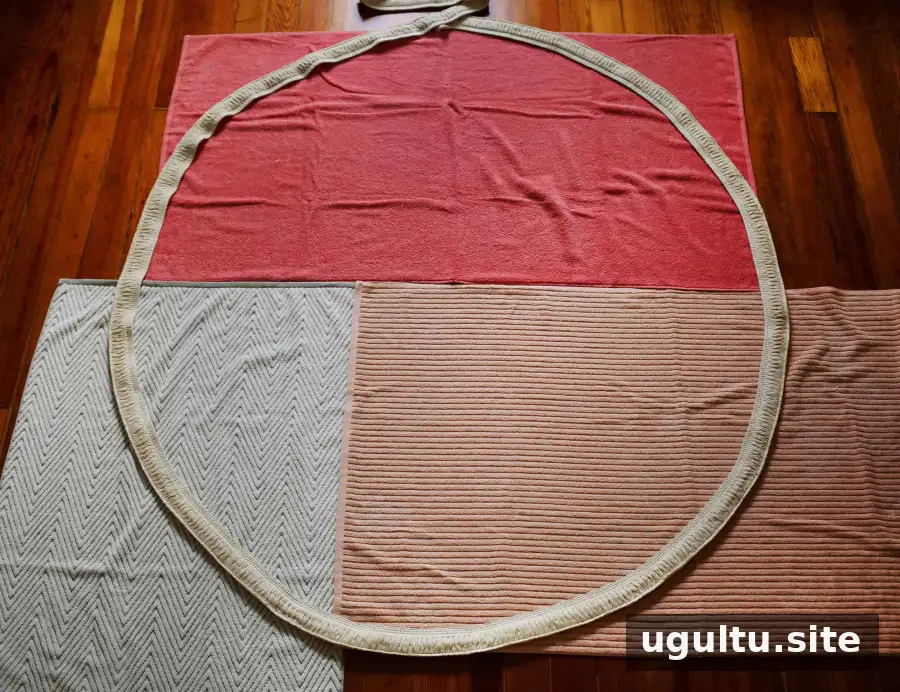
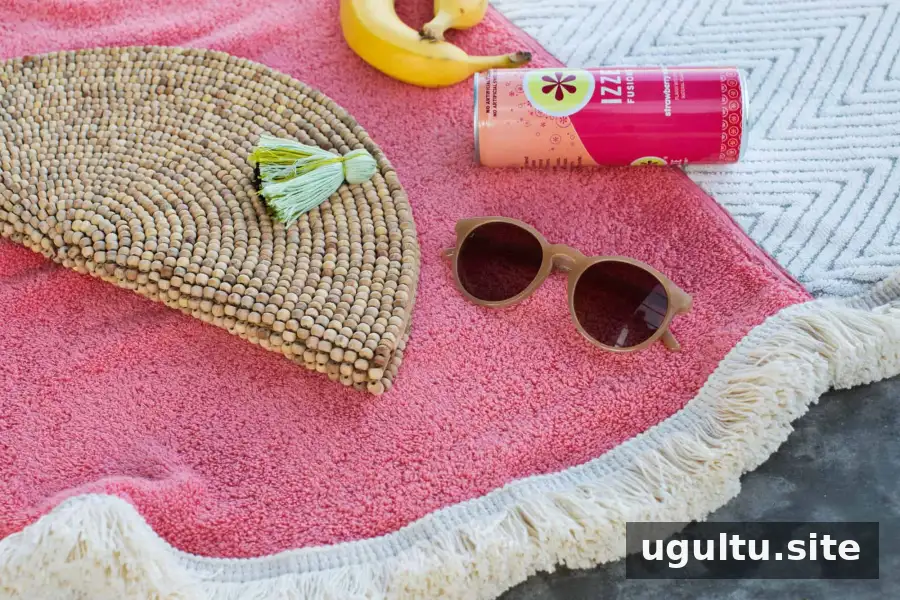
Arrange the towels using their hemmed edges to create right-angle joins. One layout uses the boldest color for half of the circle and places two textured towel sections together, slightly offset rather than perfectly centered. Lay the trim in a circle around the proposed shape and step back to check the proportions before sewing. Saving the offcuts can provide material for a second towel.
How to Sew the Towel Sections Together
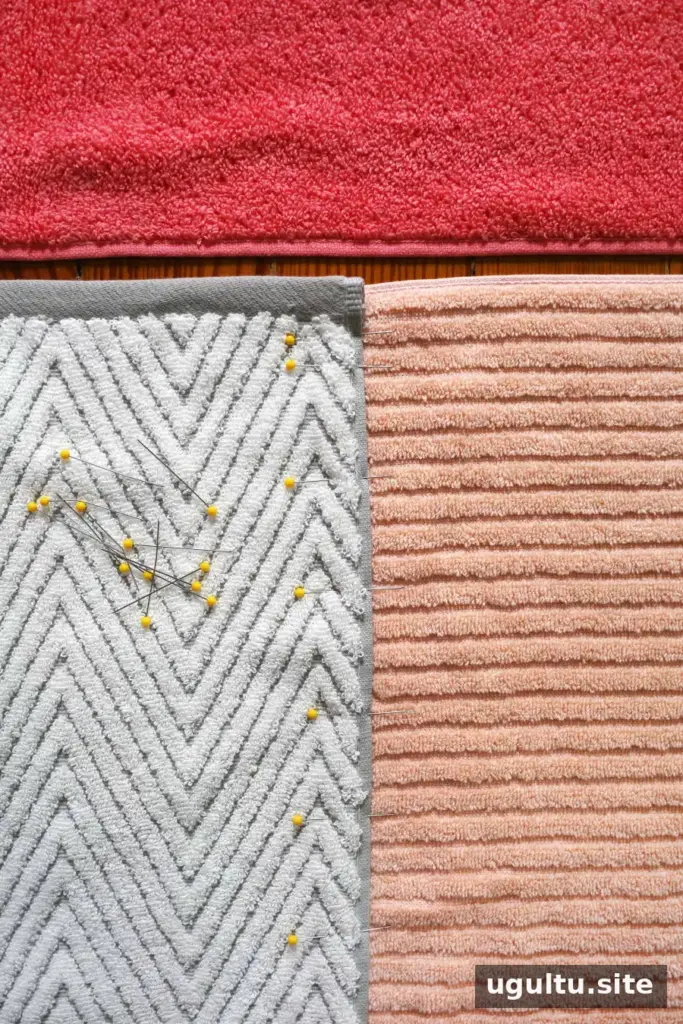
Place the long hemmed edge of the smallest section over the short hemmed edge of the medium section. Overlap the edges by about ½ inch, keeping the new long edge aligned where the pieces meet. Pin every 2 inches to help prevent puckering. Using extra pins is helpful when working with thick, absorbent fabric.
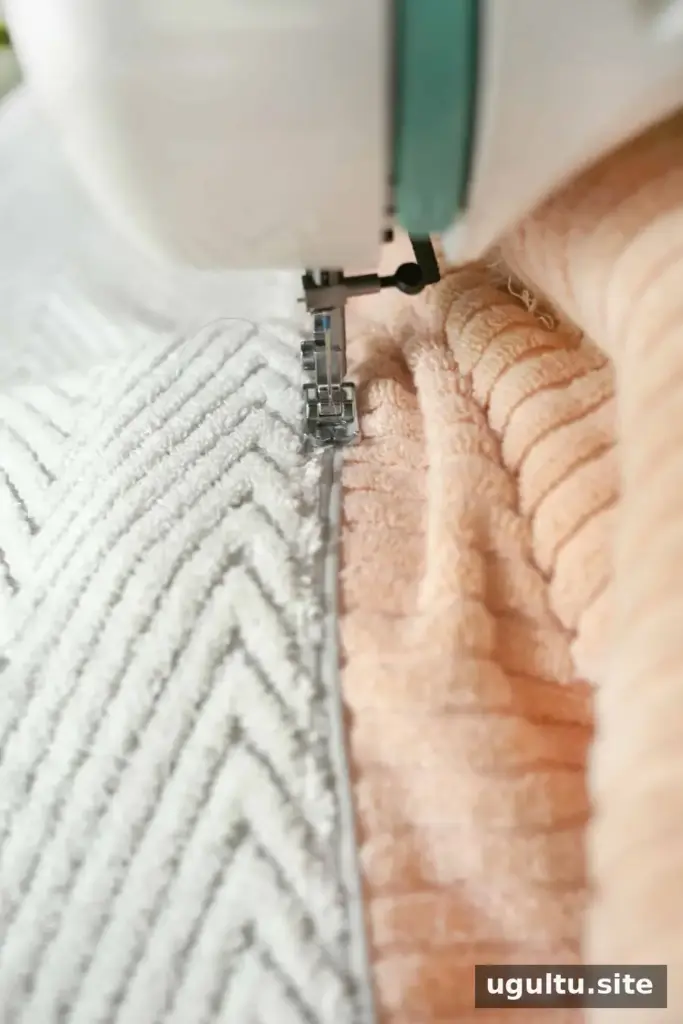
Sew the two sections together with two rows of stitching. Place the first row as close to the existing hem as possible and sew the second row about ¼ inch away. Backstitch at the beginning and end of each row to secure the seam.
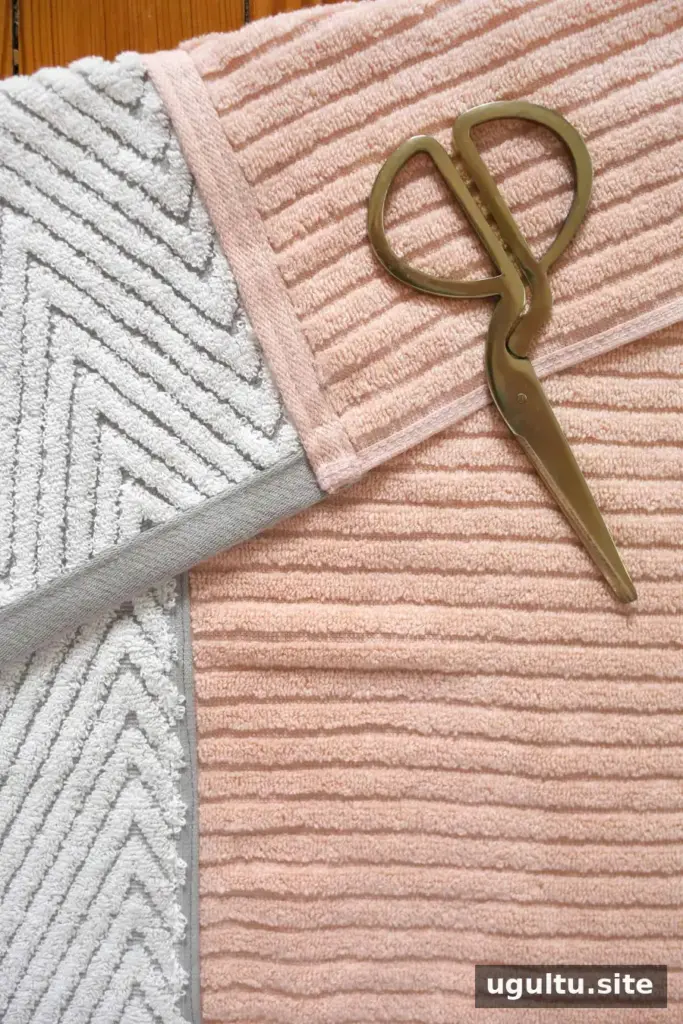
The second line of stitching reinforces the join and helps keep the original hem from lifting at the back. Check the seam before continuing; if the fabric has gathered, adjust it now rather than carrying the puckering into the next step.
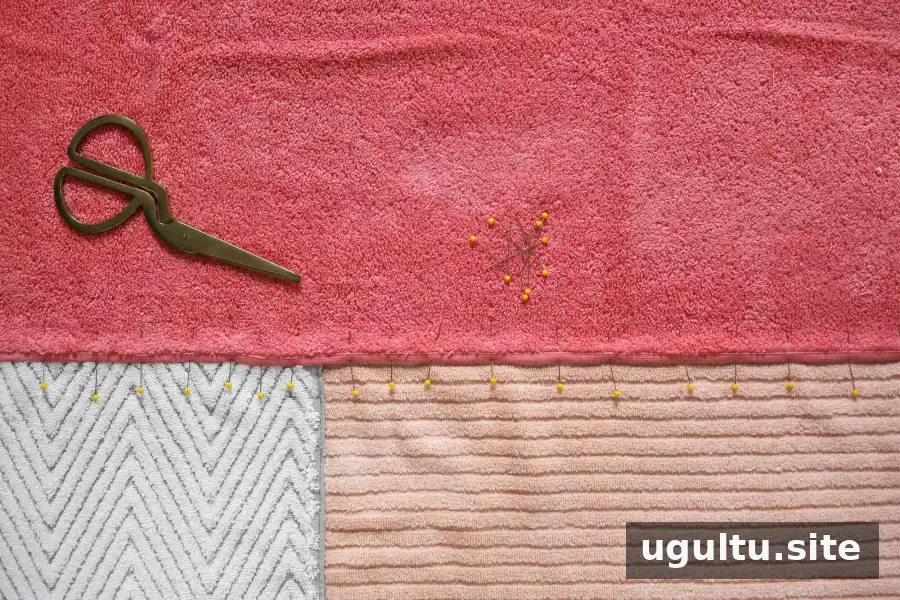
Place the long edge of the top towel section over the long edge of the joined pieces, overlapping them by about ½ inch. Adjust the colors to suit your planned layout, then pin along the full seam and sew two rows as before. The area where all three towels overlap will be thicker, so guide it slowly. If needed, turn the machine’s handwheel by hand through the thickest section for more control.
Shape and Finish the Round Beach Towel
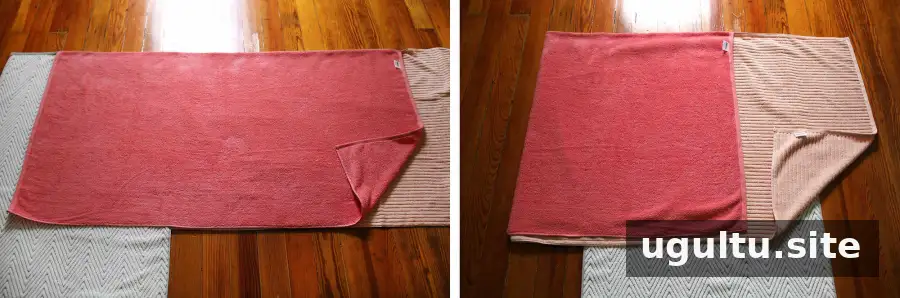
Fold the top towel forward over the other two, positioning the long seam at the fold. Bring the two corners along that fold together to create another fold. Keep the excess fabric for now; it may be useful when making a second towel.
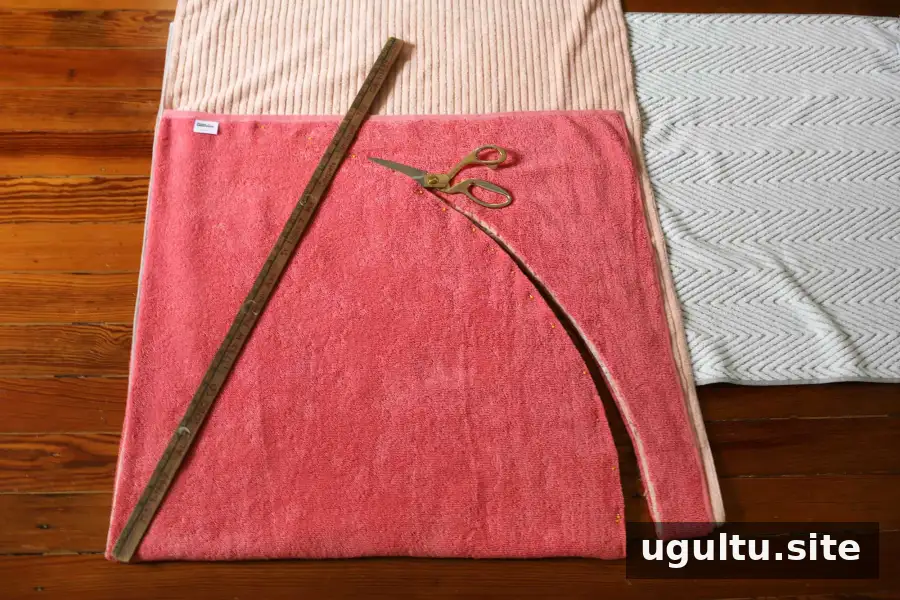
Measure the shortest edge of the top towel from the corner fold. In the example, this measurement was 27 inches. Mark that distance from the corner at about 10 points using pins, chalk, or a fabric marker. Cut just above the marked line through all four layers, then remove the pins and set the excess fabric aside.
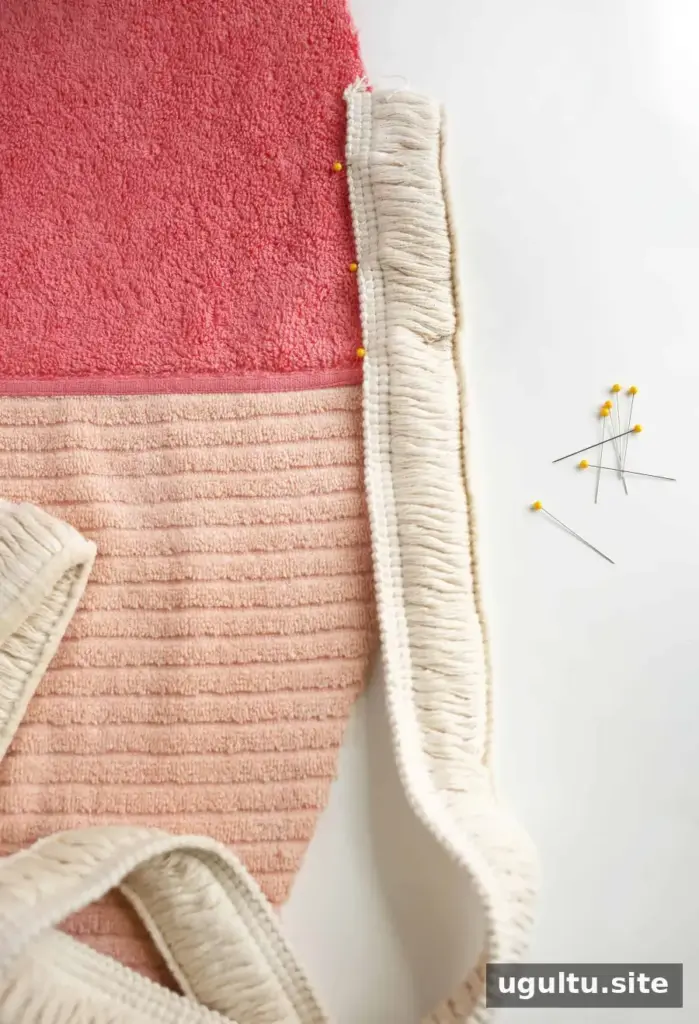
Unfold the towel with the right side facing up. Pin the fringed trim around the circle, overlapping the towel edge by about ⅜ inch. Place pins roughly every 3 inches to help the trim follow the curve without creating waves. Check that the trim lies smoothly before stitching.
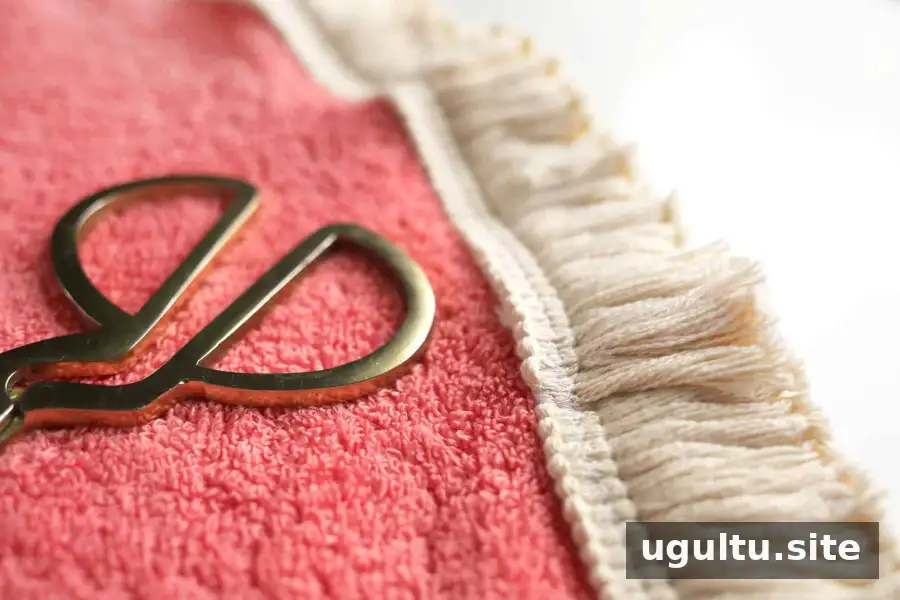
If your sewing machine has the option, use a zigzag stitch to attach the trim. Guide the towel and trim through the machine gently; pulling can stretch the edge and distort the circle. Continue until the trim overlaps by about 1 inch. Fold the end under to create a neat finish, then stitch across it.
Cost-Saving and Sewing Tips
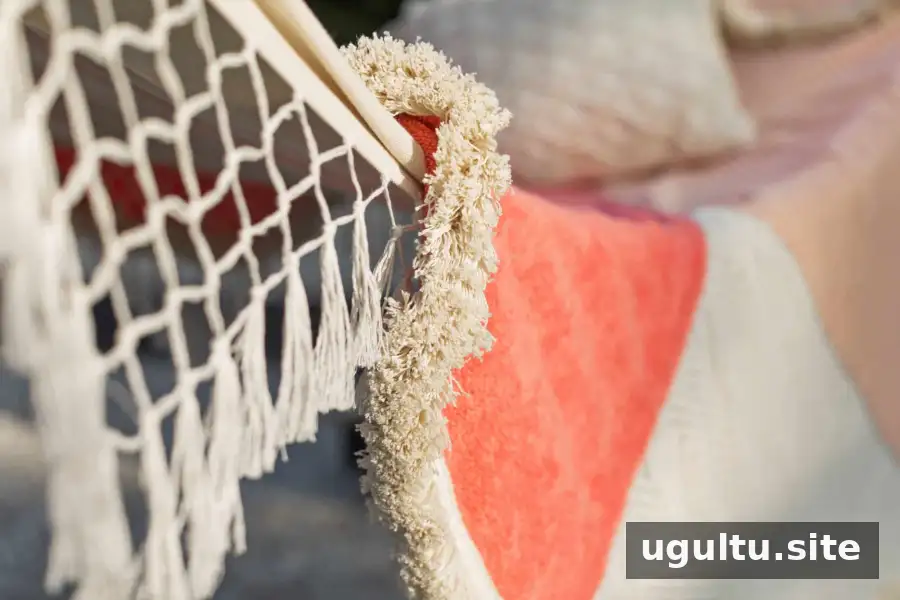
Trim can make up a noticeable part of the project cost. Check for a store coupon before buying the 5.5 yards needed per towel; a 40% or 50% discount can reduce the materials cost. Cotton trim was used for the example, but a suitable polyester blend is another option to consider when comparing prices and care instructions.
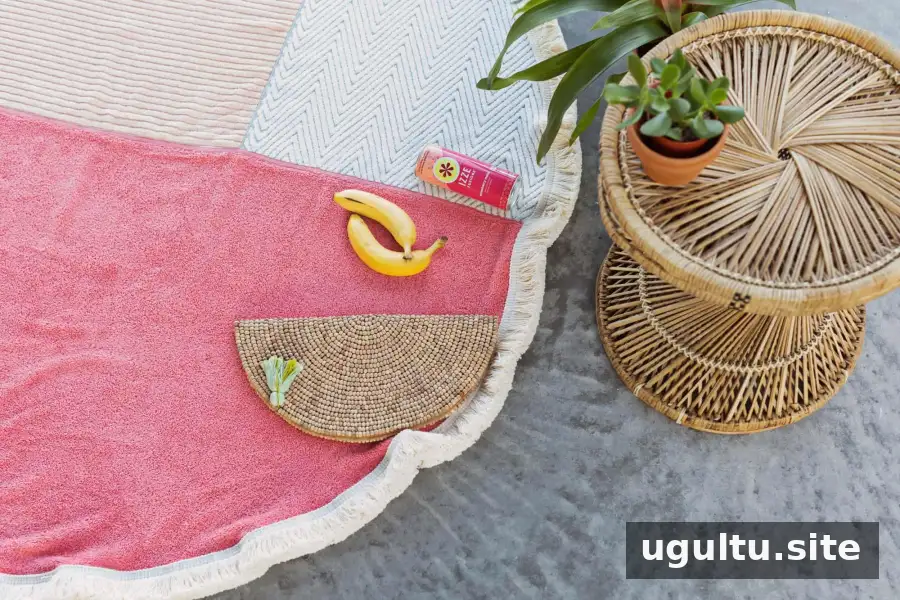
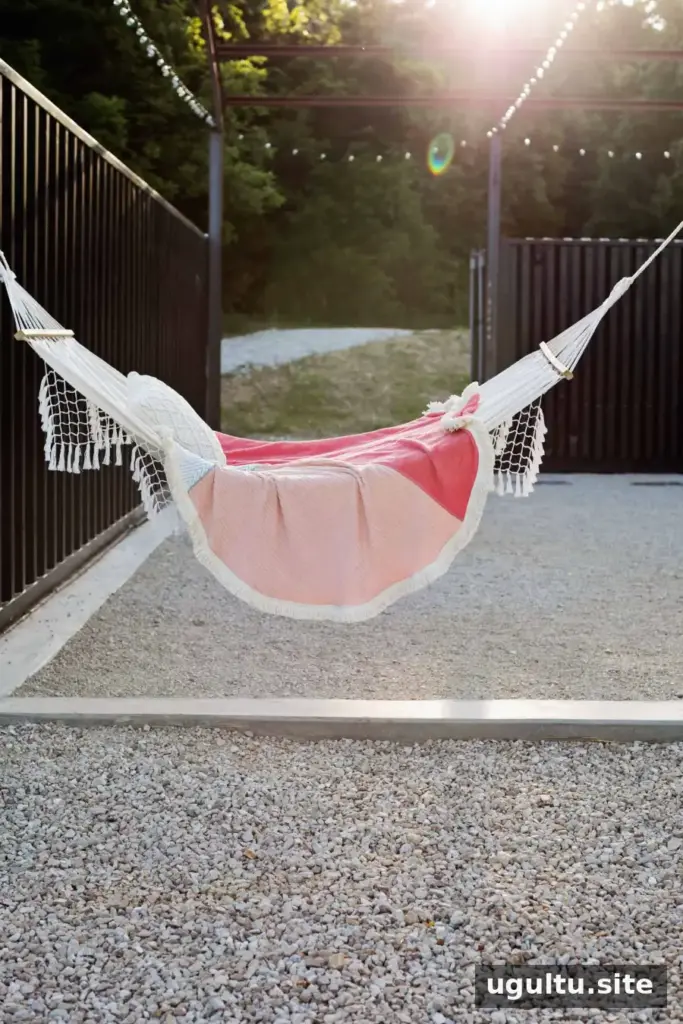
Making a DIY round beach towel lets you coordinate its colors with a swimsuit or other beach accessories while creating a useful surface for lounging. Take time to pin the joins and trim evenly, and sew slowly over thicker areas for a more reliable finish.
— Rachel


