admin


A well-planned shared kids’ room can give each child a sense of belonging while keeping the space comfortable and easy to manage. The most useful approach is to balance personal touches with a few consistent colors and patterns, then make sure storage and furniture suit the children’s changing needs. These ideas can help create a room that works for different ages, interests, and routines.
1. Design with each child in mind.
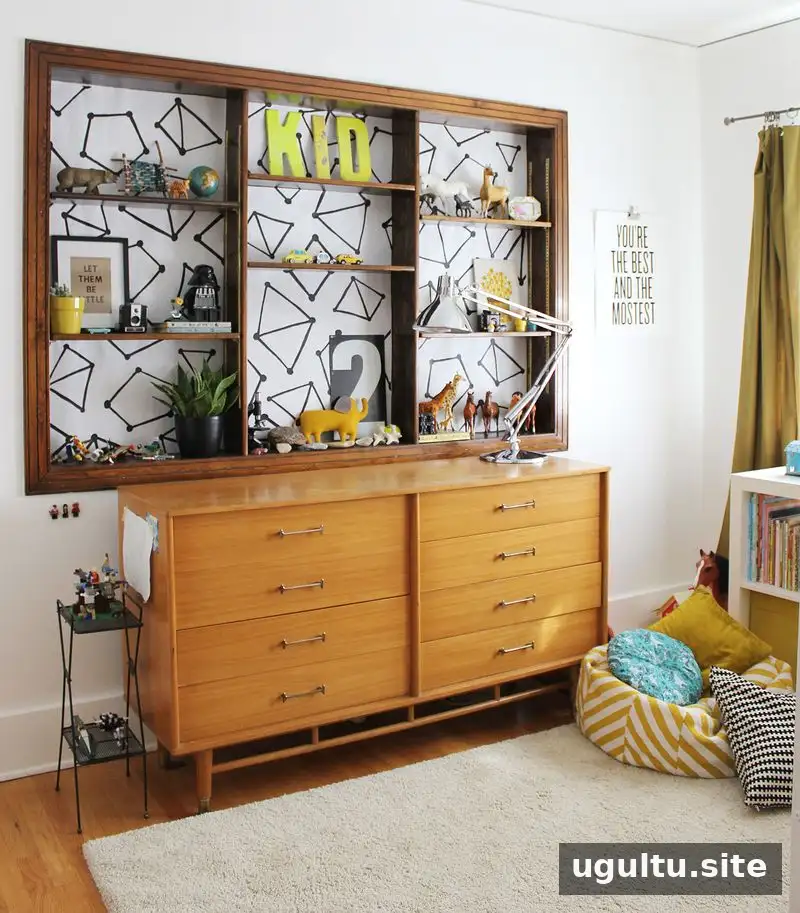
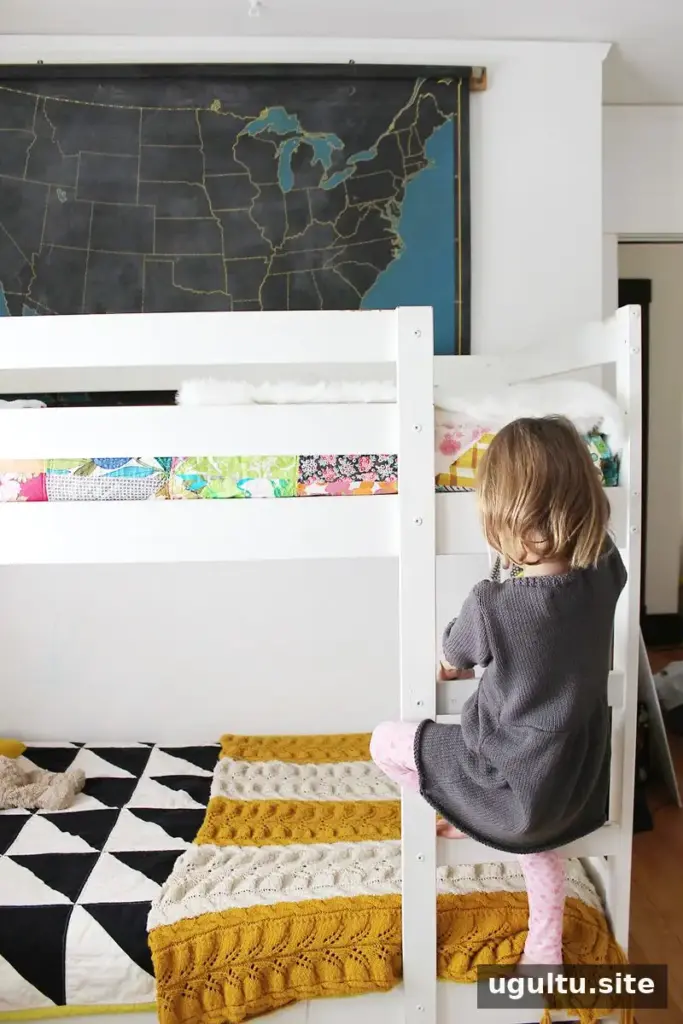
A shared room does not need to follow a single theme to feel coordinated. Start with a simple palette and repeat it across bedding, artwork, and accessories. Black, white, and yellow can provide a neutral foundation, while a quilt or smaller decorative pieces introduce additional colors such as pink, red, aqua, and green.
Include belongings that matter to each child, choosing items that fit the overall palette where possible. For example, a character-themed clock and a colorful stuffed animal can sit together without making the room feel divided. Repeating a pattern or a few colors in different parts of the room also helps tie individual choices together.
2. Make storage both practical and attractive.
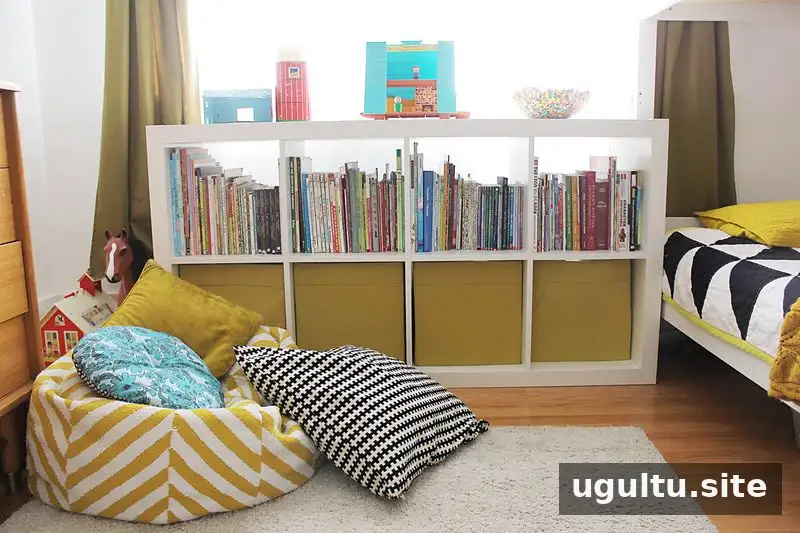
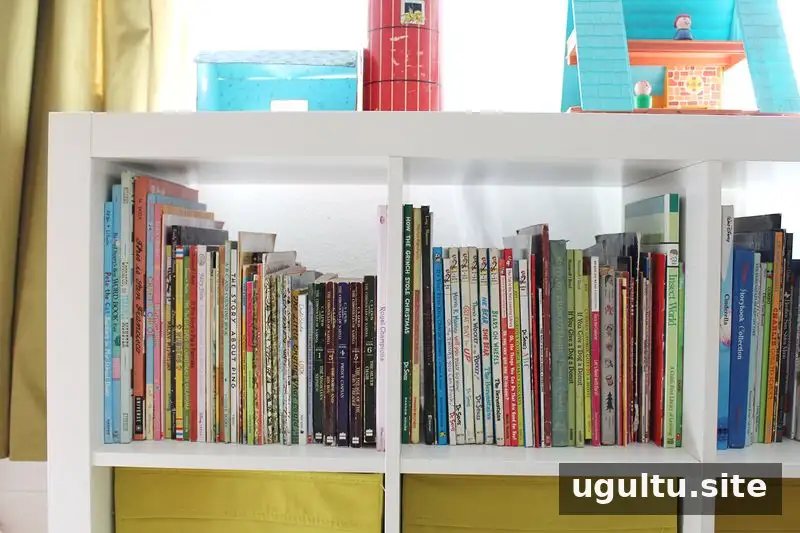
Give toys, books, and personal items a clear place so children can find them and help put them away. Coordinated bins on a bookshelf can hold small accessories, while clear tubs tucked beneath a lower bunk make building toys easy to sort and access. A roomy basket works well for stuffed animals, and a closet can accommodate larger toys.
Choose storage that is simple for the children to use: lightweight containers and accessible shelves make tidying easier. Keep frequently used items within reach, and reserve higher or less accessible spaces for things used less often. A room will naturally look different during play, so focus on a system that is easy to reset rather than expecting it to stay perfectly tidy all day.
3. Give each child a personal space.
Even when children share a bedroom, each can benefit from a small area for their own activities or belongings. A shelf, drawer, bedside spot, or labeled container can help establish that sense of ownership. For projects that should not be disturbed, set aside a protected place to display or store them.
One option is to repurpose a closet shelf by moving items that are not needed every day. If the area is dim, a battery-powered LED light can make it easier to use. Agree on simple rules about which items are private or should be left untouched; clear expectations can help prevent accidental damage and disagreements.
4. Choose furniture that can adapt.
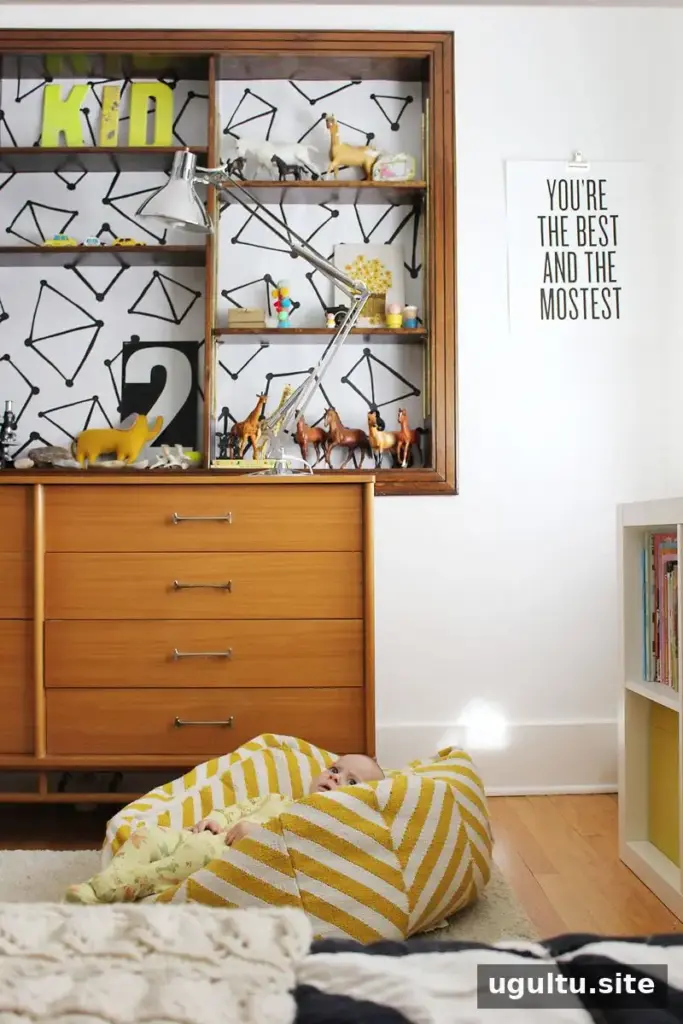
Multifunctional furniture can make a shared room more useful now and easier to update later. A dresser can be divided between children, shelving can hold toys and books before serving other purposes, and a beanbag can provide a casual place to sit or read. A large basket can also be repurposed for laundry as children’s needs change.
Before buying a major item, consider how it might be used over the next few years and whether it can move to another room. Children grow quickly, so durable pieces with flexible uses may be worth prioritizing over items that only suit a short stage. Check that furniture is appropriate for the children’s ages and follow safety guidance for items such as bunk beds.
5. Involve children through guided choices.
Let children contribute without asking them to make every design decision. Offer a limited set of options, such as a choice between a few colors, bedding patterns, or artwork ideas. This gives each child a voice while helping the room keep a consistent look.
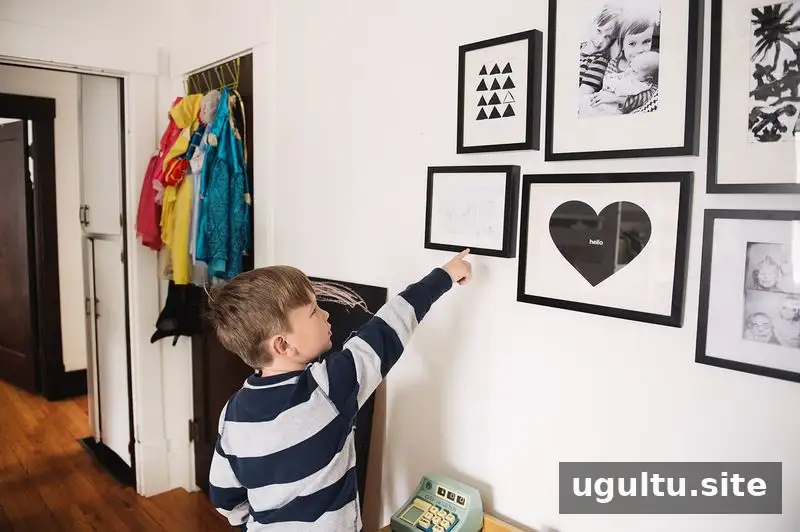
For a gallery wall, children can make their own art using colors that already appear in the room. Their work can be displayed alongside family photographs or other meaningful decorations. Involving children in small, manageable decisions can make the room feel more personal and encourage them to take care of it.
A successful shared kids’ room combines coordinated design with practical storage, personal spaces, and adaptable furniture. Start with the children’s current routines, make room for each person’s interests, and choose systems that can change as they grow.
— Rachel