admin

Choosing a floor stain is a significant part of a flooring project: the color can change how bright, spacious, or dramatic a room feels, and refinishing can take considerable time and effort. Before settling on a shade, consider the room’s light, your household’s needs, the wood’s natural color, and how the floor might fit your plans for the home. A few careful tests can help you make a more confident choice.
How to choose the right floor stain
There is no single color that works best in every home. Use the factors below to narrow your options, then test your shortlist on the actual flooring or on matching wood.
Decide between contrast and brightness
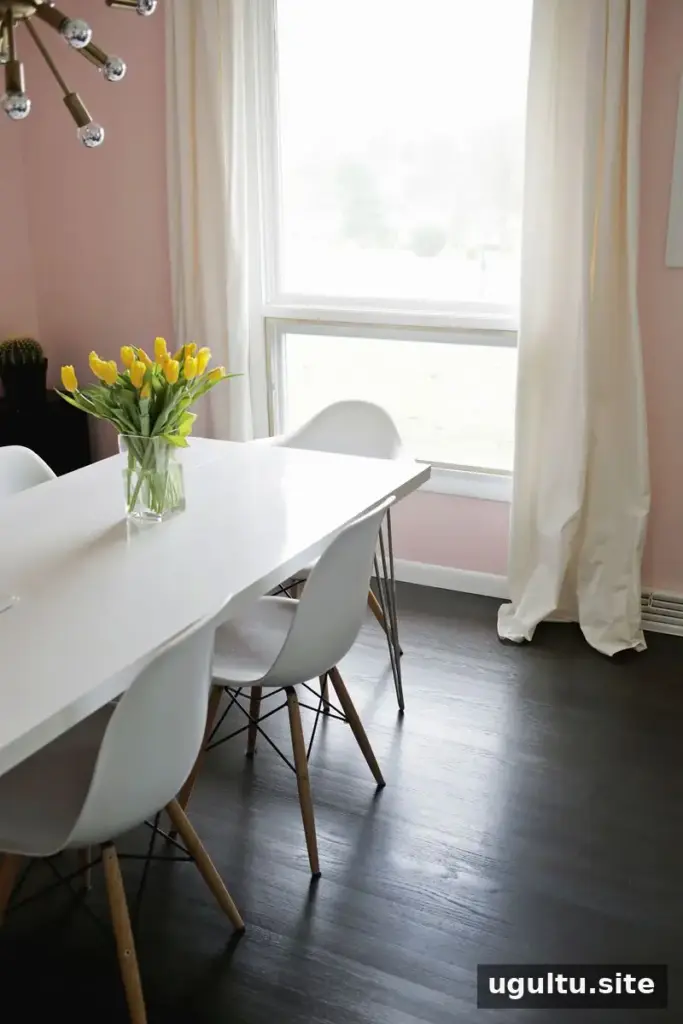
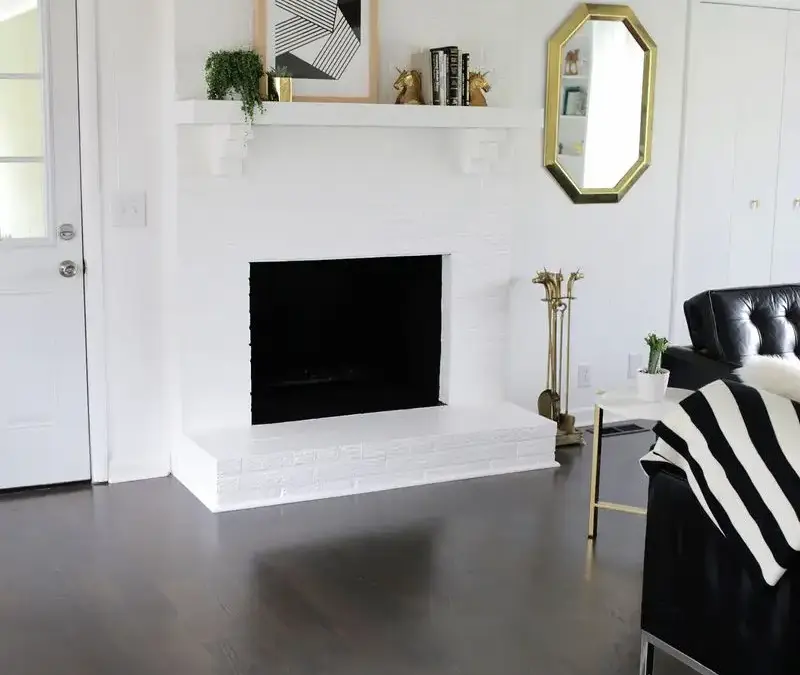
Dark floors can create a strong contrast with light walls and give a room a dramatic, defined look. They can also make light-colored rugs stand out. However, darker surfaces absorb more light than pale finishes, so a room may feel less bright. Lighter stains tend to reflect more light and can help create an airy appearance.
Practical tip: Think about the natural light in the room and the atmosphere you want. If brightness matters most, compare lighter samples in the room at different times of day.

Consider how distinctive you want the floor to be
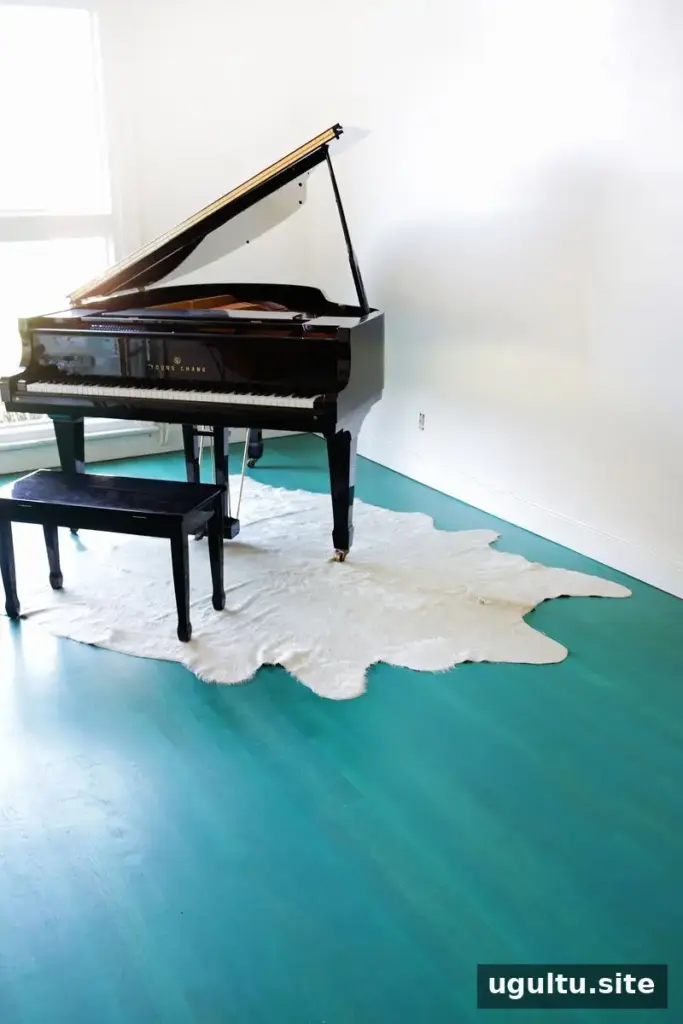
A classic, widely appealing color may suit homeowners who want a more broadly adaptable look. A bold or unusual finish can make a space feel more personal, but it may not appeal to every future buyer. For example, a colored floor can create a memorable room while being a matter of individual taste.
If you choose a distinctive finish on solid hardwood, a future owner may be able to refinish it. Still, refinishing requires time and expense, so consider whether you are comfortable with the possibility that someone might prefer a different color.
Account for pets, children, and everyday mess
Floor color affects how noticeable pet hair, dust, and crumbs appear. Light flooring can disguise light-colored hair, while dark flooring may hide darker hair. Lighter floors can also make dust and food crumbs less visible than dark ones, which may need more frequent sweeping to look clean.
Practical tip: Choose a sample that contrasts as little as possible with the hair or dust you commonly see at home. Keep in mind that no stain eliminates the need for regular cleaning.
Check the wood’s natural color
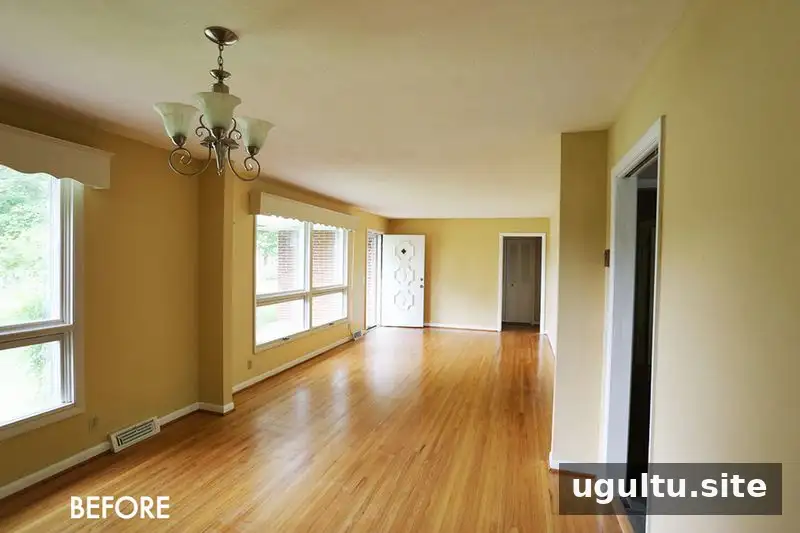
The same stain can look different on different wood species because the wood’s own color affects the finished result. This is especially noticeable with light stains: pink, red, or orange undertones in the wood may still show through. A cooler, darker color can help reduce the appearance of warm undertones, although testing is the best way to see the result on your particular floor.
Test samples before staining the whole floor
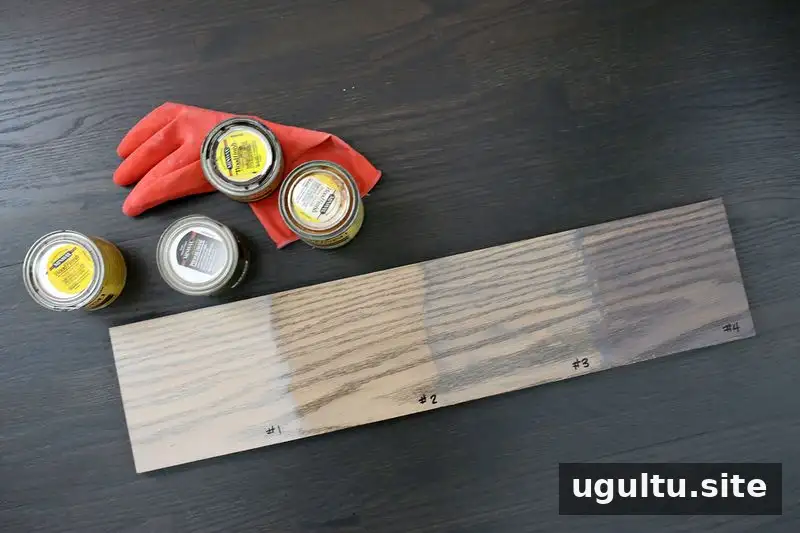
A sample is one of the most reliable ways to judge a stain. If the existing finish can be sanded away, test a small area on the actual floor; sand the test area again before applying the final finish. Another option is to test on boards made from the same type of wood as the flooring.
Compare your samples in the room where they will be used, and allow them to dry before choosing. Keep a record of the stain names and any proportions if you are testing a mixture. This makes it easier to reproduce the color you prefer.
Make a custom color if needed
If no ready-made shade looks right, compatible stains may be mixed to create a custom color. Only combine products from the same stain line and with the same base, such as oil-based with oil-based or water-based with water-based. Follow the product instructions and test the mixture on matching wood before applying it to the floor.
Measure each ingredient carefully and write down the proportions. One example of a tested mix is 3 parts Classic Gray, 1 part Jacobean, and 1 part Ebony. A small change in the ratio can affect the finished color, so prepare enough of the chosen mixture for the project and keep a written record.
Final checks before choosing a floor stain
Choosing a floor stain becomes easier when you compare the room’s light, your preferred style, household cleaning needs, and the wood’s natural undertones. Test your finalists on the right wood, let them dry, and document any custom mix before the full refinishing begins. These steps help you select a floor stain that suits both your home and your practical needs.
— Laura