
 admin
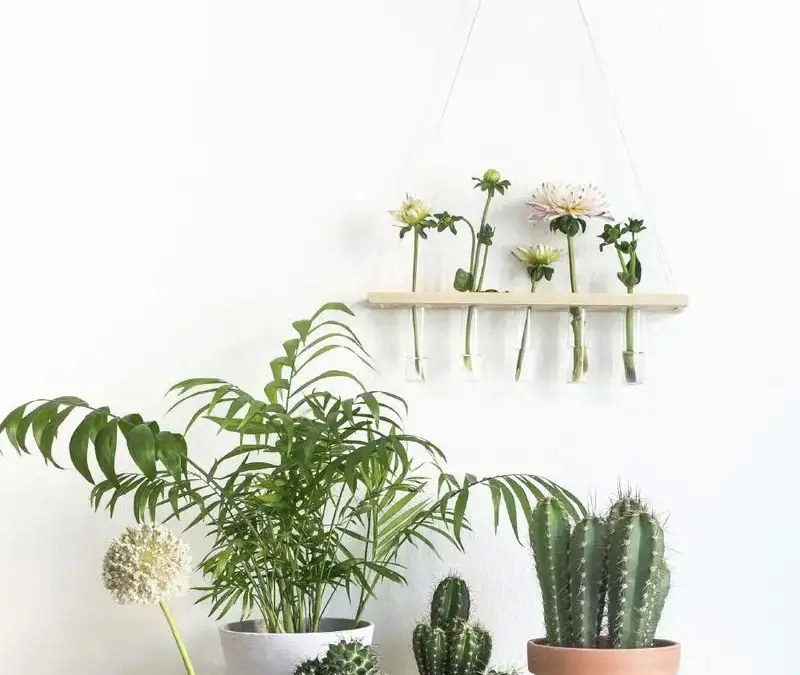
Camilla Bromann’s apartment in Odense, Denmark, shows how a home can develop gradually through personal keepsakes, secondhand finds and thoughtful use of space. The 68m² home combines a light-filled interior with vintage details and furniture that carries family memories.
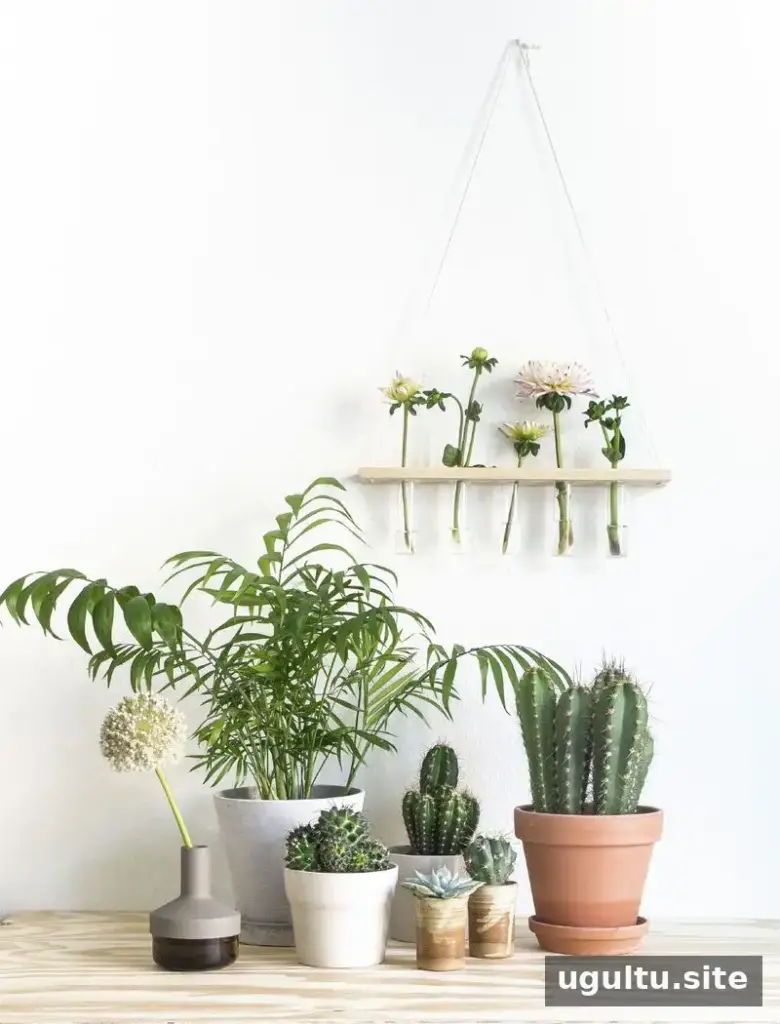
This apartment tour offers ideas for making a compact home feel personal without relying on matching furniture or a single decorating style.
Inside Camilla Bromann’s Danish apartment
The apartment is on the Danish island of Fyn, in the city of Odense. It has three rooms of the same size, used as a bedroom, living room, and dining room and studio. A good-sized kitchen and a very small bathroom complete the layout.
Furnishing the home took time. After moving, the couple waited three months for their belongings to arrive from Australia. During that period, they had only a bed and a dining table with chairs. As their possessions arrived, weekend trips to secondhand shops and visits to Camilla’s parents’ attic helped the apartment take shape. The home continues to change as new ideas and objects are added.
Practical idea: A slower furnishing process can help you choose pieces that suit your home instead of filling every room at once. Start with essentials, then add items as you find ones that are useful or meaningful.
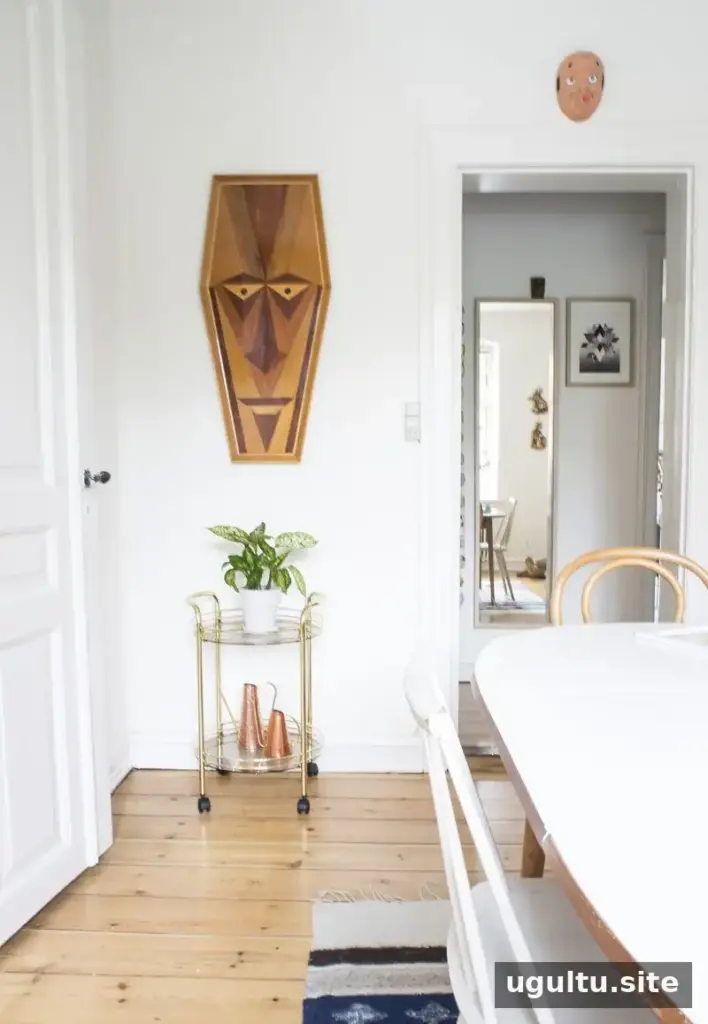
Light, warmth and a sense of home
Camilla and her husband moved into the apartment in 2014, after living in Melbourne, Australia, since 2008. They chose Odense partly because it is Camilla’s hometown, which helped ease her homesickness after five years away. The apartment also appealed to them for its natural light, wooden floorboards, large white-framed windows and a French door between the living and dining area.
These features provide a simple foundation for decorating. In a home with strong natural light and warm wood, personal objects can add color and character without needing to fill every surface.
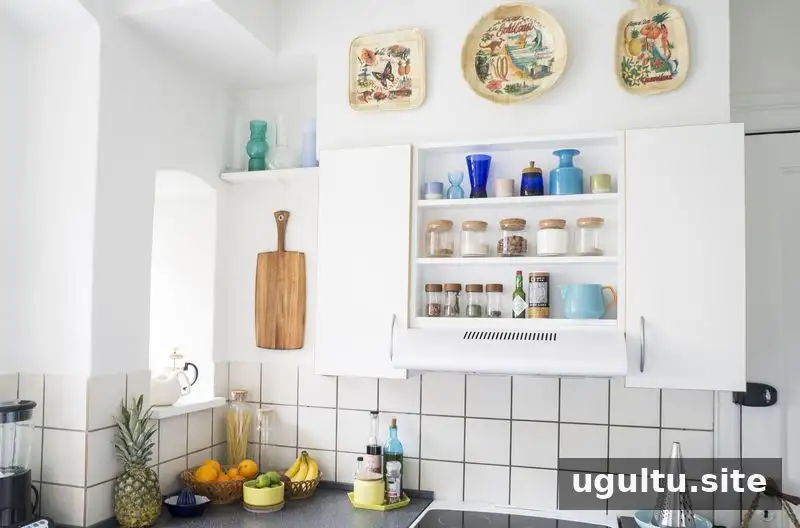
A kitchen with vintage character
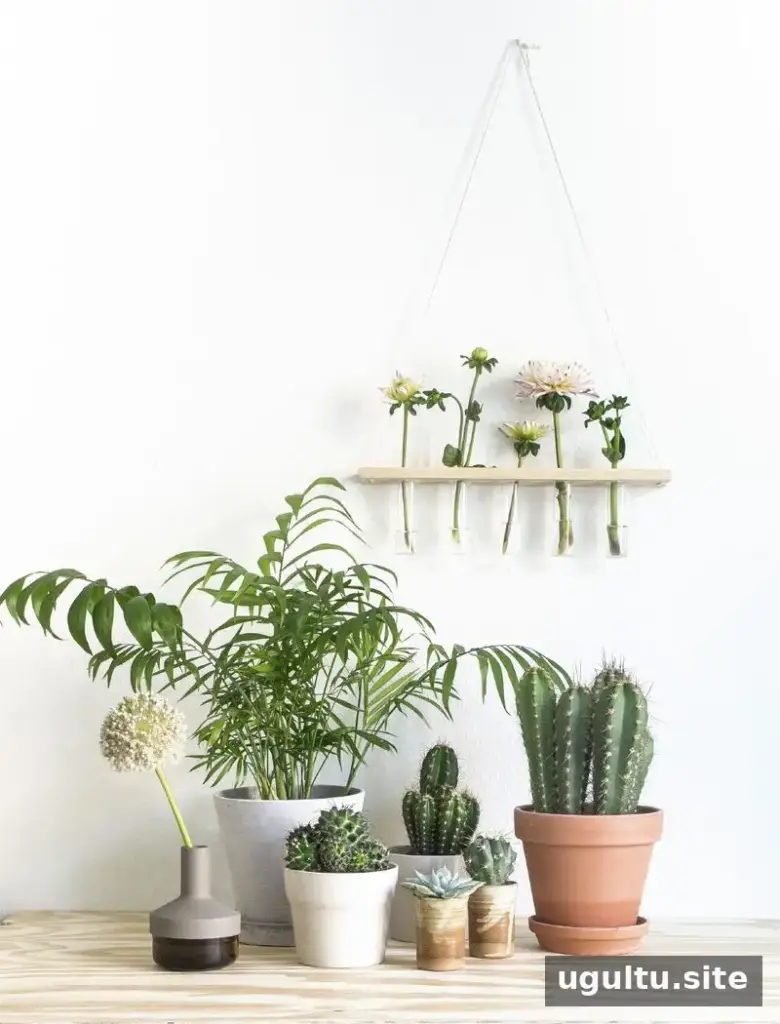
The kitchen is not especially large, but it has the essentials and looks out onto the garden. During warmer months, herbs and plants fill the window. Camilla has also experimented with growing sprouts and pineapples, though the pineapples did not succeed.
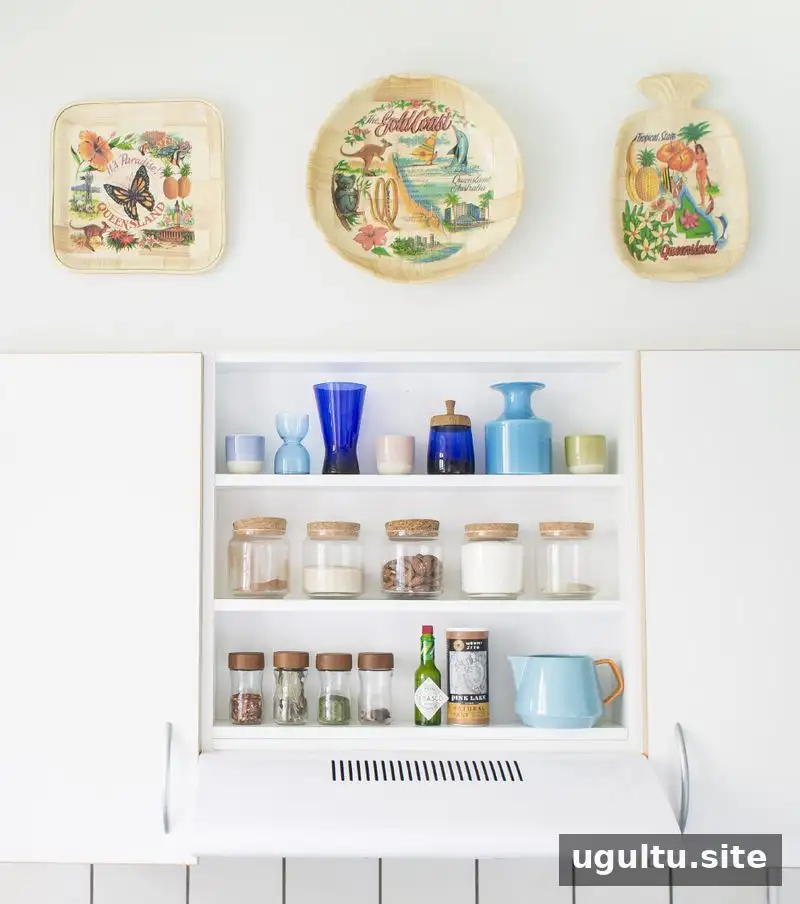
Early-1990s cupboards and small shelves above the stove give the kitchen a distinctive feel. The shelves hold vintage ceramics and secondhand glass jars used for spices. Three bamboo fruit baskets from Queensland hang on the wall; they were found at a secondhand shop in Australia.
Useful tip: Open shelves can keep frequently used spices and small kitchen items accessible. To avoid a cluttered look, group similar objects together and leave some space between collections.
Meaningful decor and well-loved furniture
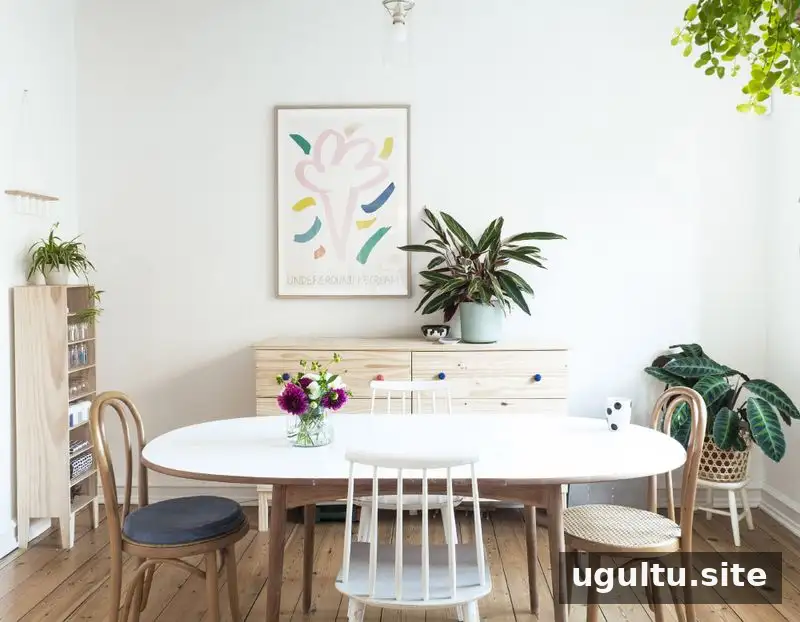
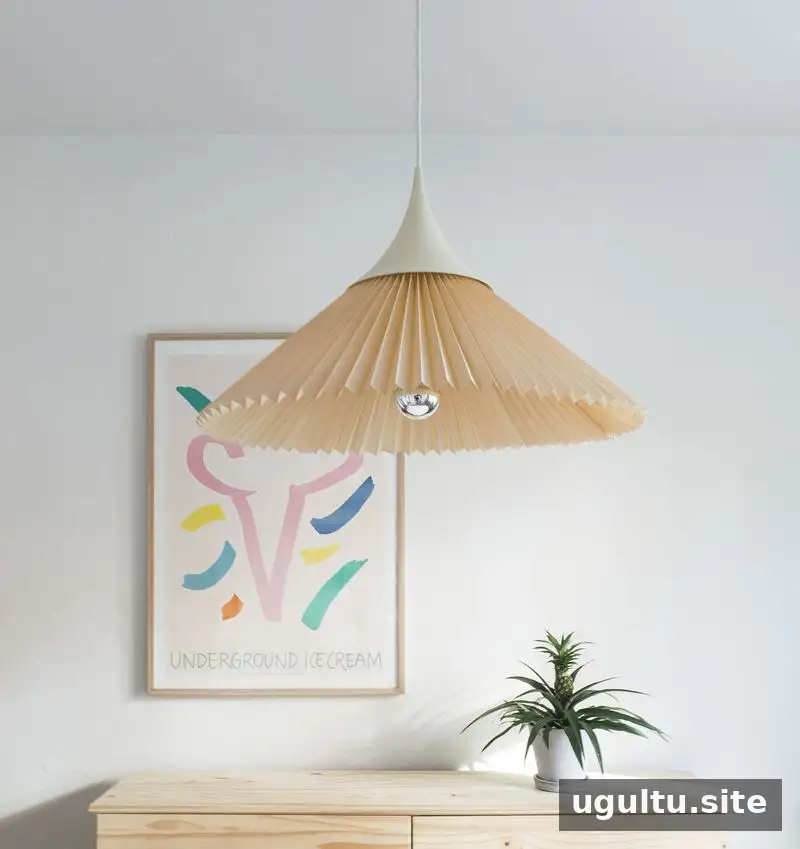
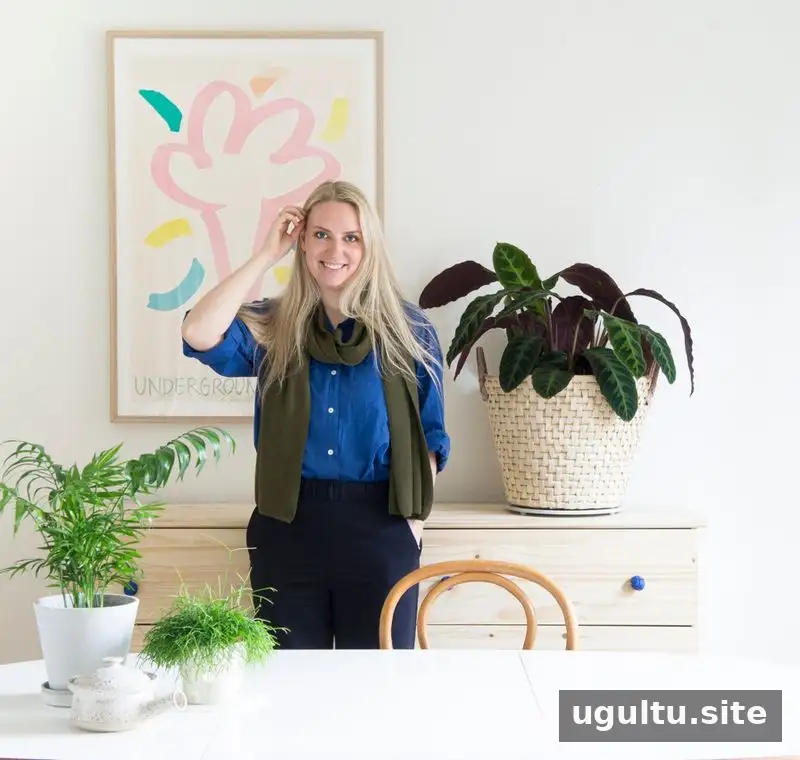
A favorite piece in the dining room is an ice cream poster. The artist gave it to Camilla’s mother in 1981 while she was helping at his studio. Its Miami-inspired look brings a bright note to the room, alongside the plants.
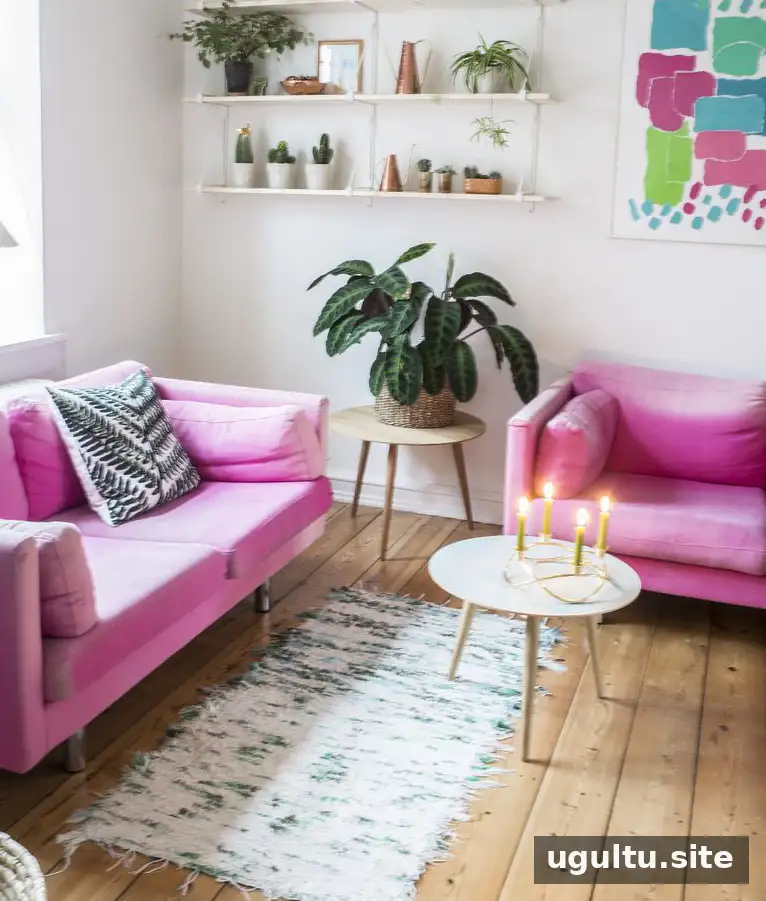
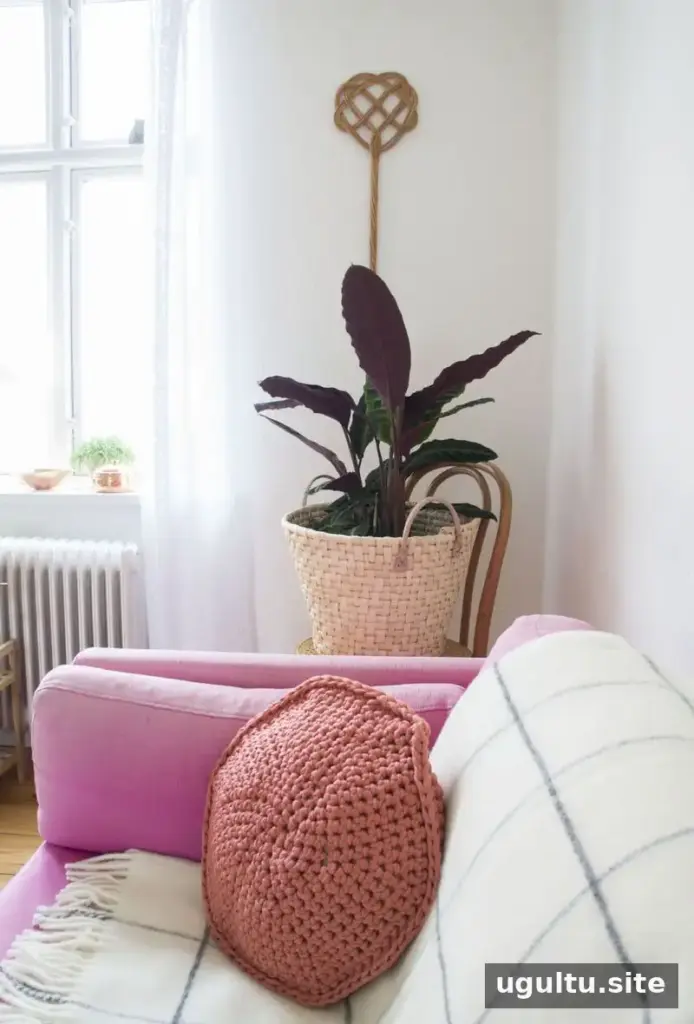
Much of the apartment is furnished with inherited or secondhand items. The pink sofas came from Camilla’s childhood home. Made by Danish designer Søren Lund and purchased in the early 1980s, they have remained in the family because of the memories attached to them. Their worn appearance is treated as patina rather than a reason to replace them.
The dining table is another personal project. Camilla sanded it, expecting to uncover dark teak, but discovered that it was oak. She finished the top with matte white lacquer and left the edges in a natural tone.
When updating older furniture, check the material and condition before choosing a finish. A small test in an inconspicuous area can help you see how sanding or paint will affect the surface.
What makes Camilla Bromann’s apartment feel personal?
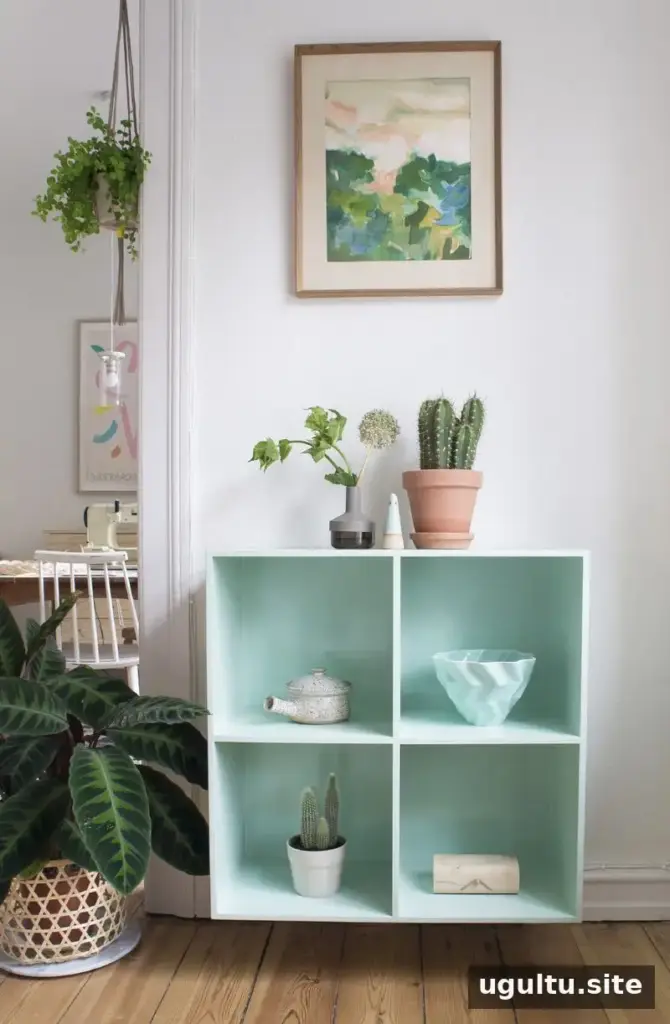
The home’s character comes from a mix of practical choices and objects with history: a layout that gives each room a clear purpose, plants in the kitchen, treasured family sofas, and finds collected over time. Camilla Bromann’s apartment is a reminder that a welcoming home does not need to be finished all at once. Begin with what you need, keep pieces that matter to you, and let the space evolve at a comfortable pace.


