
 admin
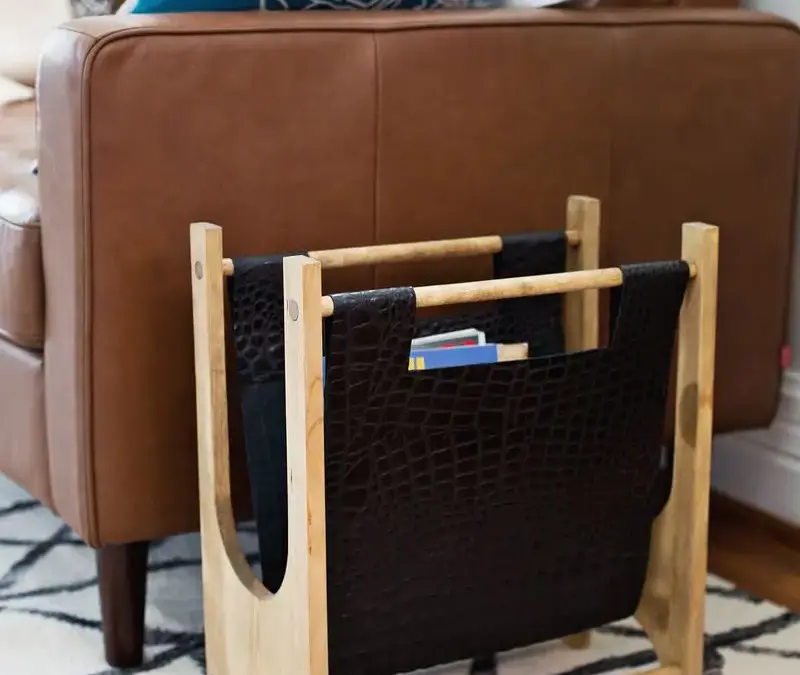
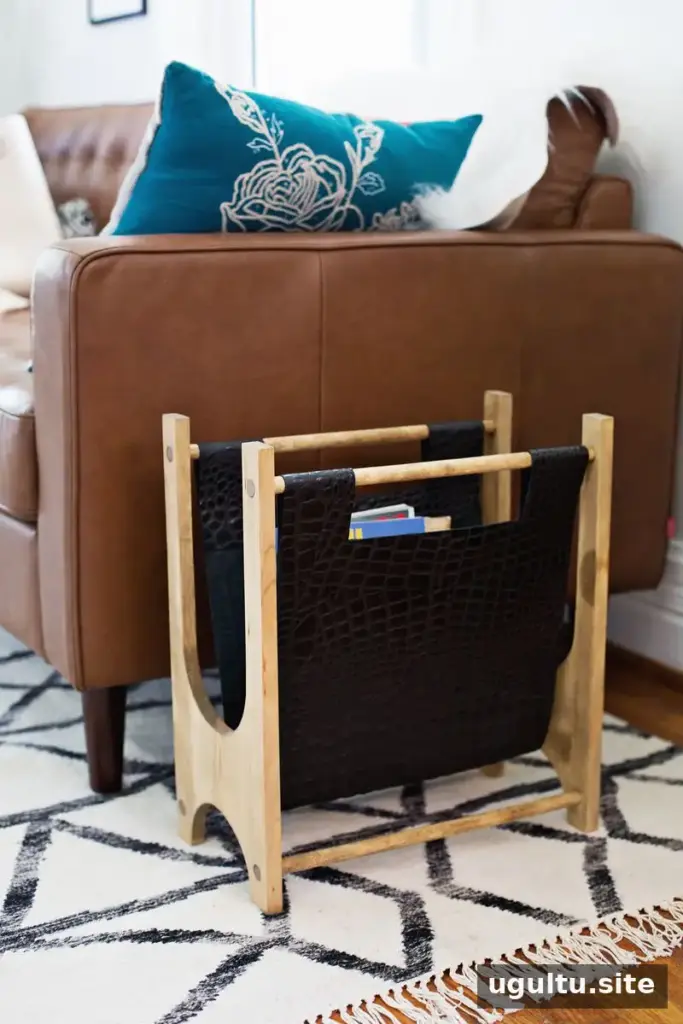
A wood and leather magazine holder offers a neat way to store magazines while adding a simple, modern accent to a living room, studio, or reading nook. This project combines a stained wooden frame with a sewn leather sling, and it can be made with basic woodworking tools and careful measuring. Follow the steps below, taking time to secure the boards before cutting and to let the glue and stain dry fully.
Materials and tools for a wood and leather magazine holder
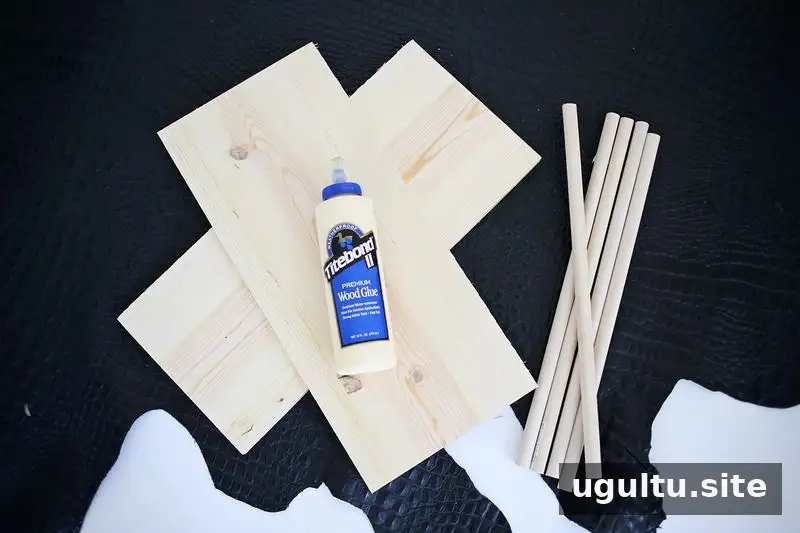
Gather the following materials before you begin. Check that the lumber is straight and that the leather is large enough to cut in one piece.
- Four wooden dowel rods, each 16 inches long and 5/8 inch thick
- Two wooden boards, each 8 x 18 inches
- Wood glue and fabric glue
- Medium-grit sandpaper and wood stain
- A small bowl about 5.5 inches wide
- Leather, real or faux, measuring 13.5 x 42 inches
- A jigsaw and a 5/8-inch paddle bit
- A leather needle for a sewing machine
- A rotary cutter, X-Acto knife, or fabric scissors
- A pencil, cotton cloth, and scrap wood for drilling support
Shape the wooden side panels
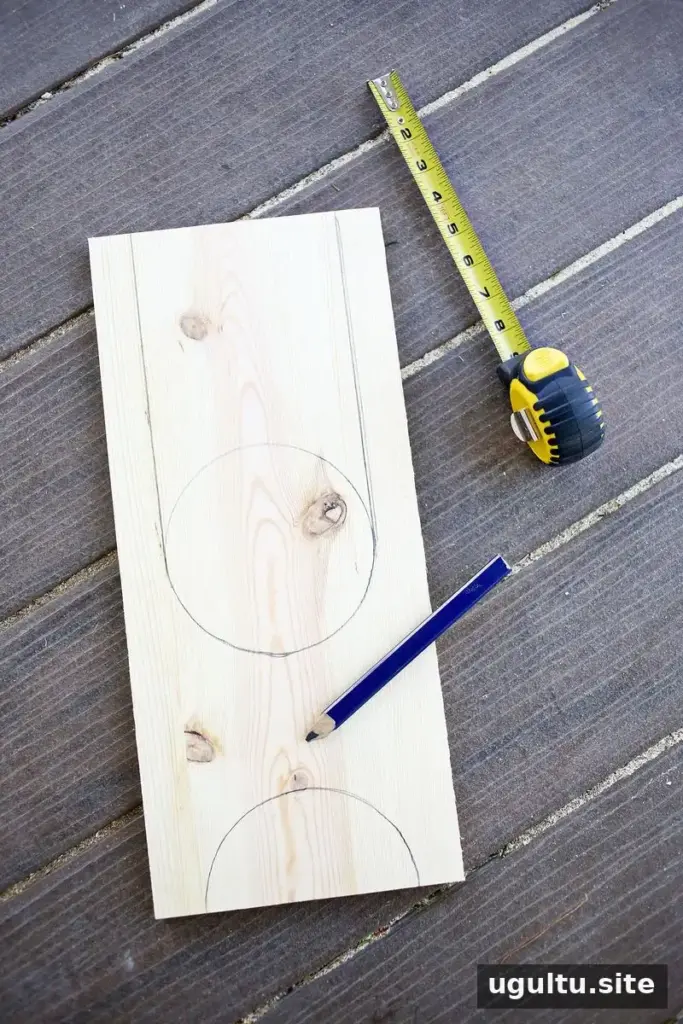
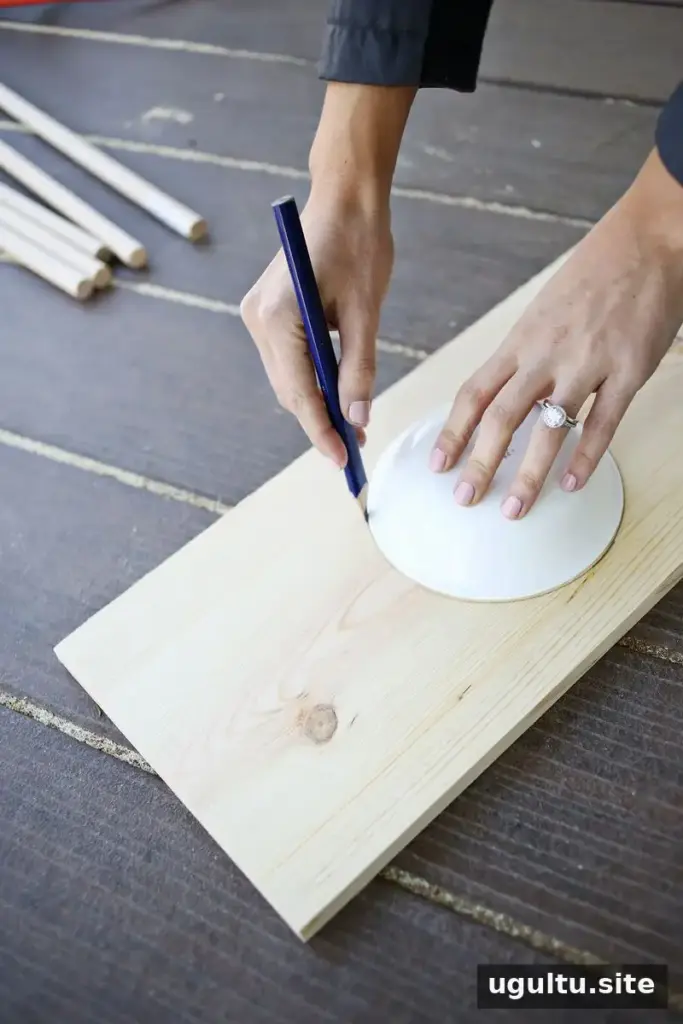
Cut the dowels and boards to the listed dimensions, or ask a lumber store to cut them. On one board, trace half of the bowl at the bottom edge to create the lower curved opening. Then trace the full bowl 4 inches above the top of that half-circle. Draw straight lines from the sides of the upper circle to the top of the board.
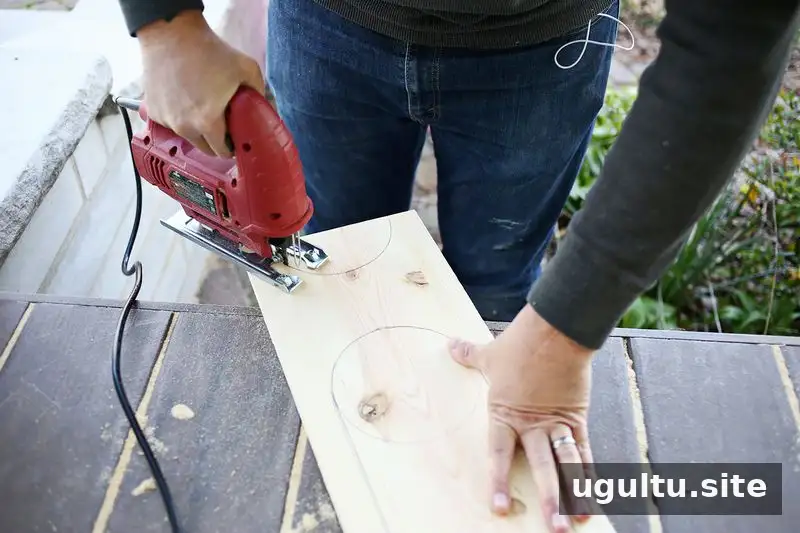
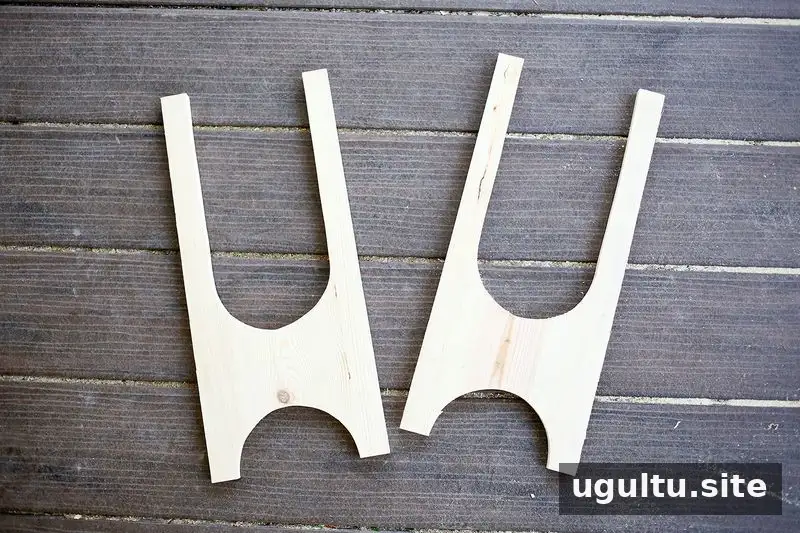
Secure the board firmly to a work surface before using the jigsaw. Cut along the pencil lines, keeping your hands clear of the blade. Once the first side panel is shaped, use it as a template for the second board so the two sides match. Matching panels help the finished frame sit evenly.
Drill the dowel holes and finish the wood
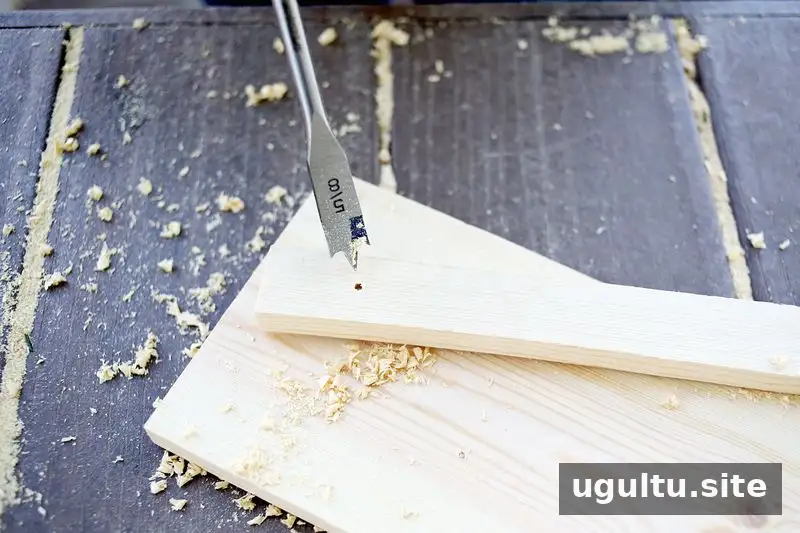
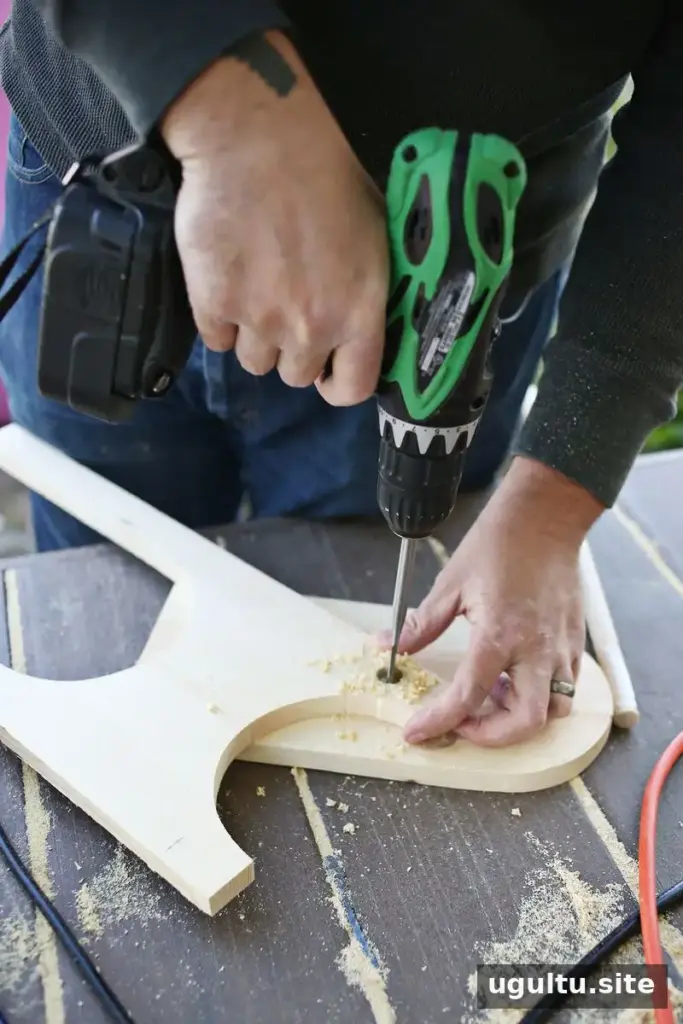
Mark the dowel positions near each corner, 1.5 inches from the top or bottom edges. Place scrap wood underneath the panel and drill each hole with the 5/8-inch paddle bit. For cleaner edges, stop when the bit point breaks through, turn the board over, and complete the hole from the opposite side. Repeat the measurements on the second panel.
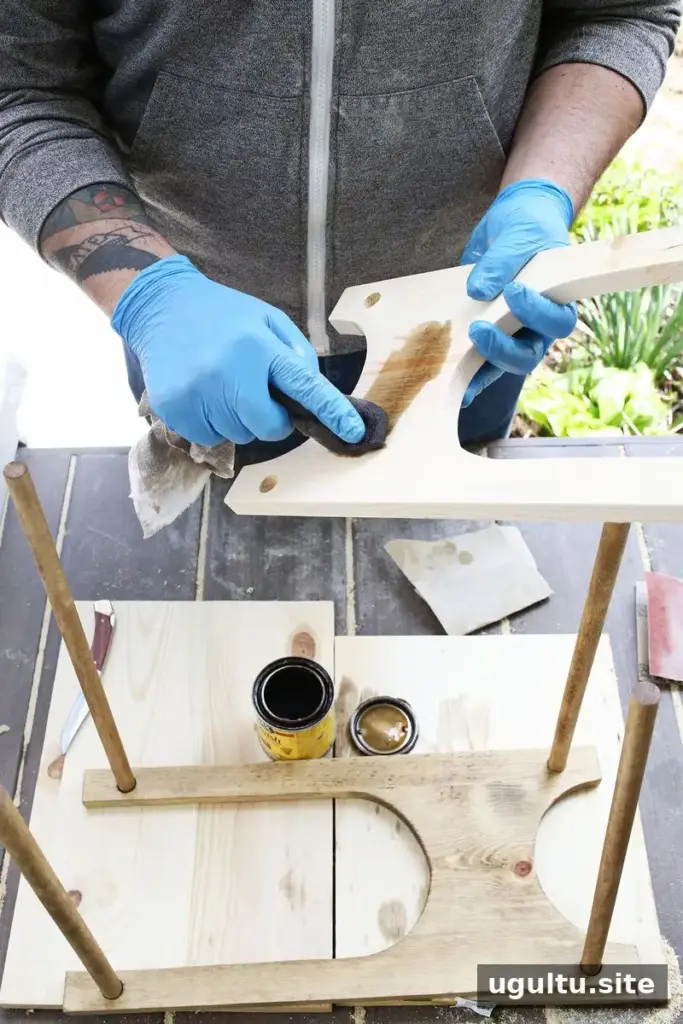
Sand the cut edges and drilled holes until they feel smooth. Wipe away dust, then apply stain evenly to all wooden parts with a cotton cloth. Let the stain dry completely before handling the pieces; add another coat if desired and allow that coat to dry as well.
Cut and sew the leather sling
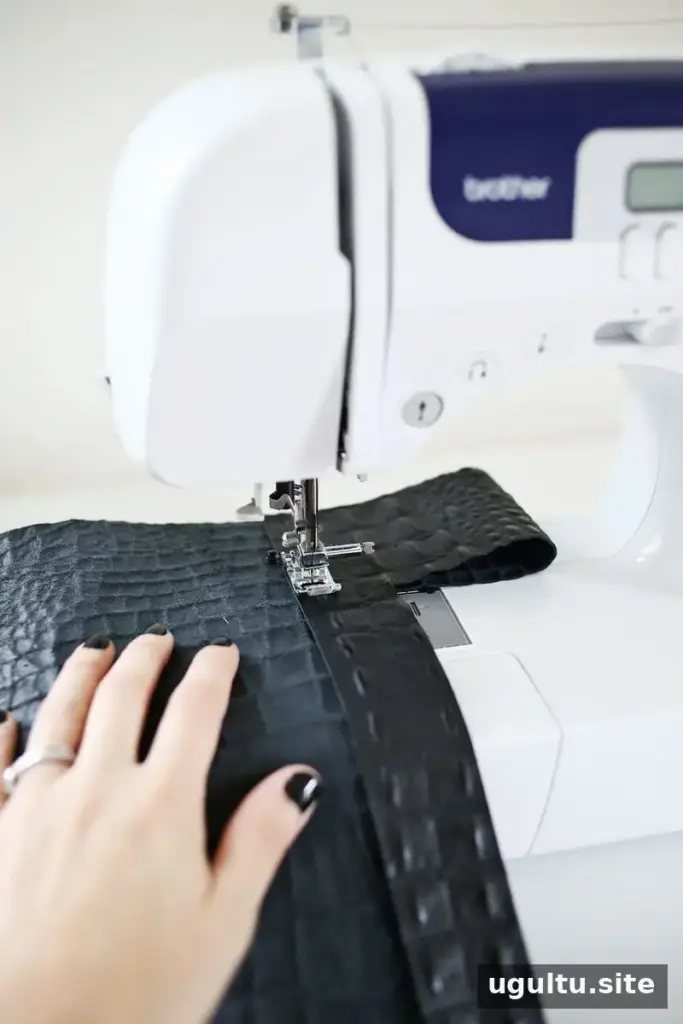
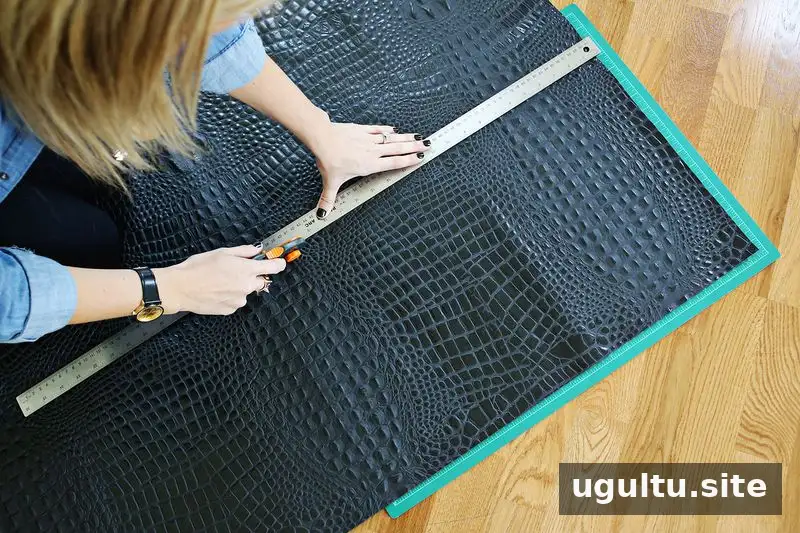
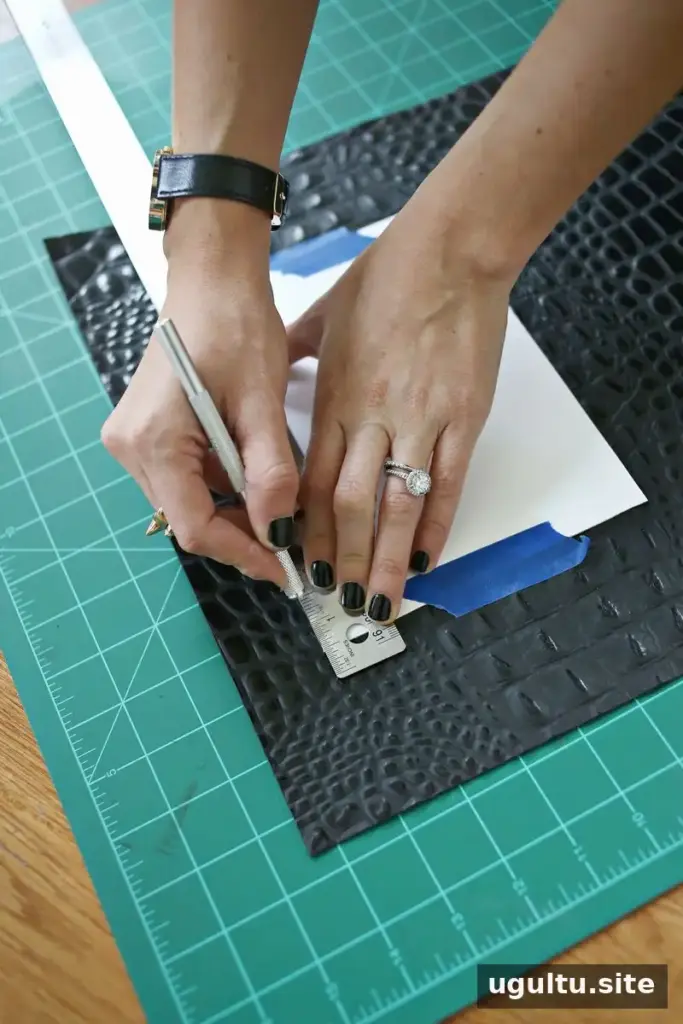
While the stain dries, cut the leather to 13.5 x 42 inches. Make a paper template measuring 6 x 8 inches and position it 2 inches from the end of each side. Cut around the template with an X-Acto knife; masking tape can help hold the template in place. Use a suitable cutting surface beneath the leather to protect your work area.
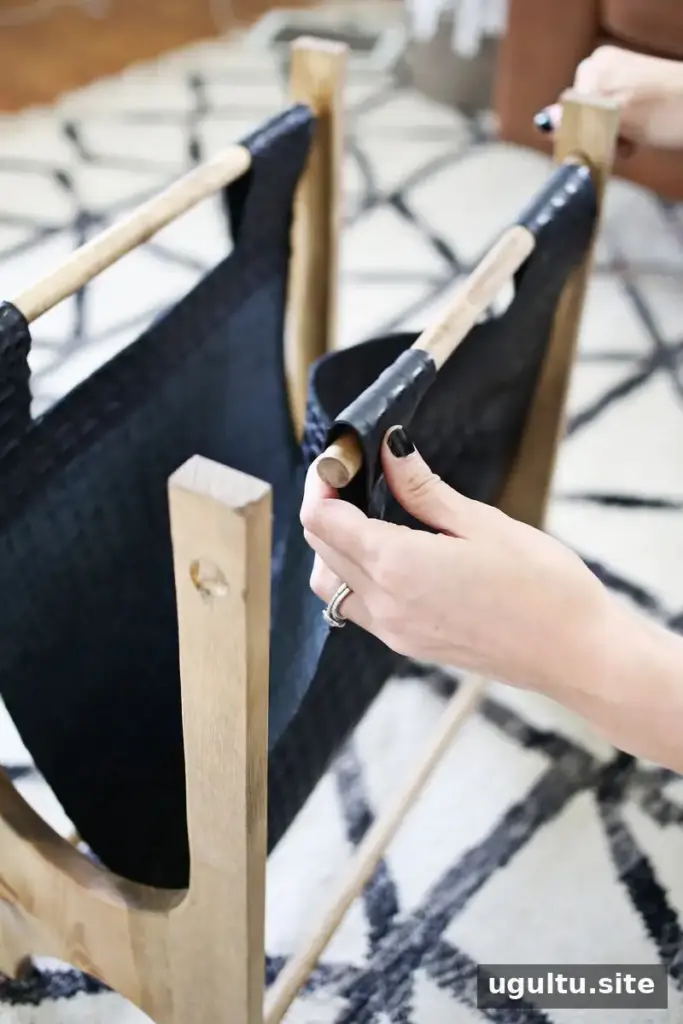
Apply fabric glue about 1 inch from the outer edges on the inside of the leather. Fold each side inward, aligning the cutouts, and let the glue dry. The adhesive helps hold the folds in place for sewing. With a leather needle installed, sew across each folded section 1/2 inch from its inside edge. The resulting open pockets at both ends will hold the upper dowels.
Assemble the magazine holder
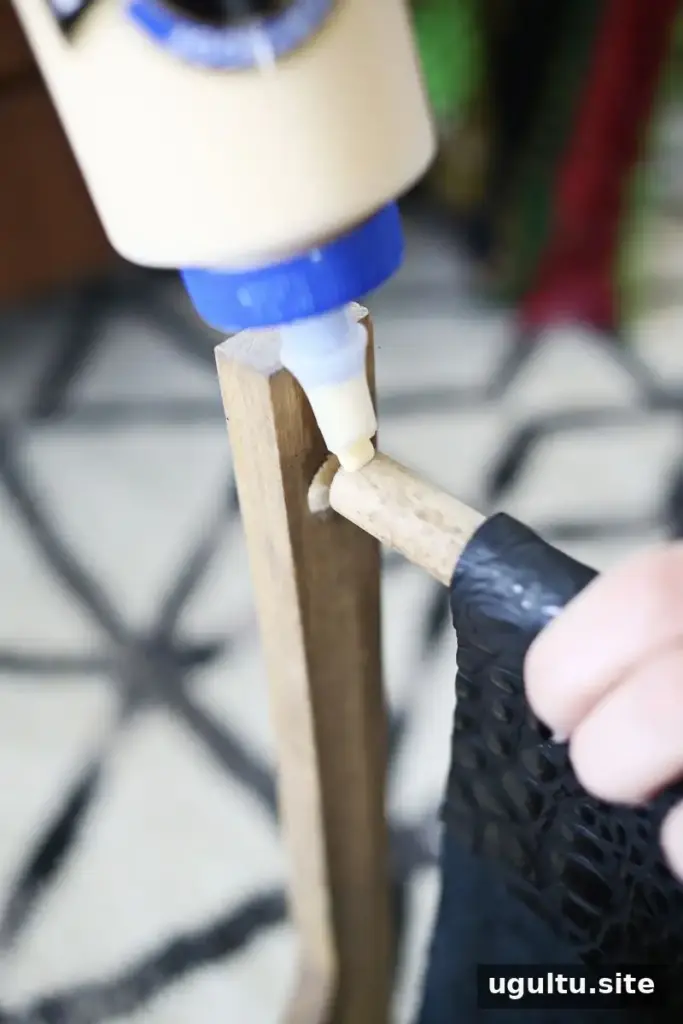
Slide the upper dowels through the leather pockets. Fit the ends of all four dowels into the corresponding holes in the wooden side panels, placing the leather-supported dowels at the top. Check that the frame is aligned and the sling hangs evenly before gluing.
Pull each dowel out slightly, apply a small amount of wood glue around the section that fits into the hole, and push it back into place. Wipe away excess glue with a damp cloth and leave the assembly undisturbed until the glue has set according to its label.
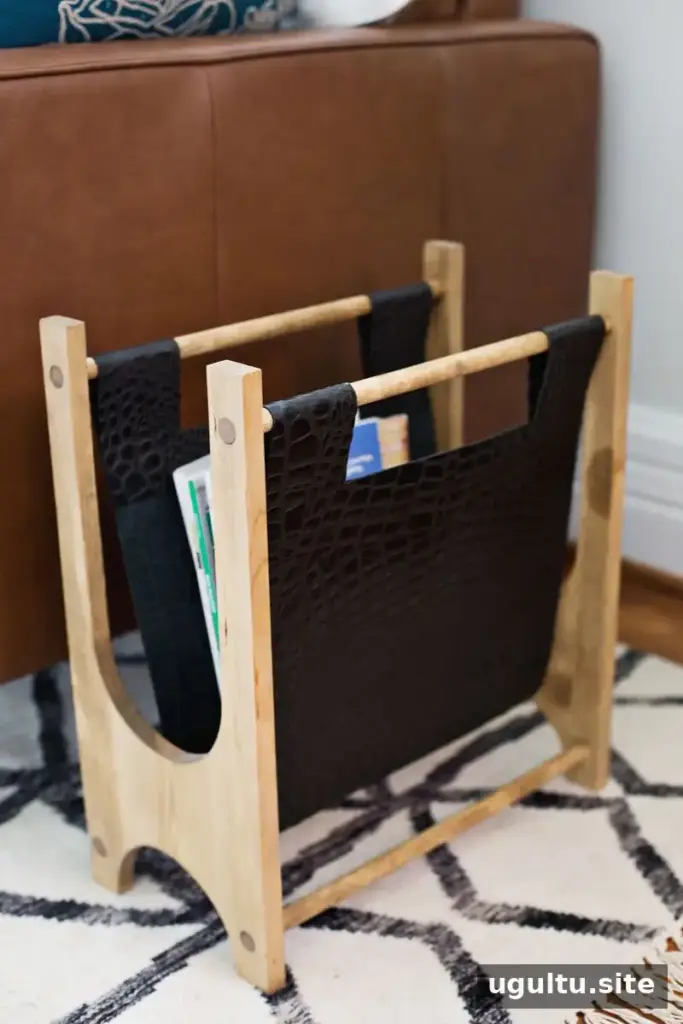
Final checks and practical tips
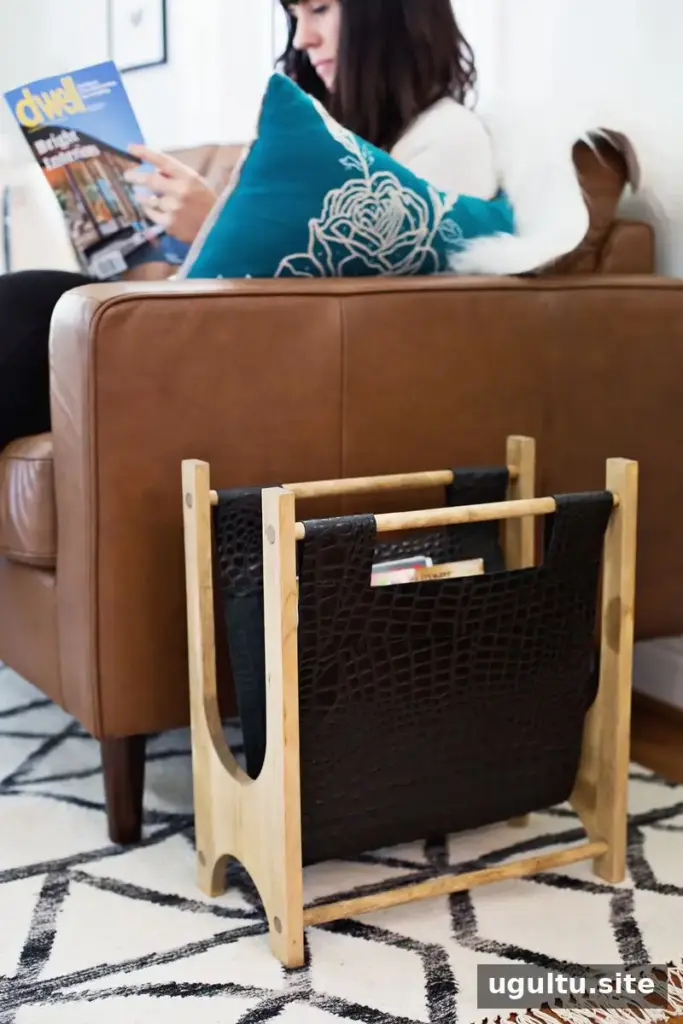
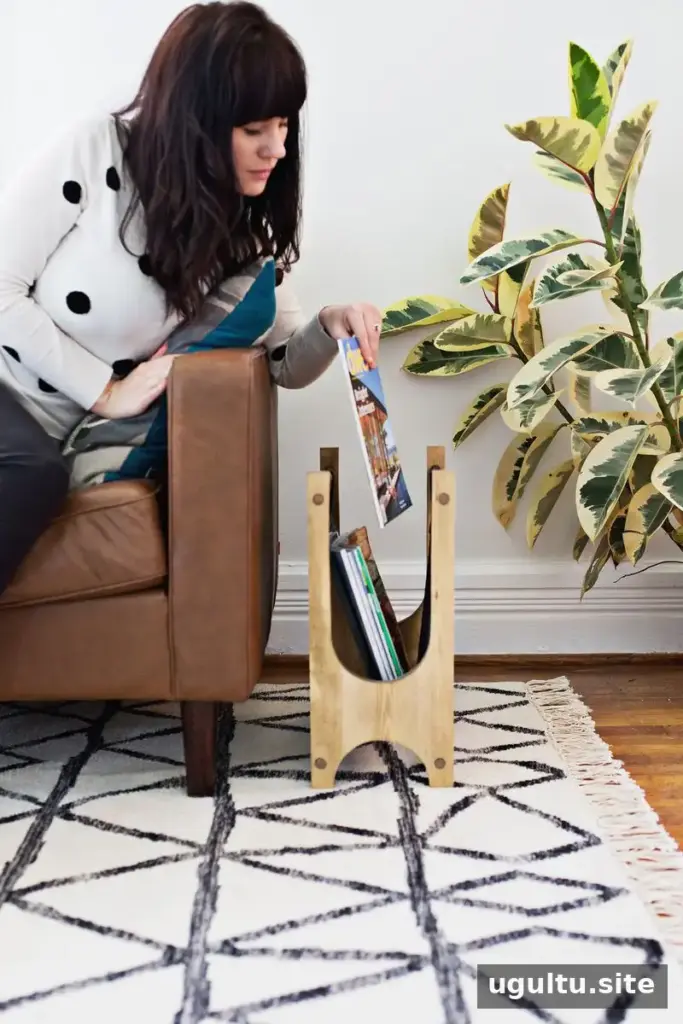
Once the glue is fully dry, check that the holder stands securely and that the leather is supported evenly. Use it for magazines or other lightweight reading materials, and avoid overloading the sling. The design can be customized with a different stain or leather color while keeping the listed dimensions. Project credit: Laura.
This wood and leather magazine holder is a manageable project for a careful beginner, but safe tool use matters: secure the boards, follow each tool’s instructions, and wear appropriate eye protection while cutting or drilling.


