
 admin
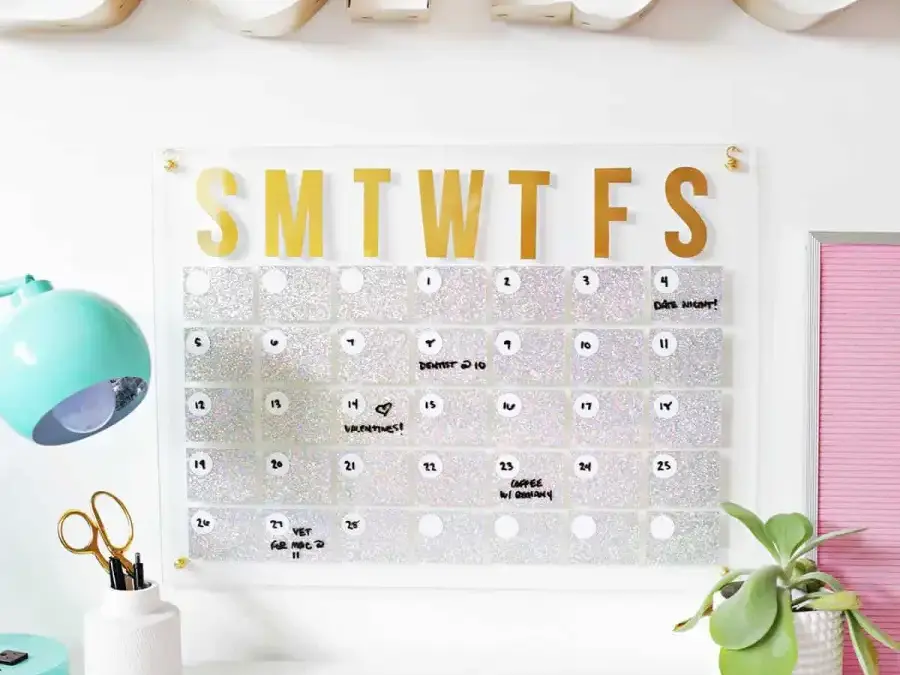
These home organization ideas can help make everyday spaces easier to use without requiring a complete renovation. From a reusable calendar to simple storage projects, small changes can make it easier to find what you need and keep clutter under control. Choose a few solutions that suit your space, then adjust them as your storage needs change.
Home organization ideas for planning and accessories
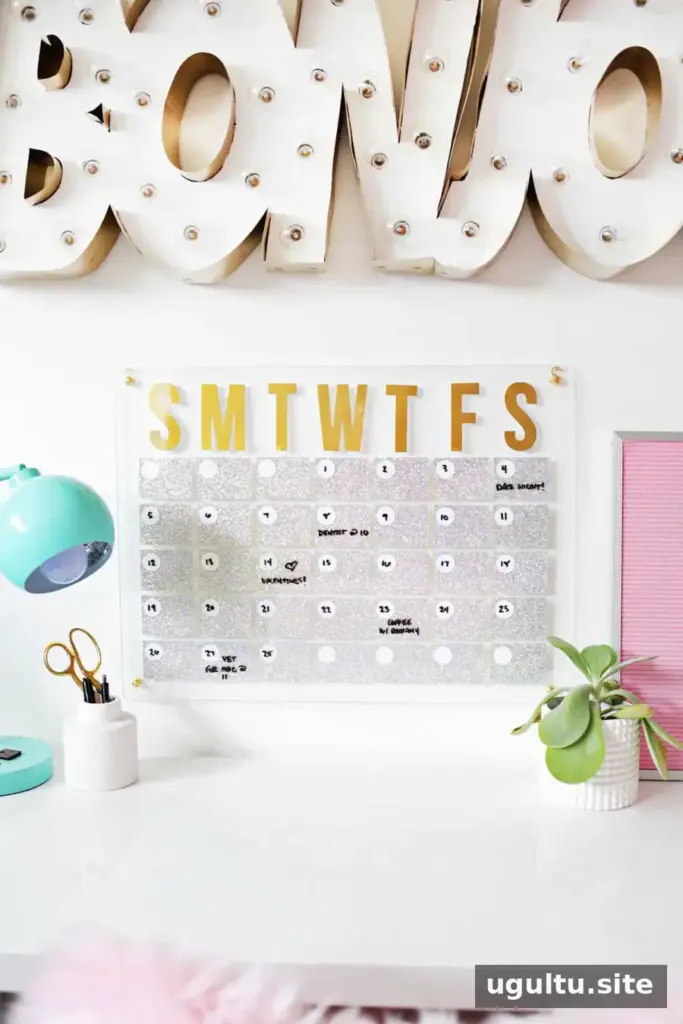
A DIY acrylic calendar provides a reusable place to track appointments and weekly plans. Dry-erase markers let you update it as needed, so you do not have to replace the calendar each year. Use different marker colors for separate types of activities, and check that the markers are suitable for the calendar surface.
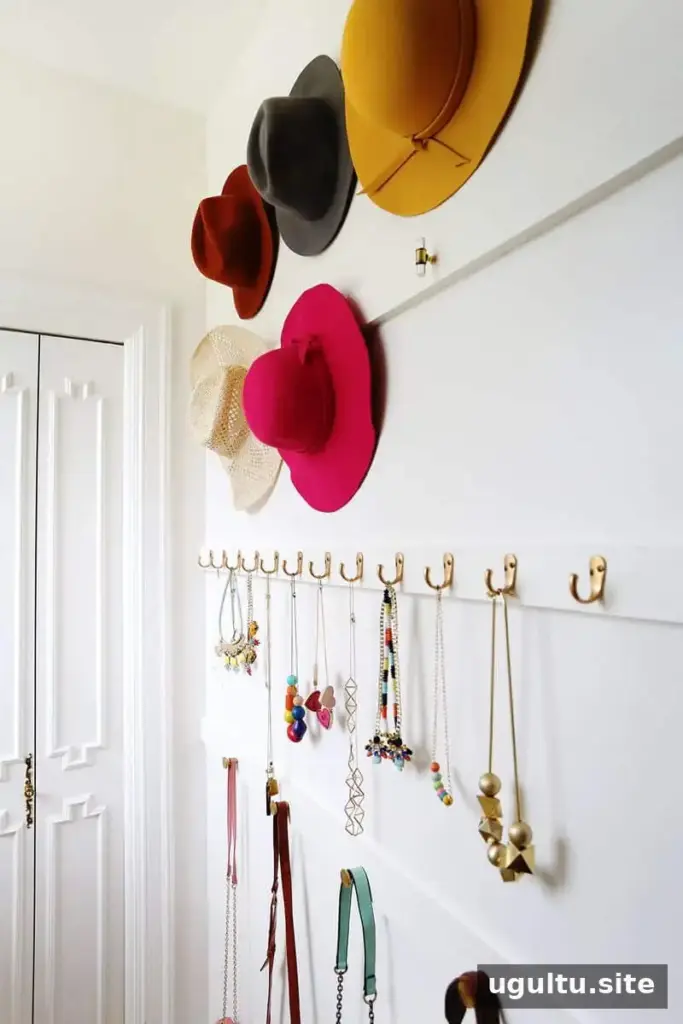
Make better use of closet walls by adding a board with hooks for jewelry, bags, or hats. Elsie used gold hooks for her setup; knobs or decorative hooks can also work, depending on the items you want to hang. Secure the board appropriately for the wall type and the weight it will hold.
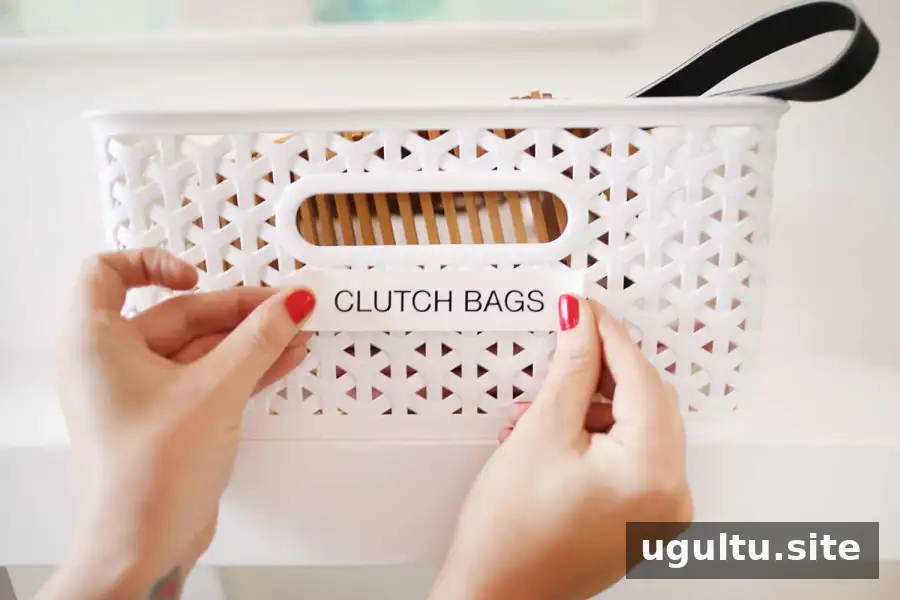
Elsie’s closet organization tips include using labels and keeping selected items in open storage. Labels can help everyone return belongings to the right place, while open storage makes frequently used or display-worthy items easier to reach. Keep less-used belongings in closed containers to limit visual clutter.
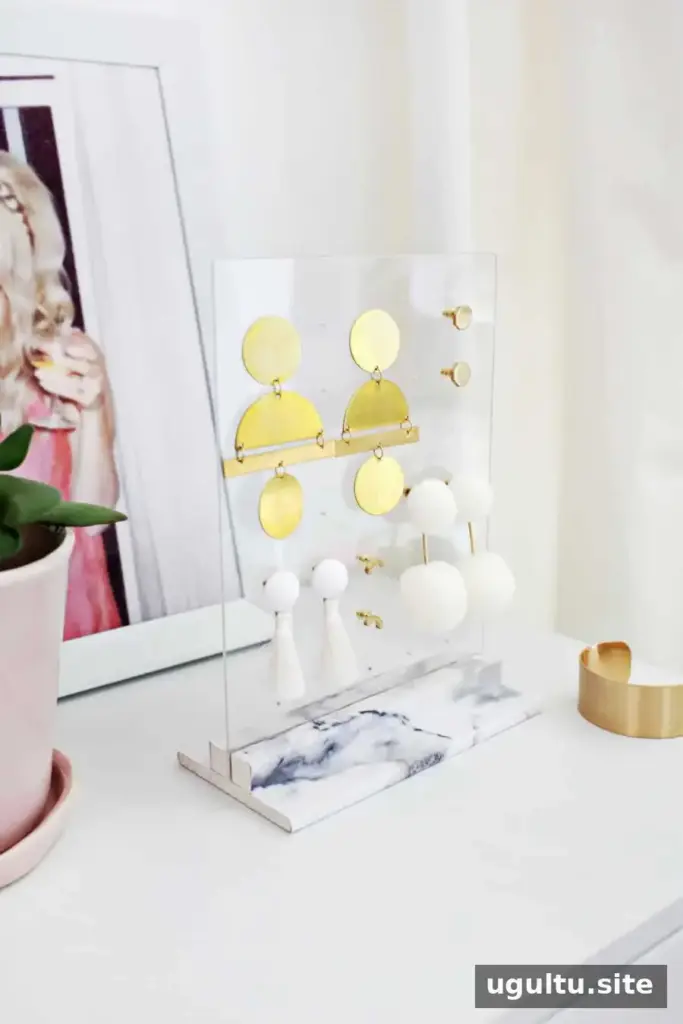

An acrylic earring holder keeps pairs visible, while small clay ring dishes give rings a designated place. Set jewelry storage near where you usually get ready, and avoid placing delicate pieces where they could be knocked onto the floor.
Kitchen, bathroom, and living-room storage
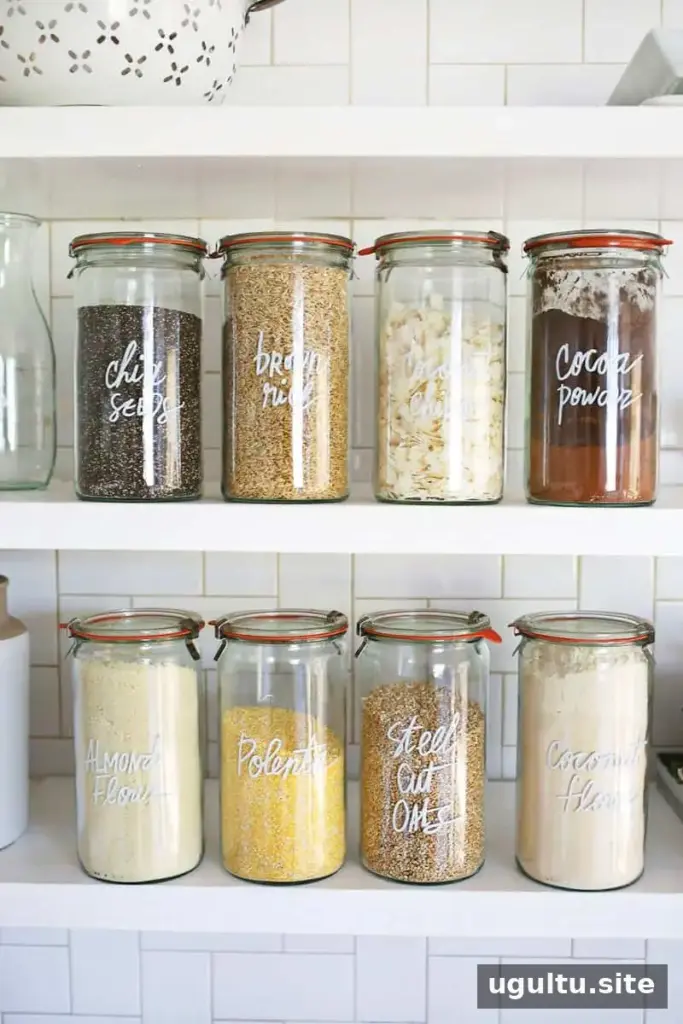
Storage jars and paint pens can help organize dry goods in the kitchen. Label containers clearly, especially when similar ingredients look alike. Countertop canisters are useful for items you reach for often, but keep them away from heat and moisture and avoid overcrowding your work surface.
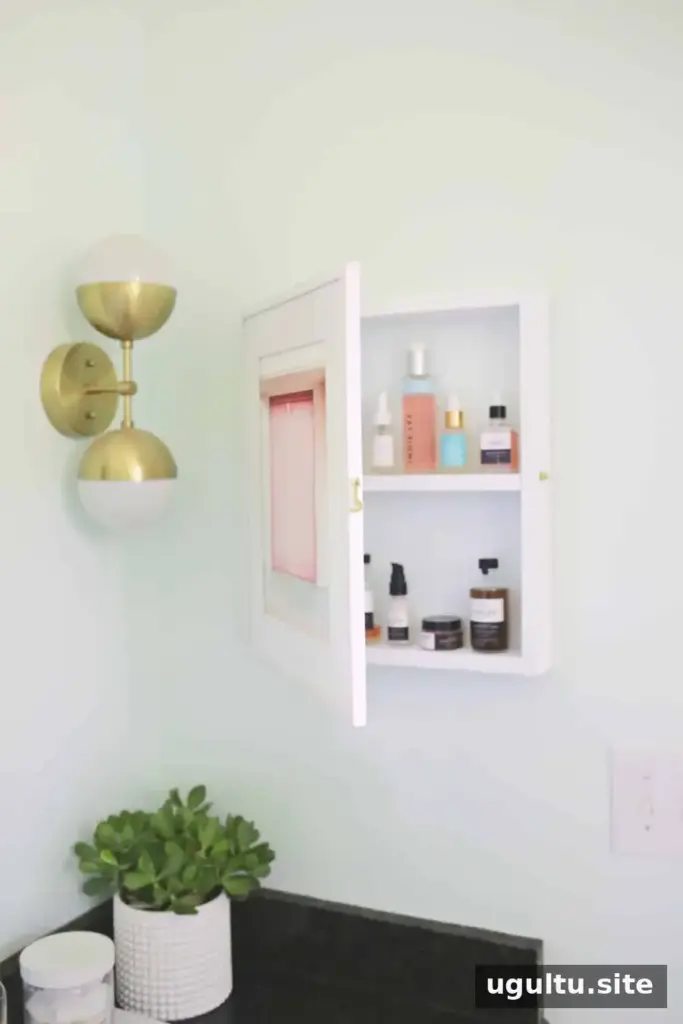
A wall-art-style cabinet can provide concealed bathroom storage while blending into the room. If storing medicine, keep it in its original packaging when possible and place the cabinet somewhere children cannot access. Follow safe installation instructions and check that the wall can support the cabinet.
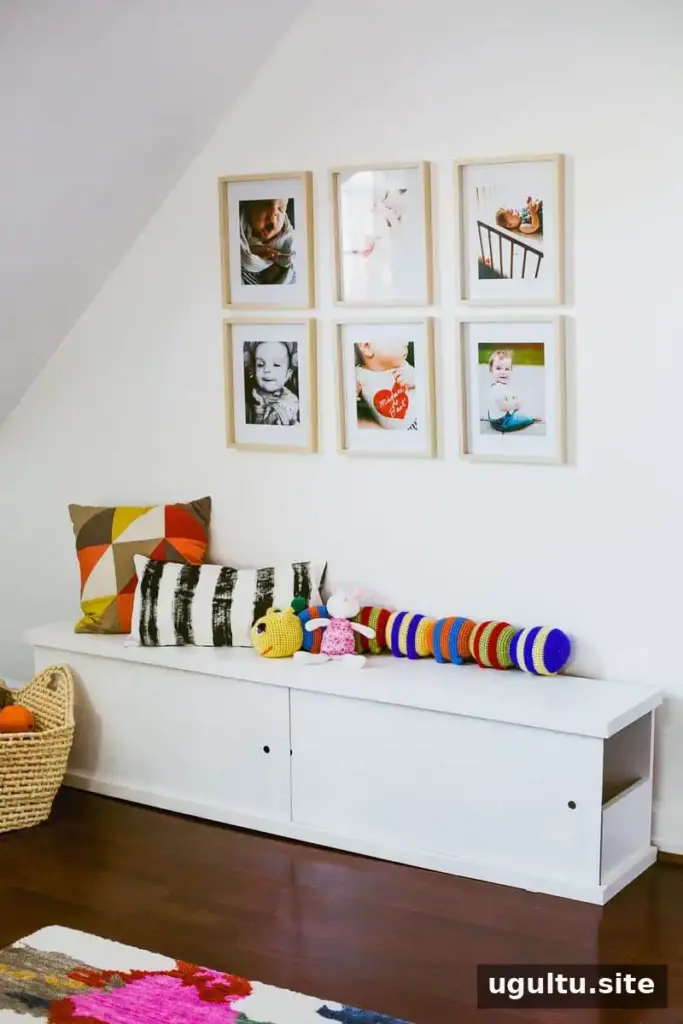
A DIY bench with built-in storage can make a family room or children’s room more functional, with space for books and toys. Large rope baskets offer another accessible option for toys or blankets. Choose containers that are easy to lift and put back, so tidying up stays manageable.
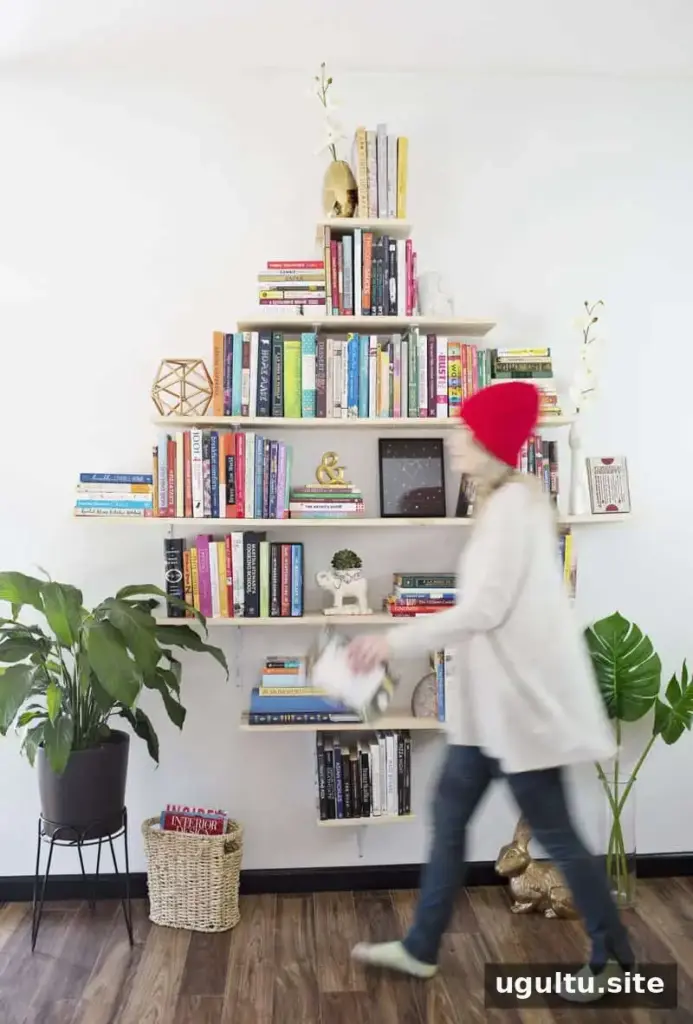
For a large book collection, start by sorting books into groups and deciding which ones you want to keep close at hand. Emma’s post about decluttering books offers a useful starting point. Arrange favorites on a bookshelf, and make sure shelves are stable and suited to the weight of the books.
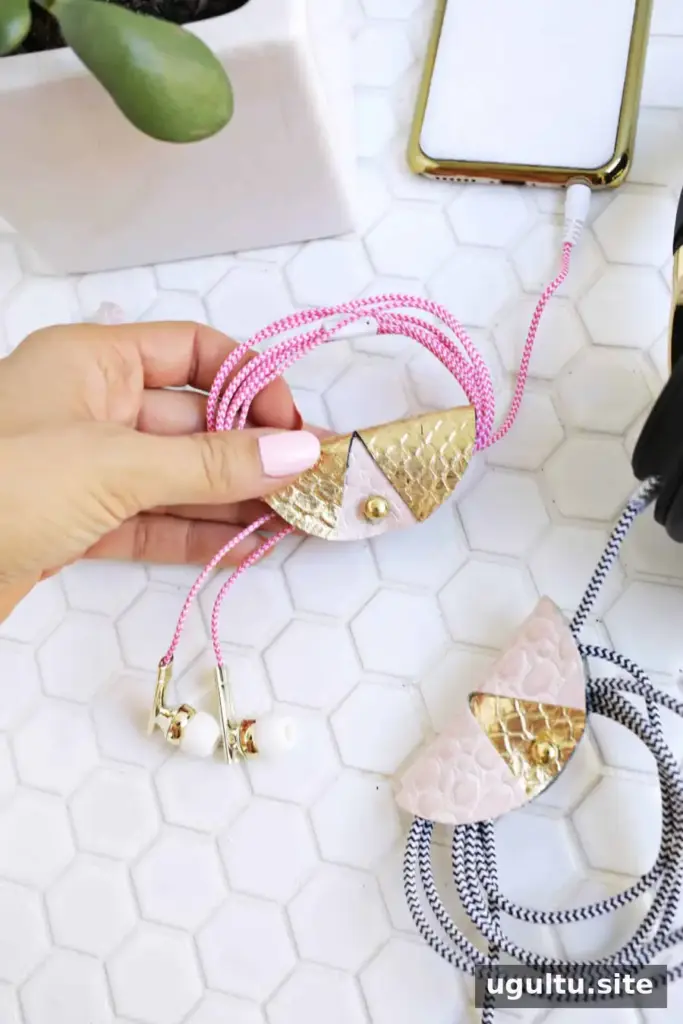
Laura’s headphone-cord storage idea helps keep cables from tangling. A simple habit also helps: coil cords loosely after use and store them in a dedicated spot rather than leaving them mixed with other items.
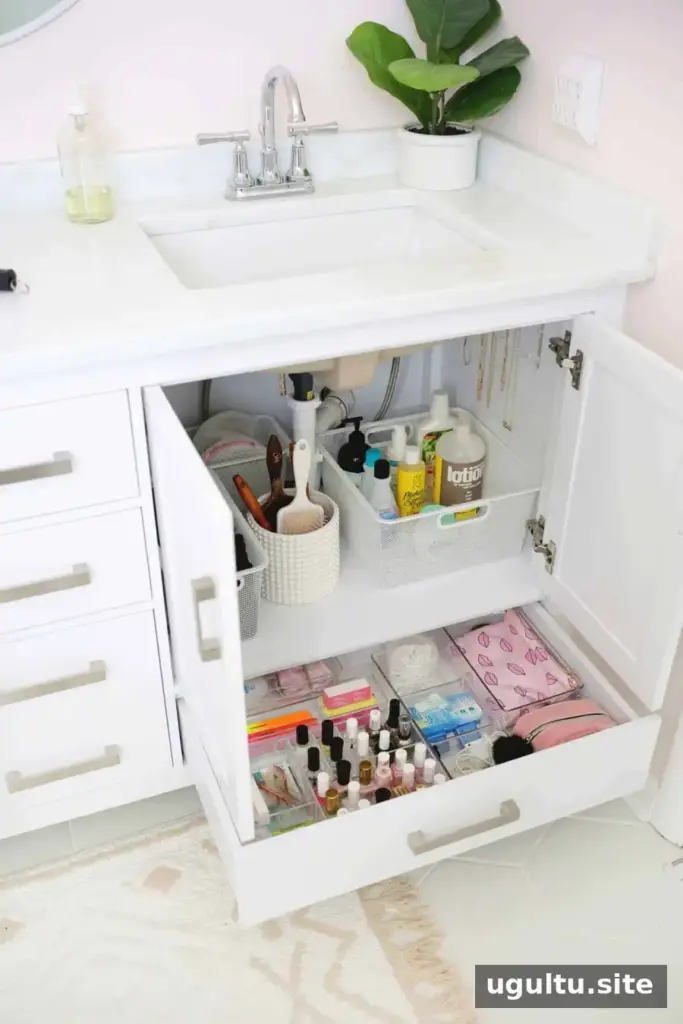
Bathroom organization works in rooms of almost any size when storage is matched to daily routines. Group similar products together, use vertical space where appropriate, and regularly remove empty or expired items. Keep frequently used essentials within easy reach.
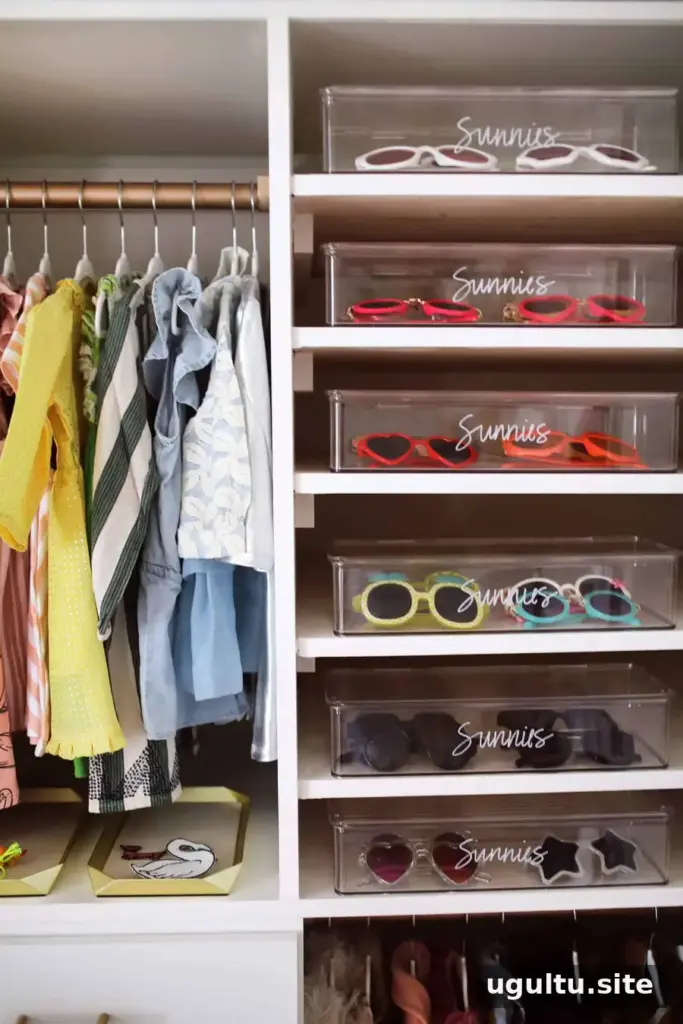
Organizing a nursery closet is easier when each category of clothing and accessories has a defined place. Use bins or baskets for smaller items, and keep everyday essentials accessible. Check that storage products are securely positioned and do not create hazards around a crib.
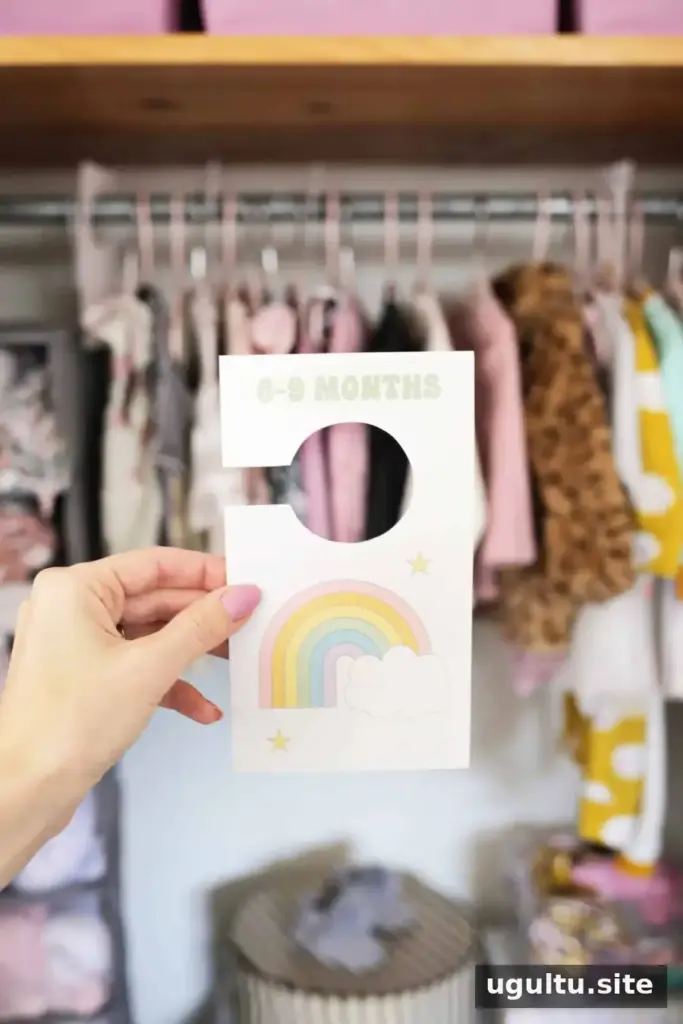
Laura’s printable closet dividers make it easier to separate baby clothes by category or size. A closet organizer can also hold accessories and neatly rolled swaddles or crib sheets. Keep heavier items on lower shelves and avoid overfilling hanging organizers.

A marbled essential-oil holder can keep bottles together, while a small wooden shelf offers a more customizable storage option. Store oils according to their product directions, away from direct sunlight and out of children’s reach.
Workspace, craft supplies, and pantry organization
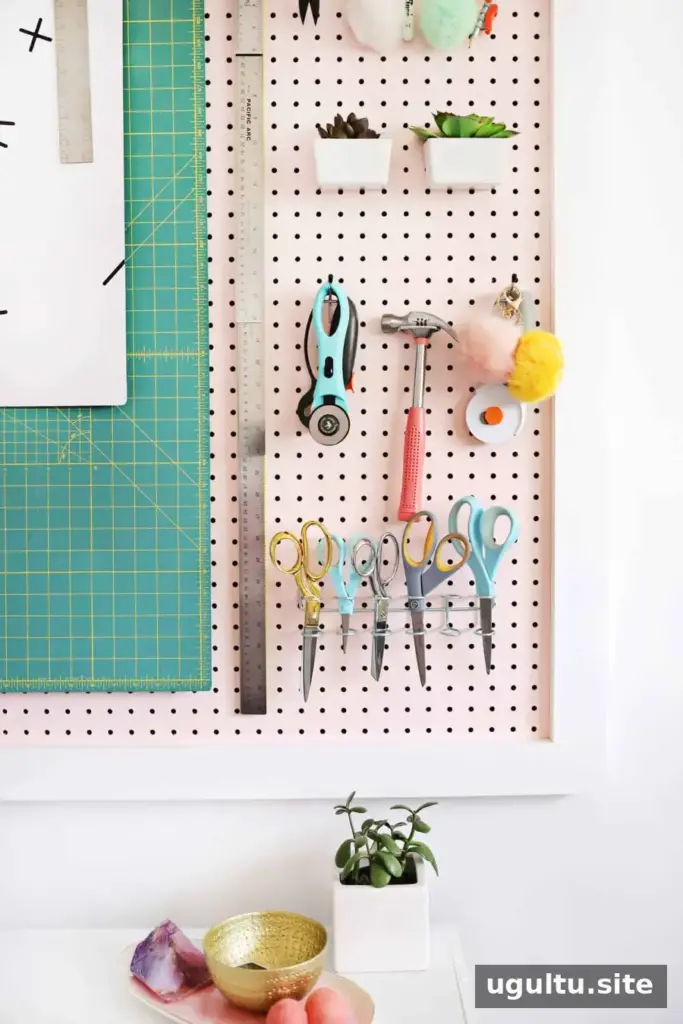
A pegboard can make a craft area easier to use by keeping tools visible and off the work surface. Arrange supplies by task or frequency of use, and use hooks or containers that fit the items. Check that the board is securely mounted before loading it.

Older homes may have limited closet space. Laura’s divided built-in closet project creates separate areas for different belongings, while a renter-friendly alternative can help add organization without permanent changes. Before installing anything, consider wall type, lease requirements, and how much weight the storage will carry.
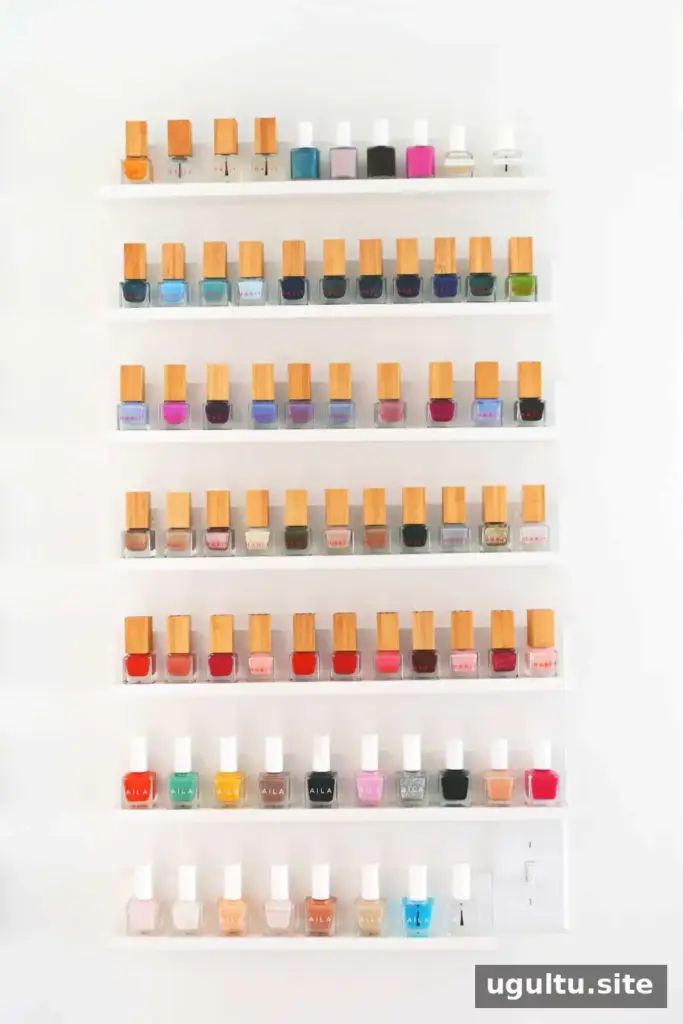
Open shelving can make nail polish easier to see than storing bottles together in a drawer. Arrange bottles in a stable, accessible spot and keep them away from direct heat or sunlight. If open shelves are not practical, a divided drawer organizer can keep colors sorted.
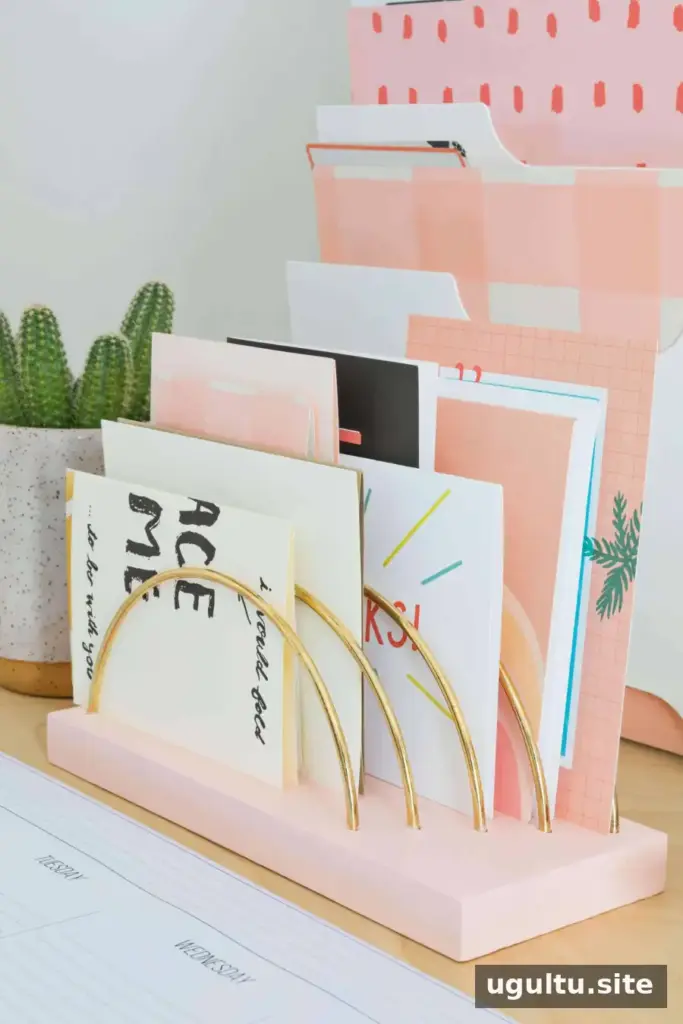
A DIY brass letter holder can give incoming mail, paperwork, or stationery a defined place on a desk. Sort papers regularly and separate items that need action from those that can be filed or recycled, so the holder does not become another pile.
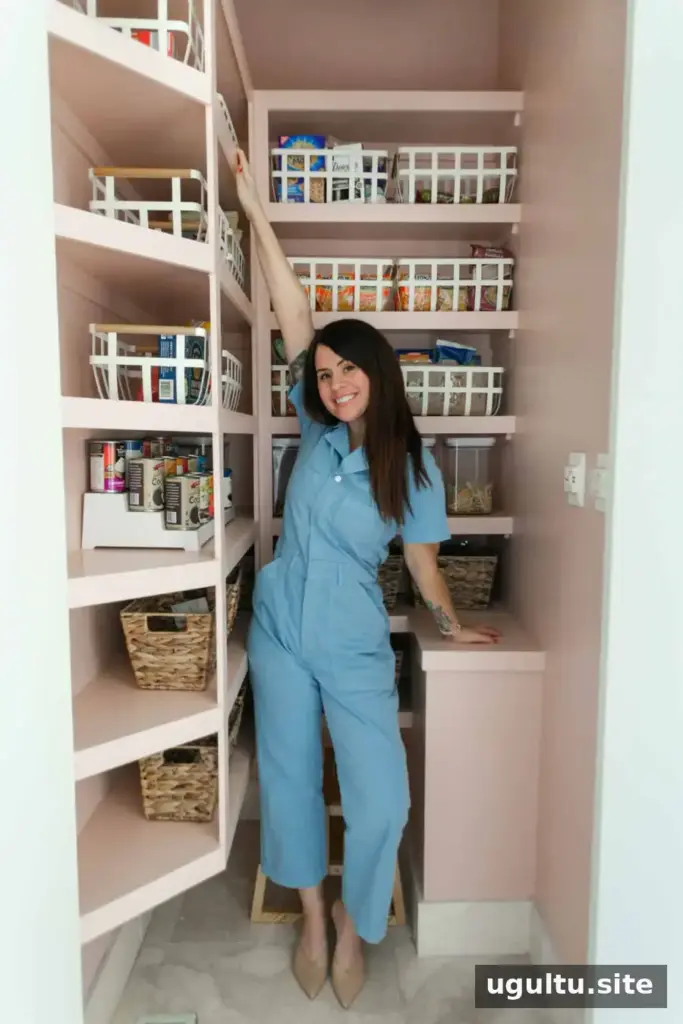
Elsie organized pantry goods with baskets, food canisters, and can organizers. Group similar products together, place older items toward the front, and label containers when contents are not easy to identify. Keep food in clean, dry storage and follow package instructions for safe handling.
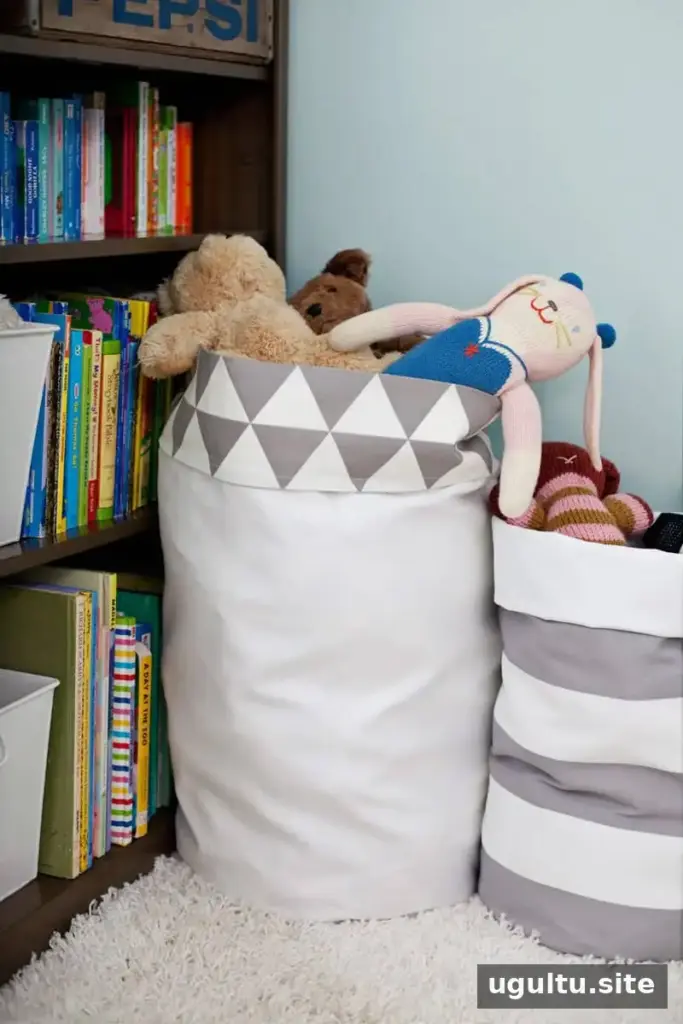
Fabric storage bins can hold everyday belongings and look tidy on open shelves. Reversible designs provide two styling options, while a consistent set of bin sizes can make shelves easier to arrange. Measure the storage area before choosing bins to ensure they fit.
Make these home organization ideas work for you
Start with one area that causes daily frustration, such as a crowded desk or hard-to-use closet. Sort what belongs there, choose storage that fits the space, and give each category a clear home. The most useful home organization ideas are the ones that are simple to maintain, so leave room for easy access and review the setup whenever your needs change.


