
 admin
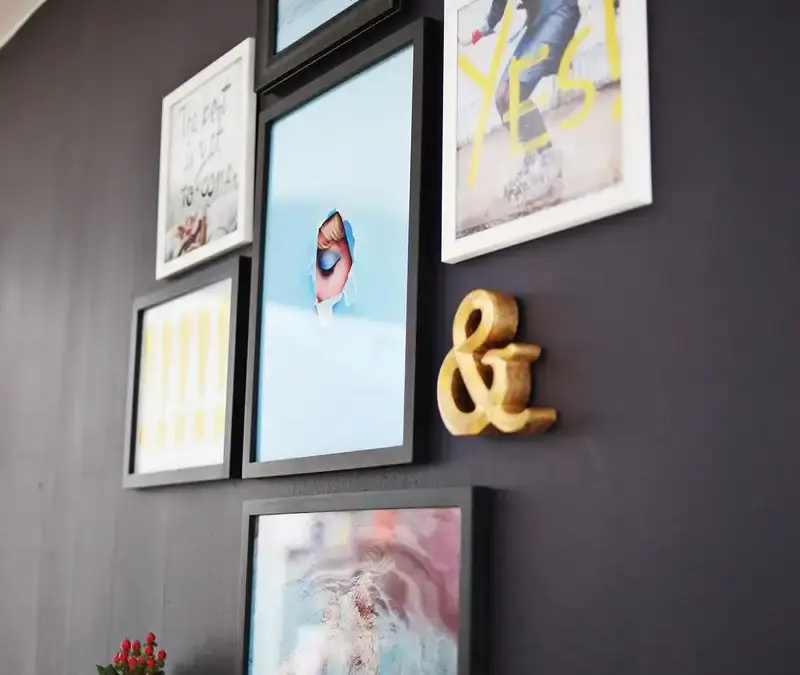
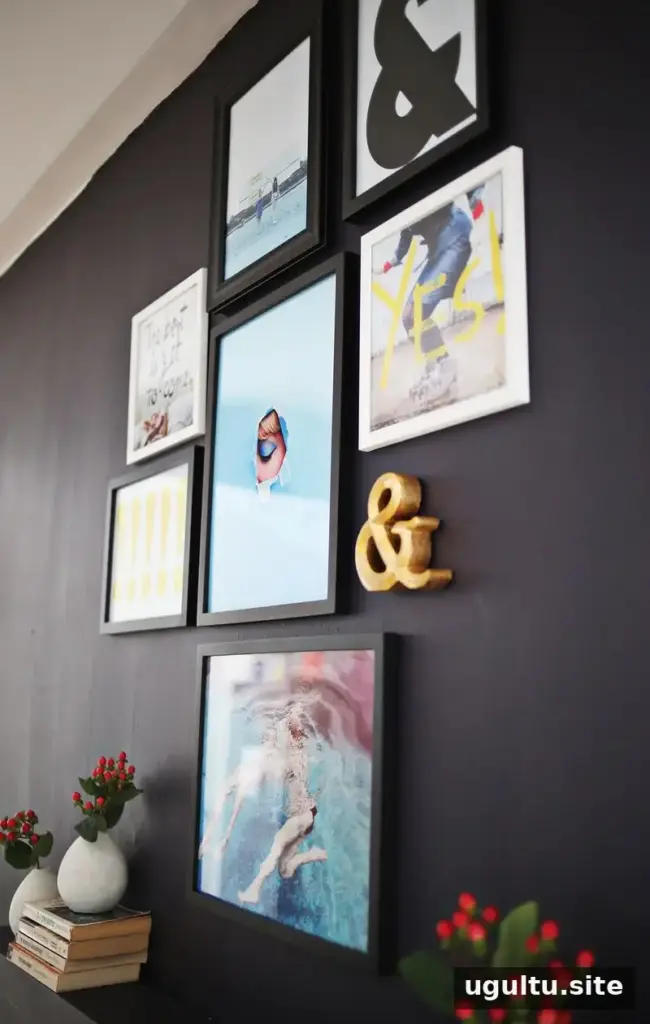
DIY art prints offer an easy way to add personal photos, meaningful words, favorite colors, and playful details to your home. With a few simple editing techniques, you can create a coordinated collection for a gallery wall or make a single print that suits a particular space.
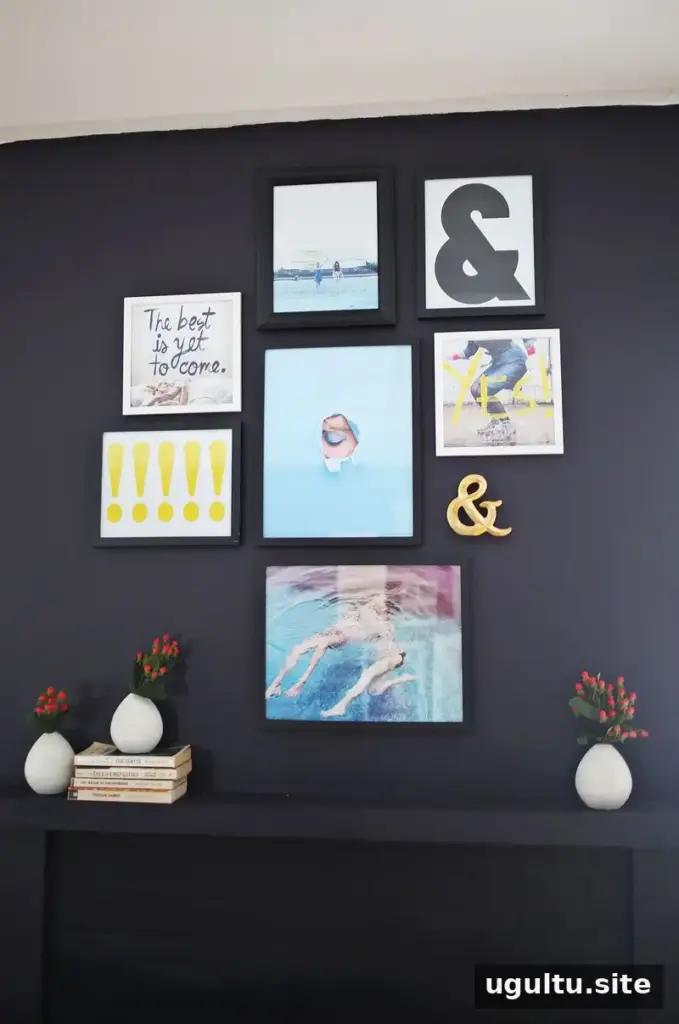
There are several ways to make printable artwork, whether you prefer editing photos on a computer or adding details with a phone app. Before getting started, think about where the prints will go and choose a color palette or theme to help the finished pieces look connected.
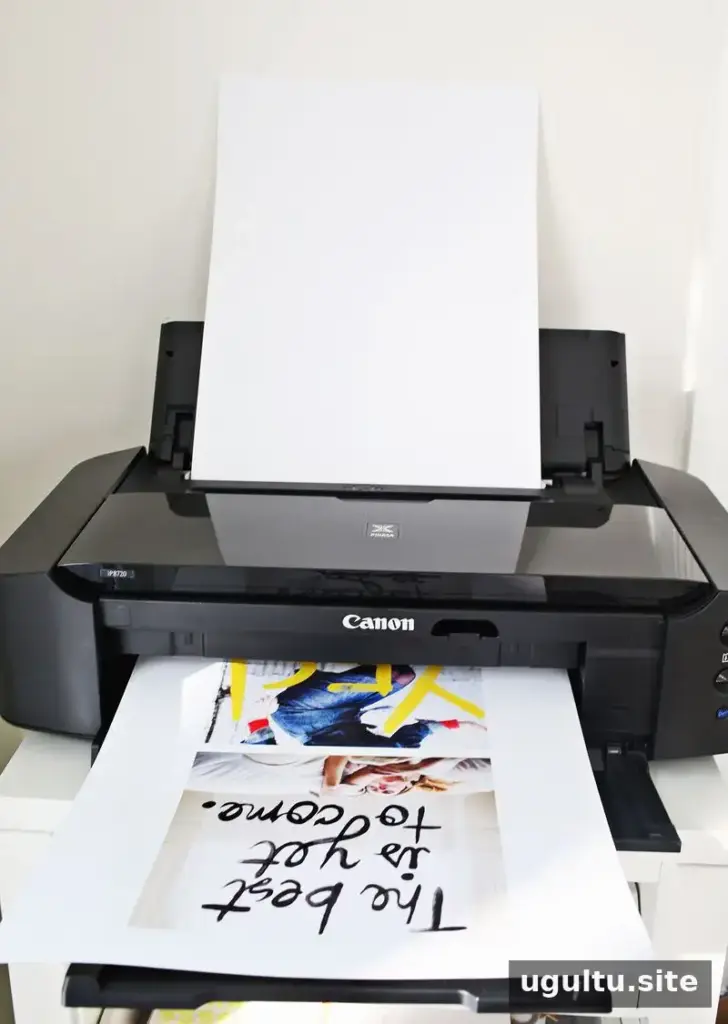
Print quality matters when artwork is meant to be displayed or kept in an album. Use a printer that can handle the size and type of paper you need, and check the print preview before printing. A small test print can help you spot color or cropping issues without wasting larger sheets.
3 Easy Ways to Make DIY Art Prints
These three approaches work for different skill levels. You can use one method on its own or combine them to create variety across a collection.
1. Enhance photos with editing effects
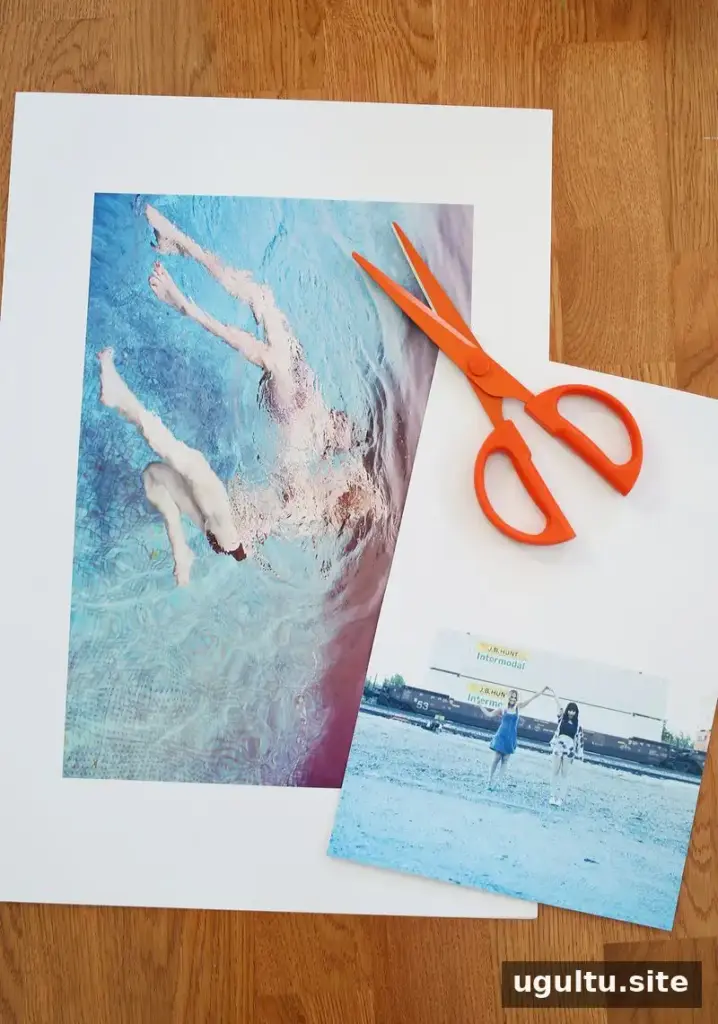
Photo-editing software often includes presets or actions that adjust brightness, contrast, and color. These tools can give an ordinary photograph a more artistic finish. Some effects are intentionally bold, so preview the result and adjust the strength if the image becomes difficult to see or its details disappear.
For a coordinated display, apply a similar color treatment to multiple photos. Choose a limited palette before editing; for example, using a consistent mix of blue, yellow, black, and white can help separate images feel like part of the same set. Keep an unedited copy of each original photo so you can revisit the image later.
2. Add typography as a graphic element
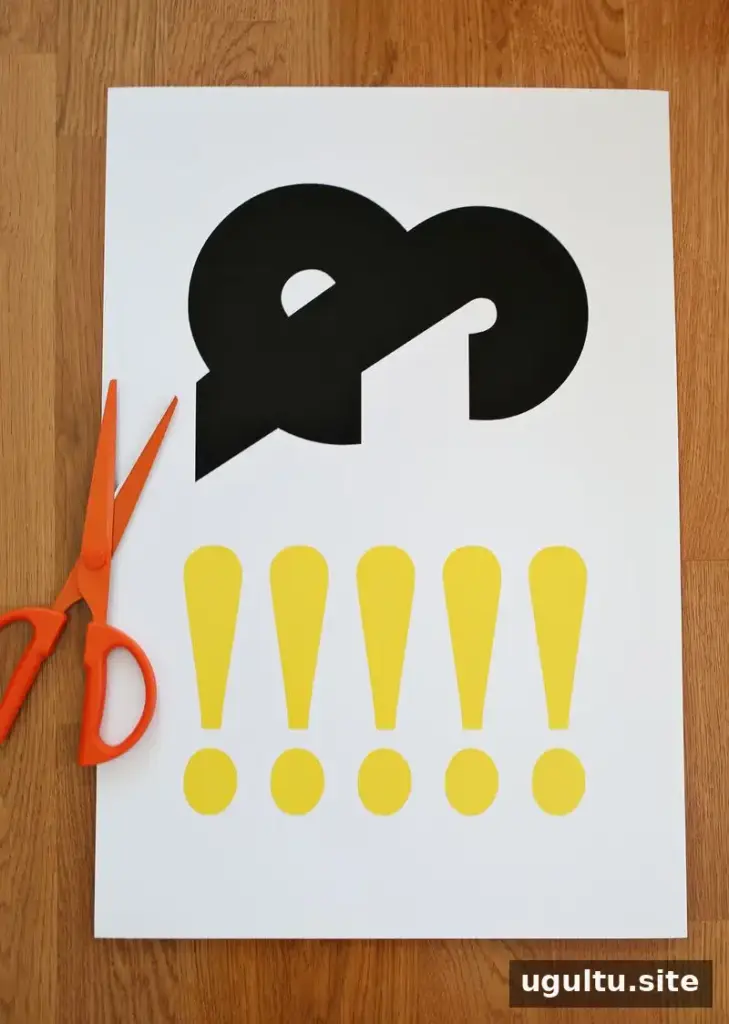
Use fonts to turn a favorite phrase, song lyric, punctuation mark, or short message into a simple print. A graphics or photo-editing program can help you set the text to the dimensions you need. Check that the type remains readable at the final print size, especially if the design includes small lettering.
Typography can also help balance a gallery wall when a collection feels unfinished. Try matching the text color to details in nearby artwork, and leave enough space around the words so the design does not look crowded. A text print can serve as an affordable temporary addition while you plan a larger artwork purchase.
3. Add words or doodles with an app
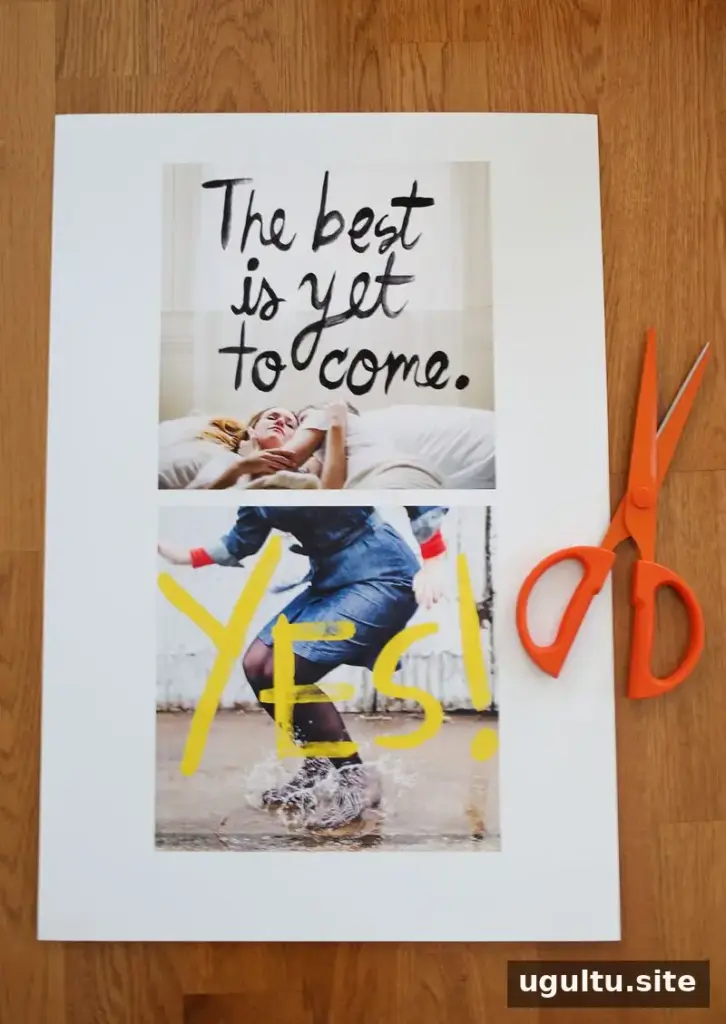
If desktop editing software is not a good fit, use a photo app that lets you add text, hand-drawn marks, or decorative elements. Start with a clear photograph, then place additions where they do not cover the most important parts of the image. Hand-drawn details can make a print feel informal, while clean lettering creates a more graphic look.
Before printing, save the finished image at a suitable resolution and review the crop. Some apps may trim the edges when an image is resized, so check that text and other important details remain within the printable area.
Make a cohesive print collection
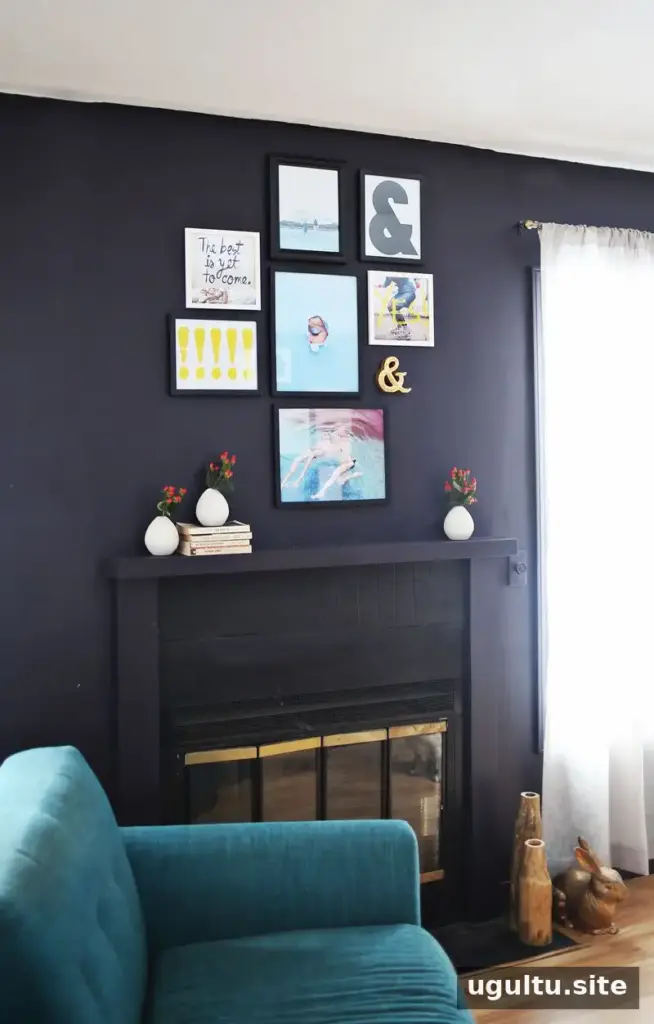
DIY art prints are a flexible way to personalize a room without relying on a single technique. Use photo effects, typography, or app-based drawings to create pieces that share a color scheme or subject. Plan the arrangement before hanging the prints, and leave consistent spacing for a more unified display. — Emma


