admin
Taking a self portrait can feel challenging when you are short on time or unsure where to begin. These self portrait tips cover simple ways to work with your camera, find useful light, and make photos feel more natural. You can take several frames, review what works, and adjust your approach as you go.


Self Portrait Tips for Better Photos
1. Think beyond an arm’s-length photo
Holding a camera at arm’s length is convenient, but it can make the arm appear prominently in the frame. A camera held very close to the face may also create unflattering direct-flash light. If you use a wide-angle lens, keep in mind that objects near the outer edges of the frame can look distorted. Leave some space around yourself so you can crop the image afterward if needed.
When possible, set the camera on a stable surface or use a support, then use a timer or remote control. This gives you more room to pose and lets you check the composition before taking the photo. If you do shoot handheld, take a moment to steady the camera.
2. Use soft, available light
Light can make a noticeable difference to a portrait. Try sitting or standing facing a window with the flash turned off; window light can create a soft, even look. Check the preview and move a little closer to or farther from the window to see how the light changes. Avoid placing a bright window directly behind you unless you want a silhouette effect.

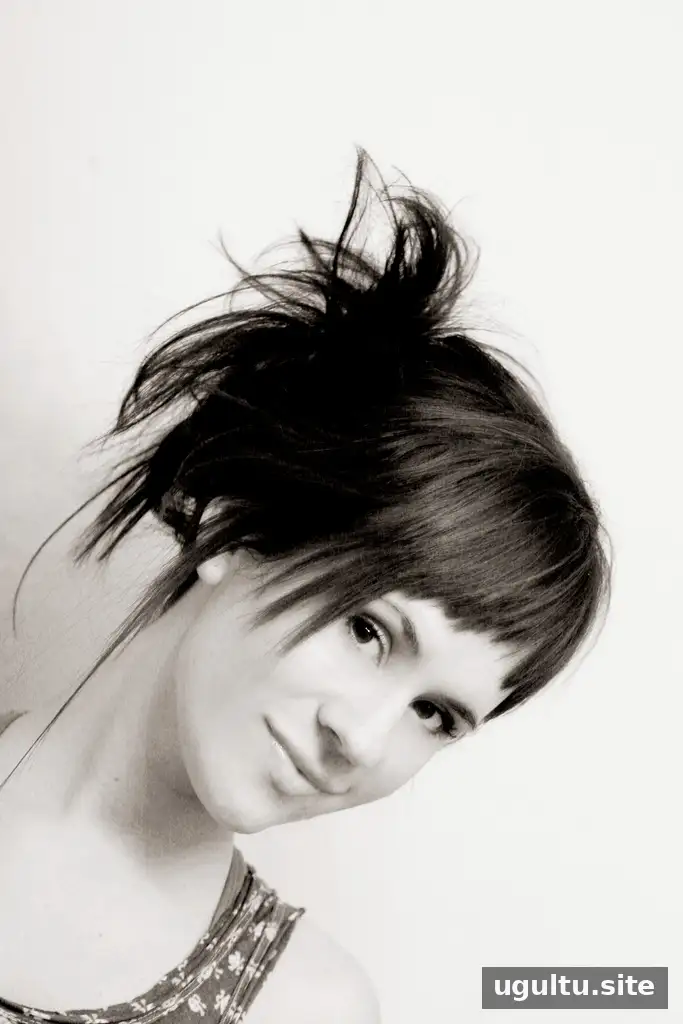
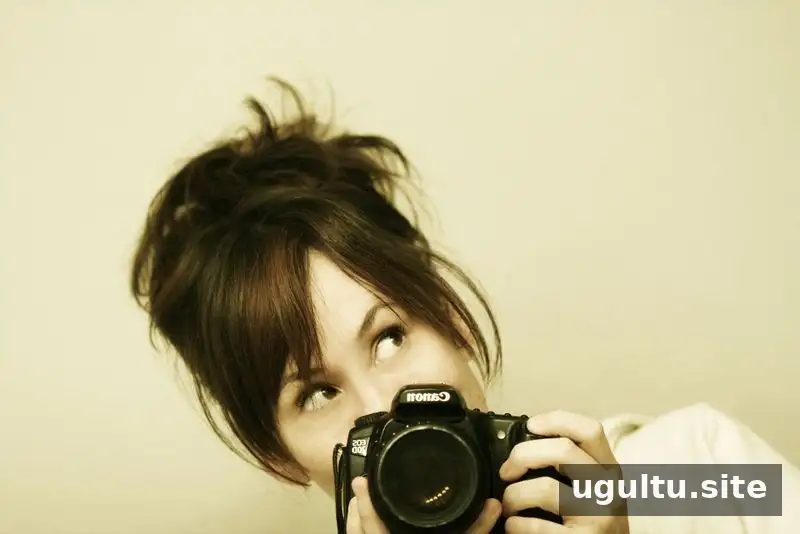

3. Experiment with mirror portraits
A mirror can add depth and make it easier to include more of your surroundings. For a more direct-looking gaze, focus on the camera lens in the reflection rather than on your own eyes in the mirror. Turn off the flash to reduce glare, and try different camera heights and angles. Before shooting, check the background and mirror surface for distracting objects or marks.
Explore different rooms to find a spot with balanced light. Take a breath and hold the camera as steadily as possible when pressing the shutter. You can also move the camera slightly out of the reflected frame if you want it to be less visible.
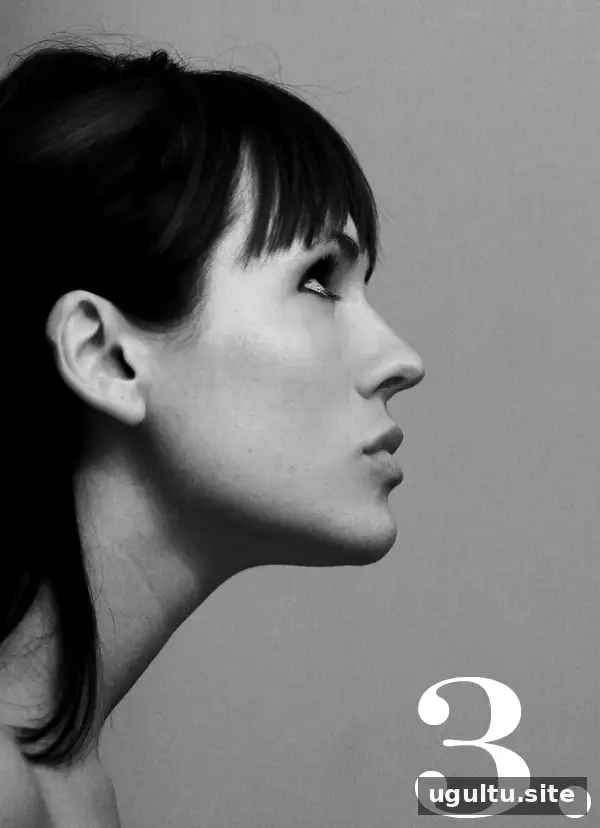


4. Find an angle that feels like you
A camera angle from above is not the only option. Try photographing yourself straight on, slightly from below, or with your face turned a little to one side. Small changes in head position and camera height can alter the feel of an image, so take a few test shots and compare them. There is no single angle that works for everyone; choose the one that feels comfortable and suits the photo you want.



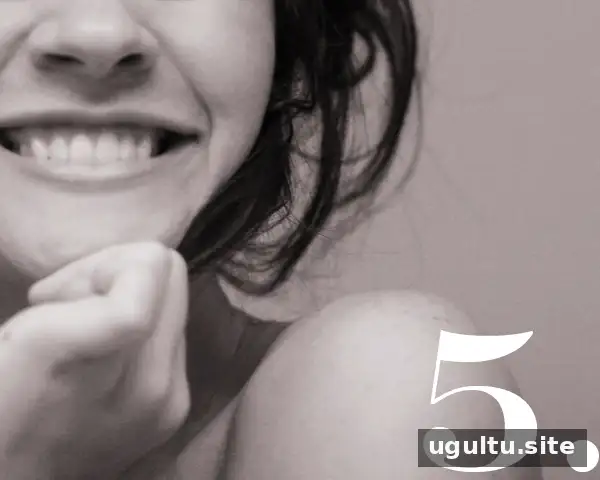
5. Break out of familiar routines
Repeating the same pose, lighting, and setting can make a series of portraits feel similar. Give yourself a small creative challenge by changing one element at a time: try a different location, style, pose, or lighting setup. A daily photo project can help you practise, but it is also fine to take breaks or set a schedule that feels manageable.
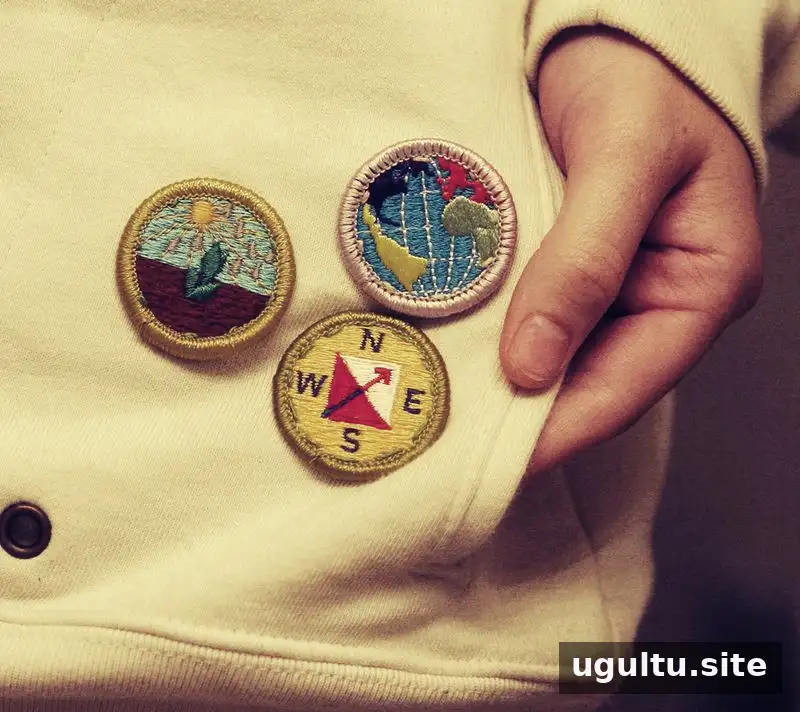

Use Self Portraits to Tell a Story
A self portrait does not have to focus only on looking polished. A sequence of photos can document everyday routines, personal interests, or details that make your life distinctive. Consider including an object, place, or activity that adds context to the image. These small details can help the pictures feel more personal and memorable.
Above all, give yourself time to experiment. Review each photo for lighting, framing, and expression, then make one adjustment before the next shot. With these self portrait tips, you can build confidence, discover what suits you, and create portraits that feel both expressive and true to your style.
— Elsie