admin
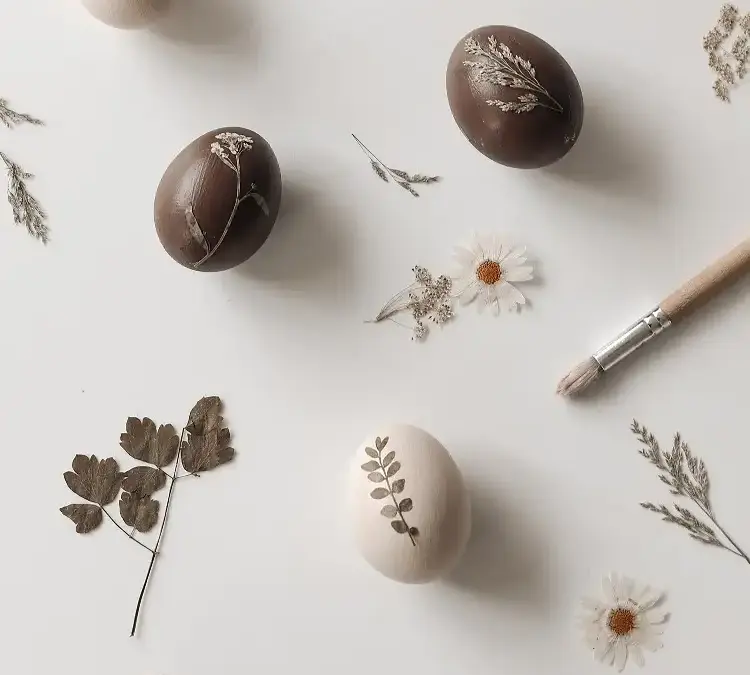
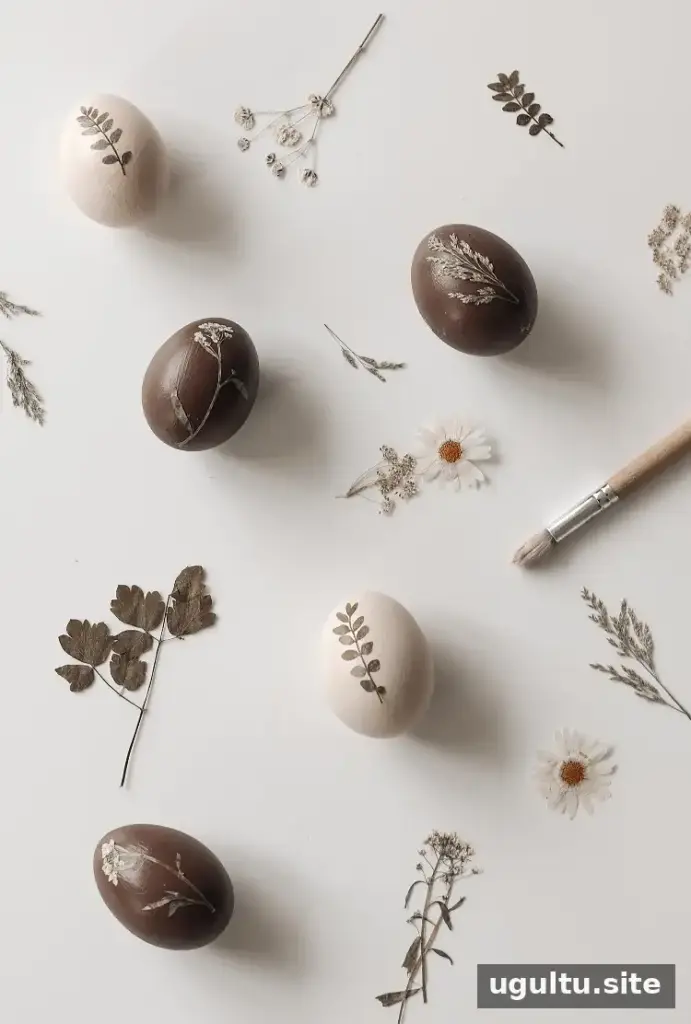
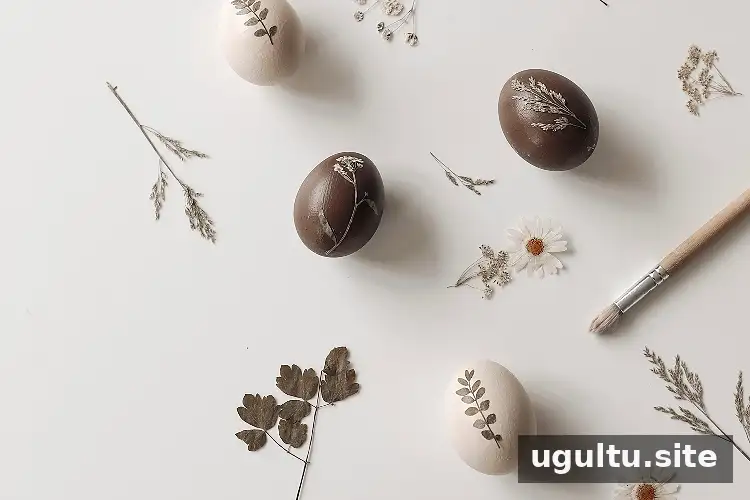
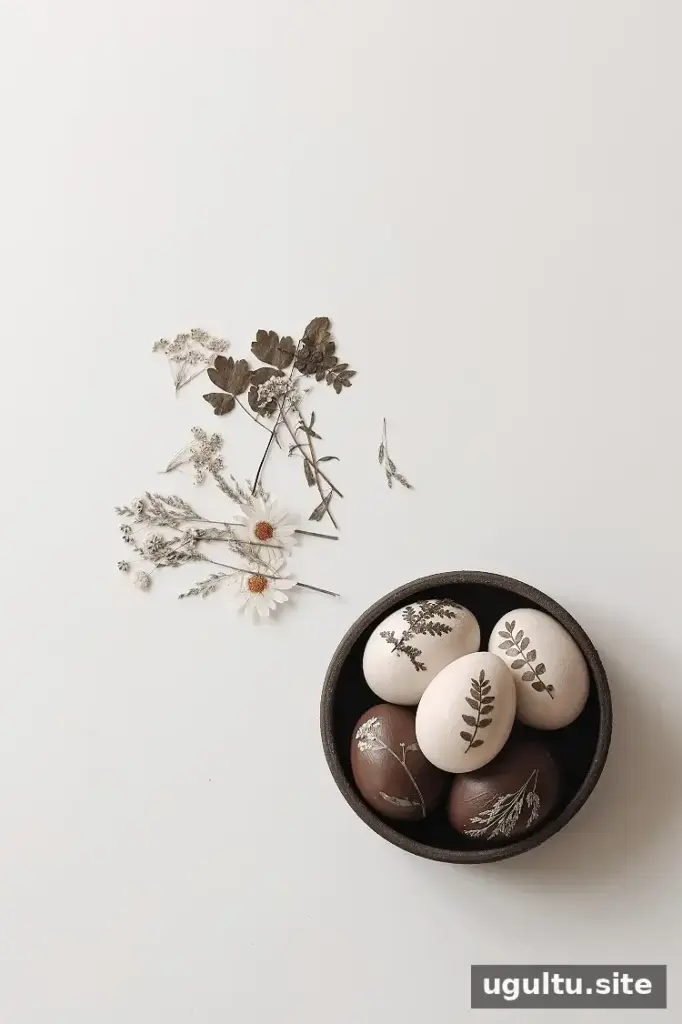
Floral Easter eggs bring a nature-inspired detail to seasonal table settings. Made with painted eggs, pressed flowers, and delicate foliage, these decorations combine simple shapes with botanical textures. Choose a few small flowers and complementary paint colors to create a coordinated display without covering every part of the shell.
Materials for Floral Easter Eggs
Prepare your supplies before starting so you can handle the fragile pressed flowers without searching for tools midway through the project.
- Hard-boiled eggs
- Acrylic paint
- Pressed flowers and foliage
- Decoupage glue suitable for sealing paper and botanical decorations
- A small paintbrush
- Tweezers, optional but helpful
Select small, thin flowers and pieces of foliage. These are easier to position on a curved shell than large blooms or thick stems. Make sure the shells are dry before applying paint.
Safety note: Eggs decorated with craft paint and glue should be treated as display items, not food. Hard-boiled eggs are perishable; refrigerate them until needed and do not leave them at room temperature for more than two hours, or one hour above 90°F (32°C). For a longer-lasting display, use artificial craft eggs instead.
How to Decorate the Eggs
1. Paint the Base
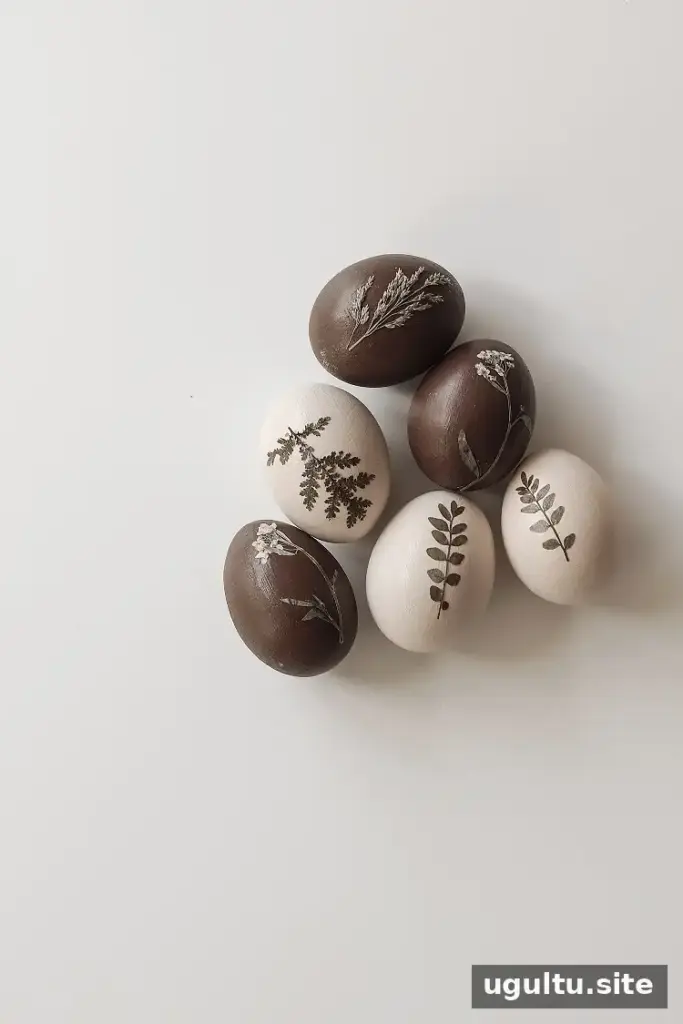
Cover each egg with acrylic paint in your chosen color and allow it to dry before adding flowers. Creamy white and dark brown create a chocolate-inspired palette. To deepen brown paint, mix in a drop of black.
Apply thin coats rather than one heavy layer to reduce drips. A small egg cup can help support the egg while you work; let the painted surface dry before turning it.
2. Arrange the Pressed Flowers
Choose a small flower or piece of foliage and check its position against the shell before applying adhesive. Leaving some painted space around the botanical detail helps its shape stand out.
Handle pressed petals gently, preferably with tweezers, because they can crack or tear when bent.
3. Glue and Seal the Design
Brush a little decoupage glue onto the area where the flower will sit. Lift the flower with tweezers, place it on the adhesive, and gently brush a thin layer of glue over it.
Use the brush to ease down any raised edges without scrubbing the petals. Leave the decoration to dry according to the adhesive instructions, keeping the decorated area clear of other surfaces.
Simple Easter Table Display Ideas
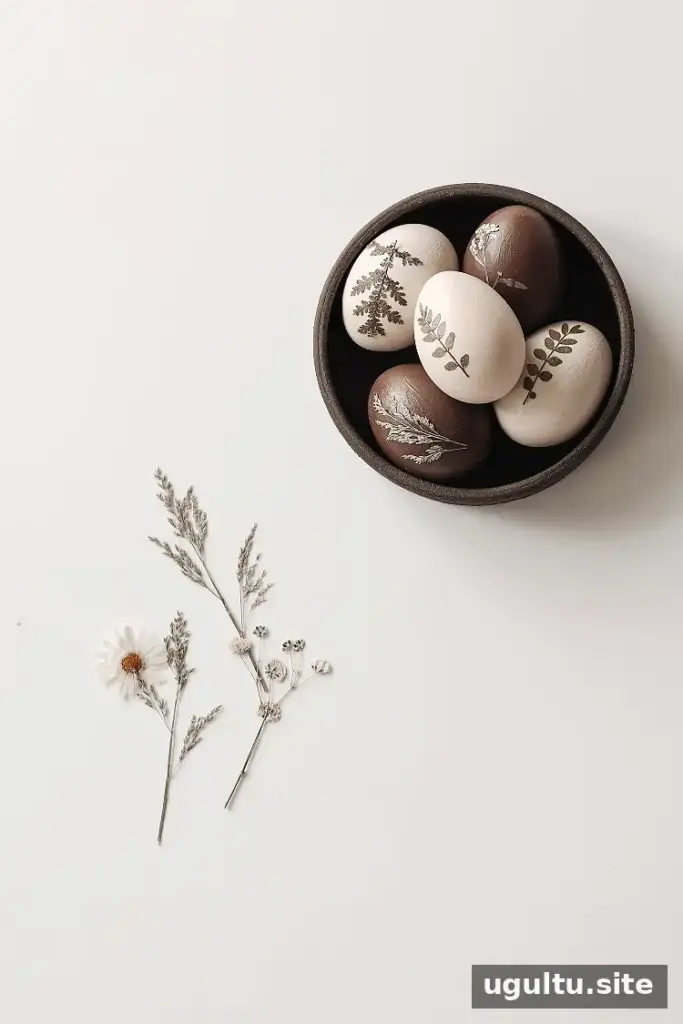
Place one decorated egg beside each napkin for an understated table accent. White linen provides a neutral background that lets the flowers and painted colors stand out. A few dried flower stems alongside the napkins can repeat the botanical theme.
Use egg cups or a shallow tray to prevent the eggs from rolling. If using hard-boiled eggs, keep the display brief and follow the temperature limits above. Artificial eggs are the more practical choice for decorations intended to remain out throughout the season.
With a restrained color palette and carefully placed pressed flowers, floral Easter eggs can add a delicate handmade detail to an Easter table without requiring an elaborate design.