admin
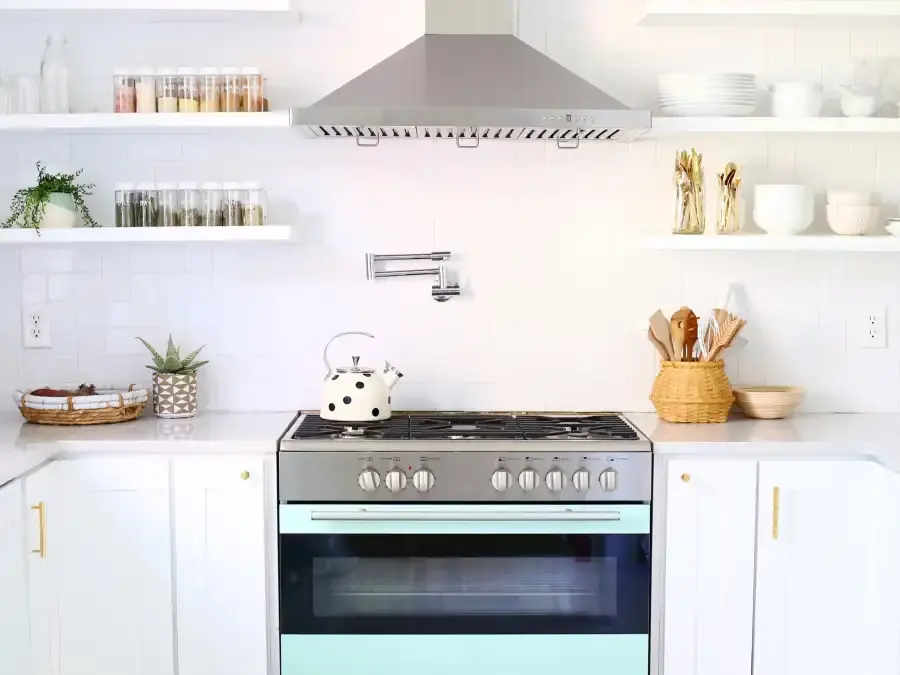
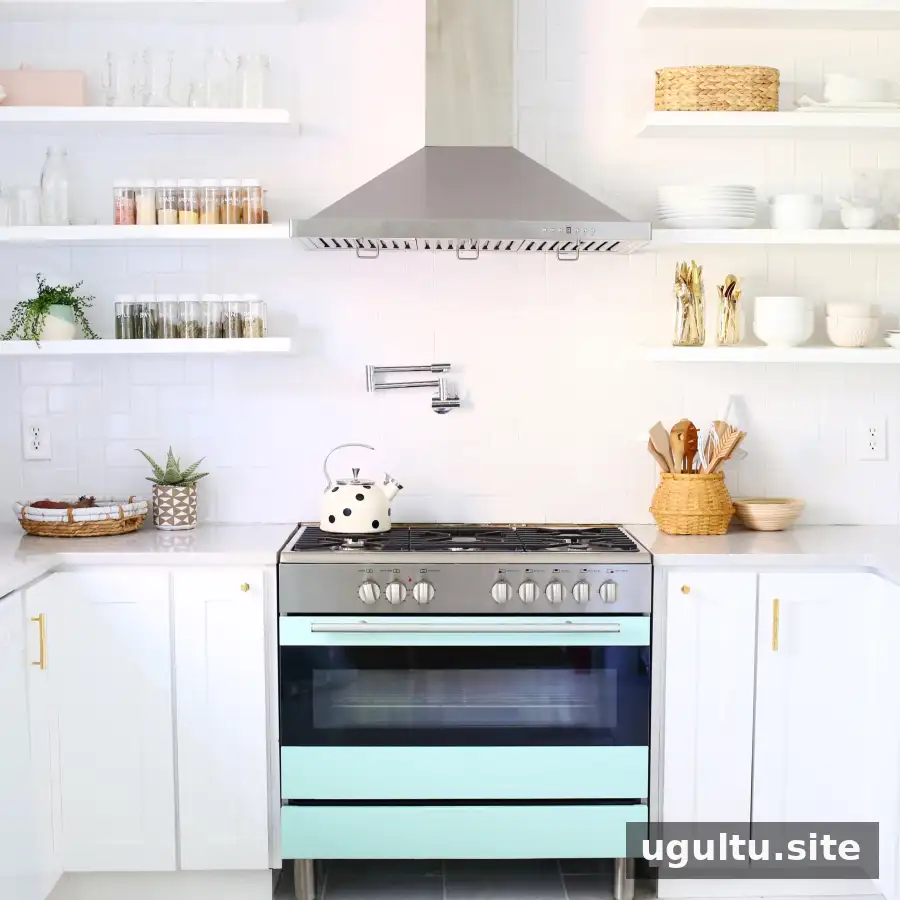
These kitchen organization tips show how a few thoughtful changes can make everyday items easier to find and storage space more useful. A kitchen organizing project can begin with a cluttered drawer or crowded shelf; the goal is not perfection, but a setup that fits how the household cooks and eats.
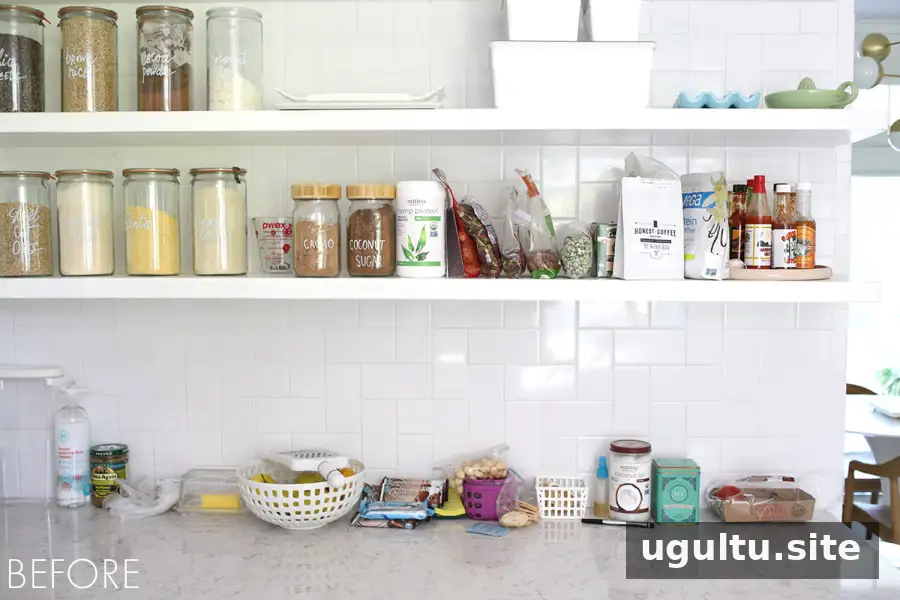
Before organizing, take a clear look at the space as it is. The examples below include a crowded kitchen area and an overfilled drawer, along with practical ways to improve both function and appearance.
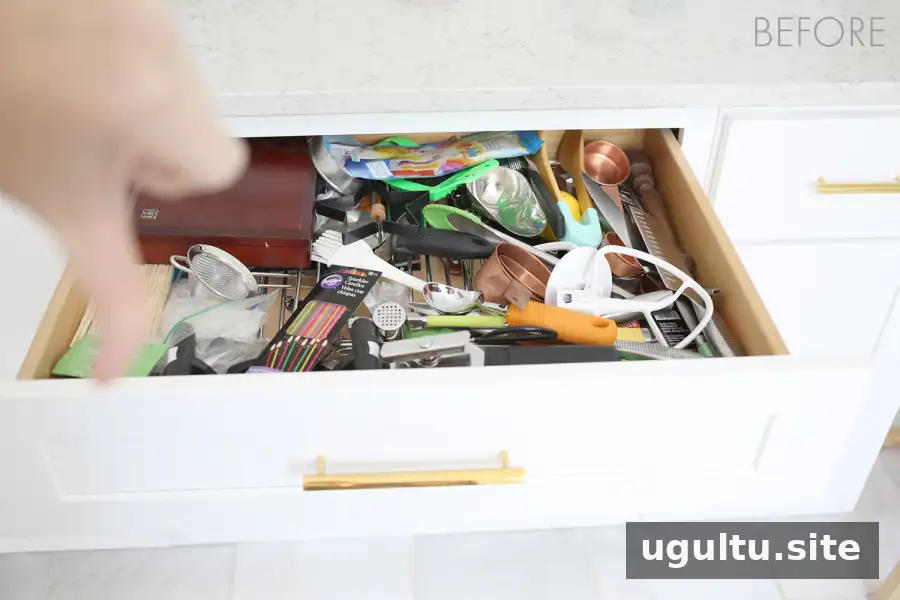
10 kitchen organization tips to make the most of your space
1. Take everything out before you reorganize
Emptying drawers, cupboards, and containers may temporarily make the kitchen look messier, but it helps reveal what is actually there. Once everything is visible, it is easier to group similar items, spot duplicates, and decide what belongs in each space.
Work on one area at a time and protect a clear surface for sorting. That keeps the temporary mess manageable and makes it easier to return items to their new homes.
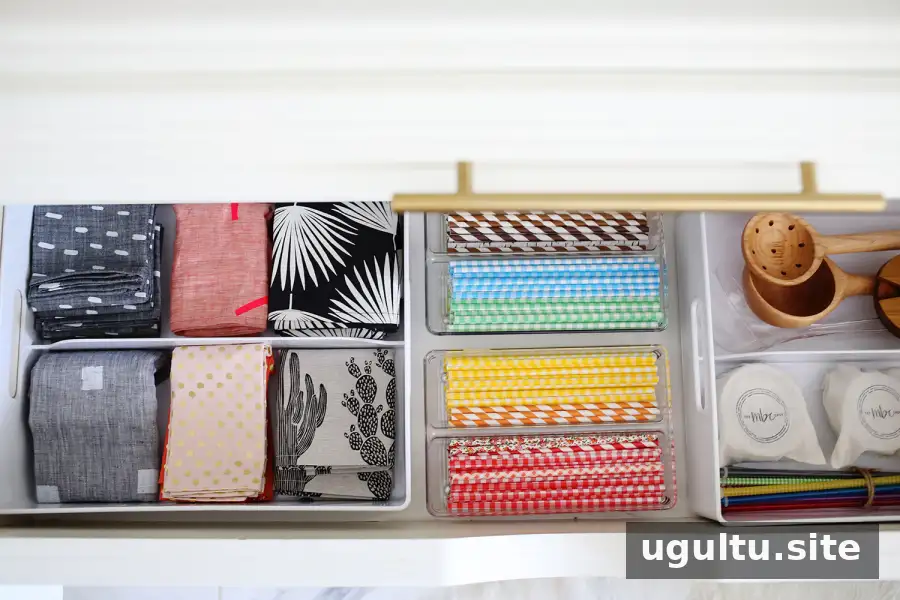
A full clear-out can make a room look unfinished for part of the day. Treat that as a normal step in the process rather than a sign that the project is going wrong.
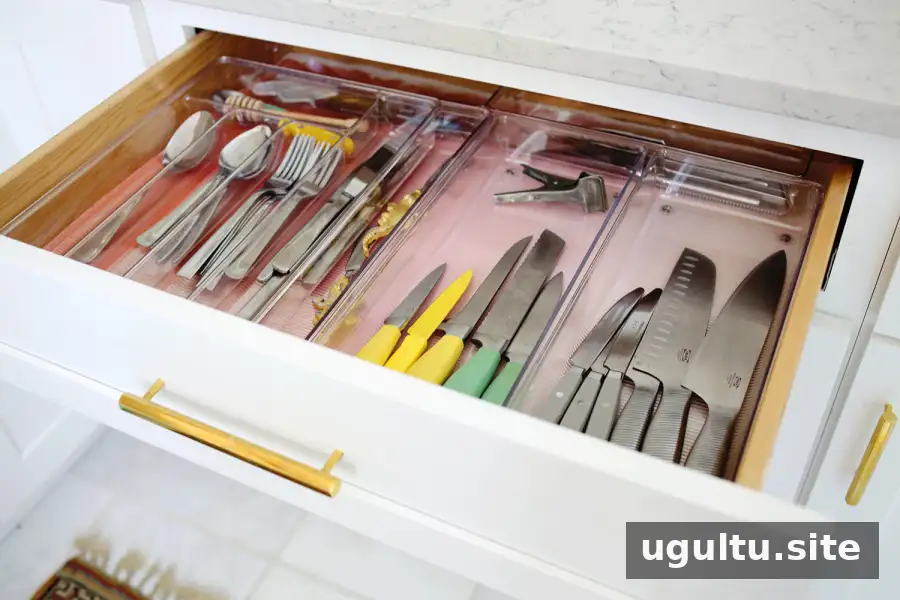
2. Declutter while you organize
You do not have to finish decluttering the entire kitchen before you start arranging it. As each drawer or shelf is emptied, set aside items that are damaged, rarely used, or no longer needed. This creates room for the tools and supplies used regularly.
Before discarding anything, check that it is safe and usable. Items in good condition may be suitable for donation, while damaged items should be handled appropriately.
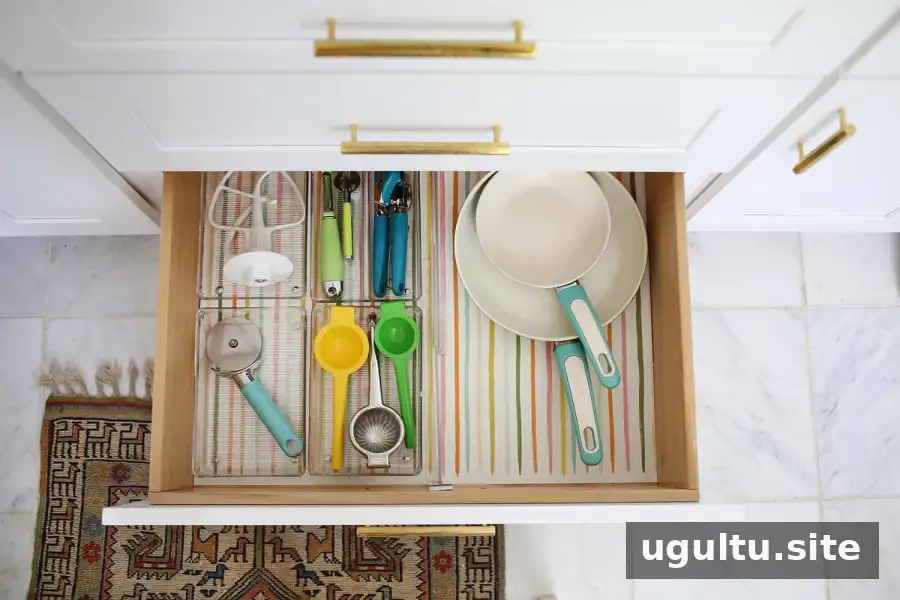
Removing unnecessary items can create more usable storage and make frequently needed tools easier to locate. That practical benefit matters more than making every drawer look picture-perfect.
3. Use coordinated containers where they help
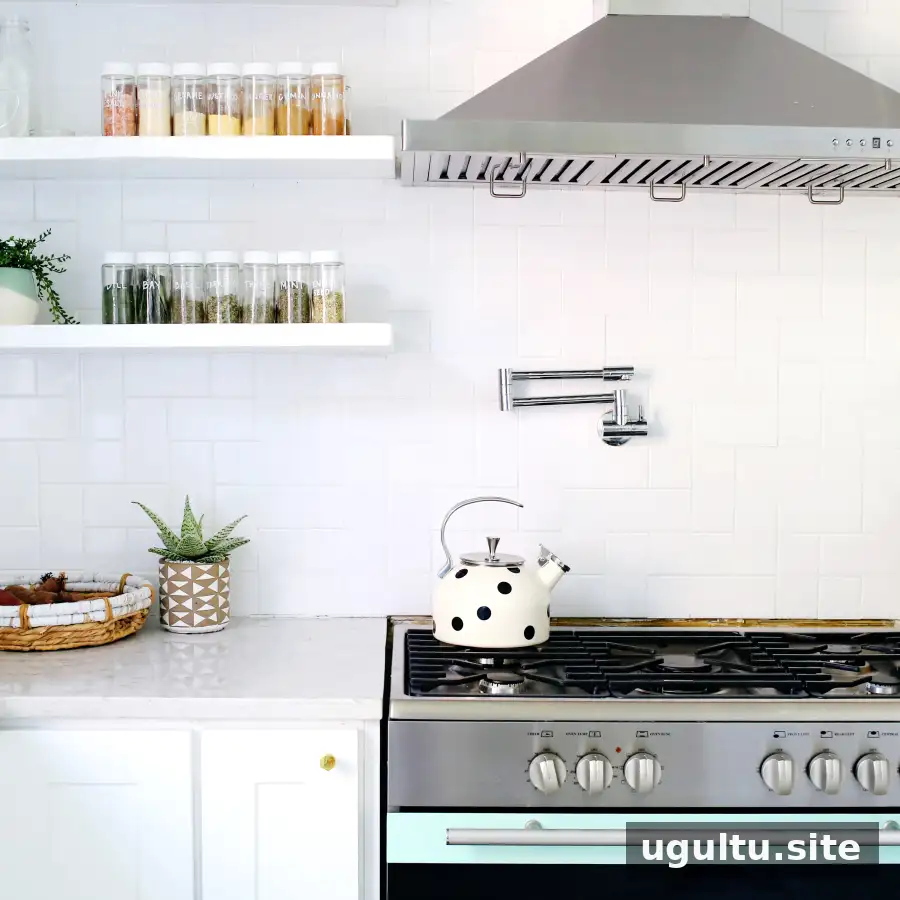
Matching containers can make shelves and drawers look more consistent, but replacing every container is not essential. For example, transferring spices into similar jars can make labels easier to read and the collection easier to scan.
Choose containers that suit the contents and the available space. Keep labels clear, and make sure lids close securely so ingredients stay protected.
4. Create stations for frequently used items
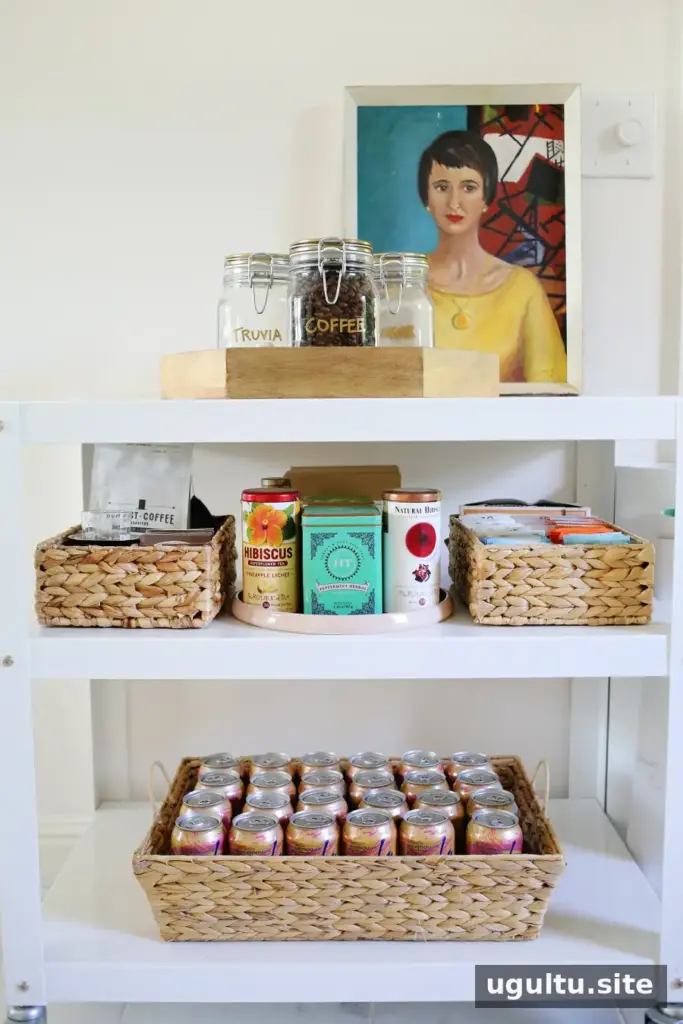
Group items by purpose instead of scattering them around the kitchen. A coffee station, for instance, can keep mugs, coffee, and related supplies together. This makes a routine easier and keeps the rest of the counter clearer.
Use a tray or small container to define the station, and avoid adding items that are not part of that activity.
5. Adapt pantry storage to the shelves
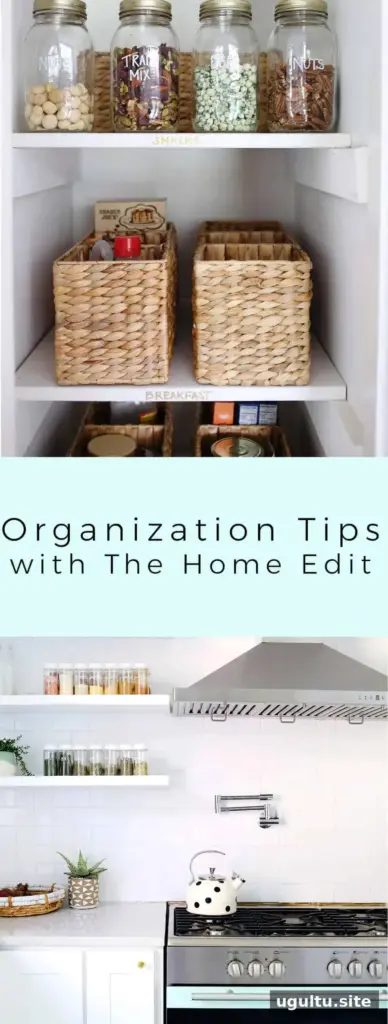
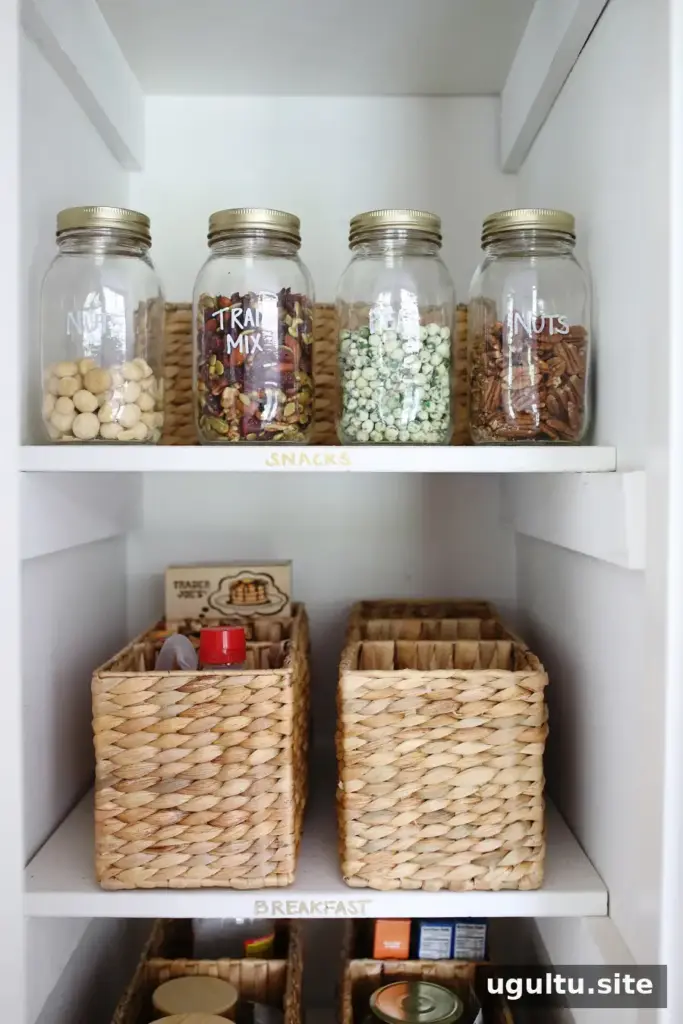
Pantries vary in size, so choose storage based on the actual shelf depth and width. Long, narrow baskets can make deep shelves easier to use, while smaller bins can keep snacks or similar items grouped together.
Measure shelves before buying organizers. A container that fits well should slide out easily and leave enough room to see what is stored behind or beside it.
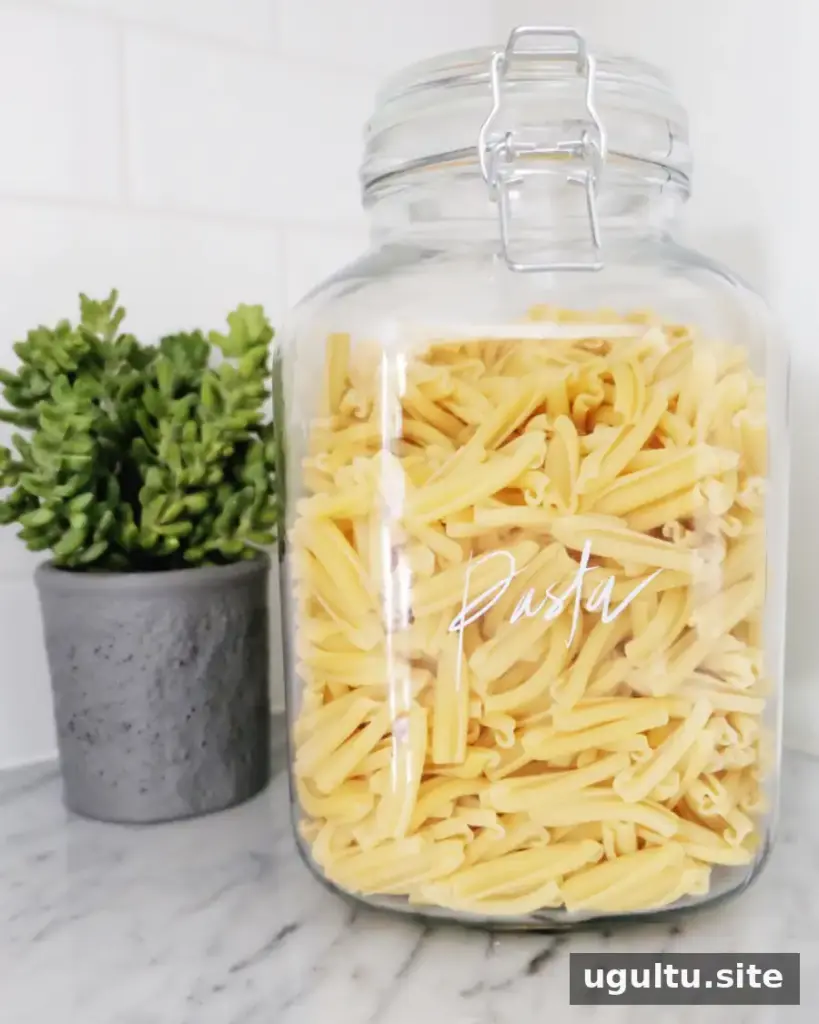
6. Add labels that are easy to maintain
Labels remind everyone where items belong and make shared storage easier to keep organized. They do not need to be attached to every object; use them where a category might otherwise be unclear.
Keep label wording broad enough to allow flexibility. A label such as “snacks” can be simpler to maintain than one limited to a very specific food.
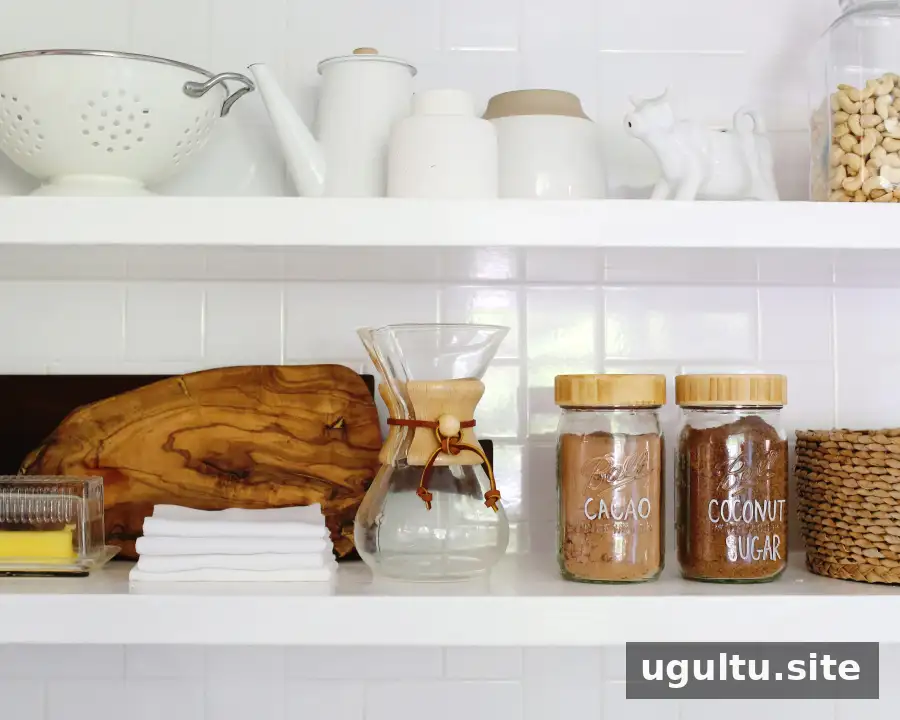
Handwritten-style labels are one option, but neat, readable text is what matters most. Place labels where they can be seen without moving several containers.
7. Line drawers for a finished look
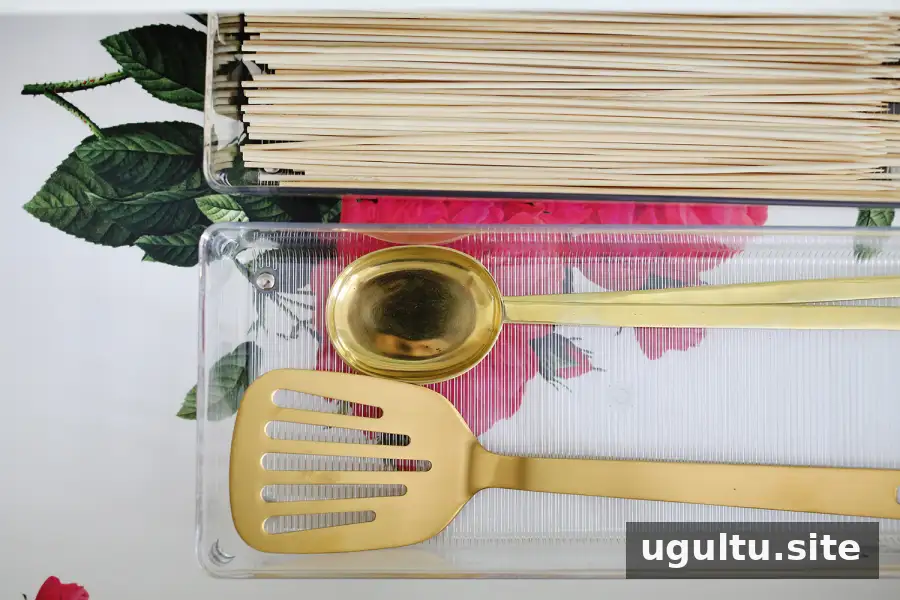
Drawer liners can add color and help a drawer feel more considered. Choose a liner that can be trimmed to fit and replaced if it becomes stained or worn.
Before lining a drawer, clean and dry the surface. Check that the liner lies flat and does not interfere with the drawer opening or closing.
8. Plan purchases carefully—and keep receipts
Choosing storage products can be difficult when the dimensions and number of containers are unclear. Measure first, make a list of what each area needs, and consider buying a small range of suitable options in one trip when returns are allowed.
Check the retailer’s return conditions and keep receipts and packaging until the organization project is complete. This can reduce extra shopping trips, but avoid buying more than can reasonably be returned or stored.
9. Store similar items together
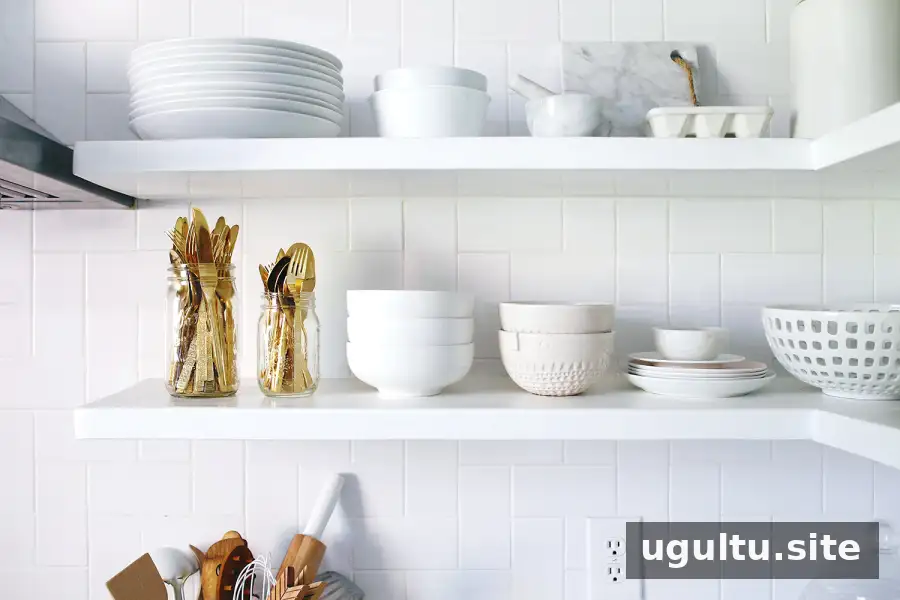
Group items by type or use so they are easy to find. Kitchen supplies used for entertaining or food preparation, for example, are more convenient when stored together rather than spread across several rooms.
Pick a home for each category based on where it is used most often. That makes it more likely that items will be put back after use.
10. Put function before appearance
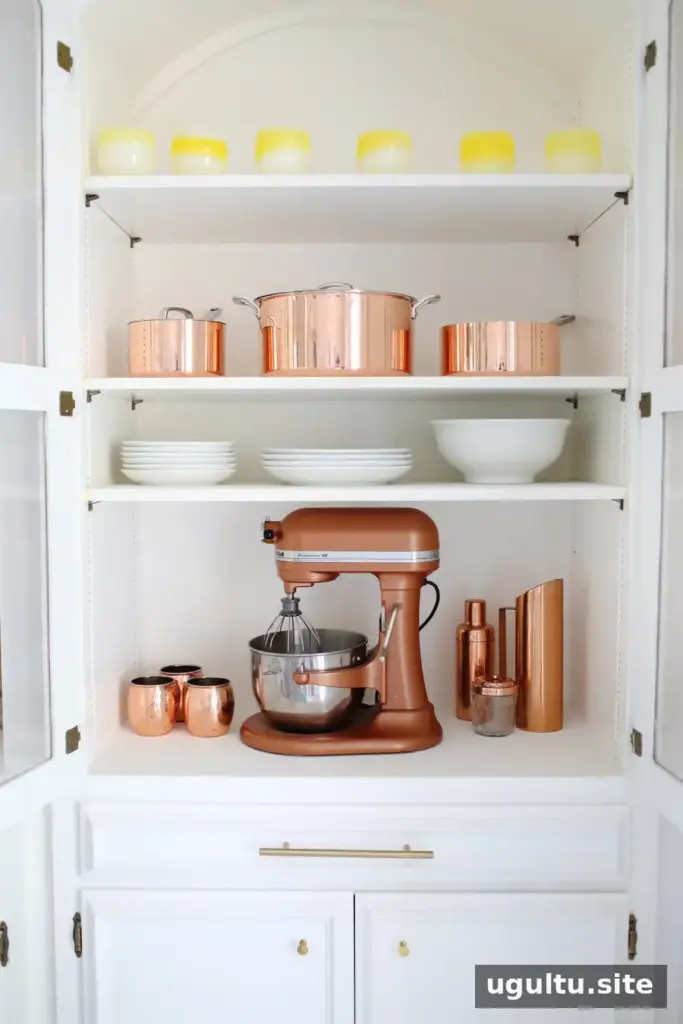
Not every cupboard or drawer needs to be decorative. Start by making the areas used most often practical and easy to maintain. Once those spaces work well, add visual touches where they make sense.
Prioritize clear access, sensible grouping, and storage that suits your routine. A simple, functional drawer is still an organized drawer.
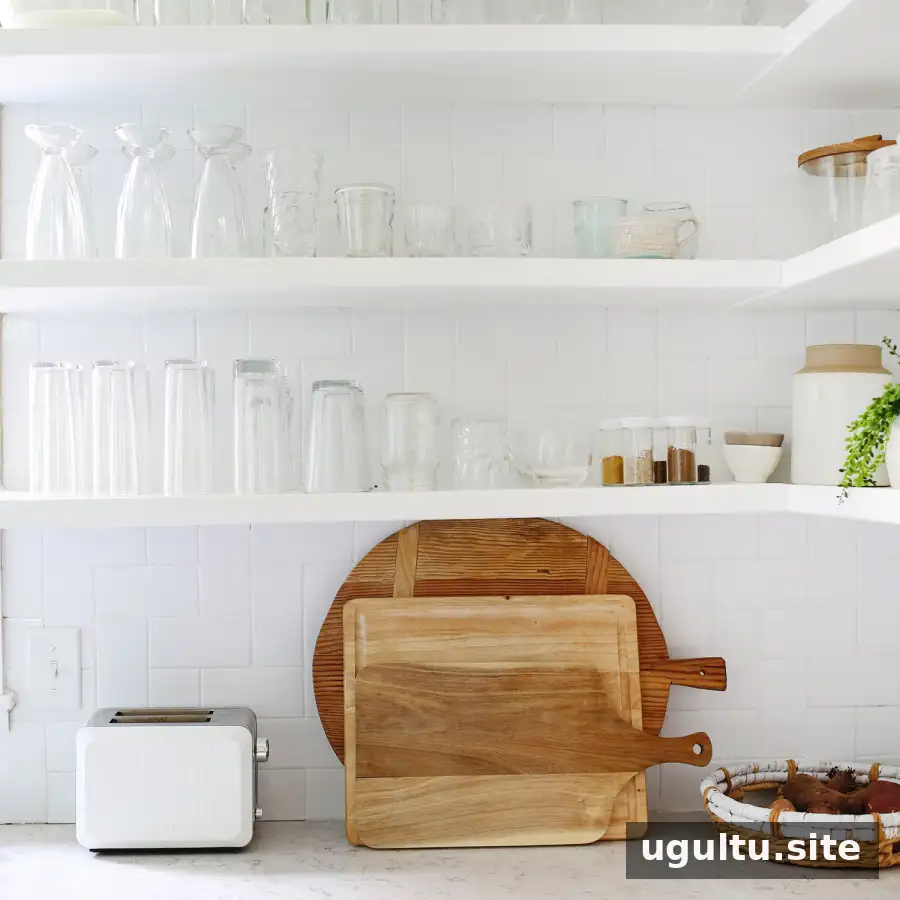
Make kitchen organization work for your routine
The most useful kitchen organization tips are the ones that make everyday tasks simpler. Begin with one manageable area, remove what you no longer need, and give frequently used items accessible, consistent homes. Labels, containers, and decorative details can help, but function should guide each decision.
Written by Elsie.