
 admin

The Curated Closet by Anuschka Rees offers a practical way to think about personal style beyond fashion rules or body-type advice. Its exercises can help you identify what you enjoy wearing, build outfits for your actual routine, and make more considered shopping choices. Here are three useful lessons from the book and workbook.
The approach is about feeling comfortable and confident in what you choose to wear—not meeting a single standard of what looks “right.” A limited budget, a love of secondhand finds, or a preference for individual outfits can all fit into a personal style. The key is understanding what works for your life.

The Curated Closet: 3 Lessons for Everyday Style
1. Tell the difference between your fantasy life and real life
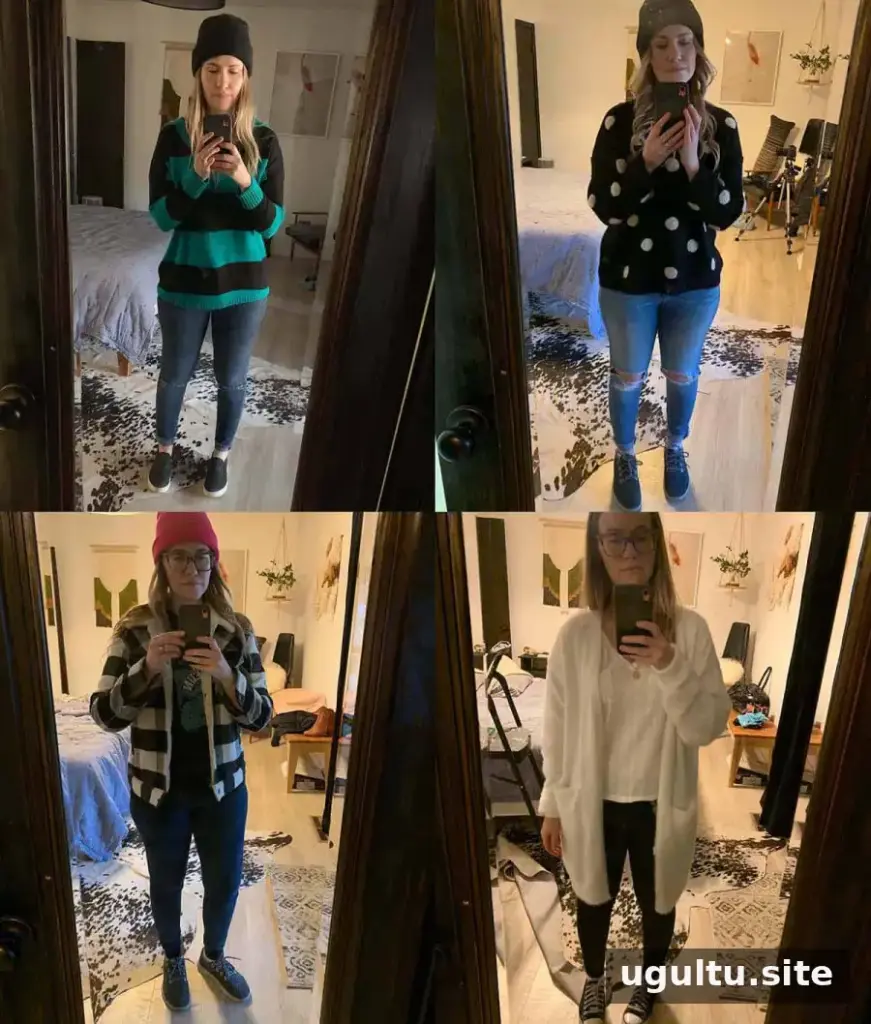
One exercise in the book is to take a daily photo of your outfit and look for patterns over time. Notice the pieces you reach for repeatedly, along with their fit, colors, comfort, and practicality. This record can reveal whether your wardrobe reflects your everyday activities or an imagined version of your schedule.
For example, someone who works from home and spends time cooking, crafting, taking photos, or tidying may need clothes that are comfortable, easy to move in, and suitable for hands-on tasks. An item that is attractive but restrictive—or too delicate for regular wear—may stay in the closet rather than become part of a useful outfit.
A helpful check before buying is to ask: When, where, and how would I wear this in my actual week? If you cannot name a realistic situation, pause before adding it to your wardrobe.
In the author’s case, jumpsuits worked well for an active daily routine because they stayed in place while bending, moving, and playing on the floor. The broader lesson is to look for garments that suit your own activities, rather than choosing an item only for a hypothetical occasion.
2. Find an outfit formula that makes getting dressed easier
An outfit formula is a repeatable combination of clothing that feels like you. It is not a strict fashion rule; it is a shortcut for getting dressed and a useful reference when shopping. If a new item does not work with any of your usual combinations, consider whether you are likely to wear it often.
Formulas can change with the weather, location, and personal needs. The author lives in the Midwest, where seasonal temperatures vary, so her combinations differ between warm and cold months.
Warm-weather outfit formulas:
- Jeans, a plain T-shirt, and sandals
- Overalls, a T-shirt or tank top, and sandals
- A jumpsuit and sandals
- A midi or maxi dress and sandals
Cold-weather outfit formulas:
- Jeans, a plain T-shirt, a cardigan or jacket, and flats
- Jeans, a sweater, and flats
- Overalls, a sweater, and flats
- A jumpsuit, a cardigan or jacket, and flats
- A dress, a cardigan or jacket, and flats
Special-event clothing, such as a dress for a wedding or New Year’s Eve, does not need to fit an everyday formula. Accessories—including headbands, hats, scarves, and glasses—can also add variety to simple combinations without requiring a larger clothing collection.
3. Shop with fit, quality, and use in mind
Low prices can make impulse purchases tempting, but price alone does not show whether an item fits well, suits your preferred colors, or fills a real need. A closet can become crowded with bargains that are rarely worn because they do not work with everyday outfits.
Before buying, consider these questions:
- Does it fit comfortably now, or would tailoring make it wearable?
- Does the color and shape suit the clothes you already reach for?
- Can you name an occasion or routine where you will wear it?
- Is the quality appropriate for how often you expect to use it?
Secondhand shopping can still be part of a thoughtful wardrobe. The goal is not to stop thrifting or to buy only expensive clothing; it is to be selective. If you love an item but the fit is slightly off, alterations may be worthwhile when the cost and result make sense. A versatile dress reserved for weddings or other special occasions can also be a purposeful purchase.
Build a wardrobe around the life you have
The Curated Closet shows how observing your outfits, choosing a few reliable combinations, and shopping with intention can make a wardrobe more useful. A perfect closet is not required. Start with one small step: track what you wear for a week, write down two outfit formulas, or wait a day before making a purchase. The most helpful style choices are the ones that fit your real life—and that is the lasting lesson of The Curated Closet.
— Emma


