admin
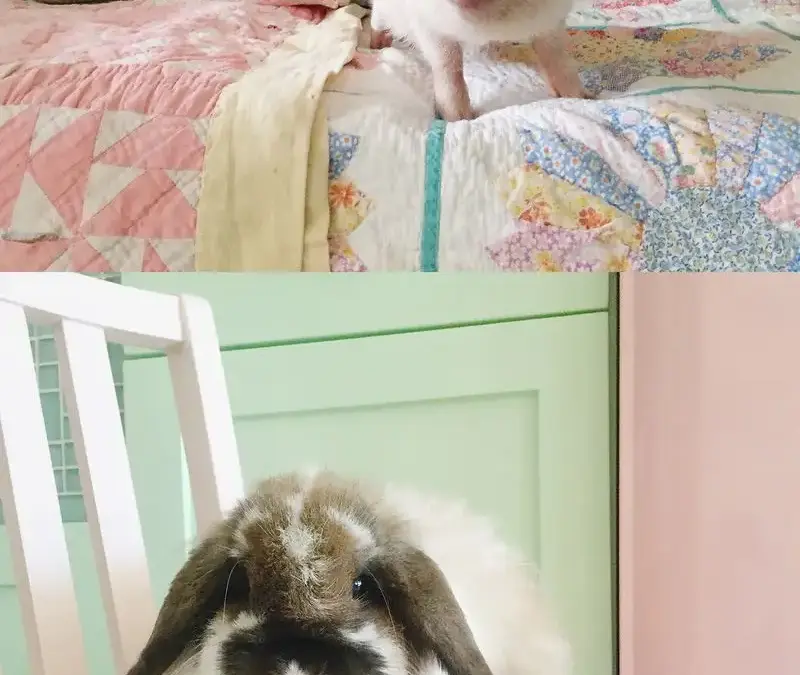
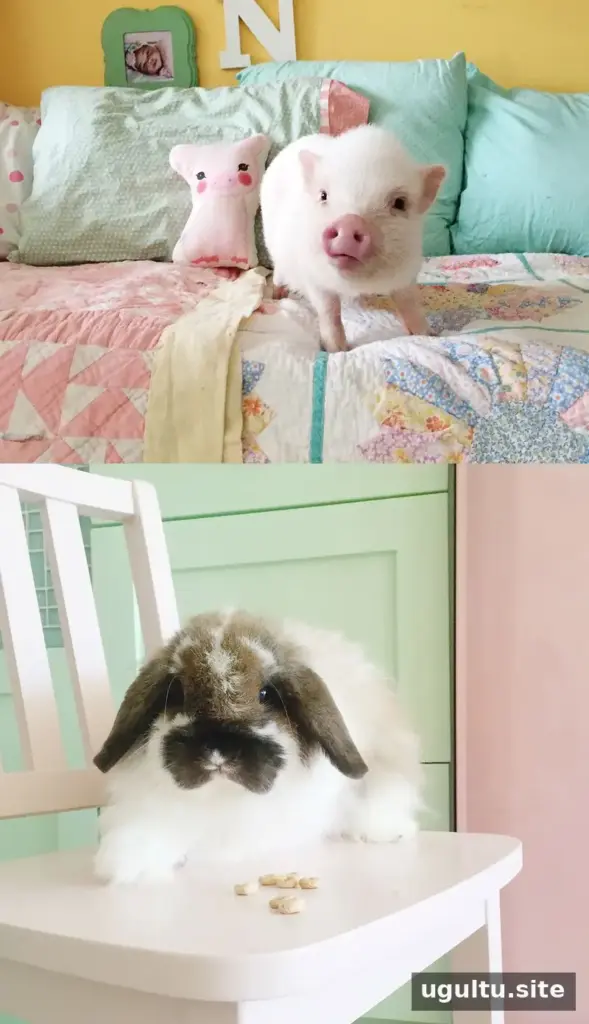
Capturing a pet’s personality takes patience, good timing, and a little flexibility. These pet photography tips can help you take more engaging pictures at home or outdoors, whether your subject is a dog, cat, bird, or another animal. Keep the session relaxed and let your pet’s comfort guide what you try.
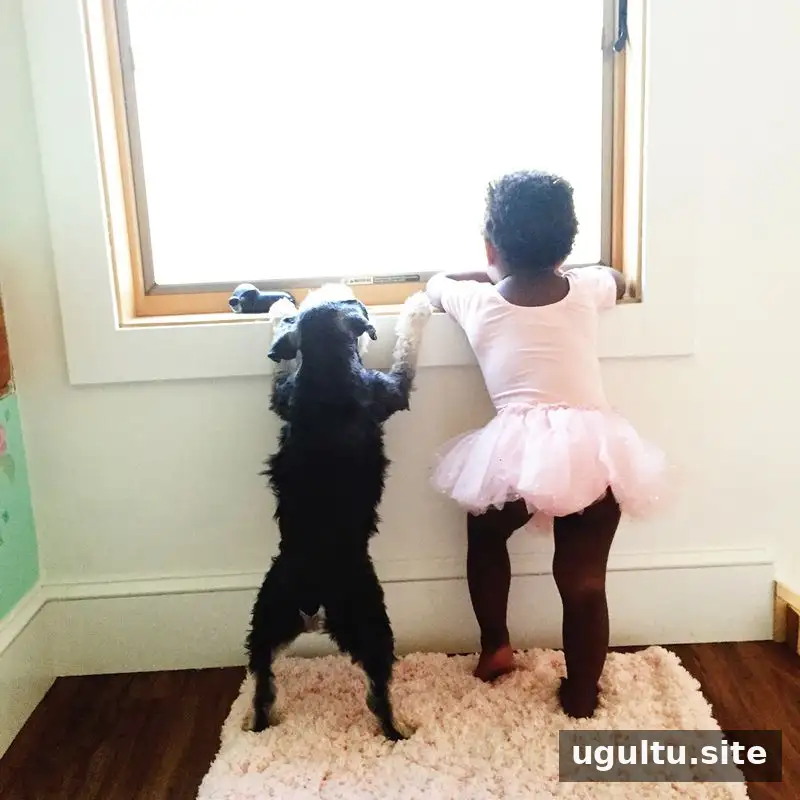
Pet Photography Tips for Better Photos
1. Use natural light when possible
Soft daylight can show your pet’s features clearly without the harsh look that a direct flash may create. Try photographing near a bright window, doorway, or shaded outdoor spot. Turn off the flash when you can, and check that the light reaches your pet’s face rather than leaving it in shadow. Avoid placing an animal in direct, intense sunlight for a long session, as this can cause discomfort.
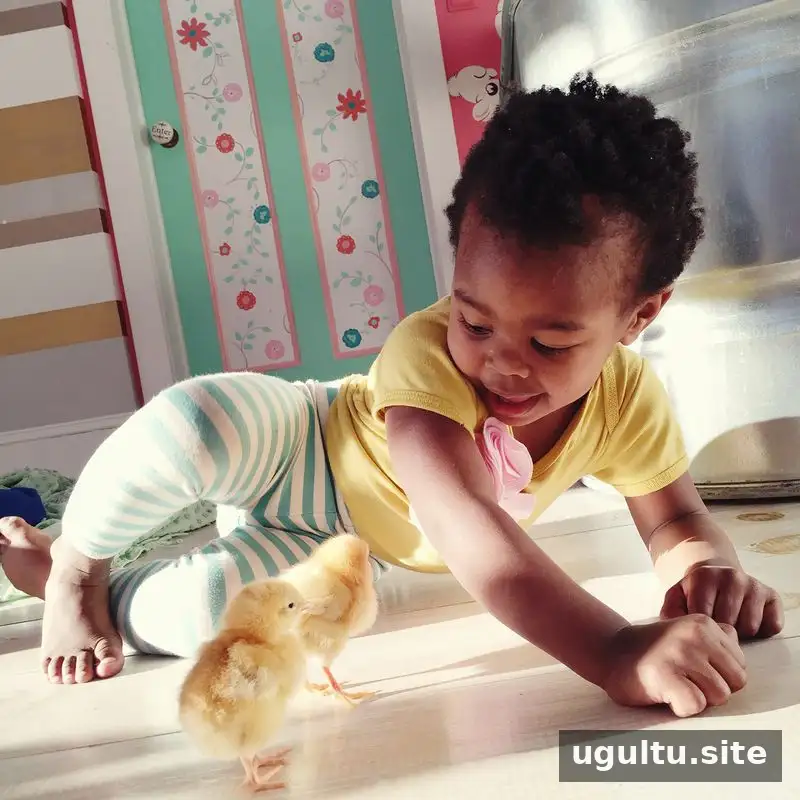
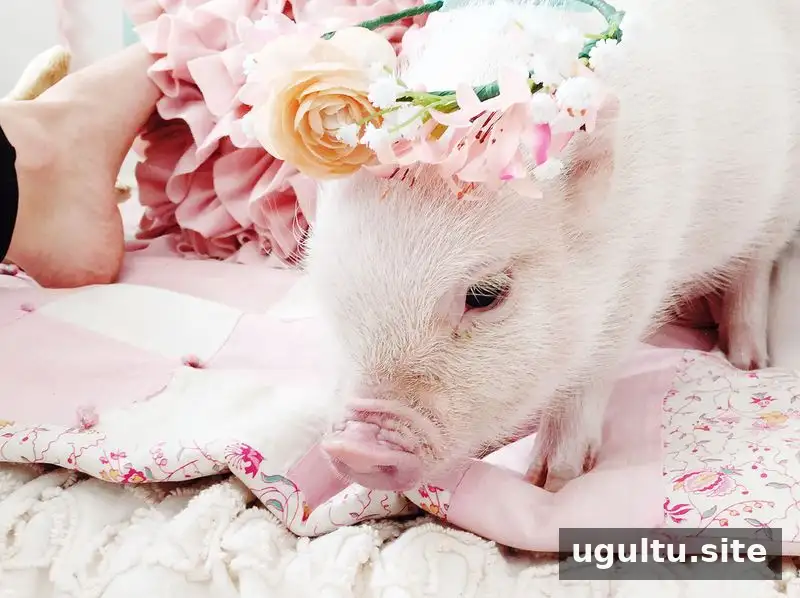
2. Get down to your pet’s level
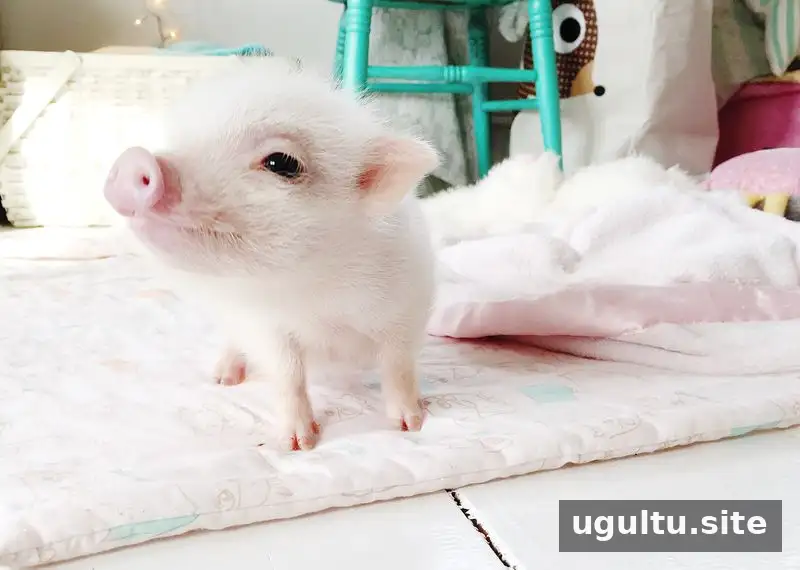
Photographing from eye level creates a more direct, engaging view of your pet. Sit or lie on the floor and let your pet approach naturally, or invite them onto a bed or couch if that is safe and allowed in your home. Keep your camera steady, and make sure your pet has enough space to move away if they want to.
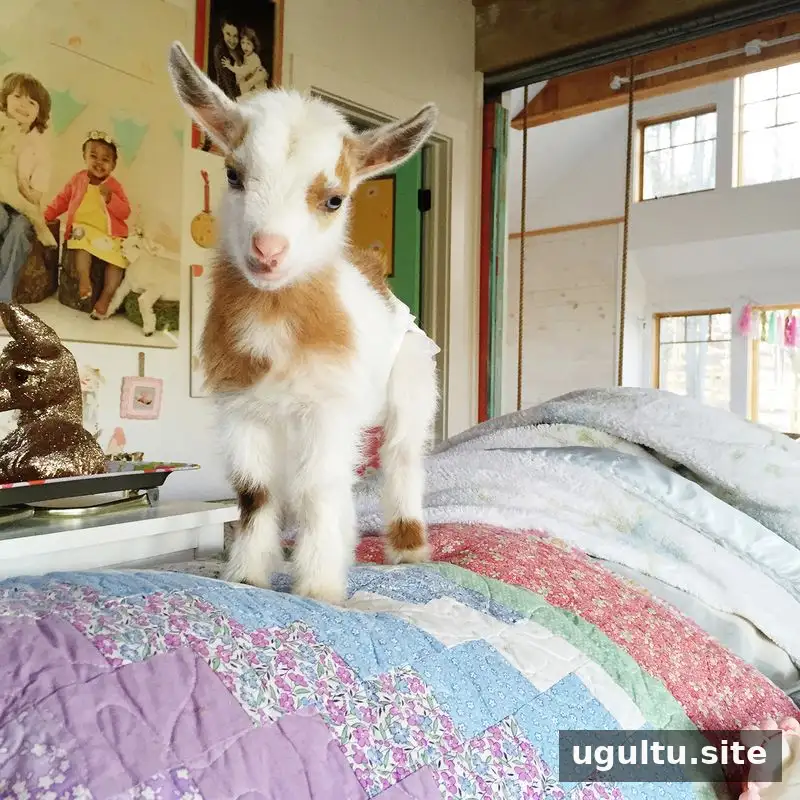
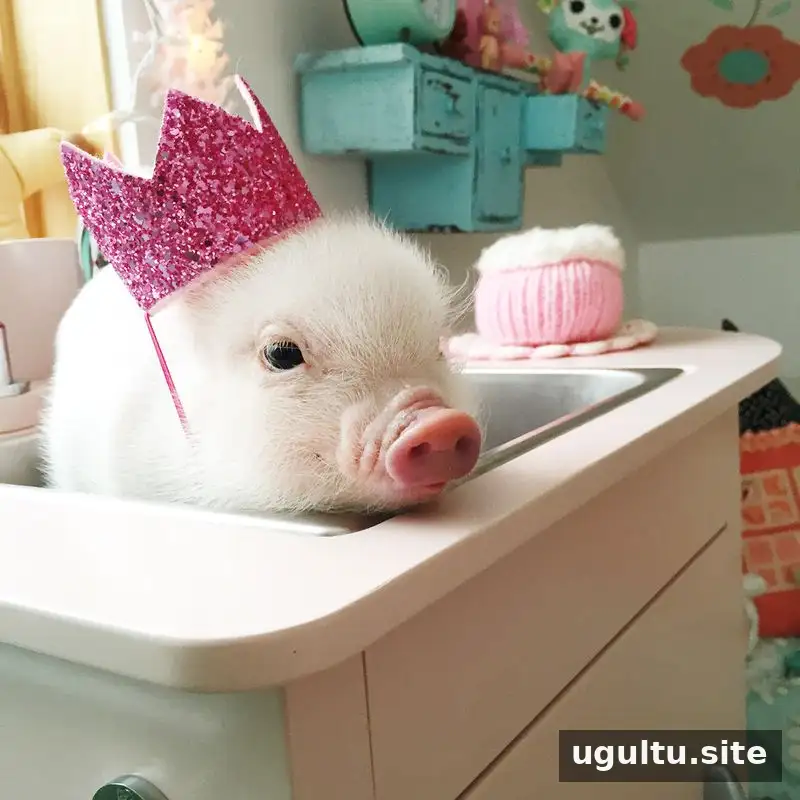
3. Choose an unusual but safe setting
A familiar pet in an unexpected place can make for a playful picture. Depending on your pet and the setting, you might try a sturdy chair, a basket placed on the floor, or another secure spot. Always supervise closely, avoid elevated or unstable surfaces, and never put an animal somewhere that could cause stress or injury. The setting should be interesting without compromising your pet’s safety.
4. Take plenty of pictures and include people
Pets move quickly, so taking several frames increases the chance of catching a natural expression or moment. In one short pet photo session, it may take around 10–20 pictures to get one especially successful image. Use short bursts when appropriate, and check your shots occasionally so you can adjust the light or composition.
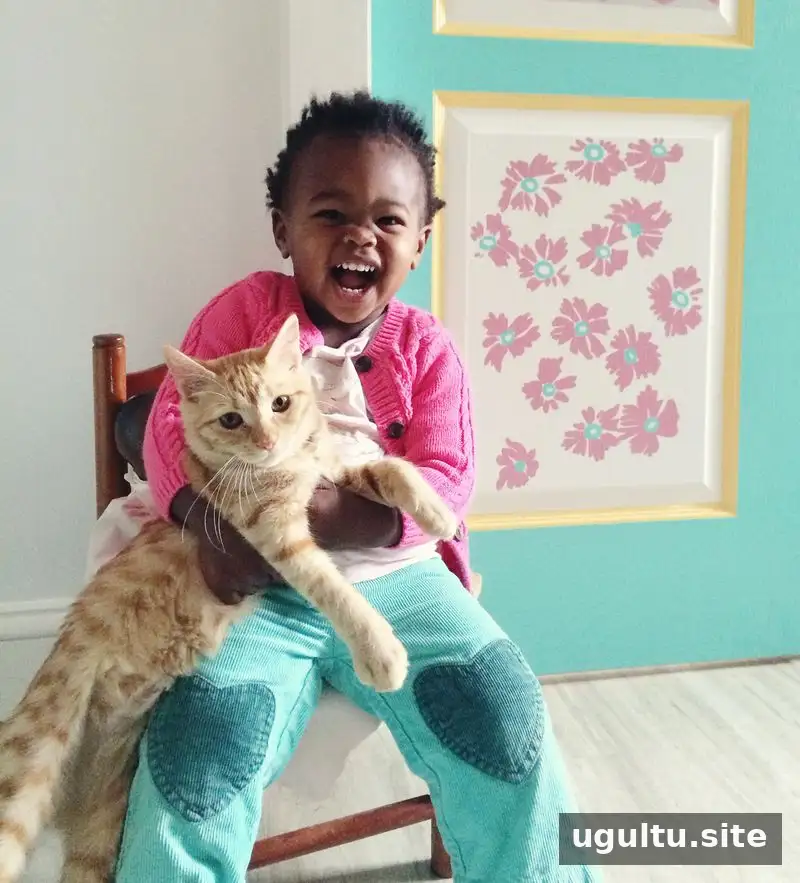
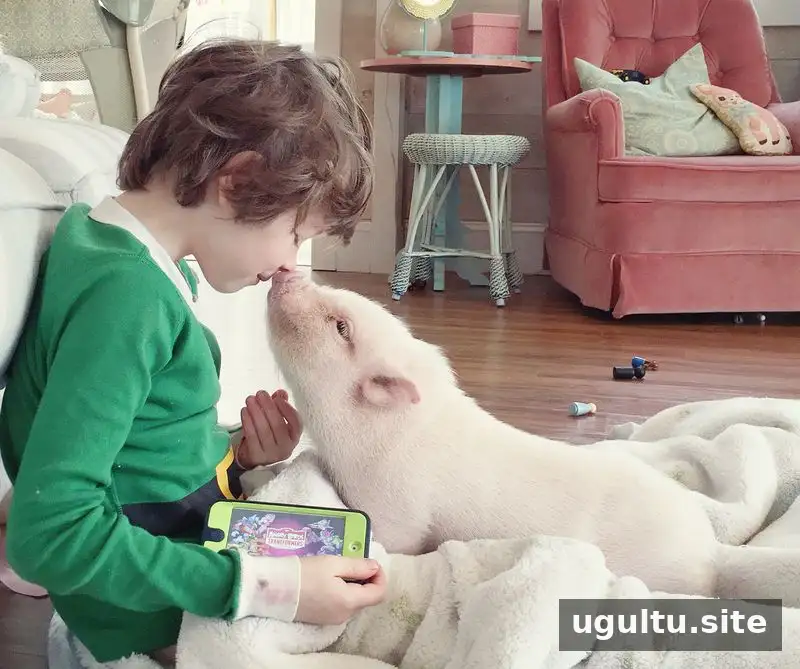
Include family members or friends for photographs that show the bond between people and pets. Ask them to sit or kneel beside the animal and interact gently. A relaxed hug or a quiet moment leaning close can communicate connection, but do not force contact if the pet seems uncomfortable.
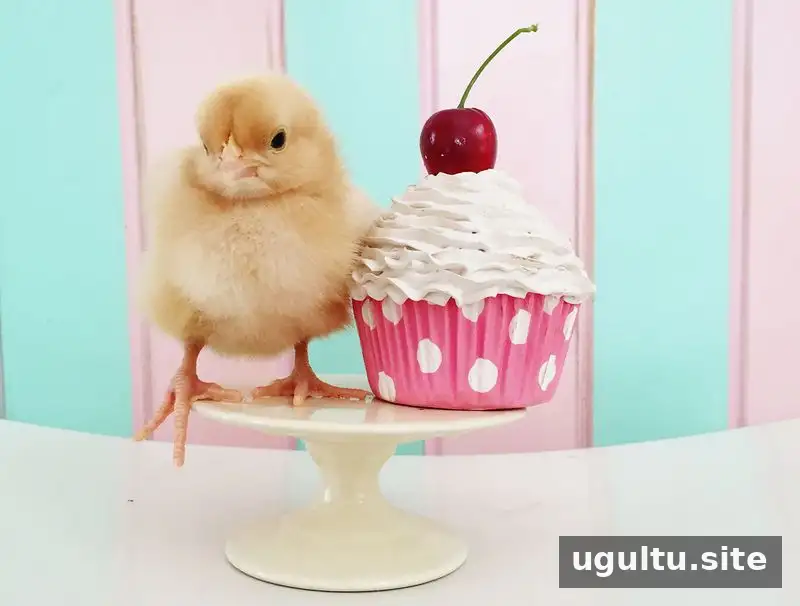
5. Try simple props
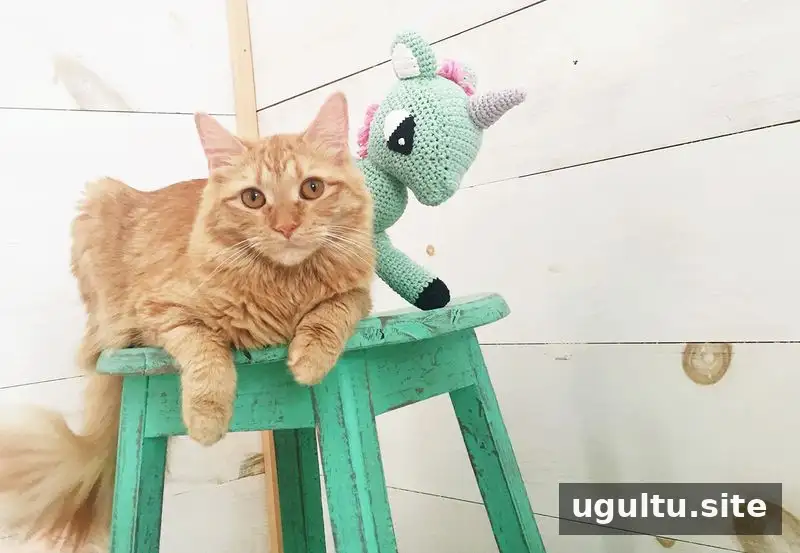
A small, pet-safe prop can add color or a playful detail to a photo. Consider a lightweight hat or another item only if your pet is comfortable wearing or sitting near it. Introduce new objects gradually, supervise throughout, and remove anything the animal tries to chew or pull off. Everyday treats or toys can also help hold attention without making the setup complicated.
Keep the photo session positive
Use familiar rewards, toys, and gentle attention to make photography feel enjoyable. Give your pet breaks, and stop while they are still calm and engaged. If they seem tired, anxious, or uninterested, put the camera away and try another time. A comfortable animal is more likely to show natural expressions, and the experience should be pleasant for everyone involved.
With patience, soft light, and a few thoughtful adjustments, these pet photography tips can help you create meaningful pictures of your companion. Focus on your pet’s comfort and personality rather than trying to make every image look perfect.
Photography tips by Lindsey.