
 admin
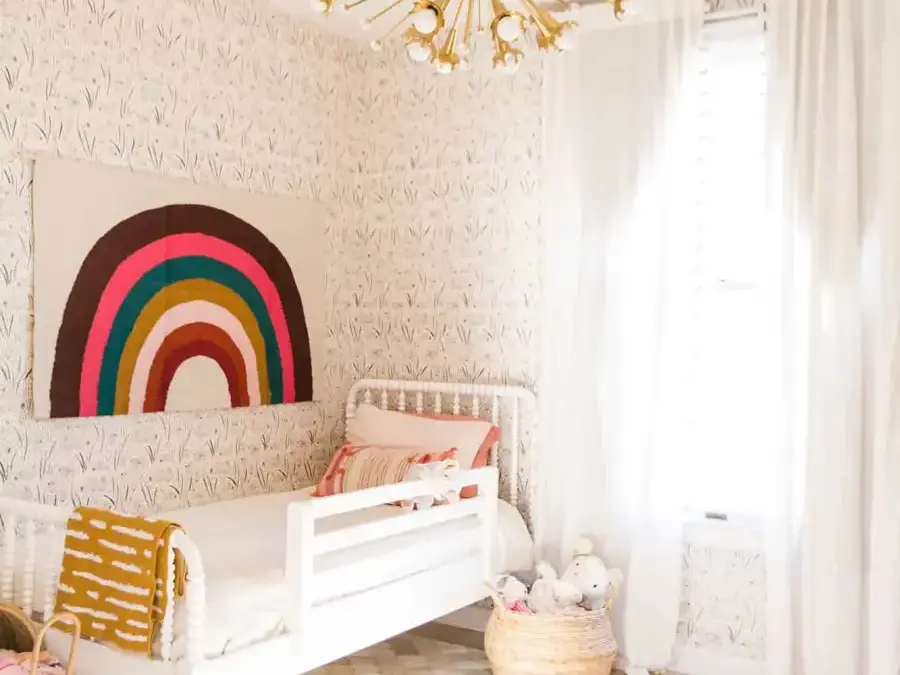
Planning a nursery, bedroom, or playroom can be exciting, but choosing where to begin is not always easy. These kids’ room ideas combine colorful details, flexible furniture, and useful storage to help create a space that feels personal and works for everyday family life. Pick the projects that suit your room, budget, and child’s age, and keep larger choices adaptable as their needs change.
Kids’ room ideas for color and character
Start with a few elements that connect the room to the rest of your home, then add playful accents that give it a child-friendly feel. You do not need to make every fixture or furnishing match a theme; a mix of practical basics and cheerful details can feel more relaxed and last longer.
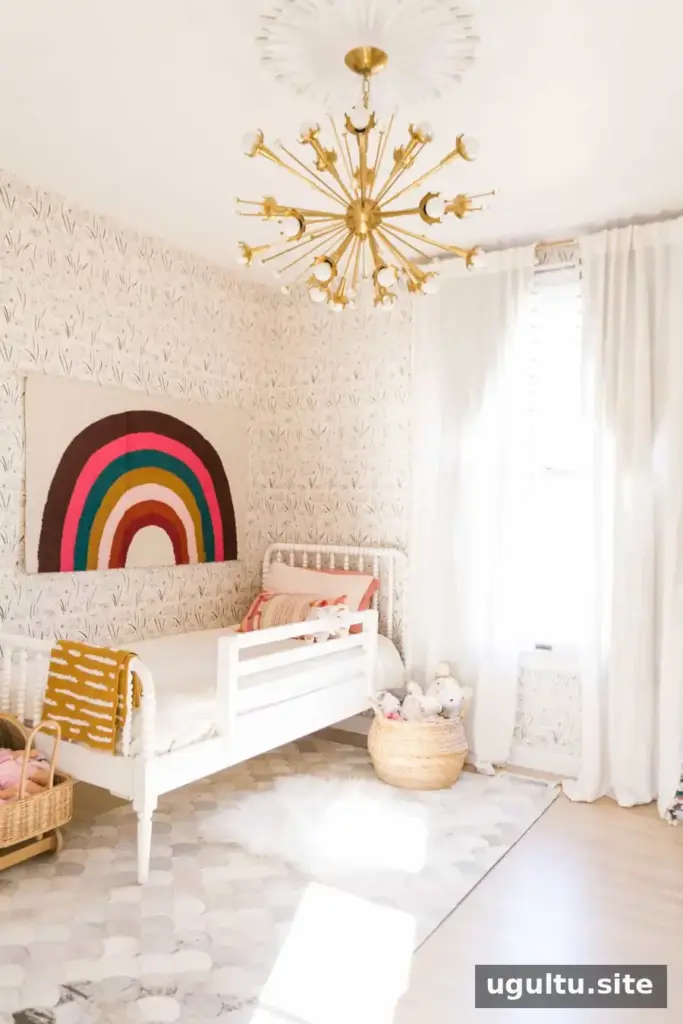
A decorative chandelier or distinctive light fixture can bring personality to a child’s room without making it feel disconnected from the rest of the home. Pair it with easy-to-use toy baskets on the floor. Open baskets make tidying more manageable and help children take part in putting toys away.
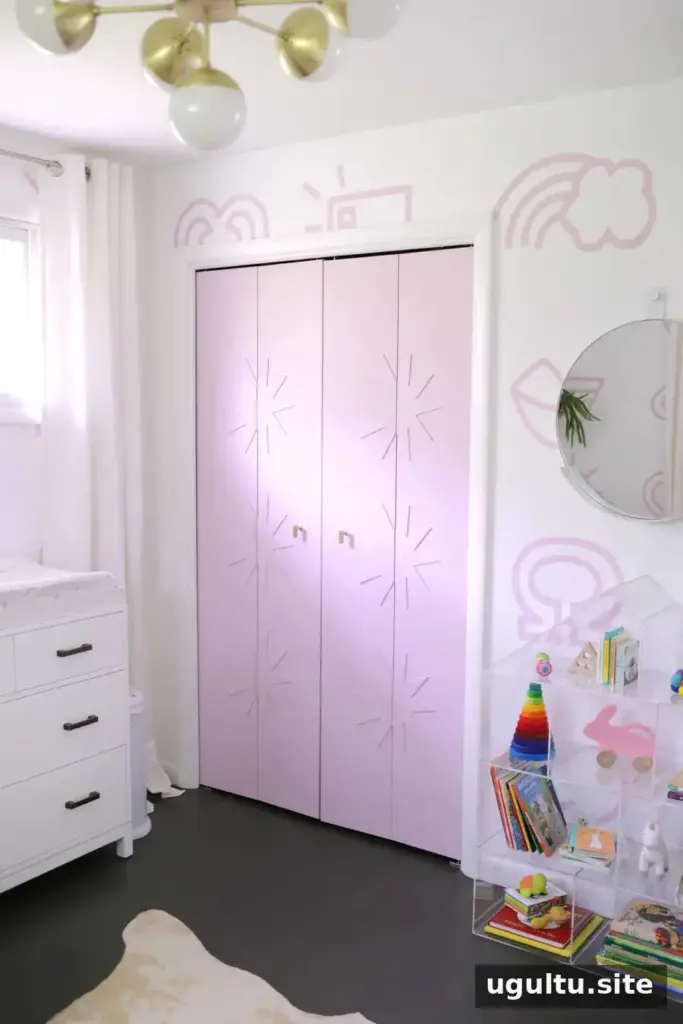
Give a plain closet door a fresh look with a painted design, such as stars. Before starting a door makeover, check that the finish and materials are suitable for the surface, and keep the design simple enough to update later.
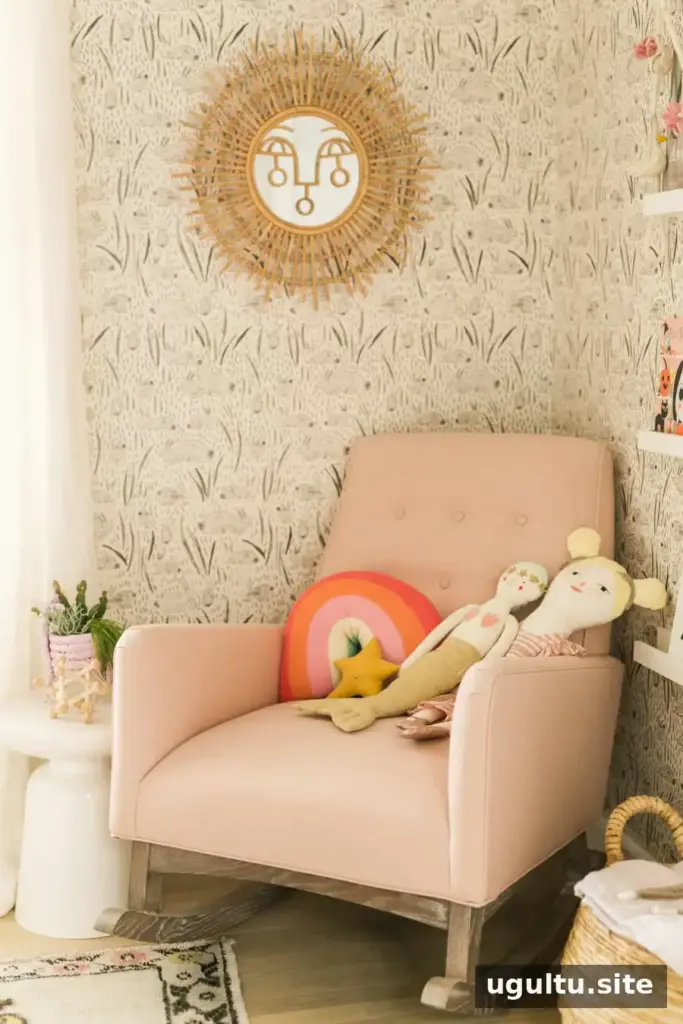
A nursery glider or rocker often becomes a favorite place for feeding, cuddling, and reading stories. Choose a comfortable, well-made chair that suits the room and could work elsewhere in the home later. A neutral color can be especially versatile if you change the nursery decor or reuse the chair for another child.
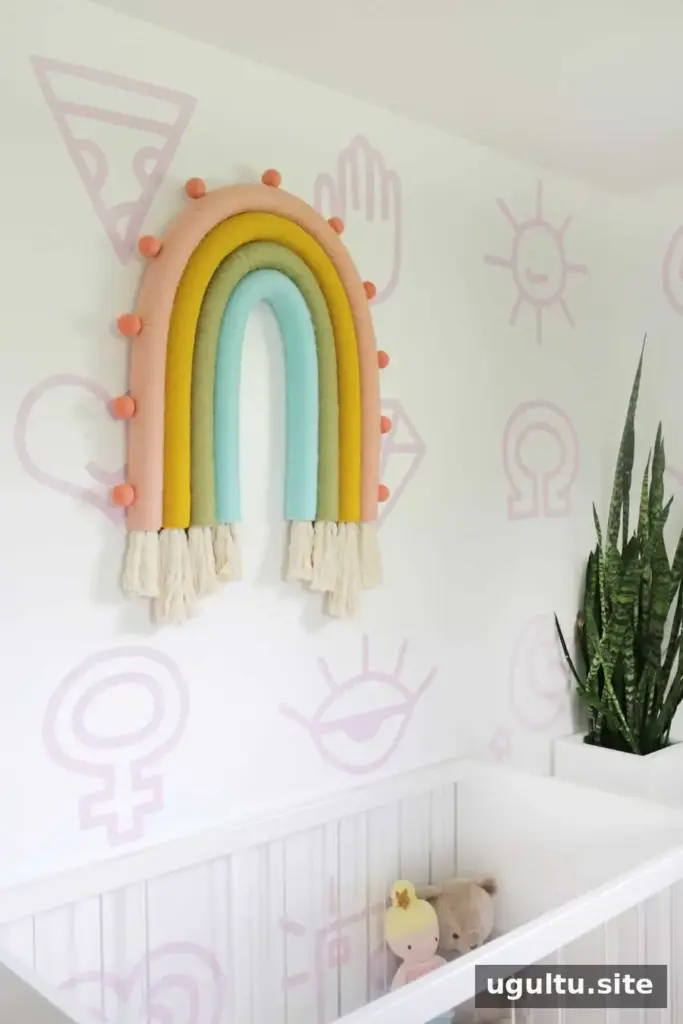
A large rainbow wall hanging can bring a bright focal point to a bedroom or nursery. A handmade version can use pool noodles and yarn; if you would rather skip a craft project, choose a ready-made wall decoration in colors that fit your palette.
Build a room around one or two favorite details
Choosing a small number of standout elements helps a room feel considered rather than crowded. For example, combine a colorful wall treatment with simple bedding, or let a distinctive light fixture take center stage while other accessories stay understated.
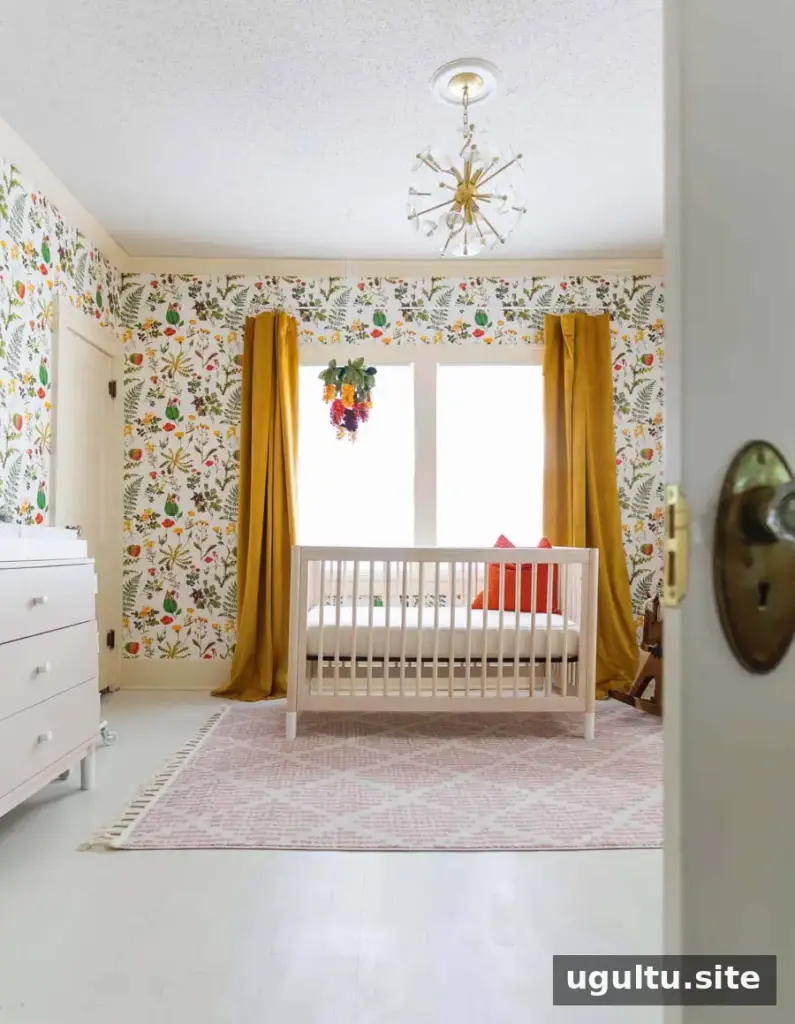
Wallpaper can add pattern and a sense of occasion to a child’s room. Look for a design that feels welcoming in daylight and at bedtime, and consider how it will sit alongside furniture, bedding, and existing colors. A pattern that can be ordered in different colorways or adjusted to fit the room may offer more flexibility.
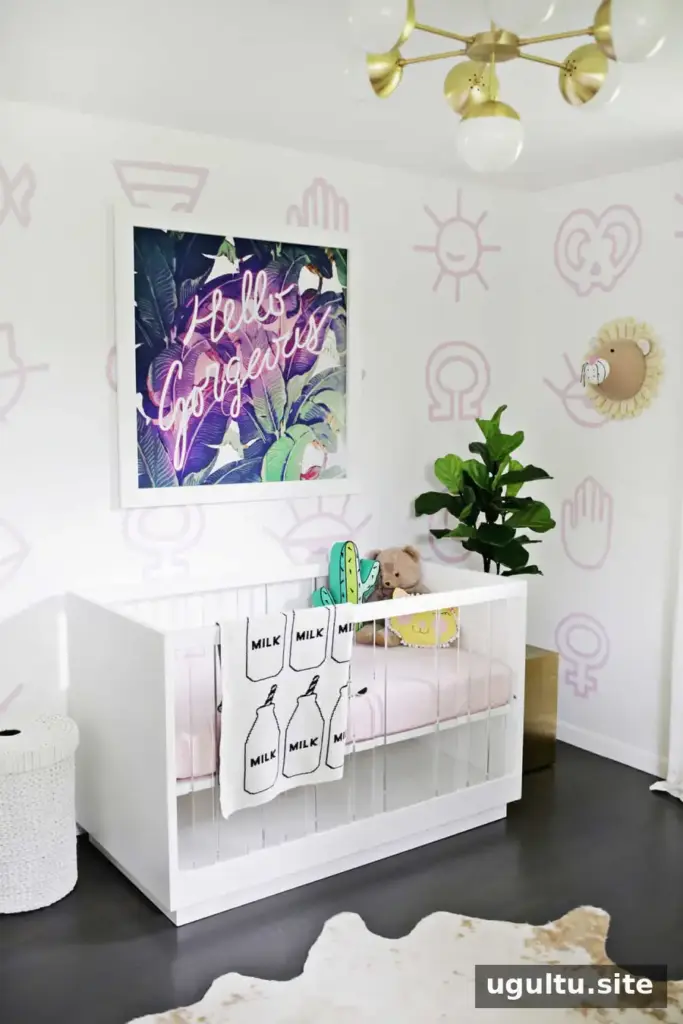
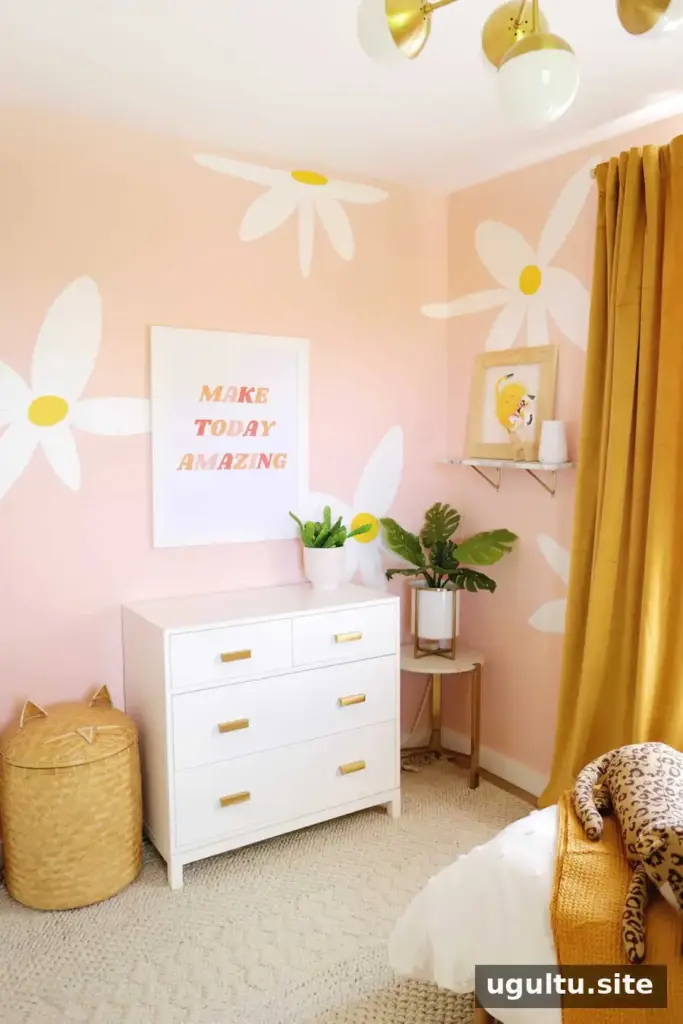
If wallpaper installation or cost is a concern, a hand-painted wall pattern is another option. Painted flowers, simple shapes, or a repeated motif can create a similar decorative effect and can be painted over when the room needs a change.
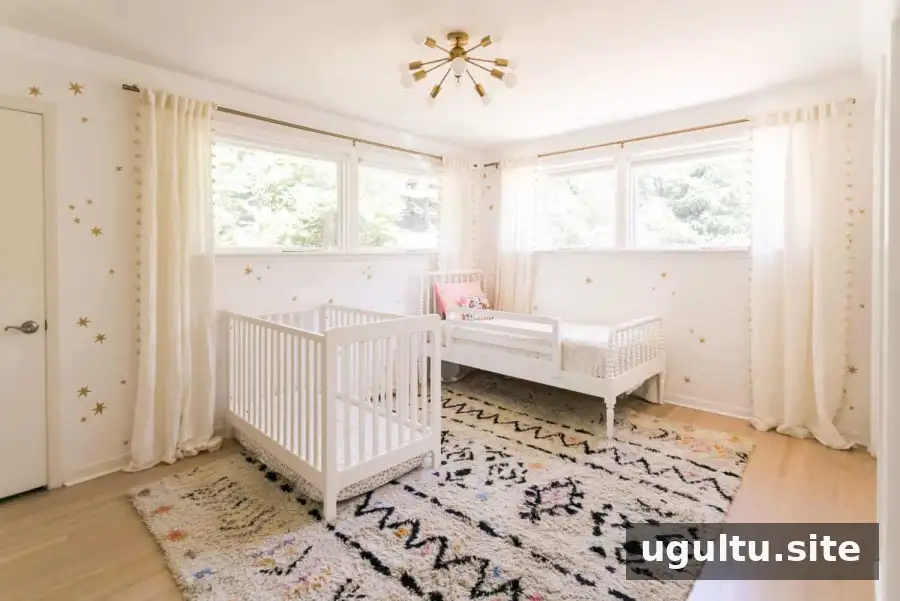
A convertible crib that changes into a toddler bed can extend the useful life of nursery furniture. Before buying, check the product’s conversion instructions and make sure the bed can be set up for the child’s next stage as directed by its manufacturer.
Make nursery choices that can last
In a nursery, prioritize comfortable seating, accessible everyday supplies, and furnishings that can adapt. Keep the sleep area clear of decorative objects and follow current safe-sleep guidance when arranging the crib.
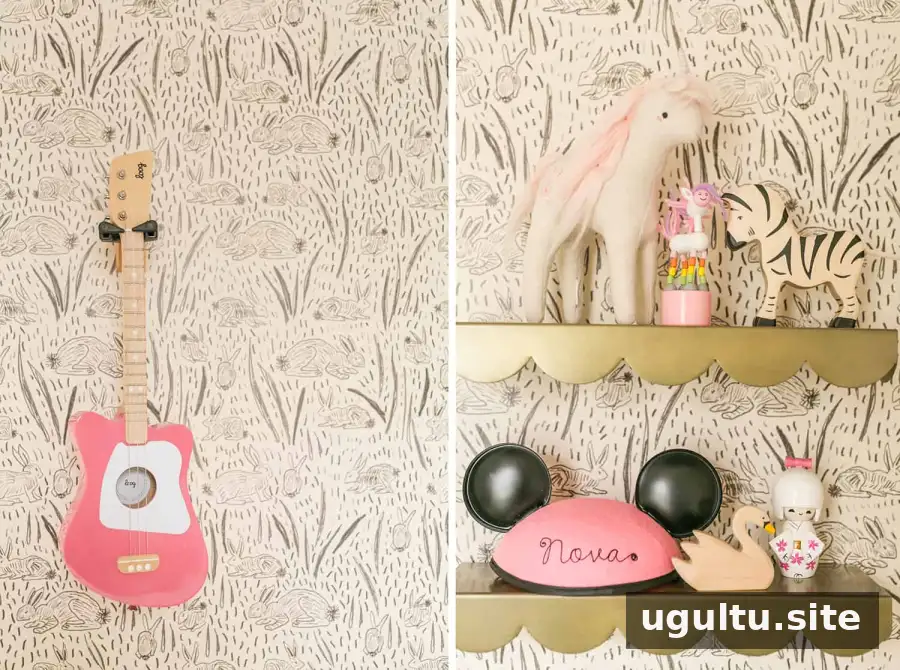
A single shelf placed higher on the wall can provide display space or hold items used at a diaper-changing station. Secure shelves firmly and keep heavy or breakable objects away from areas where children can reach or pull them down. Choose a playful shelf shape for a whimsical look, or use materials such as brass or marble for a more understated finish.
Toys can also serve as decor when they are attractive and easy to put away. Wooden stacking rainbows, plush dolls, and other well-loved toys can add color to a shelf while remaining available for play. Keep display choices age-appropriate and avoid placing small parts within reach of young children.
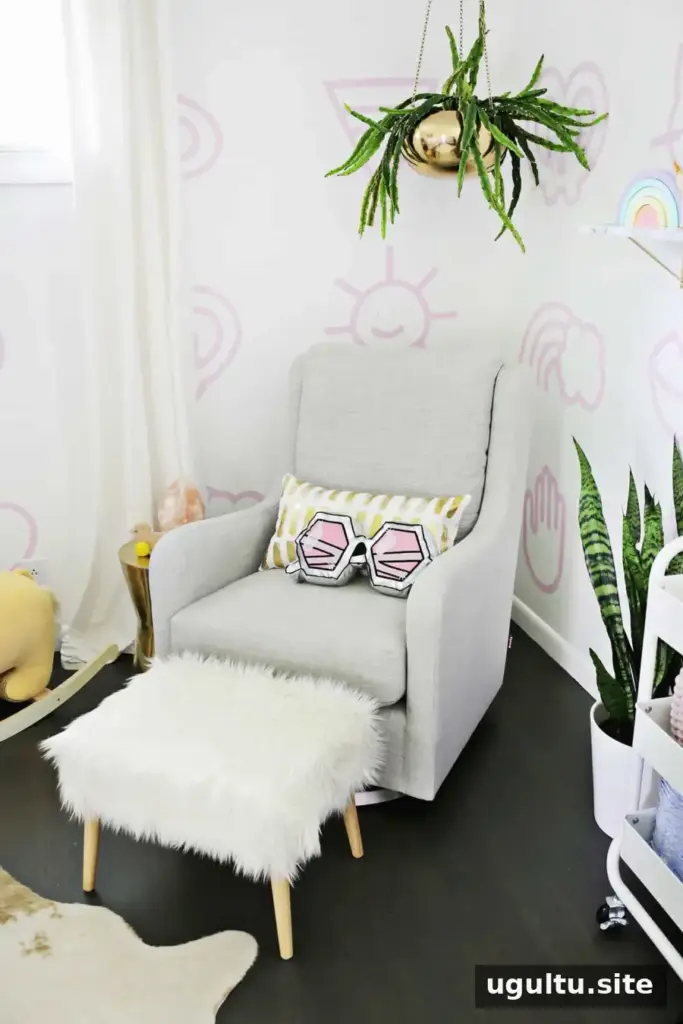
Use an ottoman in a different color or texture from the glider to add variety. A soft, textured finish can make a seating corner feel cozy, while novelty pillows bring in personality and can move with a child as their interests change. Check that cushions and accessories are appropriate for the child’s age and intended use.
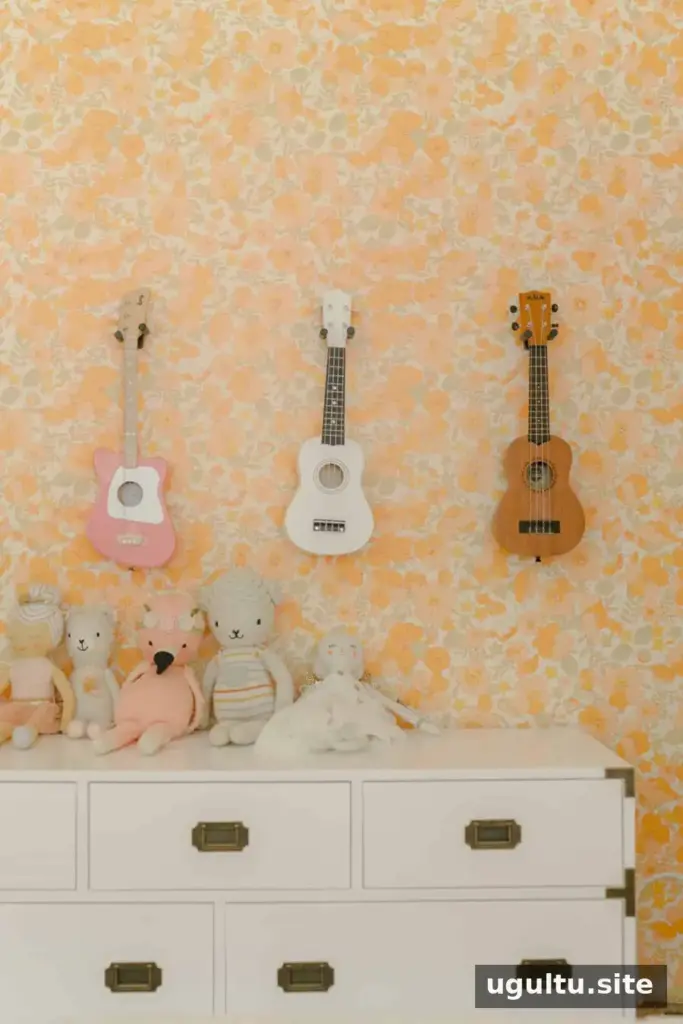
Turn selected toys into wall decor by displaying dolls, toy cars, or small instruments. This approach can free up shelf space and make favorite objects part of the room’s design. Mount displays securely and place them where they will not become a hazard during play.
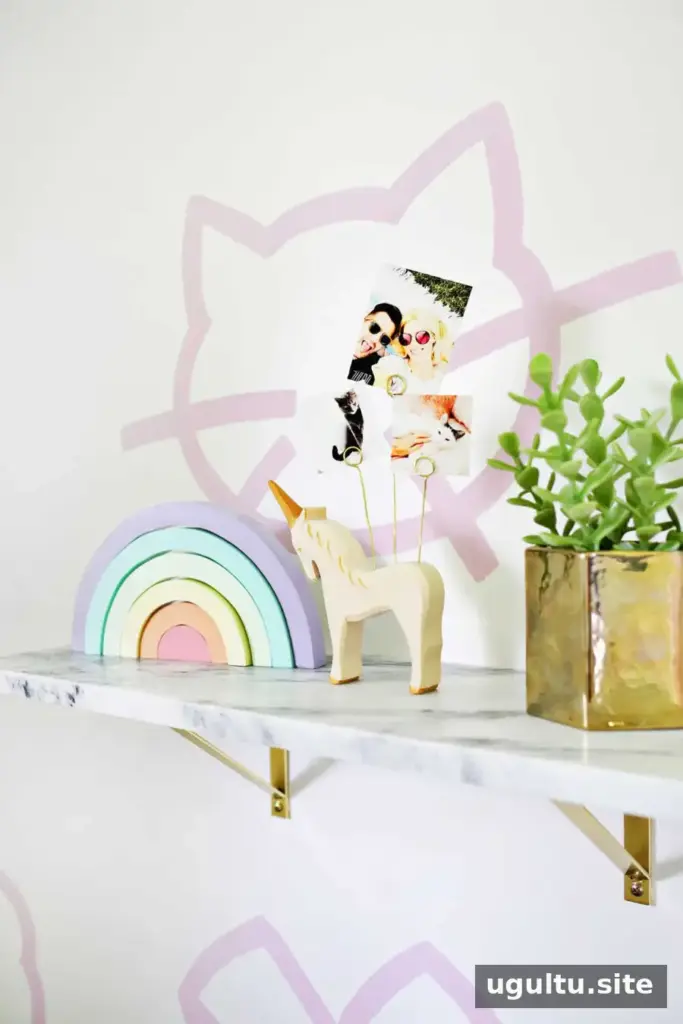
Family photographs can help make a room feel familiar and personal, especially when relatives live far away. A playful photo holder, such as one decorated with wooden animals, adds a decorative touch. Choose a stable frame or display method and position it safely out of the way of active play.
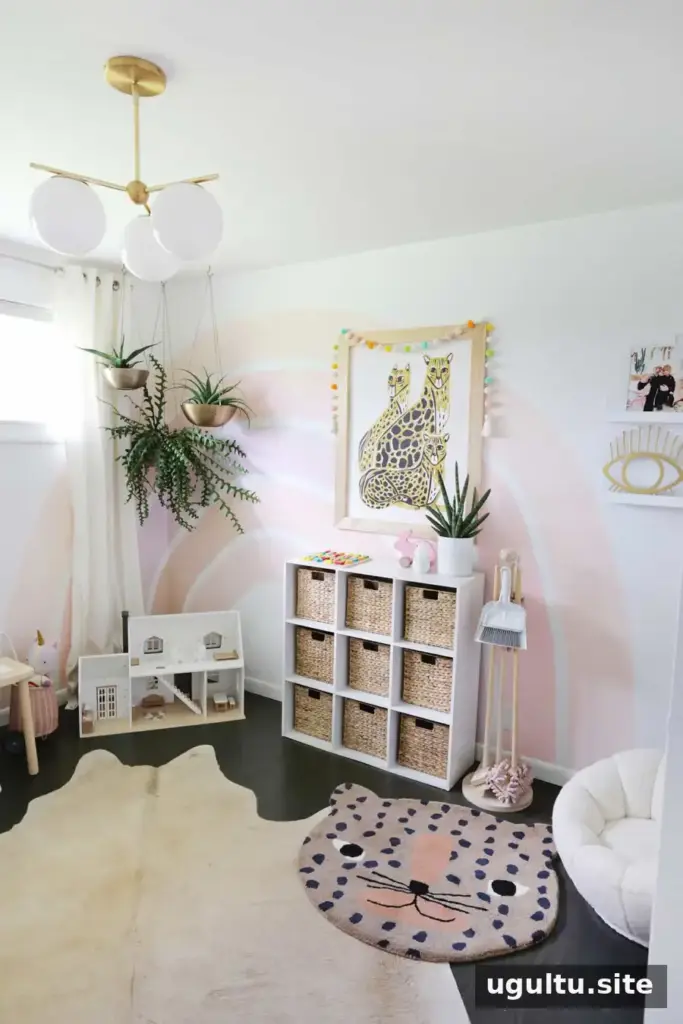
A painted rainbow in a corner can add color without covering an entire wall. Choose shades that coordinate with the room, or use a large wall decal if you prefer an option that is easier to remove. Layering rugs of different sizes can also add texture and help define a reading nook or play area. Make sure rugs lie flat and do not create a tripping edge.
Playroom ideas for play, reading, and making
A playroom works best when it has clear areas for different activities. A soft floor covering, accessible toy storage, and a small table or reading spot can make the room easier to use and reset at the end of the day.
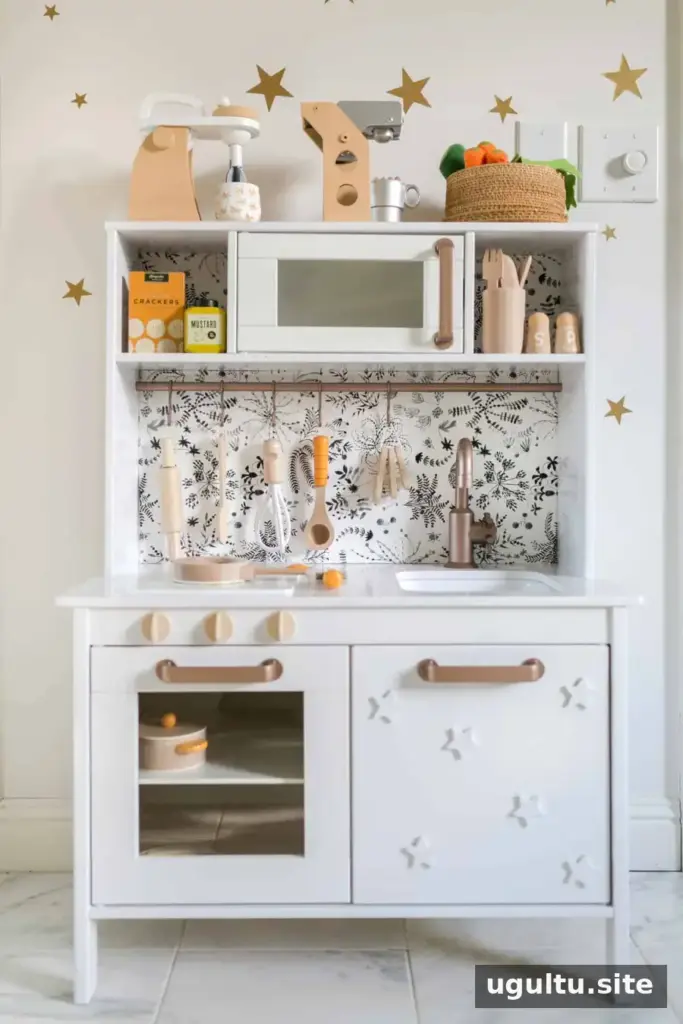
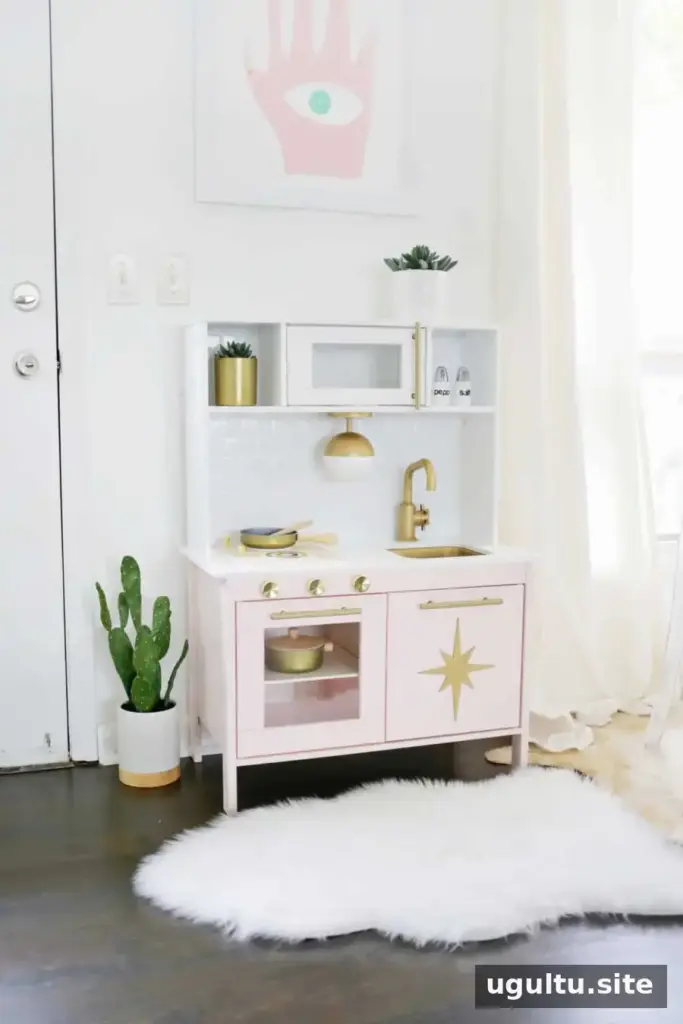
A play kitchen can encourage imaginative play and suit a range of room styles. Refresh an existing play kitchen with colors and details that work with the room, or keep the finish simple so it can be reused in another space. Allow enough room around it for children to play safely and for adults to pass through.
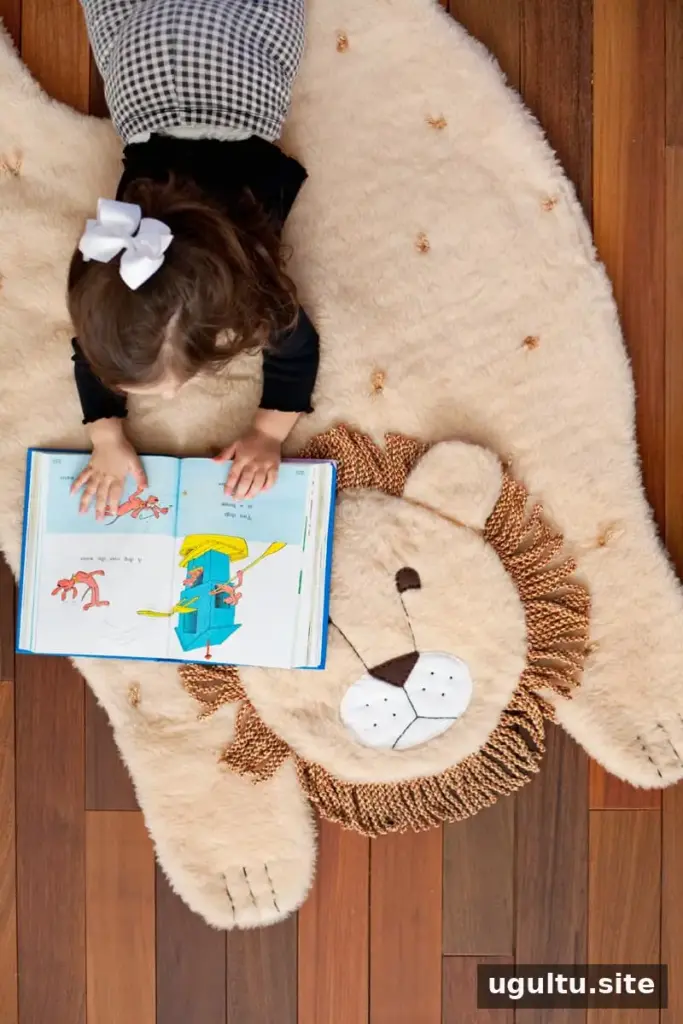
A plush animal-shaped mat can make a comfortable spot for tummy time, reading, coloring, or quiet play. Choose a mat that is easy to clean and use it on a clear, level area of the floor.
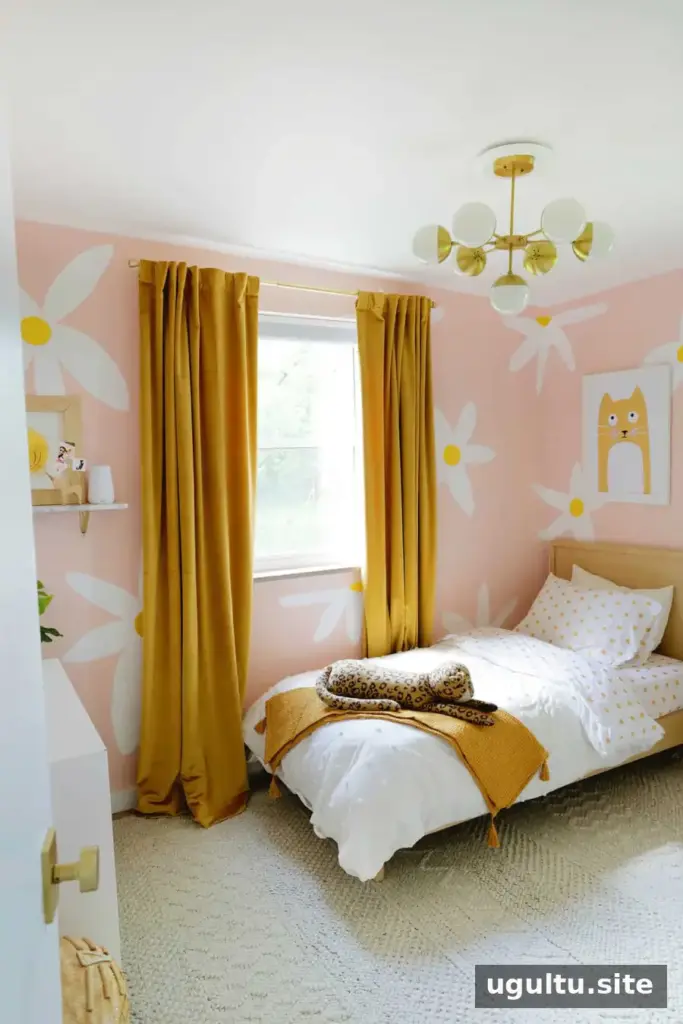
Light-blocking curtains or blinds may help reduce incoming light at sleep times. Thicker curtains can also add softness and warmth to a room. For children’s spaces, choose cordless window coverings and keep cords and curtain hardware out of reach.
A washable rug is a practical option for rooms where spills and everyday messes are likely. Check the care label and washer capacity before cleaning it at home, and choose a size that is manageable for your household.
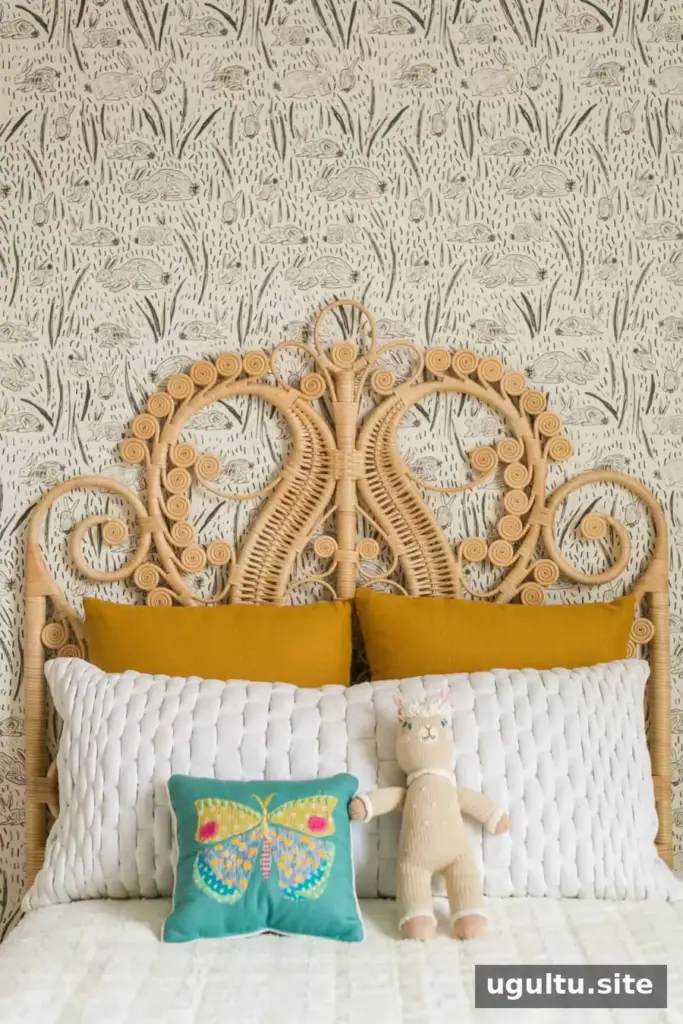
A statement headboard can give an older child’s bed a more finished look and remain suitable as their style changes. Choose a design that works with the room’s existing colors and can transition from childhood into the pre-teen years.
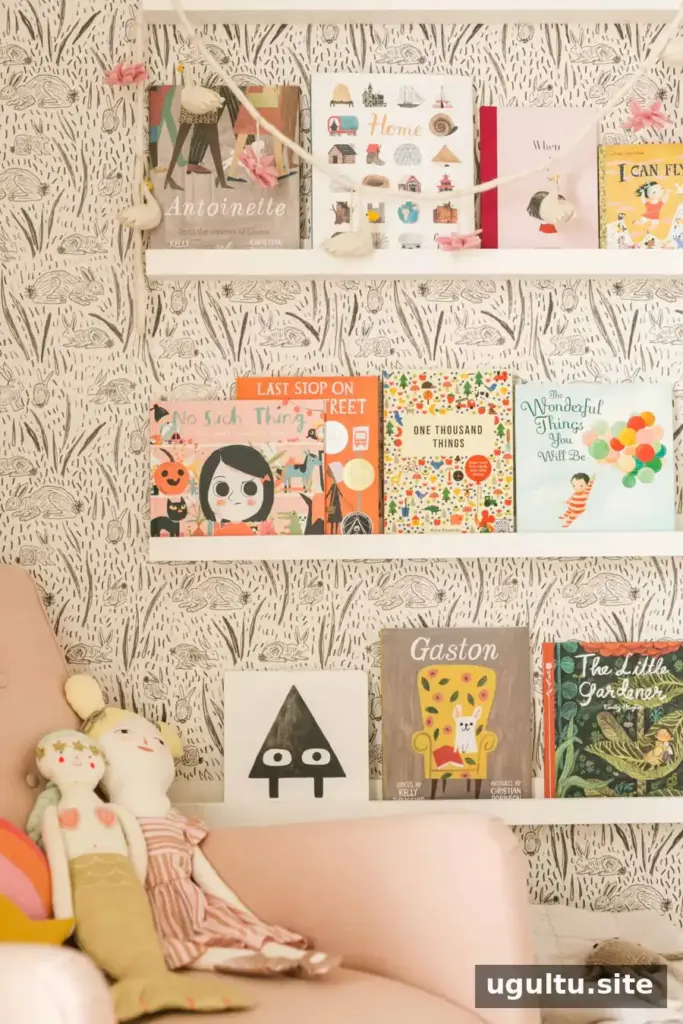
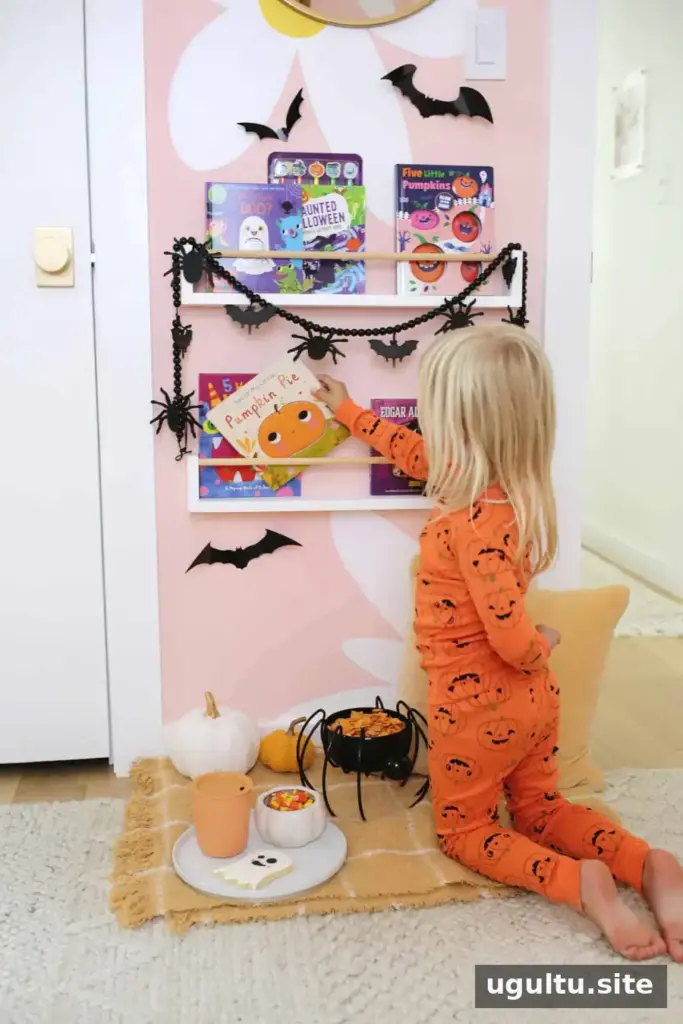
Make books easy to see with shallow, wall-mounted shelves that display the covers. They may hold fewer books than a standard bookcase, but they can make it easier for children to choose a story. Install shelves securely and keep them clear of the bed area.
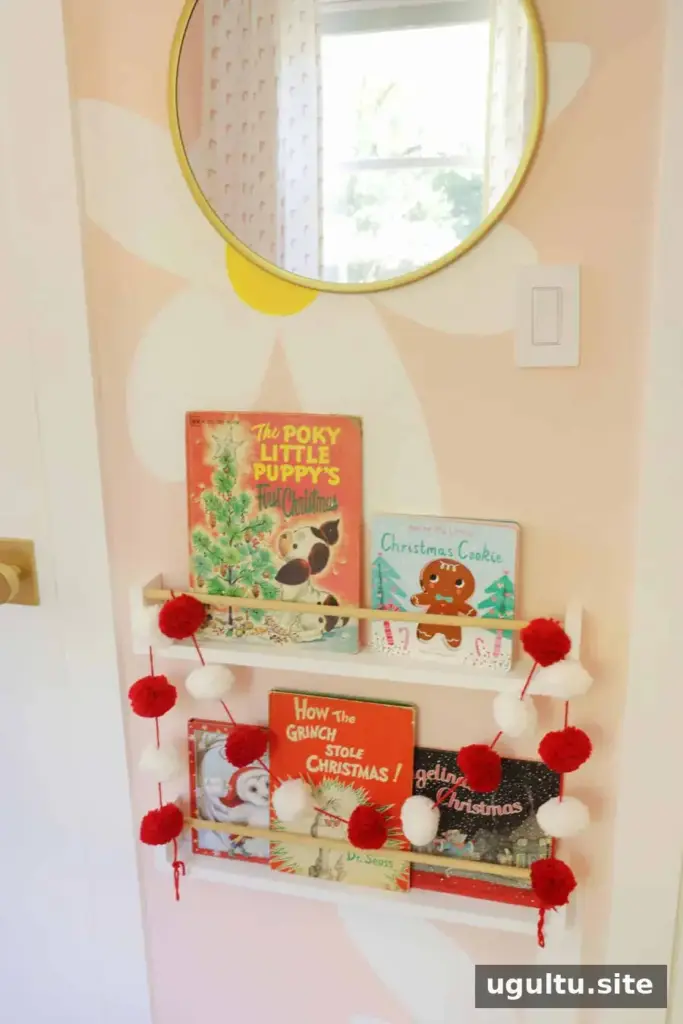
A seasonal book display can make reading part of a room’s changing decor. Add a few festive books or themed accessories for a limited time, then return to everyday displays when the season is over. Keep decorations from obstructing walkways or the sleep space.
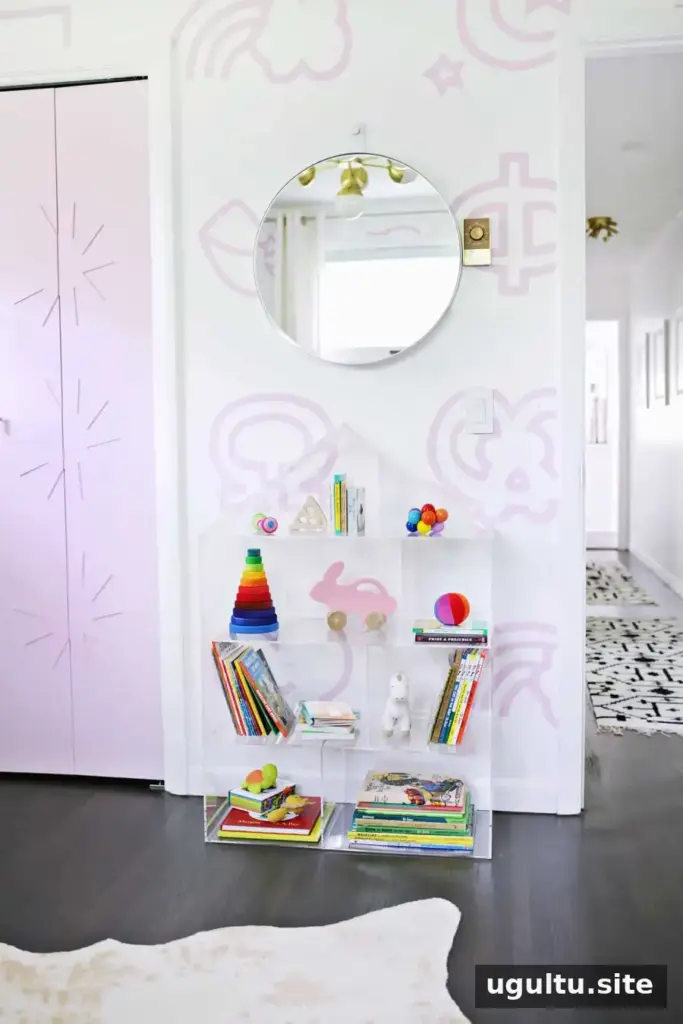
A low bookcase is another useful choice, especially for young readers who want to select books independently. It can hold more titles than a shallow display shelf and keep books at an accessible height. Anchor tall or freestanding furniture as appropriate, and arrange heavier items on lower shelves.
Create a bright, comfortable place to spend time
A well-placed mirror can reflect light and make a small room feel more open. It can also give children a spot to see themselves while getting dressed. Use a securely mounted, child-appropriate mirror and place it away from rough play.
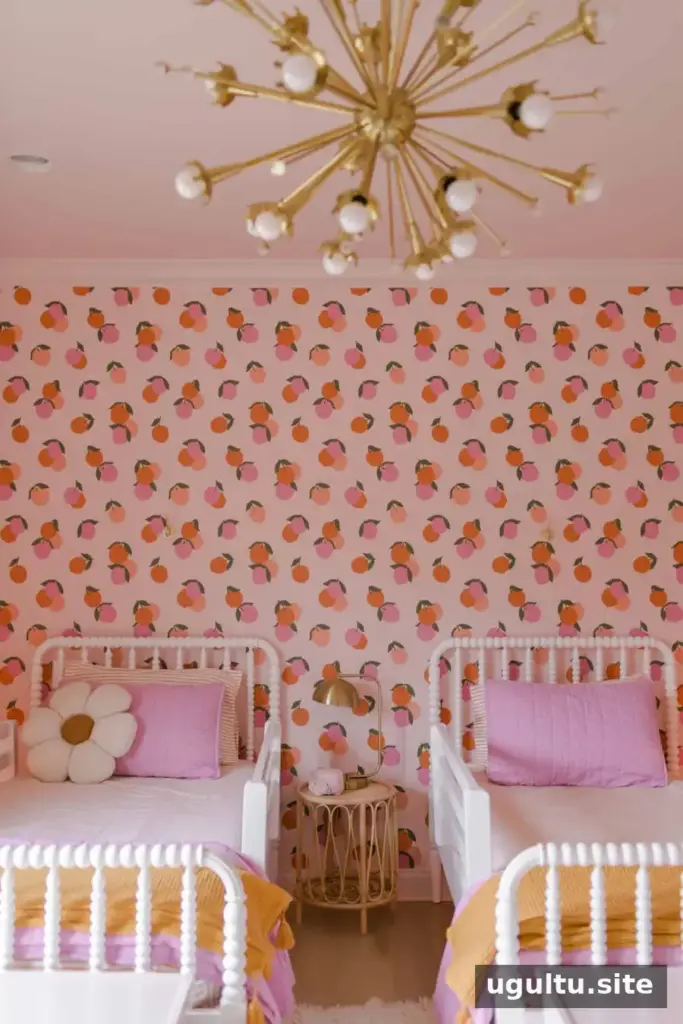
Hand-stamped fruit shapes or other simple motifs can add a handmade look to a wall. Test the pattern and paint colors on a small area first so you can check the scale before decorating a larger surface.
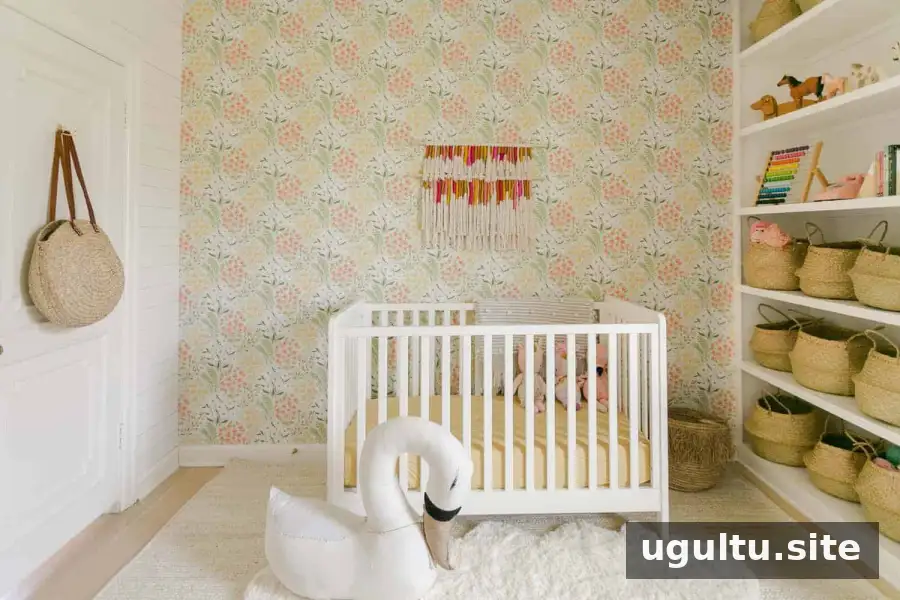
If a full room of wallpaper feels too busy, try a single accent wall behind the bed or crib. An accent wall adds pattern while leaving the rest of the room calmer. Choose a wall that provides a clear focal point and consider how the pattern will look with furniture placed in front of it.
A woven wall hanging brings soft texture to a room and offers an alternative to framed art. You can make a simple weaving or choose a ready-made piece. Hang it securely and keep textiles away from heat sources and areas where they could be pulled down.
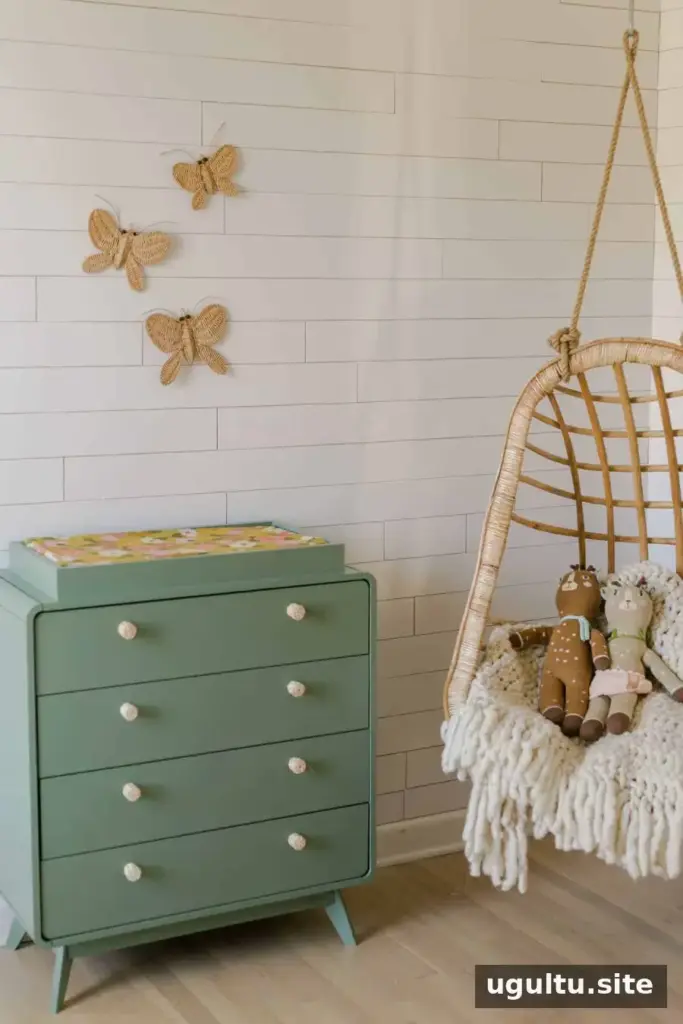
Group a few small vintage-style objects, such as rattan butterflies or brass animals, on a shelf for a collected look. Keep fragile or sharp-edged pieces out of children’s reach. Shiplap on one wall can add texture without introducing a busy pattern, and it can be painted to coordinate with or contrast against the room.
An animal theme is an easy way to connect bedding, toys, and wall decor. Use the motif sparingly if you want the room to stay flexible: a few animal accents can be changed more easily than a full set of themed furnishings.
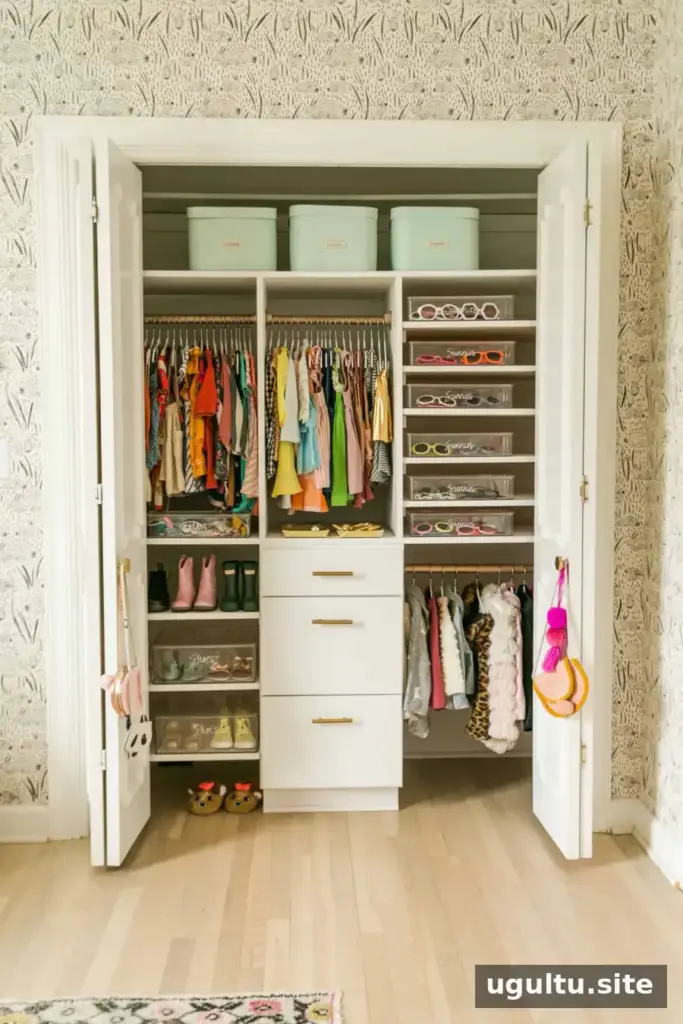
Storage ideas for kids’ rooms
Good storage can make a child’s room easier to maintain and more comfortable to use. Think about where clothing, toys, books, and laundry will go, then choose containers and furniture that are simple to access and fit the available floor space.
Include closet details in the room’s overall design. Coordinated storage bins and hardware can make a closet feel more organized, and a change in hardware color can refresh existing furniture. Keep frequently used clothes and supplies within an age-appropriate reach.
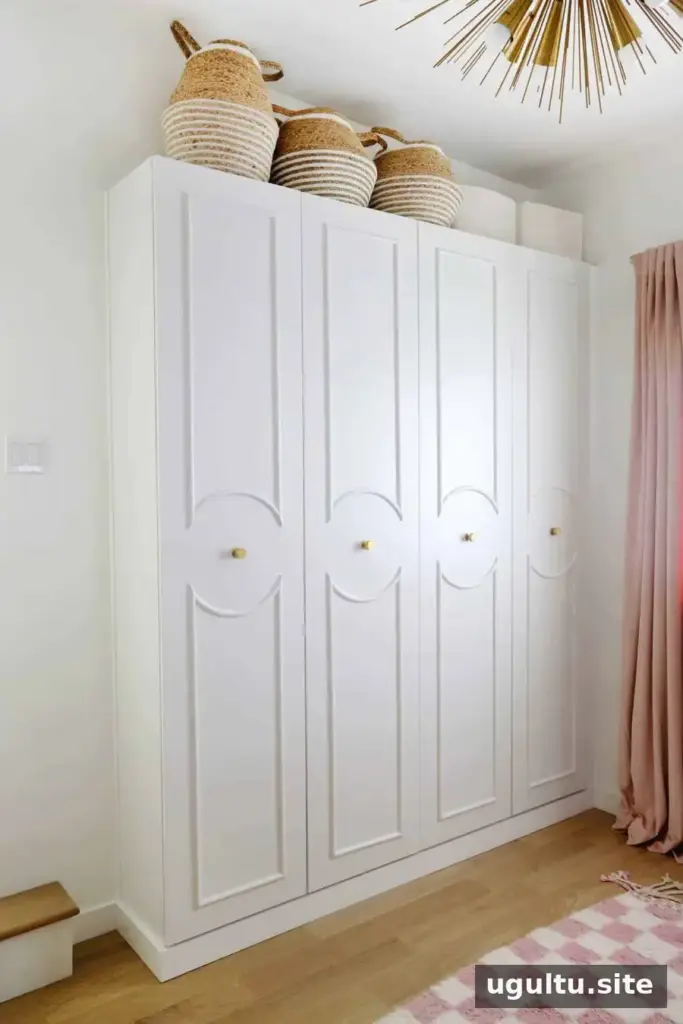
If a room has no closet or very little closet space, a wardrobe can add enclosed storage without requiring a built-in closet. Measure the available area before choosing one, including the space needed to open doors and drawers. A compact clothes rack is another option for frequently worn items and can help children practice choosing and putting away clothes.
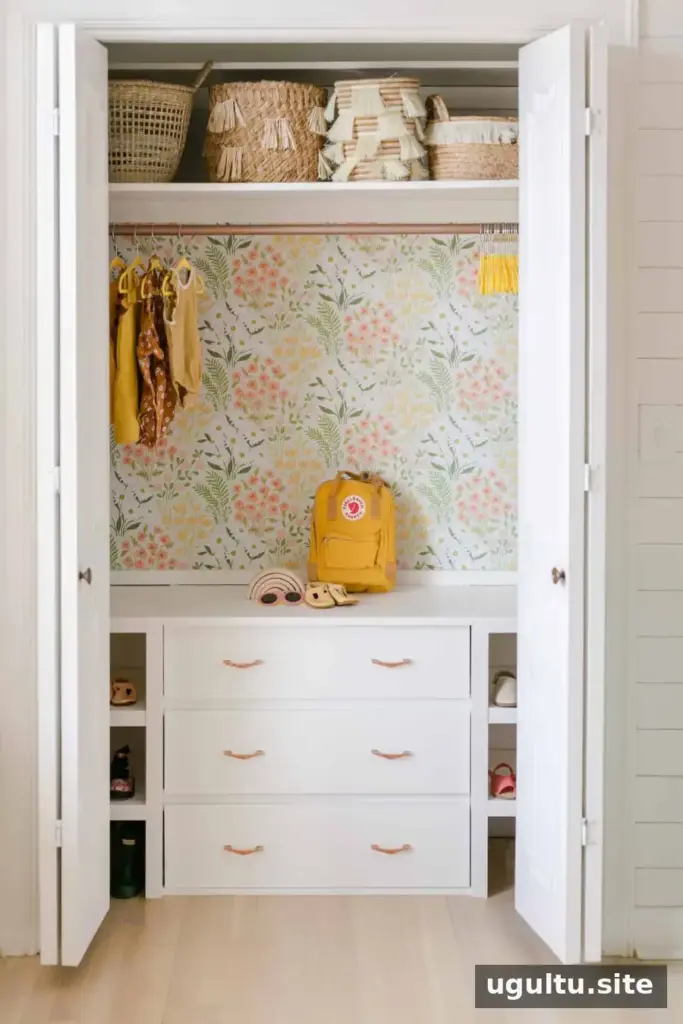
Wallpaper inside a closet or on the back of shelves adds a small surprise without covering a large area. It can also be a lower-effort way to introduce a pattern. Removable, peel-and-stick wallpaper may suit renters or anyone who wants a finish that can be changed more easily.
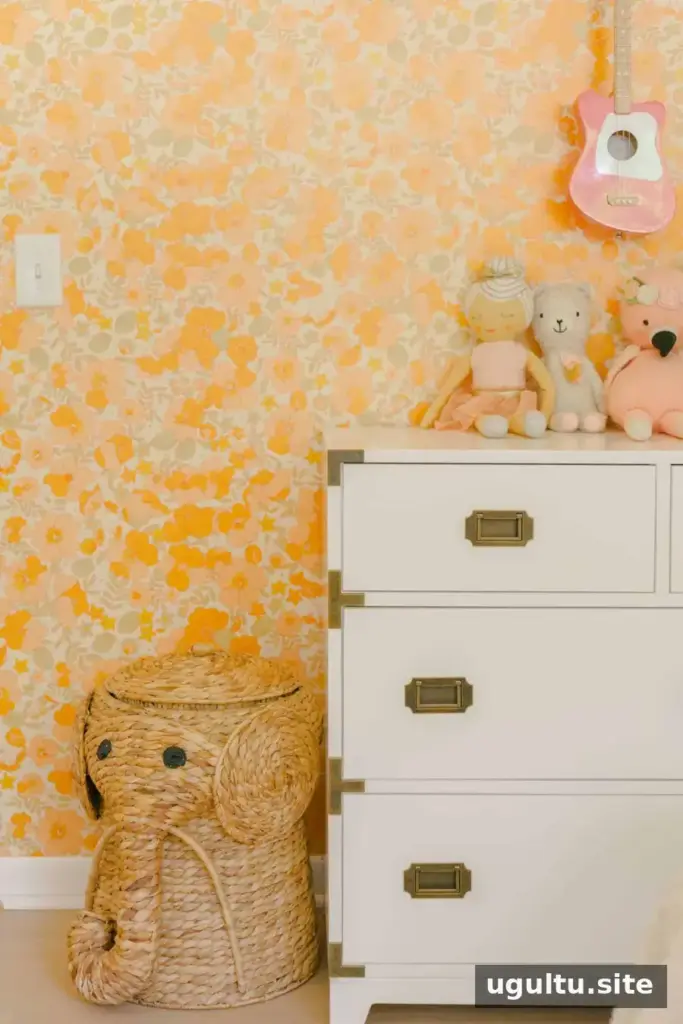
When a closet cannot fit a laundry hamper, choose one that complements the room and can sit in the open. A playful shape can make it feel like part of the decor. Pick a size that is easy to carry and does not block the doorway or walking path.
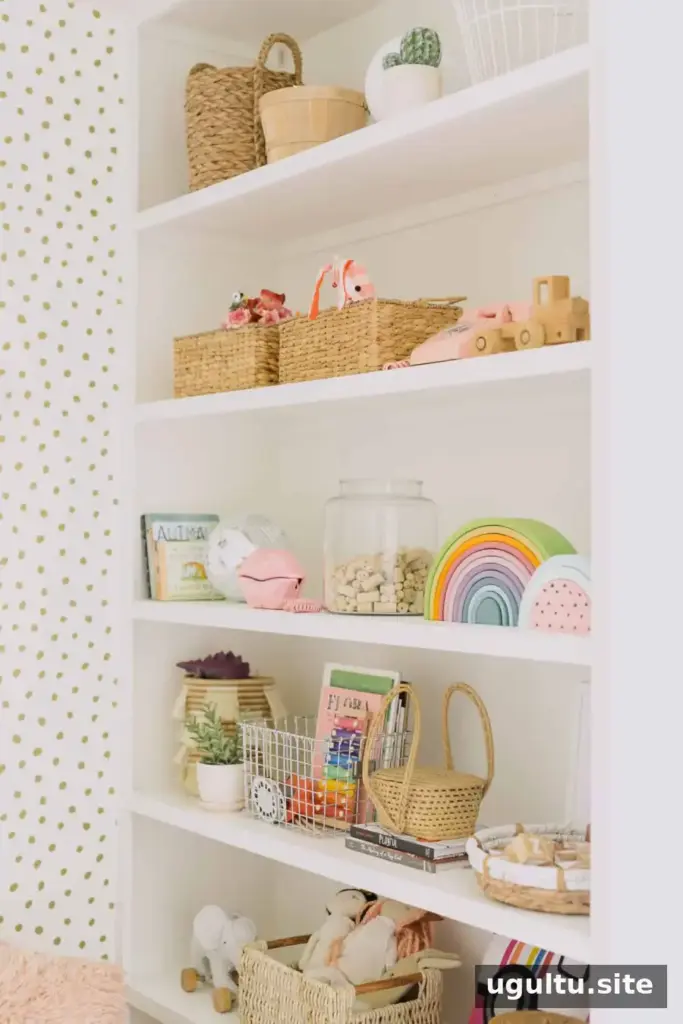
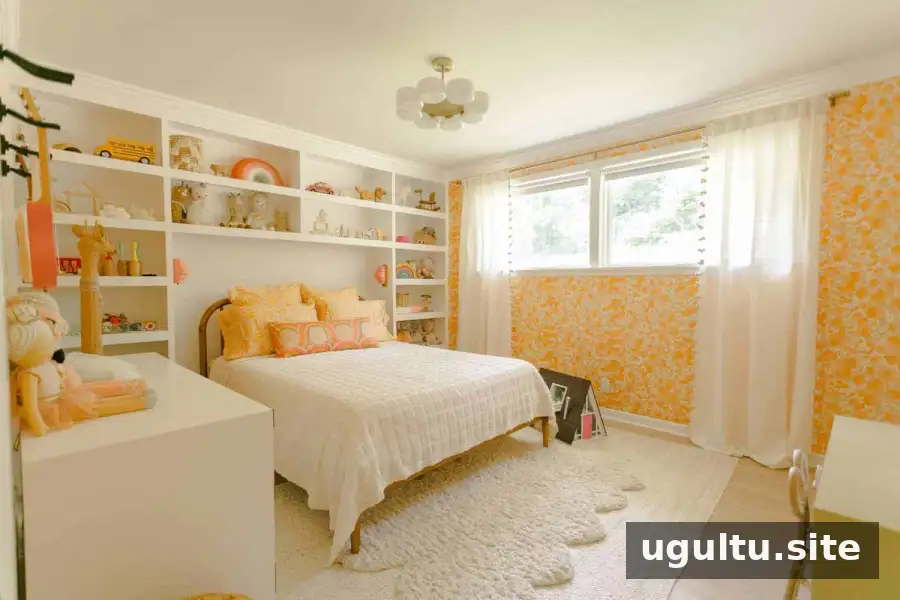
Built-in shelves can combine storage and display while making use of a wall. They can frame a bed or create space for toys and books. Plan the layout around the room’s dimensions and secure shelves properly, especially where children may be playing nearby.
Keep creative supplies and artwork organized
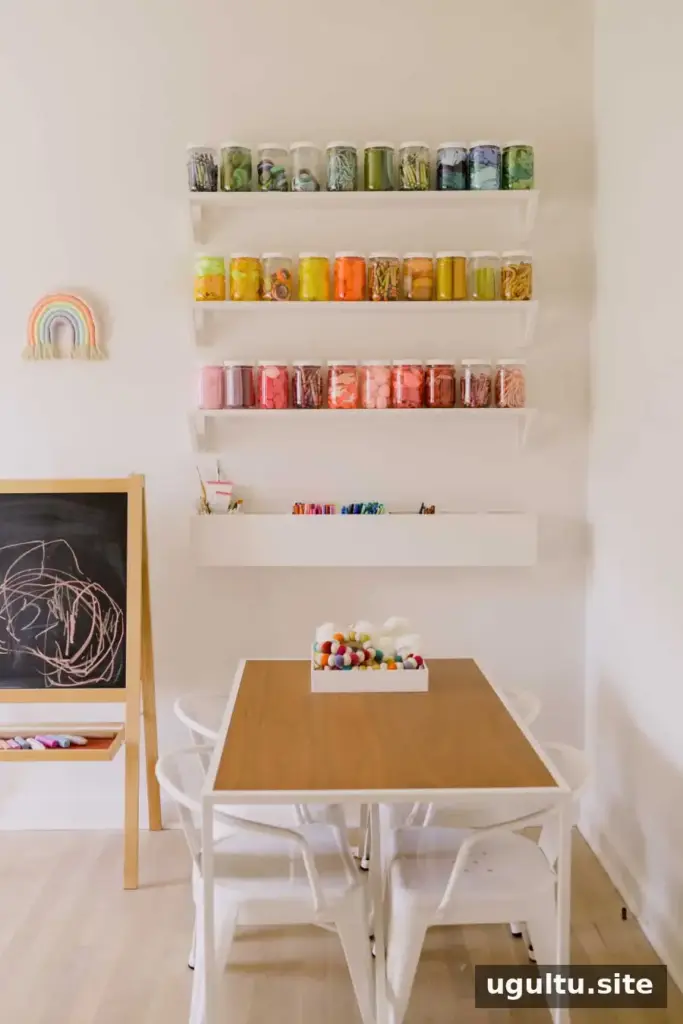
A dedicated art corner gives children a place to draw and make things. Use a small table or a section of a room, and store age-appropriate supplies in containers that are easy to put away. Grouping supplies by color can make them look tidy, but keep anything unsuitable for younger children safely stored.
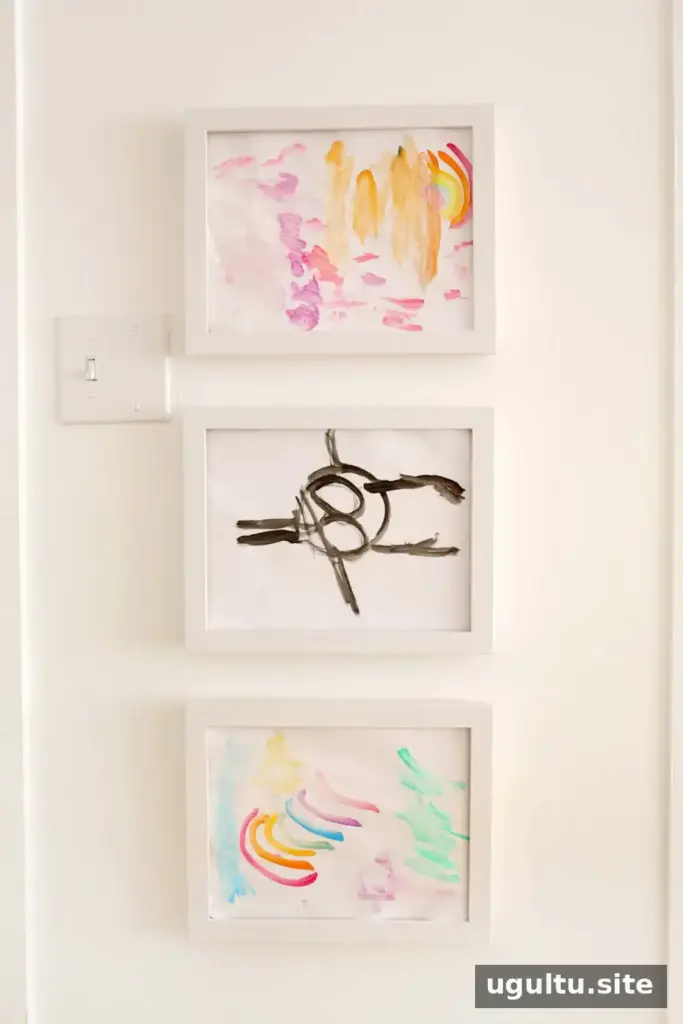
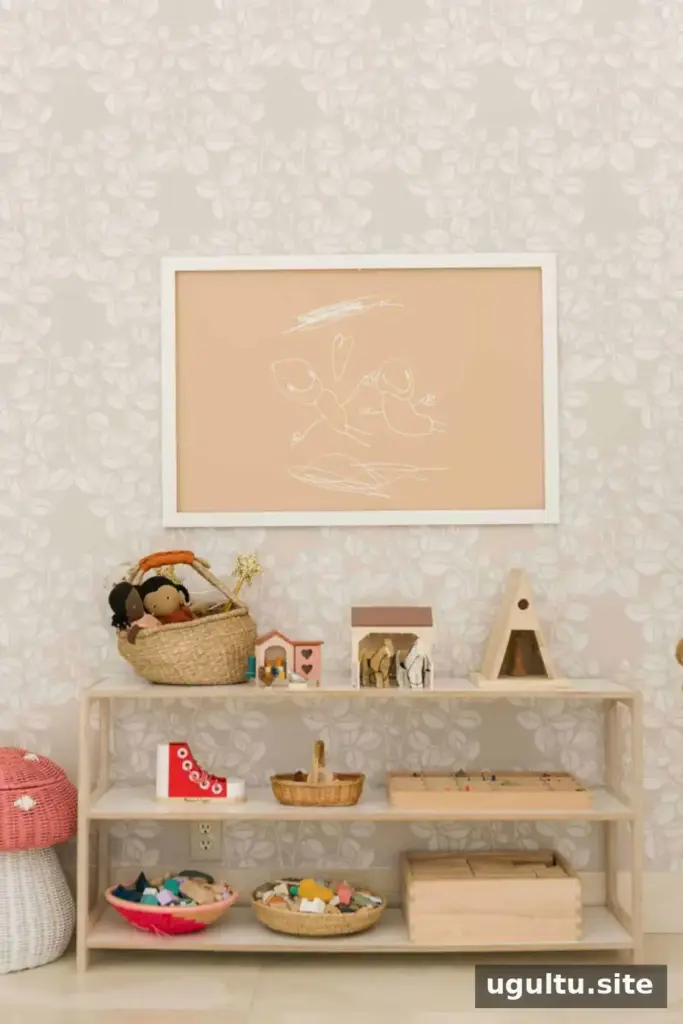
Display children’s artwork in frames that make it easy to change the pictures. Seeing their creations on the wall can help children feel proud of their work, and the display can be updated as new projects come home. You can also turn a drawing into a larger poster for a personal piece of wall art.
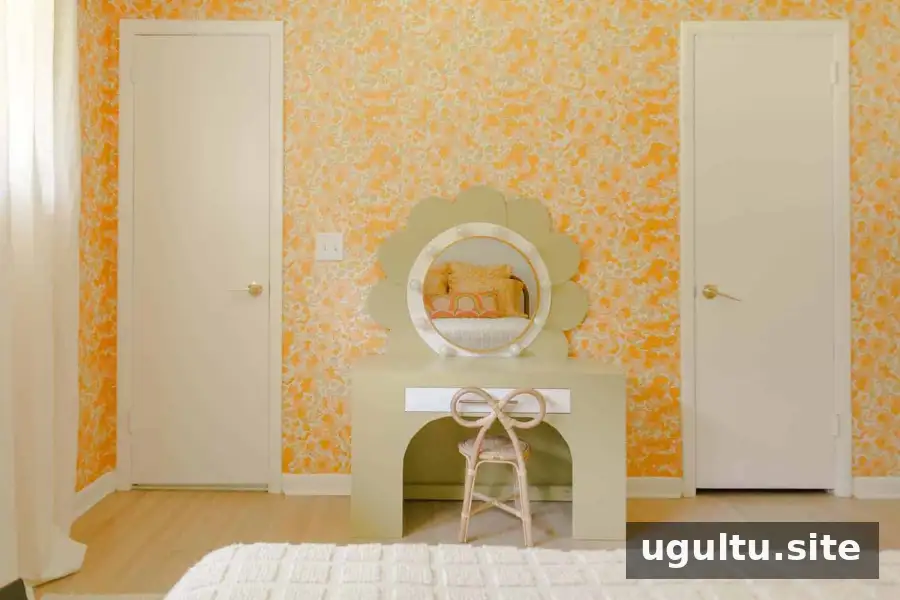
Choose one special item to give the room a distinctive focal point. It might be a child-sized vanity, a vintage wicker piece, a flea-market toy, or a custom sign. Make sure the item is practical for the room and safe for the child’s age and activities.
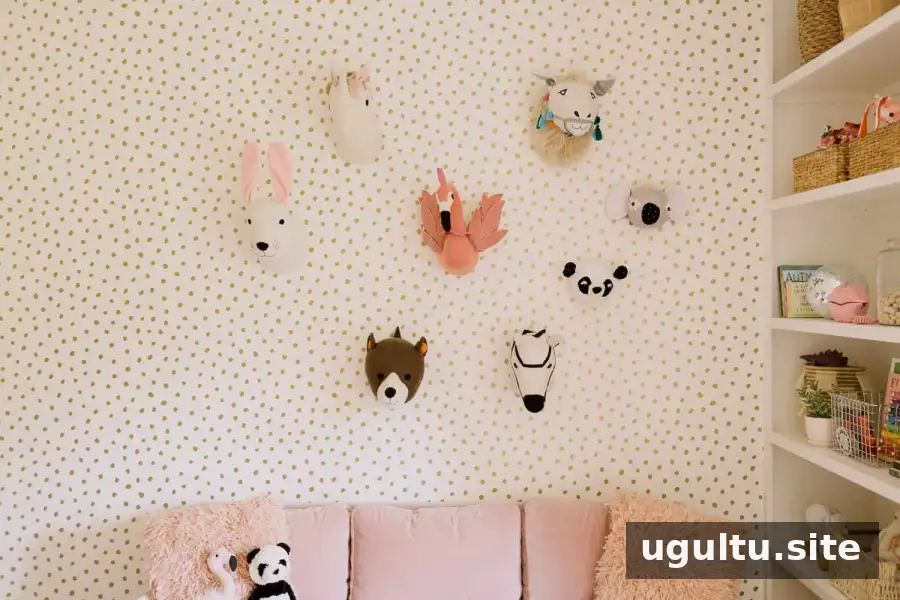
A faux animal-head wall display can bring a playful theme to the room without using realistic taxidermy. Soft or raffia animal faces offer different textures and styles. Secure the pieces firmly and hang them where they will not be pulled down.
Personal touches and furniture that grows
Personal details help a child feel that the room belongs to them. A name sign, personalized toy box, or favorite color can make a simple space feel special. Balance customized pieces with flexible basics so the room is easy to update as interests change.
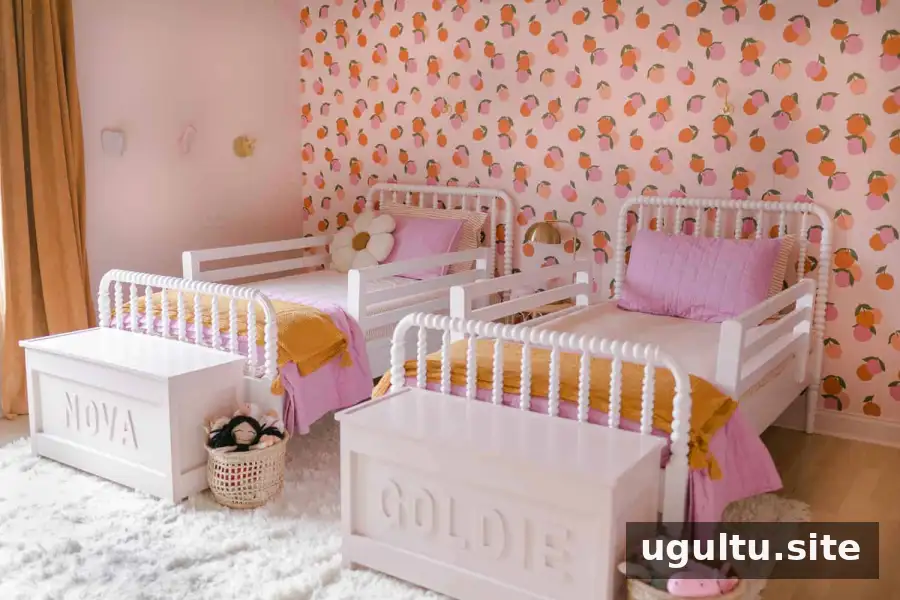

A stamped wall pattern is a budget-friendly alternative to wallpaper. Repeated stars or other simple shapes can create a consistent look, and the wall can be repainted when you want a new design. Try the motif in a small area first to check the spacing and overall effect.
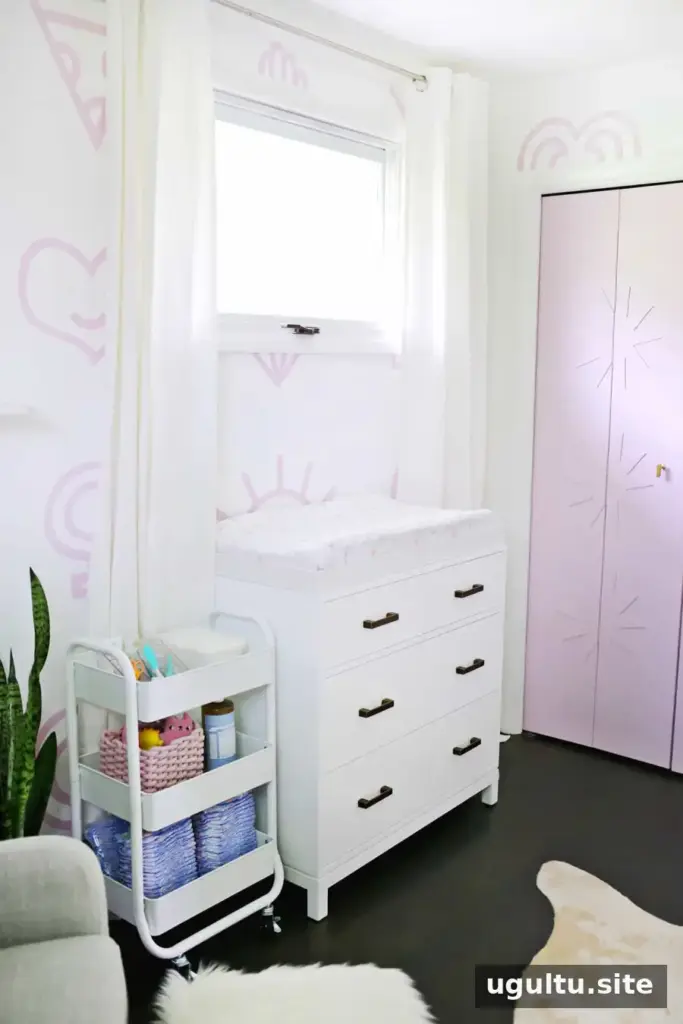
A dresser can be a long-term furniture investment if it works for more than one stage of childhood. Some designs can accommodate a removable changing surface for nursery use. When that stage has passed, remove the changing unit as directed and consider updating the hardware for a fresh look.
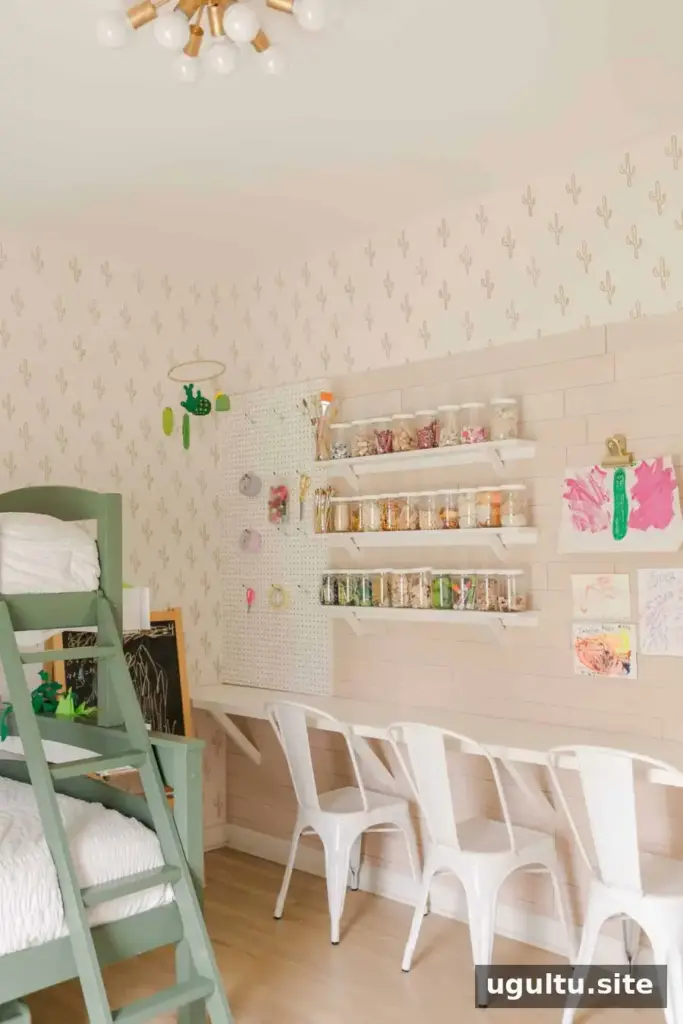
A built-in wall desk can provide a place to draw or do homework while using less floor space than a freestanding table. A fold-down desk can be especially useful in a small room. Make sure the work surface is installed securely and leave enough room for a suitable chair.
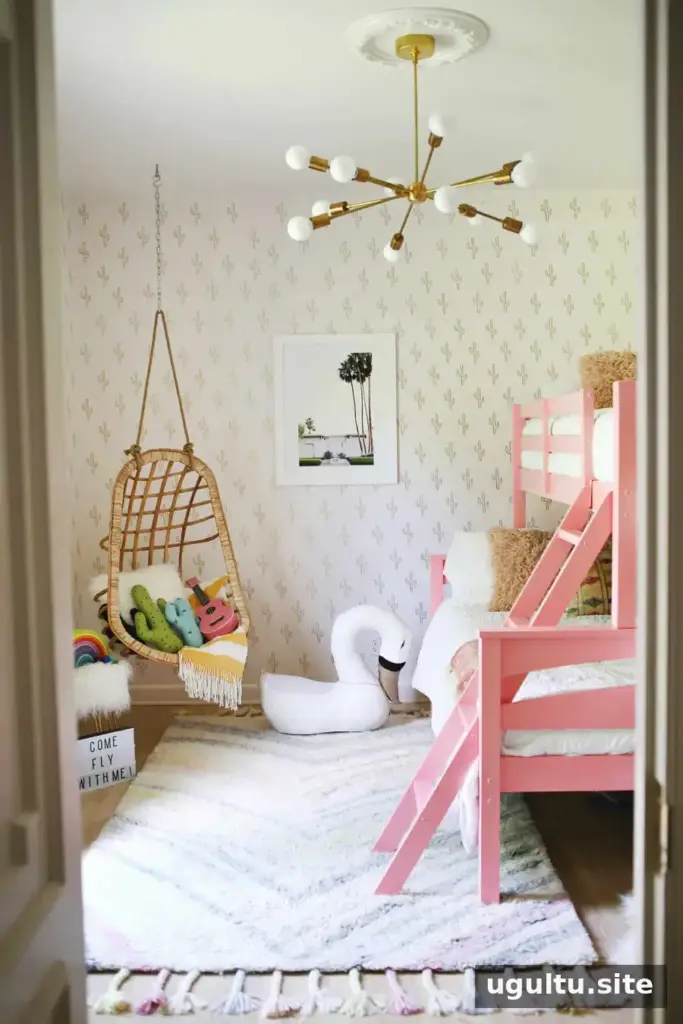
A hanging chair can create a cozy reading or listening spot for older children. Follow the manufacturer’s installation guidance and confirm that the ceiling and mounting hardware are suitable for the chair. If the room cannot accommodate a secure hanging installation, a freestanding seat can offer a similar place to relax.

Stenciling is another way to add a patterned accent without buying wallpaper. A repeated cactus or geometric motif can be made by tracing a stencil across part of a wall. Use painter’s tape and test the paint combination before beginning the full design.
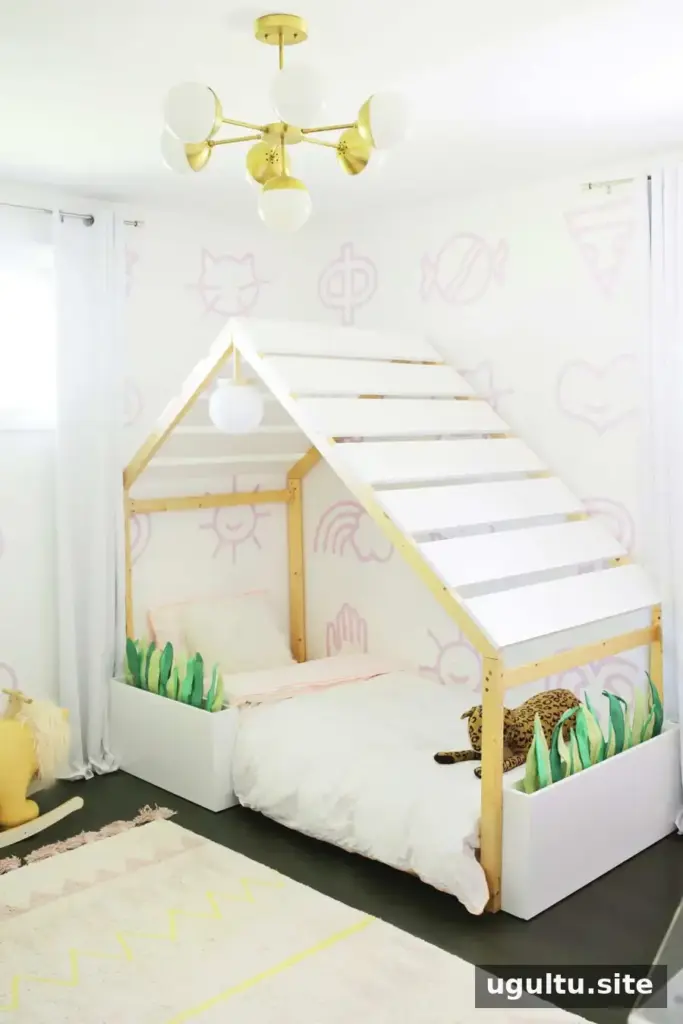
Give a simple bed frame a distinctive look with a few thoughtful additions. A color change or small decorative details can create a themed bed without replacing the whole frame. If adding storage, make sure it does not interfere with the bed’s stability or safe use.
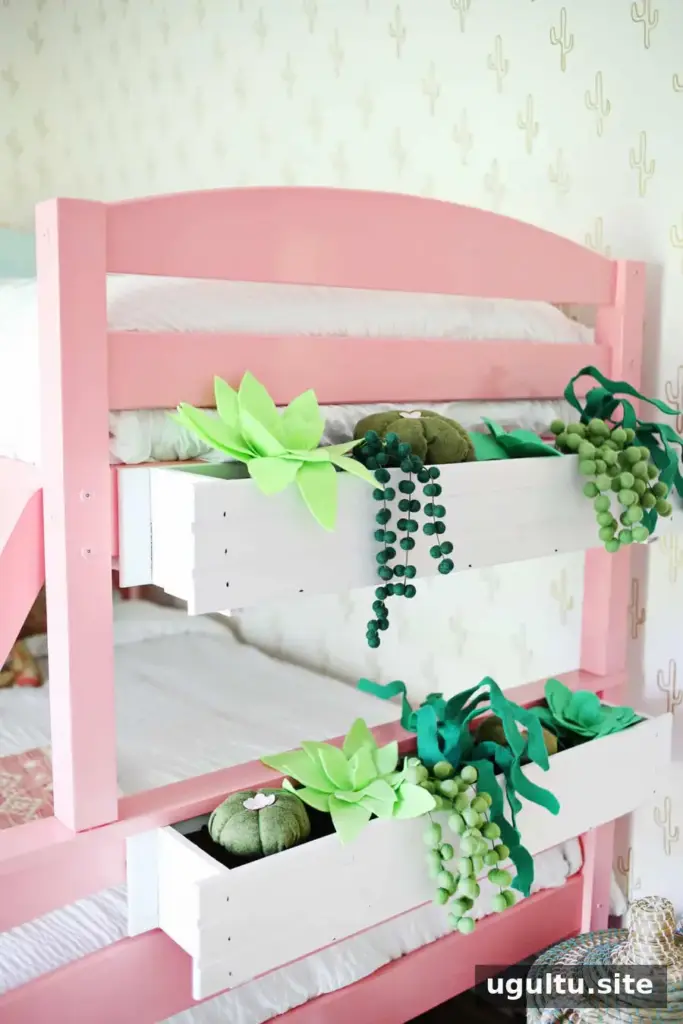
Felt plants in a window box can bring a touch of greenery into a room without needing regular watering. If the plants are designed as toys, make sure they are suitable for the child’s age and that any detachable parts are used safely.
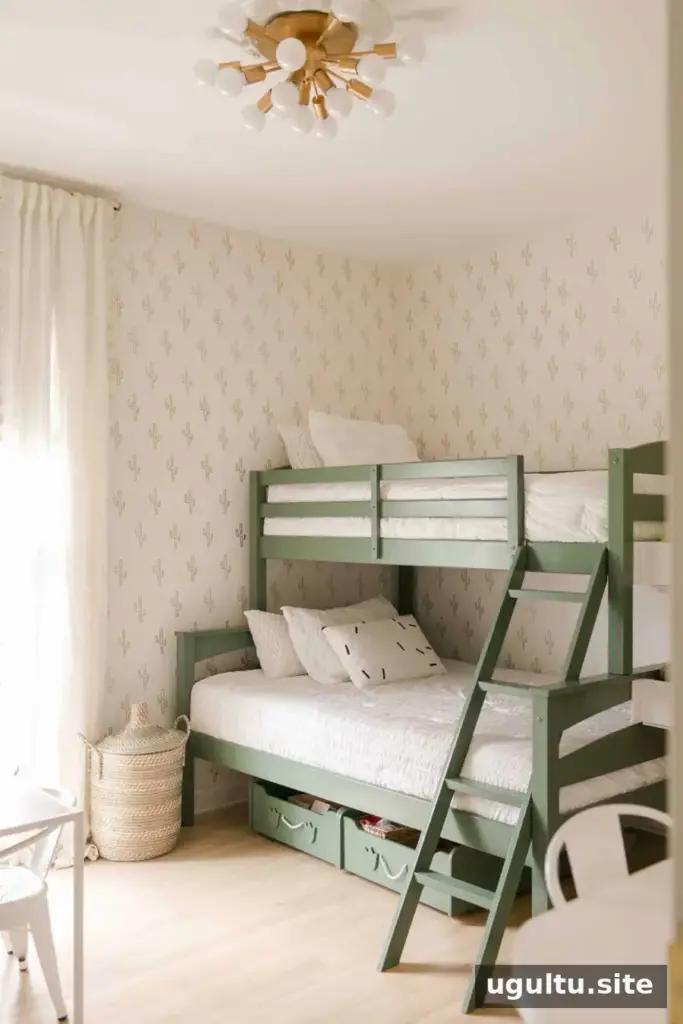
Bunk beds can make efficient use of floor space in a shared bedroom or provide an extra sleeping spot for guests. They are intended for children who are old enough to use the upper bunk safely; follow the bed’s age and safety instructions. A colorful finish can give this classic setup a fresh feel.
Make shared rooms feel personal
In a shared room, use bedding, wall art, or individual storage to give each child a sense of their own space. Keep the main walkway clear and agree on where shared toys and books belong so daily tidying is easier.
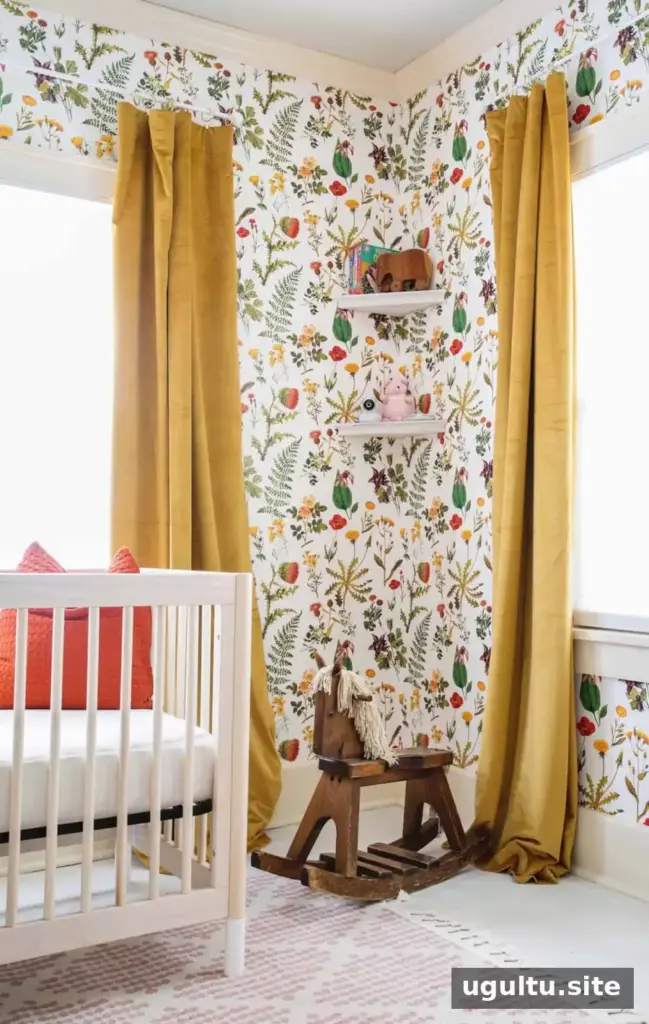
A family heirloom, such as a grandparent’s rocking chair or a treasured childhood toy, can add warmth and history to a room. Display delicate objects on a high shelf or mount them securely if they are not intended for play. This keeps a meaningful piece visible while helping protect it.
Conclusion: Choose kids’ room ideas that fit your family
The most useful kids’ room ideas balance imagination with everyday needs. Start with flexible furniture, practical storage, and a few personal details, then add color, patterns, and play spaces that suit your child. As you plan, measure carefully, secure furniture and wall decor appropriately, and choose finishes that are easy to clean or update. A room does not need to be completed all at once; small, thoughtful changes can make it more comfortable and enjoyable over time.


