
 admin
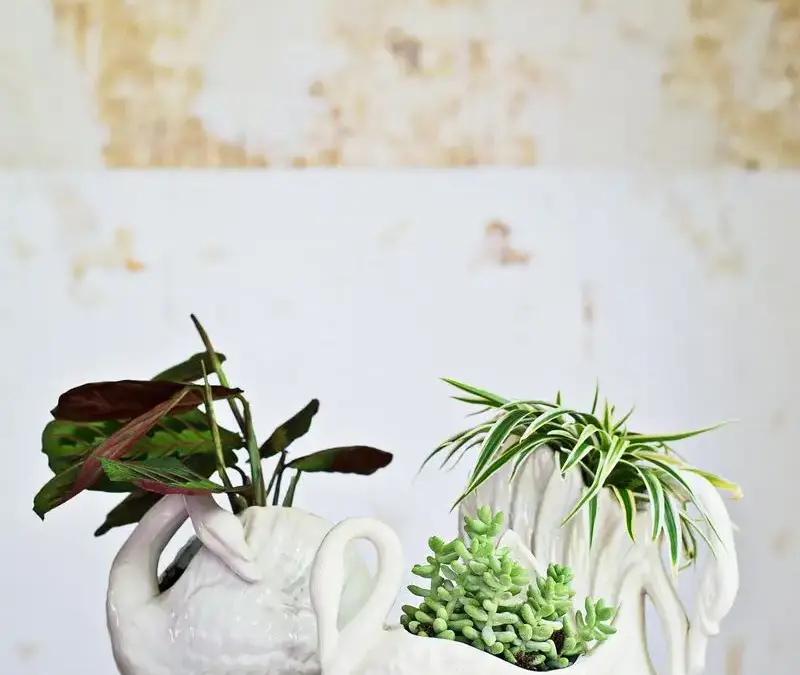
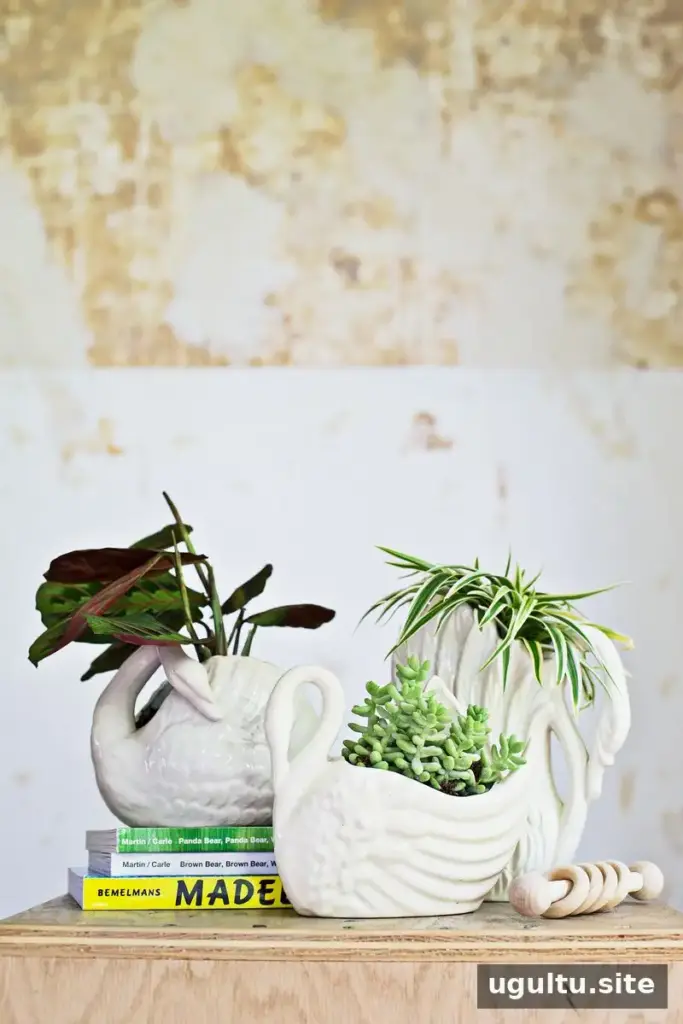
Choosing greenery for a home shared with children or pets calls for a little extra care. Many familiar houseplants can be harmful if chewed or swallowed, but there are also attractive options commonly listed as non-toxic to cats and dogs. These seven non-toxic houseplants offer a range of leaf shapes and growing habits. Since plant names and varieties can be confusing, confirm the exact plant before bringing it home, and keep all houseplants out of reach of young children.
7 non-toxic houseplants to consider
1. Baby Rubber Plant (Peperomia)
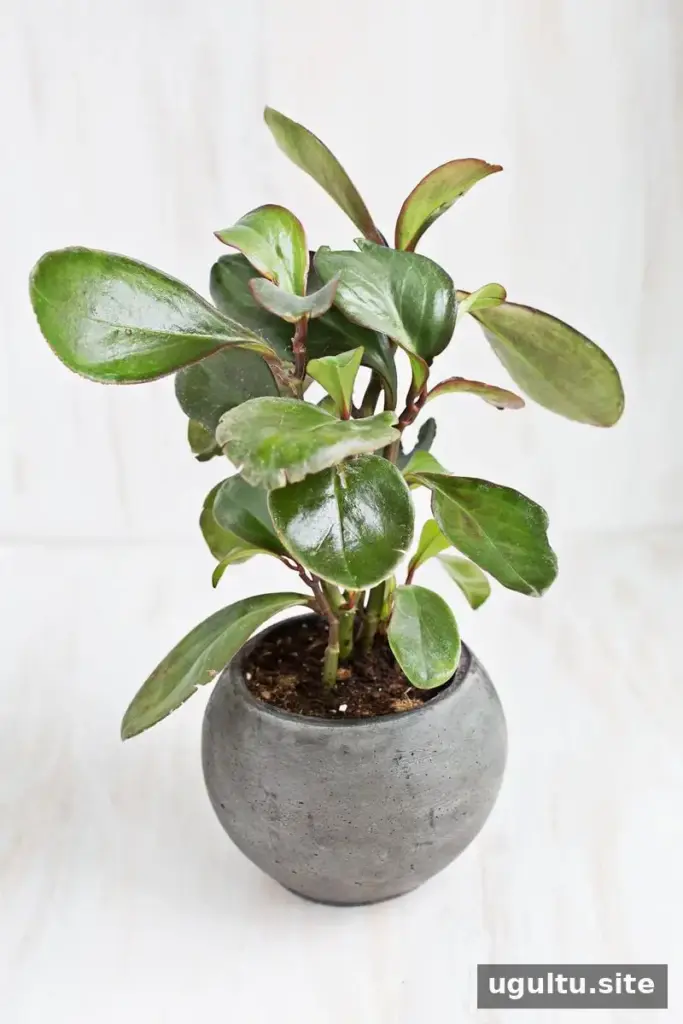
Baby rubber plants are valued for their thick, waxy leaves and compact appearance. They need bright, indirect light and occasional watering. Allow the potting mix to dry somewhat between waterings rather than leaving the roots in soggy soil. This is a useful choice for a bright room where direct afternoon sun can be avoided.
2. Donkey’s Tail (Burro’s Tail)
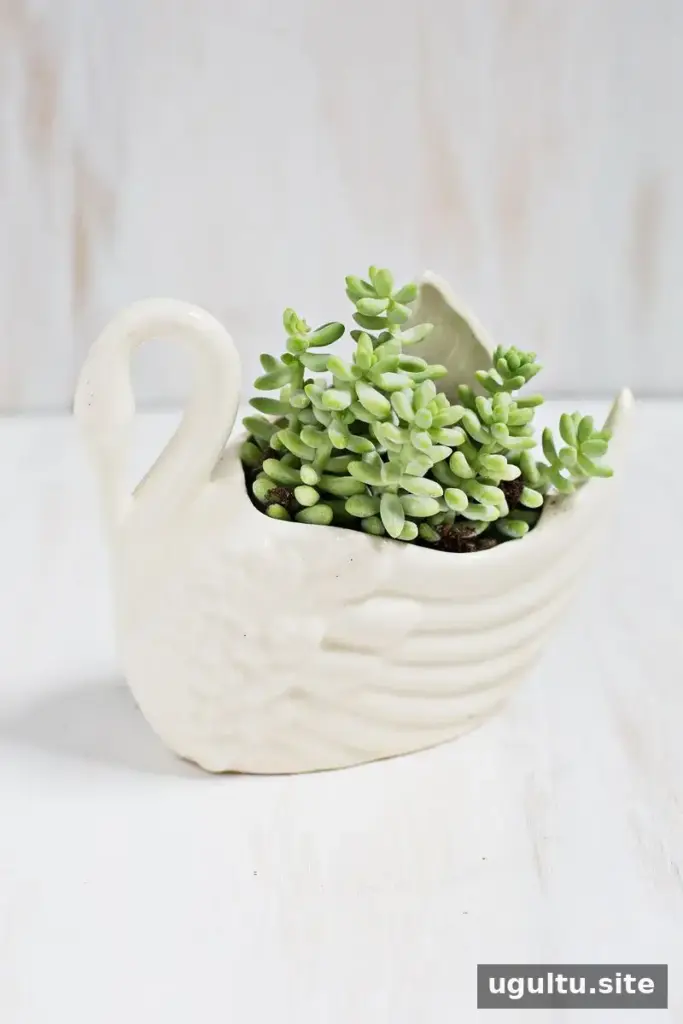
This trailing succulent stores water in its fleshy leaves, so it generally needs less frequent watering than many leafy plants. Give it a sunny spot, such as near a bright window, and let the soil dry between waterings. Its delicate stems can break easily, so place the pot somewhere it will not be frequently bumped.
3. Boston Fern
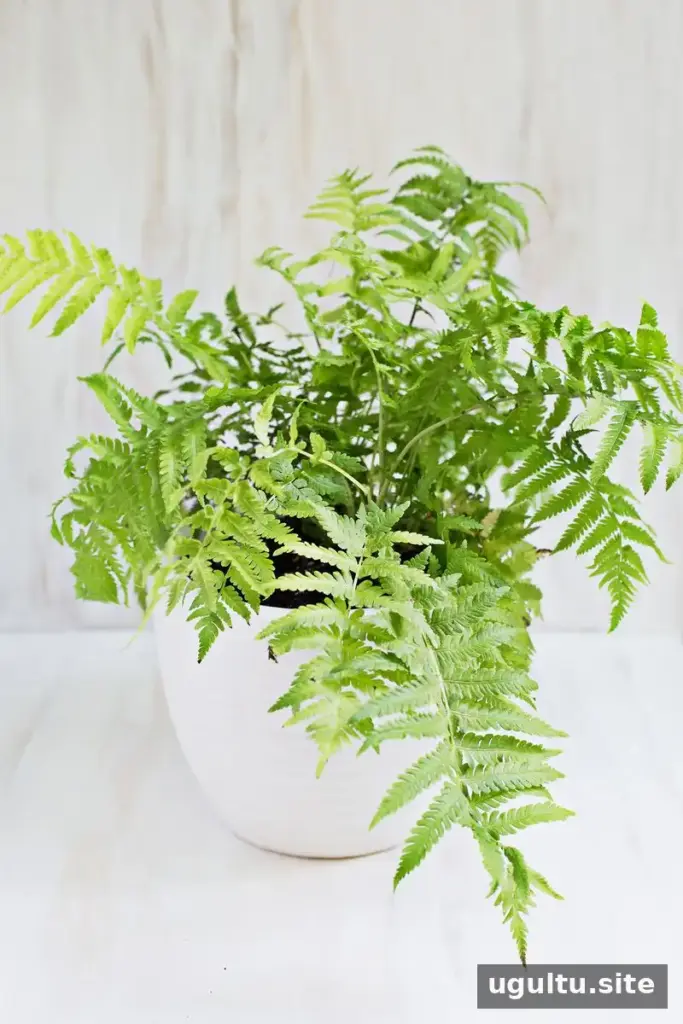
Boston ferns have soft, arching fronds and prefer consistently moist soil and indirect light. They do not thrive in strong direct sun, which can dry or scorch their foliage. Ferns can look alike, so check the plant label carefully: toxicity differs among fern varieties. Regularly checking the soil is a practical way to avoid letting this fern dry out.
4. Fittonia (Nerve Plant or Mosaic Plant)
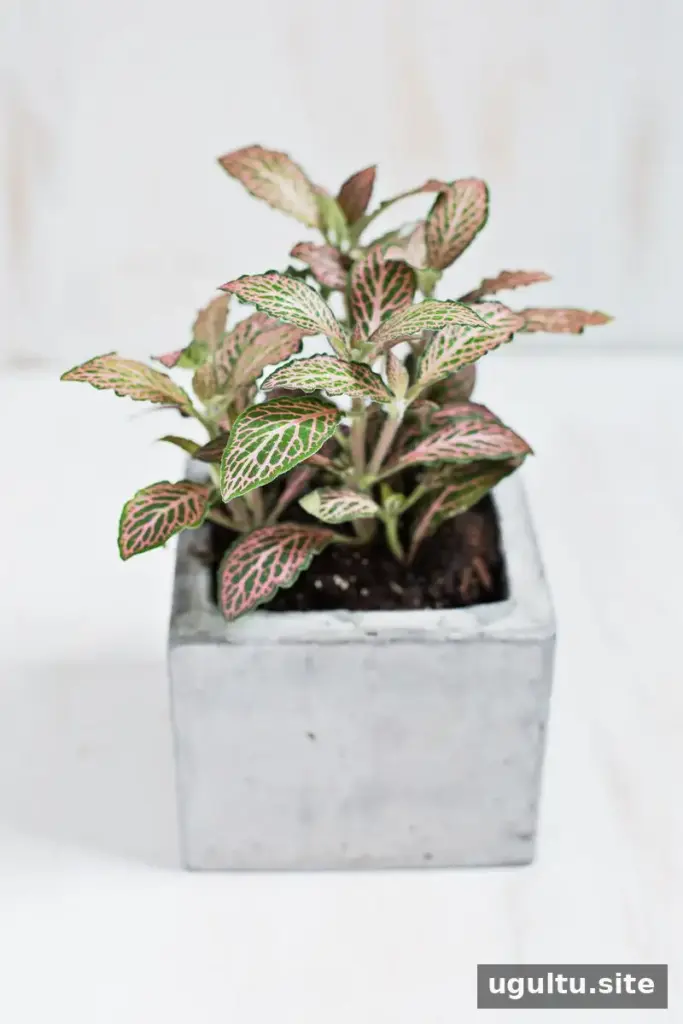
Fittonia is known for the contrasting veins in its leaves. It prefers indirect light and evenly moist soil, similar to a Boston fern. Avoid leaving it in standing water, and check the soil regularly, especially in a warm room where it may dry more quickly. Its compact size makes it suitable for a tabletop or shelf kept safely out of reach.
5. Spider Plant (Airplane Plant)
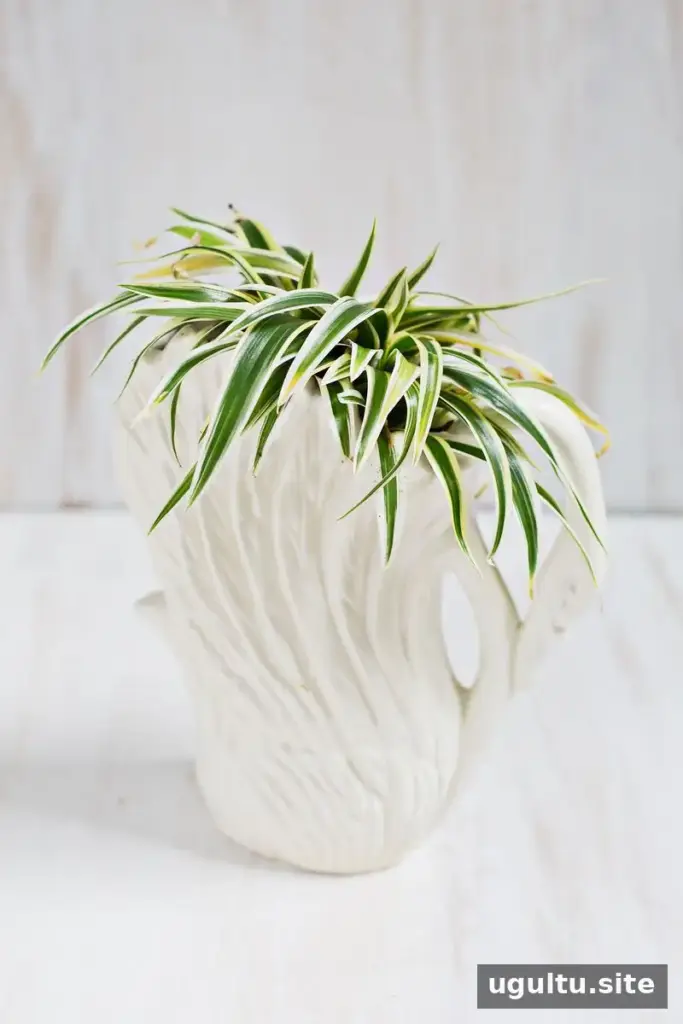
Spider plants grow well in moderate light and should be allowed to dry out somewhat between waterings. That makes them a practical option for people who do not want to water frequently. If the tips of the leaves turn brown, review the watering routine and consider whether the plant is exposed to very dry air or harsh direct sunlight.
6. Hoya (Hindu Rope, Krinkle Kurl, or Wax Plant)
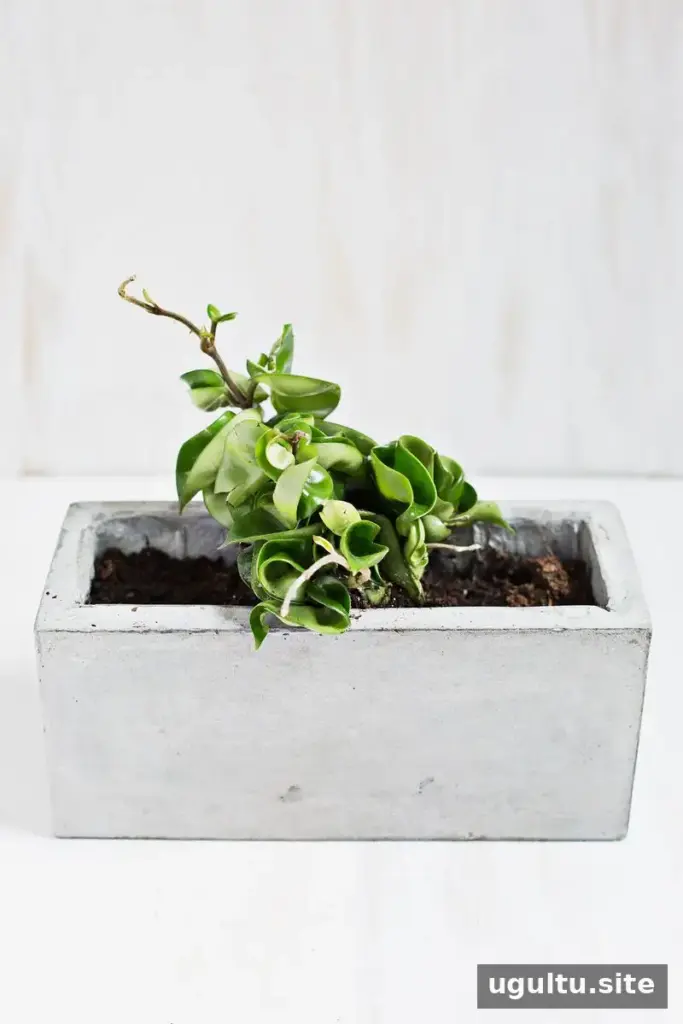
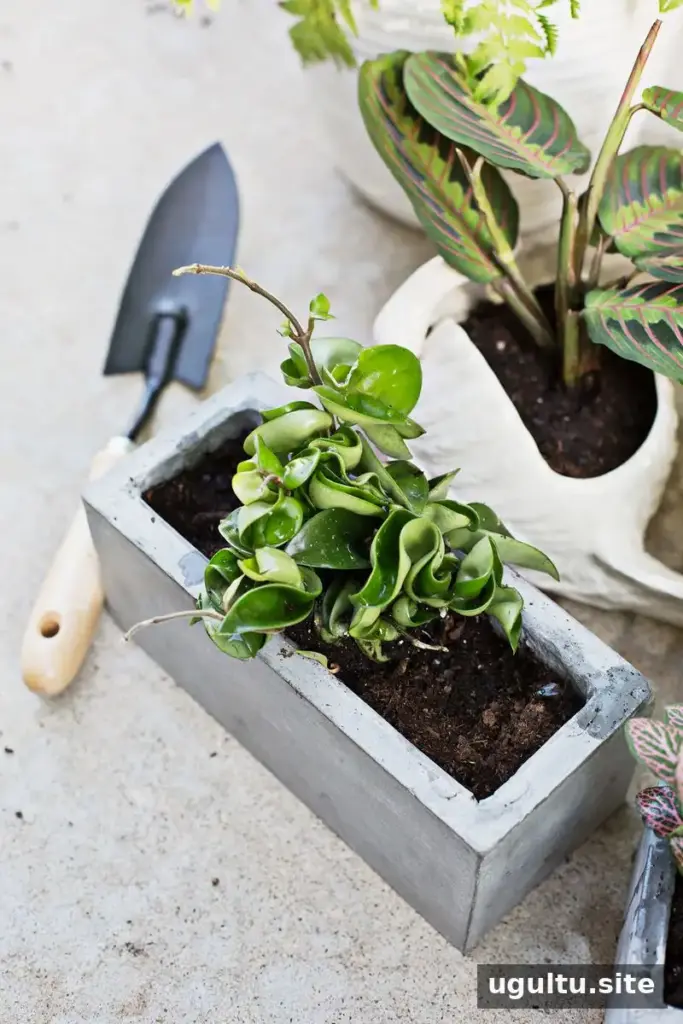
Hoya varieties are distinctive for their unusual, often curled or waxy leaves. They generally do best in bright, indirect light and do not need frequent watering. Let the potting mix dry between waterings, and use a container with drainage so excess water can escape. The plant’s light needs can vary somewhat by variety, so its label is worth checking.
7. Prayer Plant (Rabbit’s Tracks)
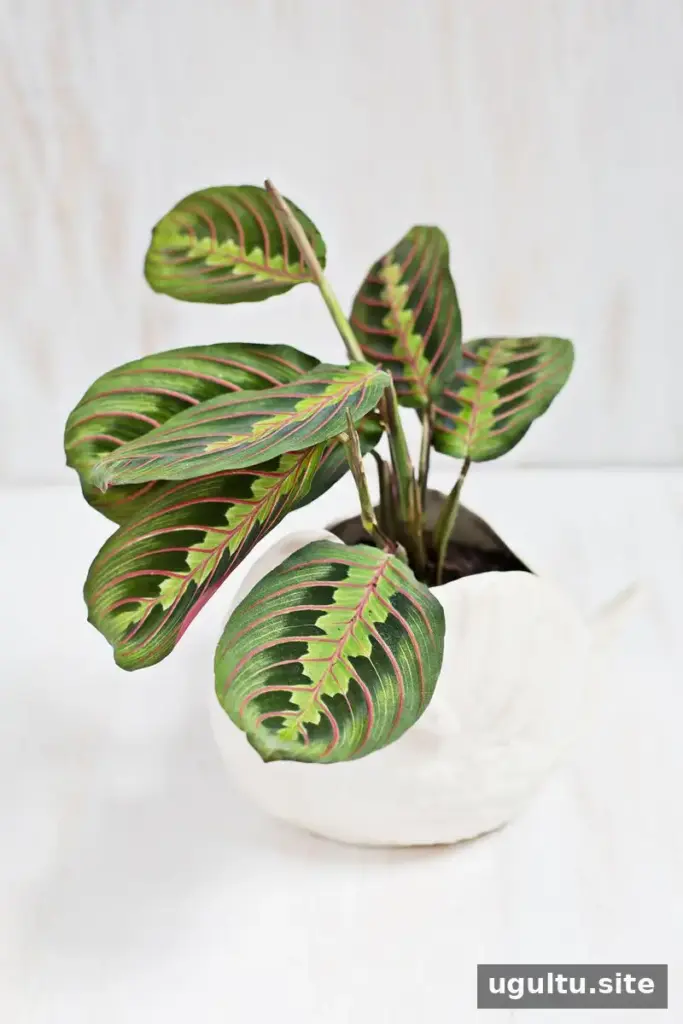
Prayer plants stand out for their patterned leaves and are often grown in lower-light areas. Keep the soil moist but not waterlogged, and avoid placing the plant in direct sun. Check the soil before watering; the goal is steady moisture rather than a constantly soggy pot. This can be a good choice for a spot that receives indirect light.
How to check whether a houseplant is safe
If you are unsure what a plant is, take clear photos of its leaves and overall shape and ask a local nursery for help with identification. Whenever possible, compare the plant’s full botanical name with a reliable toxicity reference for the specific animal in your home. Common names can refer to different plants, and similar-looking varieties may not have the same safety profile.
“Non-toxic” does not mean a plant is meant to be eaten or that every child or pet will react identically. Keep plants, soil, and fertilizers away from young children, and contact a medical professional or veterinarian if you are concerned about something that has been swallowed. Choose pots with stable bases and place trailing or fragile plants where they are less likely to be pulled down.
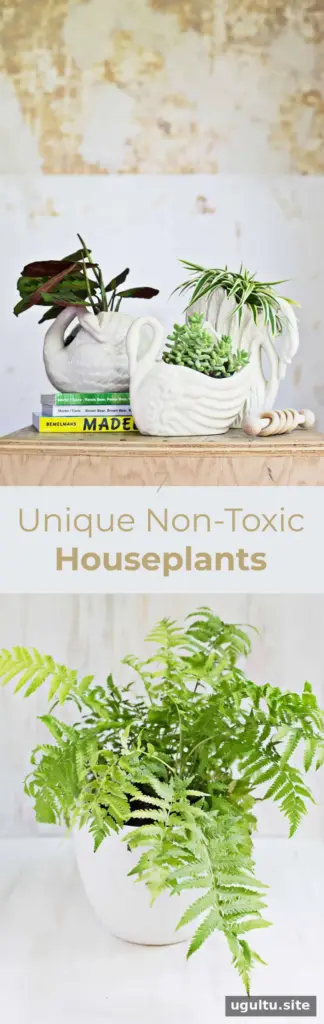
These non-toxic houseplants provide several options for different light levels and watering routines. Before buying, confirm the plant’s identity and consider where it will grow best; a suitable location and consistent care help keep both the plant and household members safer.
— Sarah


