
 admin
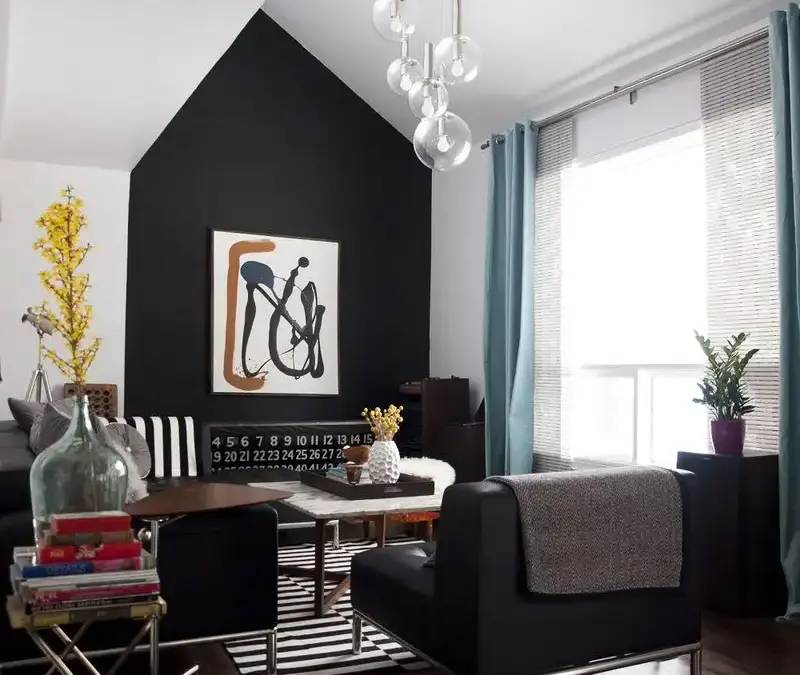
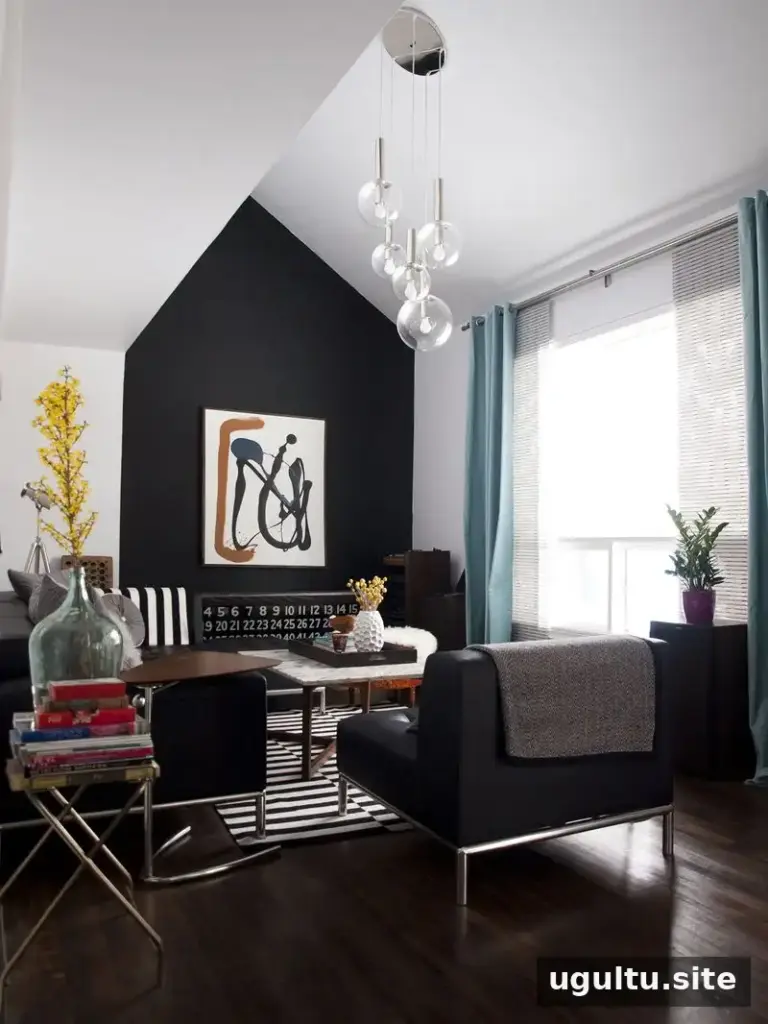
Sarah Brown’s Montreal home is a welcoming example of how thoughtful updates can refresh an older property while preserving its character. Sarah, her boyfriend Chad, and their two cats live in a 1950s attached cottage that they have renovated over their free time. Their approach combines an open, colorful interior with vintage objects and original details worth keeping.
The couple chose the cottage after seeing many renovated houses that did not suit their taste. This home stood out for its open living and dining area, a second-floor hallway overlooking the main room, and a living-room wall that appeared to be brick but was actually wallpaper. They later painted the wall black. The house had been carefully maintained by one owner for years, and its dusty-rose rooms reminded Sarah of her grandparents’ home and her grandmother’s fondness for pink.
Sarah Brown’s Montreal home: balancing old and new
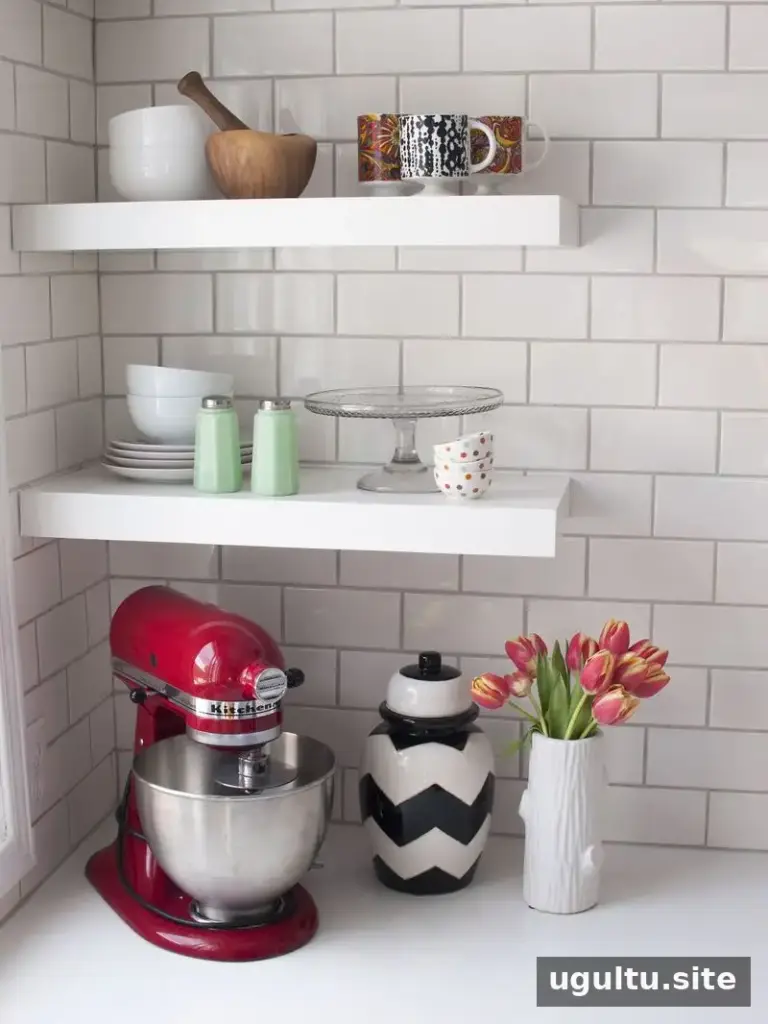
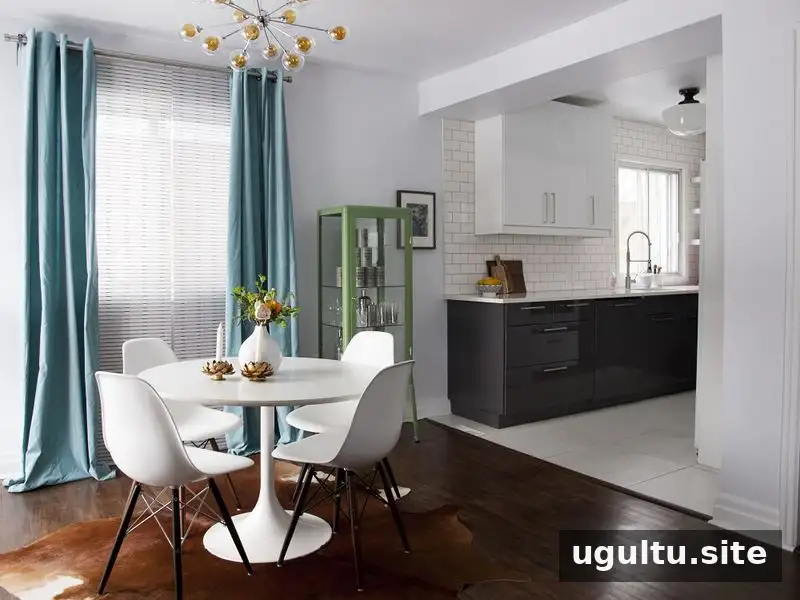
After the renovation, the rooms felt brighter, more open, and more modern, while colorful accents and inherited pieces gave them a personal feel. The work was completed on a tight budget, which suited Sarah’s interest in searching flea markets for distinctive finds. Mixing secondhand pieces with family hand-me-downs can also help a home feel collected over time rather than decorated all at once.
For anyone planning a similar update, it can help to decide which existing features are worth preserving before starting demolition. Sarah and Chad kept functional retro details alongside newer finishes, creating a practical way to acknowledge the home’s history.
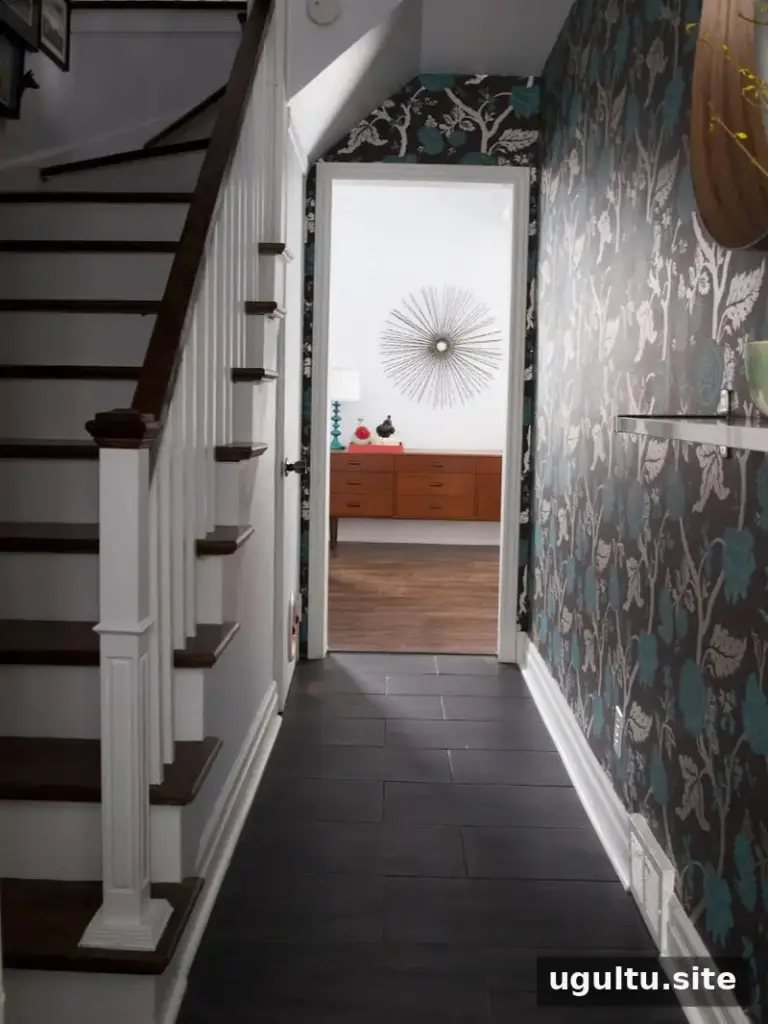
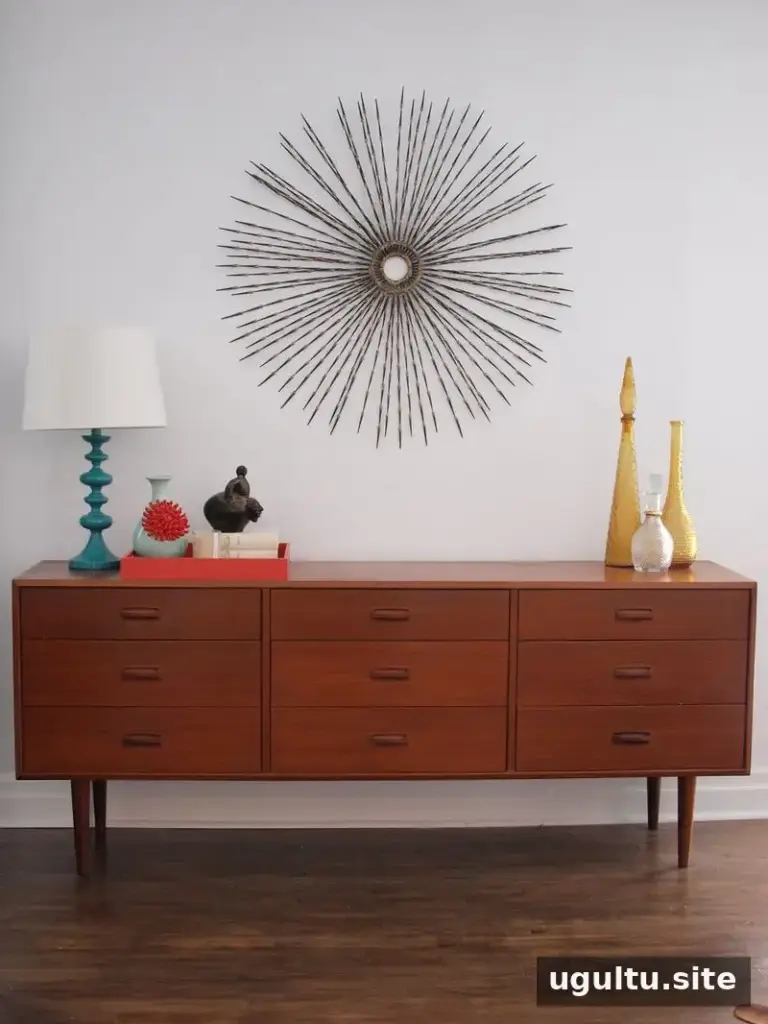
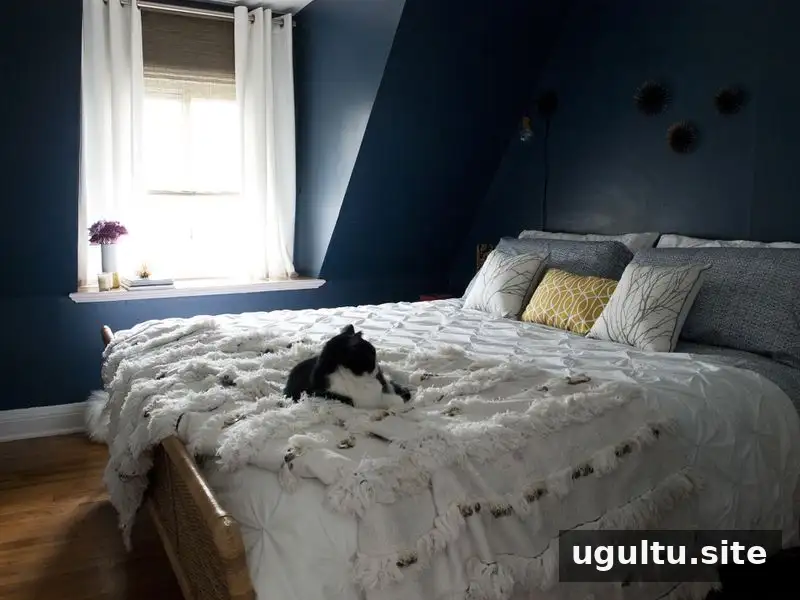
One especially meaningful piece is a metal starburst that belonged to Sarah’s grandmother. It used to hang in the hallway of the family cottage and now has a place above the buffet. Displaying an heirloom in a prominent spot is a simple way to make a room feel personal while giving a family object a new role.
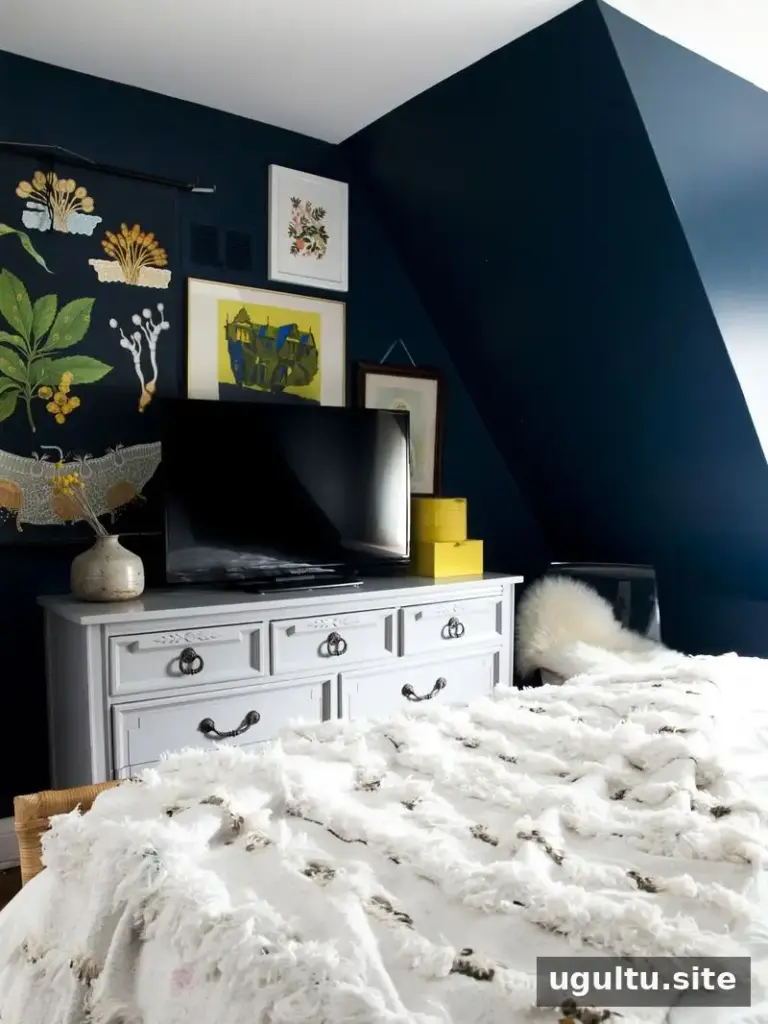
Renovation details and original character
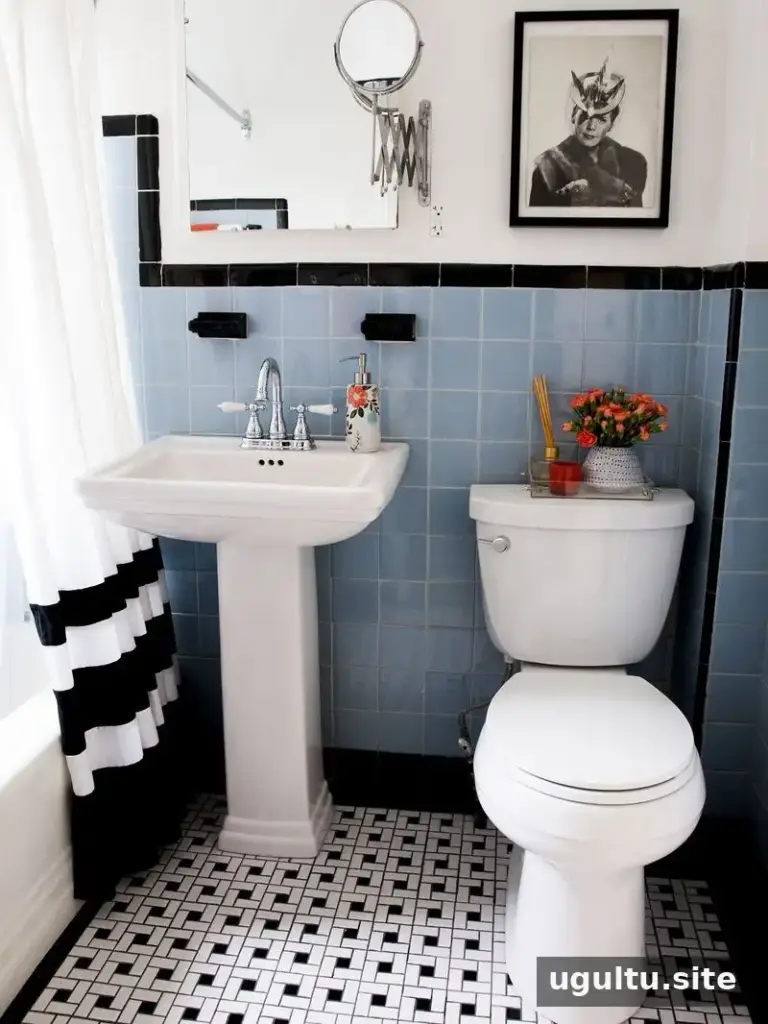
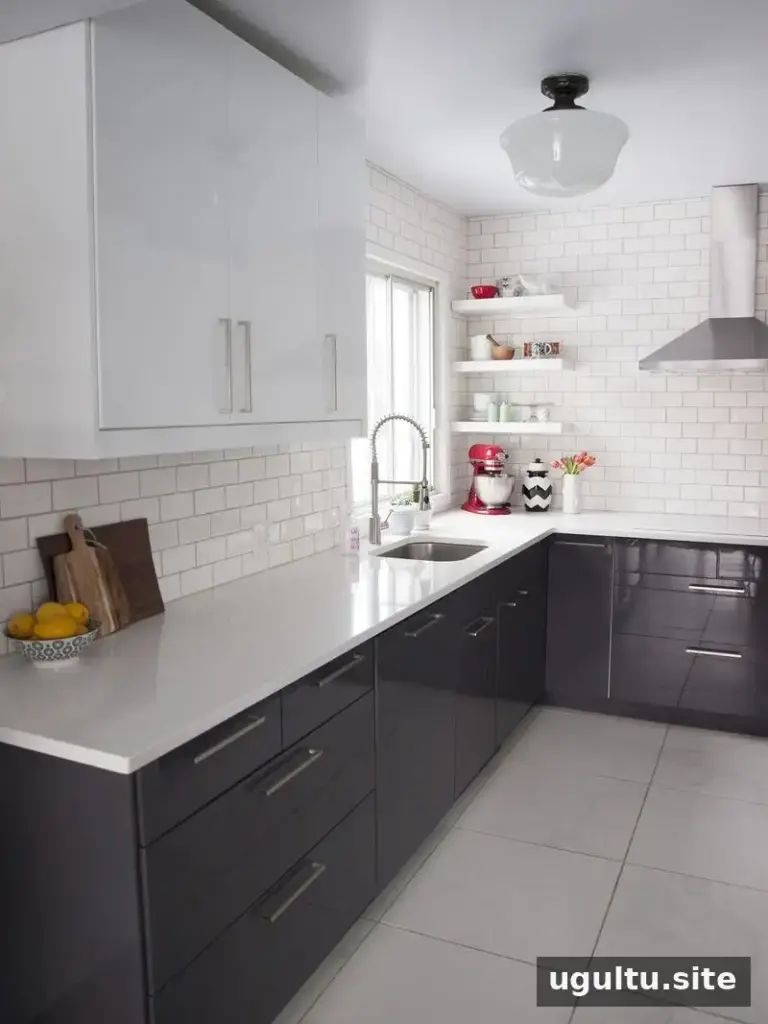
The couple had lived in the house for almost a year by the time they described the transformation. Before the renovation, it had dusty-pink walls, wall-to-wall carpeting, and two layers of living-room wallpaper. The kitchen was enclosed, cramped, and awkward to move around in. They refinished the wood floors and replaced old linoleum in the hallway and bathroom.
Rather than remove every sign of the past, they retained the bathroom’s original black and blue tile. This kind of selective approach can be useful in older homes: keep features that remain functional or add character, and focus upgrades on areas that affect daily comfort and use.
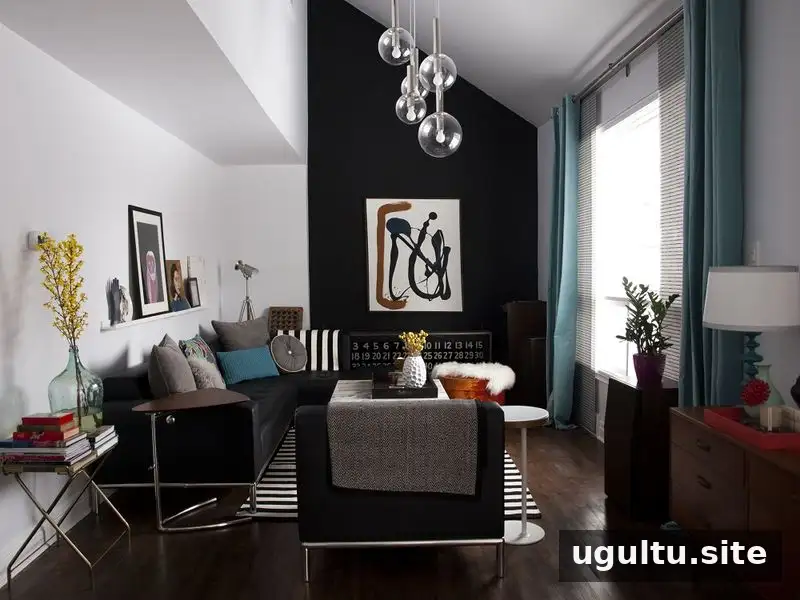
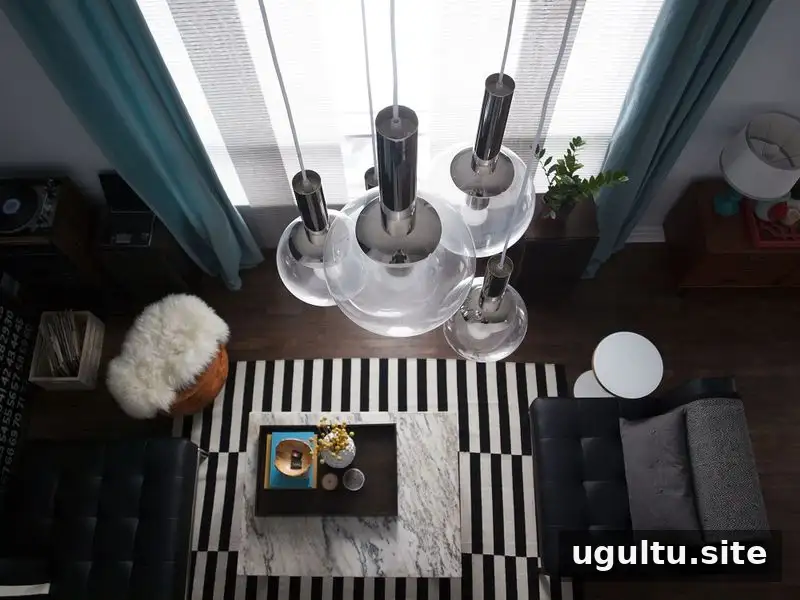
A working bingo sign is the home’s most unusual decor item. Sarah had Chad bring it back from the Brimfield Antique Show when they were still living in a small apartment. It now sits on the floor beside the couch instead of being mounted on the wall. The sign provides light and often becomes a conversation starter when guests visit.
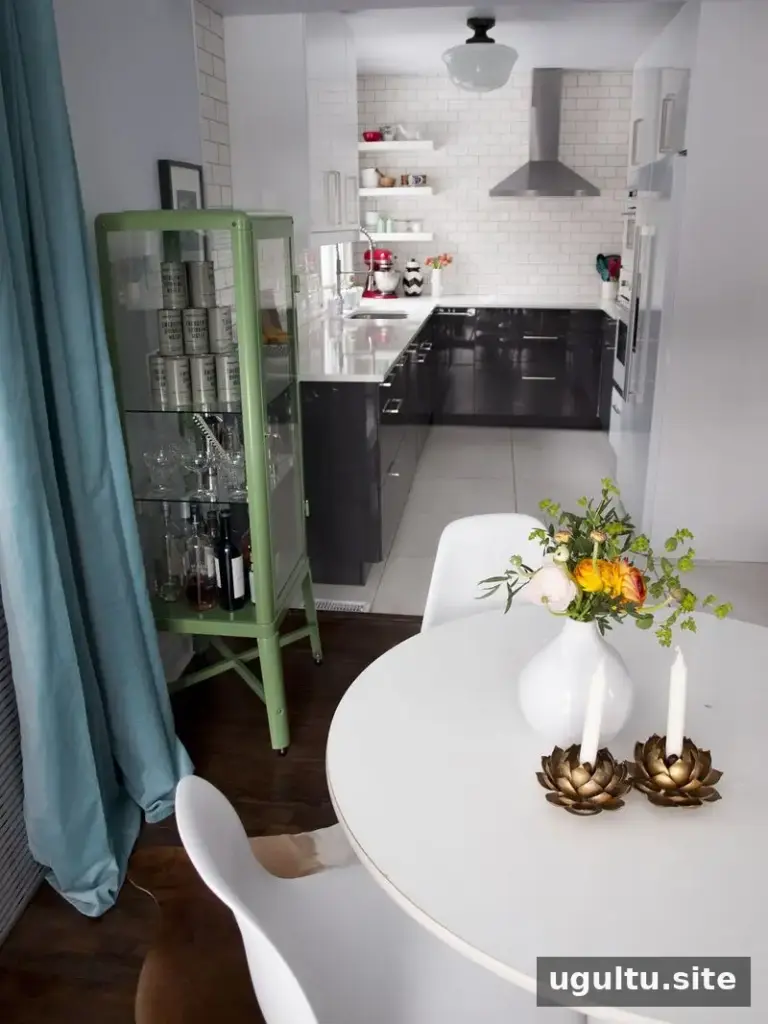
A comfortable home for everyday life
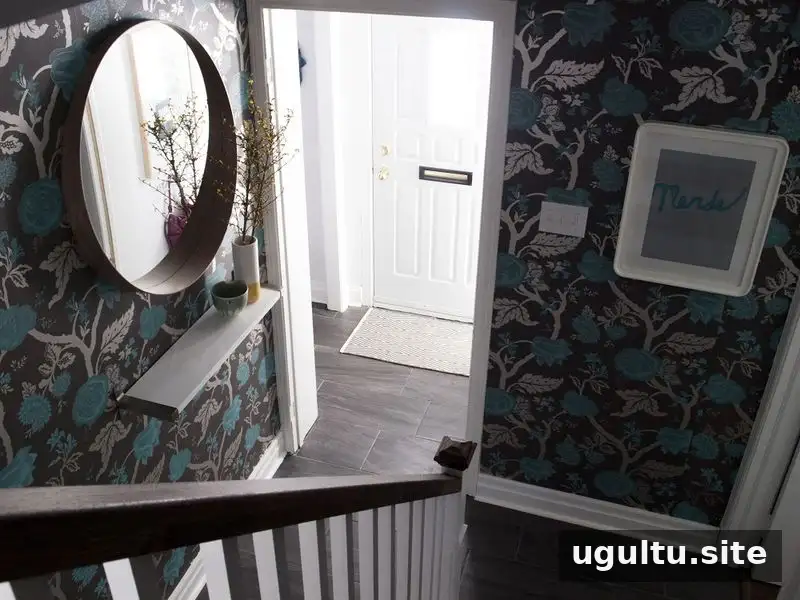
The couple spend most of their time on the main floor, especially in the new kitchen, which Sarah describes as easy to use and clean. Its open connection to the rest of the floor makes it a natural gathering place. They still have projects to tackle, including a basement with faux wood paneling, but have paused the renovation work to enjoy the living room, listen to records, and unwind.
Sarah Brown’s Montreal home shows how a renovation can make everyday spaces more functional without erasing the details that give an older house its identity. Open living areas, durable updates, preserved original tile, and meaningful vintage finds all contribute to a home that feels both refreshed and lived in.


