admin
You can update a dated home without remodeling by focusing on small changes that improve how a room looks and feels. Paint, lighting, hardware, rugs, and thoughtful styling can refresh tired spaces without removing walls or committing to a major renovation. These ideas also give you time to decide which larger projects, if any, are worth saving for.
Not every room needs a complete overhaul. When a kitchen or bathroom is outside the renovation budget, practical updates can make it more comfortable and functional in the meantime. Start with projects that suit your budget, skills, and the condition of the space.
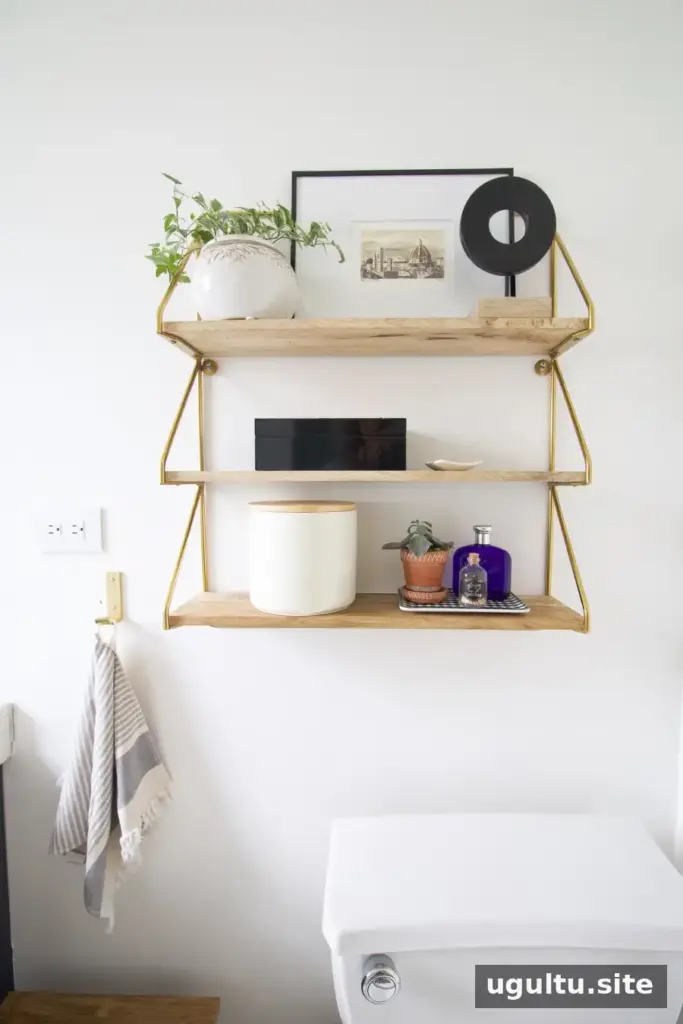
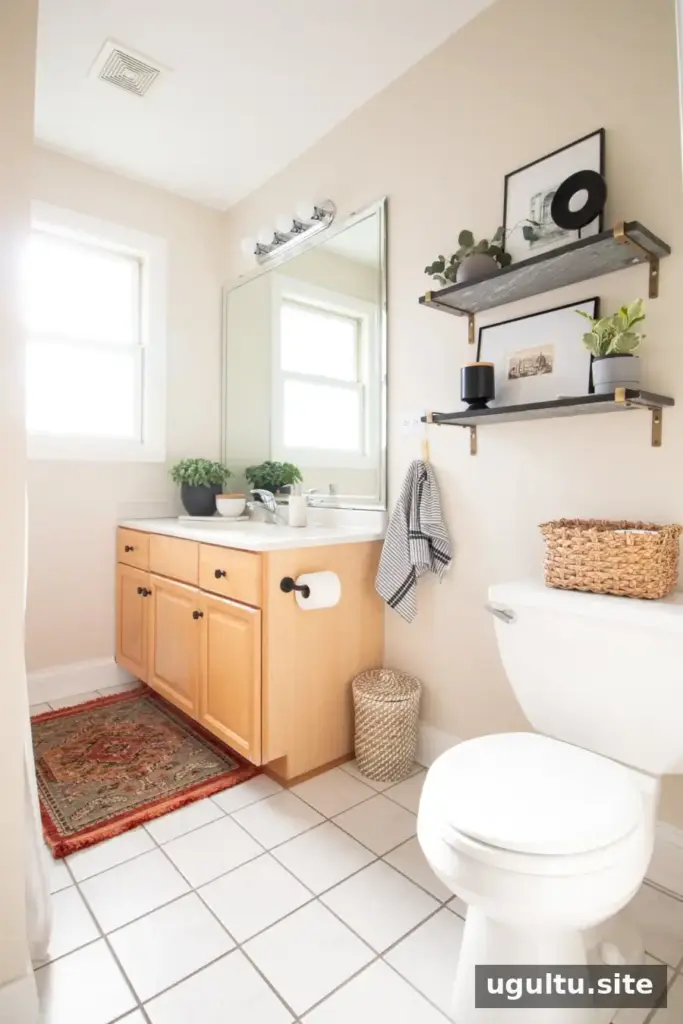
Simple shelving can add storage and visual interest to an older bathroom.
12 Ways to Update a Dated Home Without Remodeling
1. Declutter and Deep Clean
Cluttered surfaces can make a room feel darker and more dated. Clear countertops and shelves, put away items you do not use regularly, and clean surfaces, floors, and fixtures. This low-cost first step can help you see what actually needs updating before you buy anything.
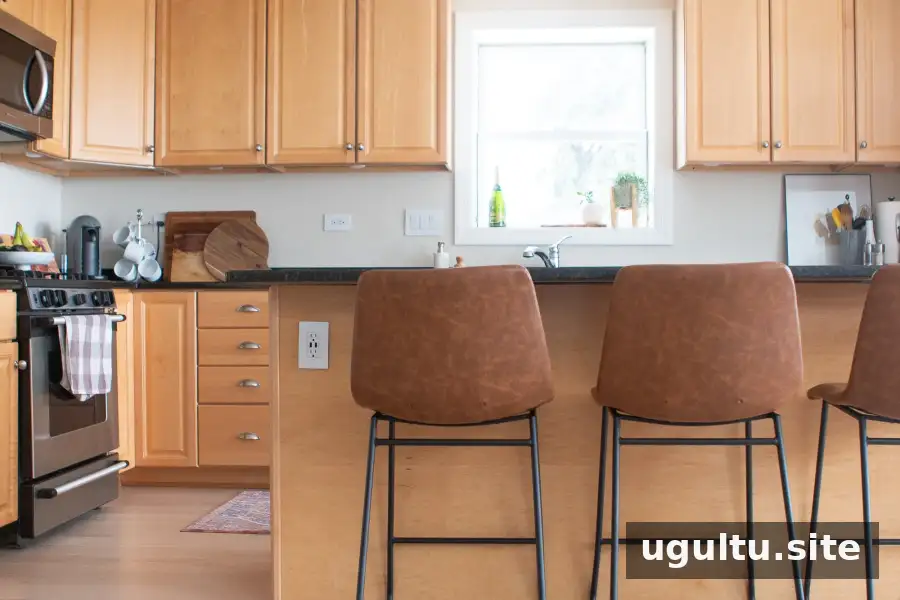
An older kitchen before renovation, with its counters cleared.
Cost: Free
Time: 1–2 hours
Difficulty: Easy
2. Use Paint for a Noticeable Change
Paint can refresh walls, trim, and ceilings, and it may also work on cabinets, vanities, or floors when the surface and product are suitable. A consistent color palette can make rooms feel more cohesive. For surfaces that get heavy use, prepare them carefully and choose paint made for that material.
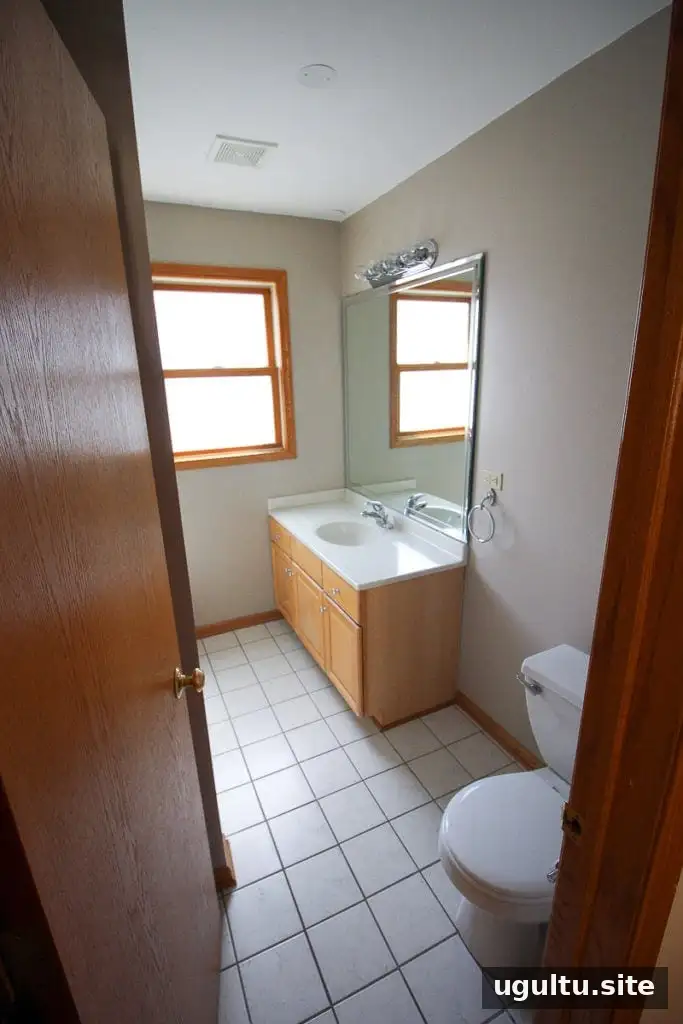
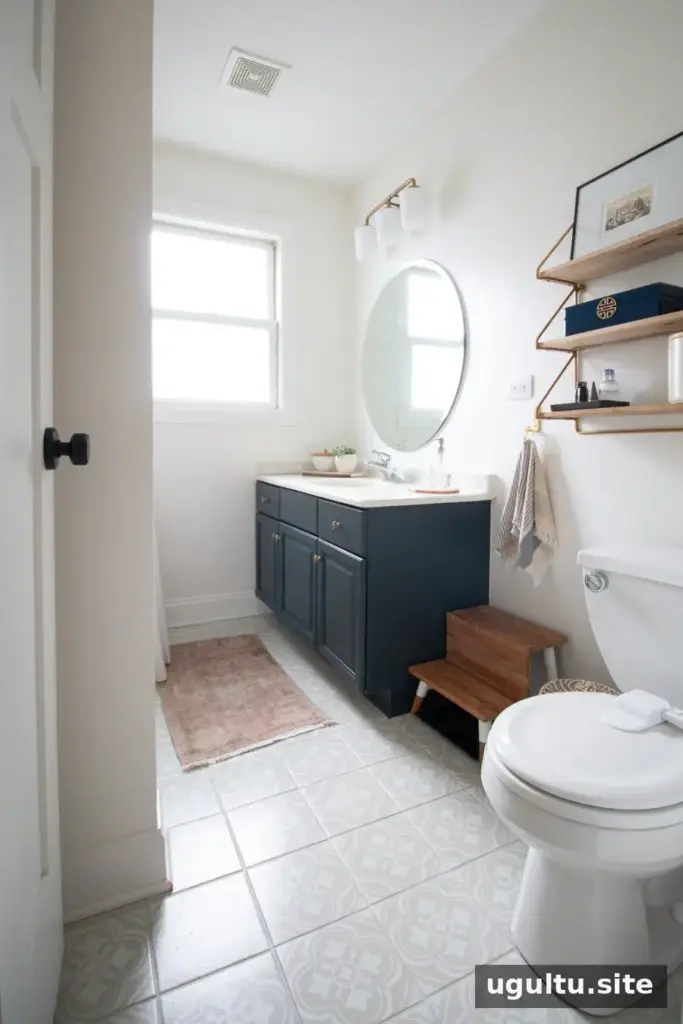
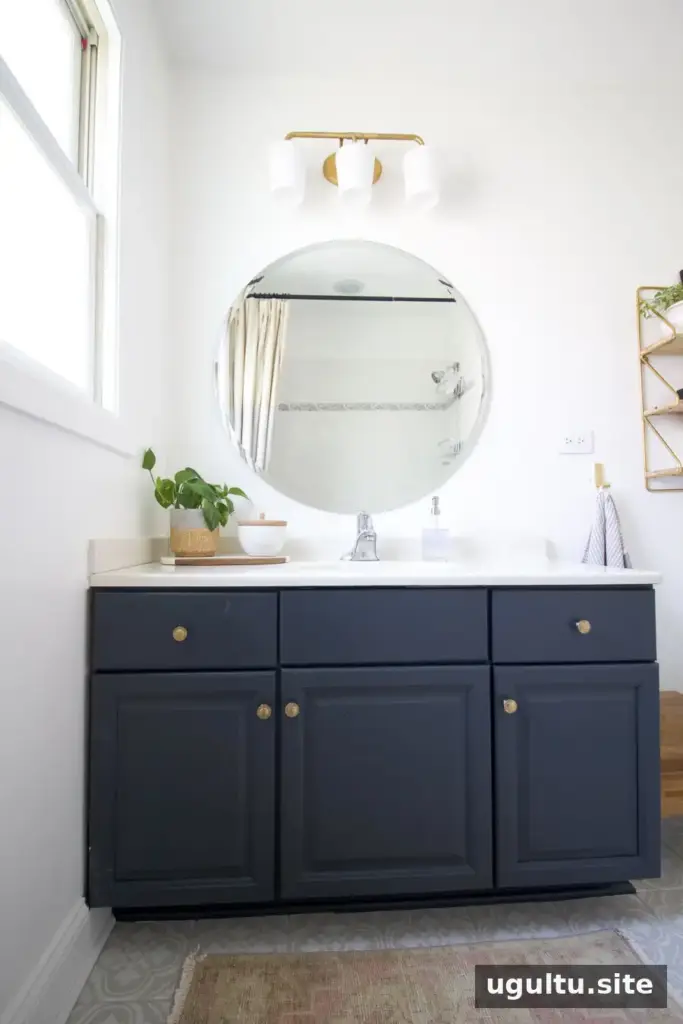
A painted vanity and patterned floor can give a bathroom a different look without replacing the existing layout.
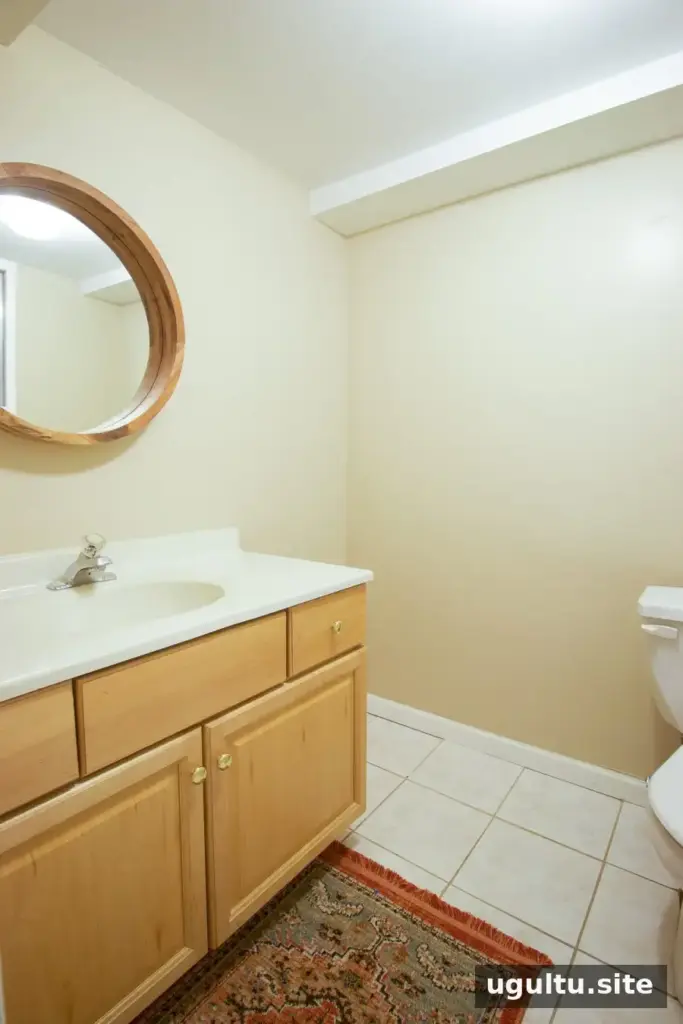
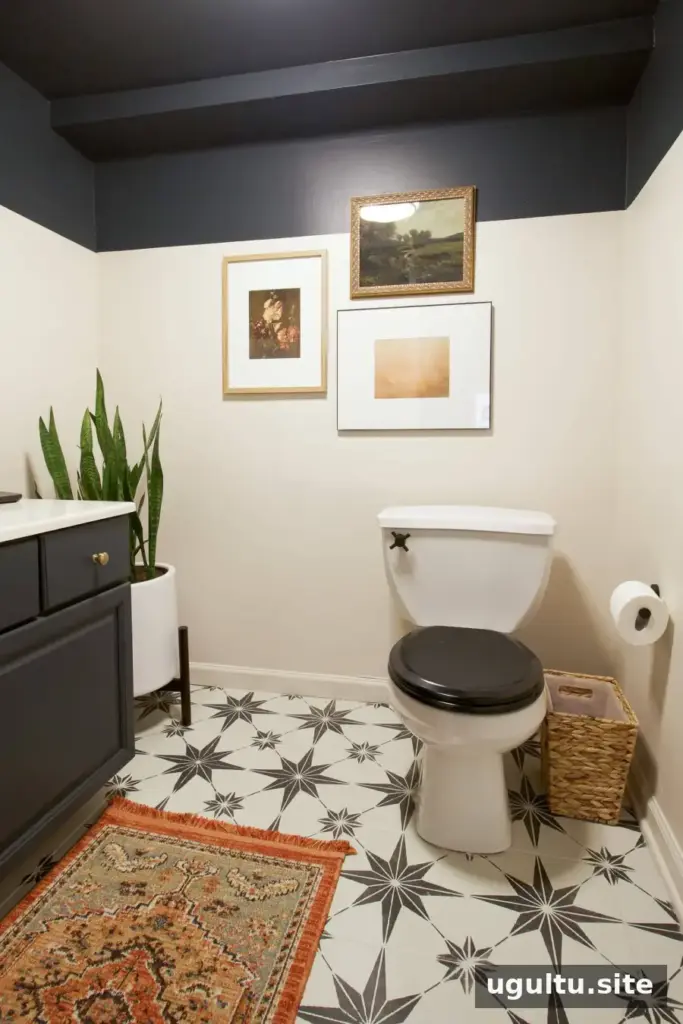
Two-tone paint can add contrast in a small bathroom, while painting the vanity or tile can help postpone a larger update. Follow the product instructions for cleaning, priming, and curing before using painted surfaces.
Cost: $40–$150
Time: Weekend project
Difficulty: Moderate
3. Update Light Fixtures and Bulbs
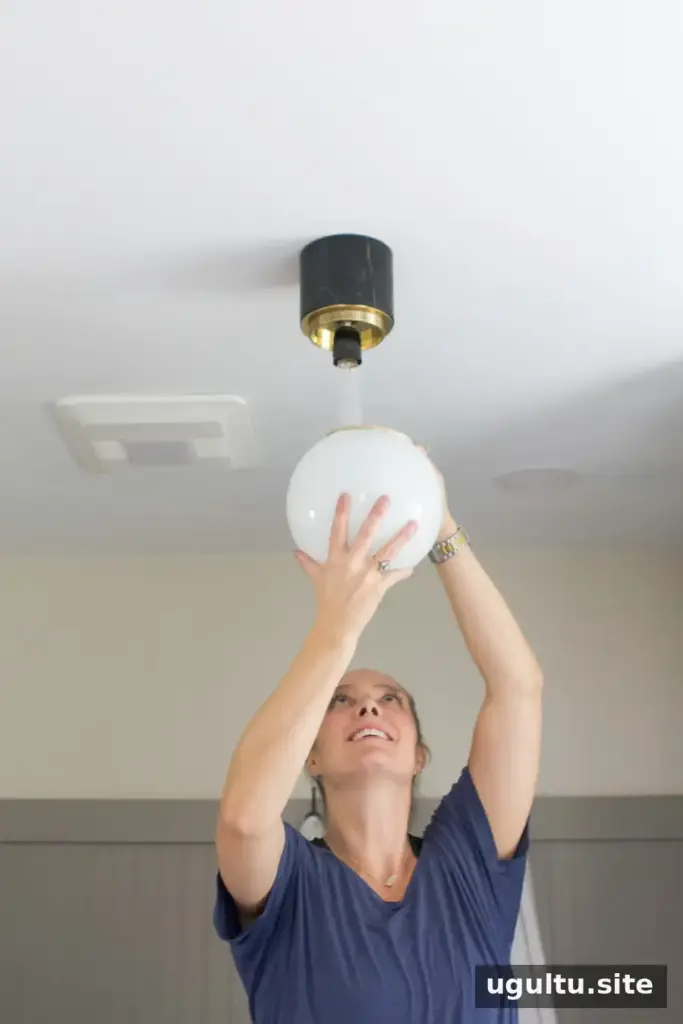
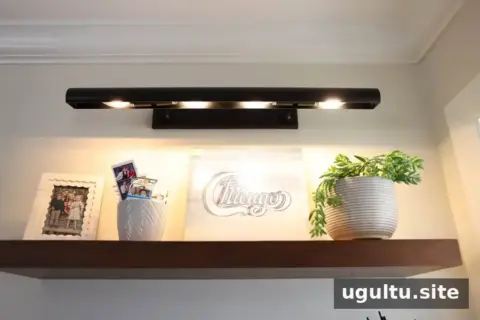
Older fixtures can make a room feel dated. Replacing one with a simpler, more current design can add a useful focal point. For a warmer atmosphere, bulbs around 2700–3000K are often suitable for cozy rooms; kitchens and bathrooms may benefit from brighter lighting.
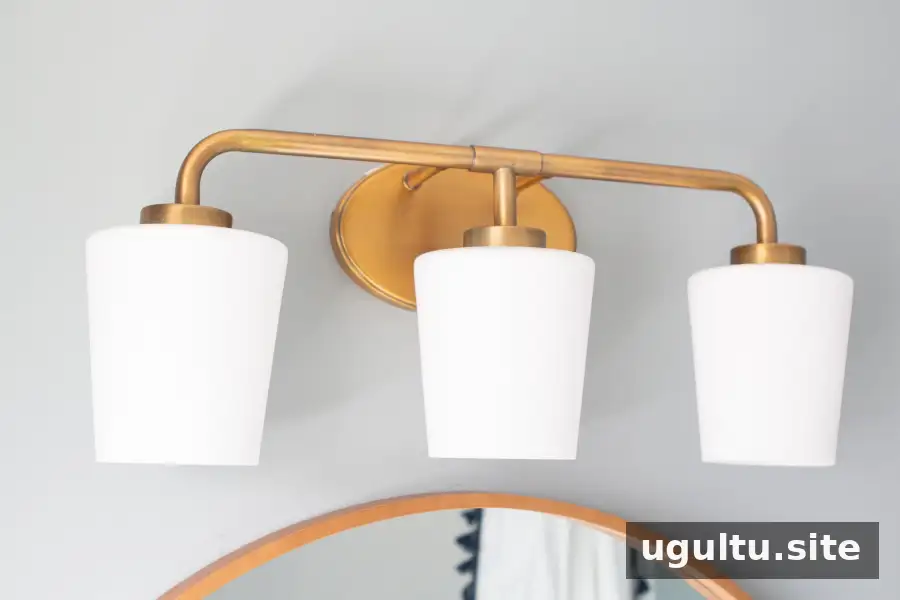
Choose a fixture that fits the scale of the room, and check that the bulb type and brightness suit the space. Electrical work should be done with the power switched off; if you are unsure about the wiring or installation, use a qualified electrician.
Cost: $50–$250
Time: 1–2 hours
Difficulty: Moderate
4. Replace Cabinet and Door Hardware
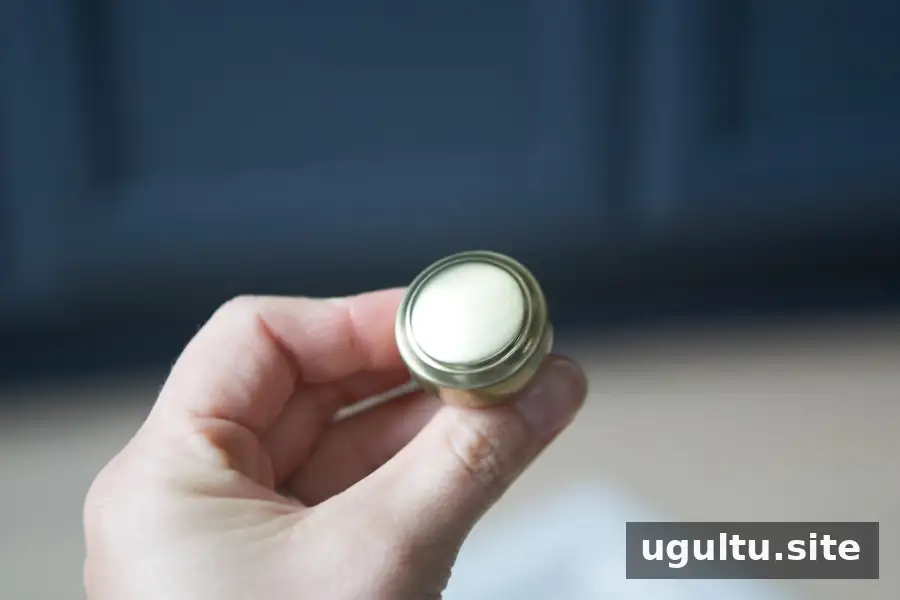
Cabinet pulls, knobs, and door handles are small details that can change the overall look of a kitchen, bathroom, or piece of furniture. Before buying replacements, measure the distance between existing screw holes. Matching that measurement can make installation simpler and avoid extra drilling.
Cost: $20–$200
Time: 1–2 hours
Difficulty: Easy
5. Choose a More Decorative Mirror
A framed, round, or differently colored mirror can add character to a bathroom, bedroom, or entryway. Check the mirror’s dimensions against the wall and nearby fixtures before purchasing. Pairing a new mirror with a suitable light fixture can help create a coordinated look.
Cost: $75–$200
Time: 30–60 minutes
Difficulty: Easy
6. Add Area Rugs and Soft Furnishings
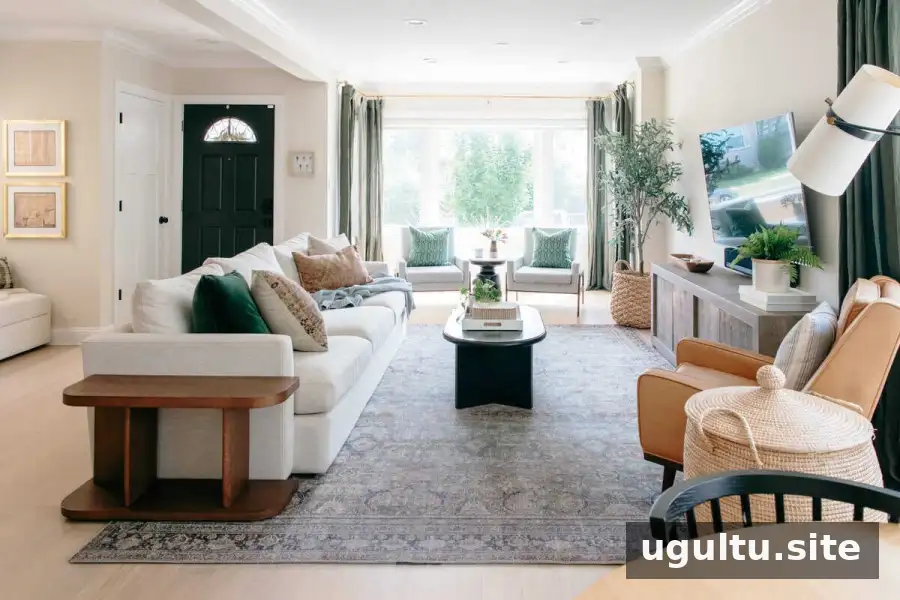
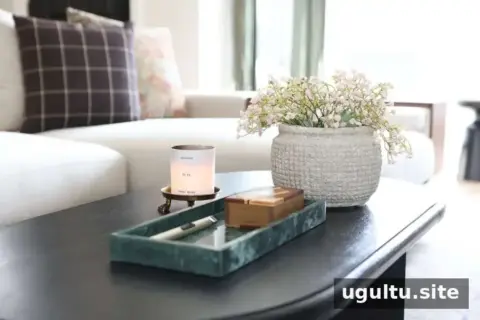
An area rug can soften a room, define a seating or dining area, and cover flooring you would rather not emphasize. Measure the space before choosing a rug, and consider how it will sit beneath furniture. Throw pillows and blankets can introduce color, pattern, and texture without replacing larger pieces.
Cost: $50–$500
Time: Instant
Difficulty: Easy
7. Refresh Faucets and Small Fixtures
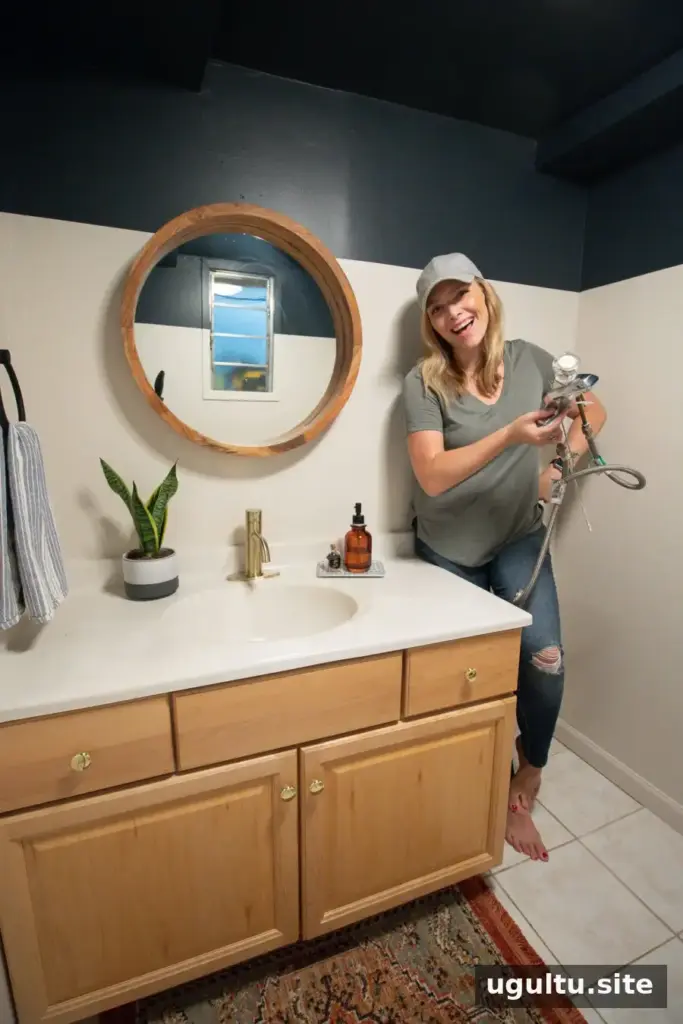
A new faucet can update a kitchen or bathroom while preserving the existing layout. Other small changes, such as a showerhead or toilet lever, may also improve the room’s appearance. Confirm that a replacement faucet fits the sink and plumbing connections before buying it. Turn off the water supply before installation, and call a professional if a connection is damaged or unfamiliar.
Cost: $75–$250
Time: 1–2 hours
Difficulty: Moderate
8. Rethink Window Treatments
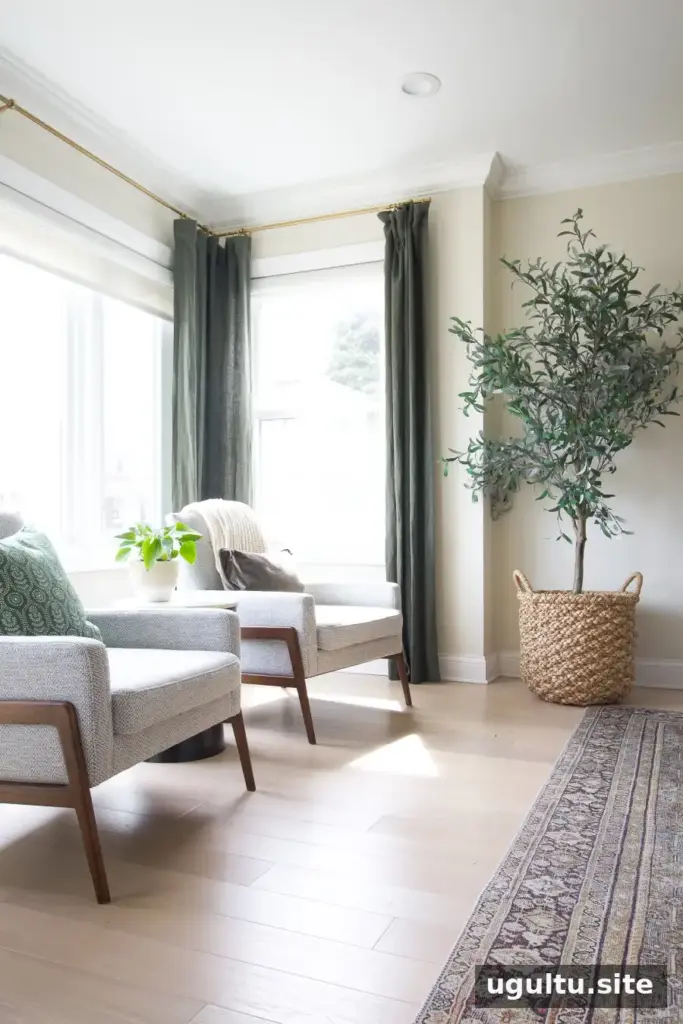
Replacing heavy drapes or dated blinds with lightweight curtains, Roman shades, or bamboo shades can make a room feel fresher. Hanging curtains higher and wider than the window frame can create the impression of larger windows and taller ceilings. Measure the window and decide how much light and privacy you need before selecting a treatment.
Cost: $100–$500 depending on window size
Time: 1–2 hours
Difficulty: Easy
9. Add Wall Art
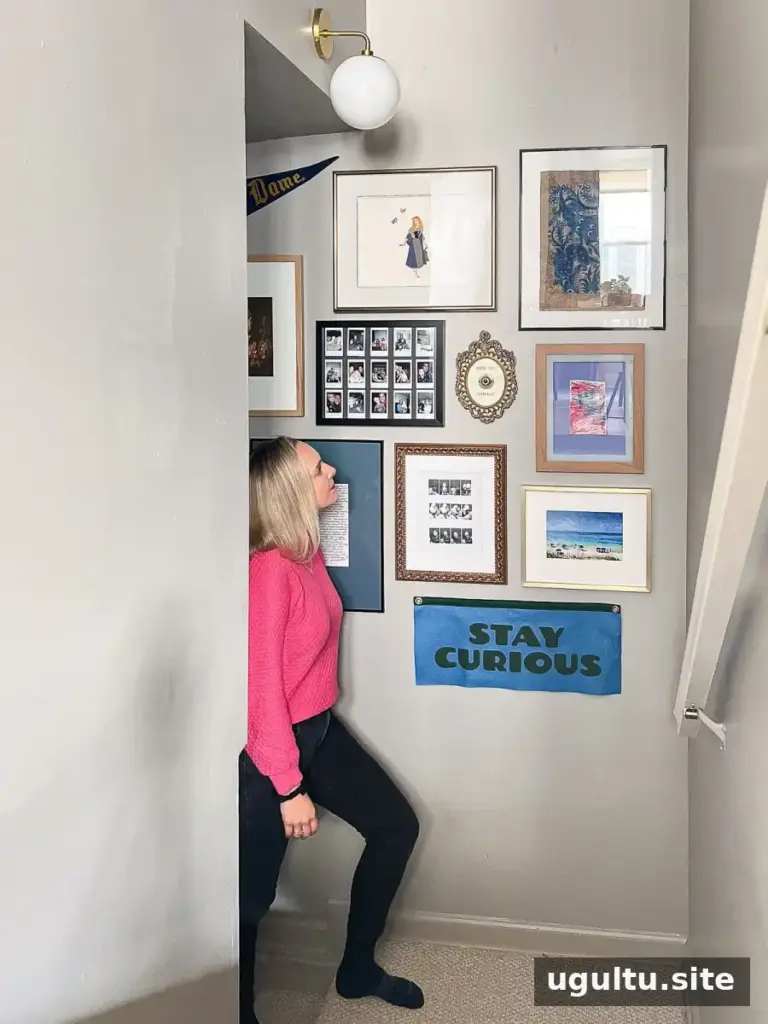
Art can give a room a focal point and make it feel more personal. Try framed prints in a hallway, a gallery wall in a dining area, or one larger piece above a sofa. Digital prints, secondhand frames, and family photographs can keep the project affordable. Lay out a gallery wall on the floor first to test spacing before hanging anything.
Cost: $50–$200
Time: 1–2 hours
Difficulty: Easy
10. Disguise Features You Cannot Change Yet
Some dated details can be covered or made less noticeable while you plan future work. A longer shower curtain can conceal an older tile surround, while a carefully placed tray or cutting board can help draw attention away from an awkward backsplash area. Rugs can also soften the appearance of worn flooring. Keep outlets, vents, and other safety features accessible, and avoid covering anything that could overheat.
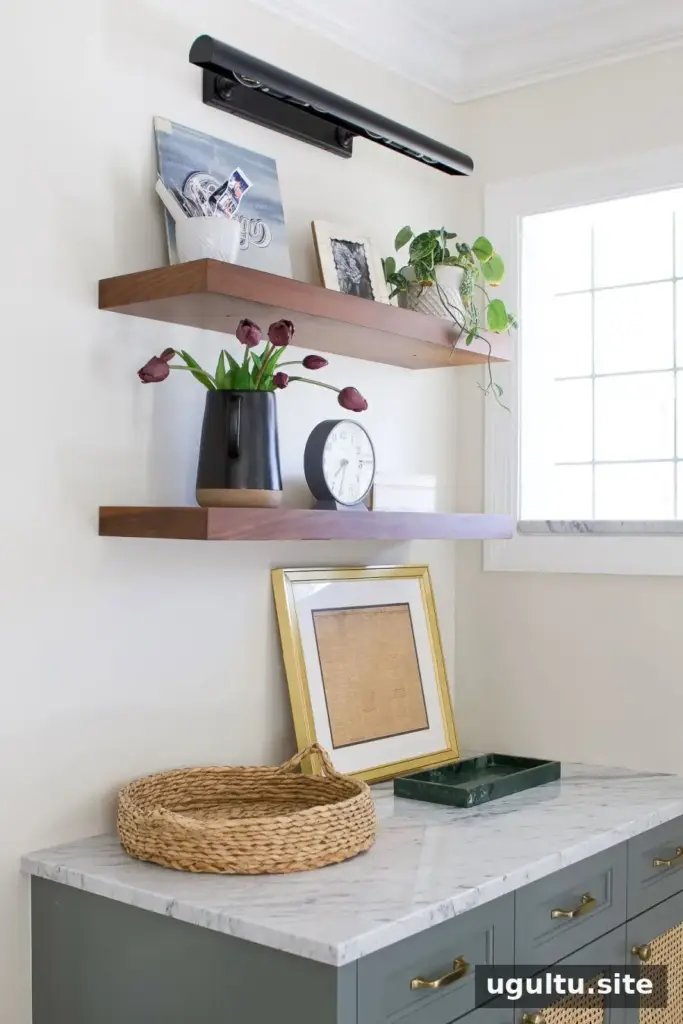
A framed piece on the counter can draw attention away from an outlet while keeping it accessible.
Cost: $20–$100
Time: Instant
Difficulty: Easy
11. Refresh the Entry and Front Door
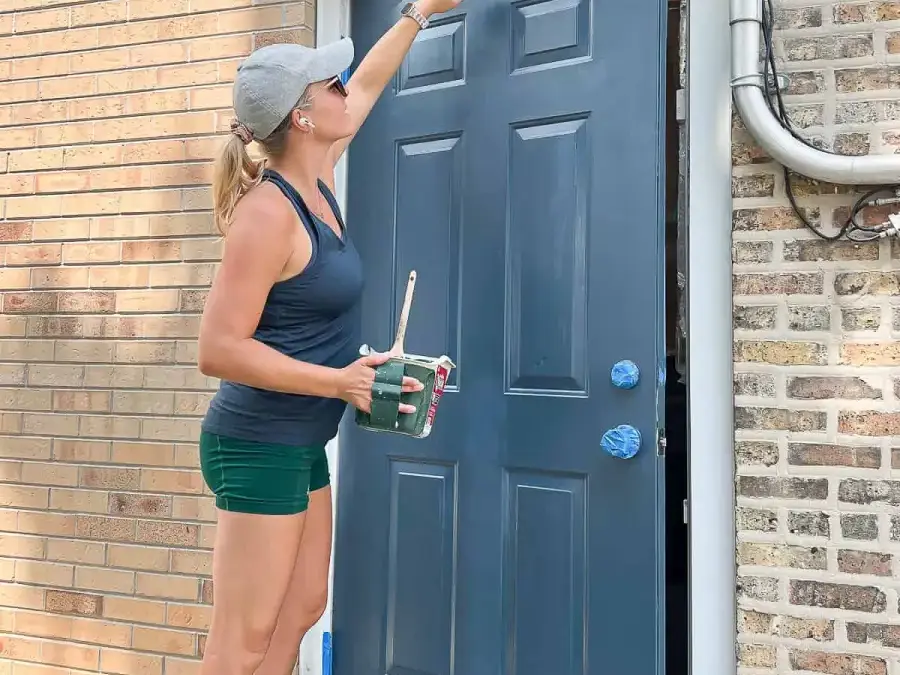
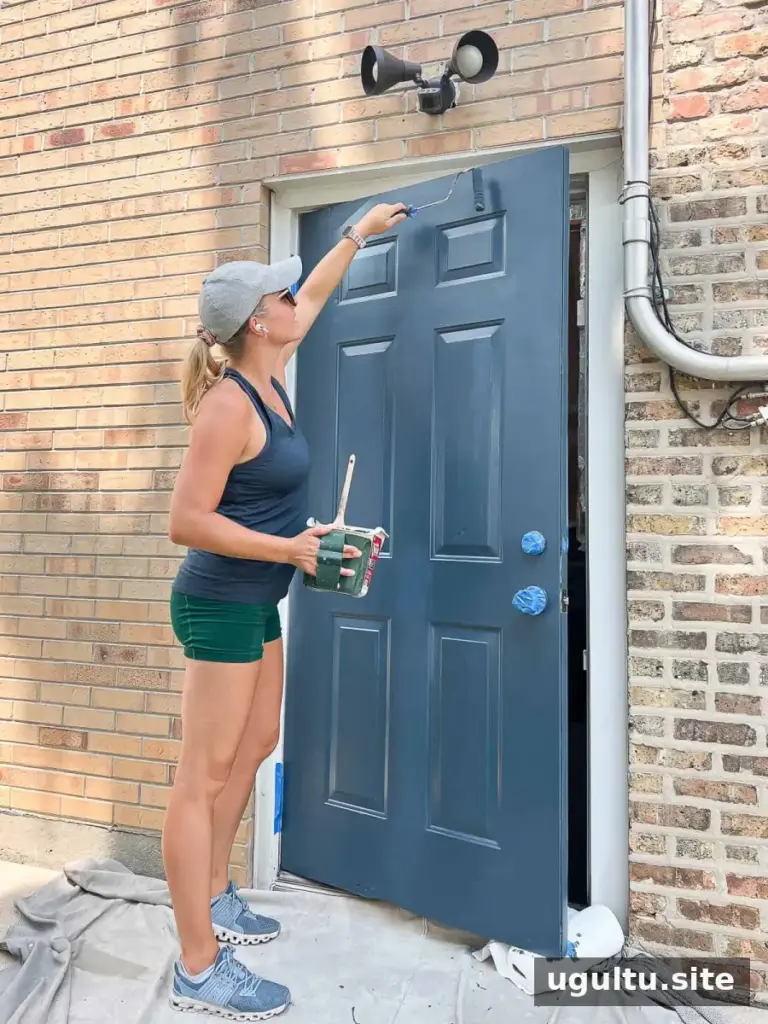
The entry sets the first impression of a home. A new coat of paint on the front door, updated house numbers, a fresh doormat, or planters can make the exterior feel more welcoming. Check that the paint is suitable for the door material and outdoor conditions, and allow it to dry fully before closing the door.
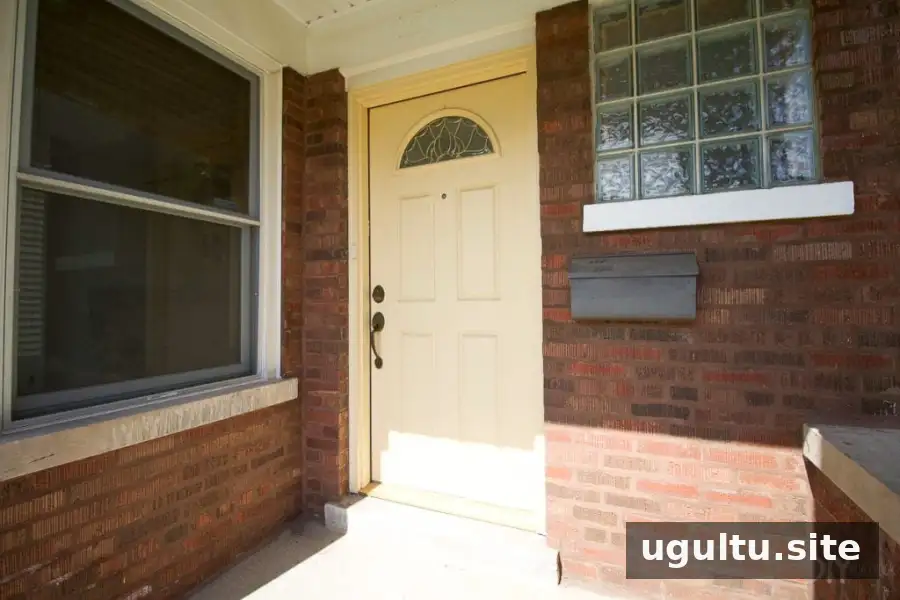
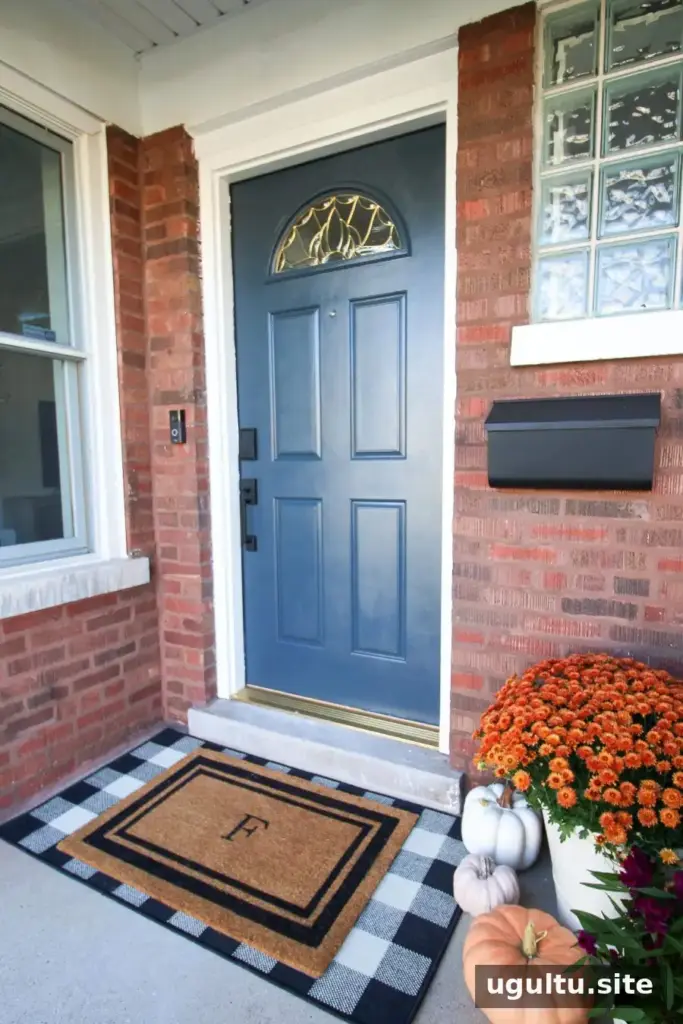
Small details such as door hardware and soft lighting near the entrance can complete the update without changing the structure.
Cost: $50–$250
Time: 1 afternoon
Difficulty: Easy
12. Adopt a “Love It for Now” Mindset
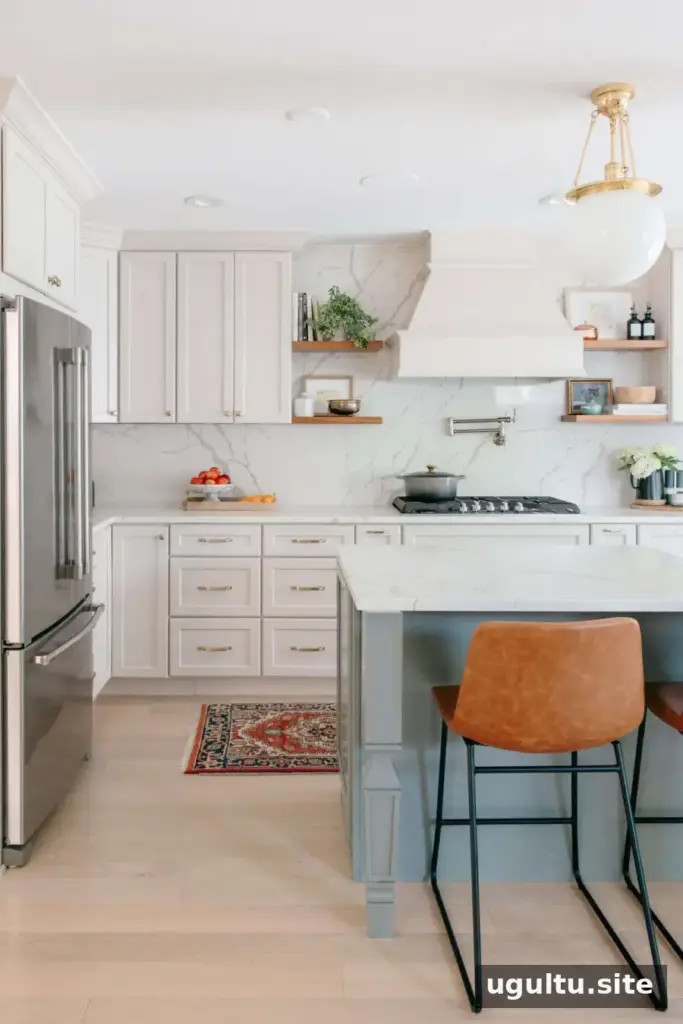
You do not have to change every feature in a dated room at once. Give yourself time to understand how you use the space and which improvements matter most. Small, reversible updates can make a room more enjoyable now, while helping you make more informed decisions about future renovations.
Cost: Free
Time: Ongoing
Difficulty: Mindset shift
Final Thoughts
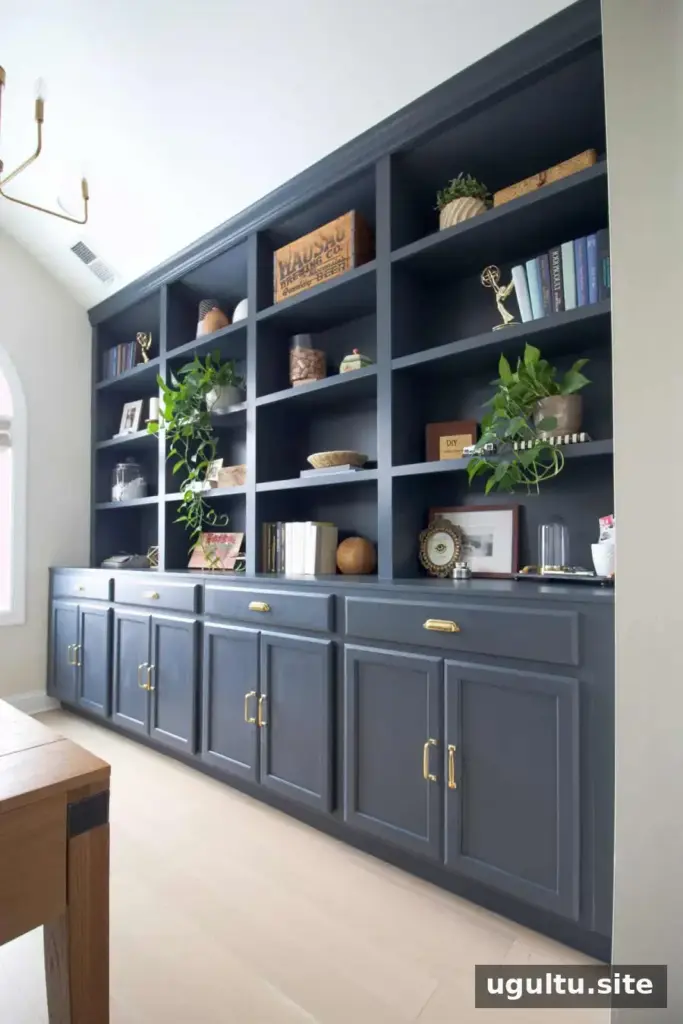
There are many practical ways to update a dated home without remodeling. A fresh coat of paint, improved lighting, new hardware, rugs, and simple styling changes can make a space feel more comfortable and more in keeping with your taste. Start with the projects that solve an everyday problem, and work through the rest as your budget allows.
Small improvements do not have to happen all at once. Focus on what you can change safely and affordably, and use the time to plan any larger work carefully.