admin

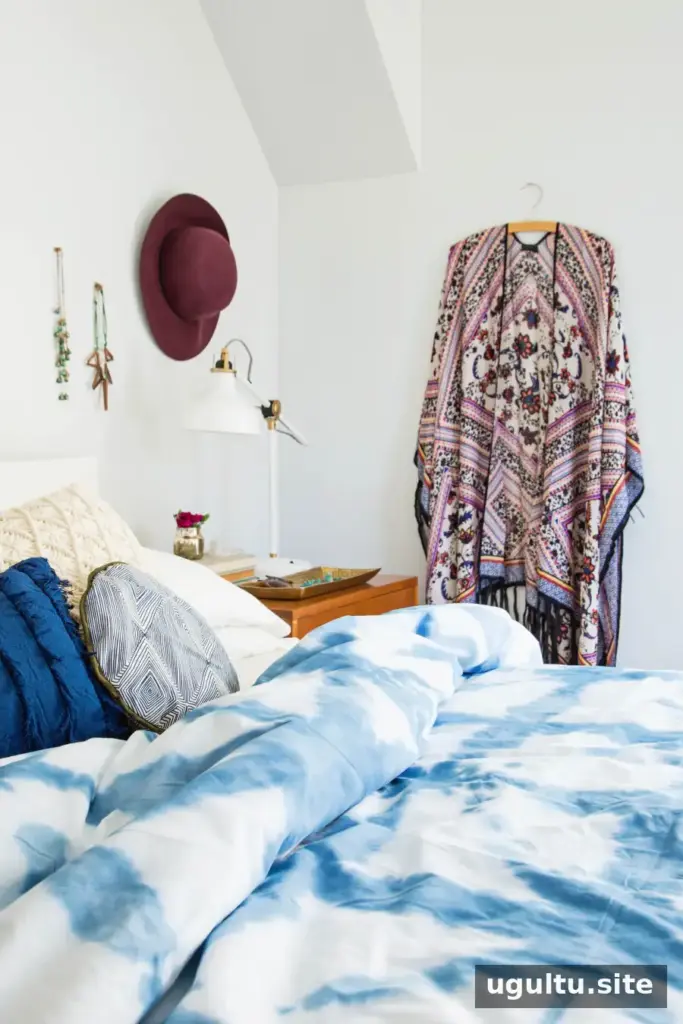
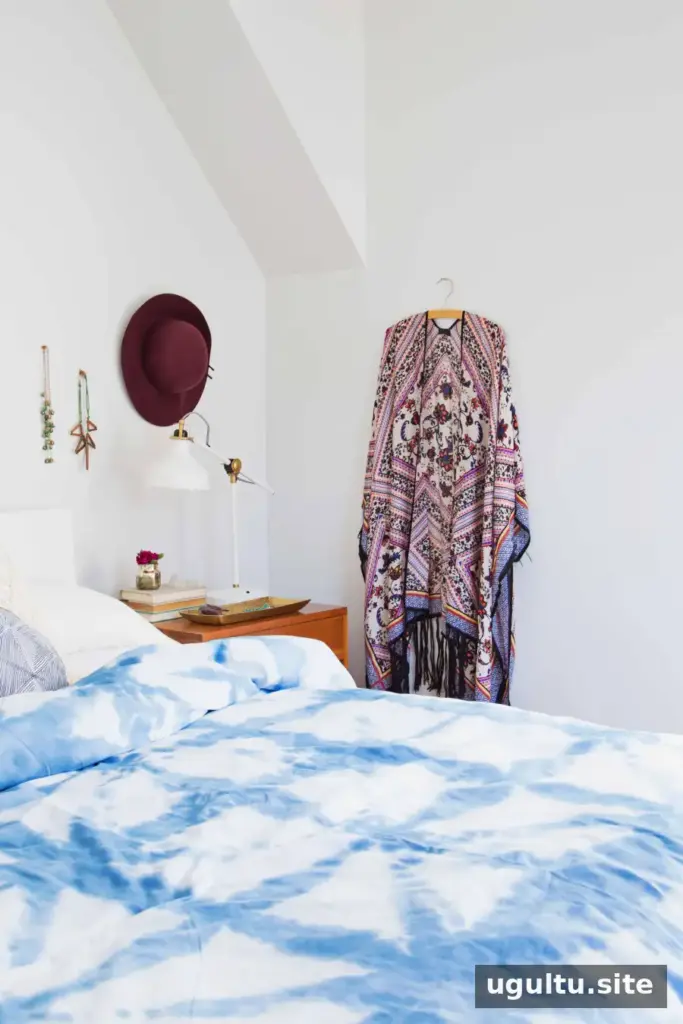
A shibori duvet cover is a simple way to bring handmade pattern and calming color into a bedroom. With crisp white linens, comfortable pillows, and a few thoughtful accessories, a dyed cover can help create a relaxed, spa-inspired atmosphere without changing the whole room. This project uses folded fabric, wooden resist pieces, rope, and denim-blue fabric dye to create a distinctive geometric design.
Layer the finished cover with white bedding for a clean, airy look, then add details such as bedside lighting, fresh flowers, textured wall art, or a few throw pillows. Keeping the surrounding decor simple lets the dyed pattern stand out while helping the room feel restful.

Supplies for a shibori duvet cover
Gather the materials before you begin. Check the dye packaging for fabric suitability and any specific preparation or safety instructions.
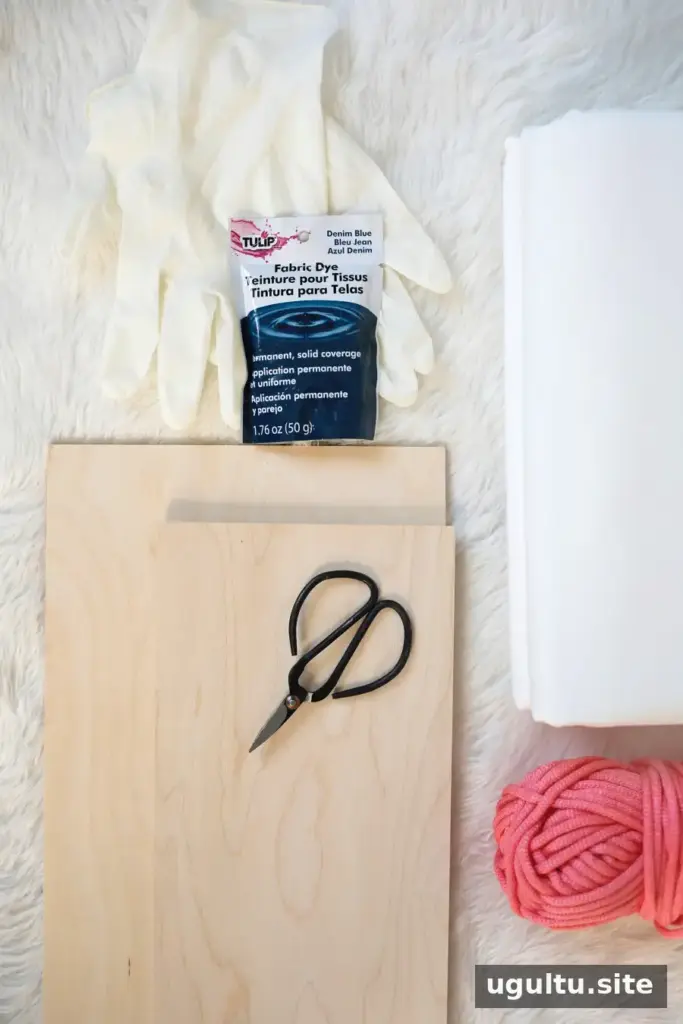
- IKEA DVALA duvet cover
- 5 yards of rope or twine
- 2 packets of Tulip fabric dye in denim blue
- 1/2 cup table salt
- Plastic wrap
- 1/2″ x 6″ x 12″ balsa wood
- 1/2″ x 8″ x 16″ balsa wood
- Hand saw
- Rubber gloves
- Paint stir stick
- Scissors
How to make the shibori duvet cover
1. Fold the duvet cover
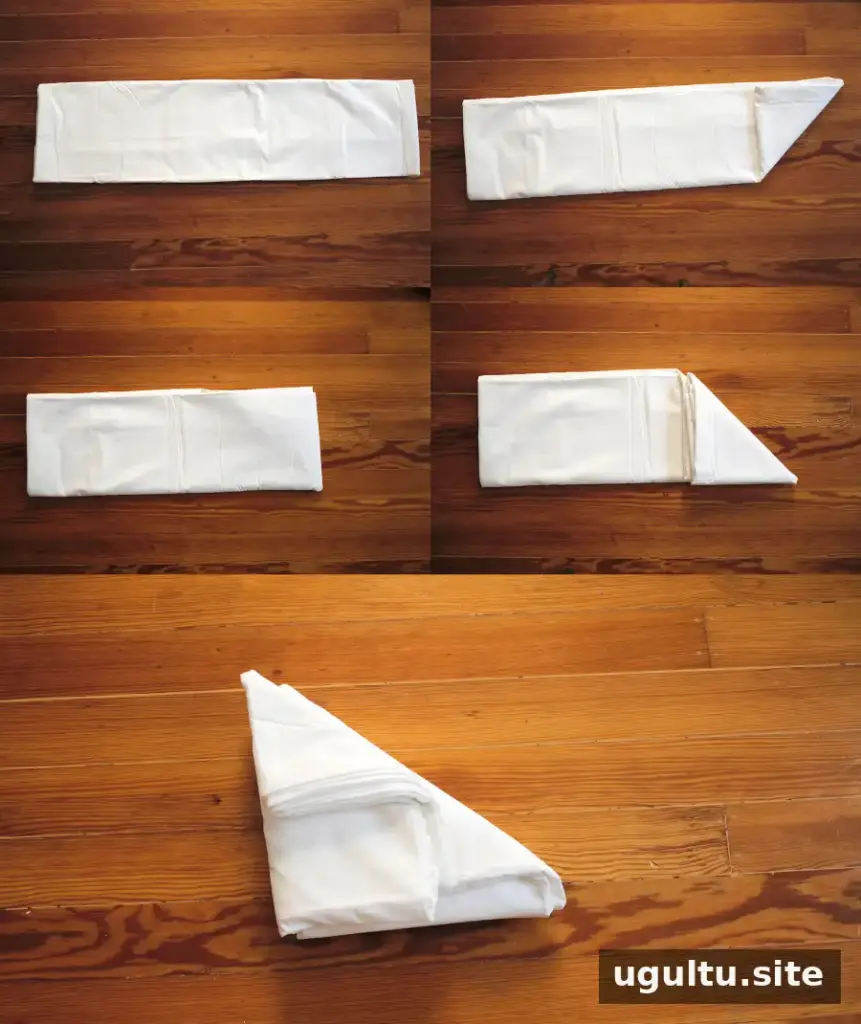
Remove the pillow shams and unfold the duvet cover. Arrange the fabric into a long rectangle, using its existing folds as a starting point if helpful. Fold the fabric back and forth in alternating triangles, much like folding a flag. The folds do not need to be perfectly even; any extra fabric at the end can remain as it is.
2. Add the wooden resist pieces
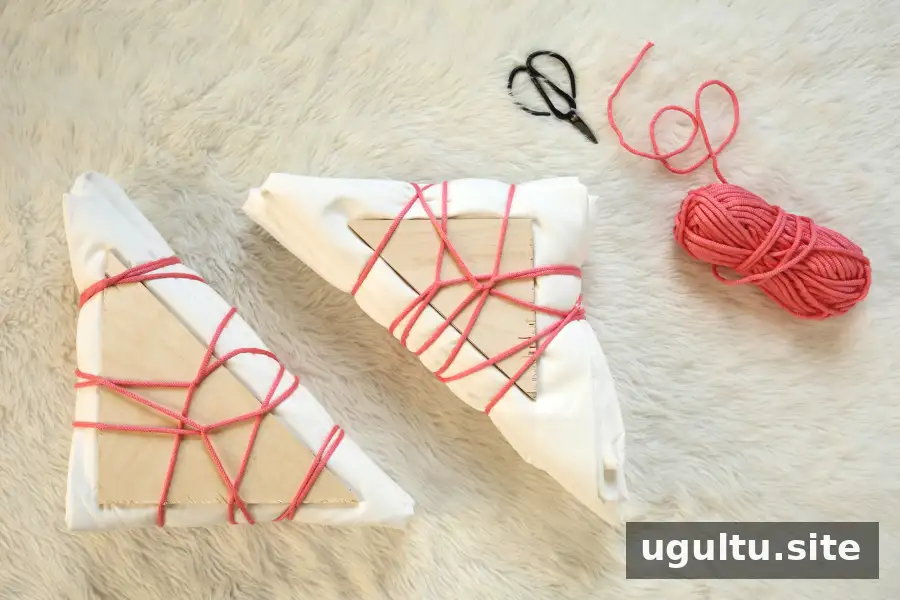
Use the hand saw to cut the balsa wood into two triangles that are roughly the same size. Place the folded fabric between the wooden pieces and bind the bundle tightly with rope or twine. The wood blocks areas from absorbing as much dye, creating the resist pattern. Larger triangles generally leave more undyed space; smaller triangles leave less. Secure the bundle firmly, but take care when handling the saw and cut wood.
3. Mix the dye
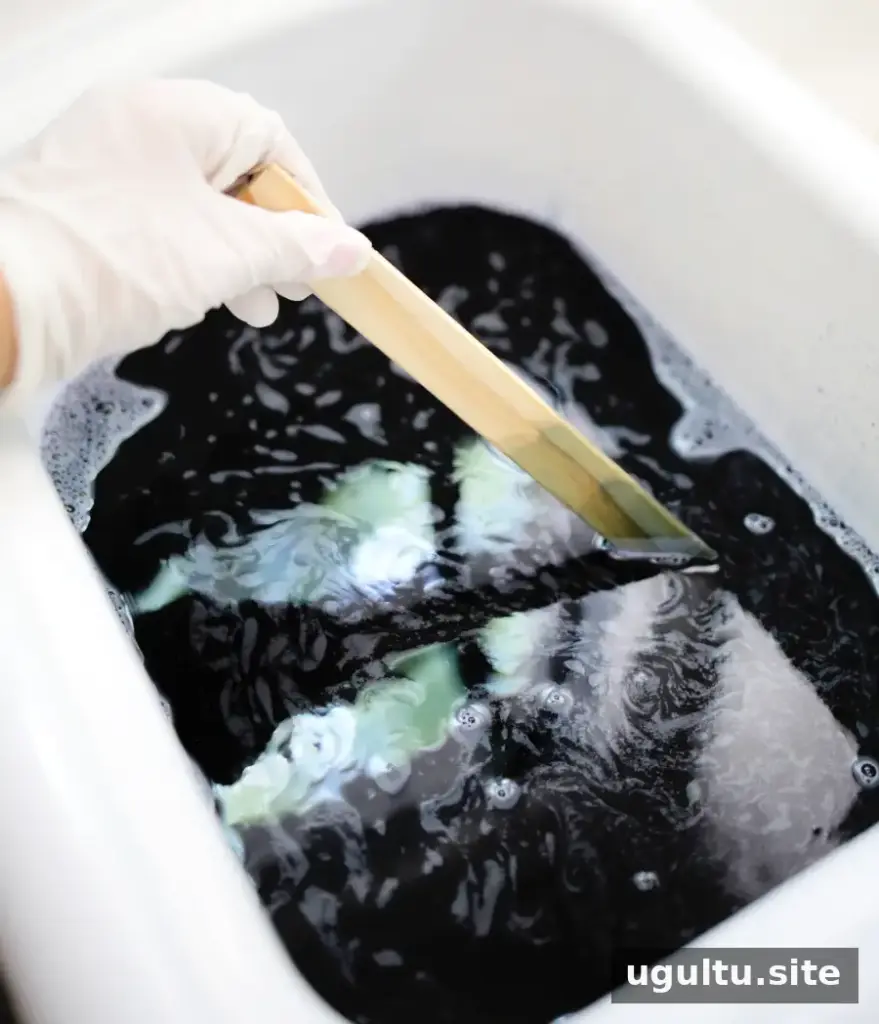
Prepare the dye in a stainless-steel sink or a large bucket. Add two packets of denim-blue fabric dye to about 1.5–2 gallons of the hottest tap water, then add 1/2 cup of table salt according to the dye manufacturer’s directions. Stir with a paint stir stick until the mixture is prepared. Wear rubber gloves and protect nearby surfaces from splashes.
4. Soak and let the color set
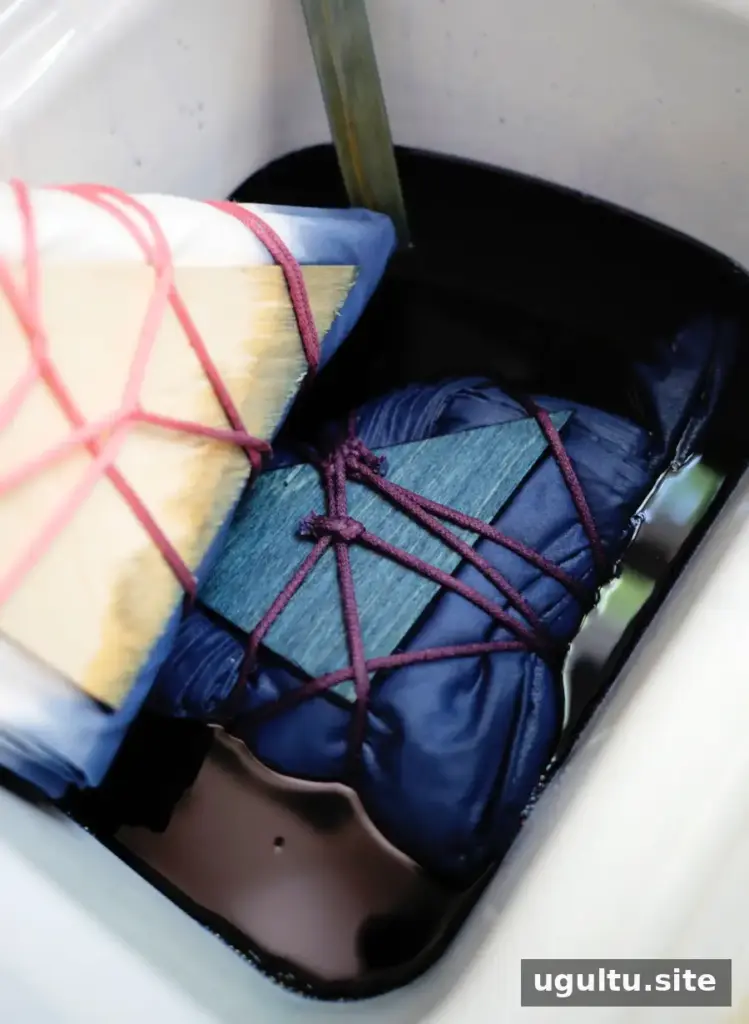
Submerge the bound duvet cover in the dye bath. If it floats, use a suitable weight on top of the wooden pieces to keep it underwater. Stir almost continuously for 15 minutes, then stir occasionally for the next 45 minutes. Lift the bundle out and allow excess dye to drain. Wrap it in plastic wrap and leave it to set for 6–8 hours for a deeper blue. For a lighter, subtler result, reduce the setting time to about 1.5 hours.
5. Rinse and wash
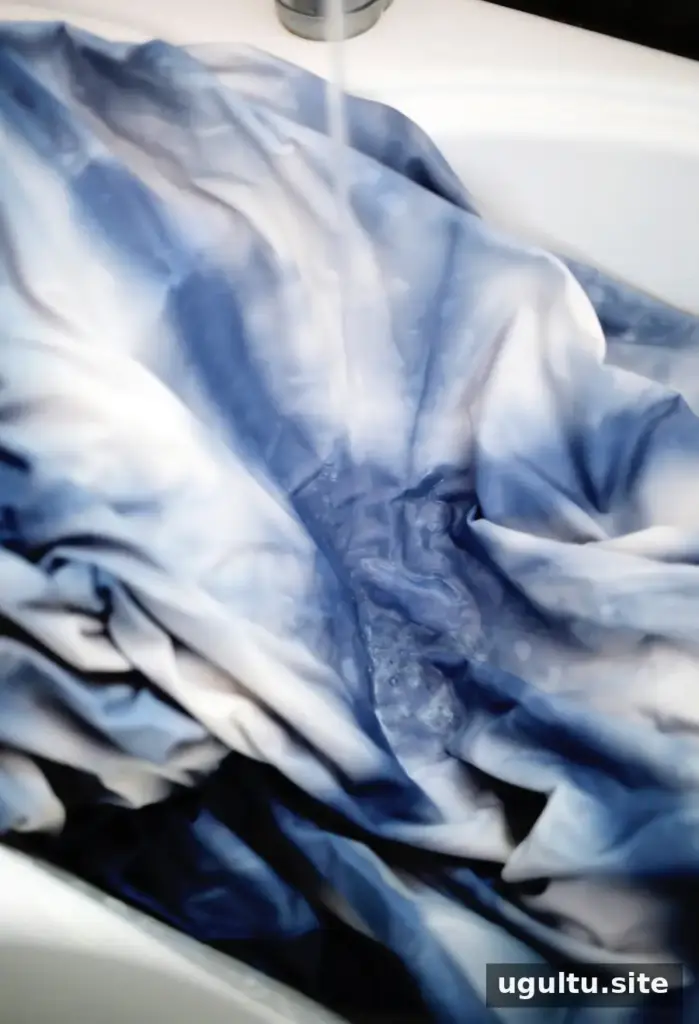
After the dye has set, rinse the fabric with cold water. Wash it in warm water with a small amount of color-safe detergent, then tumble dry on low. The color may soften after washing and drying, so account for that when choosing the setting time.
6. Finish the bed
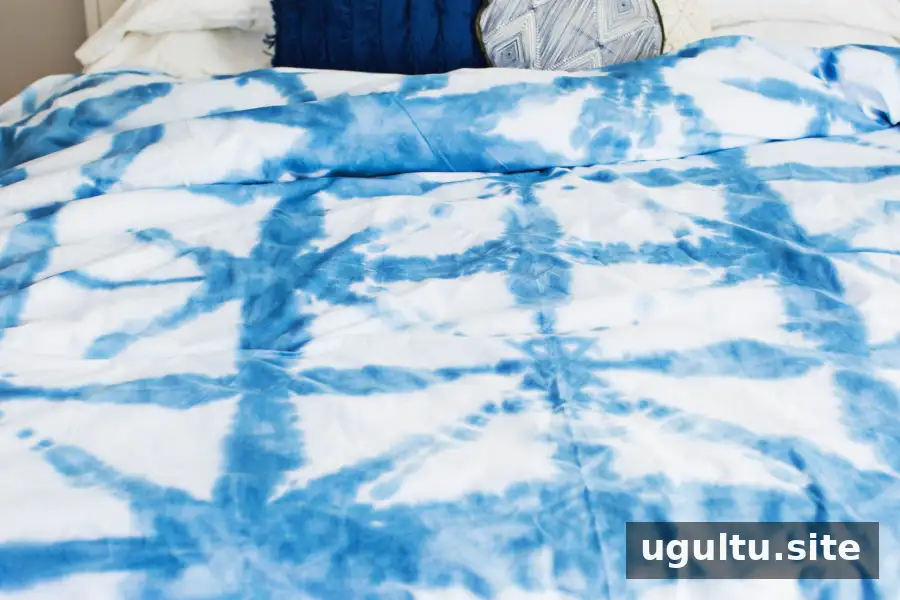
Remove the binding and wooden pieces, place the duvet insert inside the cover, and arrange the bedding. Pairing the patterned cover with plain white sheets keeps the finished look balanced.


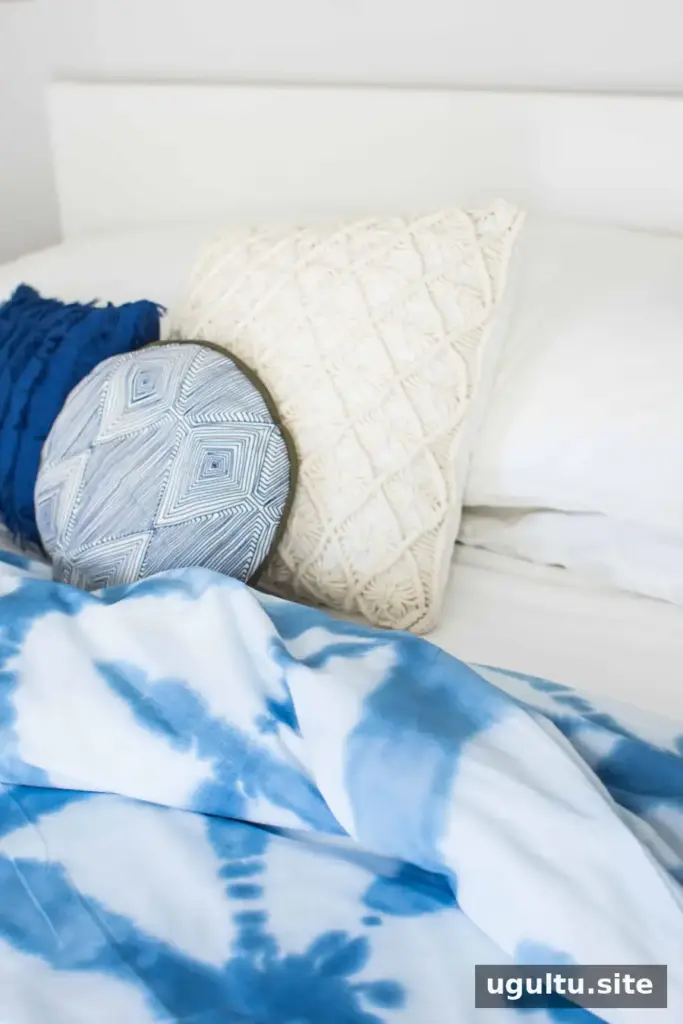
Bring a restful feel to the room
A handmade shibori duvet cover can become the main color accent in a bedroom. Keep other textiles and decor relatively simple if you want the blue pattern to remain the focal point. A bedside lamp makes the space more practical for reading, while flowers or textured artwork can add warmth without crowding the room.
Before dyeing a full duvet cover, review the dye instructions and make sure your work area is easy to clean. The folded resist method naturally produces variations, so the finished pattern will be individual rather than perfectly uniform. With a few considered details, this bedroom refresh can create a calm, personal retreat. — Rachel