
 admin
A nursery tour can offer inspiration for creating a welcoming baby’s room that feels both personal and practical. Sarah’s daughter’s room was the first space the family decorated in their home. The makeover focused on brightening a dark room, adding comfortable places to read and rest, and making use of a layout with low-ceiling corners.
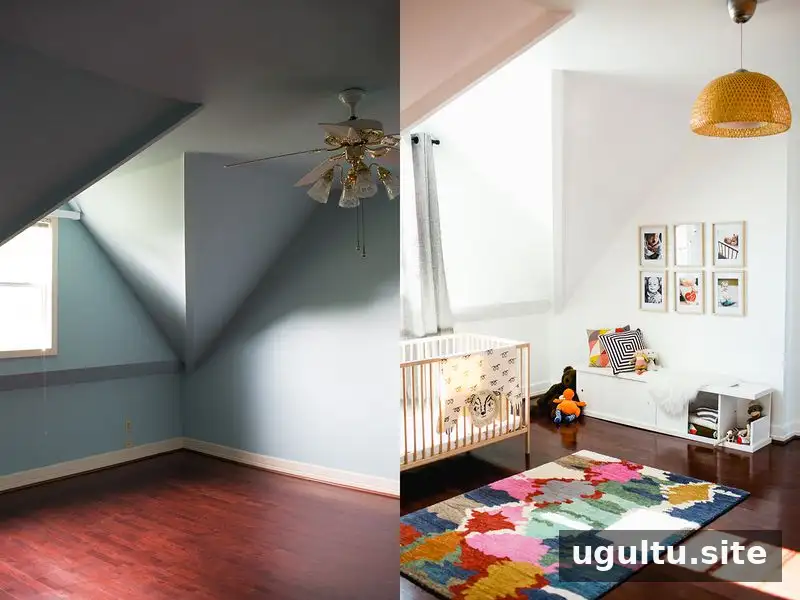
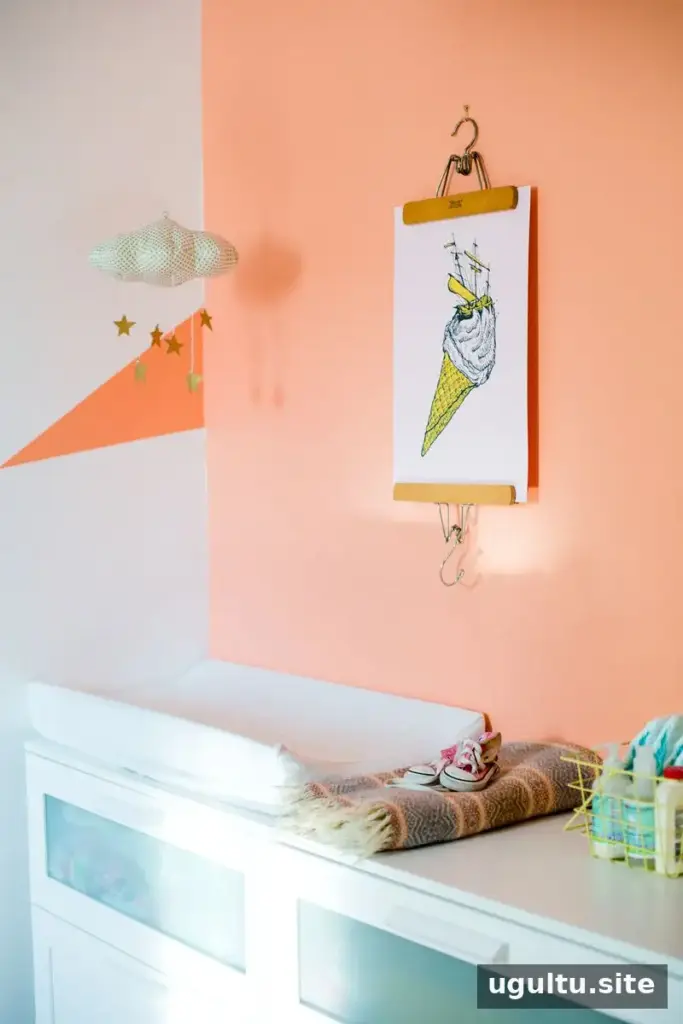
The room was blue when the family moved in. Although the color was appealing, the small window left the space feeling dark, so they chose Ultra White for most of the walls and Apricot Jam for one coral accent wall. Covering the blue required four to five coats of white paint. They also painted the trim bright white, since the previous dark-tan finish stood out against the newly painted walls. When changing a room from a darker color to a lighter one, allow extra time and check whether the existing trim will need updating too.
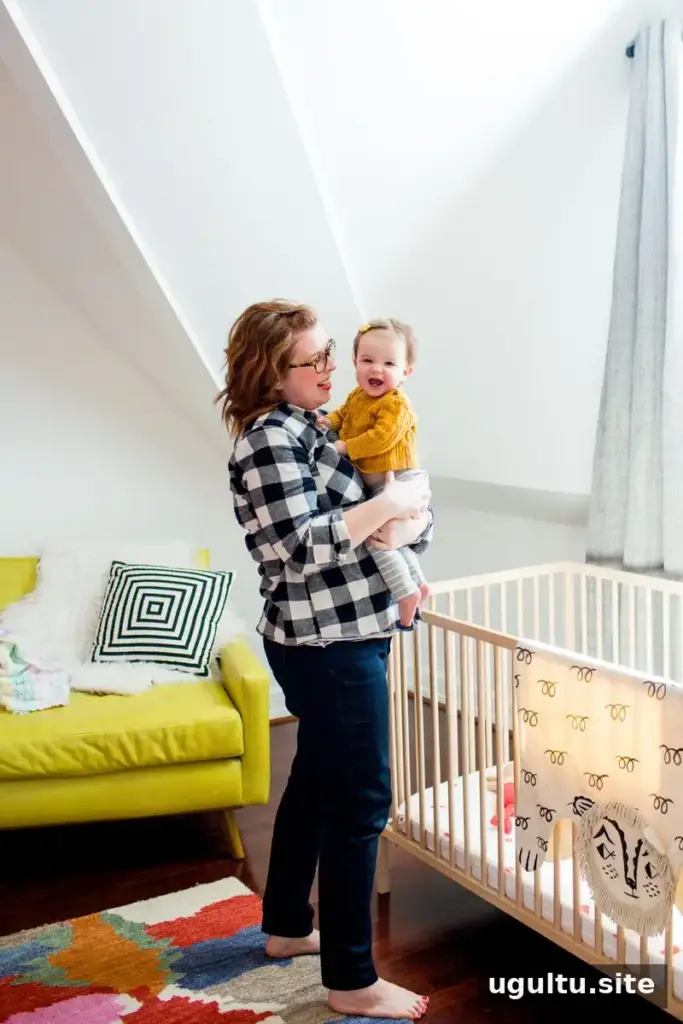
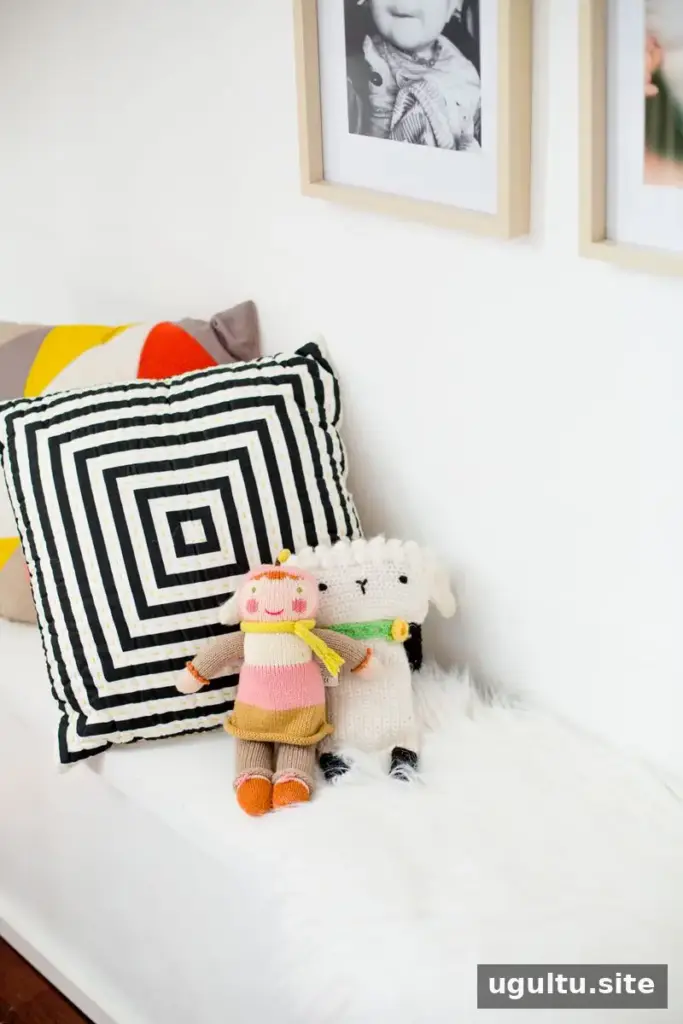
Nursery tour: seating and reading corner
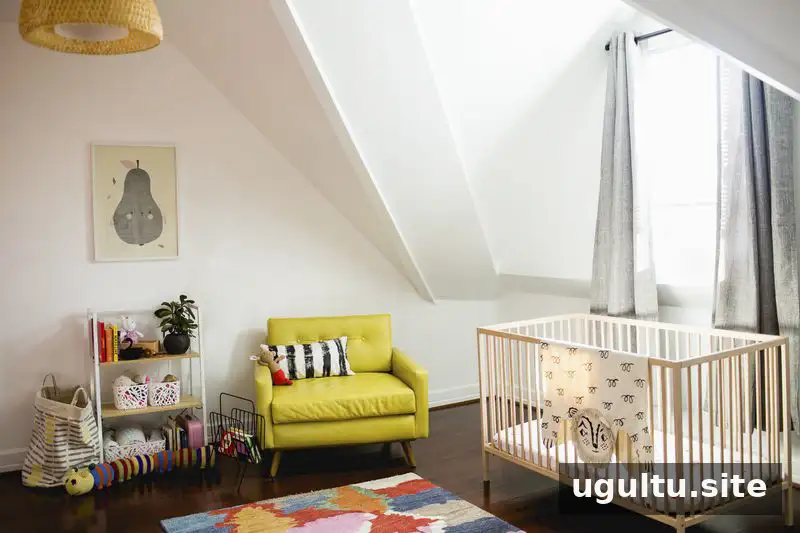
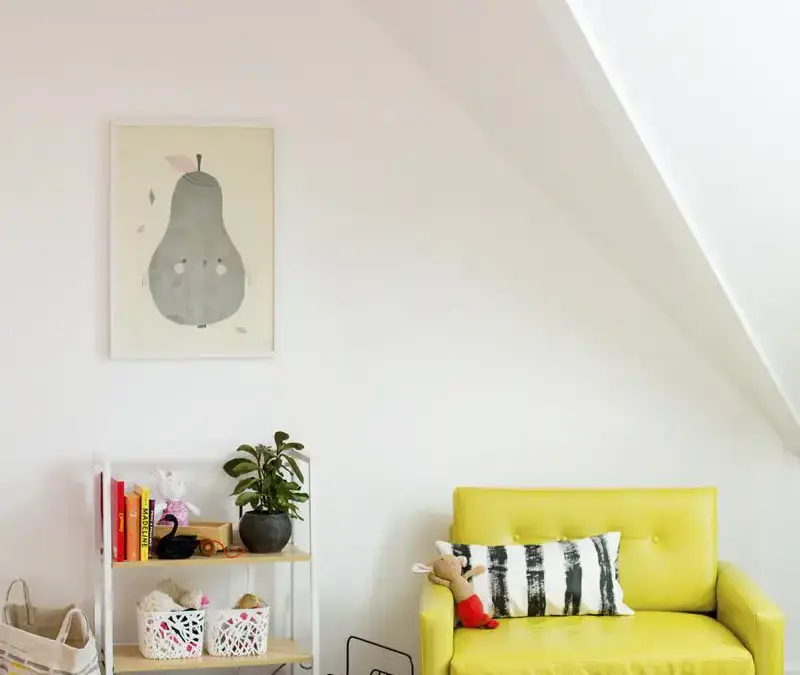
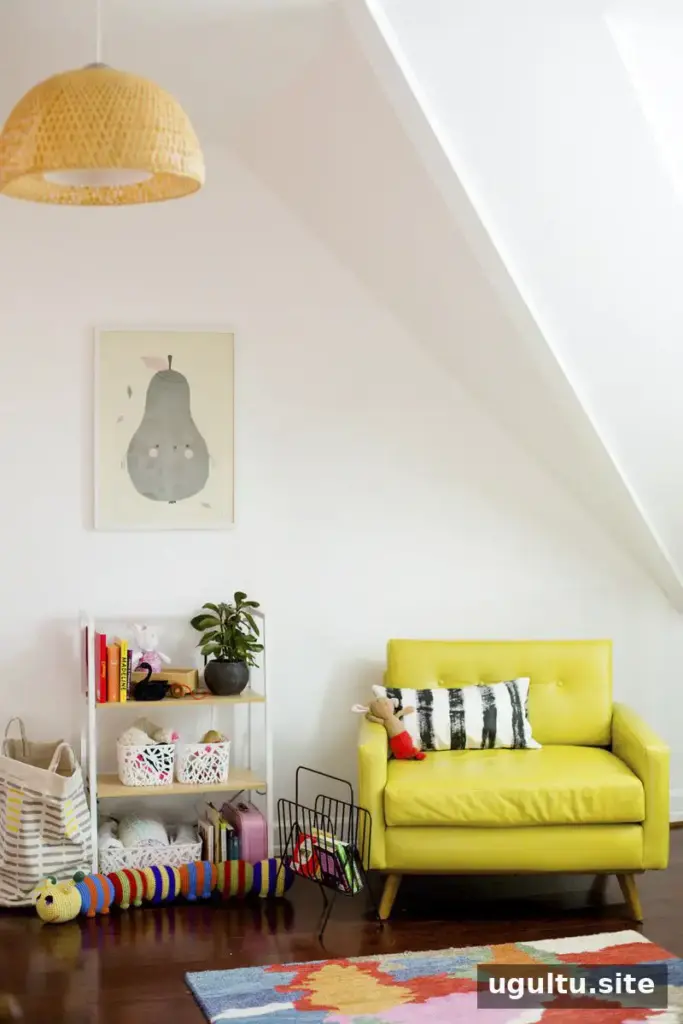
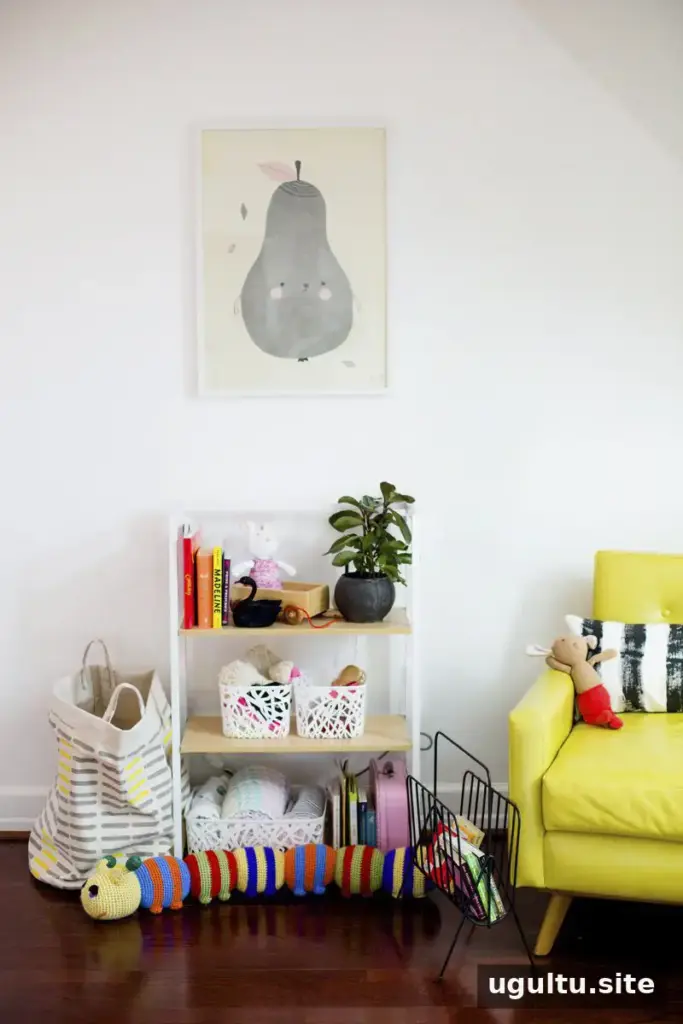
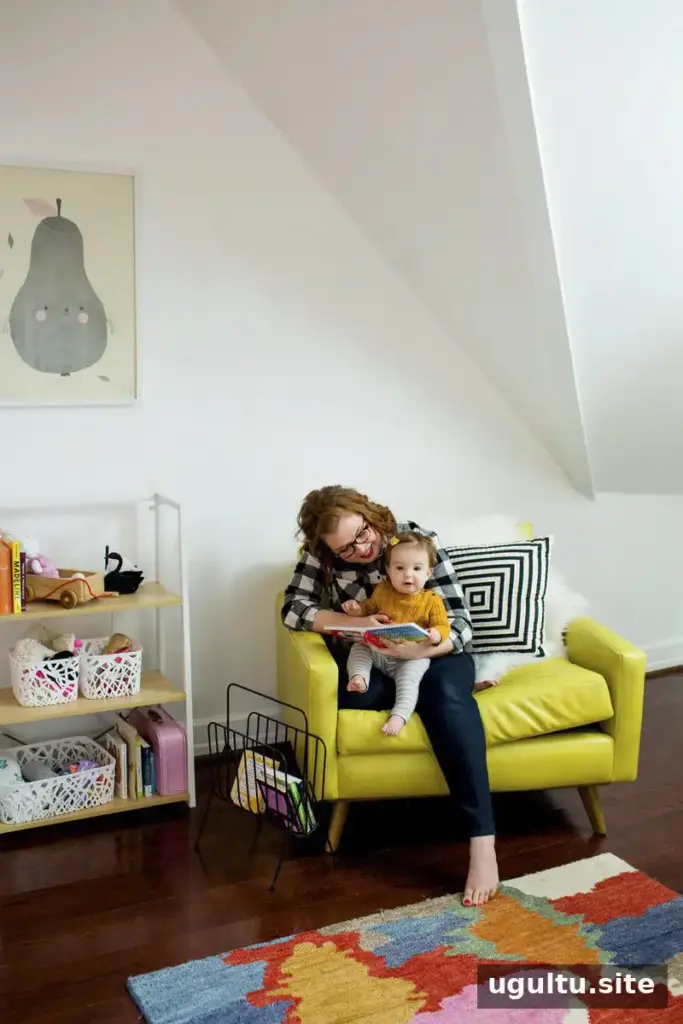
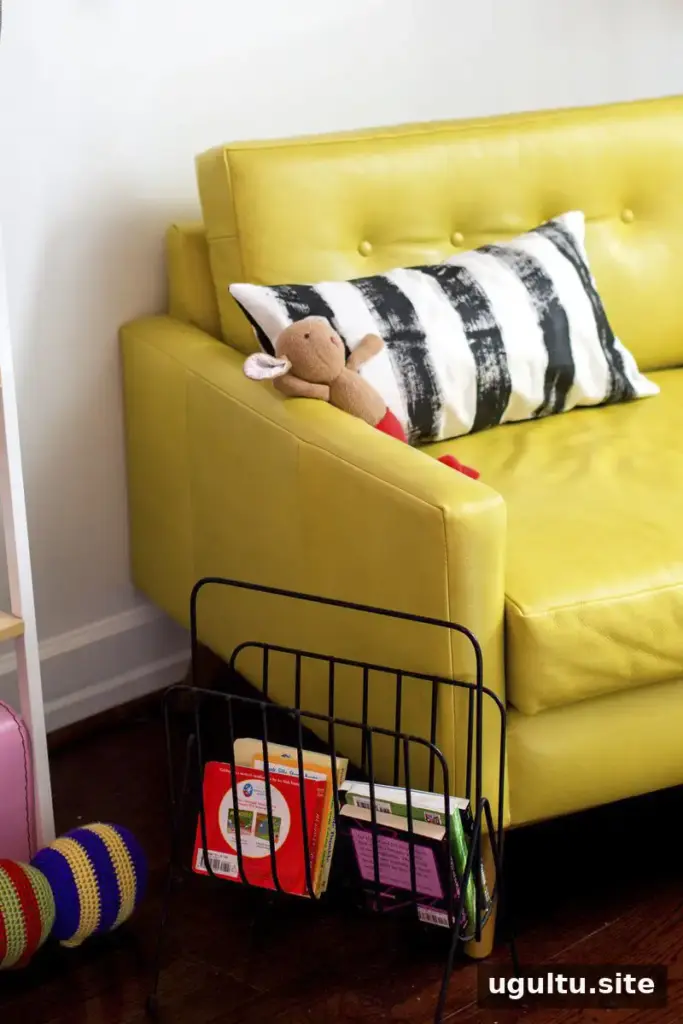
A comfortable chair became an everyday spot for feeding, reading, and settling in during nap time. The family chose a leather Hopson chair to match a sofa they already enjoyed, and found the easy-to-clean surface useful after spills. A sturdy, wipeable chair can be a practical choice in a nursery where it will see frequent use. The long caterpillar on display was made by Sarah’s grandmother, making it one of the room’s most personal decorations. Dolls from Hazel Village and a Blabla doll also became favorites.
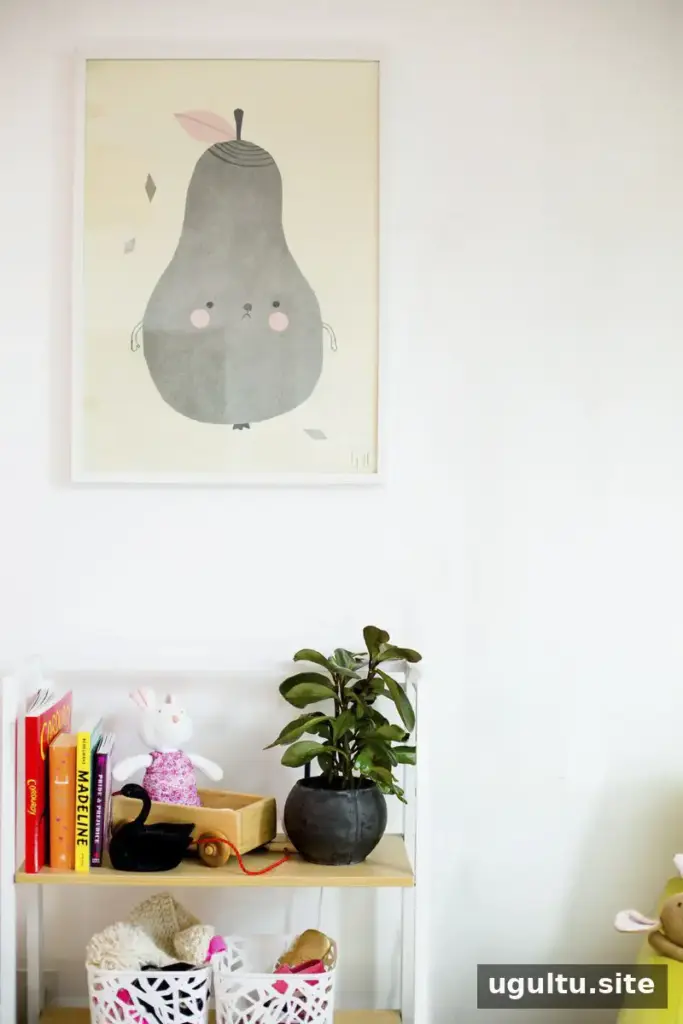
The reading corner includes a pear print that was among the first decorations chosen for the room. Greenery was kept to a minimum because the child had started reaching for plants. If a baby or toddler can access houseplants, check that each variety is safe for children and pets, and place plants out of reach when necessary. Knowing which plants are in the room can also help caregivers respond quickly if a child chews on one.
A simple crib and personal touches
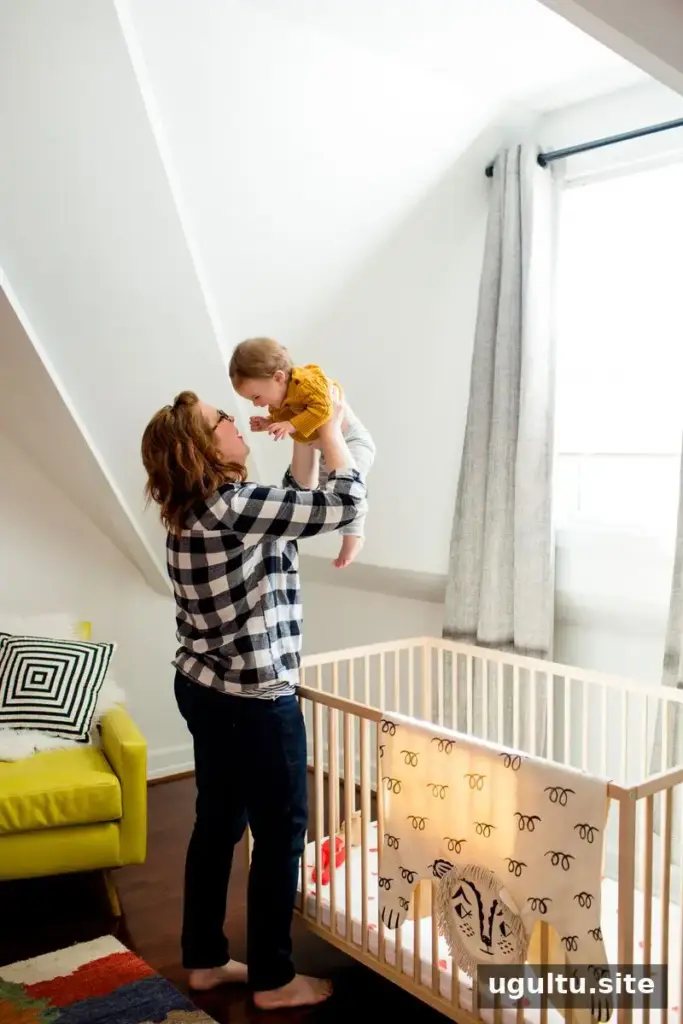
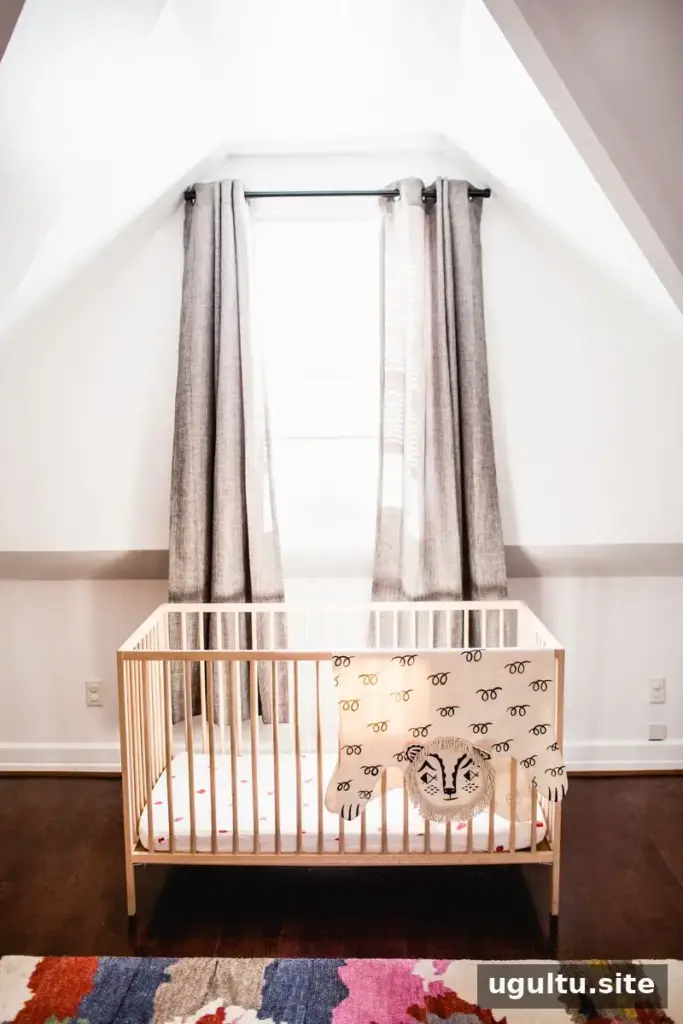
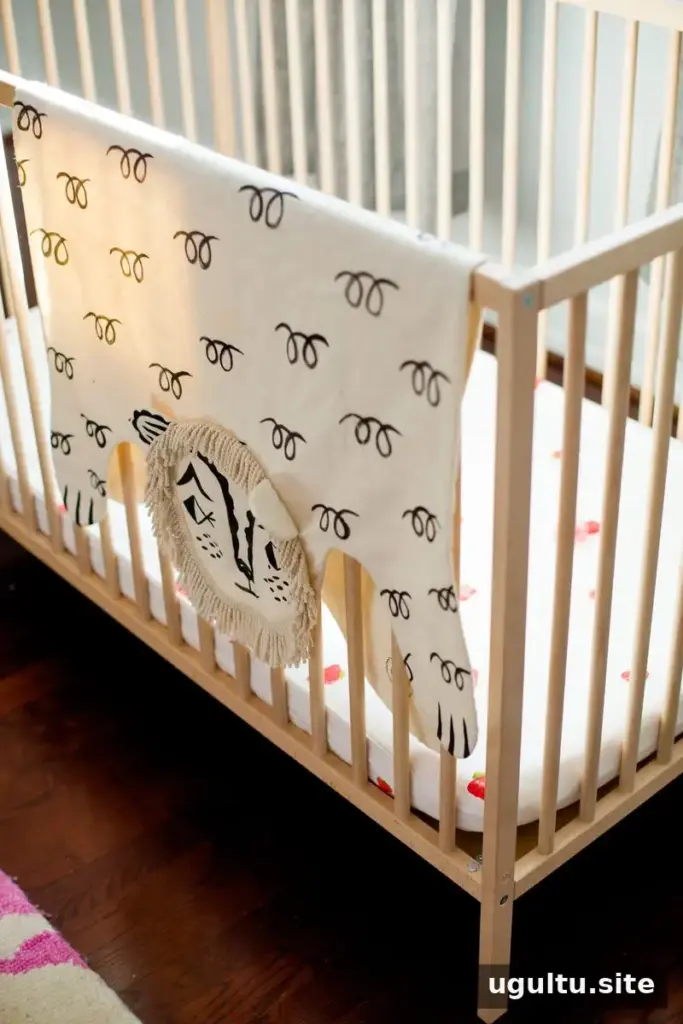
The family chose a natural-wood crib when their budget was limited before a long-distance move from Arizona to Missouri. It cost $70 and held up well. A strawberry-stamped crib sheet made at home had been used for five months and remained vibrant after many washes. The lion blanket was a baby gift and became another well-loved item. For sleep, follow current safe-sleep guidance and keep blankets, toys, and other loose items out of the crib.
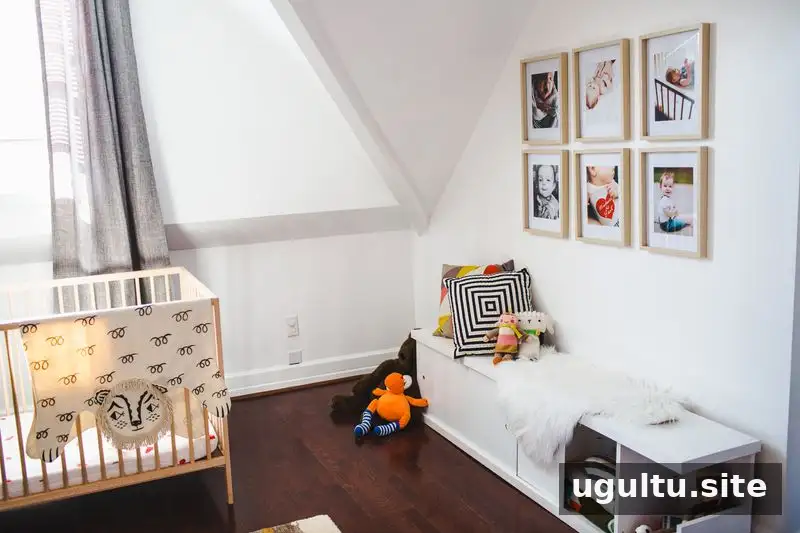
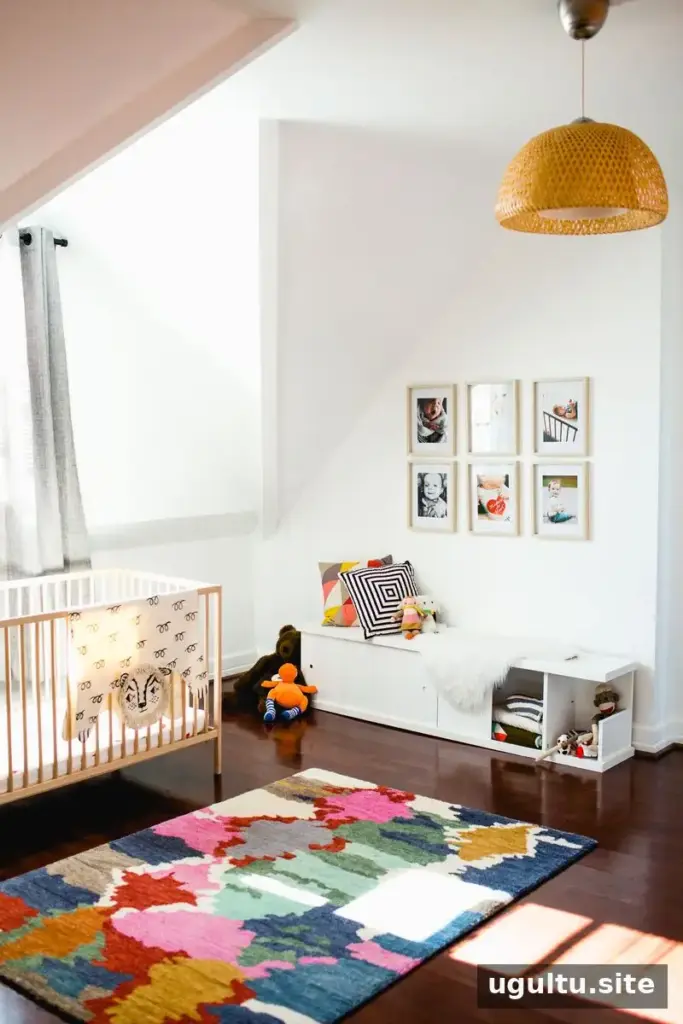
A storage bench made by Josh helps make the room’s awkward layout more functional. Two corners have low ceilings, so a bench provided useful storage without requiring a tall piece of furniture. Measuring low-clearance areas before choosing storage can help prevent wasted space and make furniture easier to arrange.
The family chose a ceiling pendant for a soft, cozy glow and removed the ceiling fan in favor of the room’s preferred look. In warmer weather, a portable fan can be considered as an alternative, provided it is positioned safely and kept out of a child’s reach. Lighting choices are worth considering for both daytime use and evening routines.
Organizing the changing area
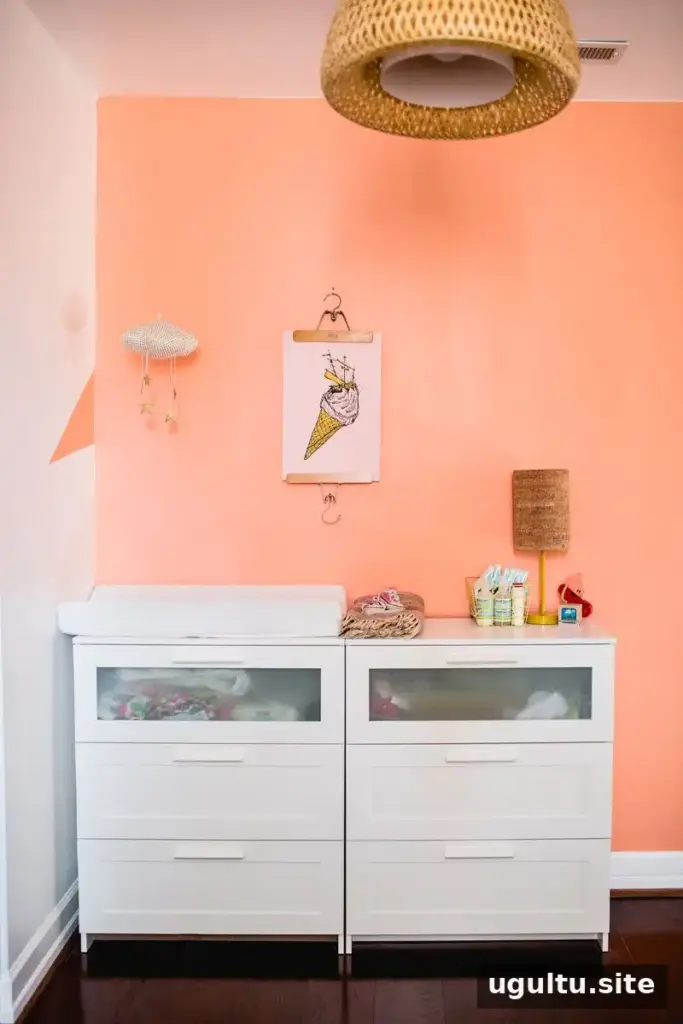
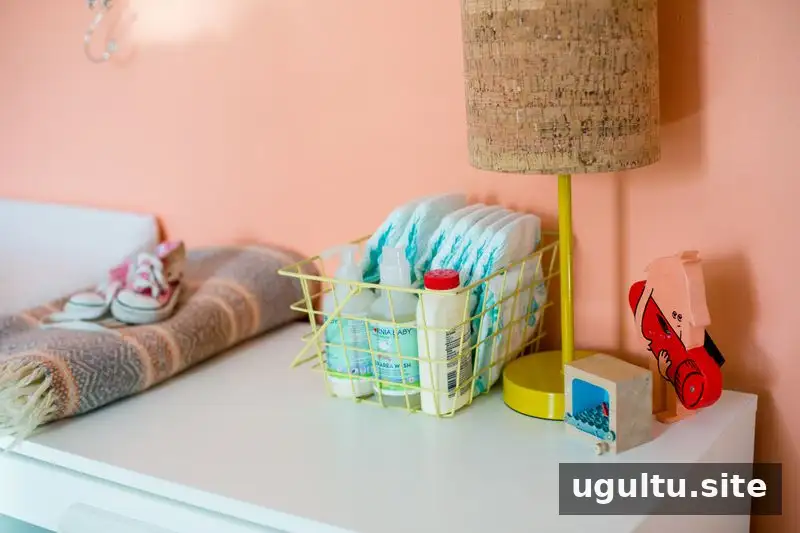
The changing-table area needed to account for a curious child who was beginning to pull at nearby objects. A framed print by Josh and a cloud-and-star mobile made by their friend Jahje added personality. Sarah also noted that the frosted-glass drawers revealed the family’s imperfect organization. Closed storage can help keep everyday supplies contained, but keep anything unsafe or needed during a change within an adult’s reach rather than leaving a baby unattended.

What this nursery tour shows
Sarah’s nursery tour highlights a few useful ideas: brighten a dim room with a considered paint plan, choose furniture that suits the space and daily routine, and use handmade or gifted pieces to make the room feel personal. Practical details—such as durable seating, accessible storage, and child-safe placement of decorations—can make a nursery more comfortable to use as a child grows.
By Sarah


