
 admin
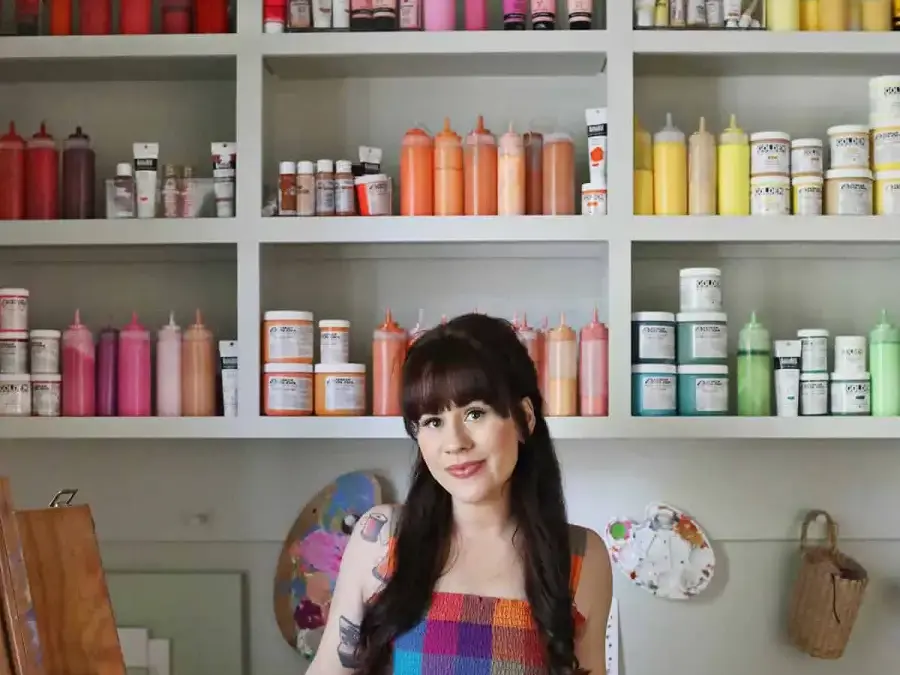
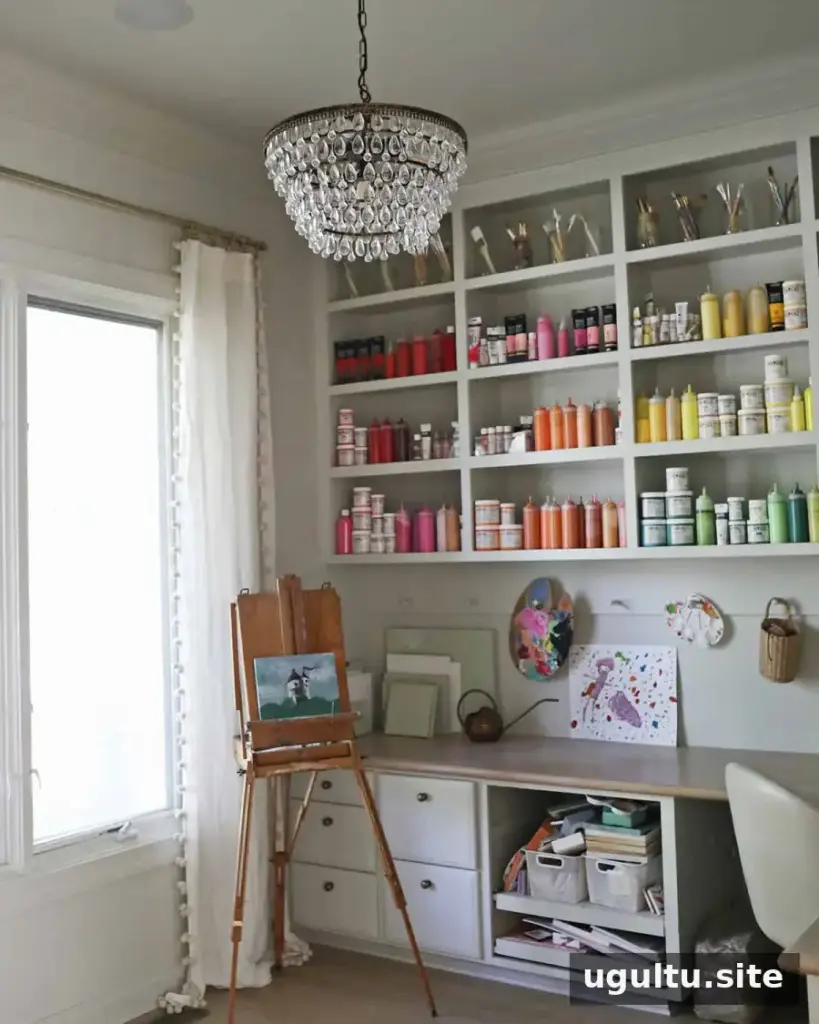
An art studio can turn an ordinary room into a practical place for painting, pottery, crafts and time together. This colorful home art studio was created during a yearlong renovation of a 1990s house, transforming a plain office into a shared creative space for an adult and two children. Its built-in storage and clearly defined activity areas help make room for both supplies and hands-on projects.
Creating a Shared Art Studio
The studio is designed for both adult projects and children’s art activities. It holds acrylic paints, painting tools and ceramic supplies, with clay stored beneath the desk. Sharing a room makes it easier to work on projects together, although regular creative use can also mean more cleanup. Keeping frequently used materials within reach and returning them to designated spots can make the room easier to reset after each session.

A small easel found at an estate sale adds a useful display and painting surface. When planning a similar room, consider which activities happen most often and leave enough clear workspace for them. A dedicated area for messier projects can also help keep supplies and finished work organized.
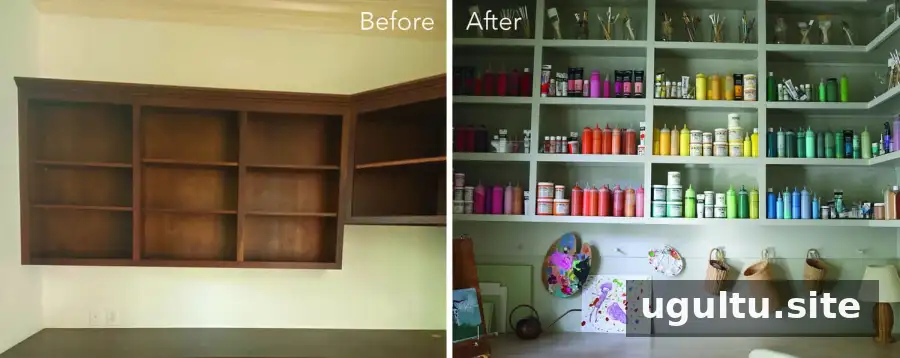
Art Studio Before and After
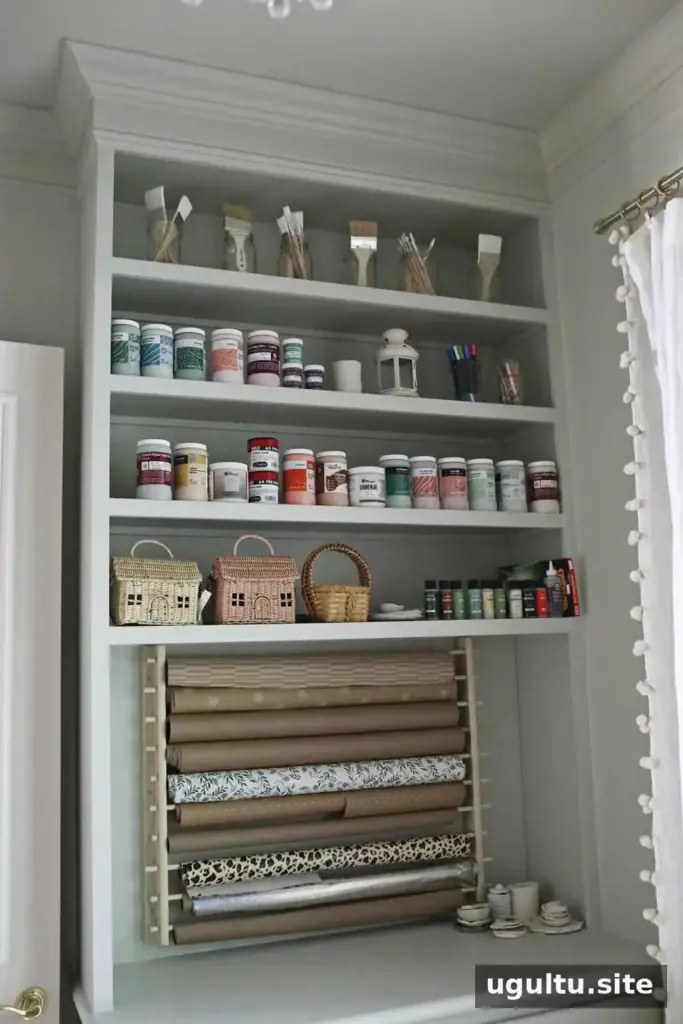
The original room had existing cabinets that provided a useful foundation for the renovation. Rather than replacing everything, the cabinetry was extended with shelves reaching the ceiling. The trim was removed and reinstalled to create a more integrated, built-in appearance, and the cabinets and walls were painted to match.
Using existing cabinets can be a practical way to add storage while making use of what is already in the room. Before adding shelves, measure the available wall space and think about the size of the items they will hold. Keep heavier or frequently used supplies at an accessible height, and reserve higher shelves for materials that are used less often.
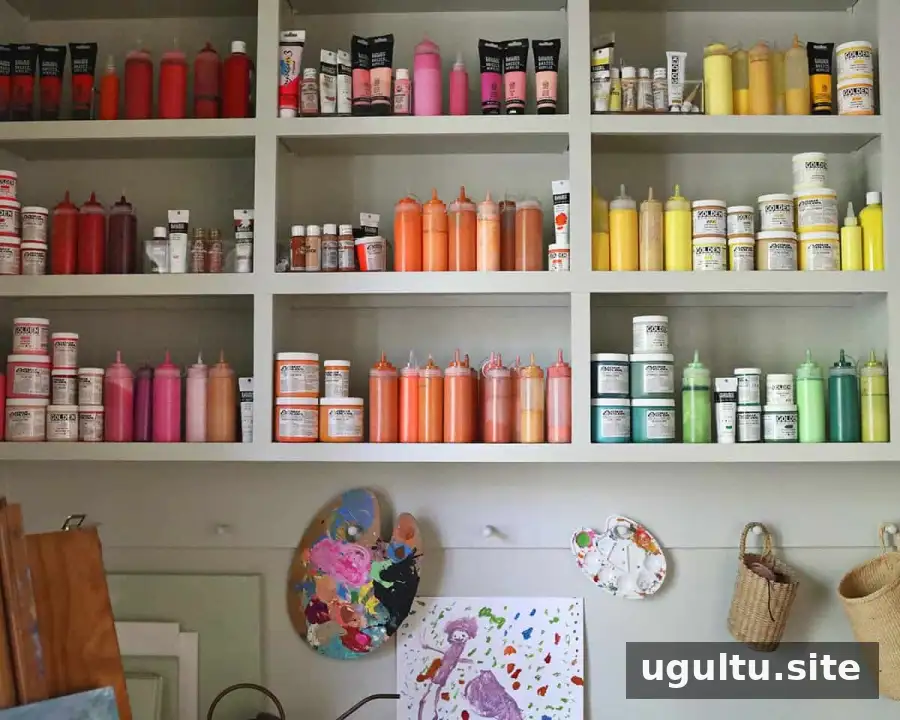
The room stores acrylic paints, painting supplies and ceramics in one place. Paint was transferred into squeeze bottles, which are convenient for dispensing and give the collection a consistent look. For a similar setup, label containers clearly and make sure each one is suitable for the material being stored. Keeping paint types separate can also make it easier to find the right supplies for a project.
Both craft paint and higher-grade acrylic and oil paints are kept in the studio. Craft paint can be a practical choice for many everyday projects, while more specialized paints may suit work that calls for particular materials or finishes. Choose supplies according to the project and budget, and store them following their package instructions.
Storage for Wrapping and Pottery Supplies
A dedicated gift-wrapping station is another feature of the room. Pottery glazes and works in progress are stored in the same area, making the space useful for several kinds of creative work. Separate containers or clearly marked sections can help keep wrapping materials apart from art and pottery supplies.
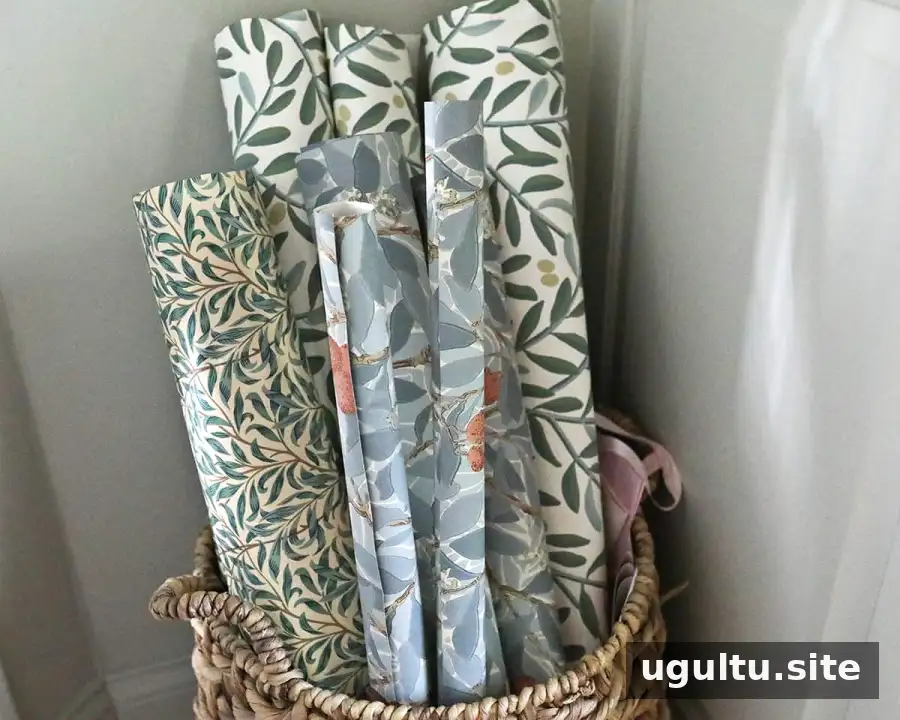
Leftover wallpaper is displayed as decoration, bringing together patterns that add color and visual interest. Using remnants this way can be a simple option when a room has extra wallpaper available. Arrange pieces before putting them up to check how the colors and patterns look together.
Planning an Art Studio at Home
- Build storage around the supplies and projects you use most.
- Keep commonly used materials easy to reach and label containers.
- Allow clear workspace for painting, drawing or other activities.
- Plan for cleanup by giving tools and materials a regular place.
- Use existing furniture or cabinetry where practical, and add storage gradually.
This art studio shows how a former office can become a flexible, colorful room for creative work and family activities. With thoughtful storage, accessible supplies and space for different projects, an art studio can be both inviting and easier to keep organized.
Project notes by Elsie.


