
 admin
Anna Dorfman’s Victorian home is an 1891 rowhouse in Newburgh, New York, where historic character meets years of thoughtful, hands-on renovation. Anna, a book cover designer, and her husband Evan, a technologist and musician, share the house with their dogs, Bruno and Fritz. They also rent an apartment in Brooklyn, but Newburgh is the place they consider home.
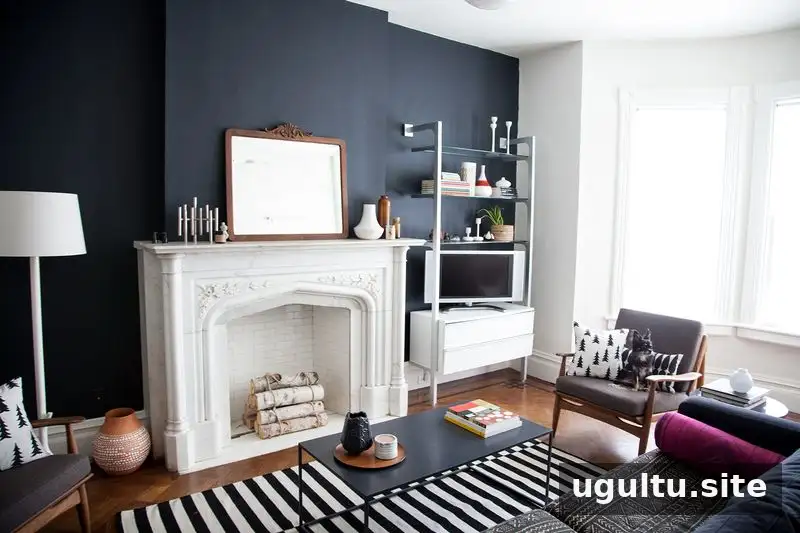
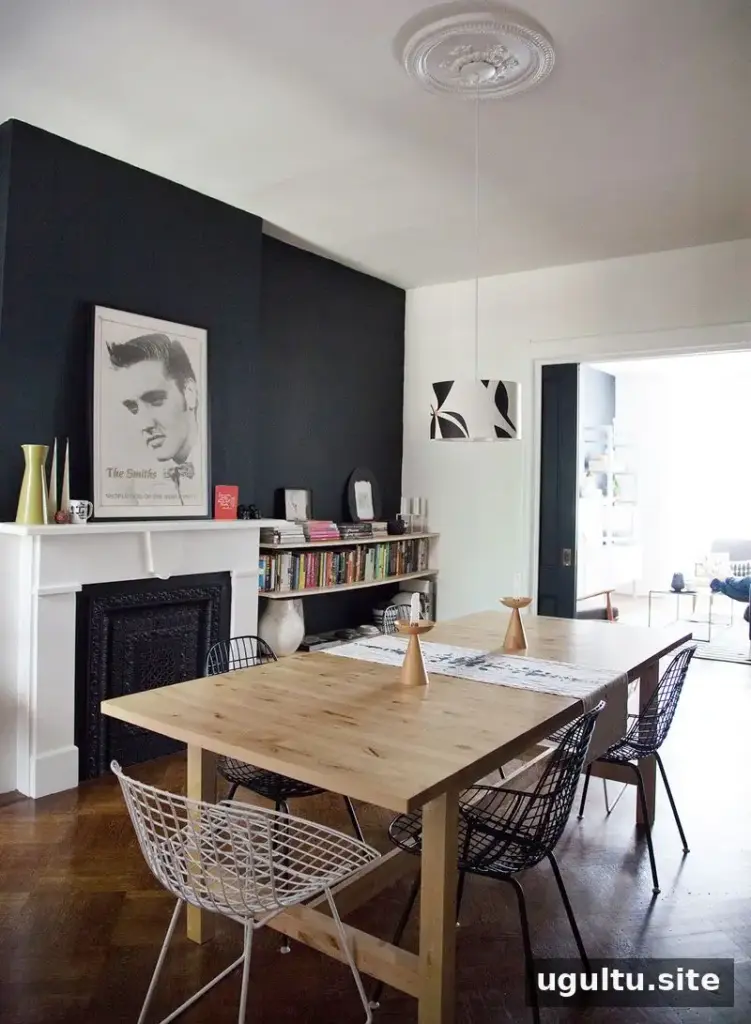
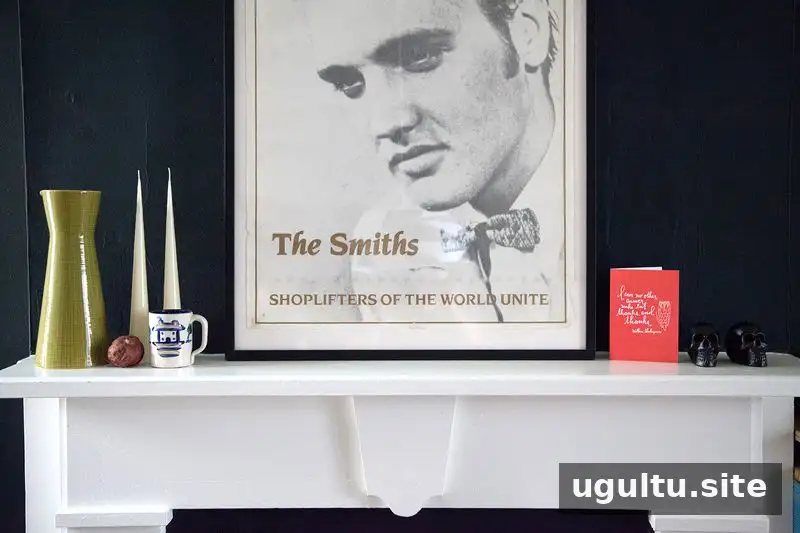
Anna Dorfman’s Victorian home in Newburgh
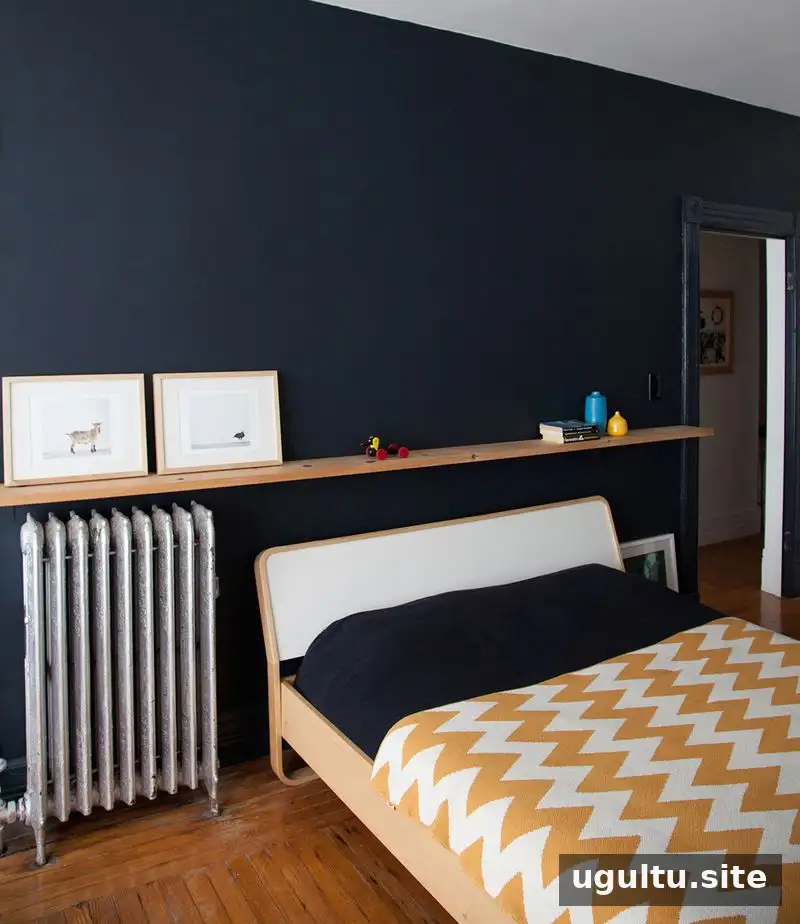
Located about 60 miles north of New York City in the Hudson Valley, the house sits on a bluff overlooking the Hudson River. At around 1,800 square feet, it has a classic rowhouse layout with windows at the front and back, four bedrooms, two bathrooms, and a small garden. The bedrooms serve different purposes: one is for the couple, one for guests, one for clothing, and one for work.
The couple divides time between Brooklyn and Newburgh according to their work schedules. They approach improvements as a long-term project, taking on renovations as time, budget, and immediate needs allow. Their practical takeaway for anyone restoring an older home: set a manageable pace, and make choices that suit how you live rather than focusing only on resale.
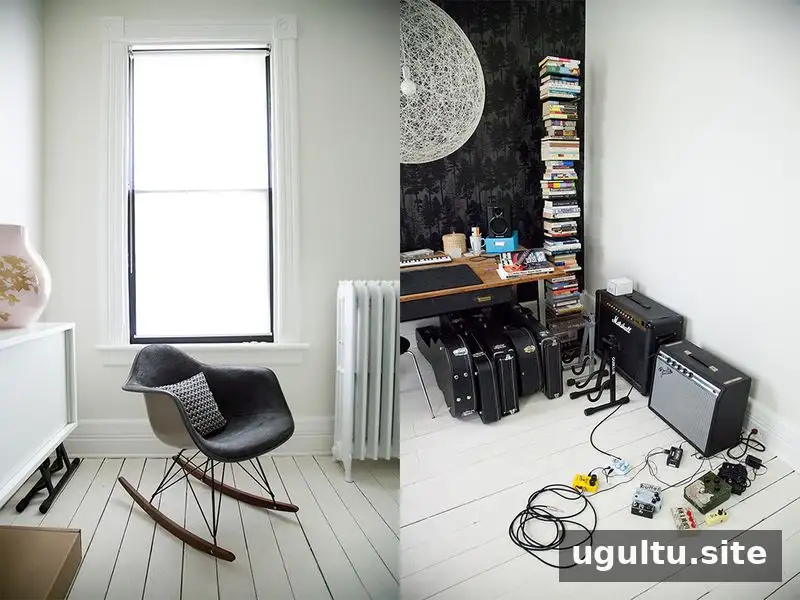
Preserving the house’s original details
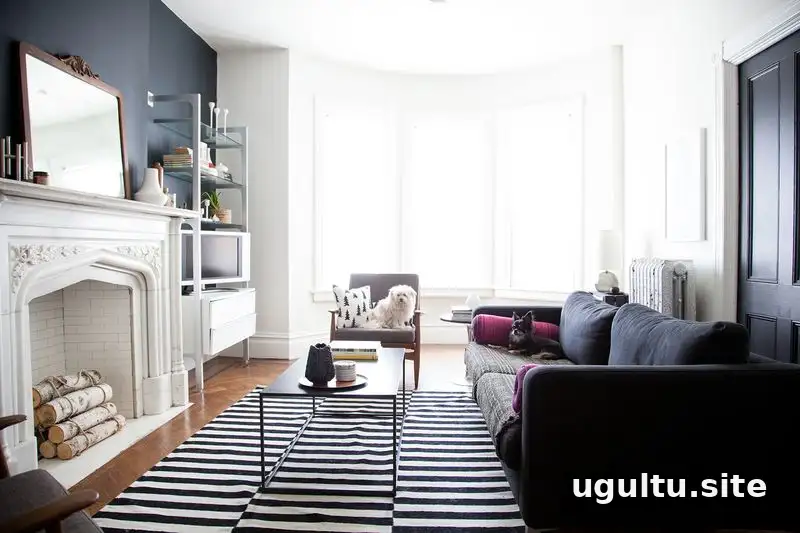
For Anna, the house itself is the most meaningful discovery. Newburgh is home to one of the country’s largest historic districts, and the neighborhood has also experienced periods of hardship and property neglect. When the couple bought the house in early 2006, it had been vacant, with plywood covering its windows. Despite its condition, many original features had survived, including wavy-glass windows, plaster walls, fireplaces, woodwork, and large front doors.
The owners see themselves as caretakers of a home with a history that predates them. Their renovation approach aims to repair what needs attention while respecting the original construction and considering the building’s future. With historic properties, it can be useful to document existing features before work begins and seek appropriate professional advice for structural, electrical, or plumbing repairs.
Living, working, and entertaining at home
The house supports both everyday life and creative work. Evan has an area for recording music, while Anna uses renovation and decorating as a way to improve the spaces around her. The dogs have room to settle throughout the home, and the couple has been making more effort to invite friends from New York City.
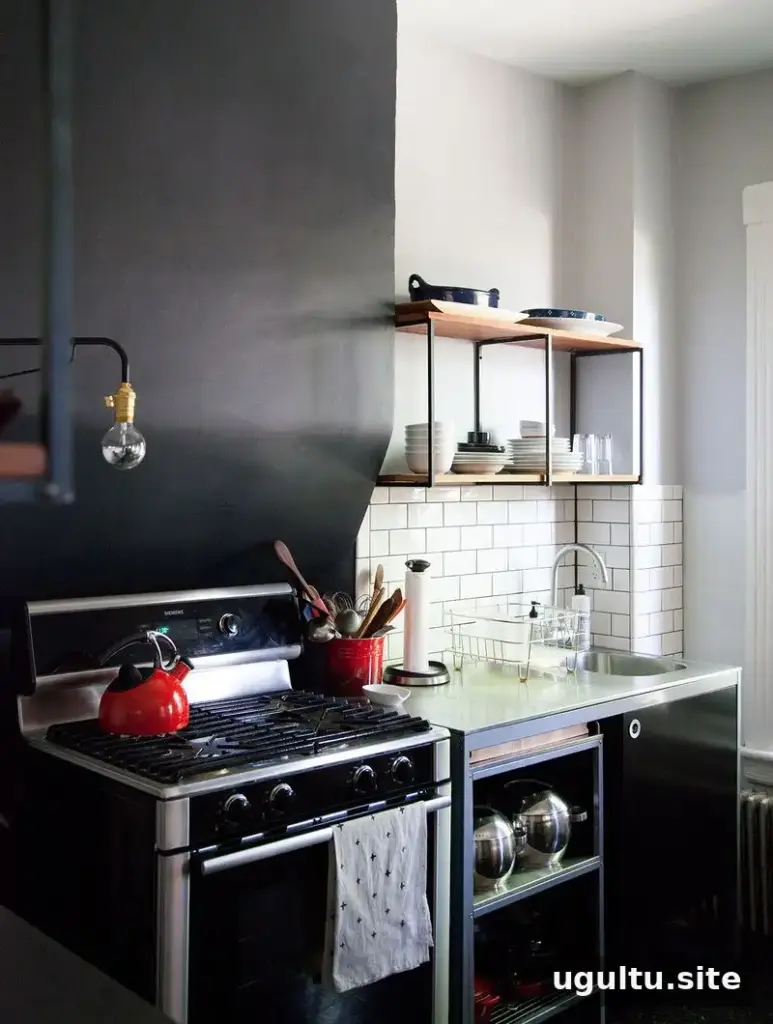
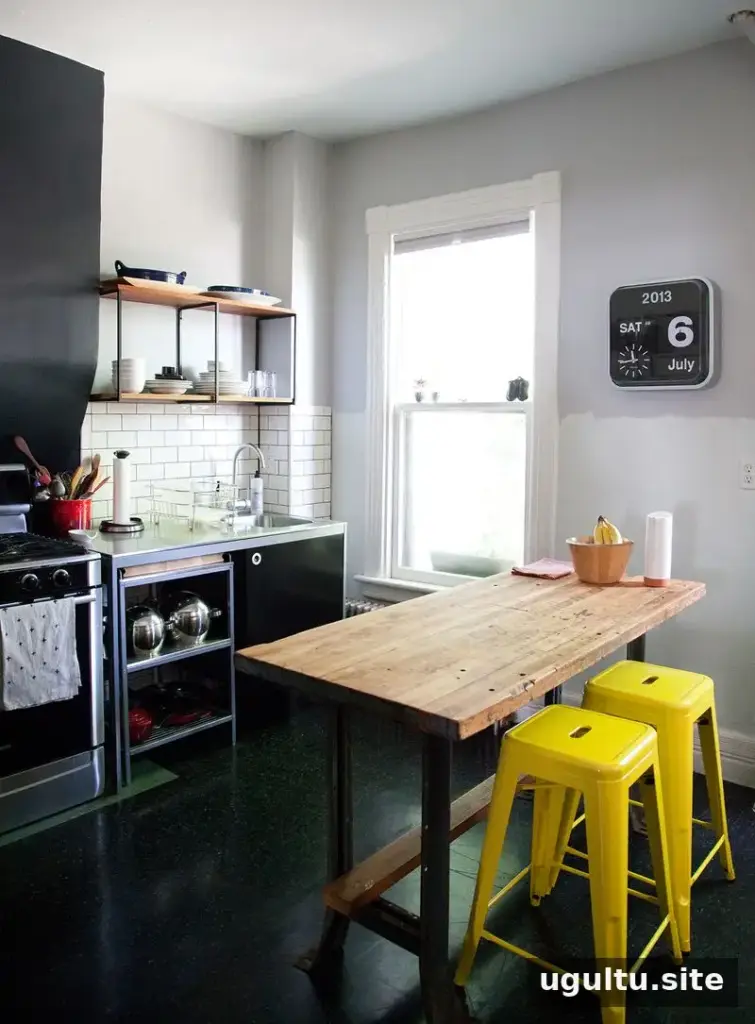
A recently renovated kitchen has made cooking for guests more enjoyable, and the couple has also completed a gradual garden renovation. The outdoor space offers another place to relax when mosquito season has passed. When planning a home for multiple uses, clear zones for work, guests, hobbies, and downtime can help make each room more functional without changing the overall floor plan.
A gradual, hands-on renovation
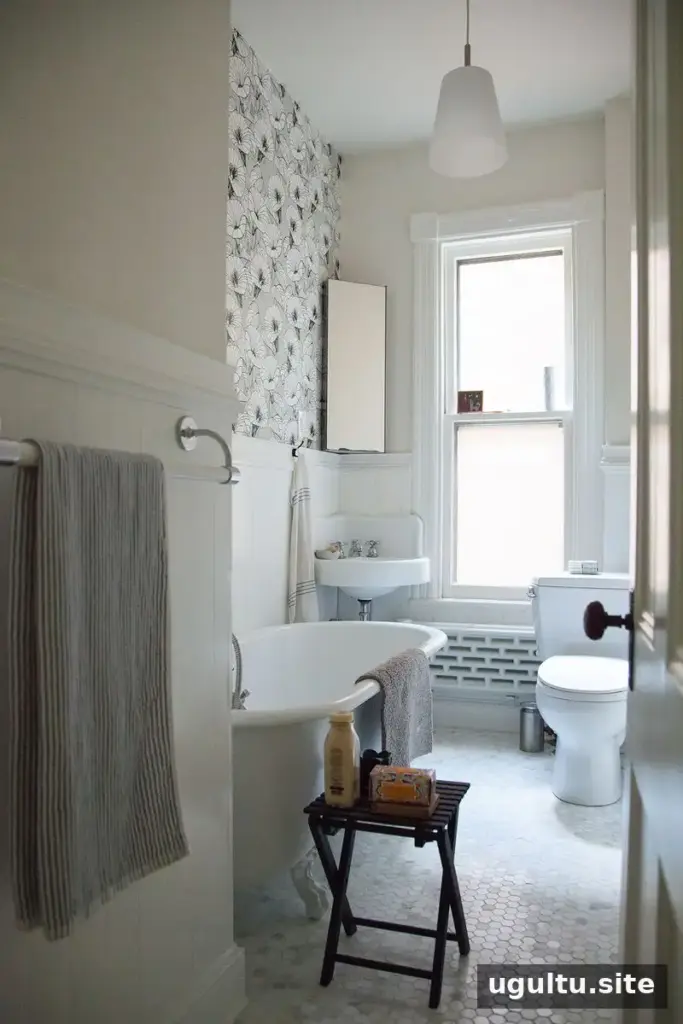
For four years, the couple lived in Newburgh full-time and commuted to and from New York City by ferry and train. After adding a Brooklyn rental, they continued returning to the house. Over the years, they have updated much of the property inside and out without moving walls. Their projects have included gutting bathrooms, sandblasting cast-iron radiators and tubs, repointing brickwork, replastering walls, and redoing electrical and plumbing work.
They have completed nearly all of the renovation work themselves, learning as they go. Anna’s kitchen project has moved forward in stages: she tiled two walls and planned to finish the other two after the radiators were removed for repair and refinishing. For a substantial renovation, breaking the work into phases can make it easier to manage time and costs. Tasks involving specialist trades or safety risks should be assessed carefully before attempting them without professional help.
What makes Anna Dorfman’s Victorian home distinctive
Anna Dorfman’s Victorian home brings together preserved period details, practical modern updates, and spaces shaped around the owners’ interests. Its evolution reflects a patient approach: maintain what gives the house its character, address necessary repairs, and make improvements that support daily life. The result is a lived-in home connected to both its history and the wider Newburgh community.


