
 admin
Danny Brito’s home in Fort Lauderdale reflects a love of vintage furniture, collected objects, and rooms designed around everyday life. From a dedicated home office to a colorful kitchen display, the space shows how secondhand pieces can feel personal and useful.
Brito lived in Miami, Florida, his entire life before moving to Fort Lauderdale a little over two years ago. The city is about a half hour away, offers a slower pace, and makes living near the beach less expensive than Miami. This home suited his needs with a large yard for his dogs, a location about five minutes from the beach, and a post office down the block—an advantage for his small business.
Inside Danny Brito’s home: a practical creative workspace
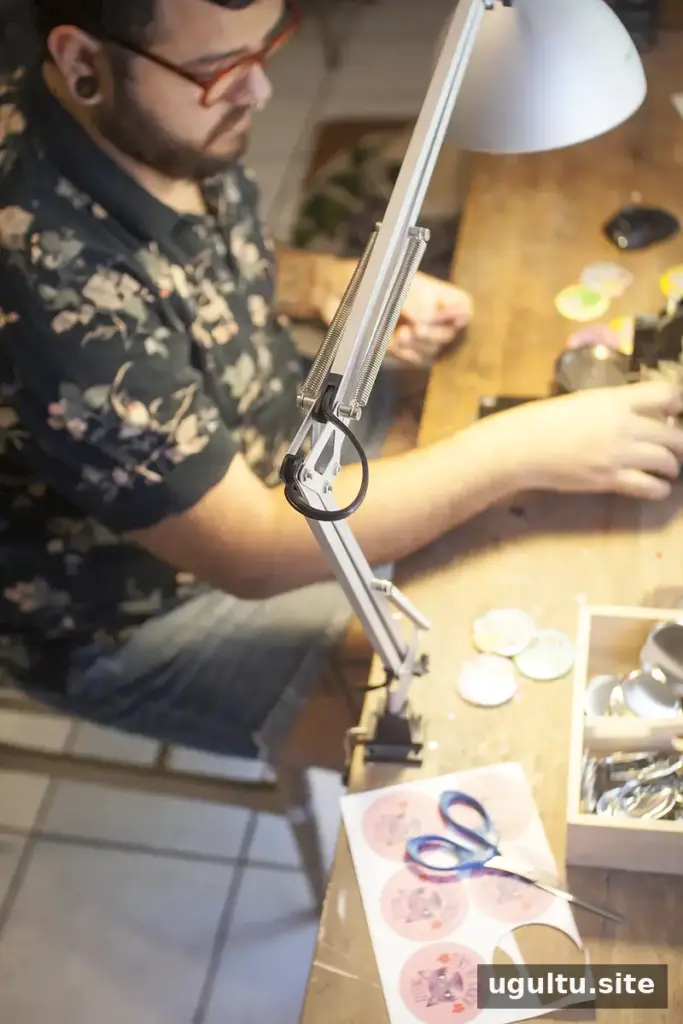
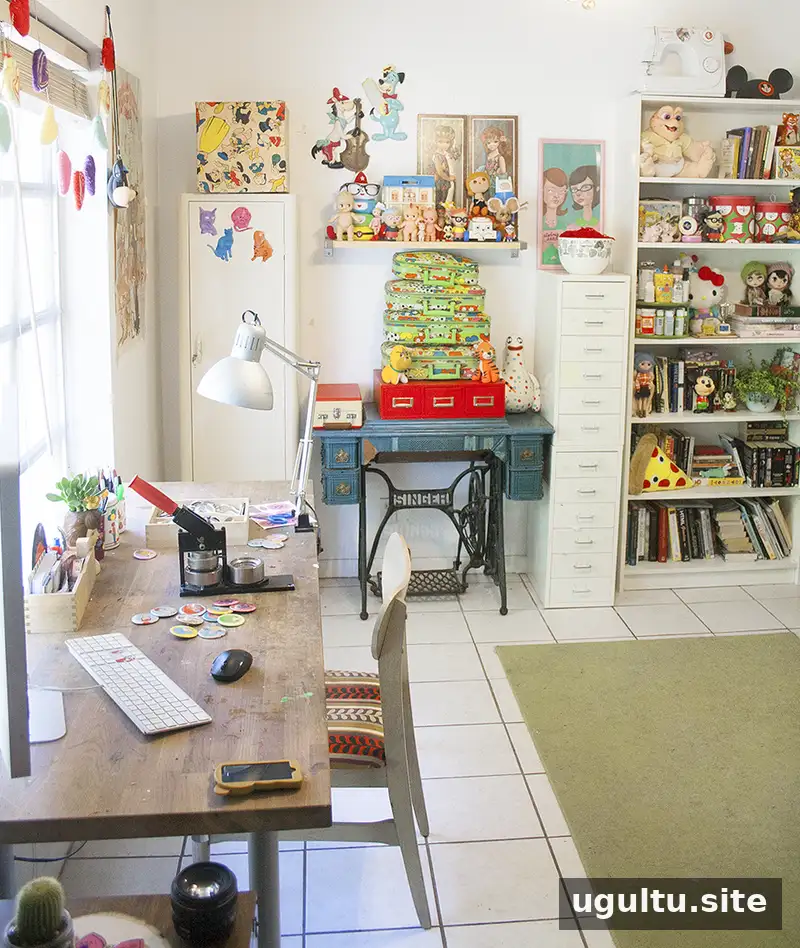
The office is one of Brito’s most-used rooms. When he first moved in, the space served as a dining room, but the table was rarely used. About six months later, he moved his office into the room, gaining a wide area for creative work. Before this home, he worked and slept in essentially one room, so separating work from rest made daily life easier.
This change offers a useful lesson for arranging a home: consider how often each room is actually used. A space can serve a different purpose from the one originally intended, especially when that makes everyday routines more comfortable.
Thrifted furniture and a collected kitchen display
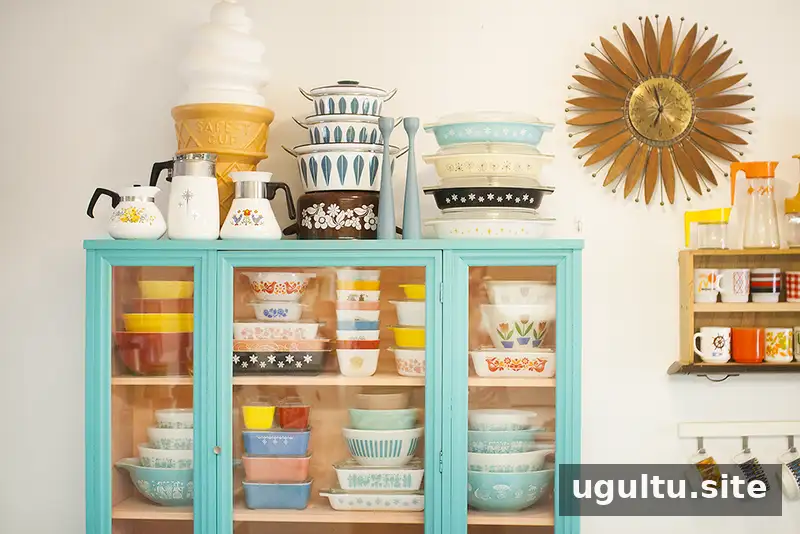
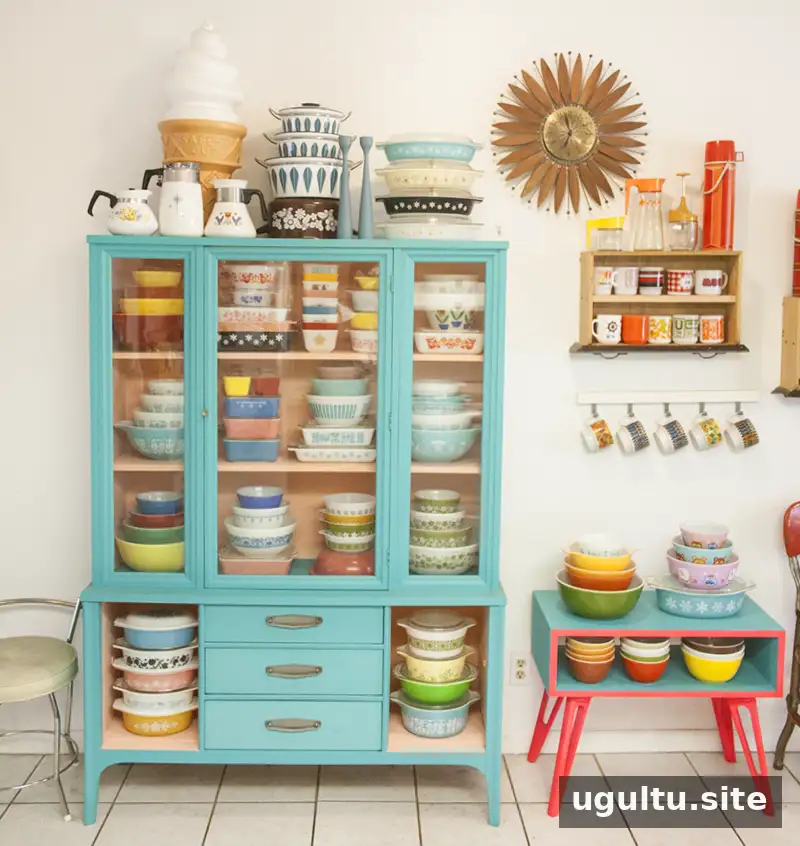
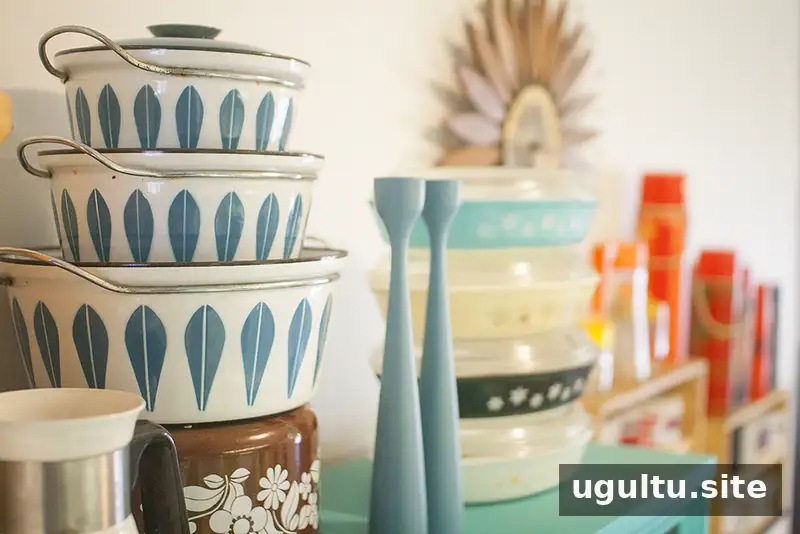
A kitchen display of vintage glassware is among Brito’s favorite features. The collection began with a few pieces inherited from his grandmother and grew through occasional finds while thrifting. A vintage hutch, purchased for $40, was filled within a year. He later painted it teal; it had previously been dark brown. The brighter color helps the glassware stand out and adds color to the room.
Every piece of furniture in the home has been thrifted. Brito prefers older furnishings for their character and has kept costs low: his plaid sleeper sofa cost $45, while a vintage radio and record player cost $15. The radio also serves as a TV unit and has a concealed storage compartment underneath for video game items.
When choosing secondhand furniture, check that a piece fits the room and its intended use as well as its appearance. Brito’s choices show how a practical function—such as seating, storage, or display—can work alongside a vintage aesthetic.
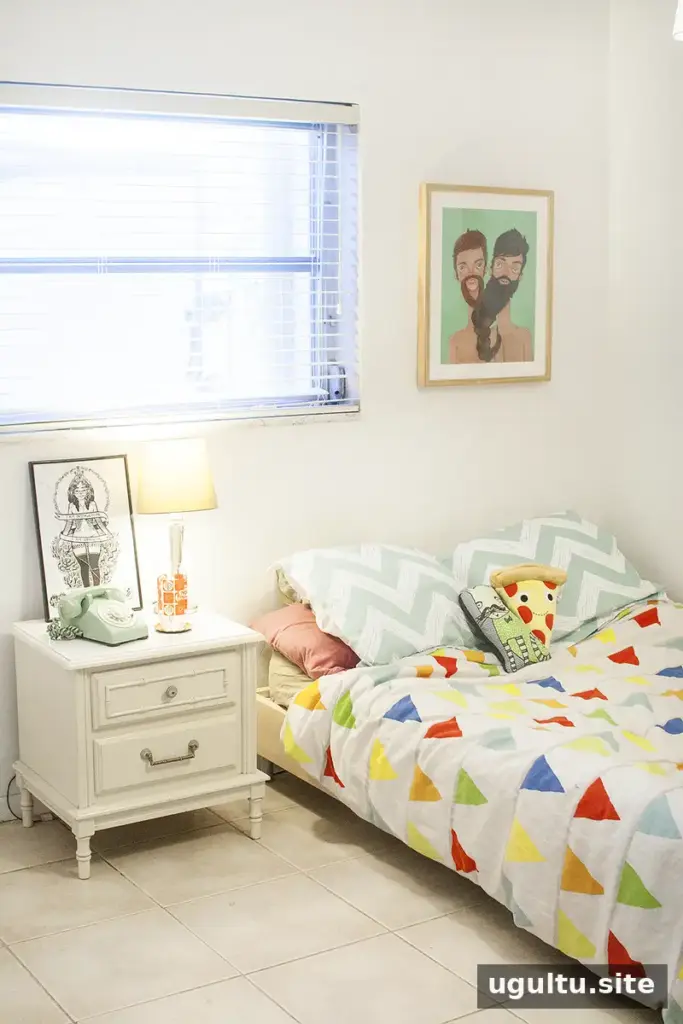
A bedroom with meaningful personal details
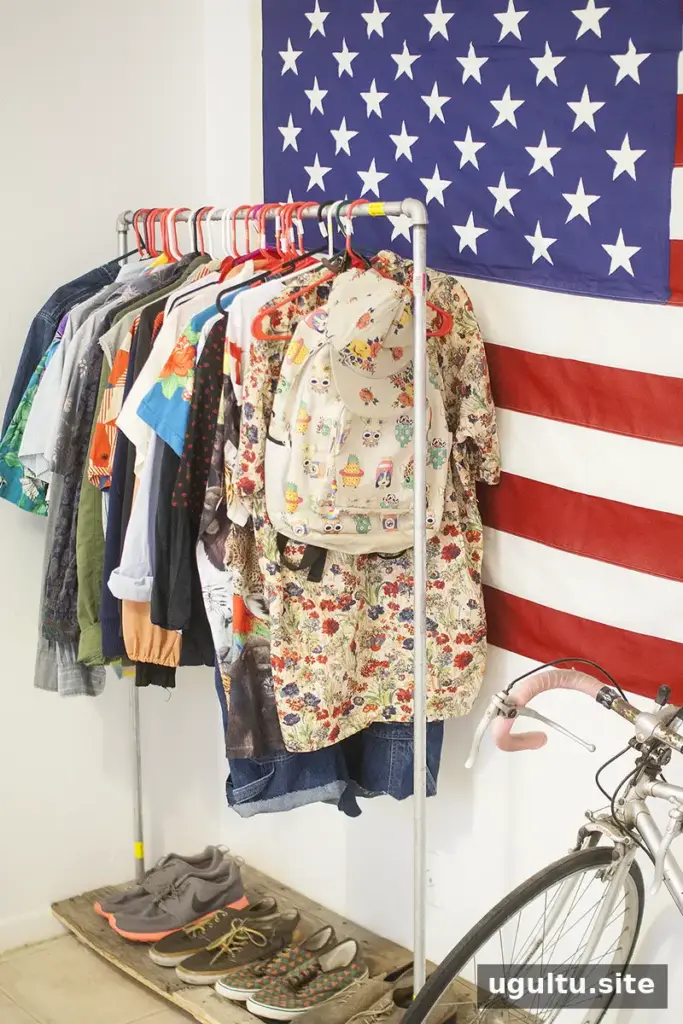
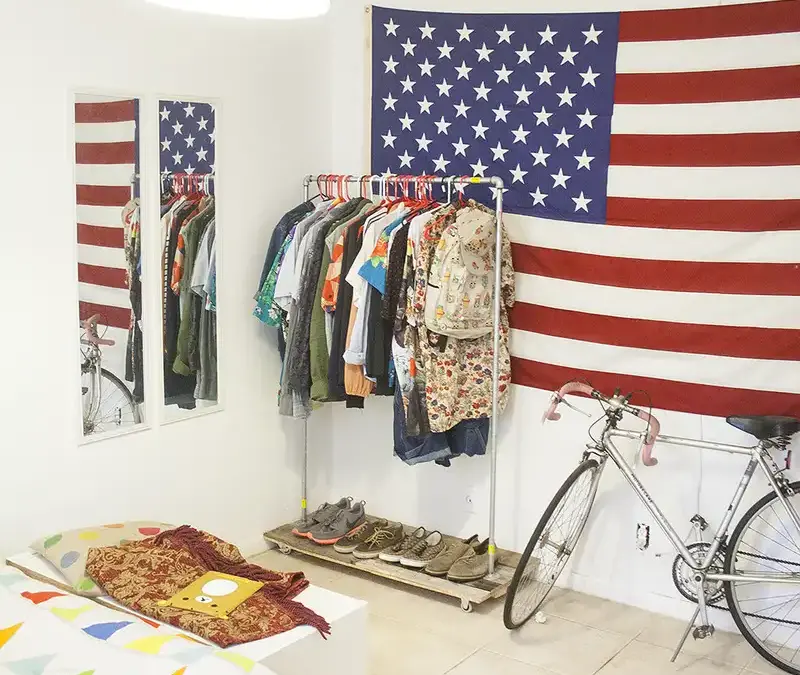
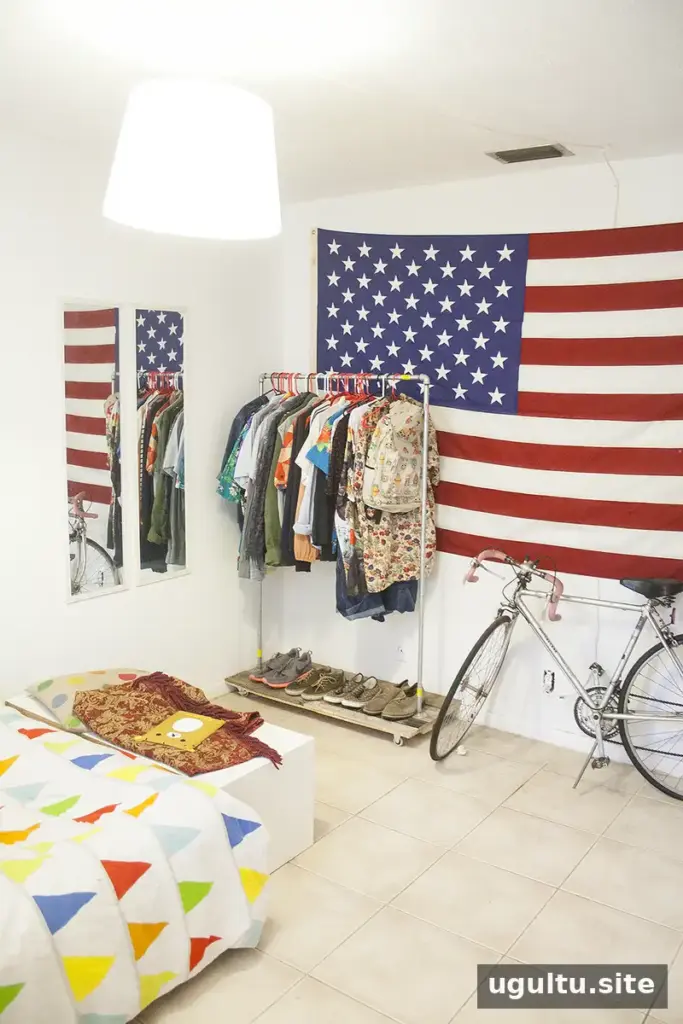
A large American flag in the bedroom belonged to the grandfather of Brito’s best friend, who was a veteran. His friend gave it to him a few months ago, and it holds personal significance while making a strong visual statement in an otherwise sparse room. Brito describes his preferred style as organized clutter.
The bedroom’s clothing rack is another personal feature. Brito and his brother built it using old pallet wood and metal tubing. His brother has made many pieces of furniture for his own home, making this shared project especially meaningful.
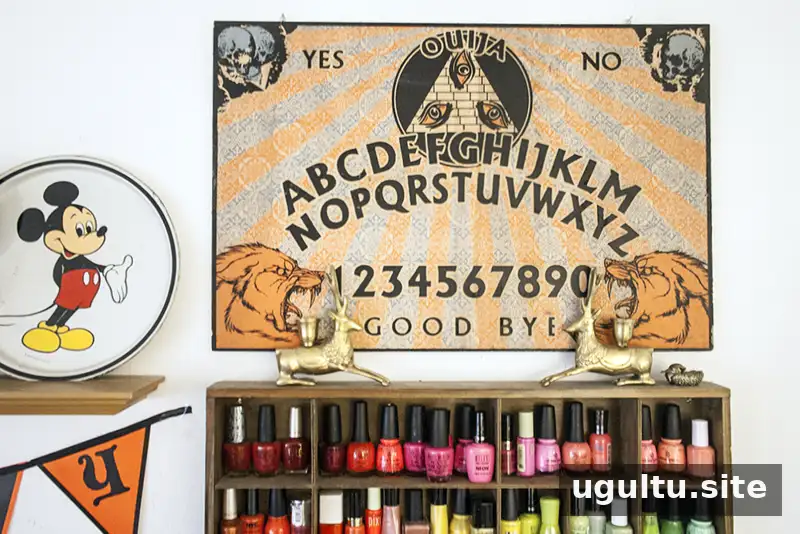

How the living room evolved
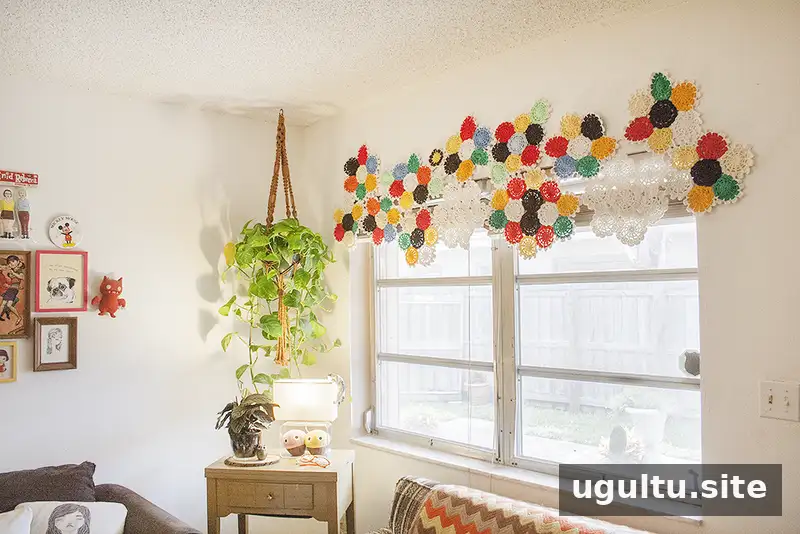
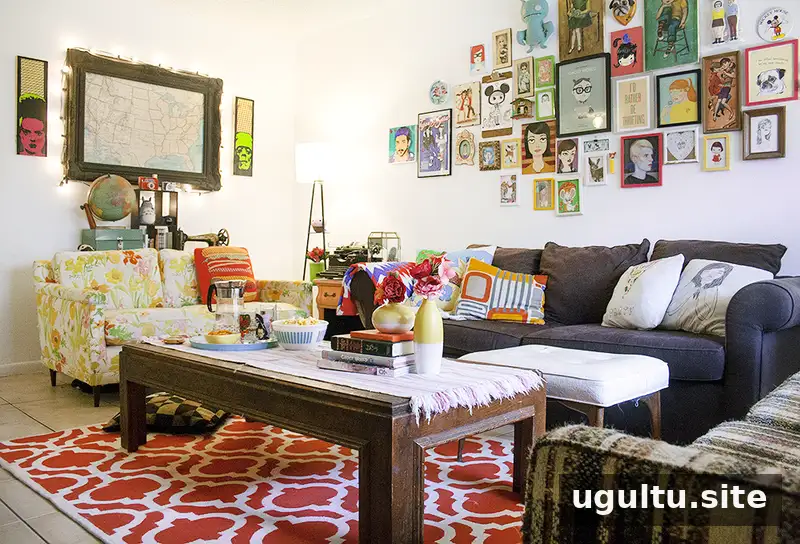
The home was approaching its third year of occupancy that August, and its layout had changed over time. At first, Brito chose furniture mainly for its appearance. A small midcentury coffee table looked attractive but was not practical for a home where he often hosted people. One sofa also did not provide enough seating.
He later added two sofas and a large, chunky 1970s wooden coffee table. The living room became more comfortable and better suited to having guests over while retaining its vintage style. The experience highlights a practical decorating principle: choose furniture for the way a room is used, not just for how individual pieces look.
What makes Danny Brito’s home distinctive
Danny Brito’s home combines thrifted furniture, family connections, and thoughtful changes to everyday spaces. Its most useful ideas are simple: make rooms work for your routines, give meaningful objects a place to stand out, and look for secondhand pieces that balance character with function.


