admin
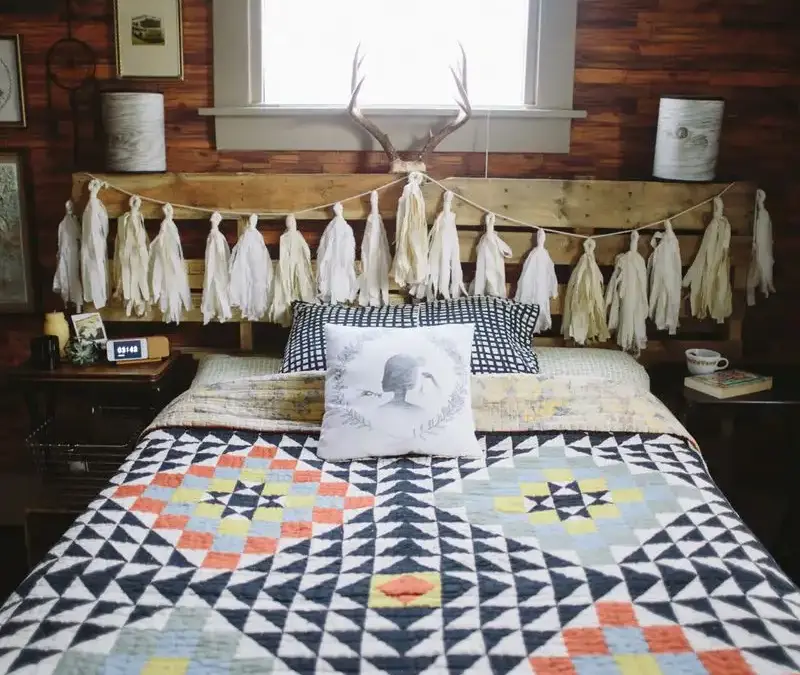
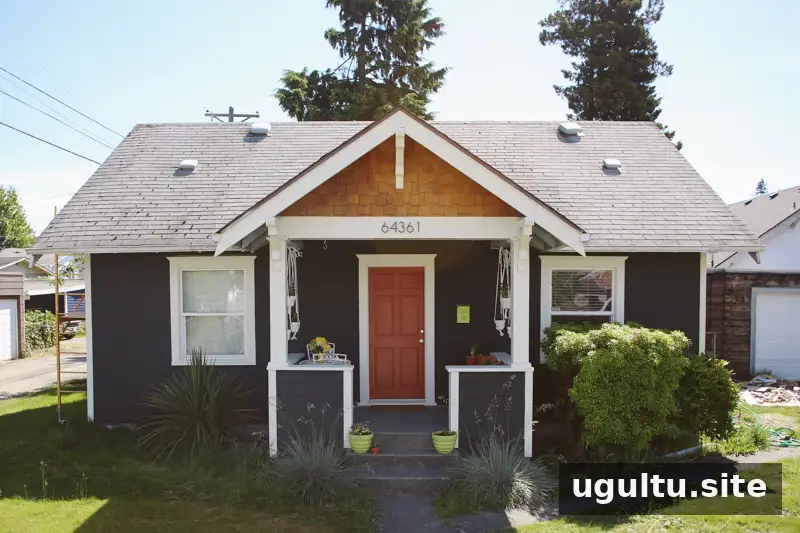
Elizabeth Morrow’s Tacoma home is a small, two-story Craftsman with a big personality. At 920 square feet, the Washington house became a place to make creative choices, tackle renovations, and build a home around personal history. Its transformation shows how an older property can become more welcoming through practical updates and thoughtful DIY projects.
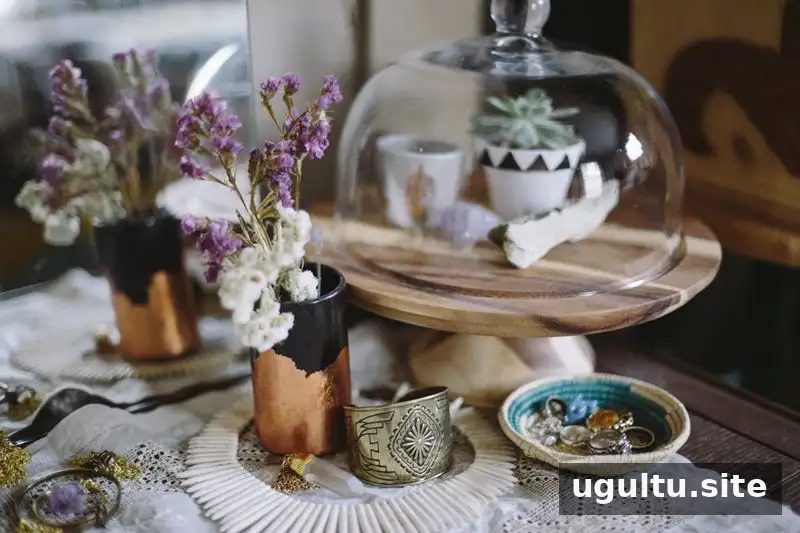
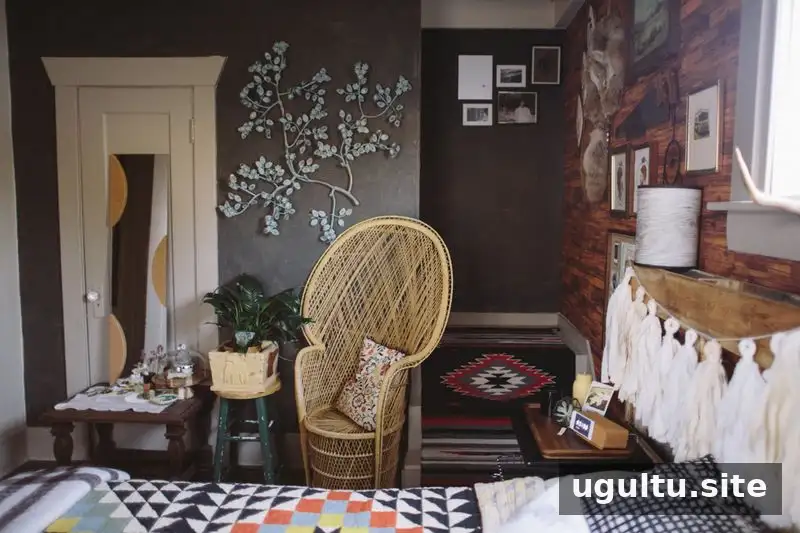
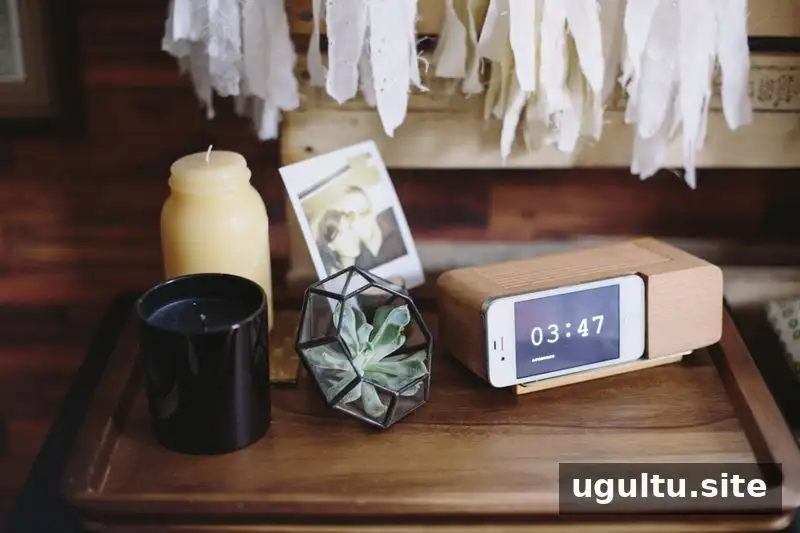
How Elizabeth Morrow found her Tacoma home
Before buying the Craftsman, Elizabeth and her household rented a 450-square-foot house. After a year, the limited space no longer suited their needs, and they began looking for an affordable home with room for improvement. They initially went to see a neighboring property. The exterior of this house looked so neglected that they assumed its interior would be in poor condition, too. A closer look revealed that the inside had already been fixed up, while the exterior needed substantial work.
They purchased the home at the end of 2012. That winter, Elizabeth worked with her father, uncles, brothers, and cousins to replace the siding themselves. The repair was essential: the existing siding was in such poor condition that the insurance company would not provide a homeowners policy until it was replaced. For anyone considering a fixer-upper, this is a useful reminder to check repair needs and insurance requirements early in the buying process.
A kitchen that set the tone
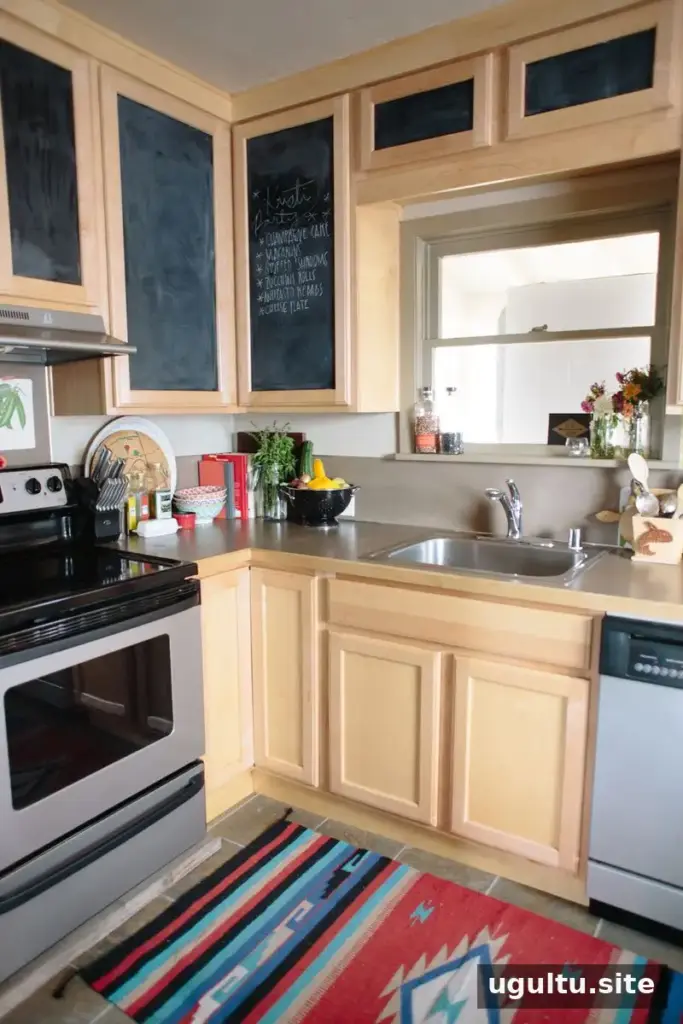
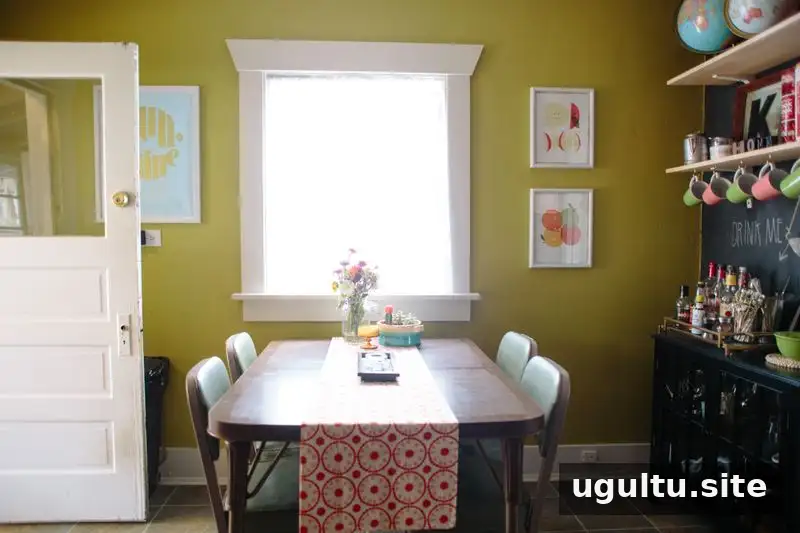
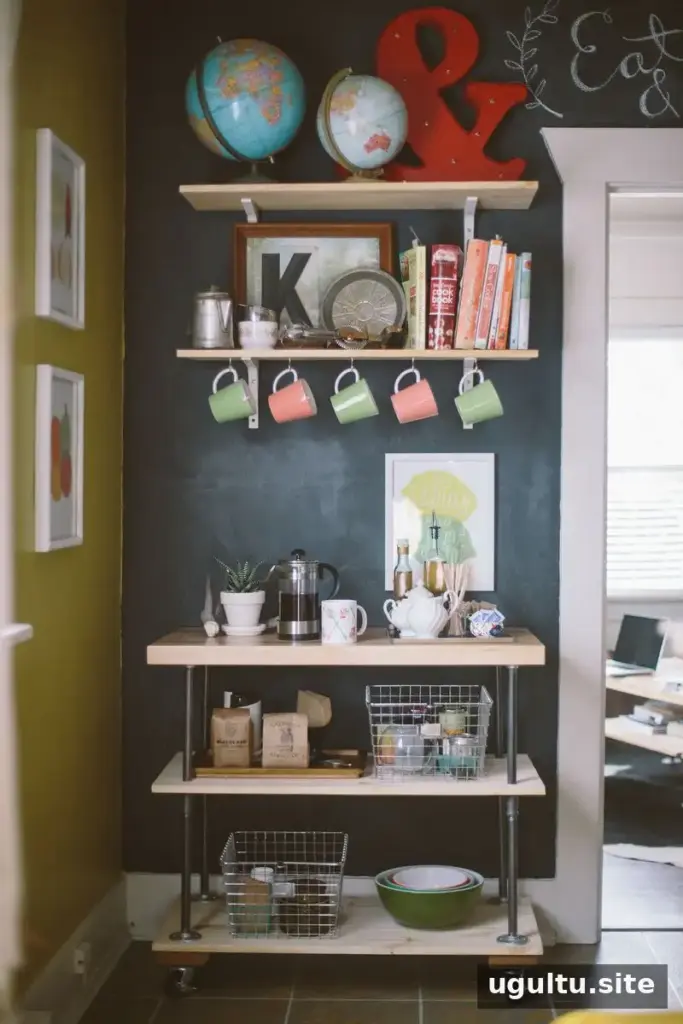
The kitchen was the first room Elizabeth personalized after moving in, and it remains a favorite. With little budget for furniture, she used chartreuse paint and black chalkboard paint to give the walls character. After years in apartments with white and beige walls, the bold color made the house feel like her own.
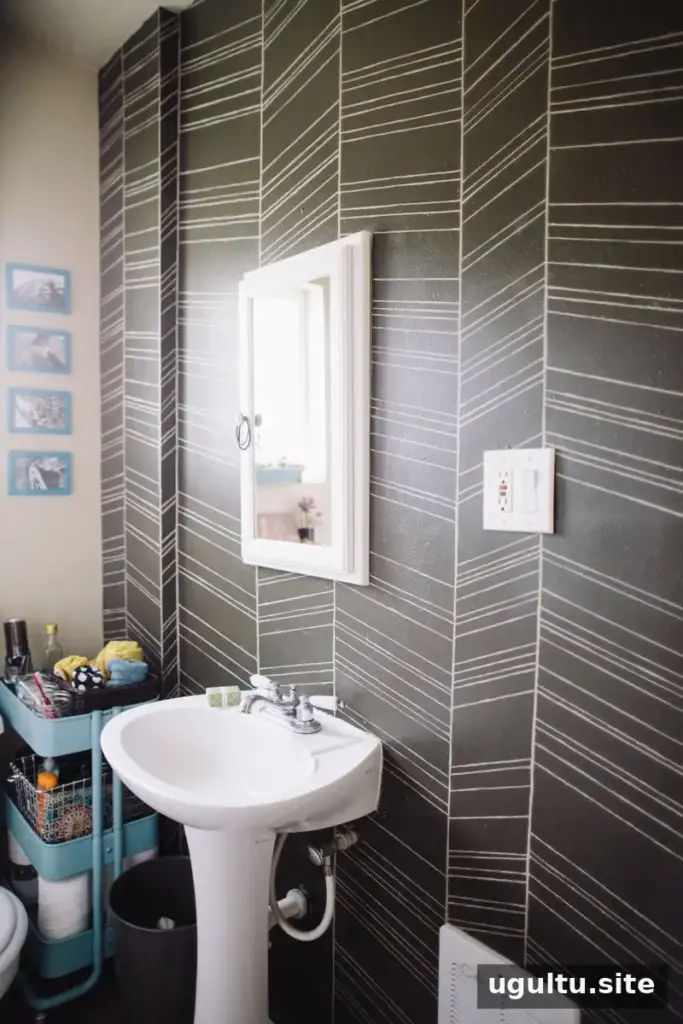
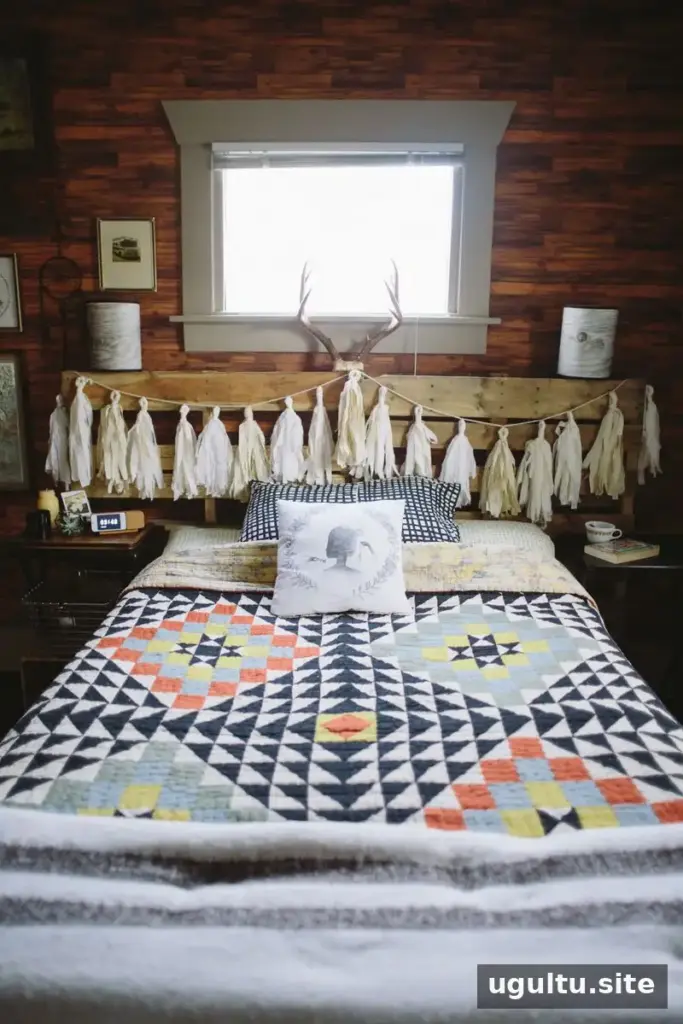
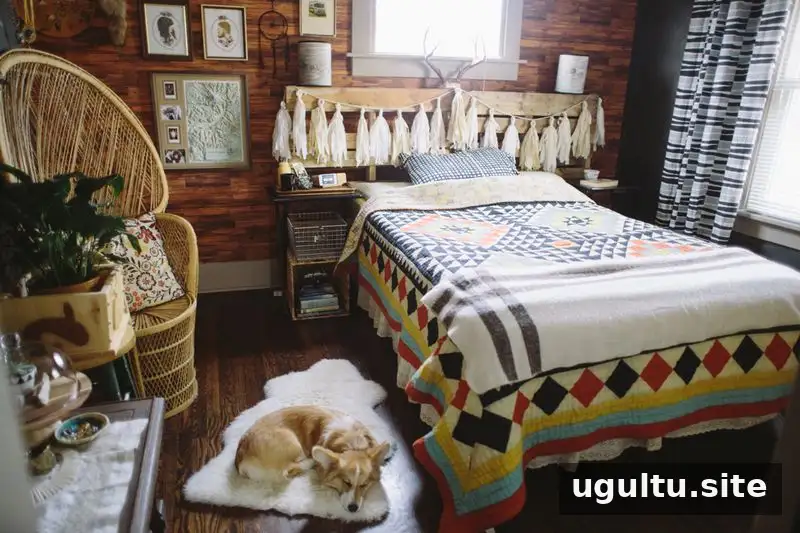
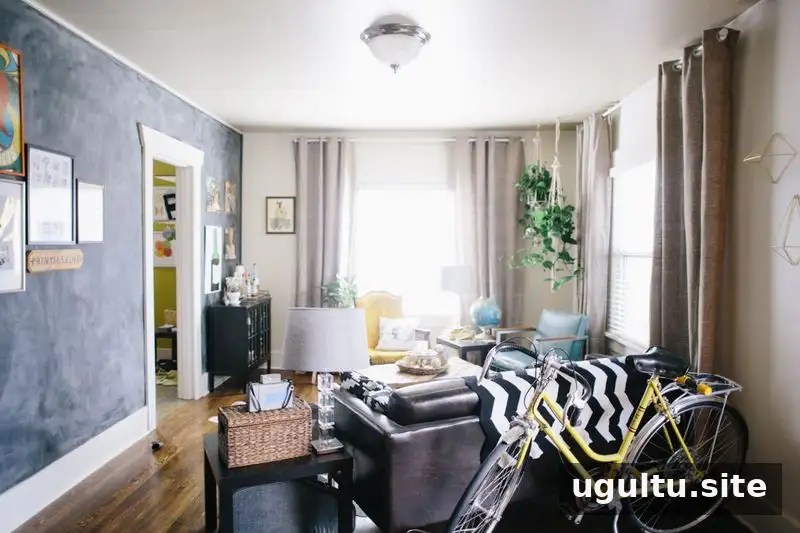
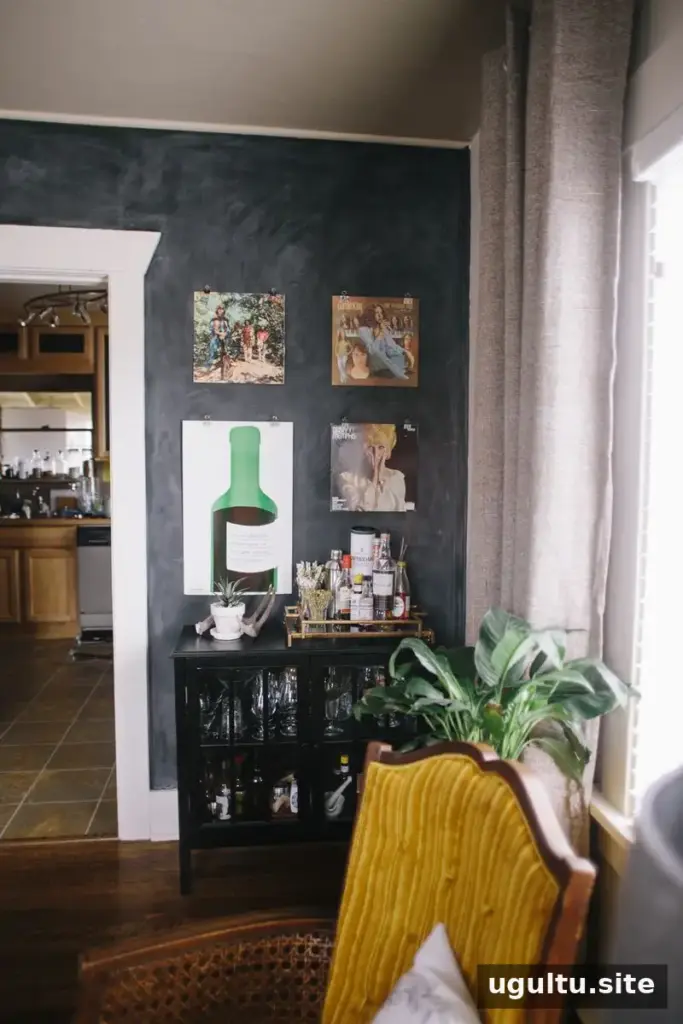
Black became a recurring feature throughout the home: Elizabeth painted the exterior, kitchen, bathroom, bedroom, and a living room wall in dark tones, including chalkboard paint in the kitchen and living room. A strong wall color can make a compact room feel distinctive without requiring a major renovation. If you are considering a dark finish, test a sample in the room first and check how it looks in both daylight and evening light.
DIY pieces and family craftsmanship
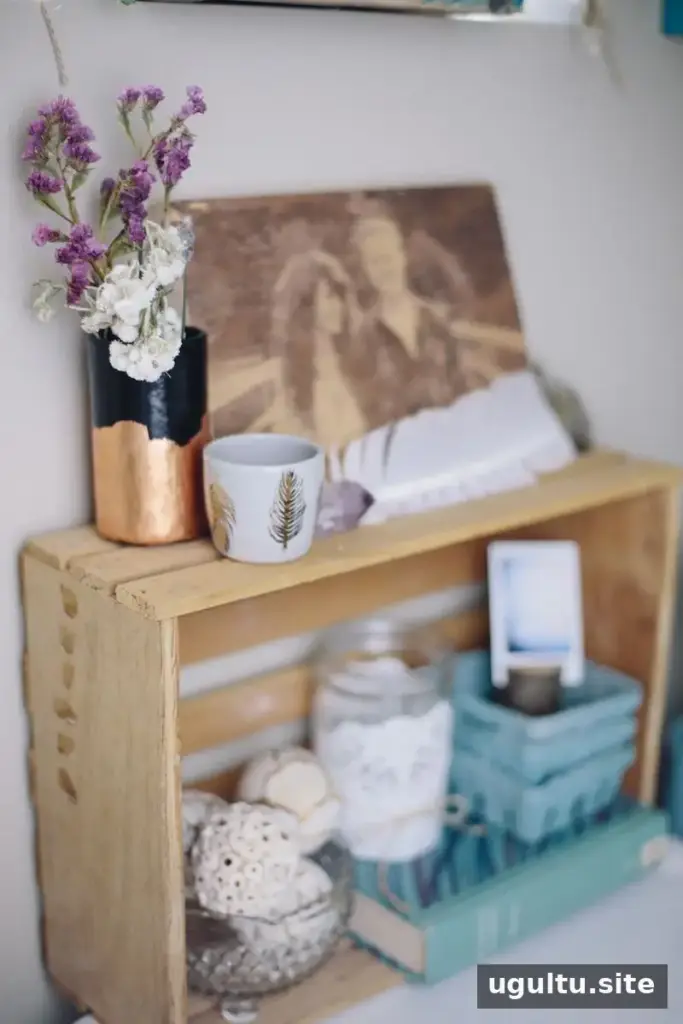
Much of the home’s furniture and decor is either thrifted or made as a DIY project. Among Elizabeth’s most treasured belongings are pieces carved by her grandfather, who made everything from napkin holders and chairs to salad utensils and flowerpots. His work features imagery connected to Southeast Alaskan Native heritage, giving Elizabeth a meaningful link to her Alaskan roots while living in Washington.
Her grandfather no longer had access to a workshop, so Elizabeth inherited his carving tools and began learning the craft herself. A coffee table is one of her favorite woodworking projects. In a home filled with secondhand finds and handmade objects, these family pieces add a personal layer that new decor cannot replicate.
Making the outdoor space more useful
By the time of this home feature, Elizabeth and her household had lived in the house for nearly two years. Along with the new siding, they had recently built a fence around the side yard and were gradually expanding a vegetable garden and creating a patio for entertaining. These improvements were ongoing rather than a single, complete makeover.
Elizabeth grew up watching her parents buy homes that needed work and bring them back to life. That experience helped her see potential in older properties and inspired her own interest in renovation. Taking projects one step at a time can make improvements more manageable, especially when working with a limited budget. Prioritizing essential repairs before decorative changes also helps keep a renovation on a practical footing.
What makes Elizabeth Morrow’s Tacoma home distinctive
This Craftsman combines necessary repairs with expressive choices: renewed siding, bold black walls, thrifted furnishings, family-made carvings, and developing outdoor spaces. Elizabeth Morrow’s Tacoma home is a reminder that a small house can feel individual and useful when its updates reflect the people who live there. The most memorable details are not simply decorative; they connect the home to its owners, their skills, and their family history.