
 admin
Janae Hardy’s home reflects the charm of an established neighborhood and the everyday needs of a family. From its welcoming front porch to its bright, connected living spaces, her approach offers practical inspiration for creating a home that feels comfortable, personal, and adaptable.
Janae Hardy home: choosing character and community
Janae and her family moved into the house about a year and a half before sharing their story. The neighborhood was a major factor in their decision. In their town, older homes with distinctive character are found in only a few areas, and this neighborhood stood out for its walkability and proximity to a park and downtown.
Janae appreciates that neighbors value the area’s older homes. The generous front porches are another highlight. She and her husband enjoy spending evenings on their porch swing, greeting people passing by, catching up with neighbors, and giving the children room to play in the yard.
Practical idea: When choosing a home, consider how the neighborhood supports your routines as well as the home’s interior. Nearby walking routes, parks, and shared outdoor spaces can make everyday life more enjoyable.
A bright, connected living space
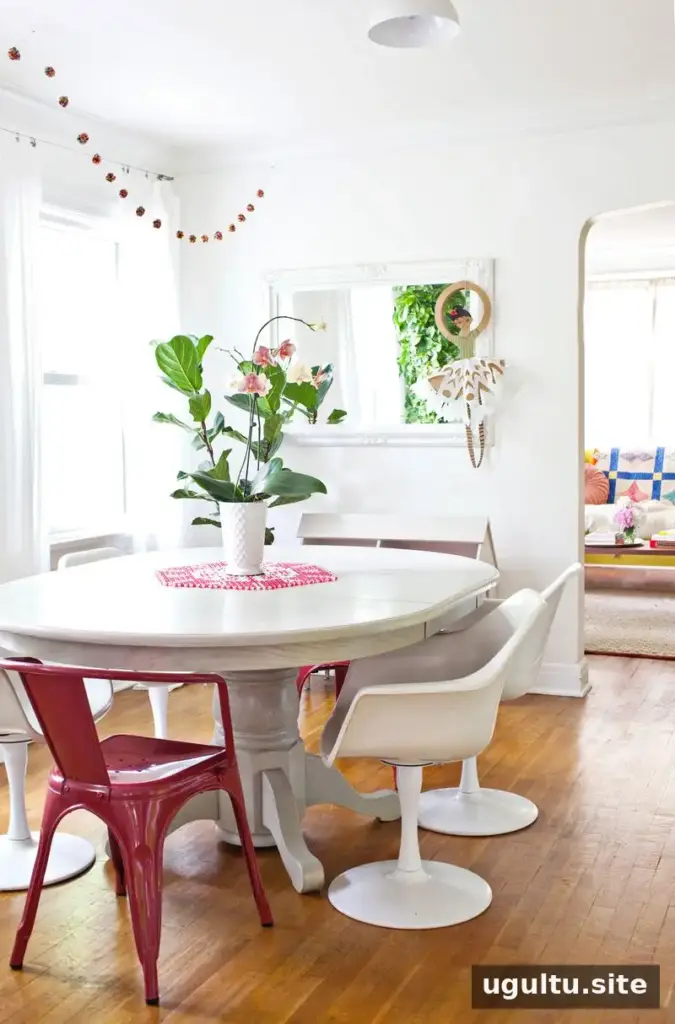
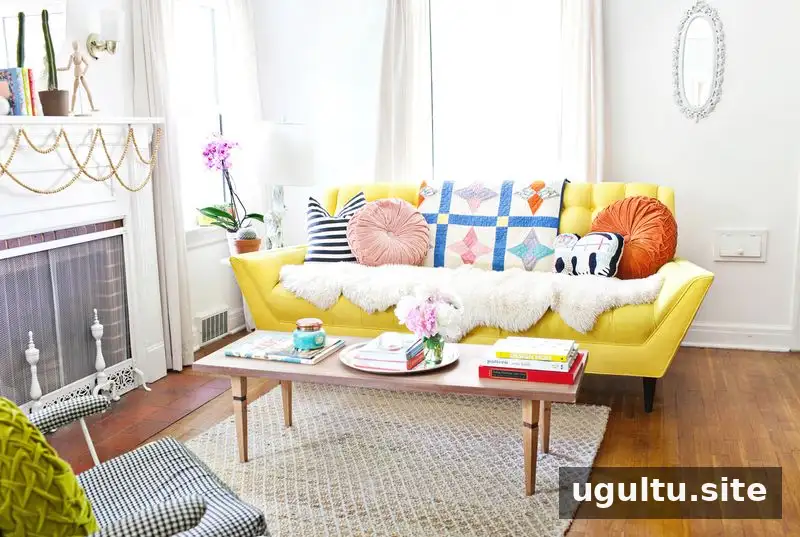
Janae’s favorite area is the large living space, where the kitchen connects with the family room. This open arrangement lets her prepare meals while the children play nearby. It also makes the main living area feel useful for several family activities at once.
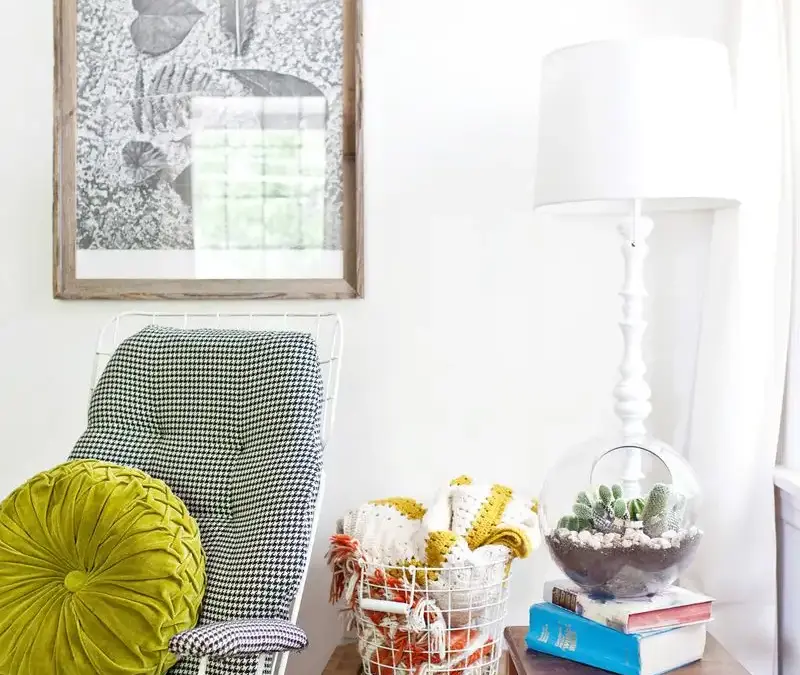
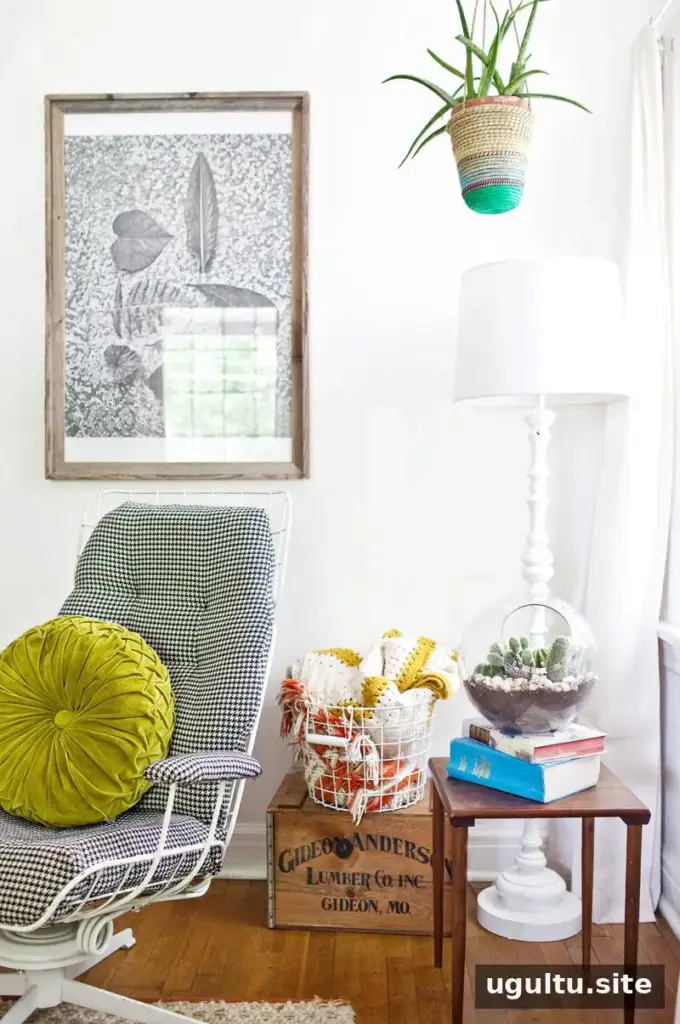
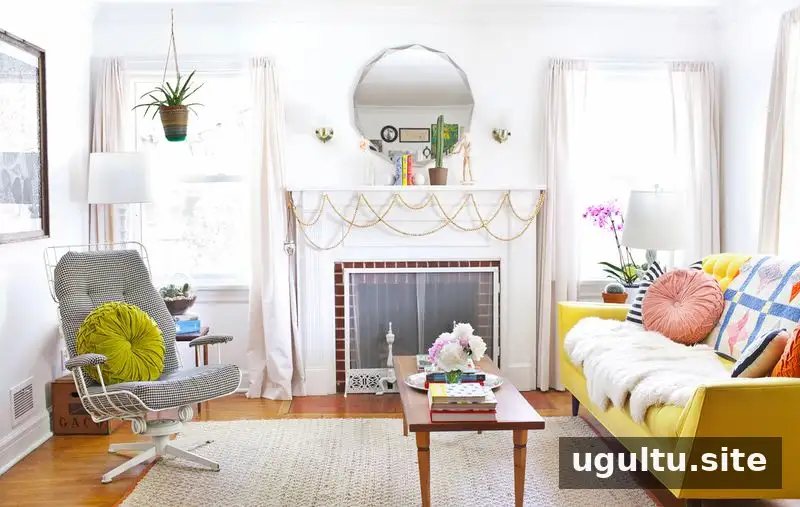
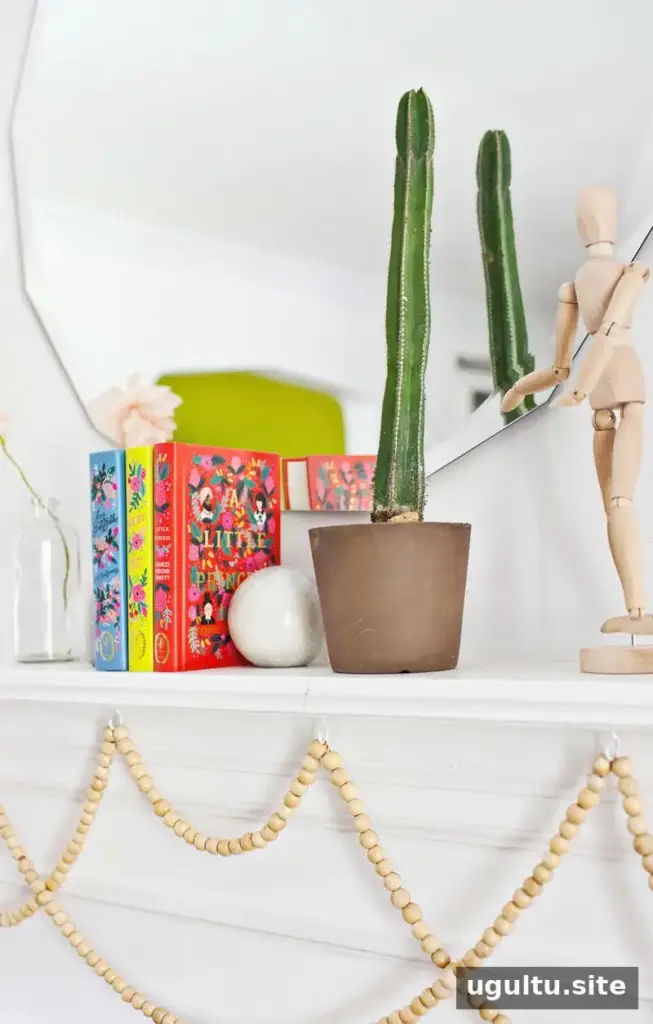
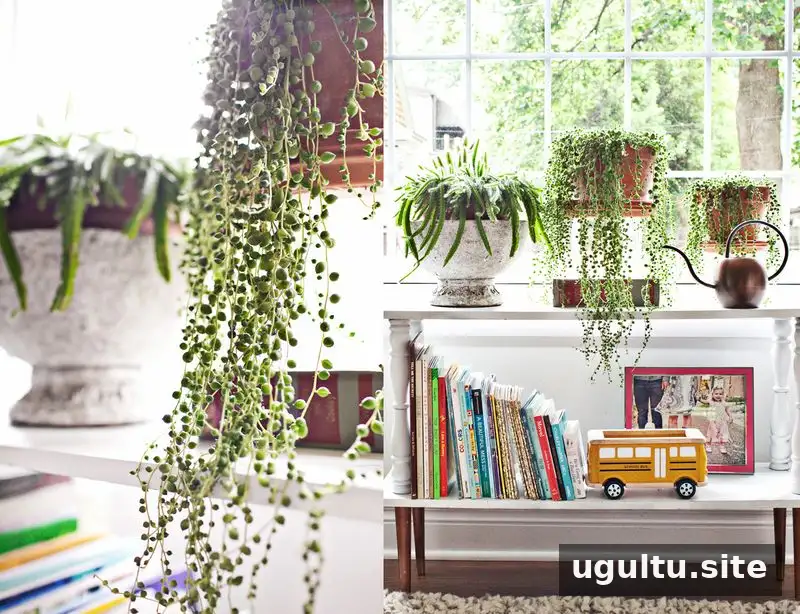
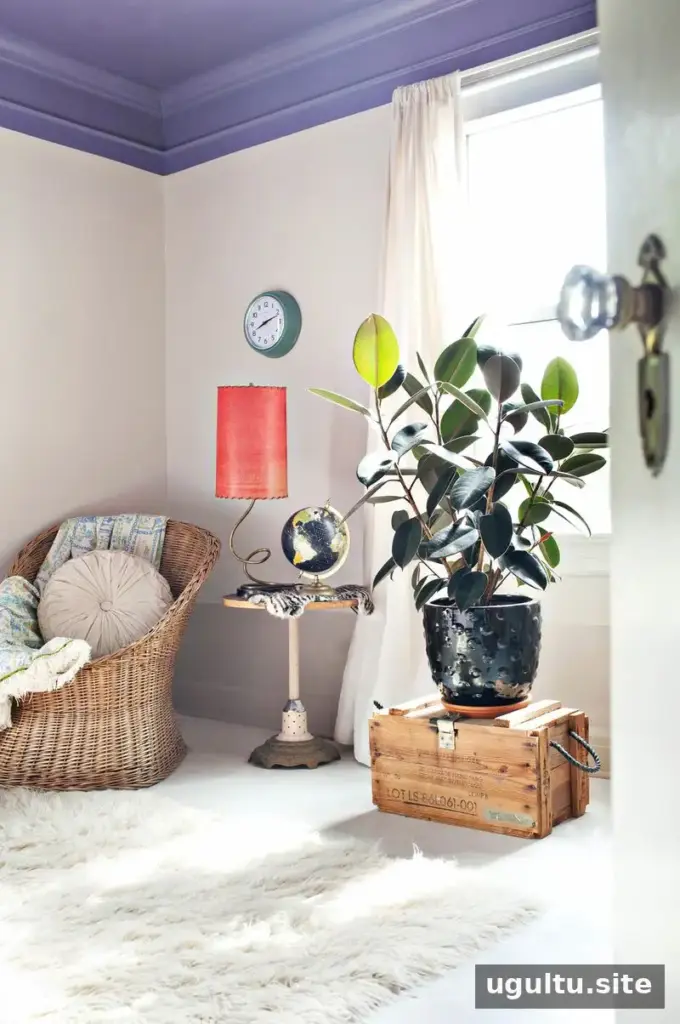
Windows are another important feature for Janae. Natural light supports her love of houseplants and helps the rooms feel open and airy. She also favors white walls, which reflect the light throughout the space.
Practical idea: If you want a room to feel brighter, make the most of existing windows and choose light wall colors that reflect daylight. Keep plants where their light needs can be met, and consider how an open layout fits the way your household uses the space.

Making room for changing family needs
Although the family had been in the house for less than two years, Janae was already refining its contents. Her rule is that bringing in a new item means removing an existing one—a commitment encouraged by her husband. The approach helps her avoid accumulating too much, particularly when visiting thrift stores or estate sales.
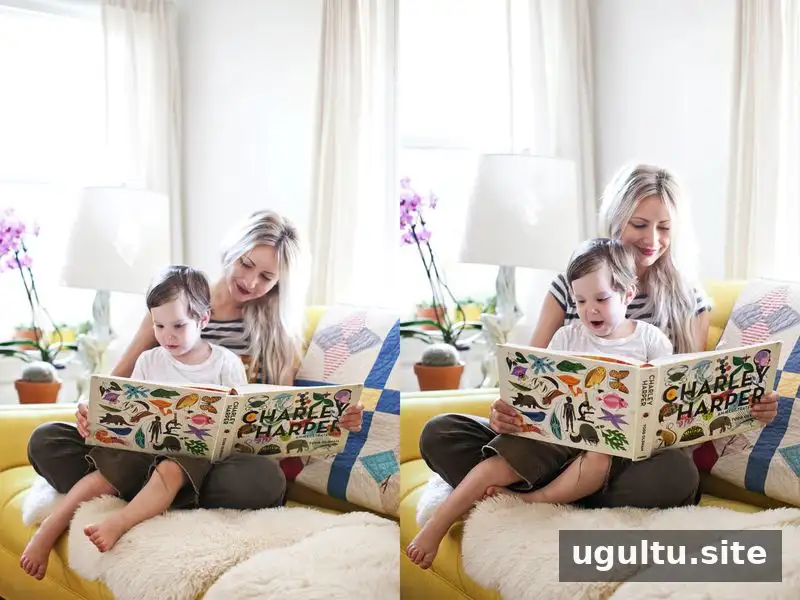
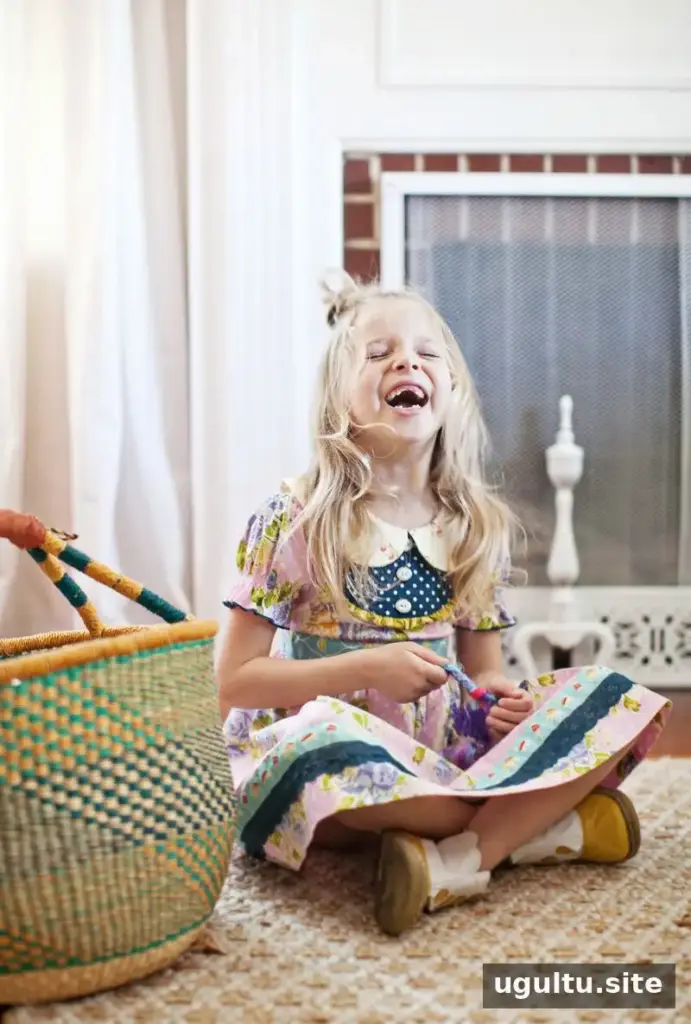
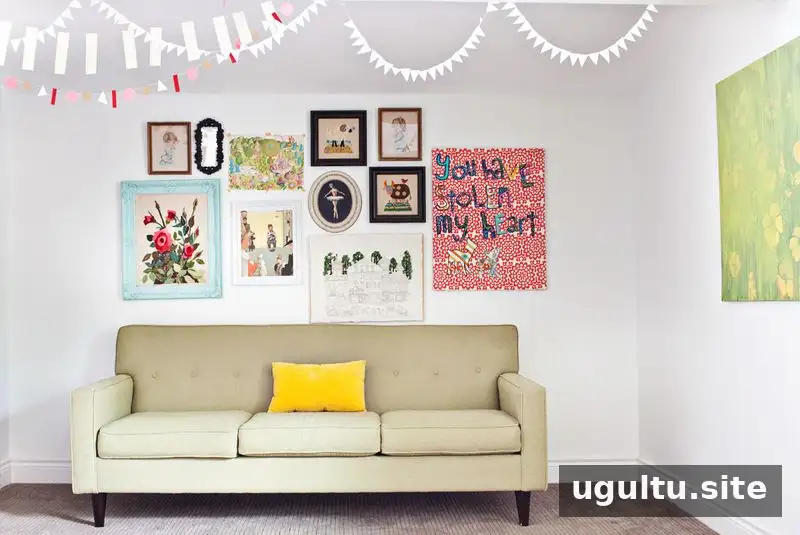
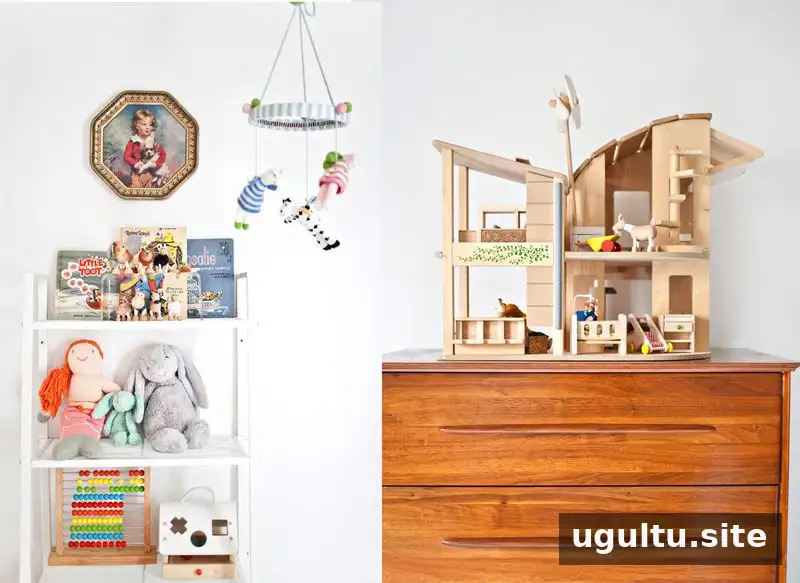
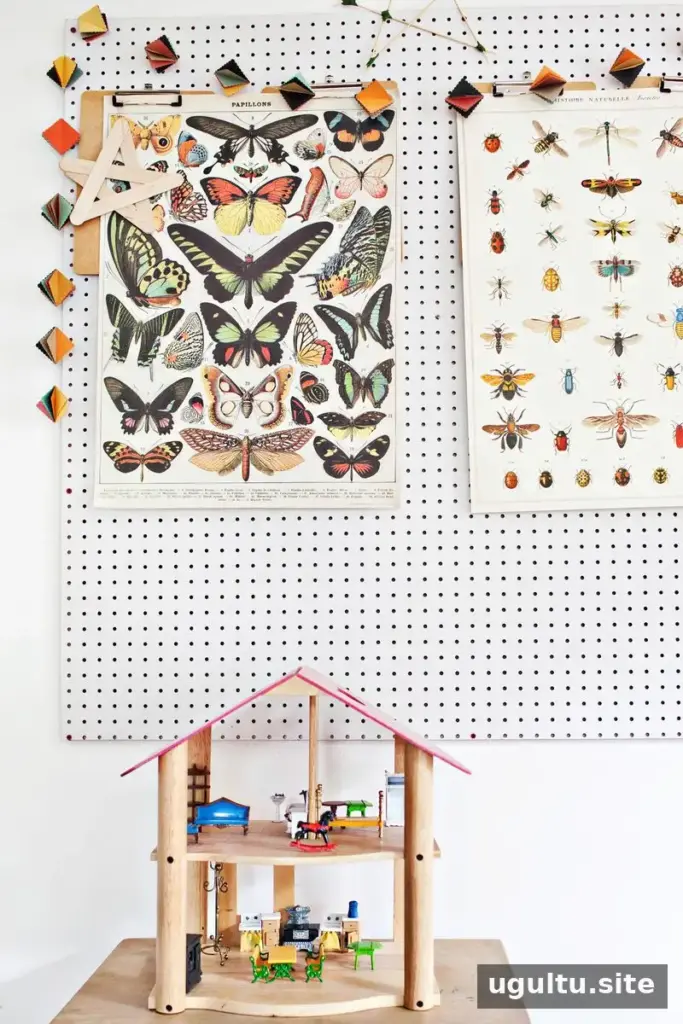
Janae and her husband have different decorating preferences: he favors a minimalist look, while she wants the home to feel colorful and lively for the children. She also wants the children to feel that they belong in the space. Her daughter enjoys making art and decorating her room, and Janae hopes to encourage creativity throughout the family.
Practical idea: A simple one-in, one-out guideline can help keep collections and furnishings from crowding a home. In shared family spaces, balance a pared-back foundation with personal touches—such as children’s artwork—that make the rooms feel welcoming to everyone.
Conclusion
The Janae Hardy home brings together neighborhood character, natural light, and a flexible family-focused layout. Its porch encourages connection with the community, while thoughtful editing and room for children’s creativity help the interior evolve with family life.


