
 admin
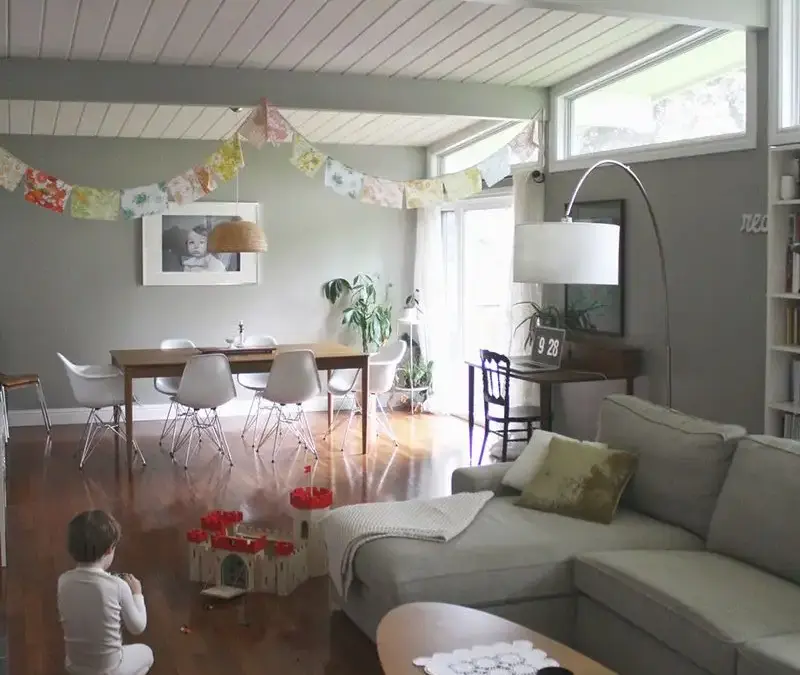
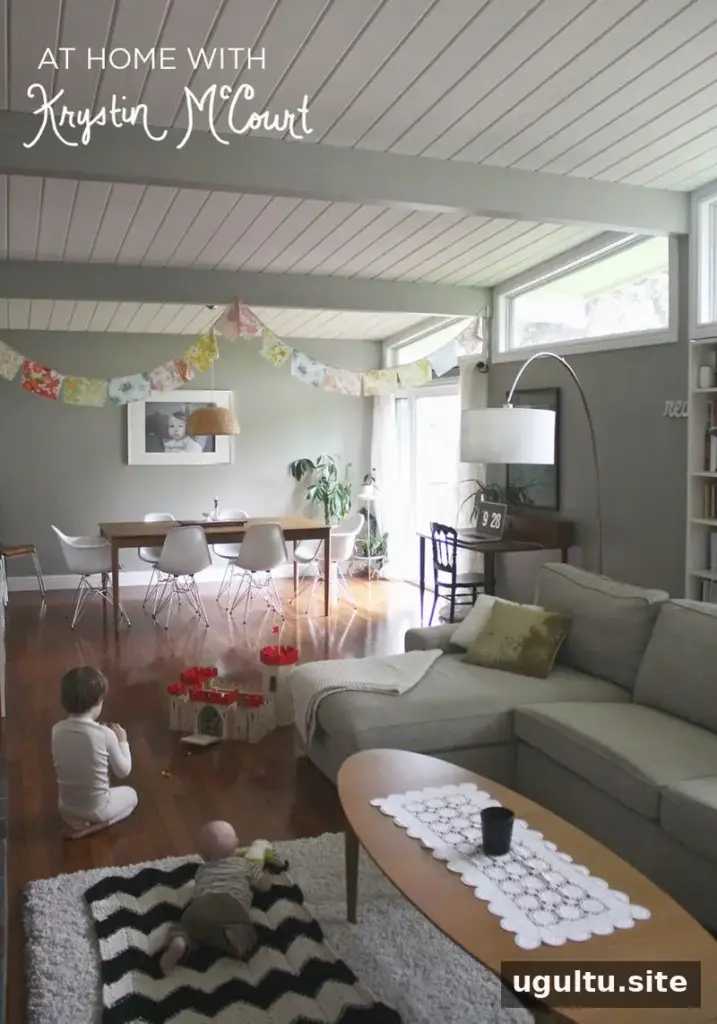
Krystin McCourt’s open living and dining room is a welcoming, well-used space shaped by family life. Natural light, a high ceiling, and a rock fireplace give the room its character, while personal keepsakes and everyday clutter make it feel lived in rather than formal.
What makes this open living and dining room feel like home?
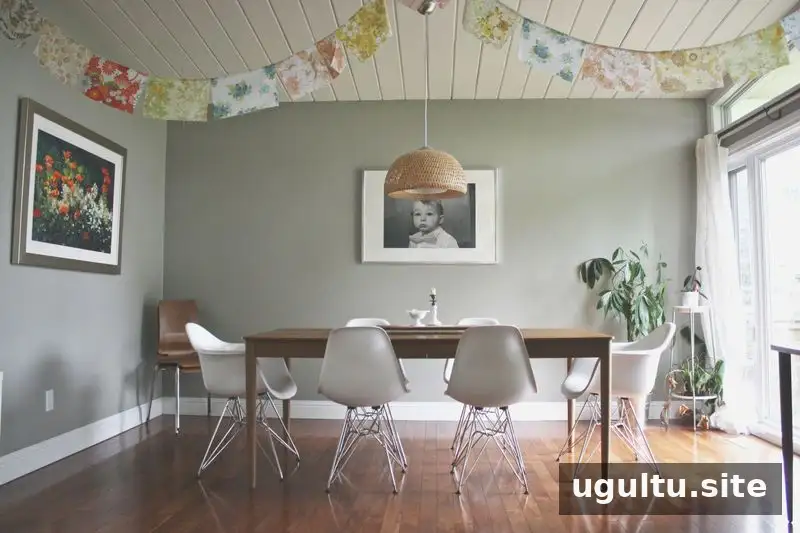
When Krystin and her husband first saw the home, they were drawn to this shared space. Its light, ceiling, and fireplace made a lasting impression, and they imagined it as a comfortable setting where their family could grow. The home is in Edmonton, Alberta, where winters can be long and dark. Time spent together by the fireplace, with tea and music, has become one of the family’s treasured routines.
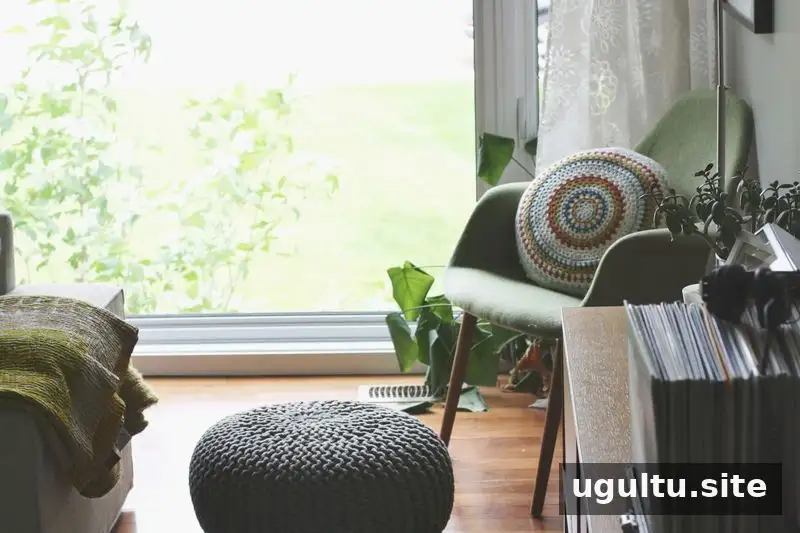
For a room that serves more than one purpose, comfort and flexibility matter. A fireplace can create a natural focal point, while an open layout helps the living and dining areas feel connected. If you are arranging a similar space, leave clear paths between seating and dining furniture so the room remains easy to move through during busy family days.
A family room designed for everyday life
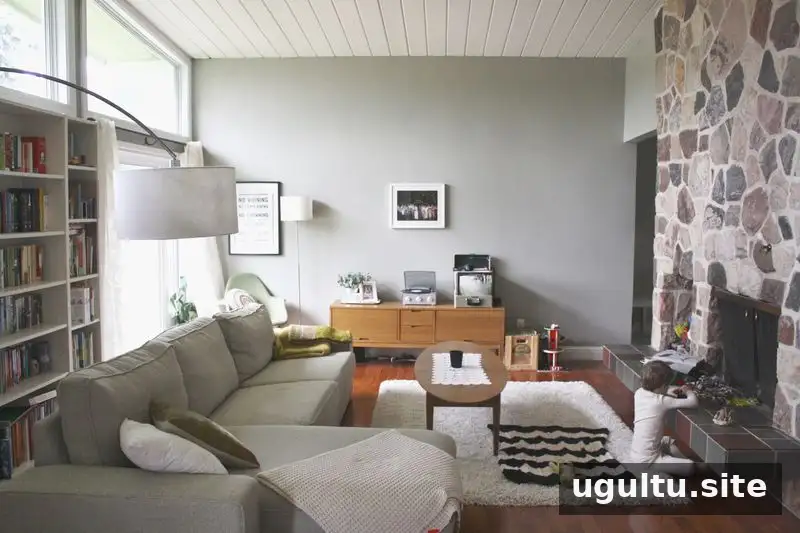
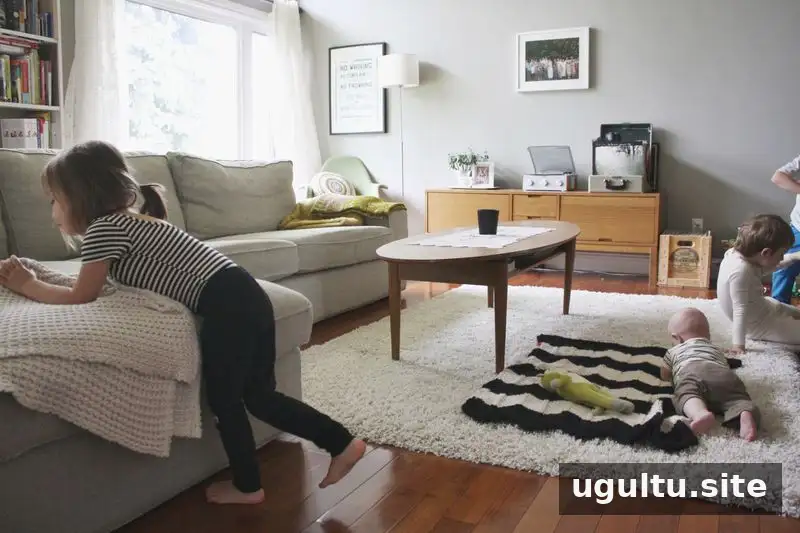
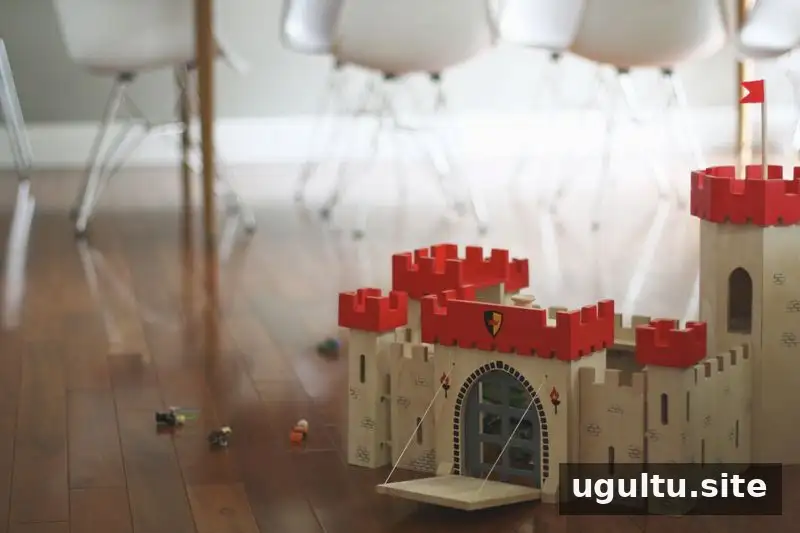
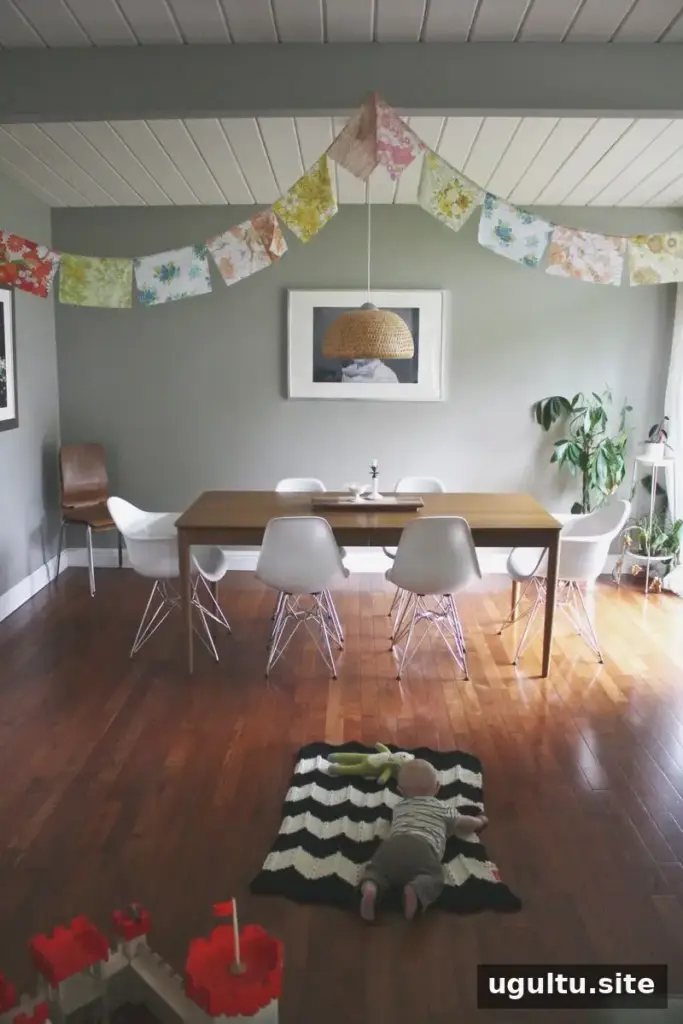
The living and dining area is the most frequently used room in the home. It is not always neat: toys, crayons, snacks, blankets, and fabric scraps often find their way onto the floor, between the cushions, and across the tables. That lived-in quality reflects how the space supports the family’s daily routines.
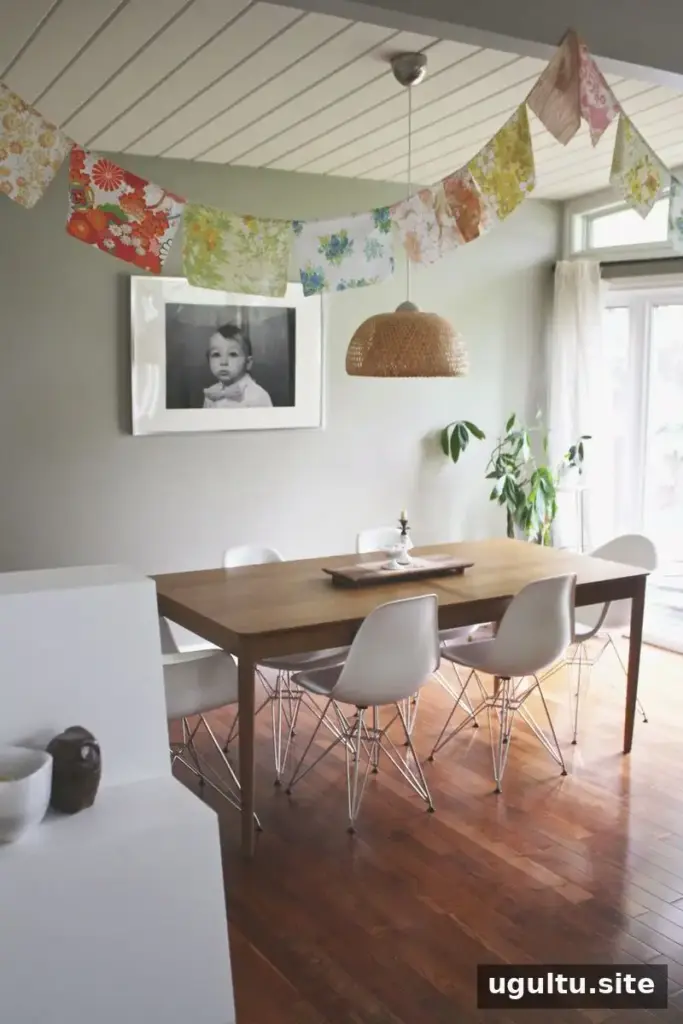
For households with children, a practical room does not need to look untouched. Baskets or small bins can make toys easier to gather, and a designated surface for craft supplies can help keep projects contained. These simple organizing ideas can make tidying easier without expecting a shared family space to stay perfect all day.
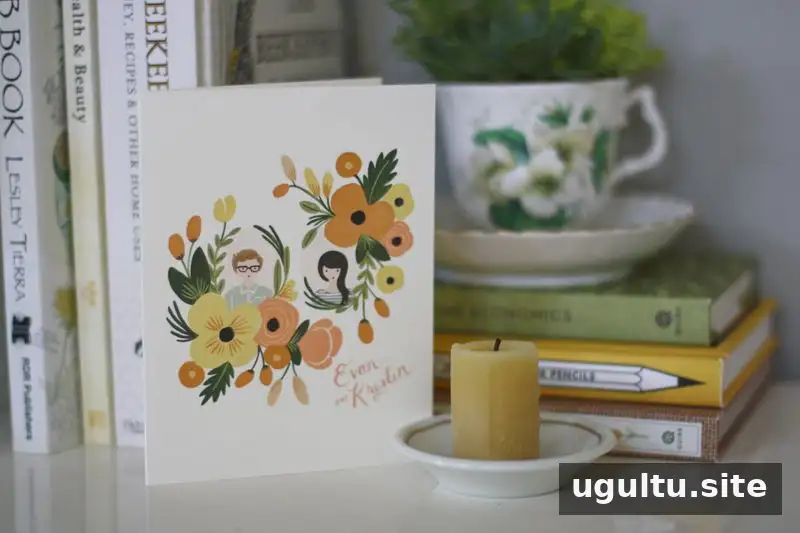
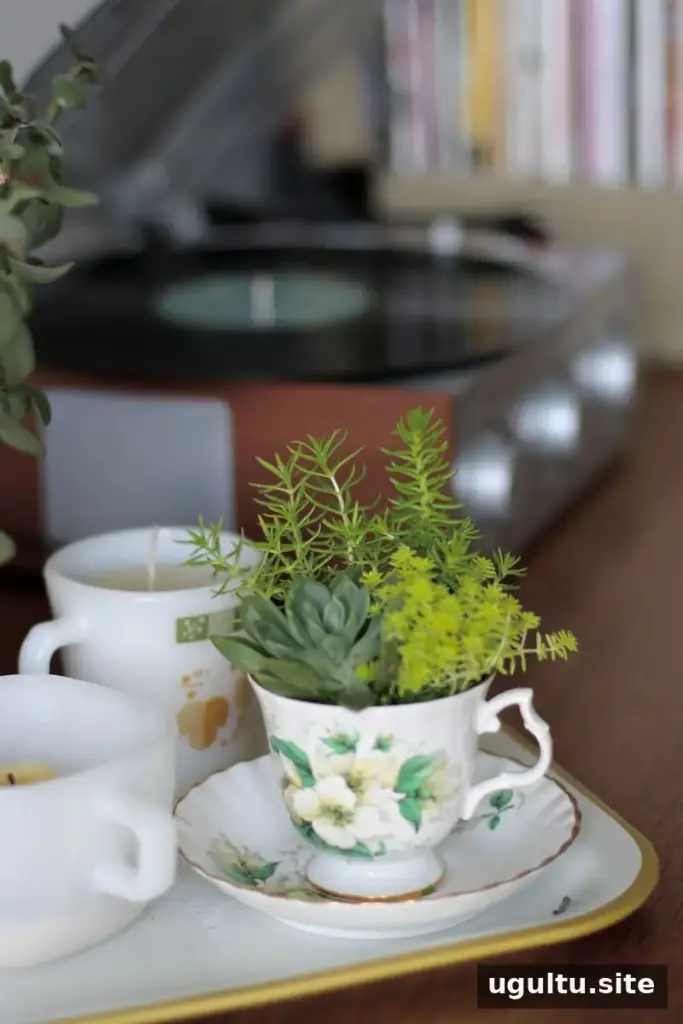
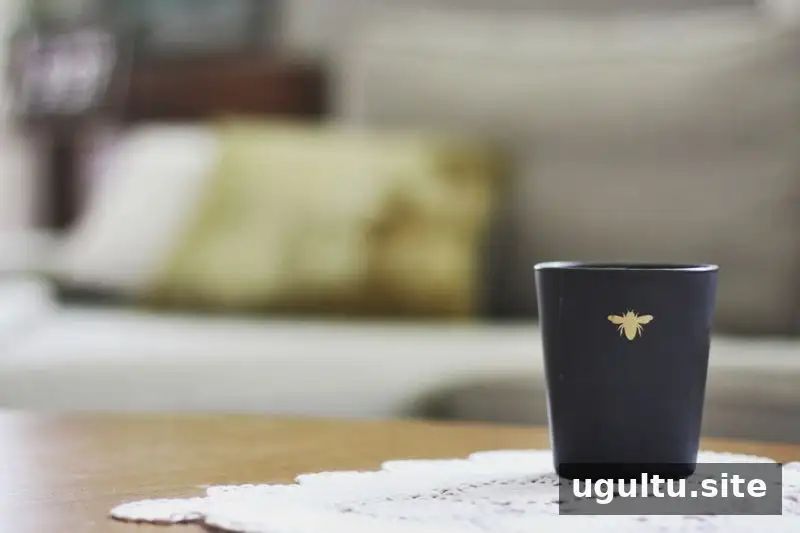
Although the family had not lived in the home for long, the room already held many meaningful items. Wedding and ultrasound photographs, paintings, and a child’s volcano science projects sit alongside teacups and milk glass mugs used to hold beeswax candles and small succulents.
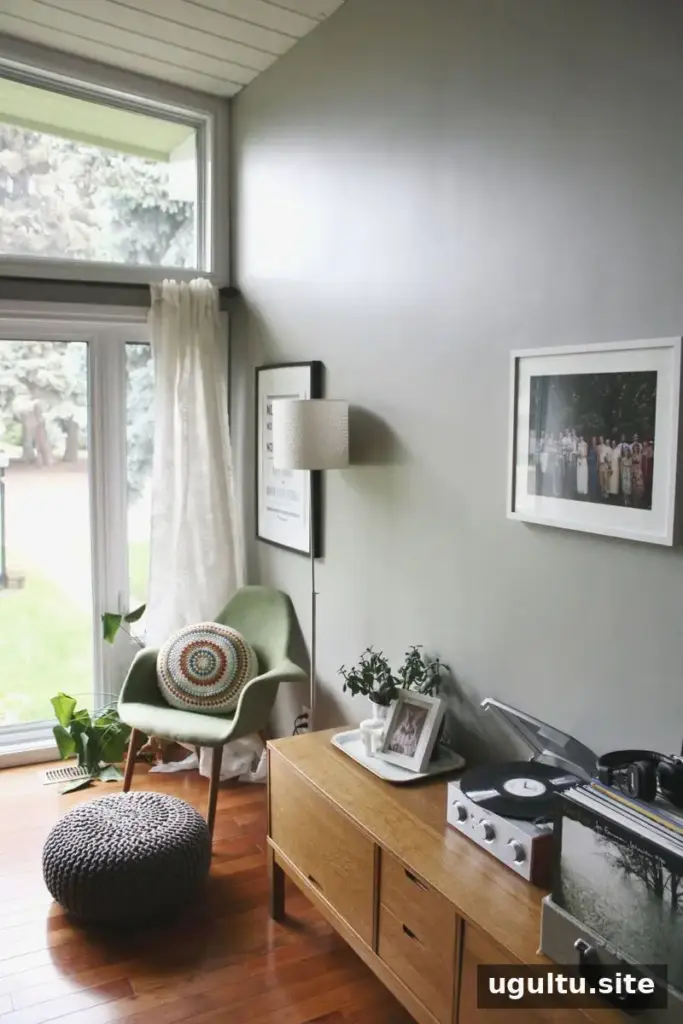
Combining sentimental objects with everyday decor can make a room feel personal. Grouping smaller pieces together—such as candles and succulents on a tray—can help a display feel intentional while keeping surfaces useful. For fragile keepsakes, choose a spot that is visible but out of the way of play and busy walkways.
Keeping memories close
The family’s photo albums are among the most important things in the room. There are only a few albums so far, and many photos from the past decade still need to be printed, but the existing collection is deeply valued. The space also represents the comfort of having a safe, cozy home. In light of recent flooding that left thousands of people in the province without their homes, that sense of security is especially significant.
Printed photographs can bring warmth to a shared room and make family memories easy to revisit. If you are building an album collection, choosing a small group of meaningful photos to print at a time can make the task more manageable.
Krystin McCourt’s home shows how an open living and dining room can balance comfort, function, and personal meaning. A welcoming focal point, flexible everyday storage, and a few treasured objects can help make a shared space feel like home—even when family life leaves signs of activity behind.


