
 admin
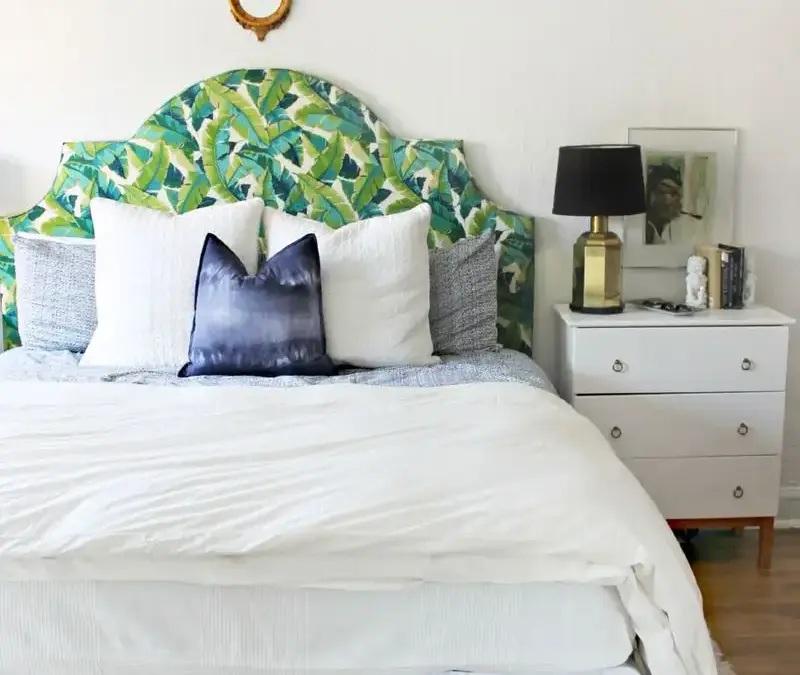
Shannon Smith’s Washington DC apartment brings together the charm of a 1920s building, colorful details, and practical ideas for making a rental feel personal. After moving from North Carolina with her husband, Shannon made the most of the home’s high ceilings, French doors, and bright rooms while finding creative ways to work around its older features.
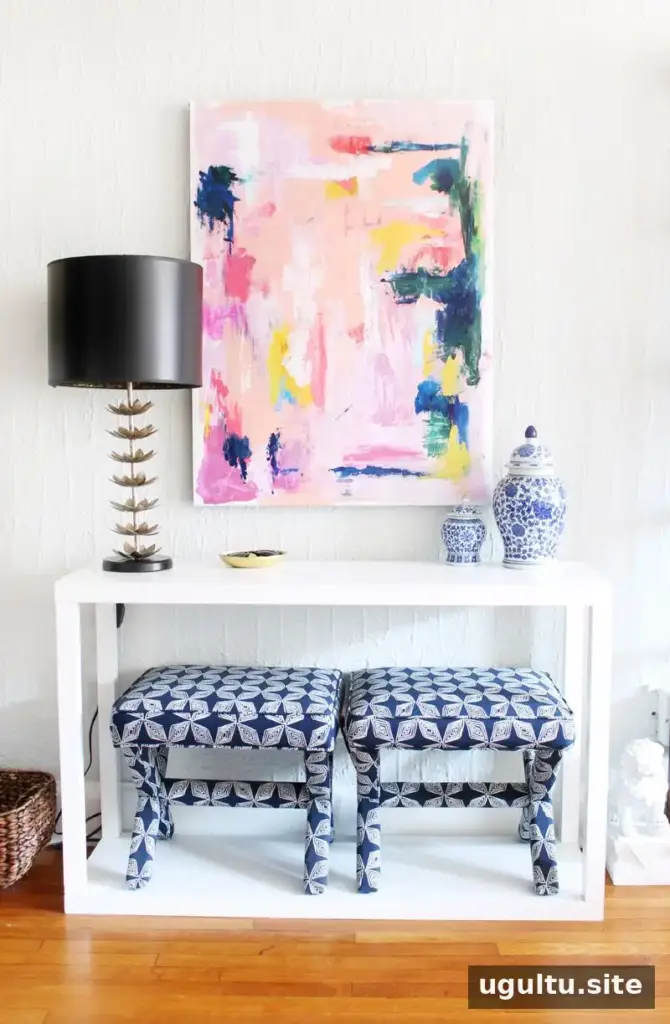
Table, artwork, and stools.
A character-filled apartment in Washington, DC
Shannon and her husband had wanted to live in Washington, DC for years. They eventually downsized and moved to the city, choosing an older apartment with plenty of architectural character. The building dates to the 1920s, so it came with details such as textured walls and old radiators. High ceilings and French doors help give the home a sense of openness and make its vintage features feel at home.
Shannon works in university marketing and also pursues interior design and art. Her home reflects that creative perspective, with personal touches balanced against practical choices suited to apartment living.
A bright bedroom with a bold focal point
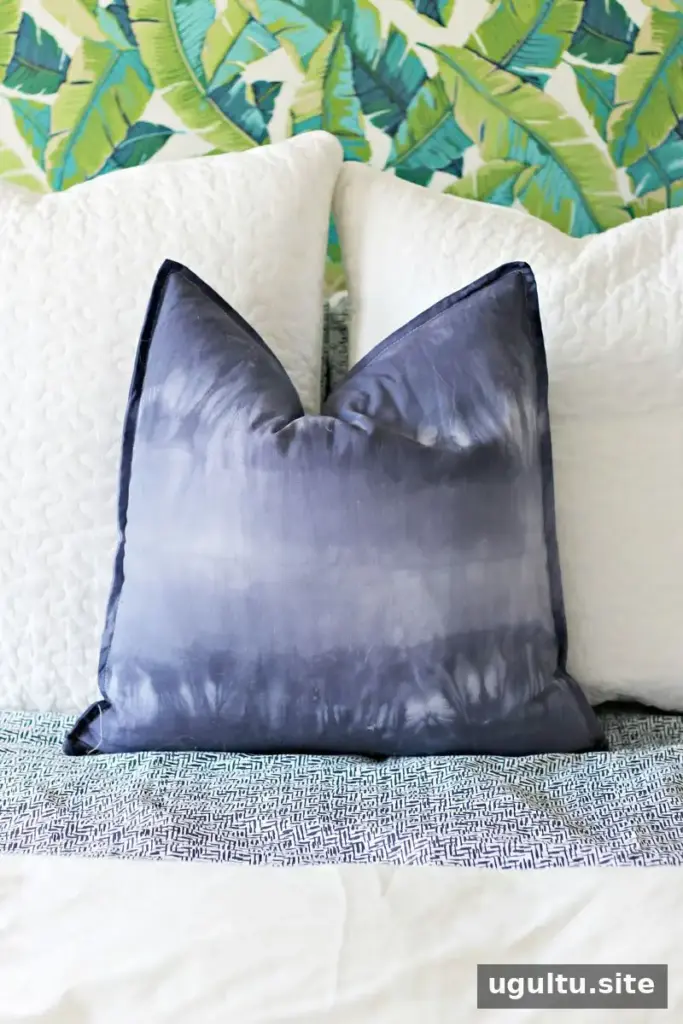
DIY pillow.
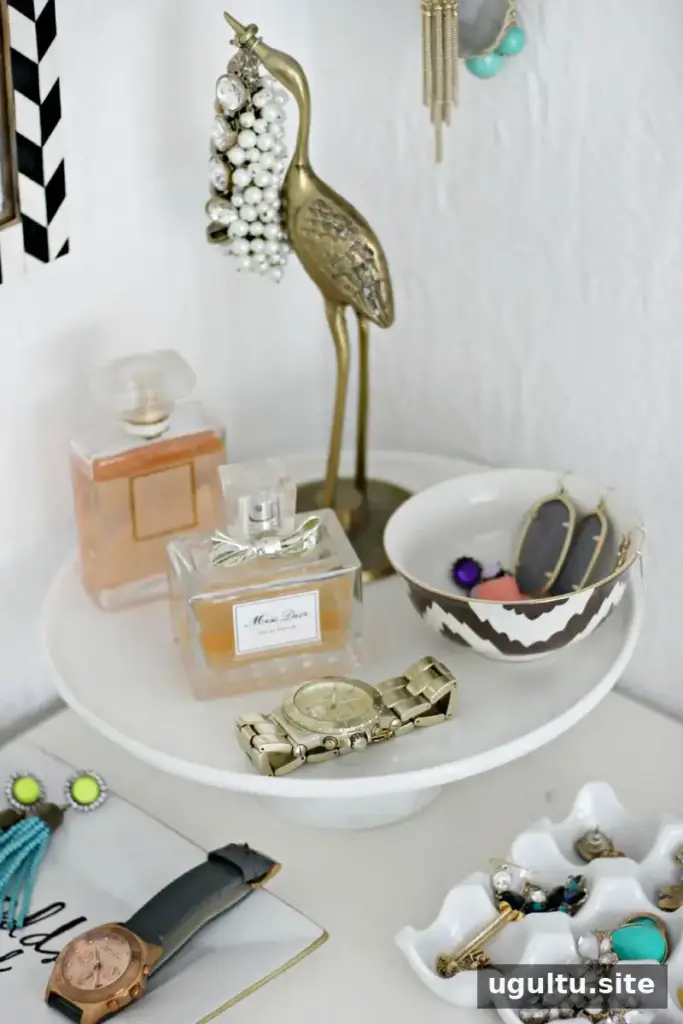

DIY dish.
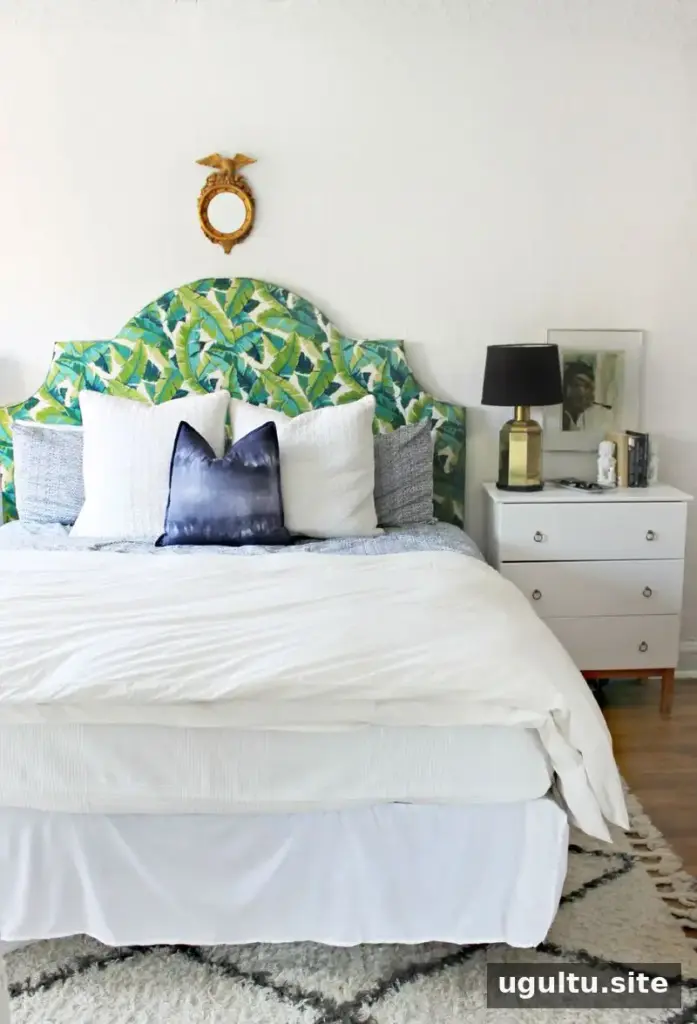
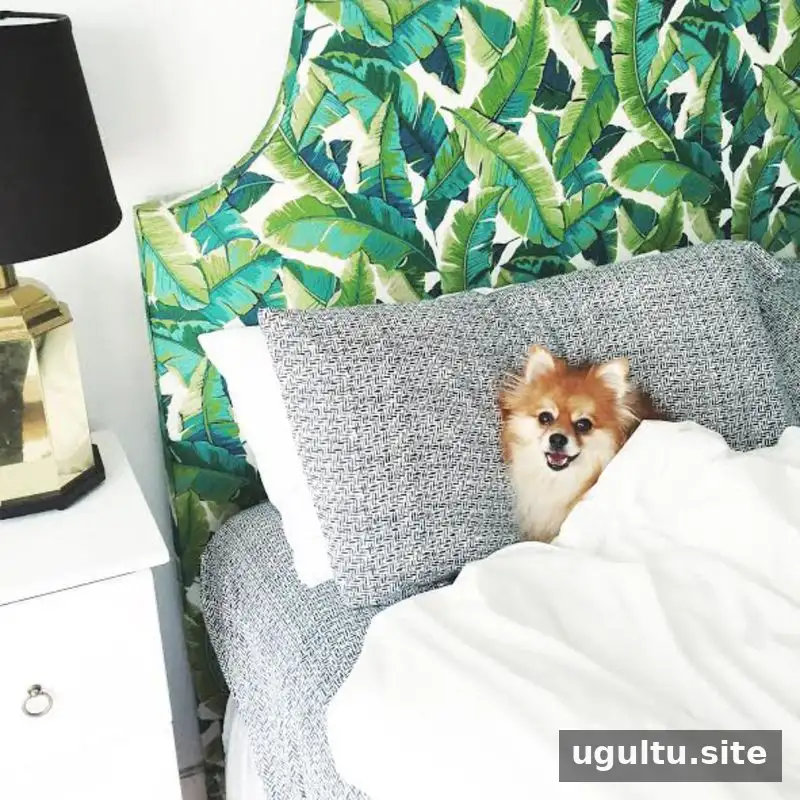
The bedroom is one of Shannon’s favorite spaces. It is spacious by apartment standards and gets plenty of natural light. Since the walls were already white when the couple moved in, she kept the light, neutral backdrop and introduced color through furnishings and accessories.
A banana-leaf-patterned headboard gives the room a lively focal point. Shannon and her husband built the king-sized headboard over a weekend. The project took time and effort, but a statement piece like this can add personality without requiring a full room makeover. Keeping larger surfaces simple also allows a bold pattern to stand out.
Renter-friendly decorating ideas

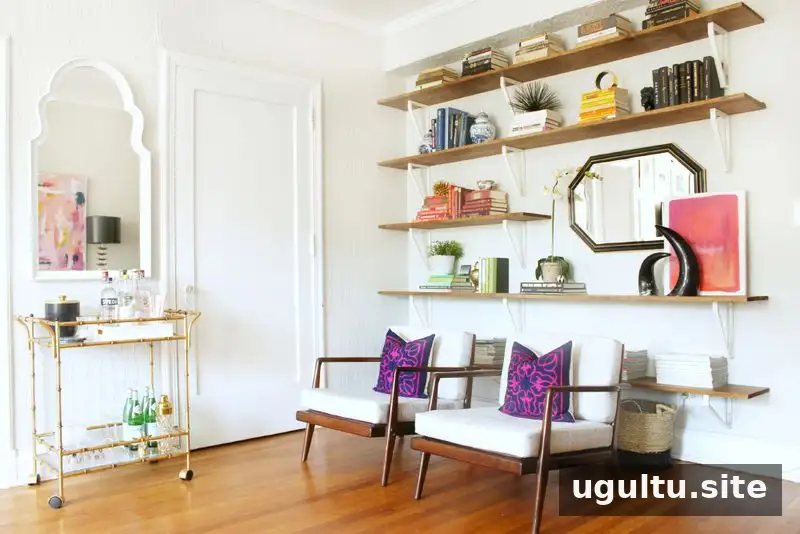
Renting does not mean every design choice has to be temporary or plain. Shannon recommends looking for ways to use space creatively. Wall-mounted shelves, for example, can provide storage without taking up valuable floor area. Before drilling, check your lease and ask your landlord about installation rules.
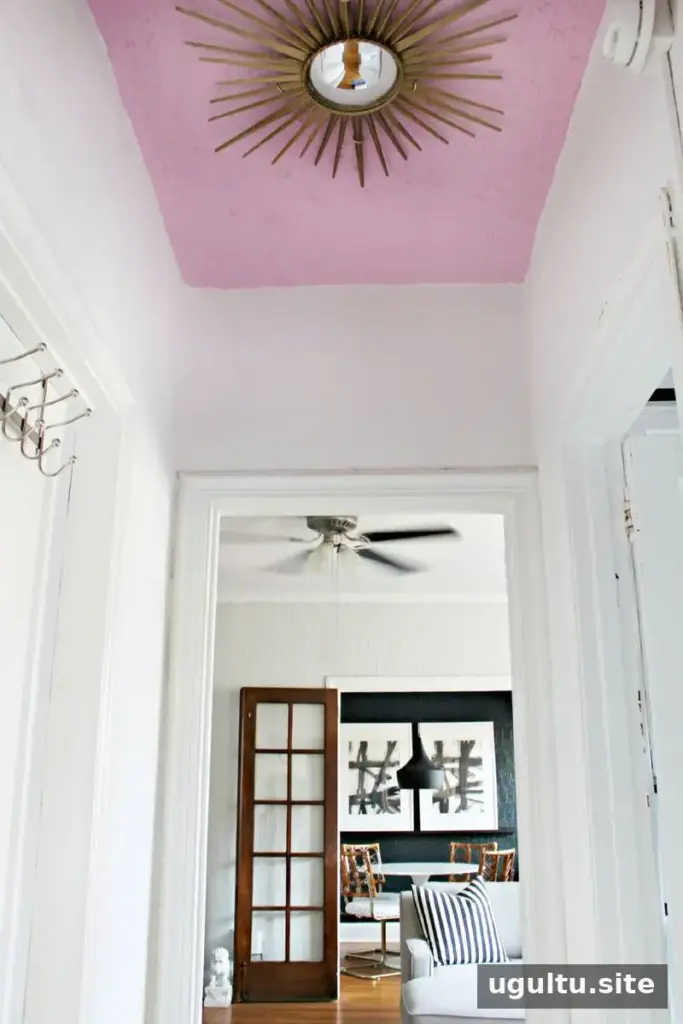
Paint can also make an unexpected difference. With permission, consider areas beyond the walls, such as a hallway or bathroom ceiling. Swapping a basic light fixture is another way to personalize a rental, but keep the original fixture and hardware so they can be reinstalled when you move out. Always check whether electrical work requires a professional.
Second-hand furniture with a story
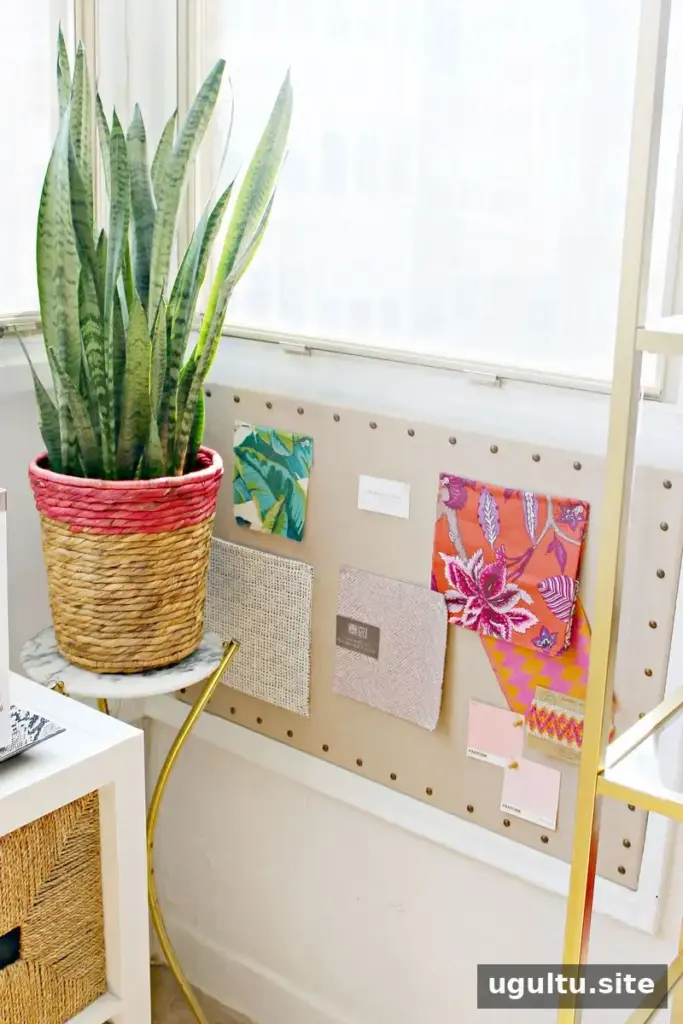
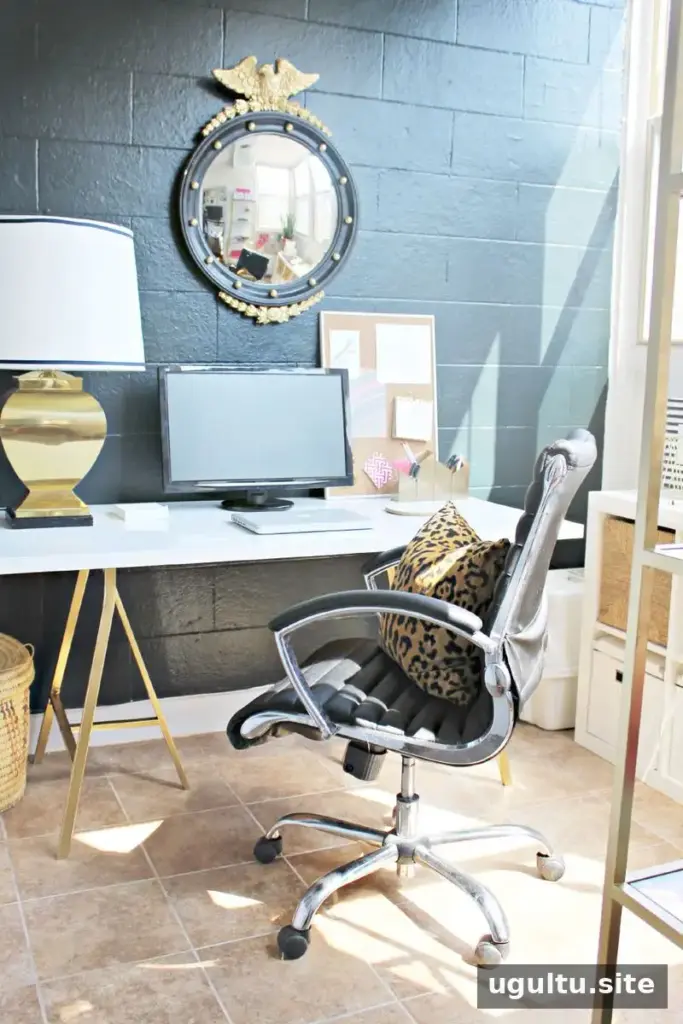
Painted desk.
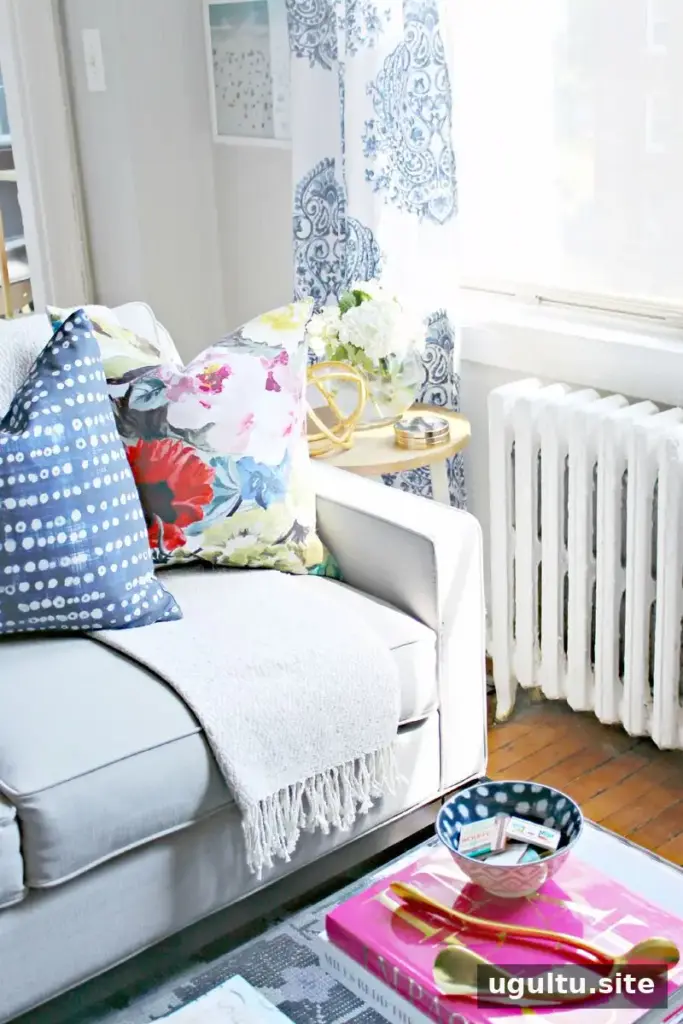
Sectional sofa.
Some of the apartment’s most distinctive pieces are its chairs. Shannon found a pair of mid-century chairs through a second-hand listing for $140. Their previous owner’s mother had bought them in the 1950s and kept them in excellent condition for more than 50 years. The original cushions had citron-colored velour, which Shannon saved so she could use them again. She also had new cushions made in gray tweed for a different look.
The dining chairs were another thoughtful second-hand find, discovered by a friend who knew they would suit Shannon’s style. Shannon refreshed them with spotted fabric. Reupholstering or replacing cushions can give older chairs a new appearance while preserving the shape and character that made them worth keeping.
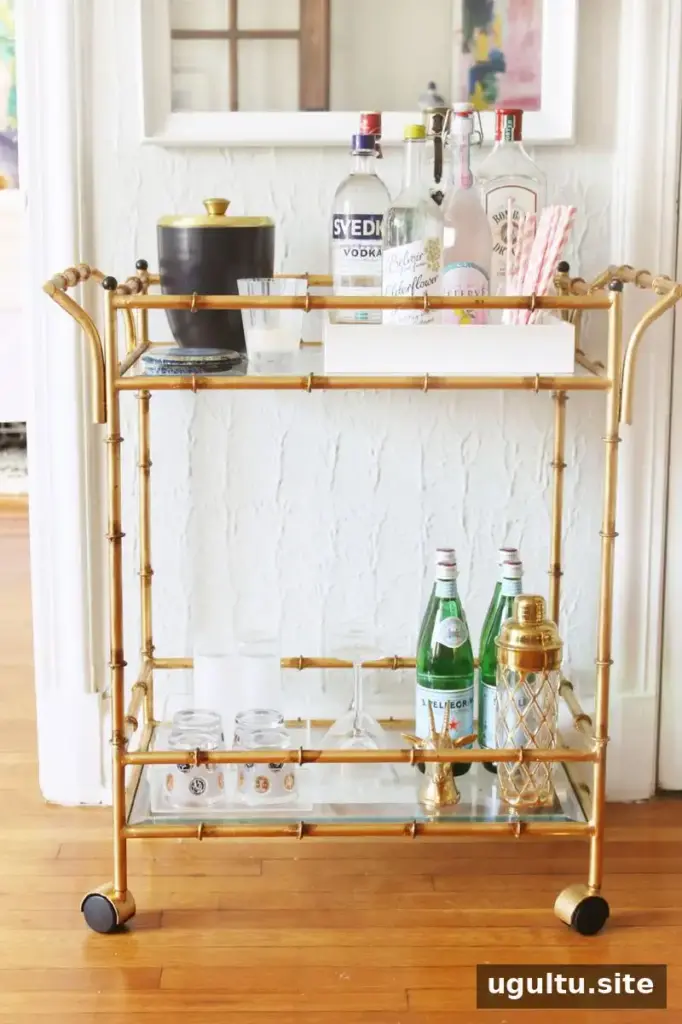
Decorative cart.
Make a home gradually
Downsizing meant the couple sold or donated many belongings before moving, giving them a chance to begin again in the apartment. Still, furnishing a home takes time. Shannon’s approach is to use what is already available and wait for pieces that feel right instead of rushing to fill every space.
That advice is useful for any home, especially a rental: take time to understand how you use each room, then add pieces that solve a real need or bring lasting enjoyment. A mix of inherited, second-hand, DIY, and carefully chosen furnishings can make a space feel collected rather than overfilled.
Final thoughts on Shannon Smith’s Washington DC apartment
Shannon Smith’s Washington DC apartment shows how architectural character, natural light, creative projects, and second-hand finds can work together in a rental. By using vertical space, personalizing details with permission, and furnishing the home gradually, renters can create a welcoming space without losing sight of practical constraints.


