
 admin
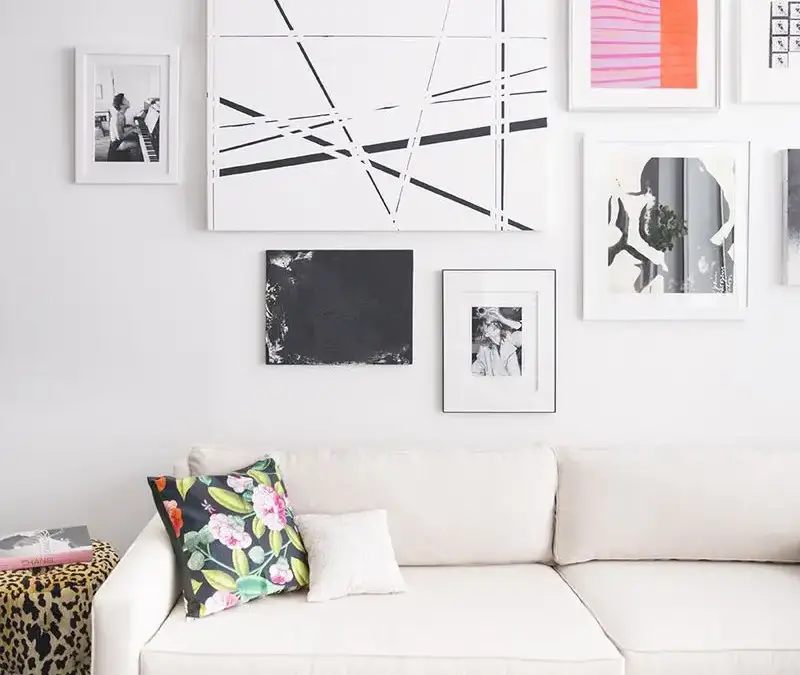
Domino Magazine brings home inspiration to readers through print and digital content, and its editorial work extends beyond the pages. A look at the team’s office offers a glimpse of how color, texture, and the process of producing a magazine come together in a creative workplace.
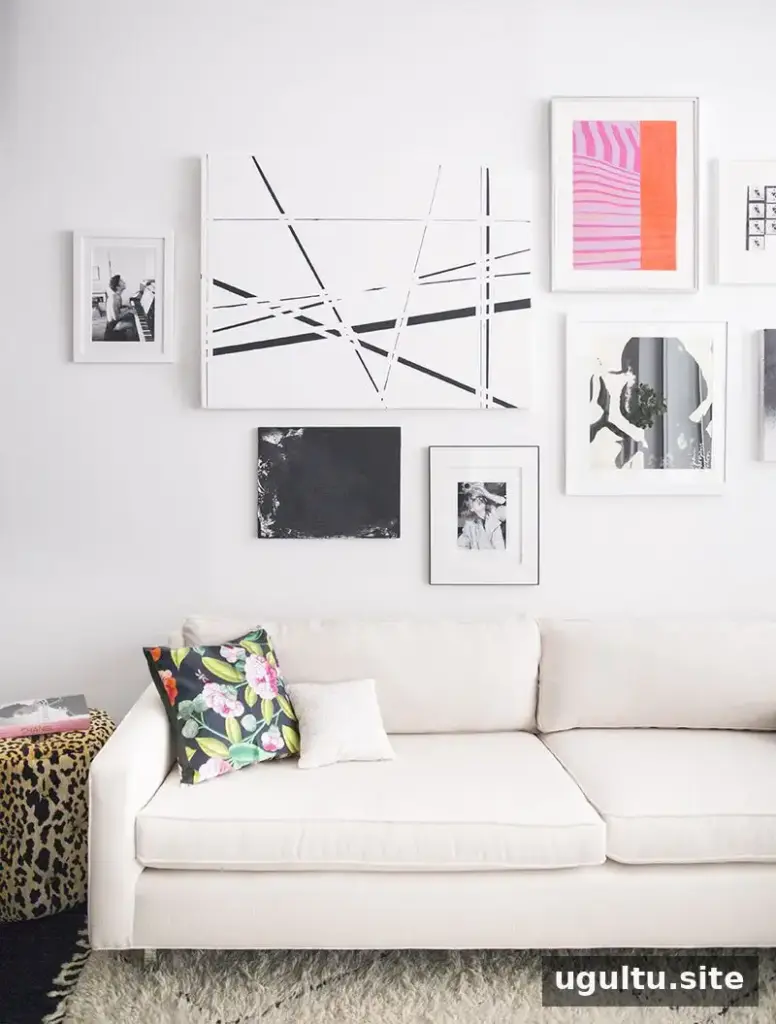
Michelle Adams, then editor in chief of Domino Magazine, shared details about the publication’s work and office. The magazine was described as a guide to stylish living, helping readers move from ideas for their homes to products that suit their spaces.
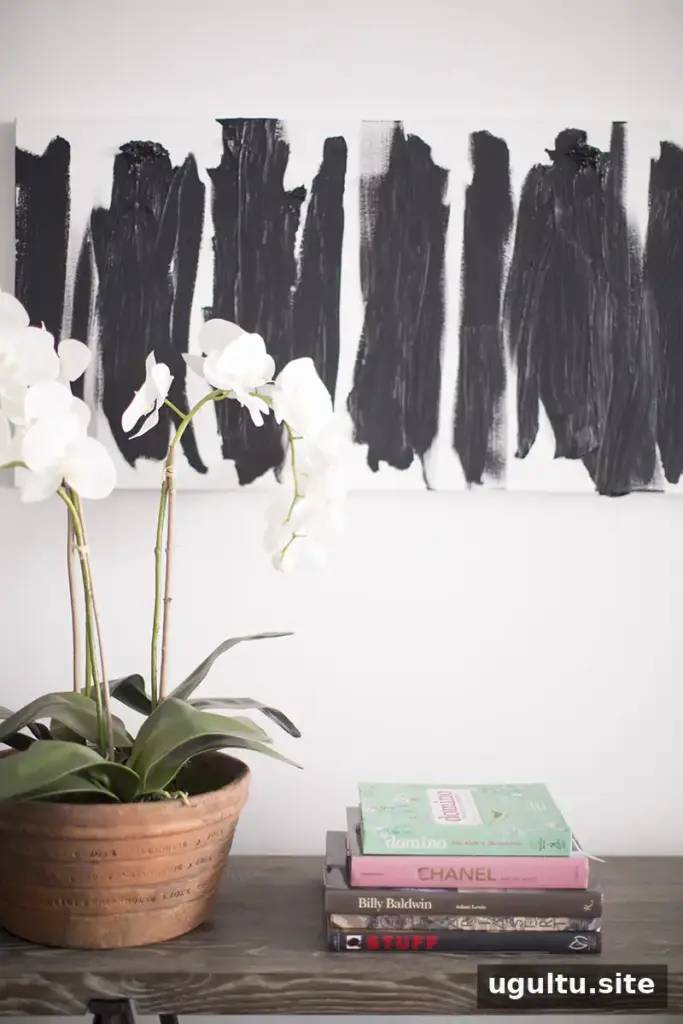

Domino Magazine’s publishing and editorial work
Domino’s publishing format includes a quarterly print magazine, a website with daily content, and a marketplace where readers can discover home products. Together, these formats connect editorial inspiration with practical shopping research. For readers, comparing ideas across formats can be useful: a print feature may offer a broader visual story, while digital content can provide timely updates.
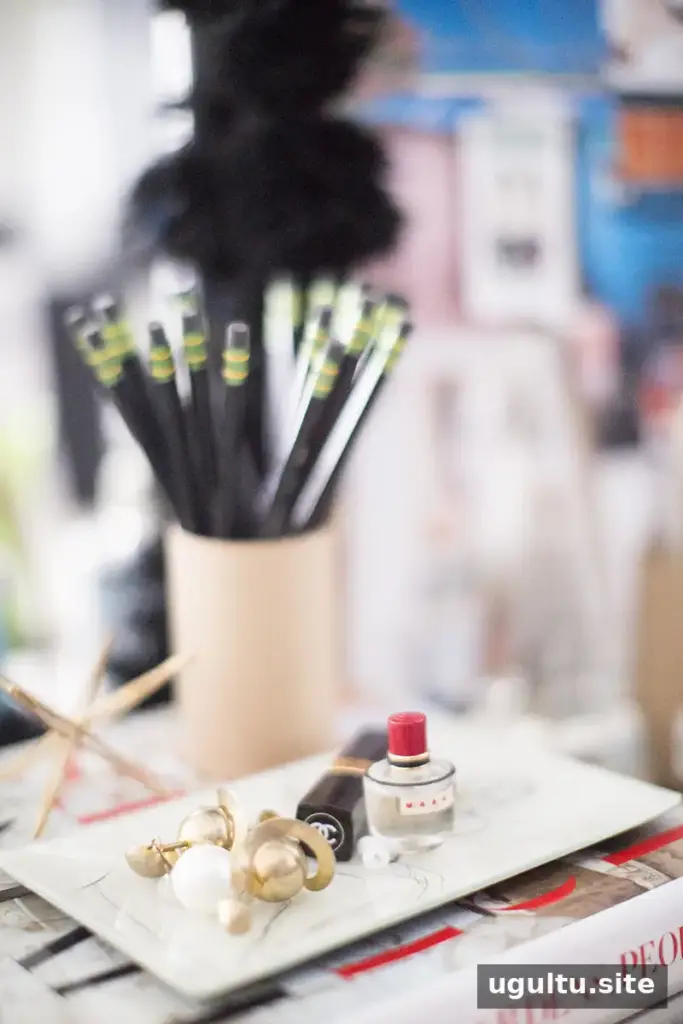
The publication’s approach focuses on helping people think about home furnishings in a way that feels personal, much as they might consider clothing and individual style. That perspective can also be useful when decorating: start with the look and feeling you want, then assess which colors, materials, and pieces work within your room and budget.
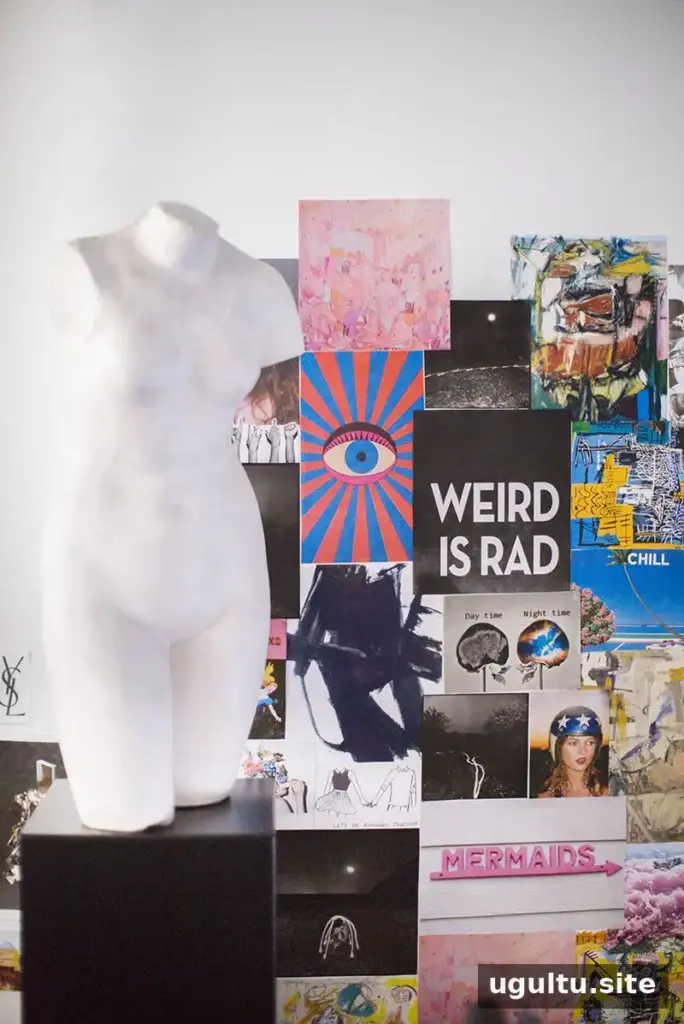
A busy schedule shaped by shoots
Editorial schedules vary throughout the year. While the team was preparing its March issue, much of Adams’s work involved producing photo shoots. Recent travel for those shoots included Paris, a stop in New York City, and a further trip to Los Angeles. On-location work gave the editorial team opportunities to meet people and document how they live, providing material to share with readers.
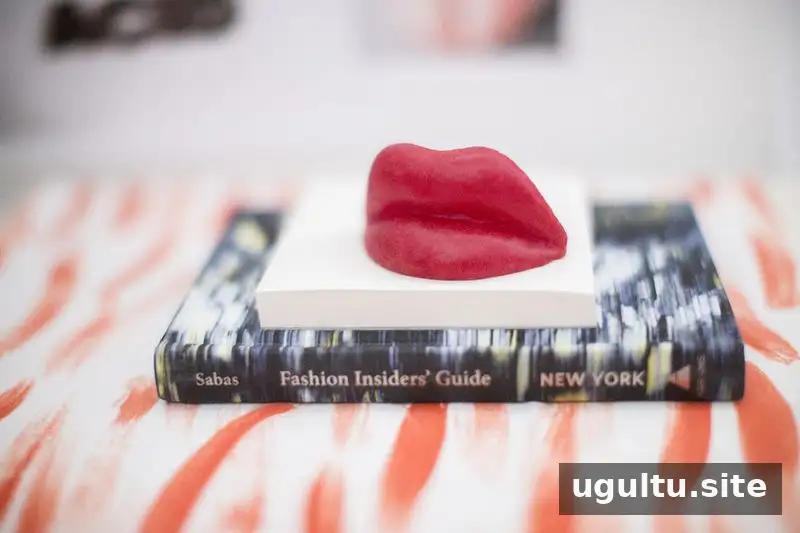
A practical takeaway from this kind of production is that a home story depends on more than attractive objects: the way people use a space can help make its design choices understandable. When taking inspiration from a feature, consider how a room functions day to day before choosing details to recreate.
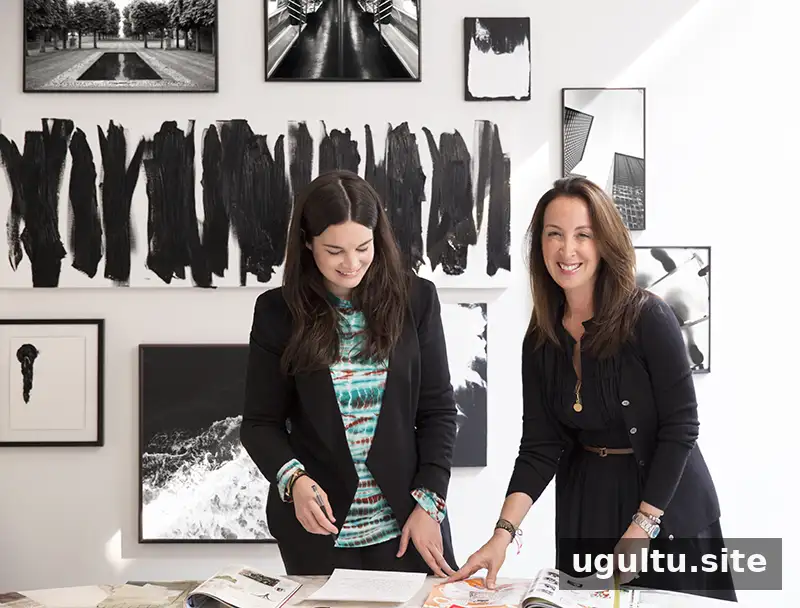
Color and texture in the office
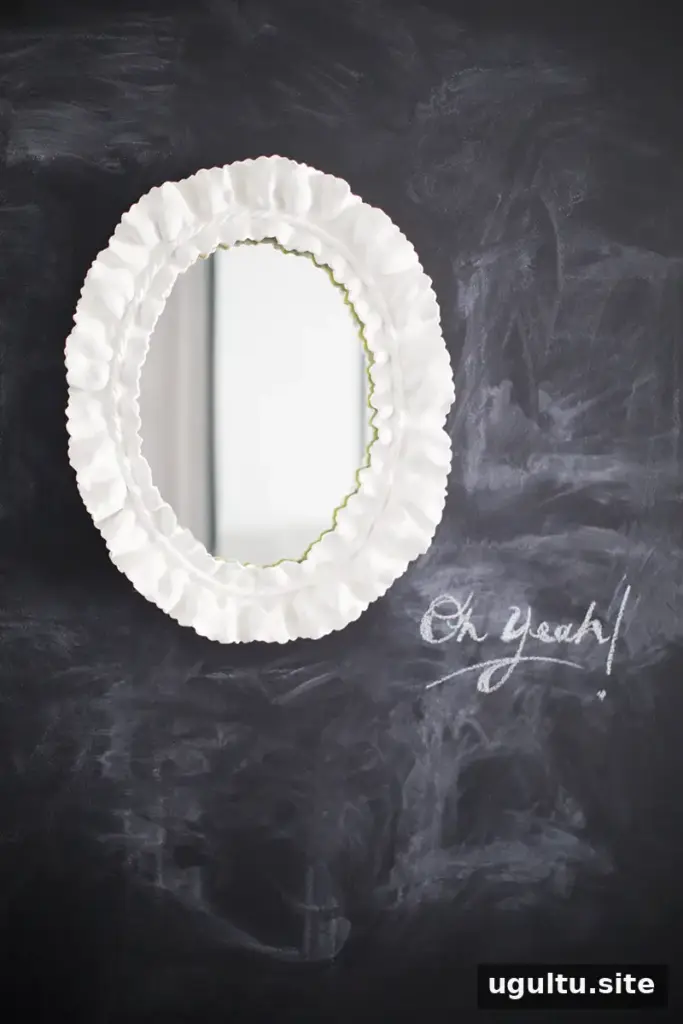
Two office details stood out to Adams. She had recently ordered a watermelon-pink desk, choosing an unexpected color to brighten a professional setting. The office also featured Moroccan rugs sourced from a small town outside Tangier during the previous summer. The team spent time selecting shapes and patterns that would sit well alongside its streamlined office furniture.
The contrast between vivid color, patterned rugs, and simpler furniture offers a practical decorating idea: mix expressive pieces with quieter basics so that each element has room to stand out. If you are trying a bold desk or rug at home, consider the existing colors and patterns in the room first, and use a smaller accent to test the palette before making a larger commitment.
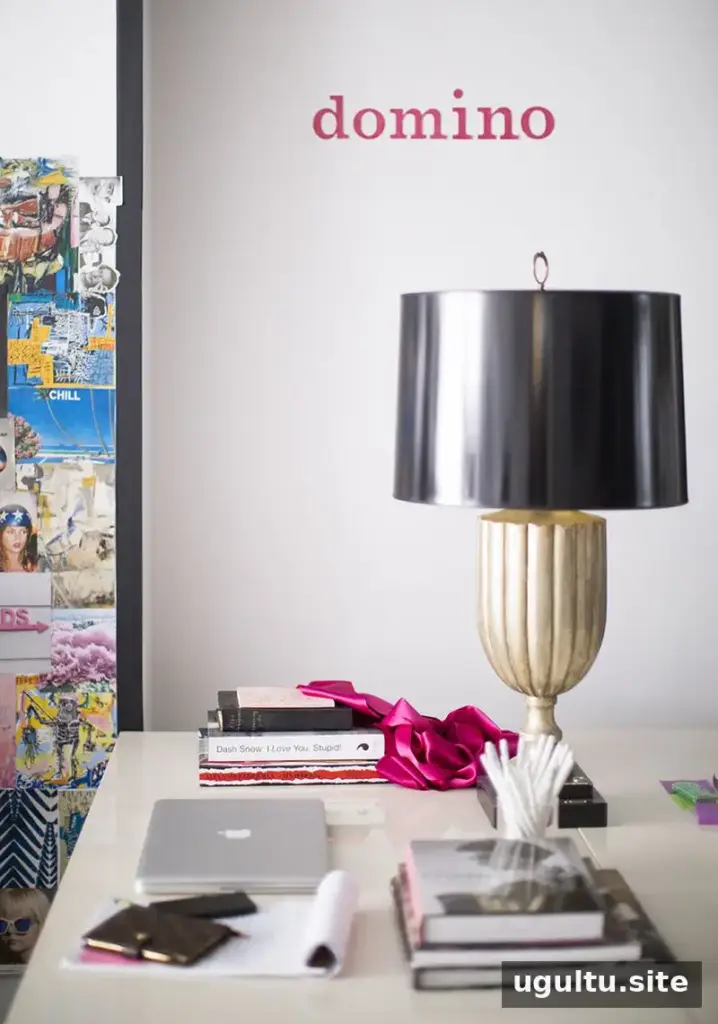
What the Domino Magazine office reveals
The office details reflect a balance between personality and function: a colorful desk adds energy, while Moroccan rugs bring pattern and texture to streamlined furnishings. Alongside its quarterly print edition and daily digital publishing, Domino Magazine’s editorial process draws on real spaces and the people who use them. For readers planning their own interiors, the most useful lesson is to combine inspiration with practical choices that suit the way a room is actually used.
Photography by Brittany Ambridge


