
 admin
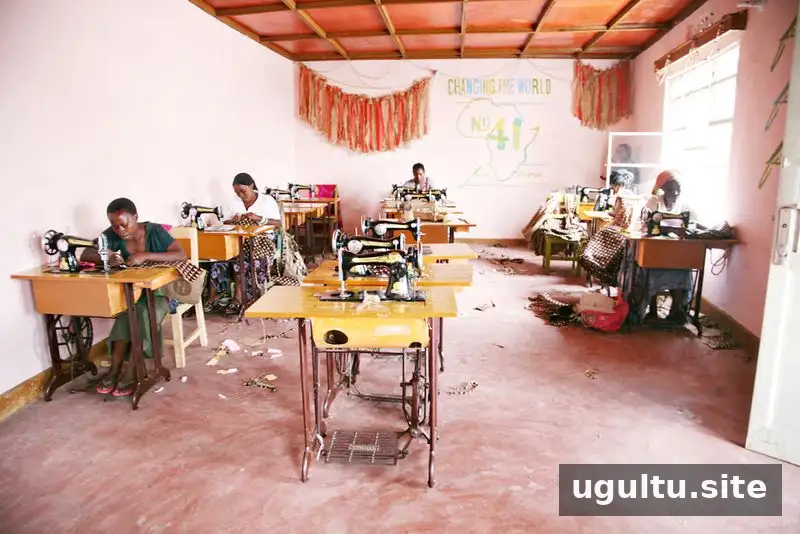
No.41 Rwanda is a sewing initiative founded in Gisenyi that connects paid work for local women with school meals for children. Alison, who shared the organization’s story, describes a model built around practical sewing skills, flexible working arrangements and support for the surrounding community.
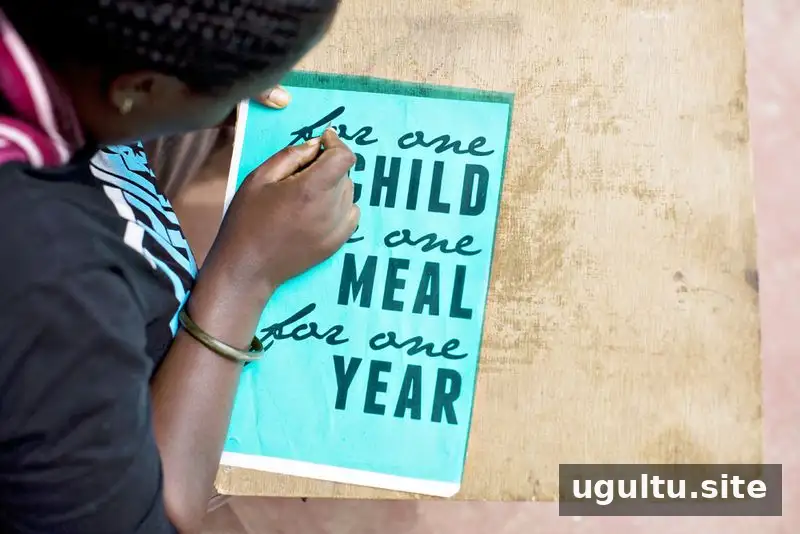
How No.41 Rwanda connects sewing and school meals
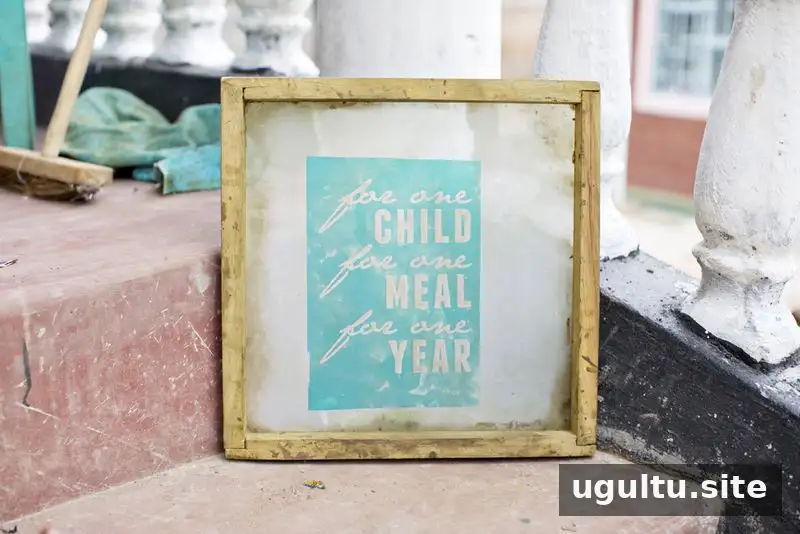
Alison explains that the name No.41 means “for one.” The initiative began in March 2012 with 16 girls from a local orphanage in Gisenyi, Rwanda. Its aim was to teach sewing, a locally relevant trade, while helping participants earn an income and contribute to their community.
Under the program’s model, each bag sewn provides a young woman with sustainable income and helps provide a child with a hot, nutritious lunch at school each day for the full school year. At the time described, No.41 employed 32 young women and 6 men. Its meal program served 870 students and 36 teachers daily.
For readers considering similar community programs, this approach illustrates how a product-based activity can be linked to a clearly defined local benefit. The reported figures also make the scale of the work easier to understand: employment, production and meal service are connected rather than treated as separate goals.
A flexible workday and shared workspace
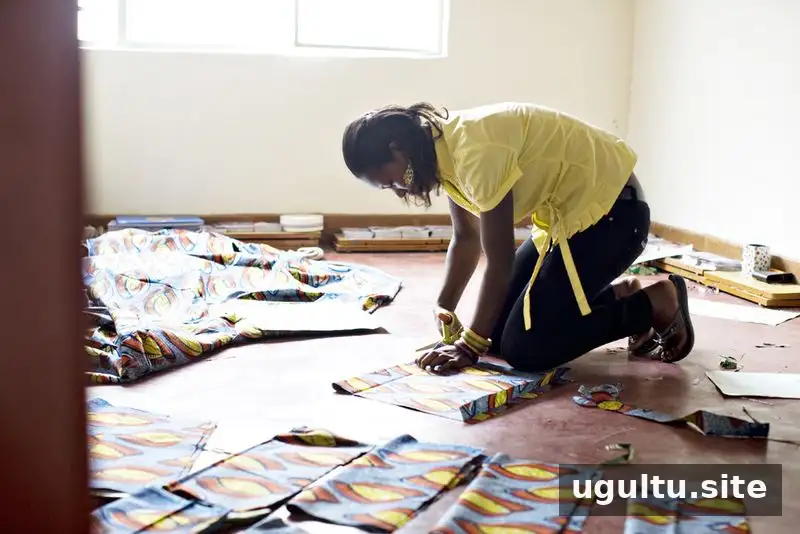
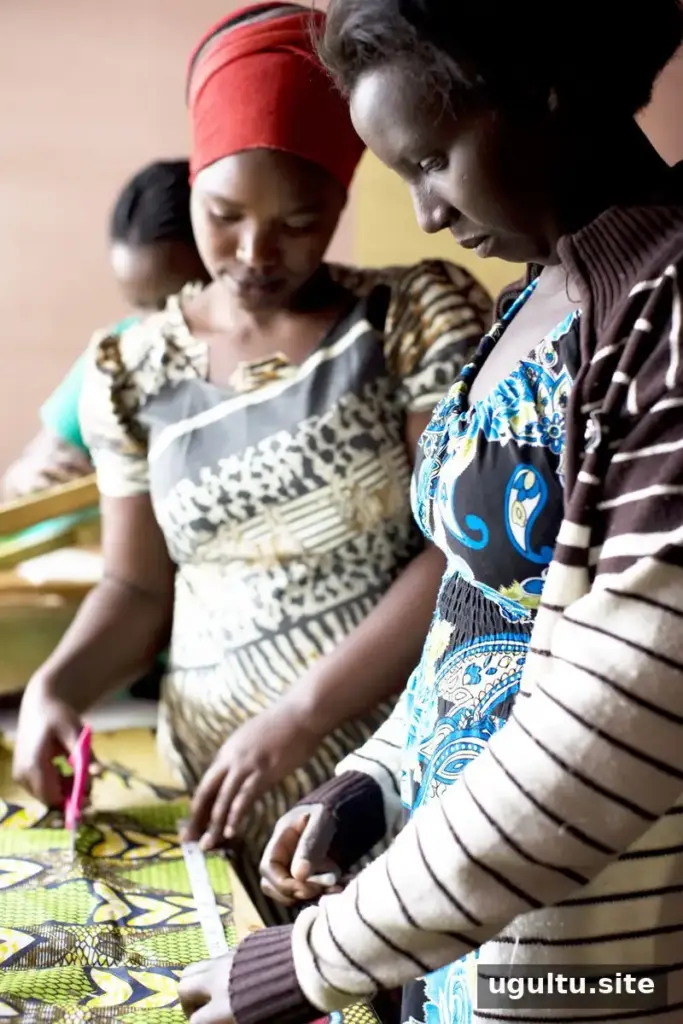
The organization’s schedule changed as the team learned what worked best. At first, the workday followed a regular Monday-to-Friday schedule from 8 a.m. to 4 p.m. Sewing and group activities were part of the day. Later, the young women worked on commission and could come and go at times that suited them.
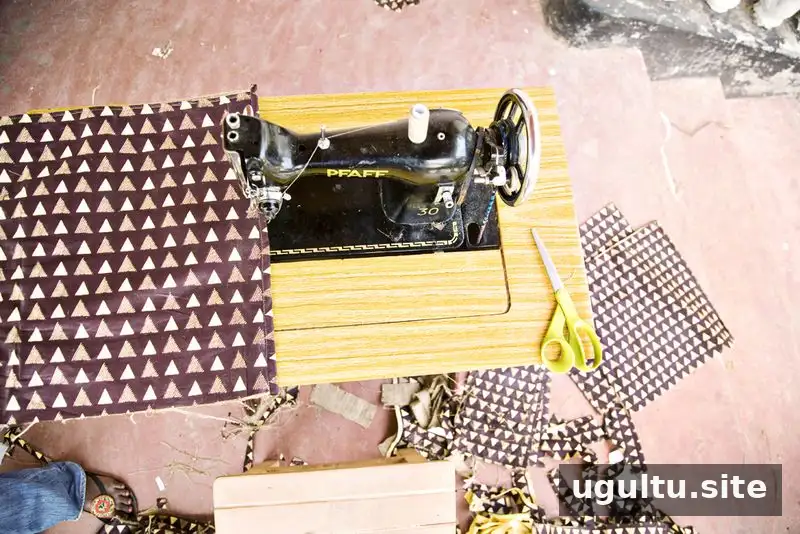
No.41 rented two houses within a small compound. The front house was shared with some of the team, while the house behind it served as the sewing workspace. This arrangement allowed the organizers to work from the living room while staying close to the workshop and available for questions or needs during the day. For a small organization, keeping shared living and work areas nearby can make coordination easier, though clear communication remains important when schedules are flexible.
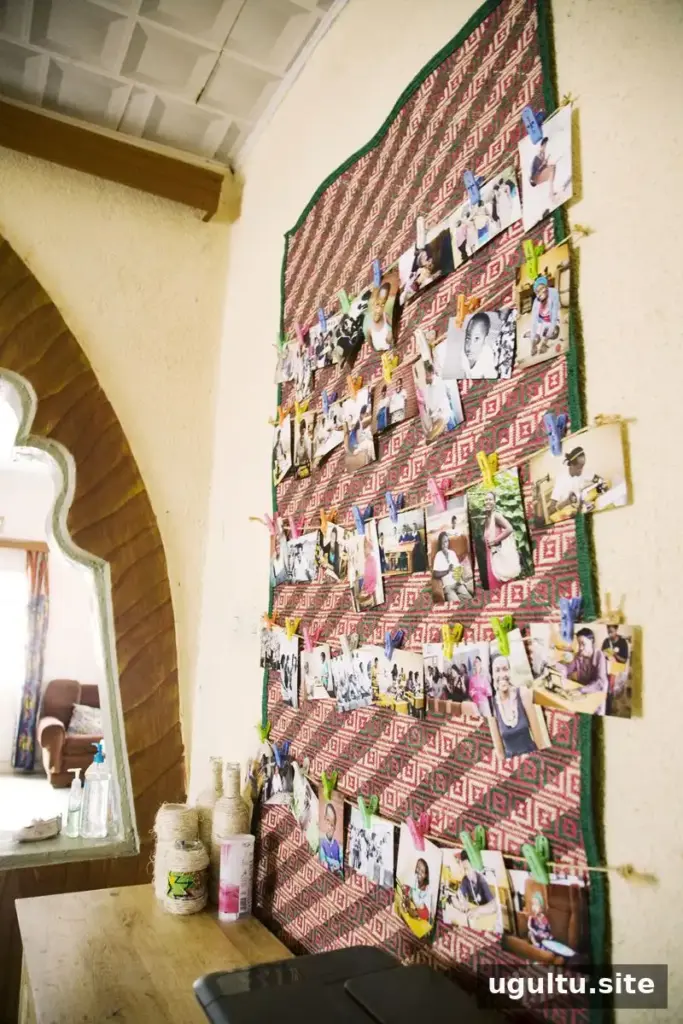
A photo wall became one of the team’s favorite features. The pictures documented the organization’s journey and helped the group see how much had changed since its early days.
Display ideas made from reclaimed materials
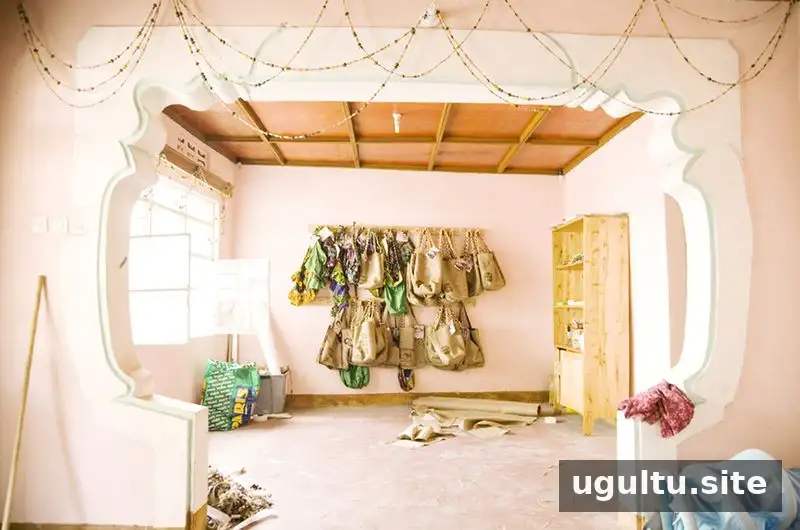
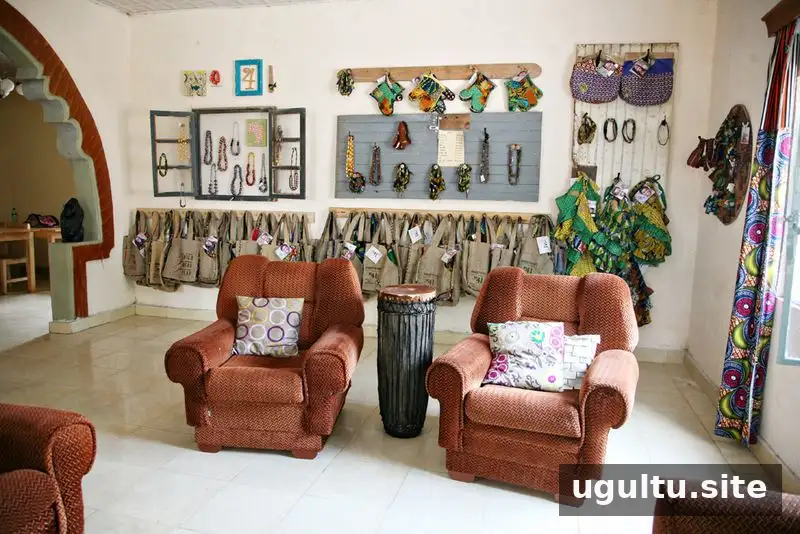
The product display was set up in the living room. When the landlord demolished a nearby house to build the No.41 workspace, old doors and windows were being discarded. The team rescued these pieces and reused them to display its sewn products, creating a distinctive storefront-style area inside the home.
The display was refreshed regularly because visitors came through often. Reusing salvaged materials offered a practical way to create visual interest without relying on new fixtures. For anyone arranging a small retail display, the example also shows how a room’s existing character and reclaimed objects can help present products in a welcoming way.
What No.41 Rwanda’s model shows
No.41 Rwanda’s story brings together sewing employment, flexible work and school meals in one community-focused model. Its experience in Gisenyi shows how a locally relevant skill can support income while contributing to a practical daily need. The figures shared by Alison—32 young women, 6 men, 870 students and 36 teachers—offer a snapshot of the initiative’s reported reach.


