admin
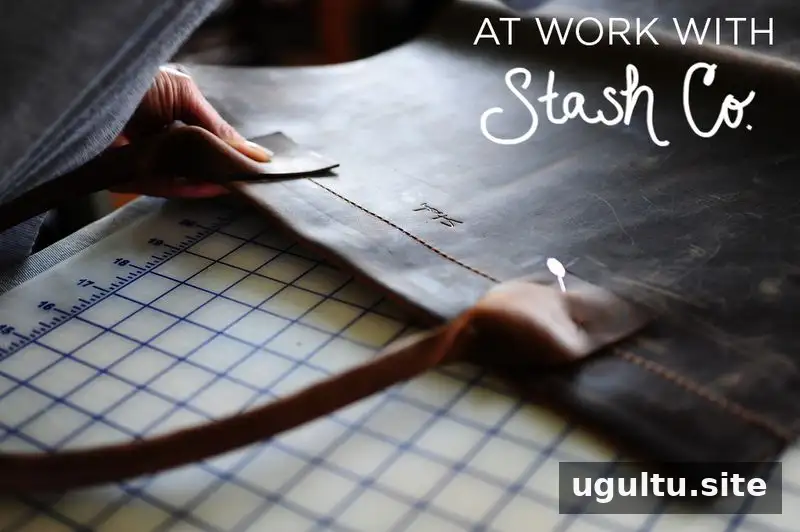
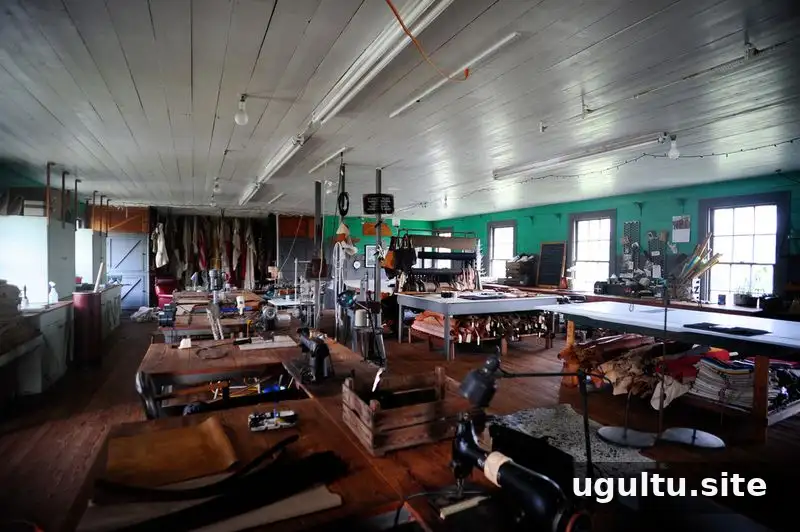
The Stash Co workshop is a small artisan production space in Sealy, Texas, where leather goods and furnishings are designed and made. Operations Chief Kelly Amber Garcia shares how the team uses reclaimed materials, adapts its workspace, and keeps everyday tools organized.
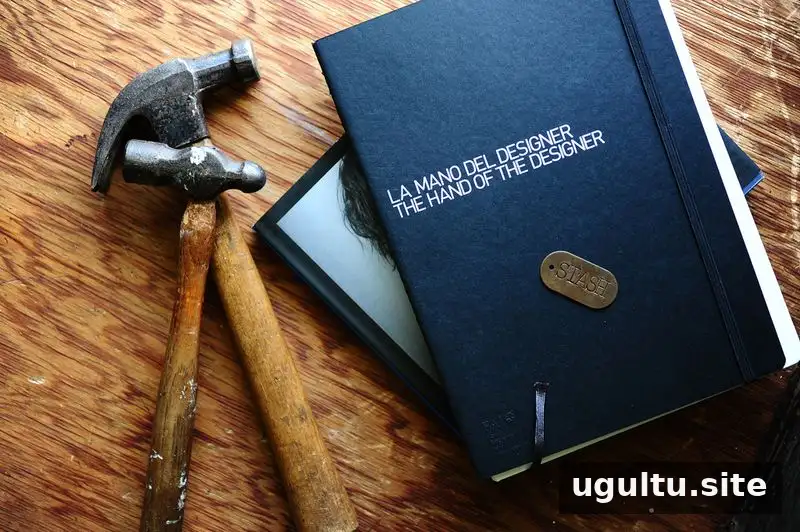
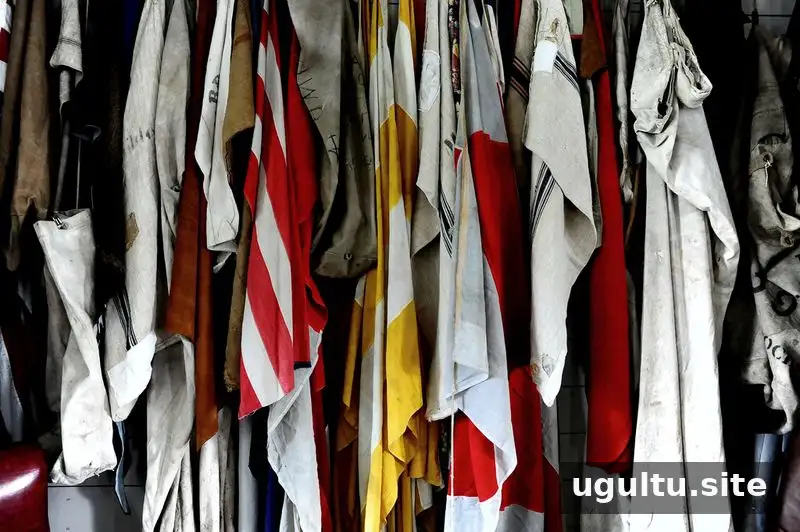
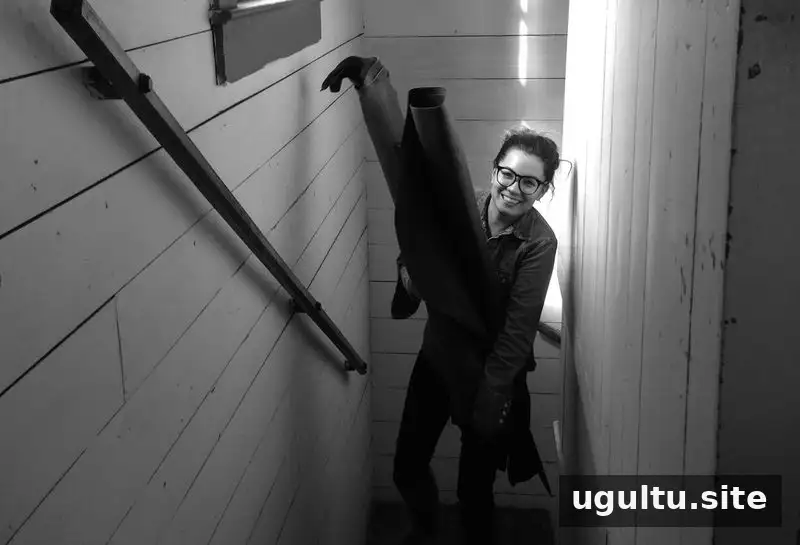
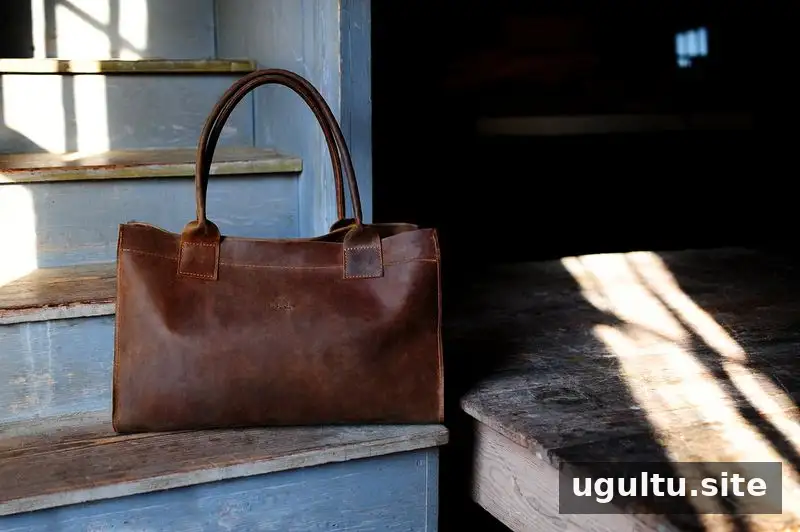
Kelly Amber Garcia leads operations at Stash Co. The company makes leather goods and furnishings, working with reclaimed textiles and wood as well as new North American bison and Brazilian hair hides.
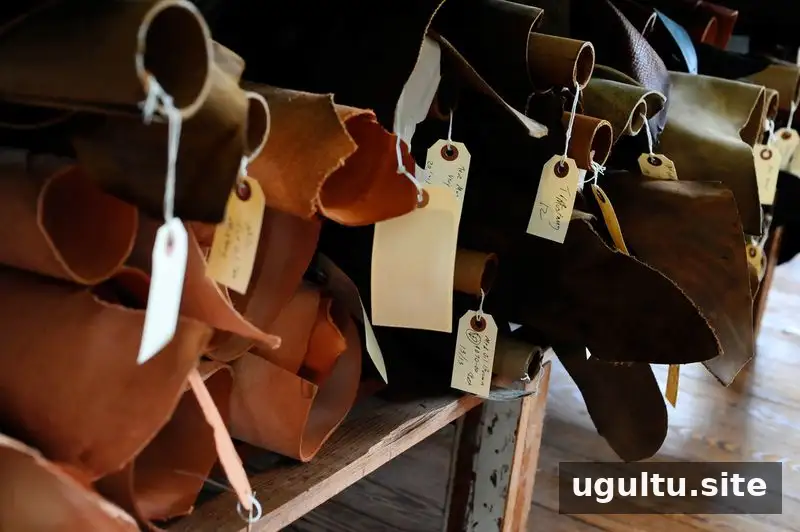
How the Stash Co Workshop Works
Stash Co is a small artisan business focused on distinctive products and individualized customer service. With a compact team and a mindful approach to production, workdays can be varied and plans may change as new tasks arise. Team members take on a wide range of responsibilities, from cleaning and maintaining the space to sourcing materials and making merchandise.
This flexible setup is common in small-scale workshops: sharing responsibilities helps a team respond to changing priorities. Keeping a written task list and returning tools to designated places can also make it easier to pick up work after an interruption.
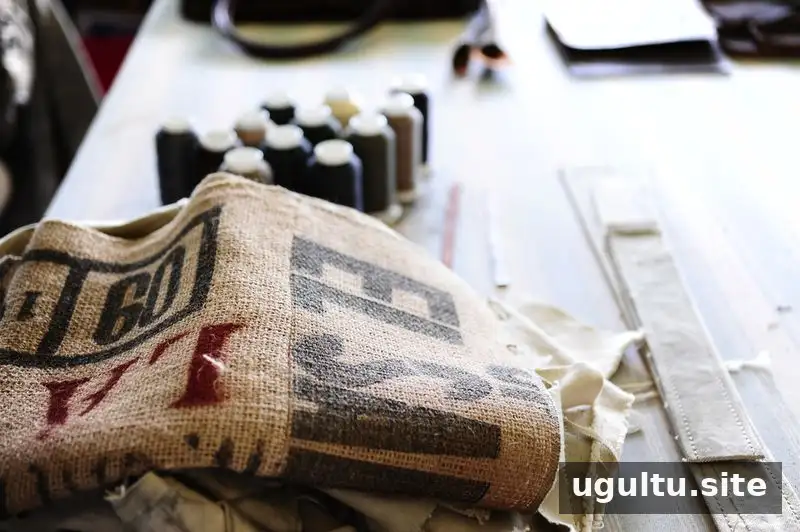
The workshop’s history contributes to its practical character. The building was originally created for mattress-making. Cheryl, a Stash Co owner, has family ties to the space: her grandparents used it for a decorating center, which continues to operate at the front of the building. Stash Co uses most of the factory area to design, build, and sell bags.

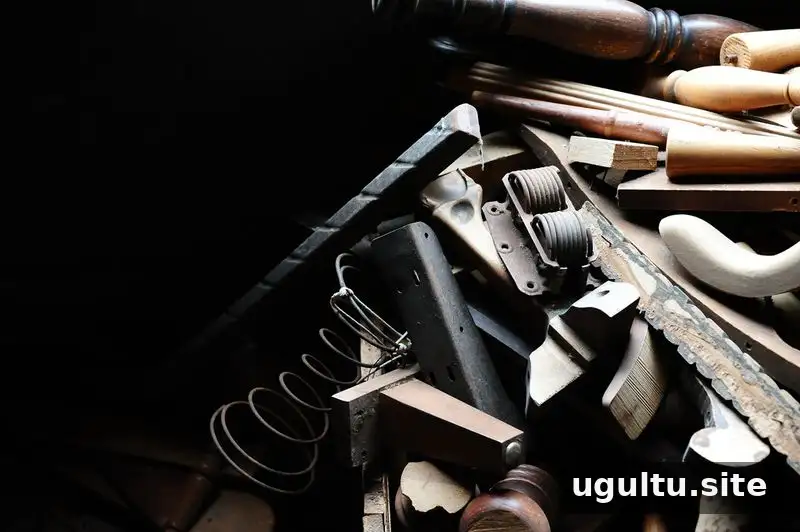
Kelly says the team values a workspace where the building and many of its working items have been repurposed. Alongside traditional tools used by bootmakers and leatherworkers, the team adapts equipment to suit its needs. Examples include woodworker’s clamps, a customized vacuum press, office binder clips, and a drill press modified for sanding and punching.
Repurposed Tools and Workshop Organization
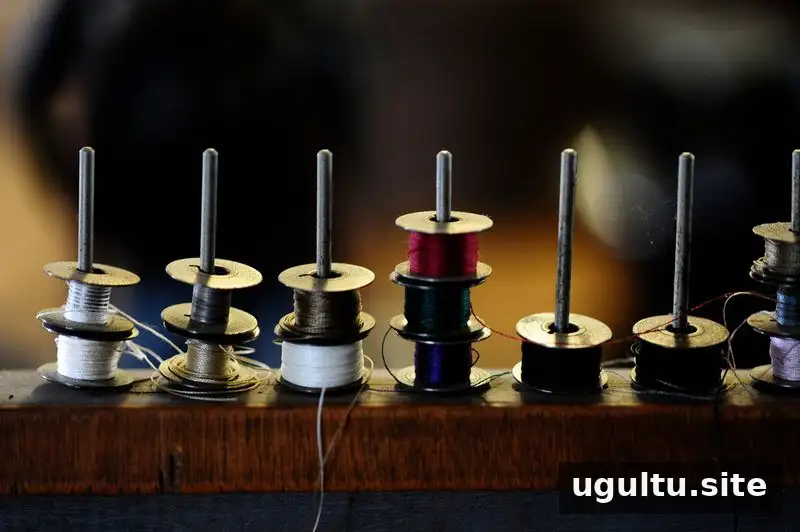
Stash Co has collected distinctive containers for more than 20 years. Tools and supplies are stored in items such as old toolboxes, coffee cans, a vintage mail-sorting cart, garden and milk crates, cotton baskets, and recycled pin cases. Reusing containers gives supplies a practical home without requiring every organizer to be purpose-made.

Each team member has a Belgium garden crate at their worktable. A name written in chalk identifies the crate, which holds work orders, tools, notebooks, and other everyday materials. Garcia keeps frequently used items—including scissors, a rotary tool, a scratch awl, and a lighter—in a large mason jar, with a small tray nearby for items needed during a build.
A simple, consistent storage system can help reduce time spent searching for supplies. For anyone setting up a craft workspace, the useful principle here is to keep frequently used tools within reach and give ongoing projects a clearly marked place.

What Makes the Stash Co Workspace Distinctive?
The Stash Co workshop brings together a history of changing uses, reclaimed materials, traditional leatherworking tools, and practical adaptations. Its organization reflects the needs of a small team making goods by hand: reuse what works, tailor equipment to the task, and keep essential supplies easy to find.
Kelly Amber Garcia’s account offers a glimpse into how Stash Co approaches its daily work and workspace. For readers interested in artisan production, the Stash Co workshop is an example of how thoughtful reuse and flexible organization can support a hands-on business.