
 admin
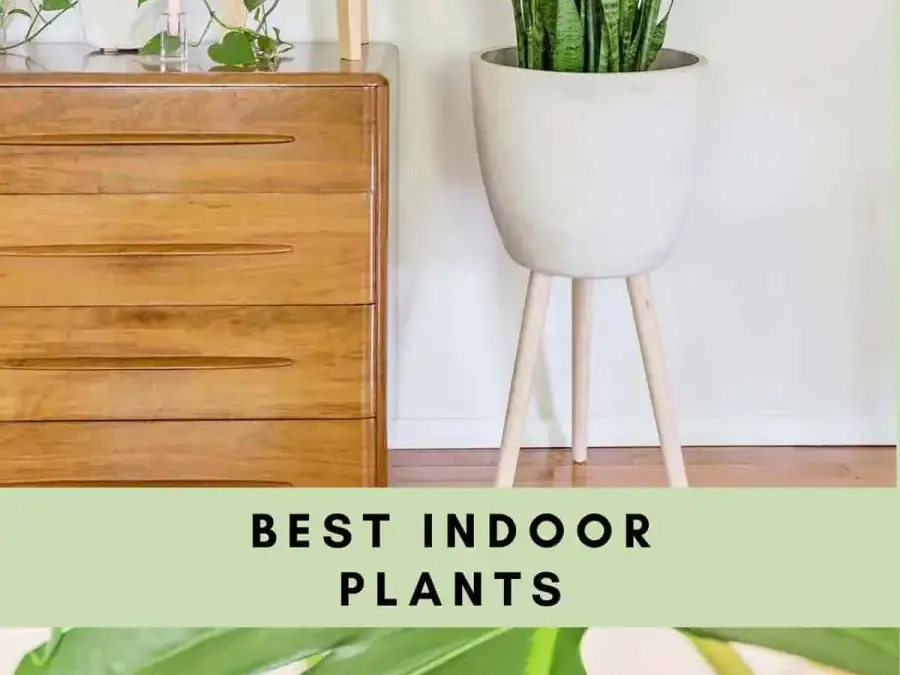
The best indoor plants for your home depend on the light available in each room and how much care you can provide. Matching a plant to its preferred light conditions is a practical first step: a sunny windowsill suits some varieties, while others can adapt to lower-light spaces. Use this guide to compare popular houseplants and find options for different parts of your home.
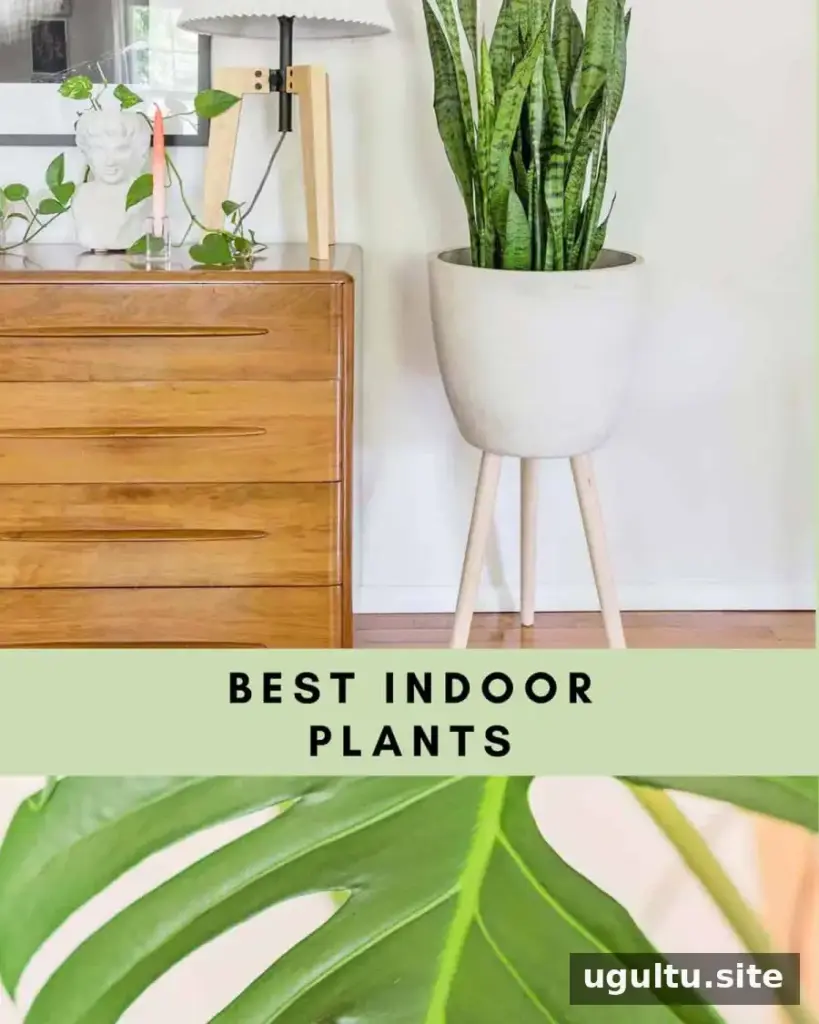
Best Indoor Plants for Bright, Indirect Light
Bright, indirect light is a useful starting point for many houseplants. A spot near a window can work well, but avoid assuming that every plant can handle direct sun. Observe how the light changes during the day and adjust the plant’s position if needed.
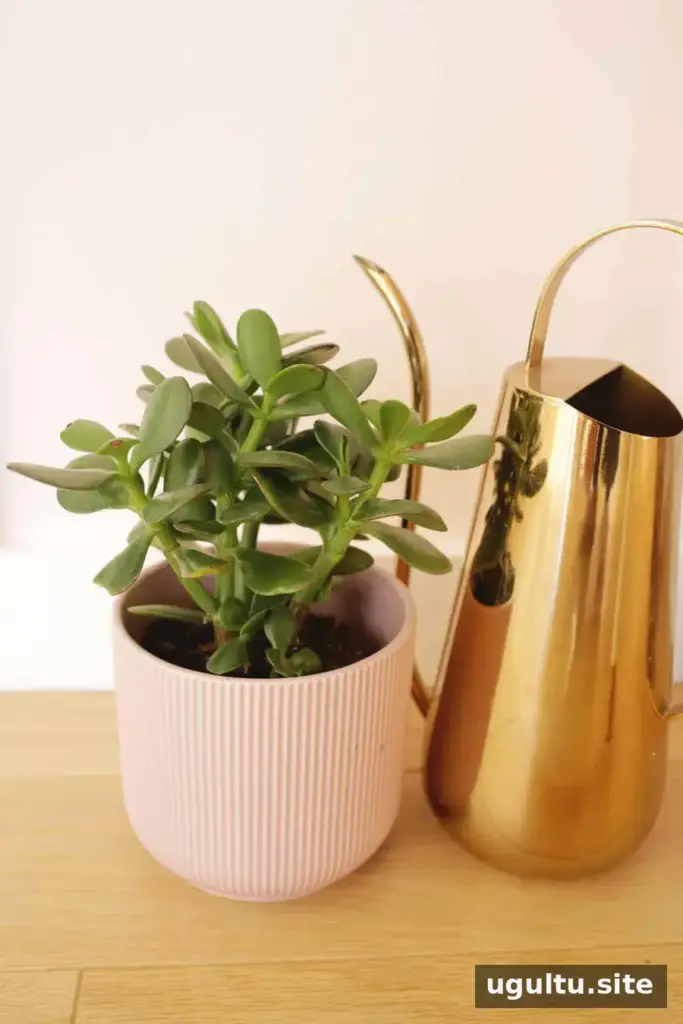
Jade Plant
Jade plants are popular succulent houseplants. With proper care, they can live for 50 or even 100 years. They prefer bright light for about 4–6 hours a day. Younger jade plants should receive indirect light, while mature plants can handle some direct sunlight. In some traditions, jade plants are associated with good luck and wealth; placing one in the southeast area of a hall or living room is a customary choice.
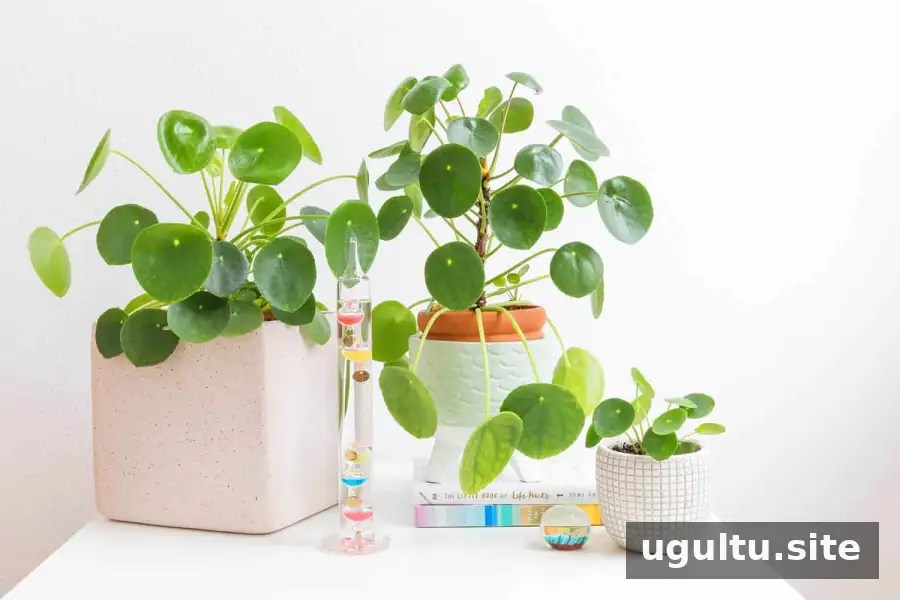
Pilea (Chinese Money Plant)
Pilea plants do best in bright, indirect sunlight. A position near a window can provide suitable light. Check the conditions in that spot throughout the day, since direct rays may be stronger at certain times.
Golden Pothos (Devil’s Ivy)
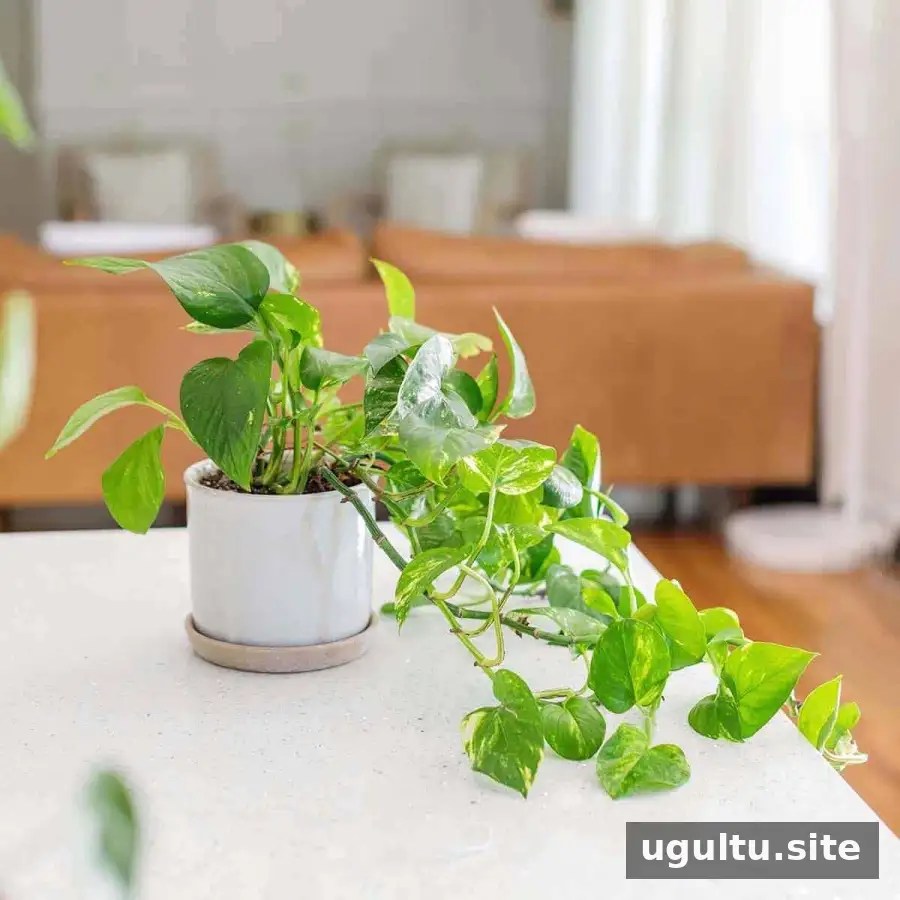
Golden pothos is widely available and is often chosen by first-time plant owners because it is easy to keep. It can be a practical option for someone starting a houseplant collection.
Rubber Plant
Rubber plants need a well-lit area to grow well. Dust the leaves occasionally with a damp cloth to keep their surfaces clean. Choose a bright position rather than a dim corner.
Monstera
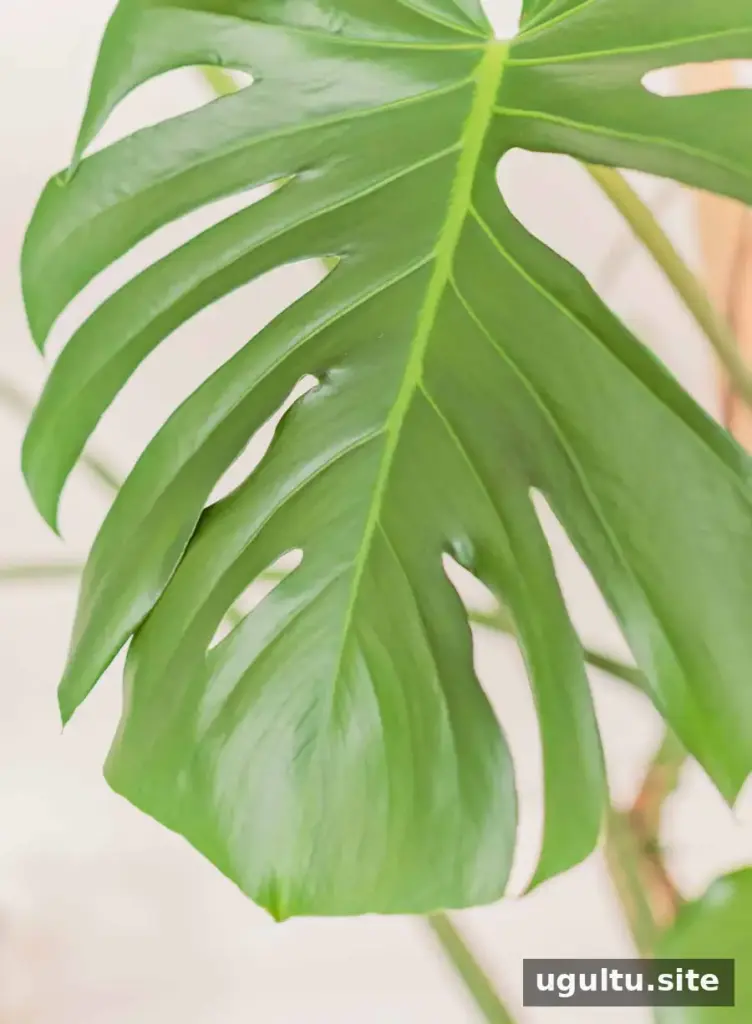
Monsteras prefer bright, indirect light and can adjust to medium light. In lower light, growth may become leggy. A room with large west-facing windows can provide a bright location; keep the plant out of harsh direct sun.
Fiddle Leaf Fig
Place a fiddle leaf fig near a window where it can receive ample bright, indirect light. Avoid leaving it in a corner far from natural light. This ficus tree is native to a tropical environment.
String of Pearls
String of Pearls is a trailing succulent with rounded leaves that resemble peas. It prefers a bright, sunny location indoors. As a succulent, it should not be treated like a plant that needs frequent watering.
Cacti
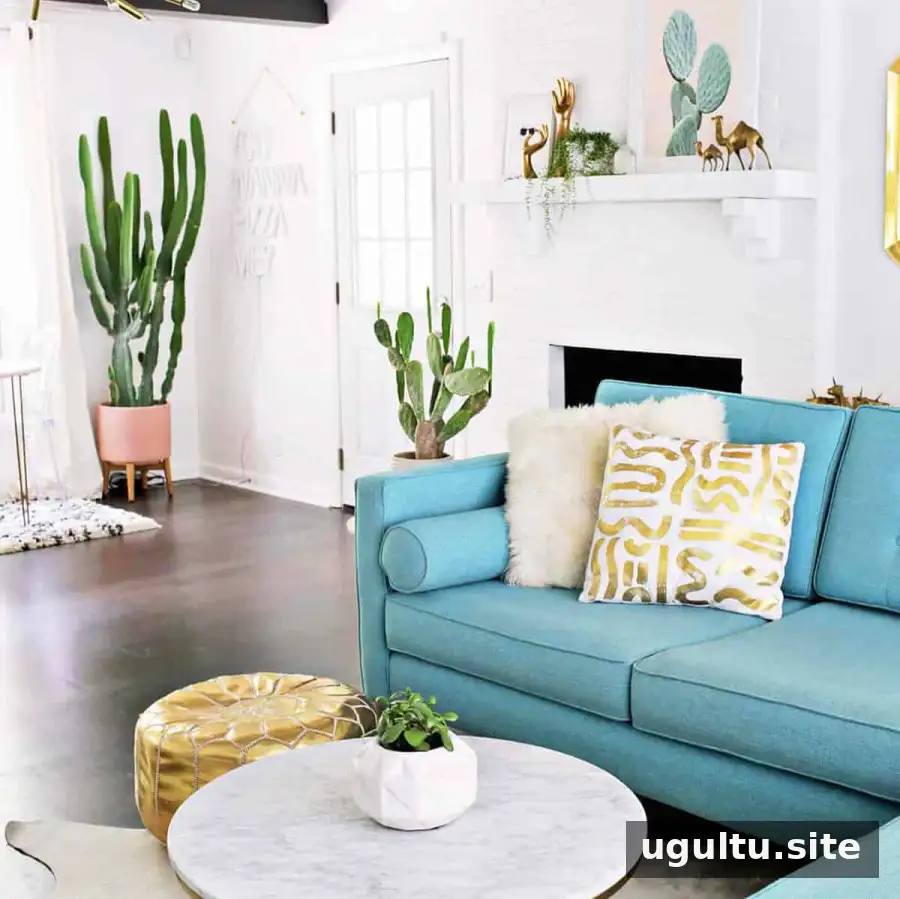
Cacti are low-maintenance choices that generally need less frequent watering than many houseplants. They thrive in medium to high indirect sunlight and have a growing season from March to September, when growth can be rapid. Let the soil become very dry between waterings. Cacti can be moved outdoors in summer and brought inside for winter, provided their conditions are suitable.
Indoor Plants for Medium and Lower Light
Rooms with limited natural light can still support houseplants, but no plant thrives in complete darkness. Place plants where they receive the amount of light they need, and check their growth over time. Slow or leggy growth can indicate that a brighter position may be helpful.
ZZ Plant (Zamioculcas zamiifolia or Zanzibar Gems)
ZZ plants are known for being easy to care for and have an upright, architectural shape. They prefer medium to bright indirect light for at least six hours each day. Their vertical growth can suit a narrow space.
Peace Lily (Spathiphyllum)
Peace lilies are relatively easy to care for and may produce flowers starting in early summer. They prefer bright, indirect sunlight but can also grow in shade to partial shade, making them an option for a lower-light area.
Aglaonema (Chinese Evergreen)
Aglaonema plants are hardy and adaptable. They can grow in both bright and low-light conditions, making them a useful choice for an office or a room with less natural light.
Parlor Palm (Chamaedorea elegans)
Parlor palms grow well in bright, indirect sunlight and can also adapt to low-light conditions. They are a popular indoor palm for rooms where direct sunlight is limited.
Snake Plant
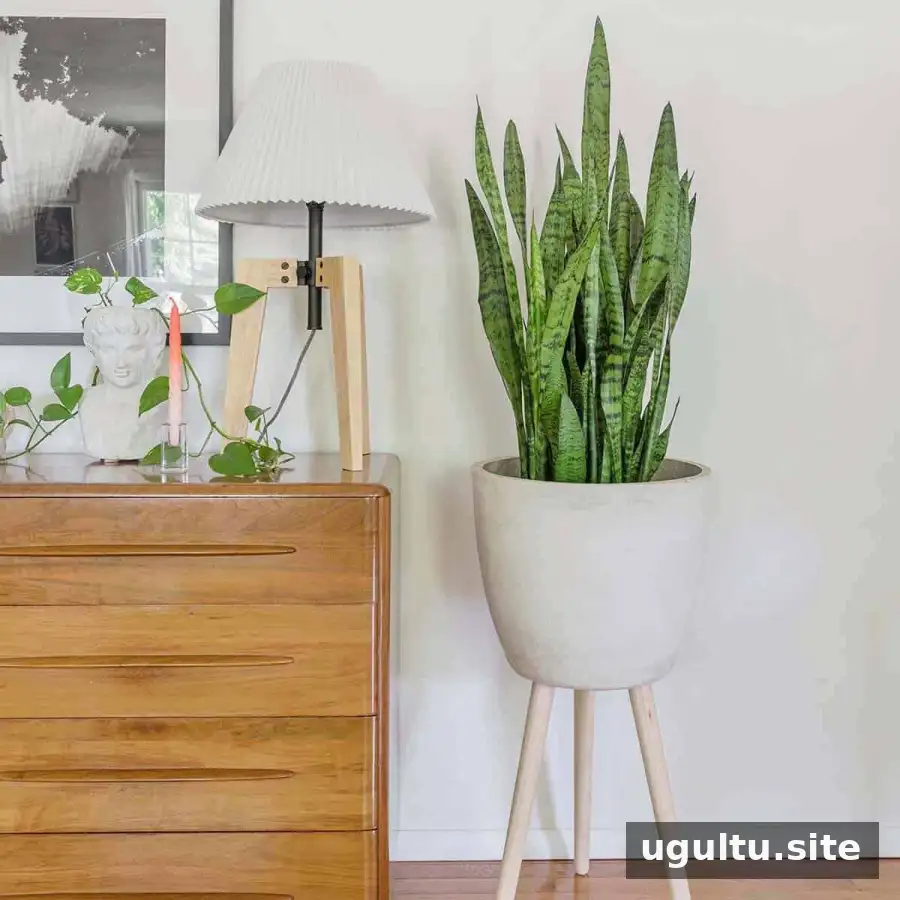
Snake plants tolerate a wide range of indoor conditions, from low light to sunnier locations. Their upright leaves make them suitable for many spaces. Although they can survive in low light, check the plant’s condition and avoid assuming that a dark room is ideal for every plant.
Boston Fern
Boston ferns prefer indirect sunlight. Keep them away from direct sun, but do not place them in total shade if you want them to grow well.
Calathea (Prayer Plant)
Calatheas are valued for the patterns on their leaves. They prefer medium to bright indirect light and can handle lower-light situations, although their colors and patterns may be less vivid when they receive less light.
Cast Iron Plant
Cast iron plants are known for their ability to grow in low or medium light. Avoid placing them in bright light, which does not suit their preferred conditions.
Other Indoor Plants to Consider
Aloe Vera
Aloe plants prefer extended sunlight, with a minimum of six hours per day. Place one near a sunny window where it can receive ample light. Like other succulents, aloe generally needs less frequent watering than many leafy houseplants.
Elephant Ear Plant (Colocasia)
Colocasia is recognized by its large, heart-shaped leaves and prefers full, indirect sun for at least six hours each day. The care guidance for this plant recommends a pot at least 18 inches in diameter, or one gallon. Make sure the selected spot can accommodate the plant and its container.
English Ivy (Hedera helix)
English ivy can adapt to a range of lighting conditions, though bright light is its preference. It also likes humidity. Daily misting is one way to provide moisture around the leaves; check that the plant’s location and care routine suit its needs.
Spider Plant (Chlorophytum comosum)
Spider plants are among the most popular houseplants. A study found that they removed 95% of toxic formaldehyde from the air in a sealed Plexiglass container over a 24-hour period. That result was measured in a controlled container, so it should not be taken as proof that a houseplant will remove the same amount of pollutants from a home.
How to Choose the Right Plant for Your Home
Before choosing a plant, note whether its intended spot gets low, medium, or bright light, and whether the sunlight is direct or indirect. Then compare that location with the plant’s preferences. For example, a sunny window may suit aloe or jade, while a lower-light room may be a better fit for a cast iron plant, aglaonema, or snake plant.
- Assess the light: Observe the room at different times of day instead of judging it from one quick glance.
- Consider the space: Check the plant’s shape and container requirements before setting it in a narrow or crowded area.
- Follow the plant’s needs: Avoid using the same light and watering routine for every houseplant.
- Recheck its position: If growth becomes leggy or the plant struggles, review its light conditions and adjust where appropriate.
Conclusion
The best indoor plants are the ones suited to the light and space available in your home. From bright-light choices such as jade, aloe, and string of pearls to adaptable options like aglaonema and snake plants, there are varieties for many rooms and care preferences. Start by matching a plant to its light requirements, then follow its individual care needs to help it grow well.


