admin
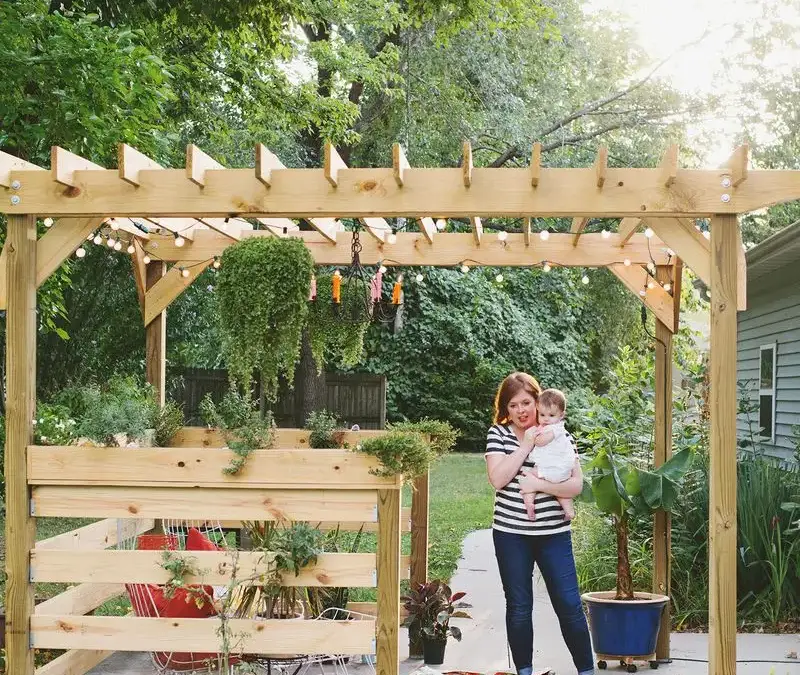
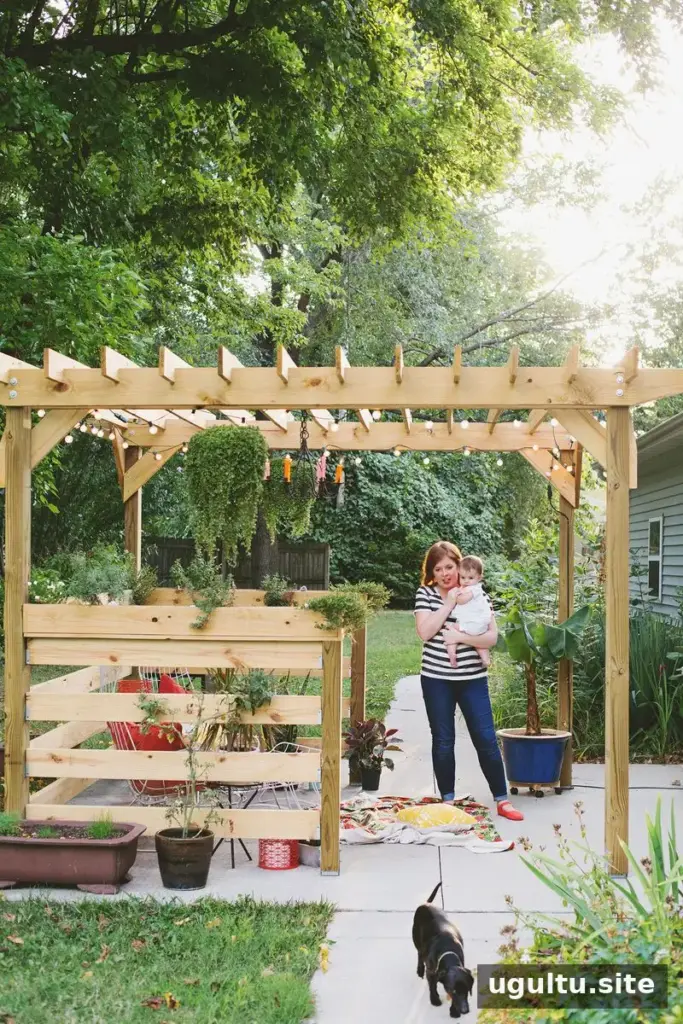
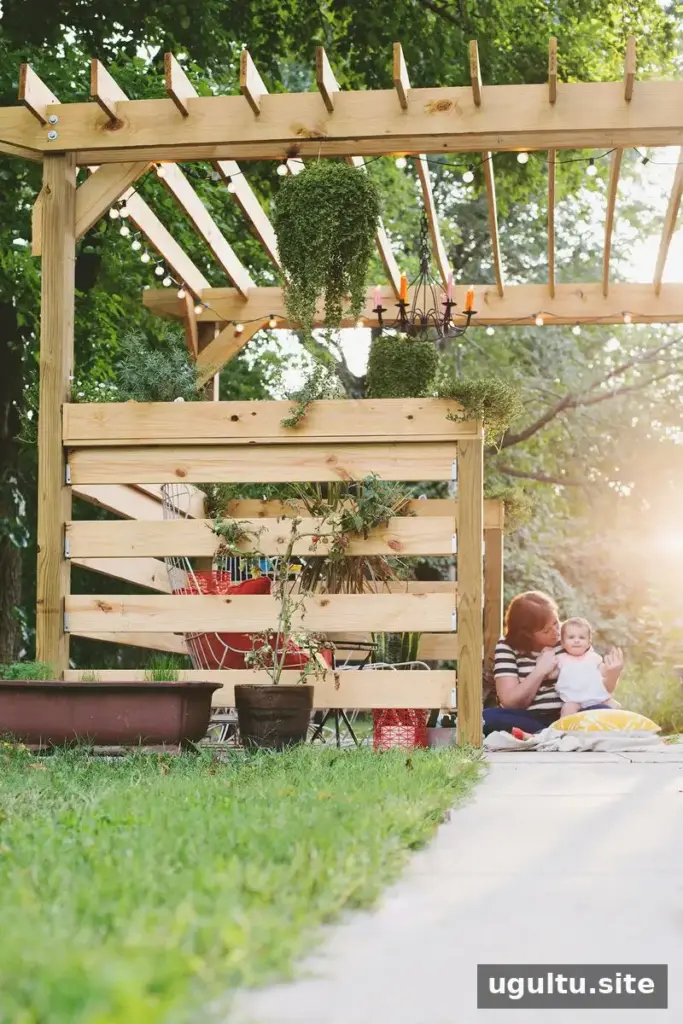
Choosing the right pergola plants can make an outdoor structure feel greener, more useful, and more comfortable. In this project, container-grown herbs were combined with flowering plants, then a few simple furnishings and lights helped turn the pergola into a relaxing place to sit. The planting approach can be adapted to different spaces by choosing plants that suit the available light, container size, and watering routine.
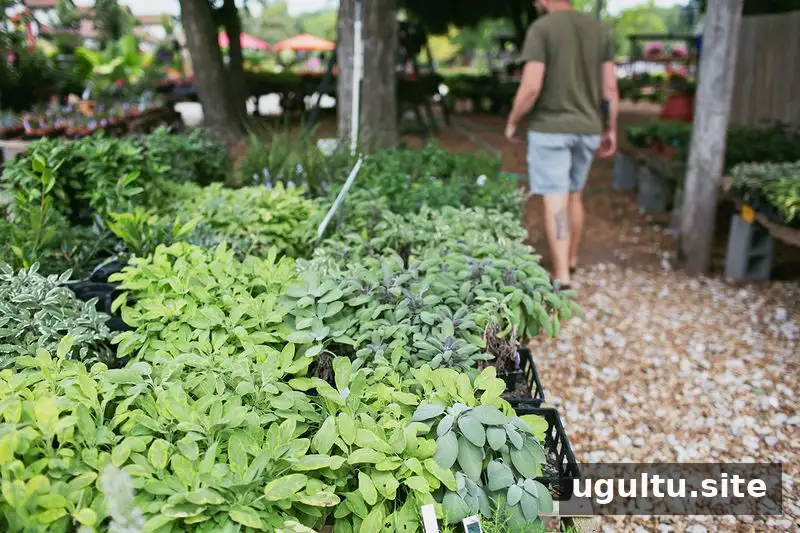
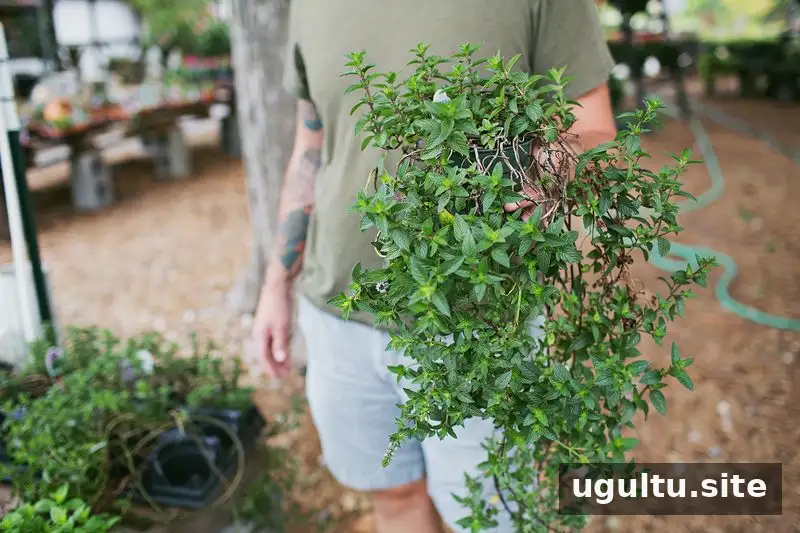
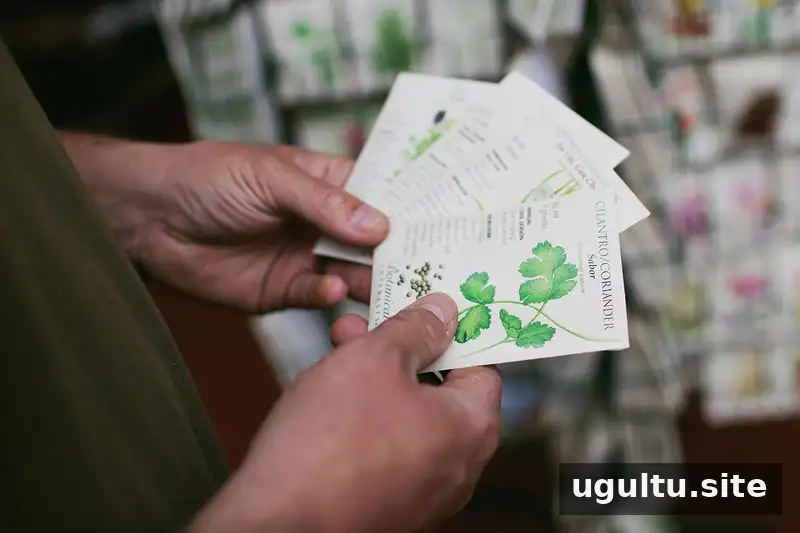
The herbs and most of the other plants came from a local nursery. A nursery can be a helpful place to compare varieties and ask about sunlight, watering, and container needs. After choosing the planned herbs, additional plants were selected to suit the space. Purslane was added to bring color to the herb planters, with its trailing growth expected to spill over the edges.
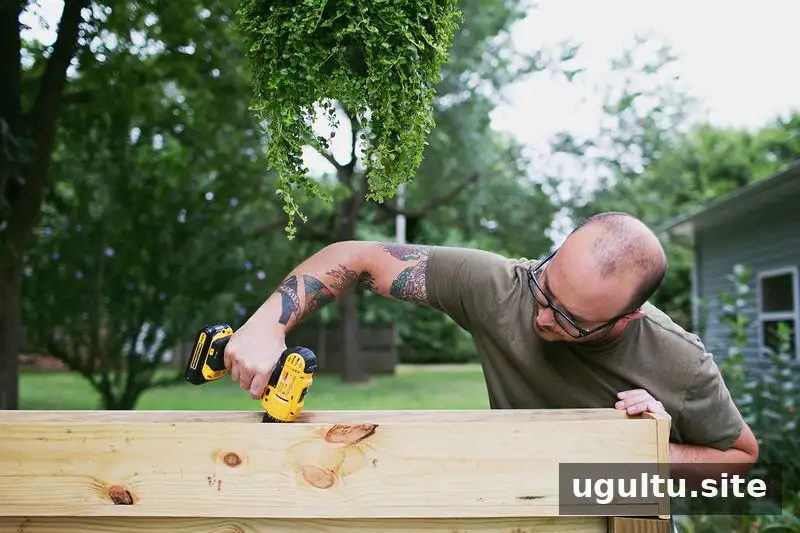
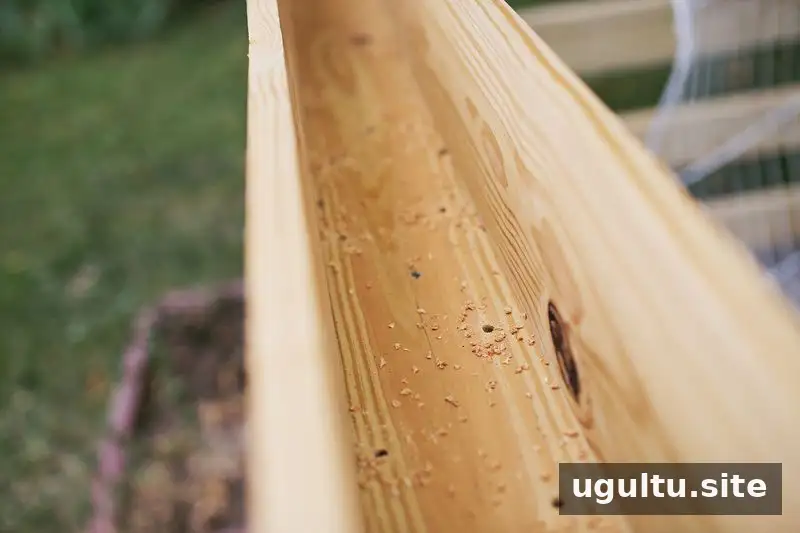
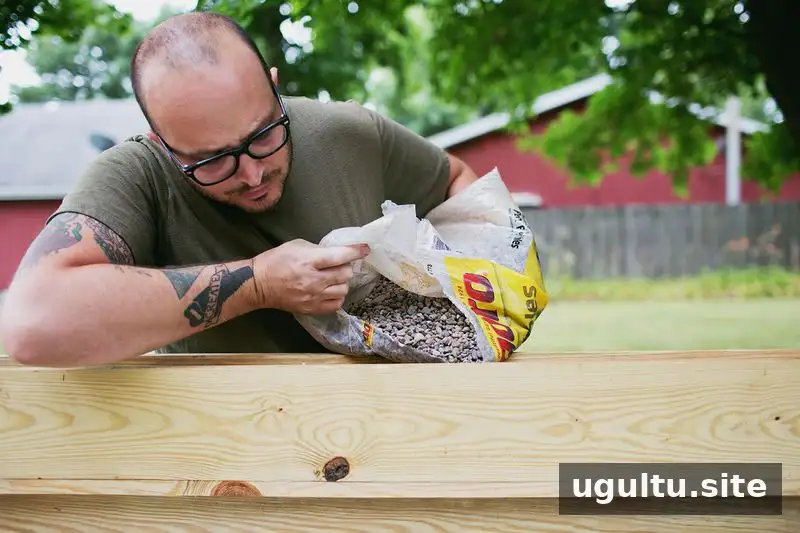
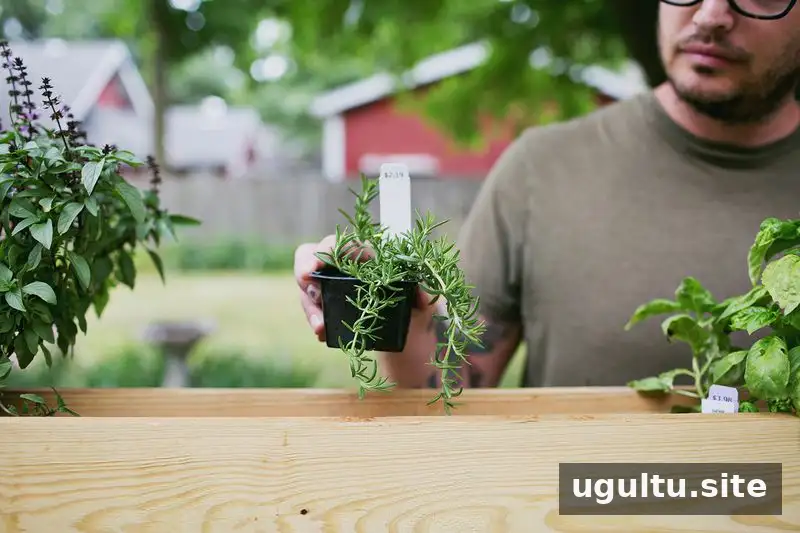
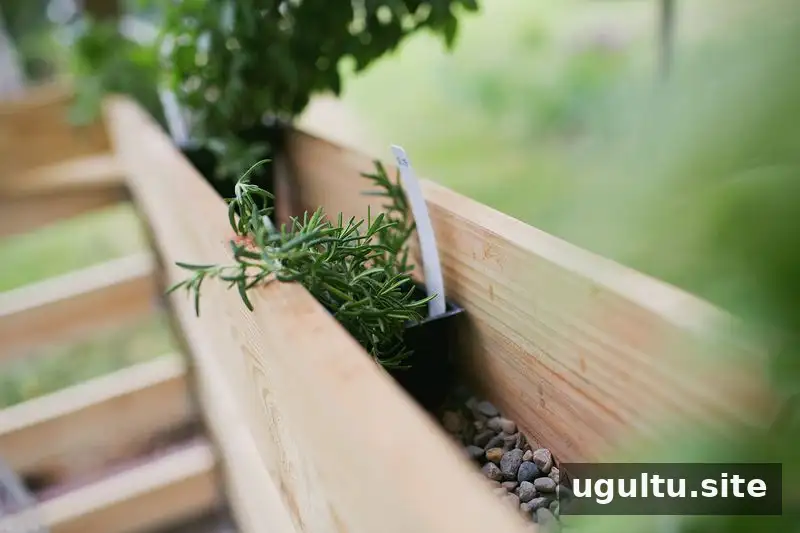
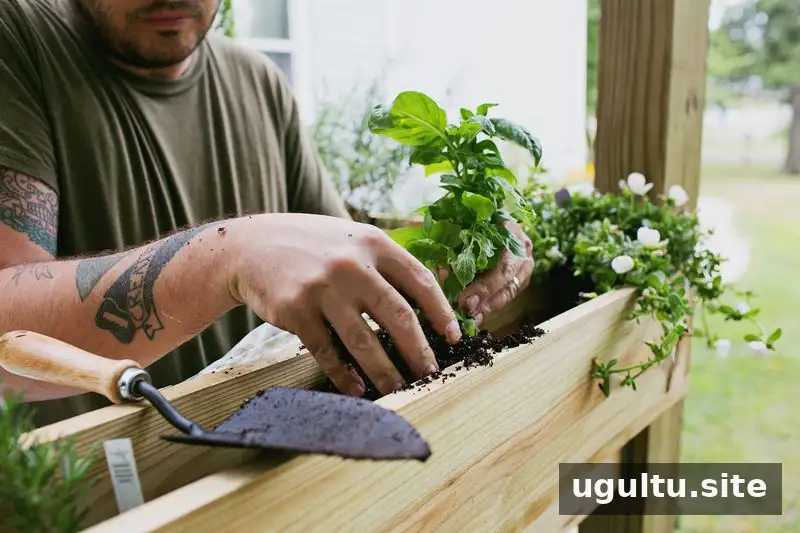
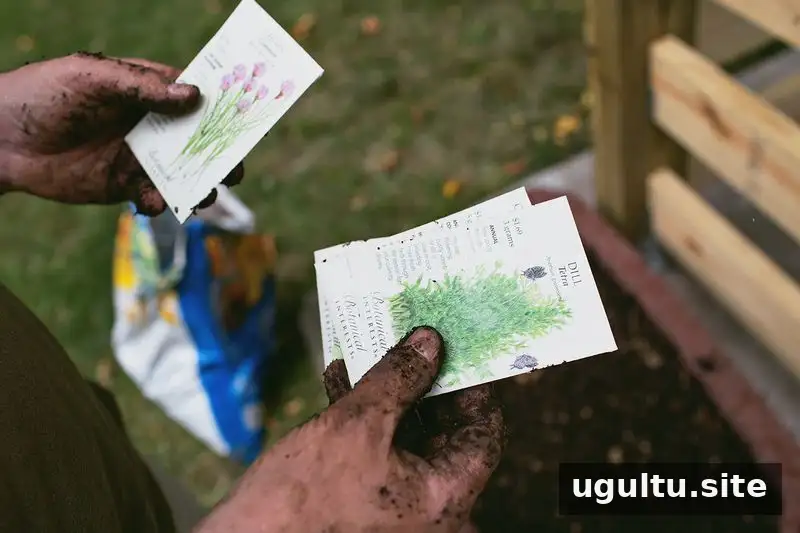
The planters were prepared and planted in a few straightforward steps:
- Drainage holes were drilled into the bottoms of the planters.
- About an inch of garden pebbles was added, followed by potting soil.
- The herbs were arranged according to the available space and intended use.
Tarragon and thyme were planted together in one planter. A larger rear planter held several basil plants, with rosemary placed between them. Chocolate mint and regular mint went into another planter, while purslane was planted at the ends for color and trailing growth.
Keeping mint in its own container is a practical choice: mint can spread vigorously and may crowd nearby plants. Before planting, check that each container has drainage holes and use potting mix suitable for containers. Place herbs according to their light requirements, and check the soil regularly because pots can dry out faster than garden beds.
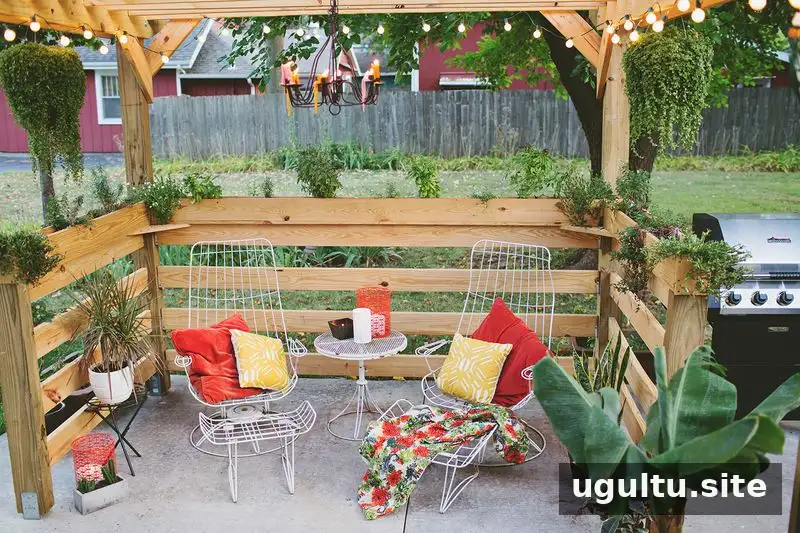
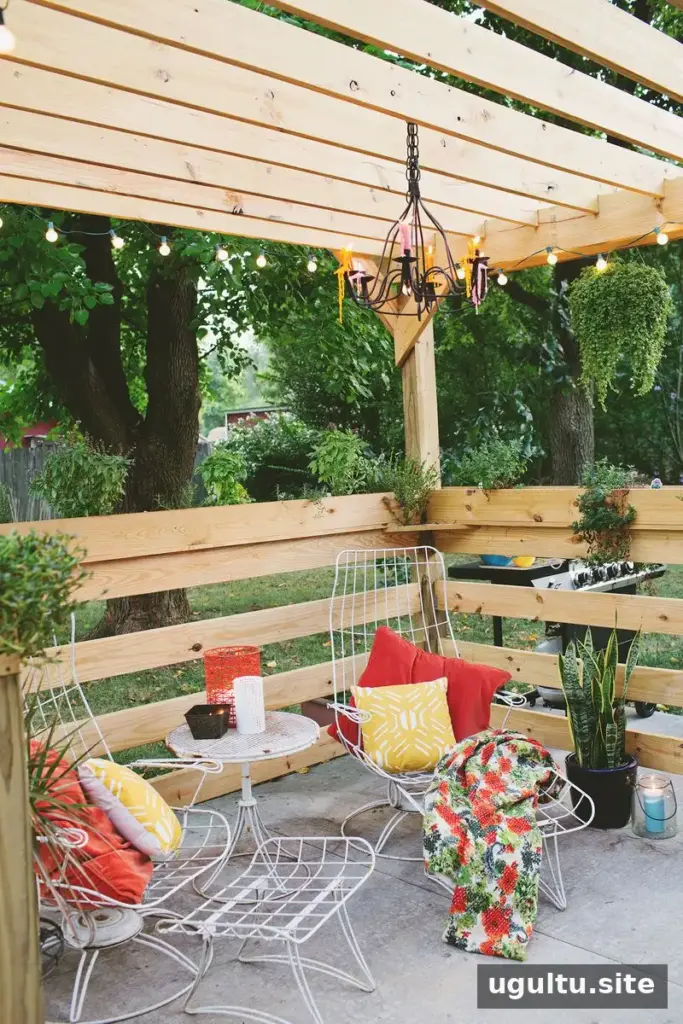
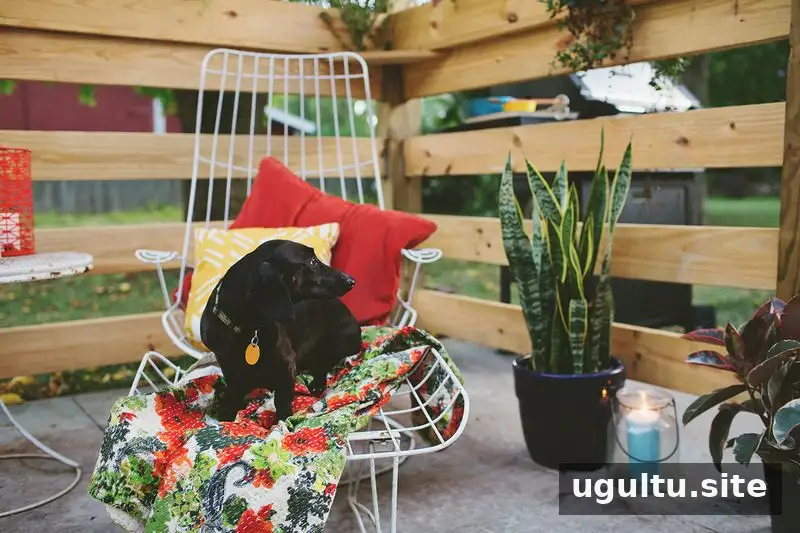
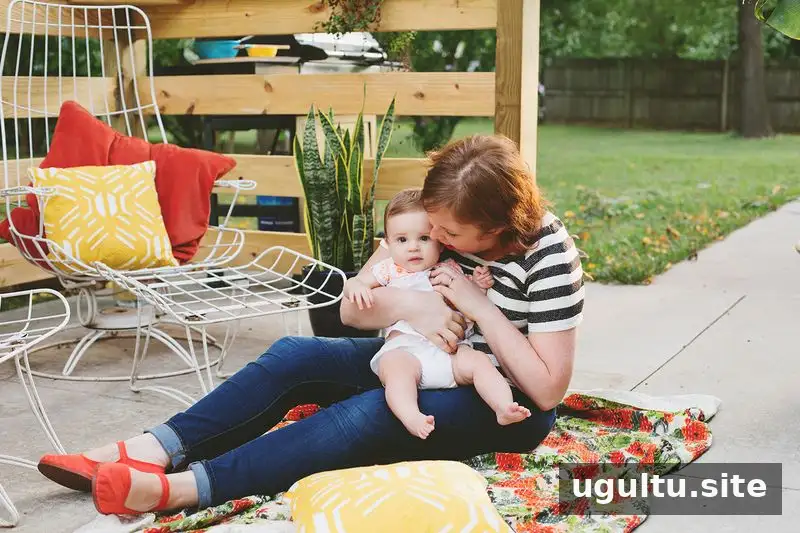
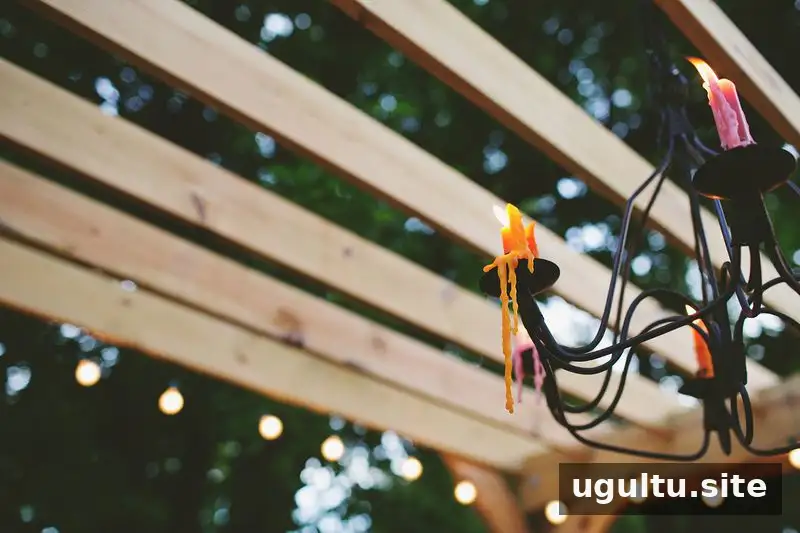
Once the plants were in place, cushions and candles helped soften the seating area. A candle chandelier added a decorative focal point, while outdoor string lights were hung around the pergola’s perimeter. Choose lighting labeled for outdoor use, secure it properly, and keep cords away from water and walkways. If using candles, place them on stable surfaces and never leave them unattended.
The existing chairs were used for the time being, with a small table and additional chairs considered for a future update. A grill was positioned nearby for outdoor cooking, with enough clearance from plants and other combustible materials. The planting can also change over time; tomato plants or other suitable additions can be introduced when there is enough space and sunlight.

A successful pergola planting scheme does not need to be complicated. Start with herbs or flowers that match the site conditions, use containers with drainage, and add a few comfortable details to make the space more inviting. These pergola plants and styling ideas offer a flexible starting point that can be adjusted as the garden grows.