
 admin
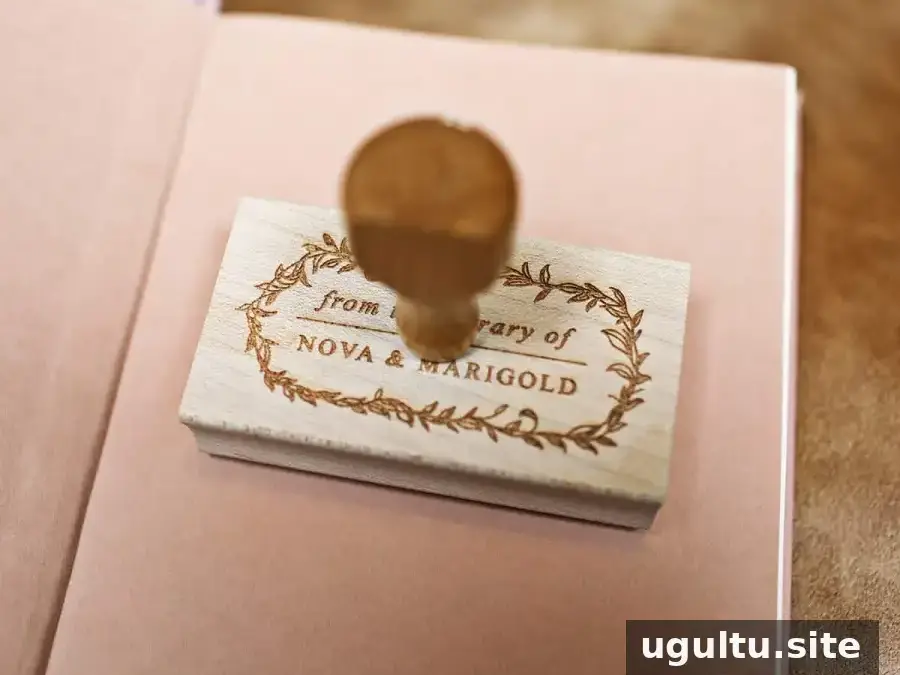
Custom stamps can make everyday tasks more personal, from addressing envelopes to marking books and classroom materials. They are available in many styles and can be personalized with text, artwork, or a logo. Before ordering, consider how often you will use the stamp, what surface it needs to work on, and whether you will need a separate ink pad.
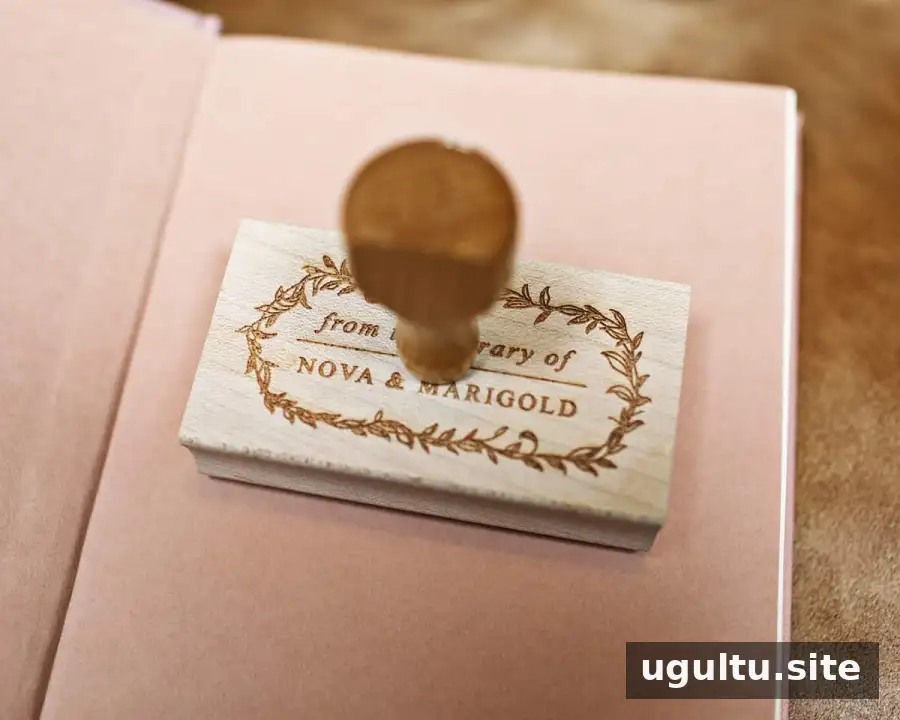
Custom Stamps for Everyday Use
Made-to-order stamps come in a range of sizes and formats. Common options include self-inking models, traditional rubber stamps used with an ink pad, and embossers that press a raised design into paper. Check the product details for dimensions, ink compatibility, and whether ink is included.
Here are some practical uses to consider:
- Return-address stamps for envelopes and cards
- Bookplates or “from the library of” stamps for personal collections
- Logo stamps for packaging and business stationery
- Book embossers for adding a pressed design to pages
- Artwork stamps based on a child’s drawing
- Portrait stamps for invitations or keepsakes
- Teacher stamps for notes, classroom activities, or student work
For the clearest impression, use a flat, clean surface and test the stamp on scrap paper before applying it to an important item.
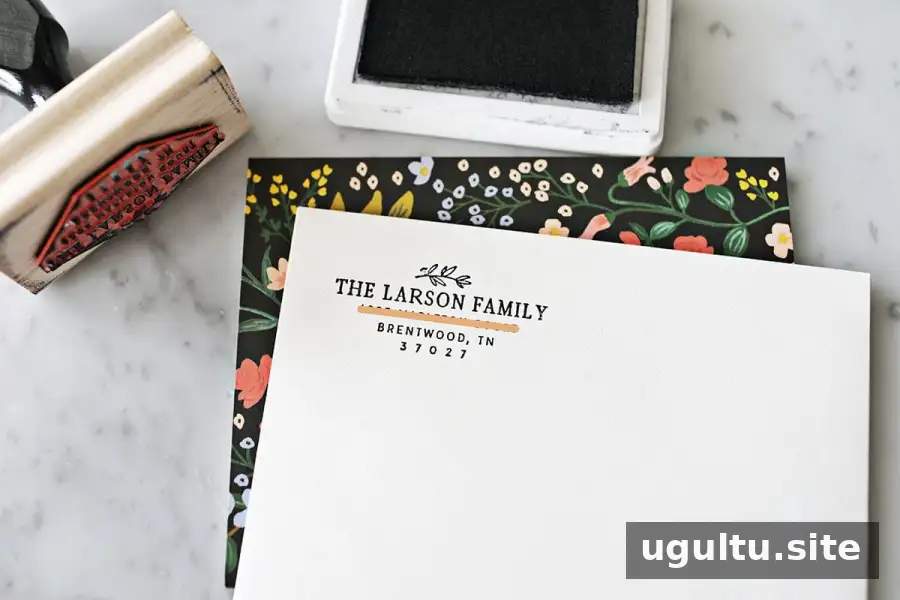
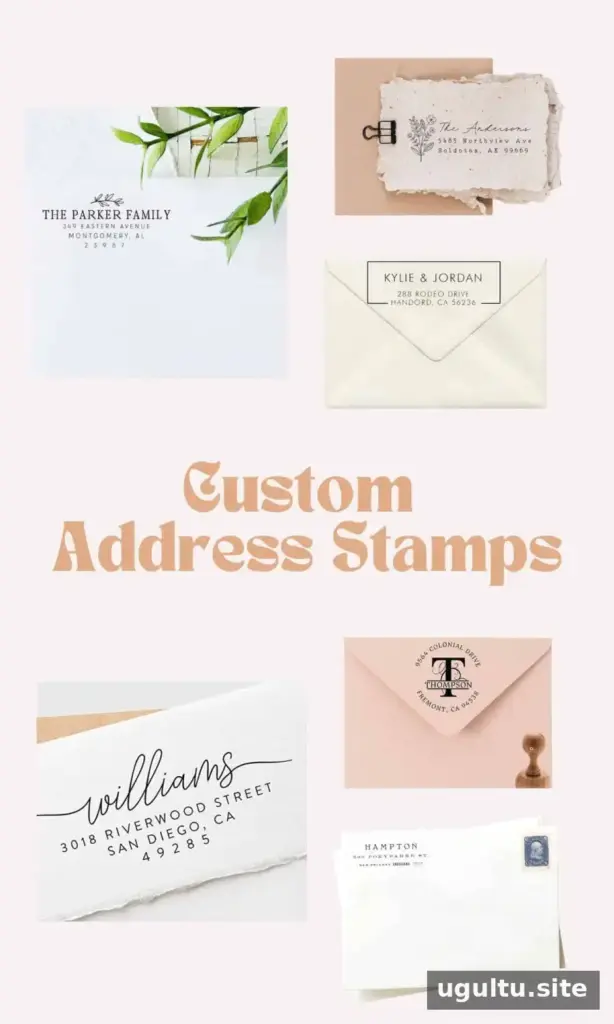
Custom Address Stamps
A custom return-address stamp can save time when preparing holiday cards, invitations, or other mail. Choose a design with lettering large enough to read easily, and proofread the address carefully before placing an order. If you move, remember to update the stamp before using it for new mail.
Custom Teacher Stamps
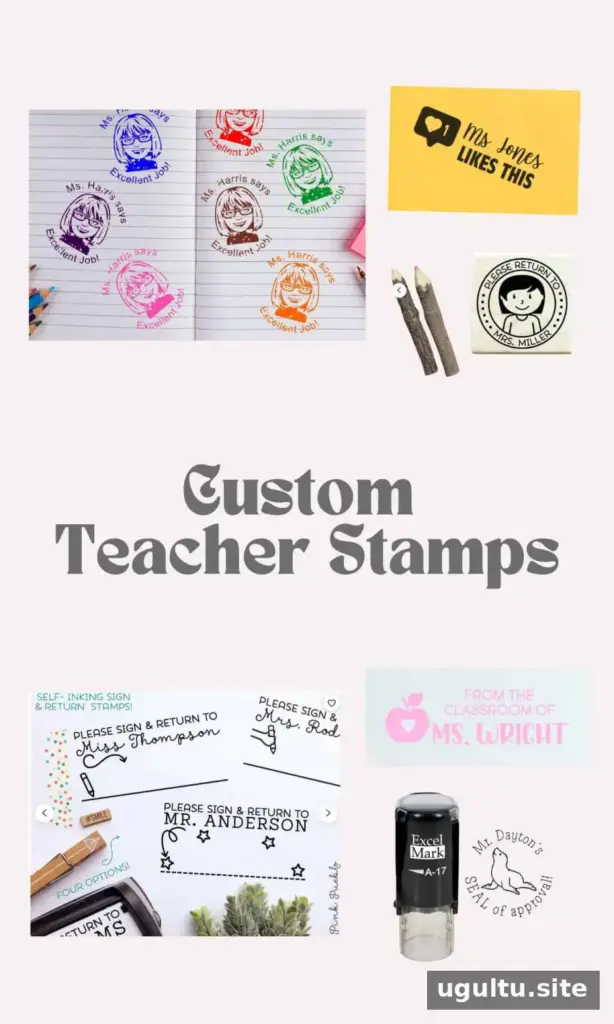
Teacher stamps can add brief feedback or directions to assignments, notes, and classroom materials. Options may include simple symbols, personalized text, or reminders such as “sign and return.” For frequent use, a self-inking stamp can be convenient; for occasional use, a traditional stamp may be sufficient.
Keep the wording concise so it remains legible at the stamp’s actual size. If the stamp will be used by several people, choose a design that is easy to recognize and store it with its ink pad or other accessories.
Custom Library Stamps
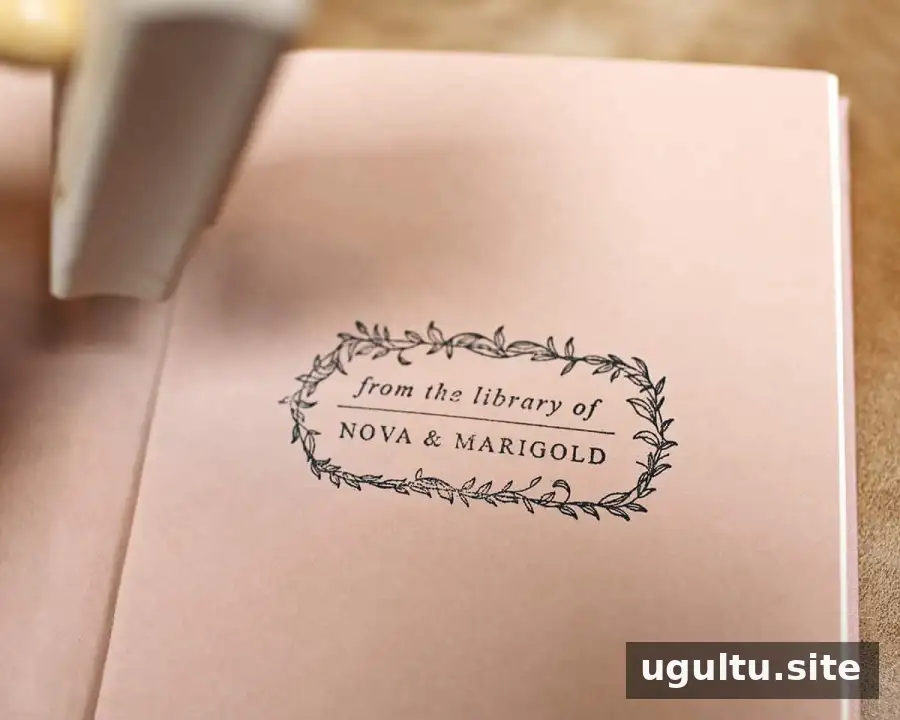
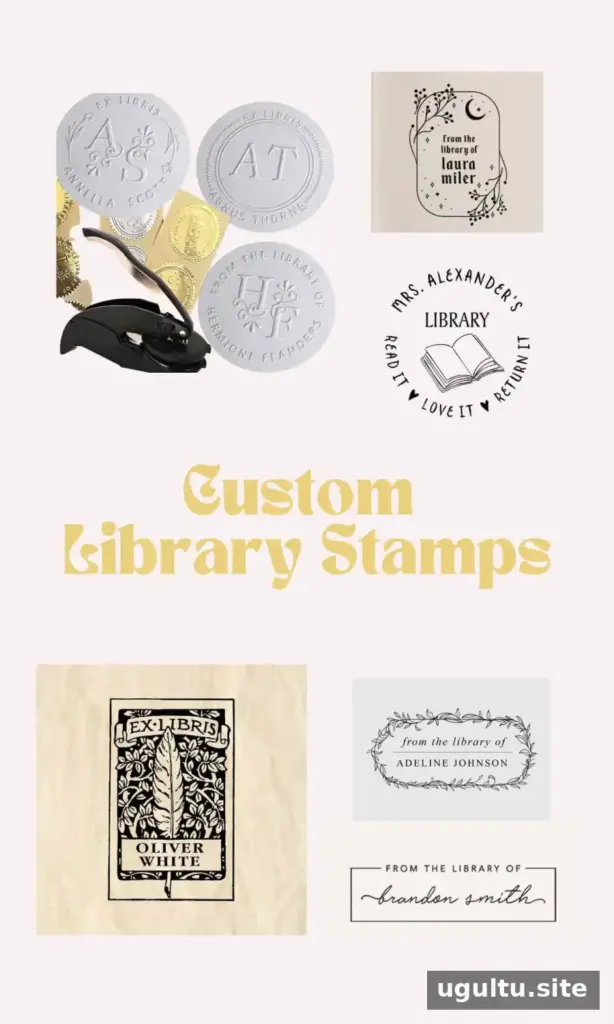
A personalized library stamp is a simple way to mark books in a home collection or reading nook. It can also make a thoughtful gift for a reader. Stamping every book is optional; some owners prefer to mark only frequently borrowed books or the inside cover to avoid covering text.
Check that the ink is suitable for paper and allow it to dry before closing the book. For a more formal, raised impression without ink, consider a book embosser and test it on an unimportant page first.
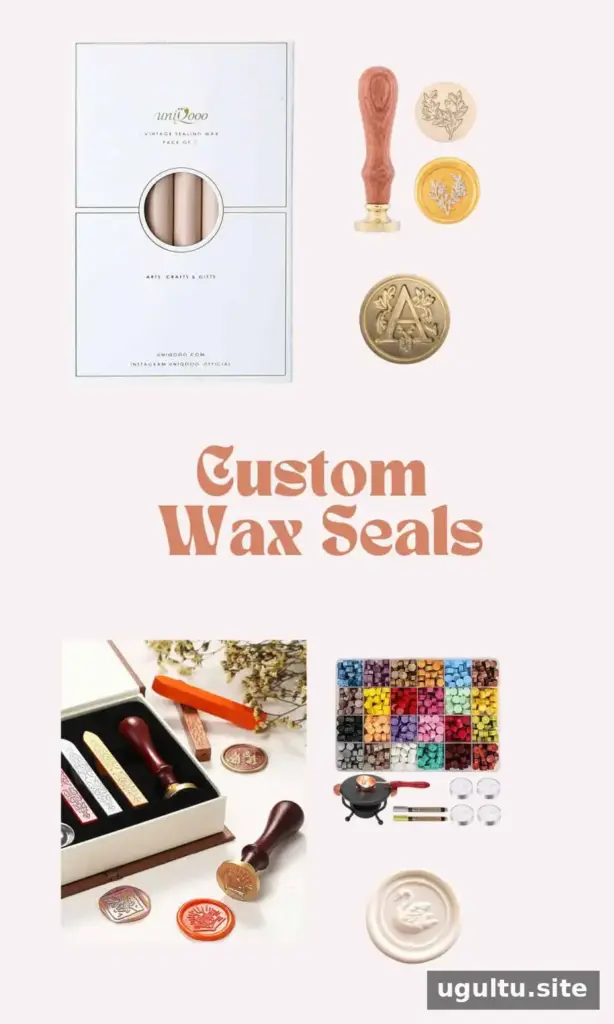
Custom Wax Seals
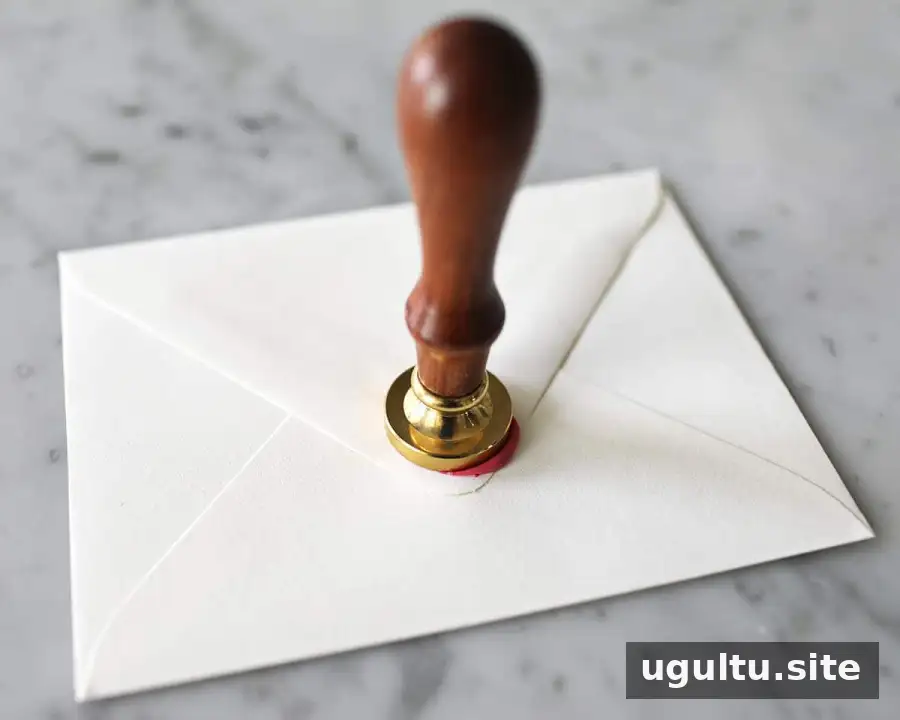
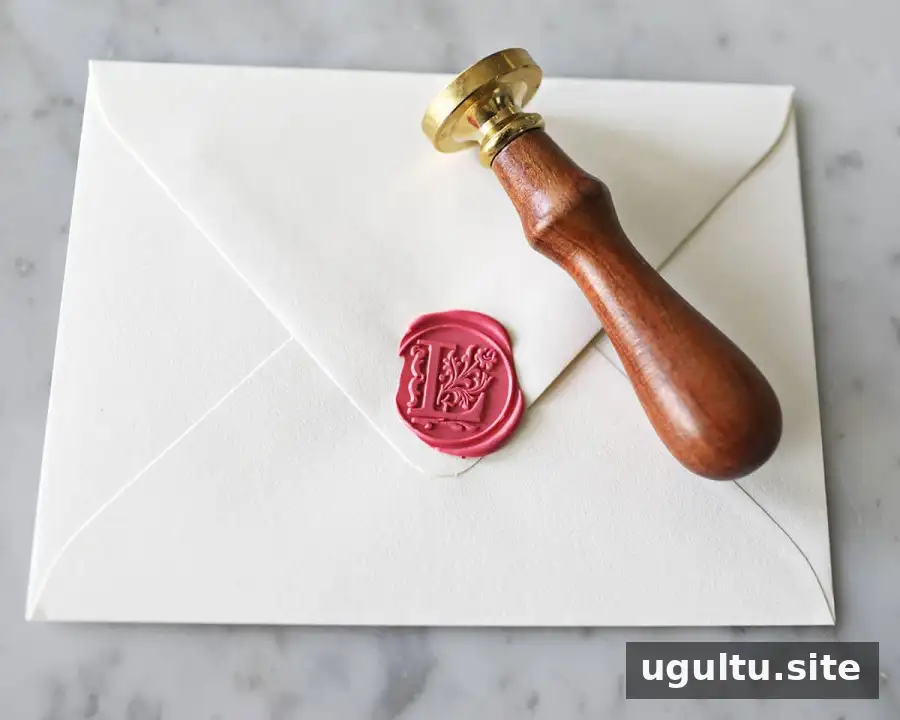
Wax seals can add a decorative finish to invitations, cards, and letters. Designs may use a monogram or a custom motif, and sealing wax is available in different colors. Follow the product’s instructions when melting wax, and work on a heat-resistant surface to reduce the risk of burns or damage.
Wax can make an envelope harder to process through automated mail equipment. The original postage guidance cited a non-machinable surcharge of 15 to 20 cents, but postal rates and rules can change. Confirm the current requirements with your postal service before mailing a wax-sealed envelope. For an alternative that avoids mailing concerns, use seals on cards delivered in person.
Choosing and Using Custom Stamps
Before buying, compare the finished size, imprint area, material, and personalization process. Review names, dates, and addresses closely, since custom items may be made using the details submitted with the order. For a new design, a digital proof can help catch spelling or layout issues.
Custom stamps also work well for creative projects, including handmade cards, paper crafts, and personalized gifts. Clean the stamp according to its material and ink type, and store it away from heat and direct sunlight. With a suitable design and a little care, custom stamps can be both useful tools and personal finishing touches.
- Explore how to carve your own stamps.
- Try making a stamped necklace.
- Create a gold-stamped ring dish.


