
 admin
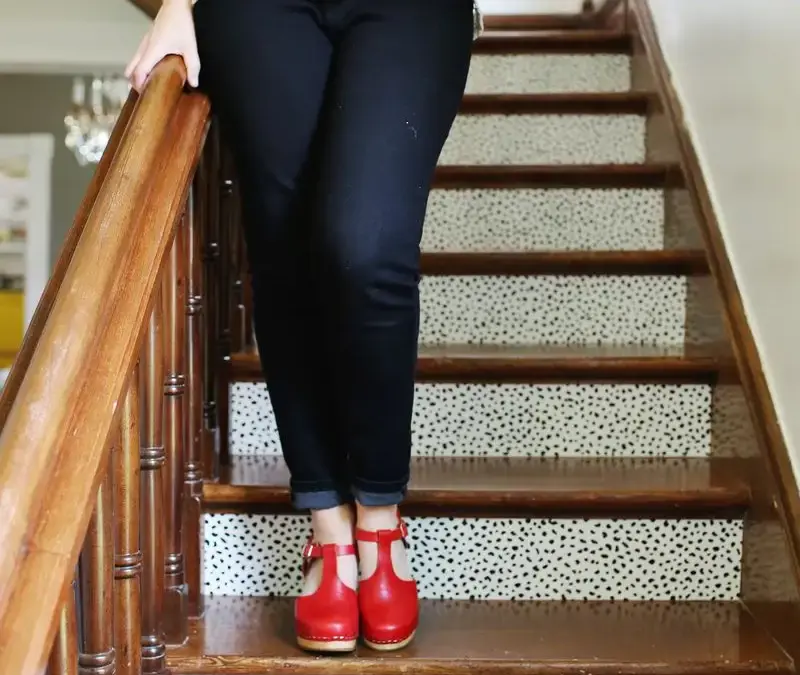
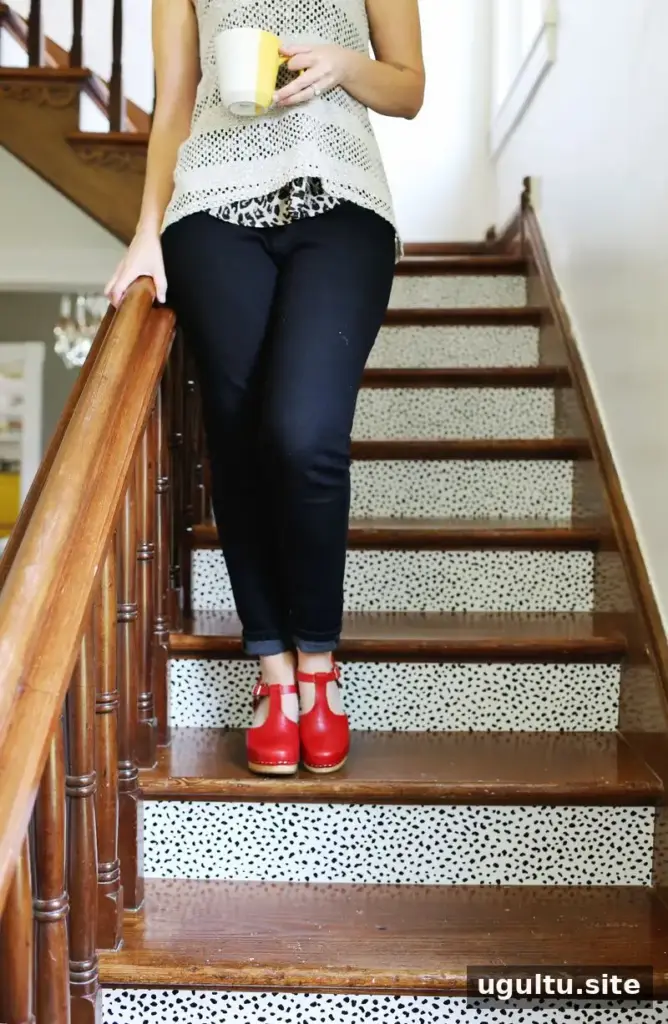
Removable wallpaper for stairs is a practical way to add color or pattern to an entryway without committing to a permanent change. It can suit renters and homeowners who want a temporary update, especially when painting or making structural alterations is not an option. With careful measuring and a little patience, wallpaper can give plain stair risers a more distinctive look.
For this staircase, the goal was to bring some personality to an older entryway while keeping the original stairs intact. The house is more than 100 years old, and its stairs are not all exactly the same size. That made measuring each riser an important part of the project rather than assuming every piece would fit.
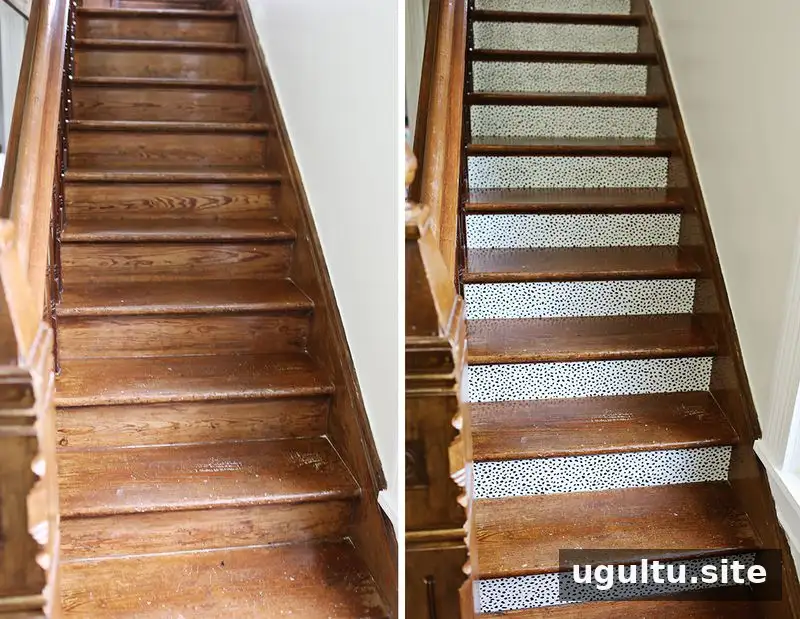
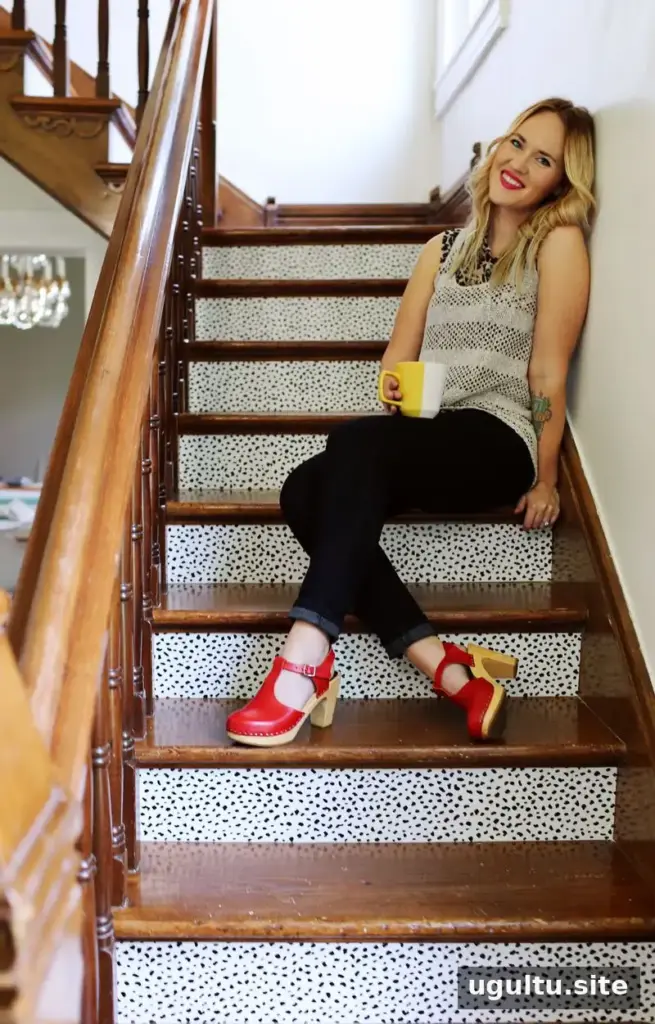
The finished staircase keeps its original structure, while the patterned risers create a noticeable visual change. The same approach can also work on suitable bookcases or built-ins. Before starting, check that the wallpaper is intended for your surface and that you can remove it according to the manufacturer’s instructions.
How to Use Removable Wallpaper for Stairs
1. Measure every stair riser
Staircases in older homes may have uneven angles or risers that vary in height and width. Measure each riser rather than relying on one measurement for the whole staircase. In this project, the largest stair was measured first, and the wallpaper pieces were initially cut to that size.
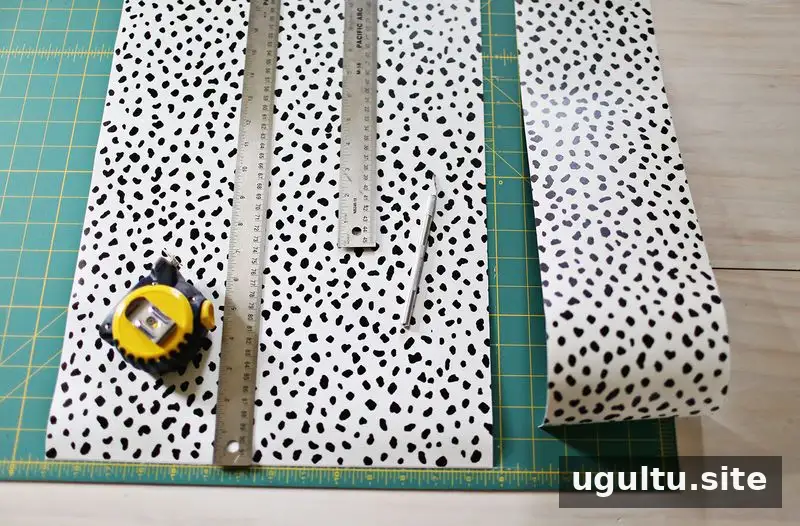
Measuring the largest riser first can help you plan your cuts and reduce waste. Still, use the individual measurements to mark the final size for each piece. A tape measure and pencil are useful, and checking each measurement twice can prevent a piece from being cut too small.
2. Trim each piece to fit
Hold a cut piece against its riser and fold or mark any excess to identify the trim line. Trim gradually so the paper fits the front of the stair without extending onto the tread. Keep scraps until the staircase is finished; they may help with small adjustments or allow you to check how a pattern lines up.
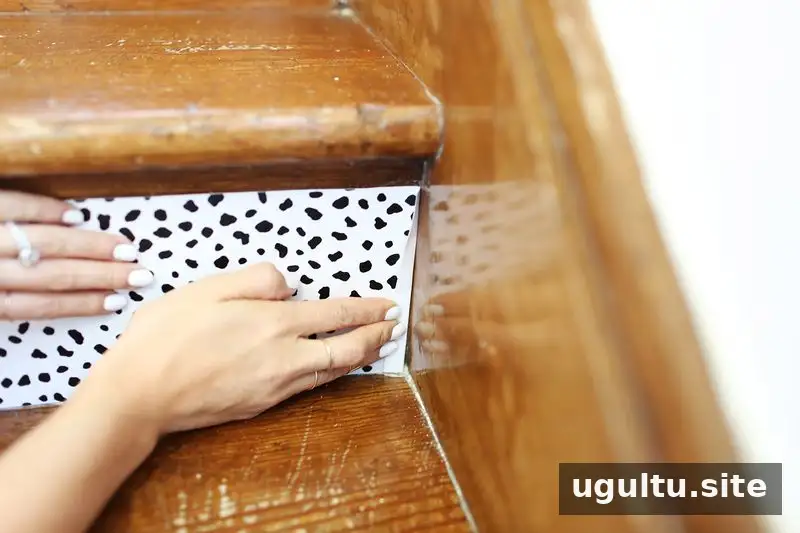
Five wallpaper panels were used to cover the staircase, with some material left over. The number of panels you need will depend on the size of your stairs, the dimensions of the wallpaper, and whether the pattern requires matching.
3. Apply the wallpaper from the center
Once a piece is trimmed, peel away a narrow strip of backing down the center. Position the paper carefully, press the middle into place, and then peel away the backing on one side. Smooth that side down before repeating the process on the other side. Starting at the center gives you more control over alignment than beginning at an edge.
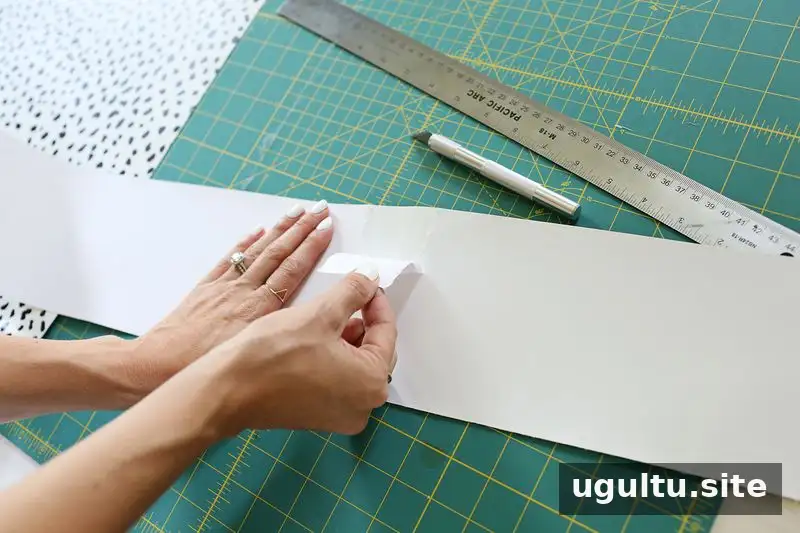
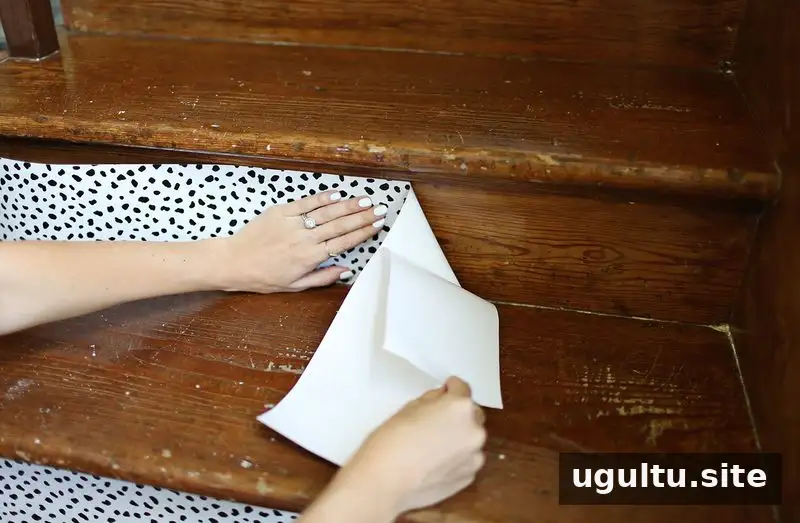
Work slowly and smooth the material as you go to help limit wrinkles and trapped air. If the piece is misaligned, follow the product’s instructions for repositioning rather than pulling forcefully, which could stretch the paper or affect the surface underneath.
Check the Surface and Plan for Removal
Before covering all the risers, test a small piece in an inconspicuous area and follow the wallpaper maker’s guidance for application and removal. Dust, loose paint, or a damaged surface can affect how well adhesive performs. Renters should also check their lease or ask the property manager before applying any adhesive product.
Removable wallpaper offers a flexible way to change the appearance of a staircase while avoiding a permanent redesign. Measure each riser, trim carefully, and apply the paper from the center for better placement. With these steps, removable wallpaper for stairs can add a personal touch that is designed to be taken down when a new look—or a move—is in order.
— Emm


