
 admin
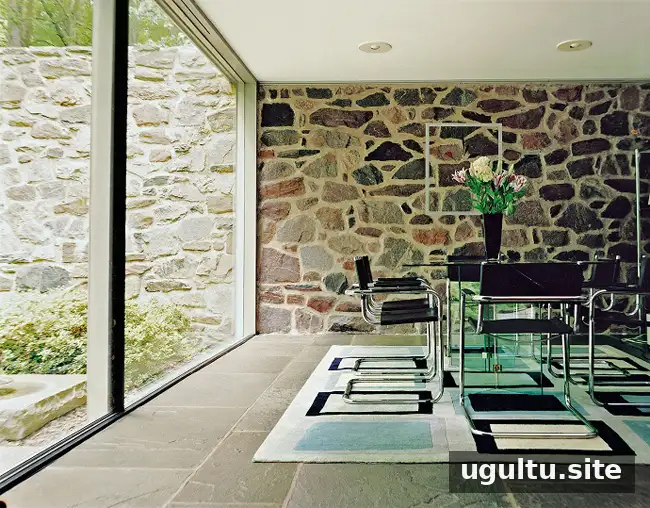
Hooper House by Marcel Breuer.
International Style design is known for clean lines, practical layouts and an emphasis on materials rather than ornament. Emerging from the modernist ideas associated with the Bauhaus, it shaped architecture and furniture in the 20th century. Its restrained appearance can feel stark at first, but thoughtful use of wood, textiles and color can make these spaces comfortable and inviting.
What defines International Style?
The Bauhaus design school, founded in Germany, promoted the idea that form should follow function. Designers explored ways to make well-designed objects that could be produced efficiently, with less reliance on decorative detail. Tubular steel, glass and other industrial materials became prominent in furniture and architecture.
Political oppression in Germany and Austria led to the closure of the Bauhaus and the dispersal of many designers across Europe and to the United States. New design communities, including Black Mountain College in North Carolina and Cranbrook Academy of Art in Michigan, helped extend modernist thinking. International Style architecture and interiors became more widely accepted by American homeowners during the 1940s.
- Simple forms: Geometric shapes and uncluttered surfaces keep attention on function.
- Industrial materials: Glass, steel and leather are common, often paired with plastic or wood.
- Open, light-filled spaces: Large windows and restrained furnishings create a sense of openness.
- Purposeful details: Each object has a practical role, so avoid adding decoration that competes with the overall design.
International Style architecture and interiors
Philip Johnson’s Glass House is a notable example of the style’s relationship with light and landscape. Large glass walls, a simple box-like form and minimal furnishings make the surrounding nature part of the visual experience. Similar modernist ideas can be found in the work of Philip Johnson and architects and designers such as Mies van der Rohe, Le Corbusier, Walter Gropius, Marcel Breuer and Frank Lloyd Wright.
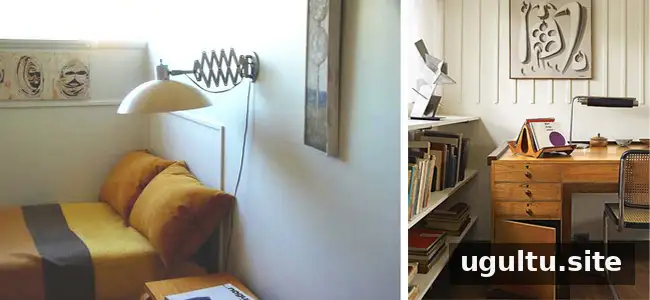
Walter Gropius’s house, from the Historic New England Properties photographic collection.
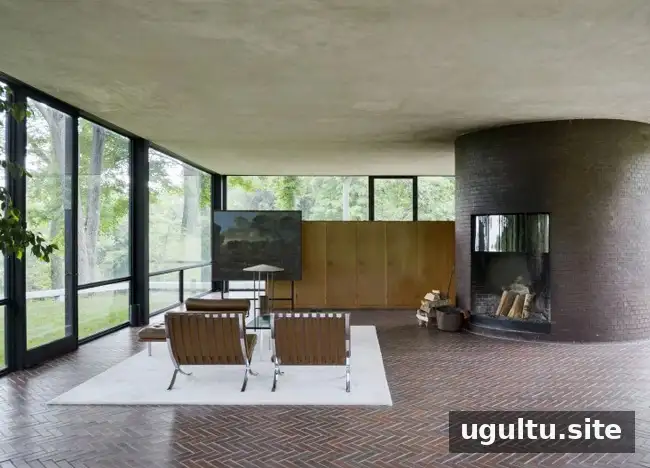
The room shown is part of Philip Johnson’s Glass House retreat, designed as one open space enclosed by glass walls. When adapting this approach at home, consider privacy, sunlight and temperature as well as appearance. Window coverings and carefully positioned furniture can help preserve the open feel while making a room more practical.

Walter Gropius’s home, from the Historic New England Properties photographic collection.
Furniture associated with International Style
Furniture offers an approachable way to understand the movement. Many well-known modernist designs were created by architects and designers who also worked on buildings. Mies van der Rohe’s Barcelona chairs and tables illustrate the use of polished materials and clear geometry. His MR10 chair is associated with a cantilevered form, while Marcel Breuer developed influential tubular-steel seating designs of his own.
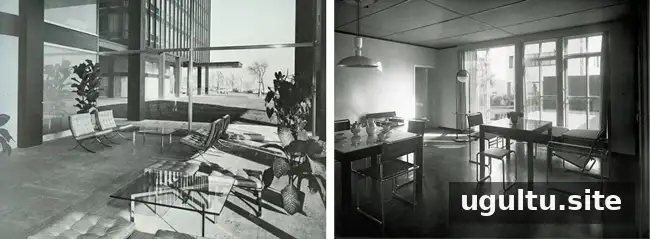
International Style furniture often combines tubular steel with leather or glass. Wood and rattan can soften the look without losing its simple, functional character. If choosing a statement chair or table, balance it with comfortable textures and leave enough open space for the furniture’s shape to remain visible.
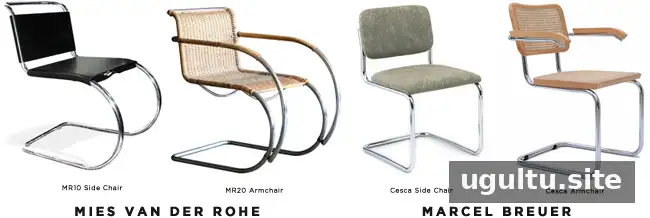
When considering vintage furniture, check the item’s condition, construction and dimensions before buying. Original pieces and licensed reproductions can vary significantly in price, so compare options and make sure a design fits the room and its everyday use.
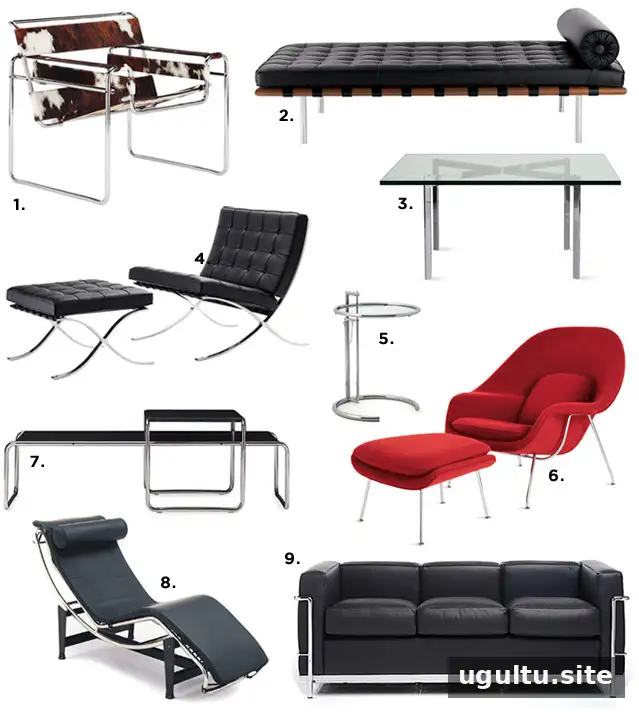
- Wassily Chair by Marcel Breuer
- Barcelona Couch by Mies van der Rohe
- Barcelona Table by Mies van der Rohe
- Barcelona Lounge Chair by Mies van der Rohe
- Adjustable Table E1027 by Eileen Gray
- Womb Chair by Eero Saarinen
- Laccio Tables by Marcel Breuer
- LC4 Chaise Longue by Le Corbusier, Charlotte Perriand and Pierre Jeanneret
- LC2 Petite Modele Two-Seat Sofa by Le Corbusier, Pierre Jeanneret and Charlotte Perriand
How to make International Style feel warmer
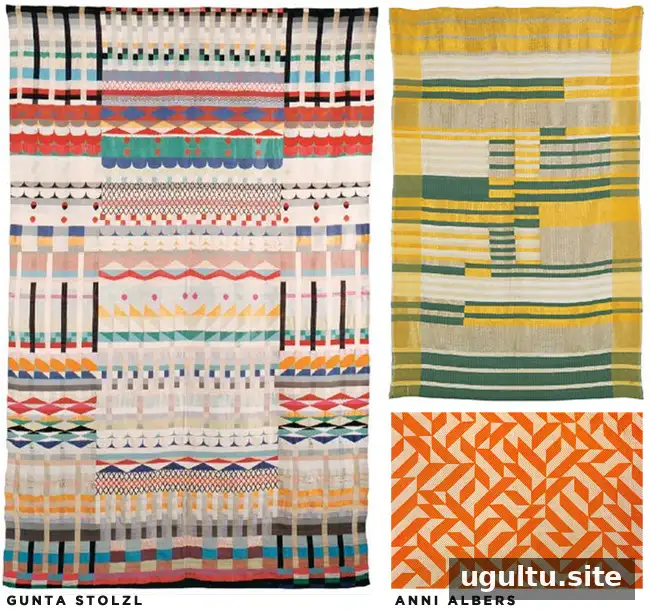
A room filled entirely with steel, glass and hard surfaces can feel cold. Bauhaus art and textile work provides a softer counterpoint to the movement’s utilitarian furniture. Textiles, rugs and tactile upholstery add comfort while keeping the overall composition simple.

Textile designers Gunta Stölzl and Anni Albers are associated with the Bauhaus. Josef Albers, Anni Albers’s husband, is known for his color studies in Interaction of Color as well as his print and type design.

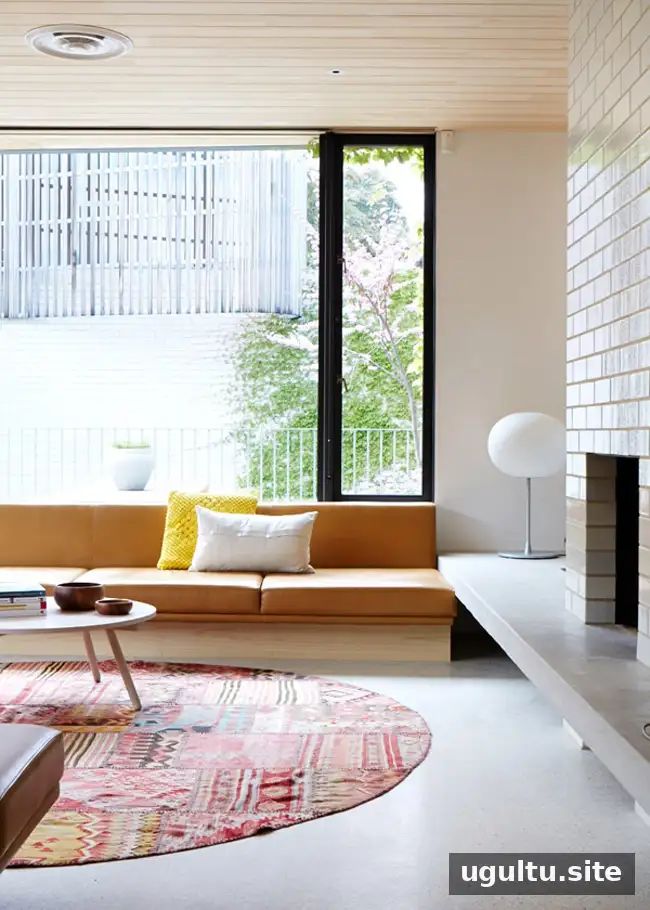
Photograph by Sean Fennessy.
International Style today
Contemporary interiors often interpret International Style through clean lines, sturdy materials and functional arrangements rather than reproducing a strictly industrial look. Wooden surfaces, soft fabrics and warmer colors can balance glass and metal. Walter Gropius’s home is one example of a modernist setting made more inviting through the use of textiles.
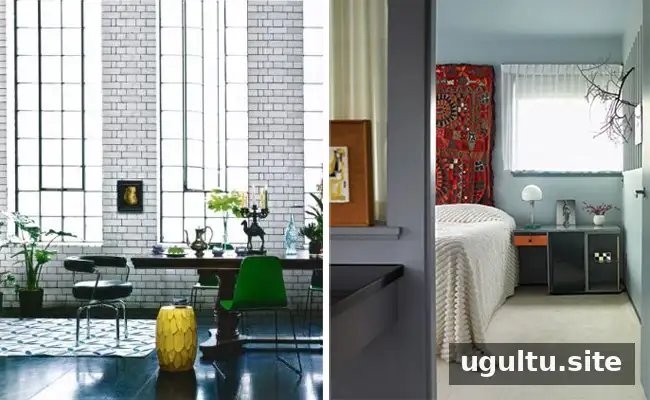
Walter Gropius’s home.
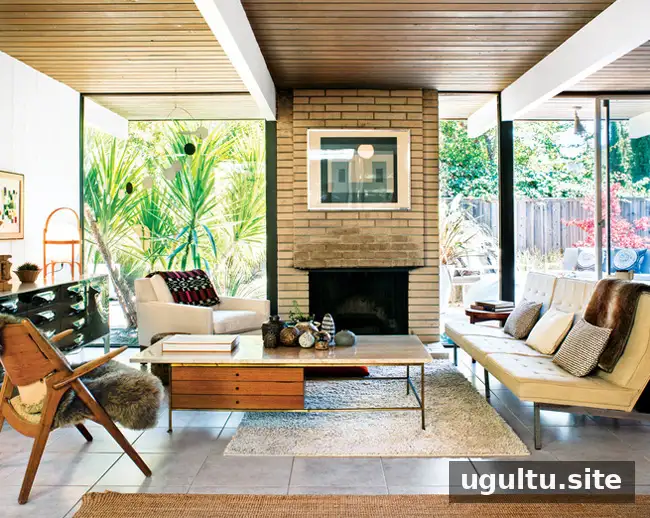
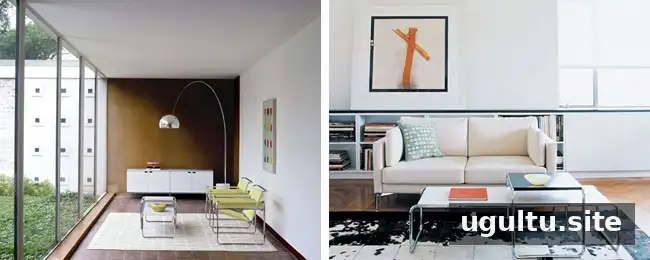
A room can also mix modernist pieces with vintage or rustic furniture. For example, tubular-steel chairs and graphic artwork can sit comfortably beside a farmhouse table, an antique cabinet or an expressive light fixture. Keeping the palette restrained—such as black, white, red and yellow—and the layout uncluttered helps different pieces feel connected.
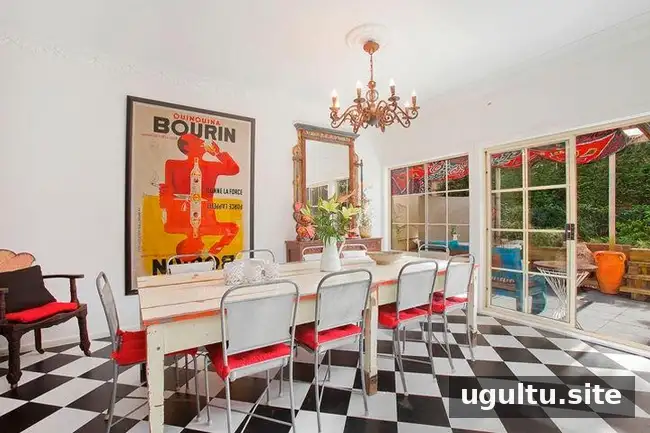
International Style remains adaptable because its focus on useful forms and clear composition works with both vintage and contemporary furnishings. To use it successfully, start with a few functional pieces, add warmth through wood and textiles, and keep enough space around each item to appreciate its shape.


