
 admin
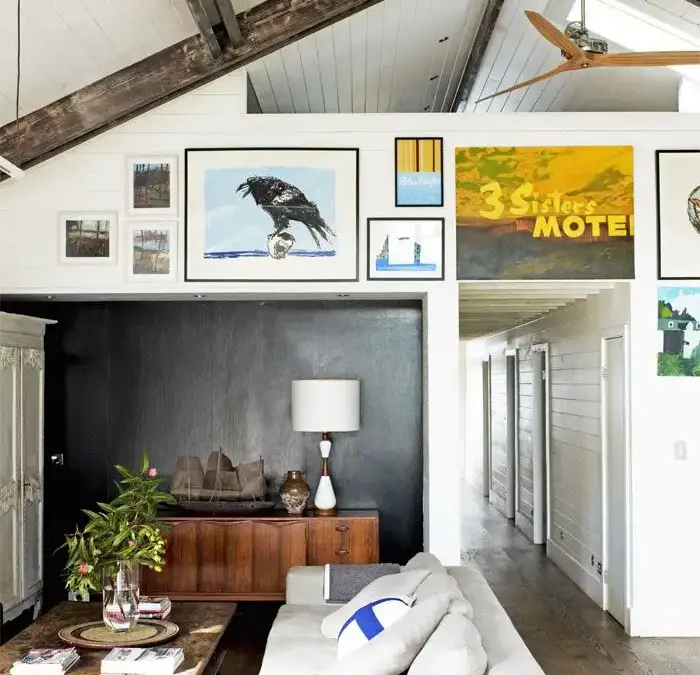
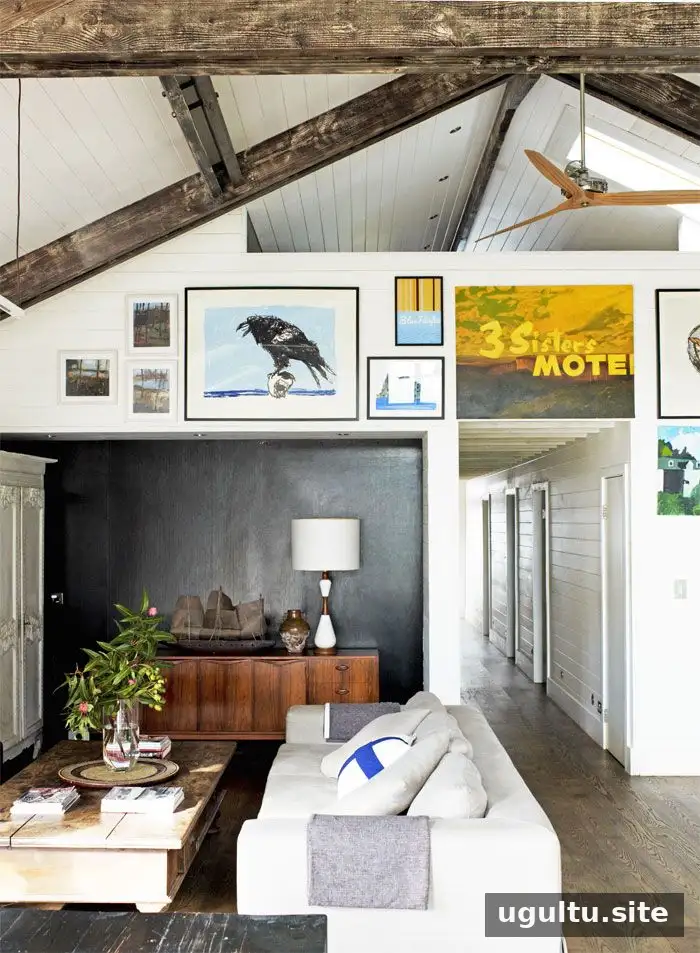
Image credit: VT Wonen Magazine
New England interior design brings together coastal colors, practical furnishings and historic details. Its character comes from several influences, including the simplicity of Shaker furniture, the formality of colonial-era rooms and the region’s maritime heritage. The result can feel classic without being overly formal, especially when traditional pieces are balanced with relaxed textures and a few contemporary accents.
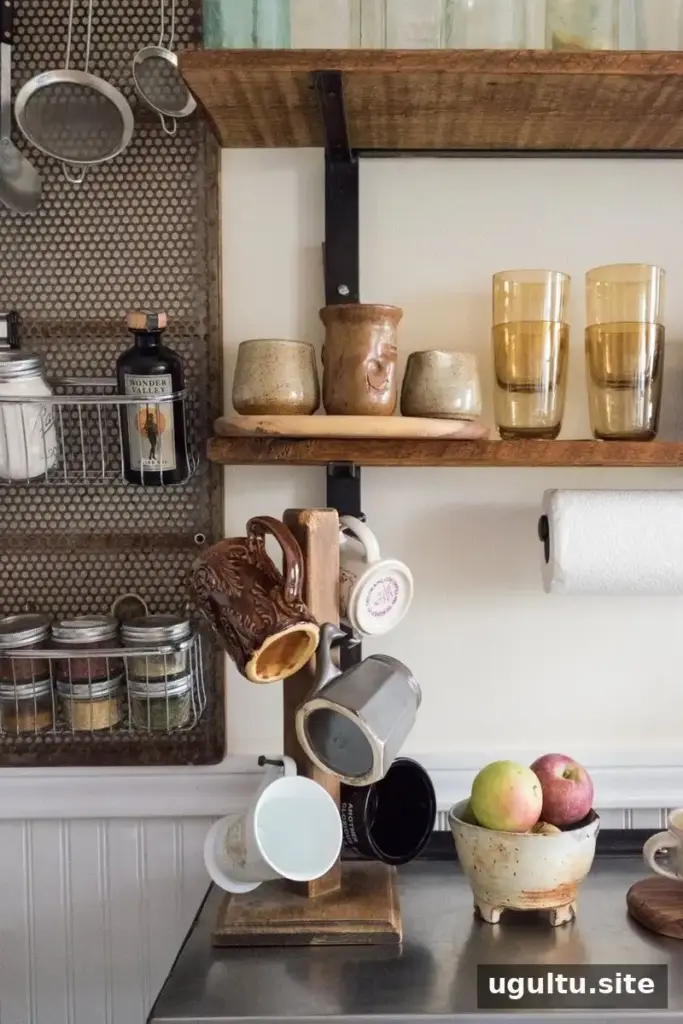
Image credit: Apartment Therapy
What Defines New England Interior Design?
New England homes vary widely, but rustic cottages, coastal cabins and rural farmhouses are common reference points for the style. Local traditions differ across the region, yet many interiors share an appreciation for useful furniture, natural materials and colors drawn from the landscape.
For a room that feels inviting rather than themed, choose a few recognizable elements and give them space. A simple wooden table, a muted coastal palette or a traditional chair can establish the mood without relying on nautical decorations everywhere.
Shaker Influence: Simple, Useful Furnishings
Shaker design is known for restraint and practicality. Shaker communities favored useful furnishings over elaborate decoration, creating interiors with clean lines and a calm, uncomplicated appearance. Peg rails, handmade baskets, ladder-back chairs and plain wooden cabinetry are characteristic examples.
Whitewashed walls, plank flooring, neutral colors and fabrics made from natural fibers can help create a similar atmosphere. These elements work well in modern homes because they are easy to combine with other styles. To keep a room from feeling sparse, add texture through woven baskets, linen-like fabrics or visible wood grain.
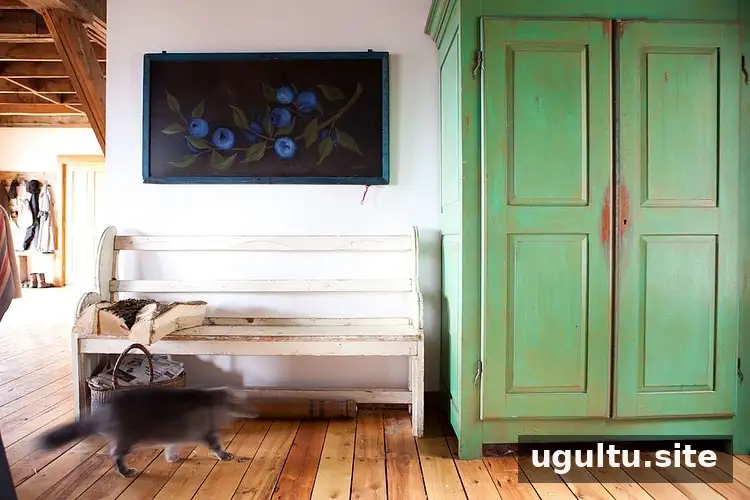
Home: Nadia Dole; photography: Tess Fine; via Home Adore
Practicality also shaped the interiors of rural farmhouses. Durable, easy-to-maintain furnishings suited busy households, while a carefully chosen family heirloom could bring a personal touch. Combining sturdy everyday pieces with one or two older accents is a useful way to create a lived-in look without adding unnecessary clutter.
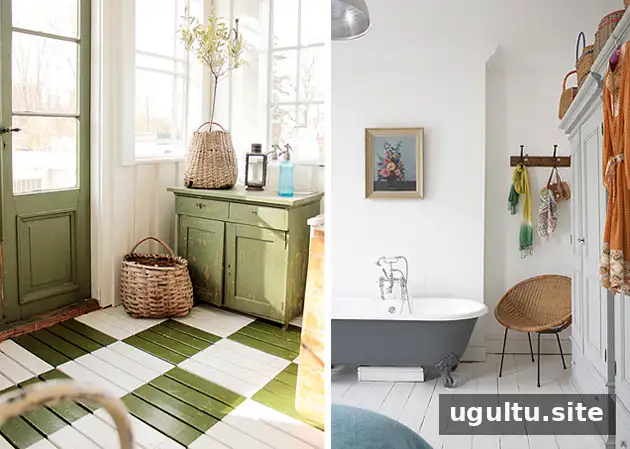
Image credits, from left to right: Vintage House; Holly Jolliffe; New England Home; Brian Paquette via West Elm blog
Colonial Details and Traditional Furniture
As settlements grew into towns and cities, interiors were also shaped by fashionable design from England and France. Georgian and Neoclassical influences introduced balanced proportions and classical forms, while generally using less elaborate decoration than the heavily carved and gilded interiors associated with Baroque and Rococo styles.
Details such as broken pediments, Windsor chairs, ornamental columns and nature-inspired murals reflect this heritage. In contemporary rooms, tailored sofas, wingback chairs, spindle-back chairs and Chippendale-style furniture can bring in a traditional note.
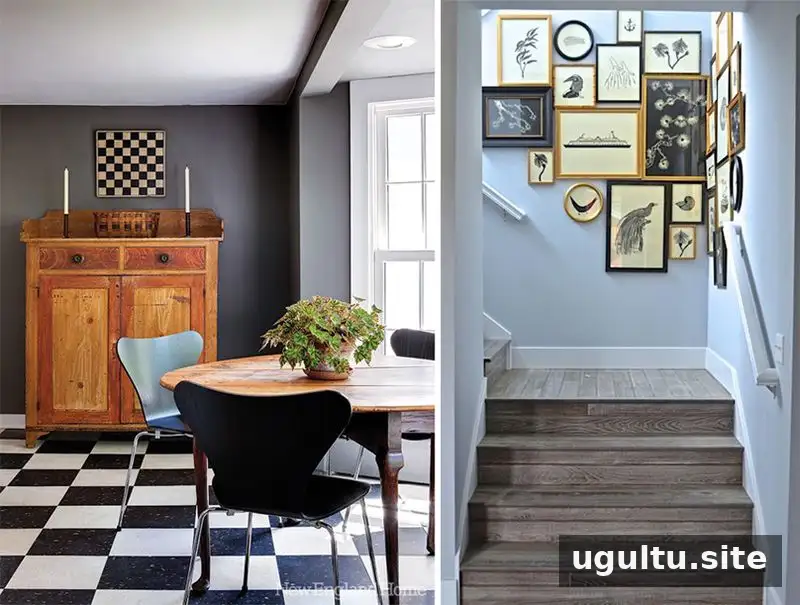
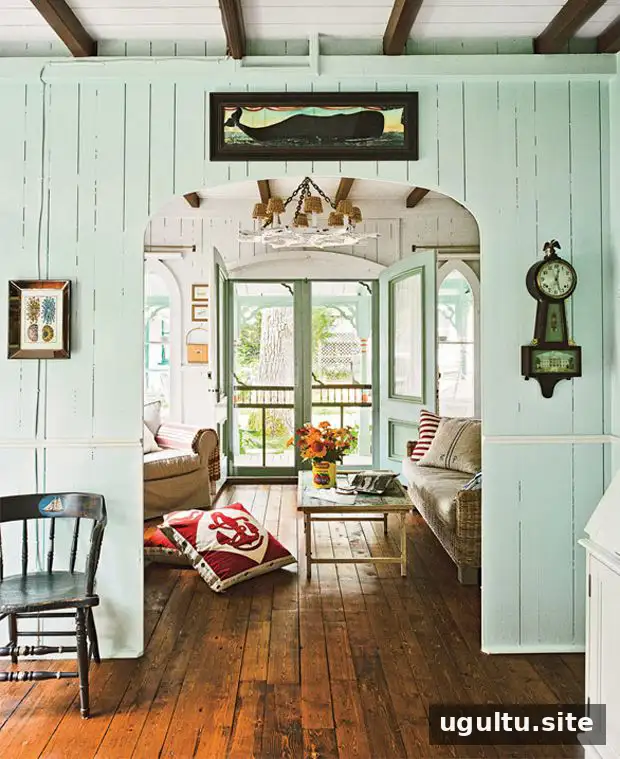
Image credit: Coastal Living Magazine
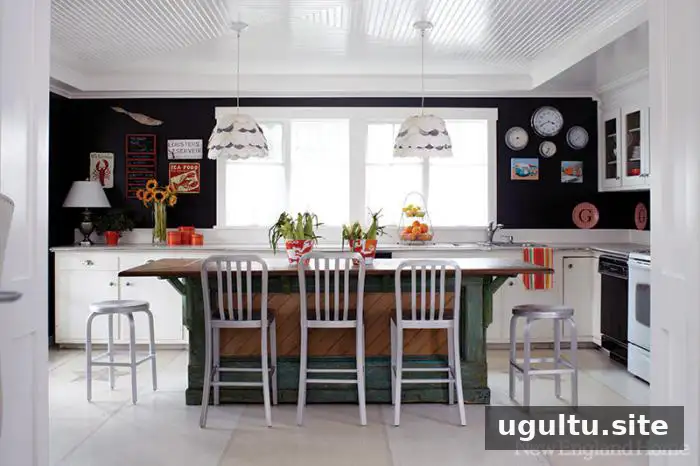
Image credit: New England Home Magazine

Home: Jane Frosh; photography: Sharyn Cairns; via Home Life
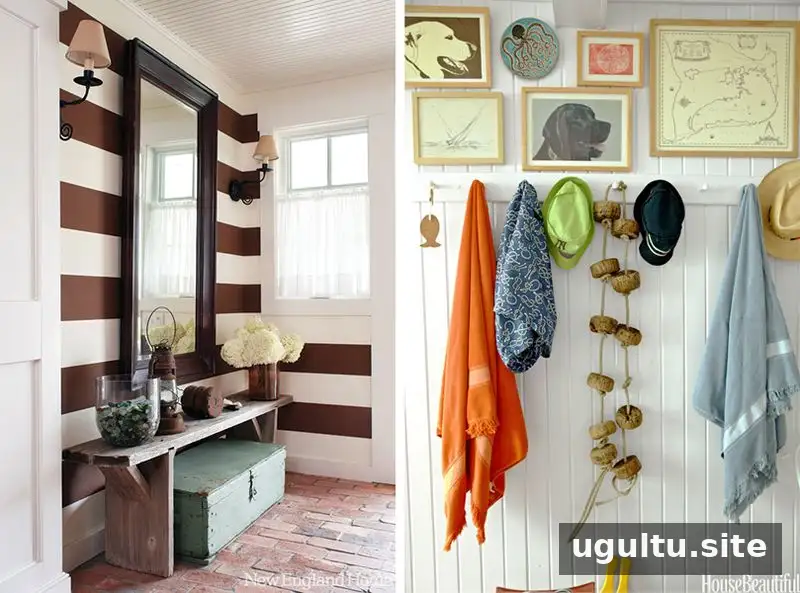
Image credits, left to right: New England Home; House Beautiful
Coastal and Nautical Influences
The coastline has a strong influence on New England interiors. Maritime trades, fishing and naval history contribute practical, nautical details, while the surrounding landscape inspires a palette of seafoam green, sandy beige, sunny yellow and sky blue. Red, white and blue combinations are another familiar choice.
Jute, driftwood and shiplap-style wall paneling bring in natural, weathered textures. Industrial metal dining chairs and cargo-inspired lighting can add a more utilitarian maritime touch. Use these materials selectively; too many themed objects can make a room feel more like a set than a comfortable home.
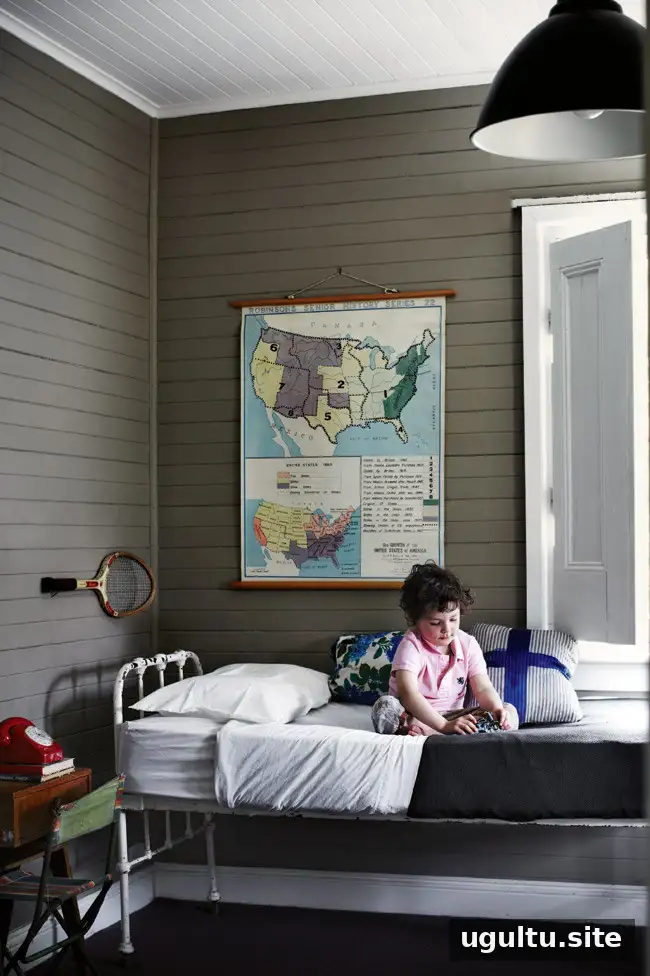
Home: Jane Frosh; photography: Sharyn Cairns; via Home Life
To give the look a more polished finish, pair coastal materials with traditional forms or refined accents in bronze, gold or marble. Alternatively, keep the room relaxed with Shaker-inspired pieces, handmade baskets and rugged wood. A vintage portrait can add character, while a contemporary print provides contrast.
New England Style: Elements to Try
These pieces offer practical starting points for bringing the style into a room. Choose only the items that suit the space, and balance patterned or decorative accents with simpler furnishings.
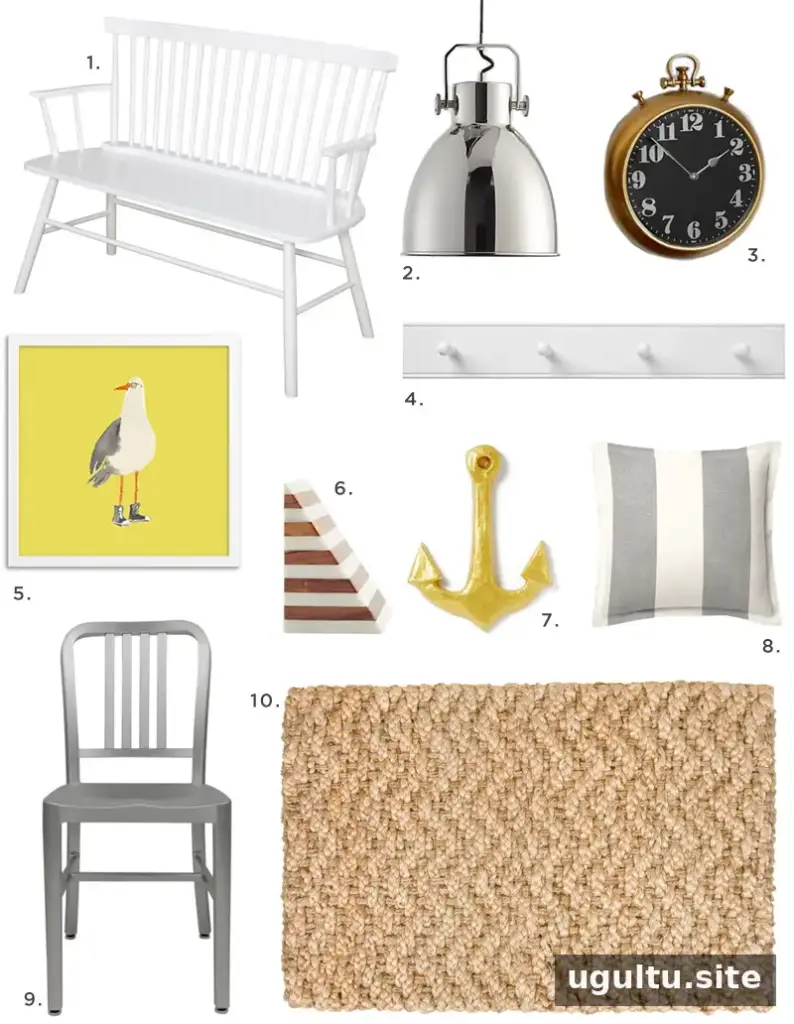
- Spindle-back bench
- Industrial pendant light
- Pocket-watch wall clock
- Peg rail
- Seagull print
- Marble-striped bookend
- Wall anchor
- Gray-and-white striped pillow
- Pair of metal dining chairs
- Jute rug
A jute rug or striped pillow can introduce coastal texture with little effort. For a more historic feel, try a peg rail or spindle-back bench; an industrial pendant can bring contrast to a room with traditional furniture. Consider the scale and function of each item before adding it, particularly in smaller rooms.
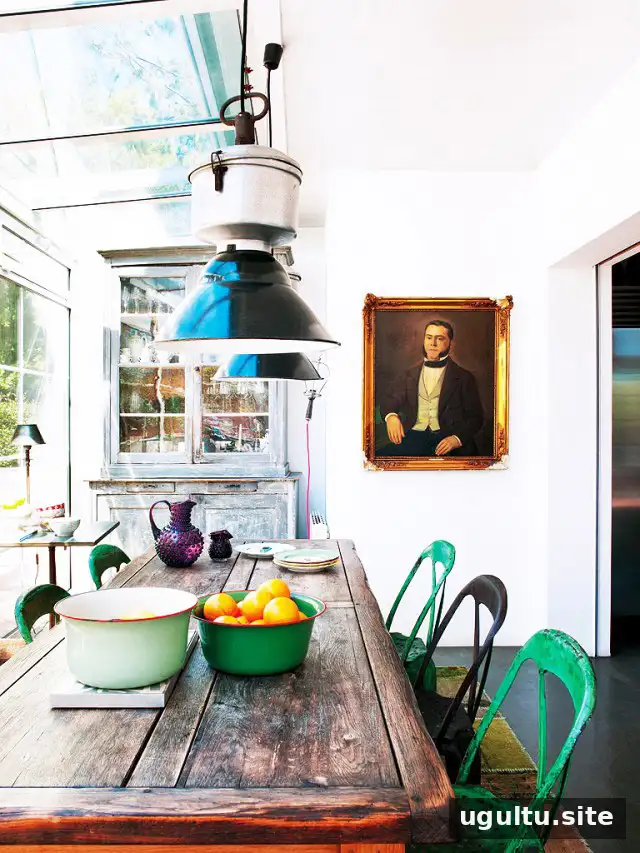
Photo: Nuevo Estilo; designed by Luzio Barcelona via My Domaine
Bringing the Look Together
Successful New England interior design depends on balance: pair practical, simple furnishings with a few colonial details, then introduce coastal color and natural materials in measured amounts. A restrained palette, useful furniture and thoughtful accents help create a home that feels connected to the region’s history while remaining comfortable for everyday life.


