
 admin
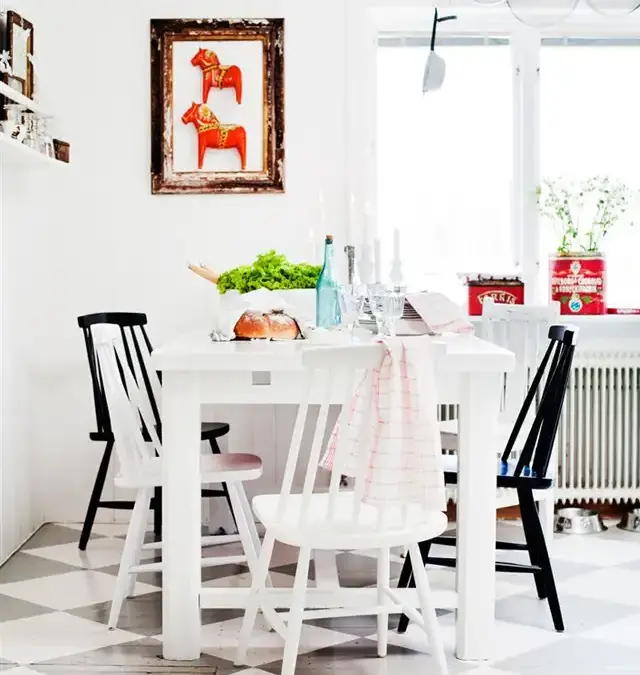
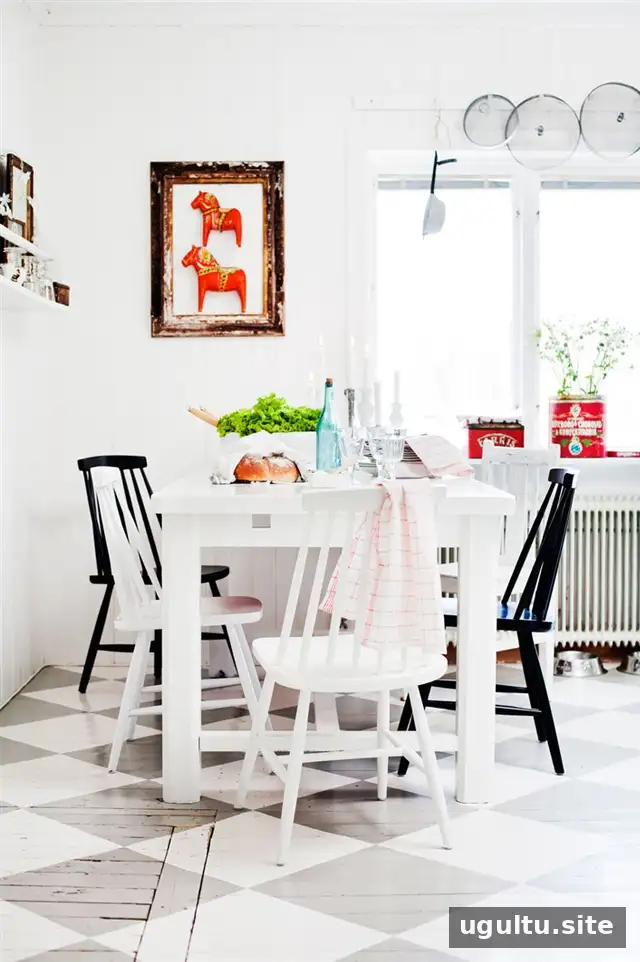
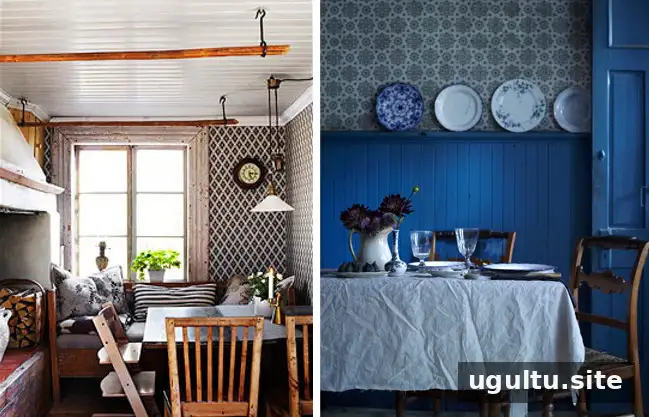
above: House & Home via Bright Bazaar
Scandinavian design is known for its calm, practical interiors, but it is not limited to white walls and pale furniture. The style brings together simplicity, natural materials, cheerful color, and thoughtful details. Whether you are refreshing one room or starting from scratch, its flexible principles can work with a range of budgets and existing furnishings.
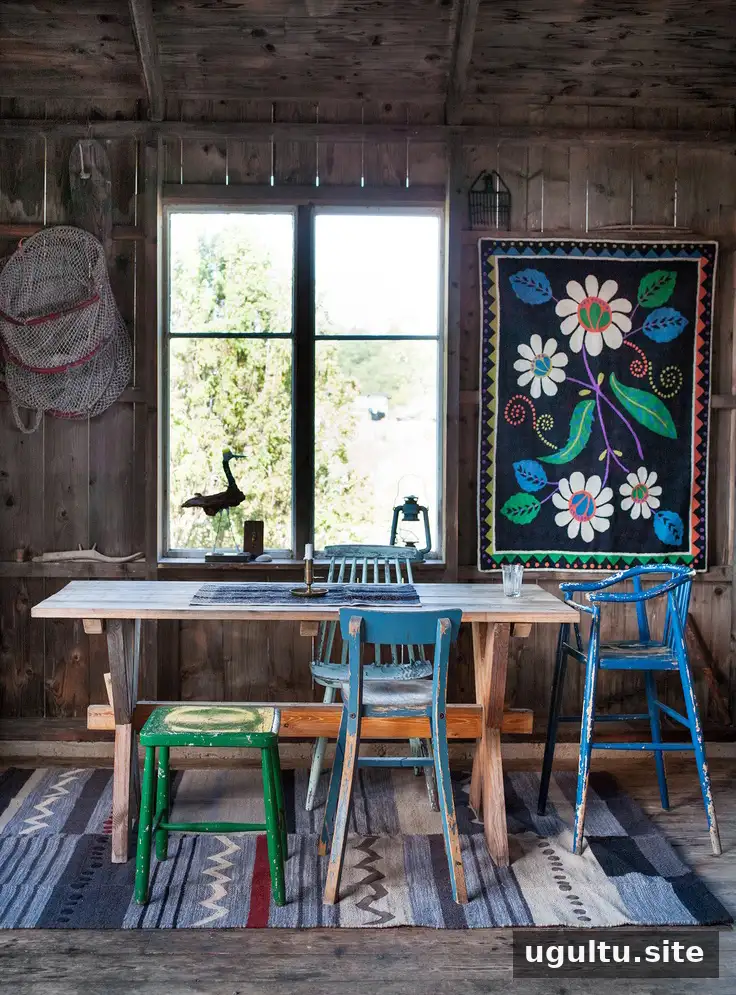
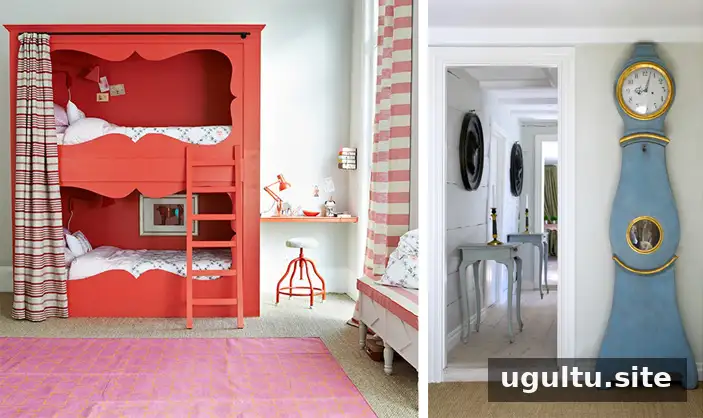
above: promotional image from retailer Gudruns Joden / below: Sandra Freij
Scandinavian design patterns and color
Traditional Scandinavian patterns often feature botanical illustrations, balanced layouts, and folk-inspired motifs. Animals are another recurring subject; the dala horse, for example, is commonly shown in a vivid red. These designs can add character to a room without requiring a full change of furniture.
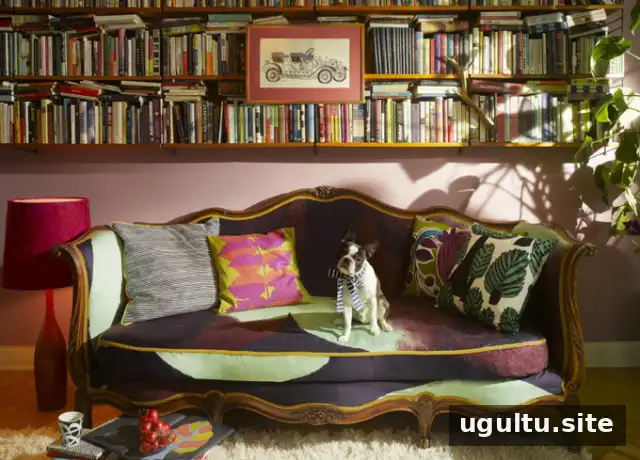
SCANDINAVIAN PATTERNS
Contemporary patterns may use larger shapes, strong contrast, and more saturated colors. If a bold print feels overwhelming, try introducing it through a cushion, lampshade, or chair cover. A small textile accent is an easy way to test a pattern before using it across a larger surface.
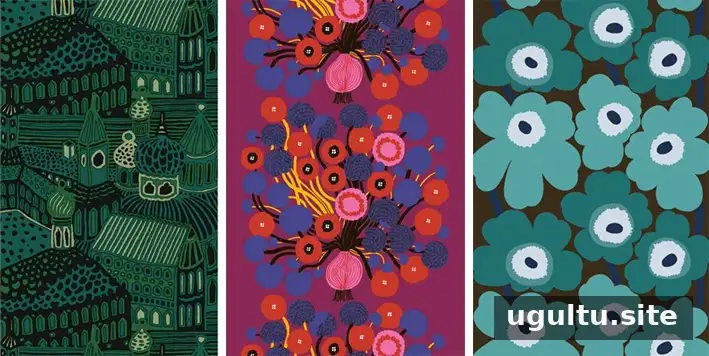
above: Marimekko fabric
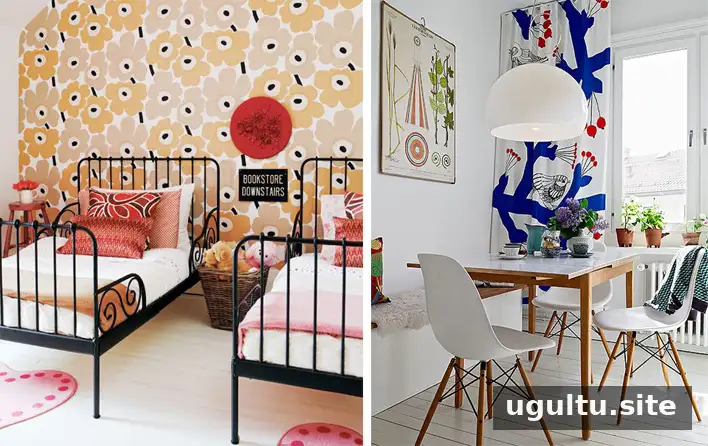
above: unknown with Marimekko wallpaper / unknown via homedit
Austrian-born designer Josef Frank is admired for combining folk-influenced motifs with a more modern sensibility. Patterned wallpaper and fabric inspired by this approach can be a significant investment. Using a limited amount for a pillow or a chair cover can create a focal point while keeping the project manageable.
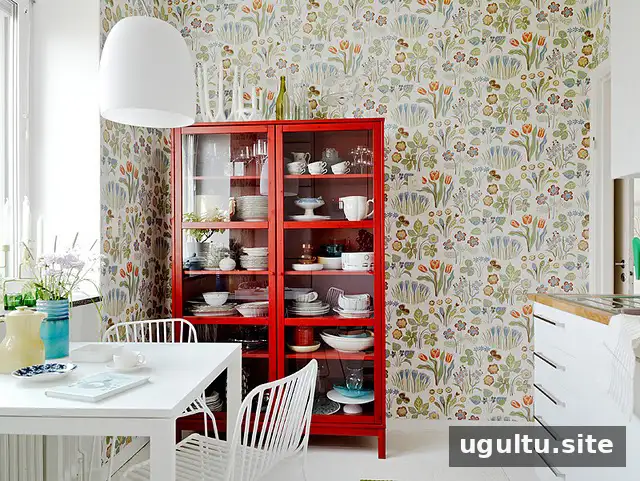
above: La Maison d’ Anna G. / below: Josef Frank prints available from Svenskt
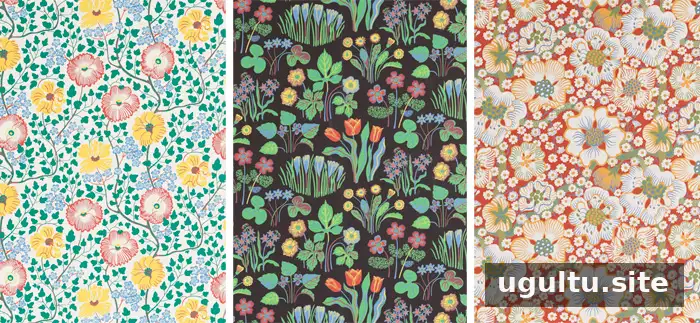
above: Anna Kern for Svenska Dagblaet / Sweet Paul Issue 2
above: House to Home / image from the book Scandinavian Design by Lars Bolander
What defines Scandinavian interiors?
Classic elements include bright whites, natural wood, simple forms, folk ornament, and painted or color-washed furniture and trim. Medium blues, bright reds, greens, pinks, and yellows can bring warmth to a restrained palette. The effect is not purely decorative: useful, well-made pieces and an uncluttered layout are central to the look.
Some older Dutch homes used built-in bed spaces and wall-mounted spindle-back chairs to make efficient use of room. Modern Nordic-inspired interiors do not need to copy these solutions, but they can still benefit from furniture that serves a clear purpose. A blend of rustic simplicity and streamlined modern design helps create a room that feels both comfortable and considered.
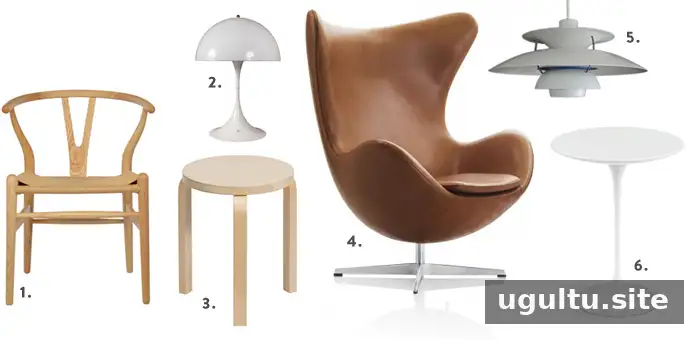
SCANDINAVIAN MODERN CLASSICS
Scandinavian modern classics
Several widely recognized furniture and lighting designs were created by Scandinavian designers during the 20th century. Their clean lines can work as statement pieces or alongside more traditional furnishings:
- Wishbone chair by Hans J. Wegner
- Panthella lamp by Verner Panton
- Artek stool by Alvar Aalto
- Egg chair by Arne Jacobsen
- PH5 hanging lamp by Poul Henningsen
- Tulip side table by Eero Saarinen
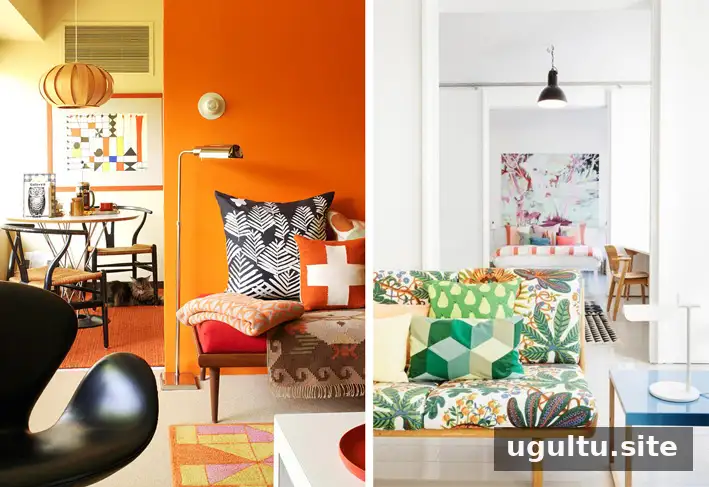
above: Better Homes and Gardens/ flodeau
When choosing a statement piece, consider the scale of the room and how the item will be used. A sculptural lamp or chair can stand out more effectively when the surrounding area is kept relatively simple.
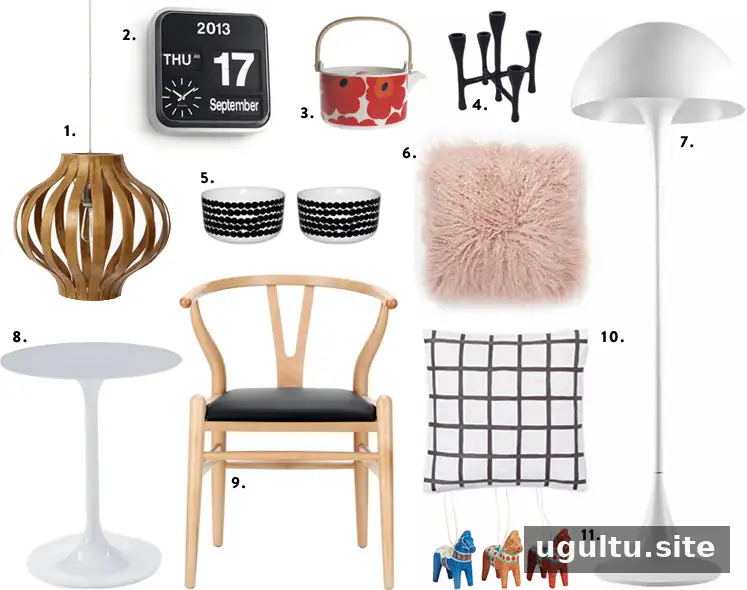
GET THE LOOK
Simple ways to bring the look home
You can borrow Scandinavian design cues without replacing all your furniture. Consider these accessible starting points and adapt them to your space:
- A bentwood pendant light or a simple floor lamp
- A patterned teapot or cereal bowl for a small touch of color
- A candle holder, grid-pattern cushion cover, or soft accent pillow
- A streamlined side table or a spindle-back chair
- Dala horse ornaments as a folk-inspired detail
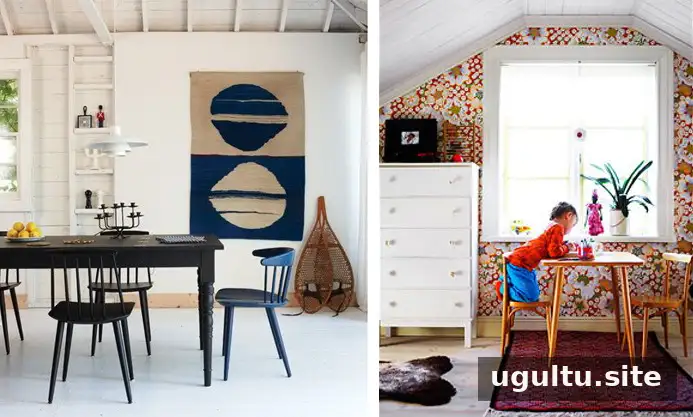
above: House & Home / Anna Kern for Svenska Dagblaet
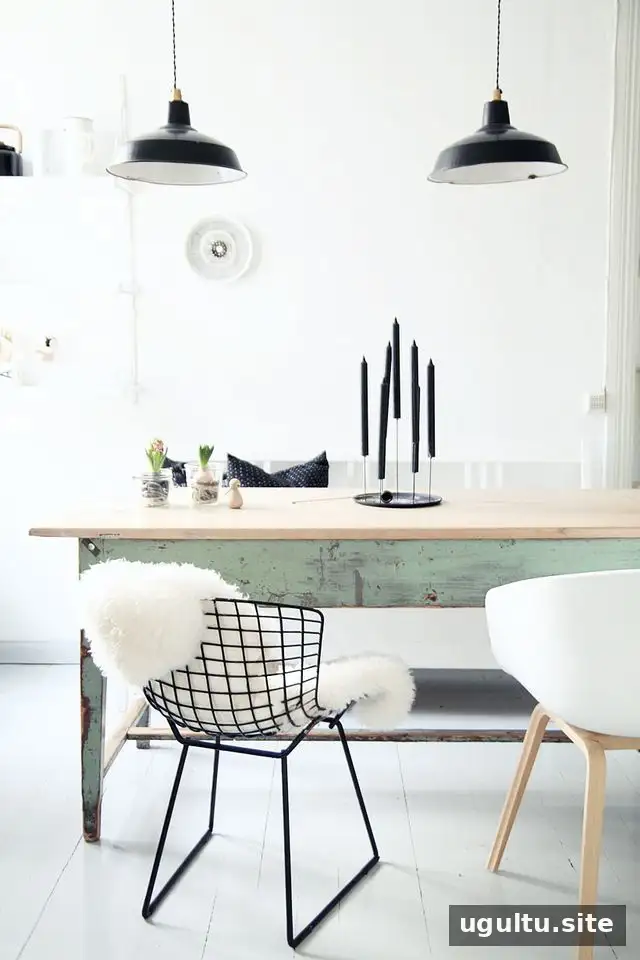
above: Nordic Days
Practical Scandinavian design tips
Start by reducing visual clutter and choosing a limited color palette. Keep larger surfaces relatively neutral, then add color through textiles, artwork, or smaller accessories. Natural or painted wood can lighten the feel of a room, while mixing sleek furniture with rustic pieces keeps the result from seeming too formal.
You can also update an existing chair with paint or pair a traditional Windsor-style chair with more streamlined furniture. Before buying anything, look at what you already own and identify one or two changes that would improve the room’s balance. Reusing and rearranging furniture is often the simplest way to achieve a fresh look.
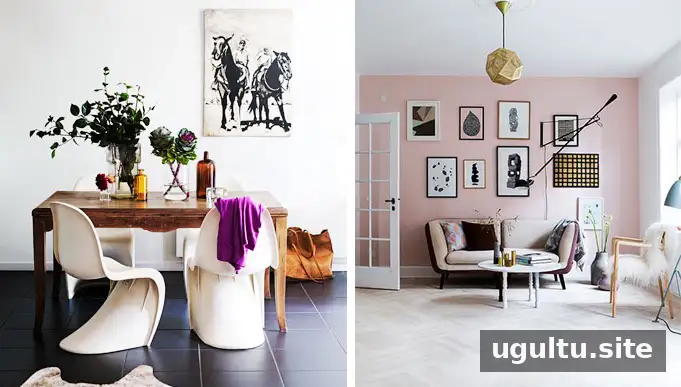
above: Real Living / Martha Stewart / below: Dust Jacket
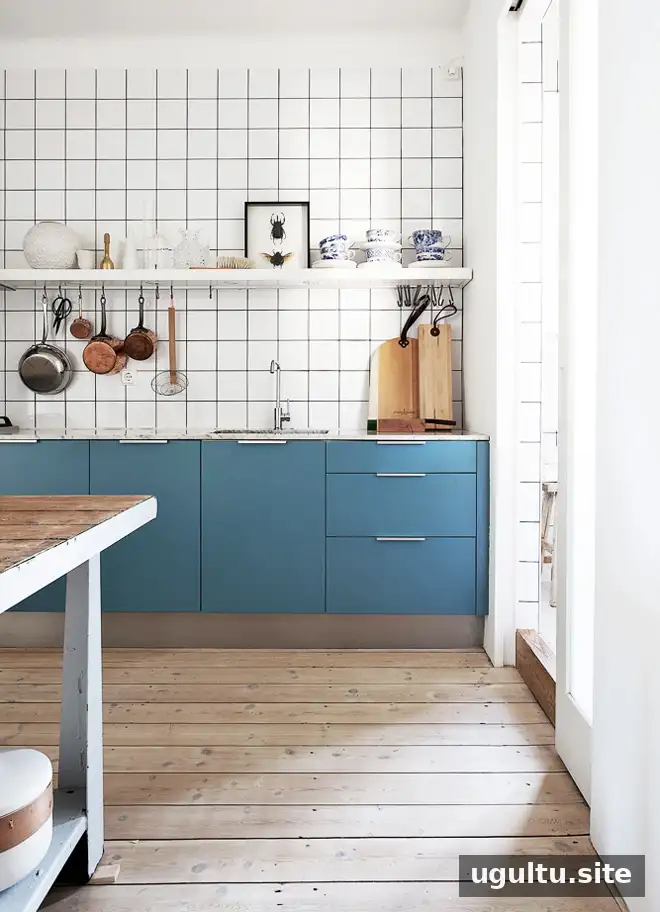
If you are unsure where to begin, keep the arrangement simple and add decorative details gradually. The lasting appeal of Scandinavian design comes from the balance of function, warmth, and restraint—not from following a fixed shopping list. —Mandi


