
 admin


Dry shampoo can help refresh oily roots between washes by absorbing some of the excess oil, without using water. It is available as a spray or powder, and homemade versions typically use simple absorbent ingredients. It can be useful when washing and styling your hair is not practical, but it does not clean the scalp in the same way as shampoo and should not replace regular washing indefinitely.
Dry Shampoo 101: Common DIY Ingredients
Homemade dry shampoo recipes often use baby powder, baking soda, cornstarch, or arrowroot powder. The ingredients have different textures and scents, so the best choice may depend on your hair color, preferences, and how your scalp responds. Try a small amount first and stop using it if irritation occurs.
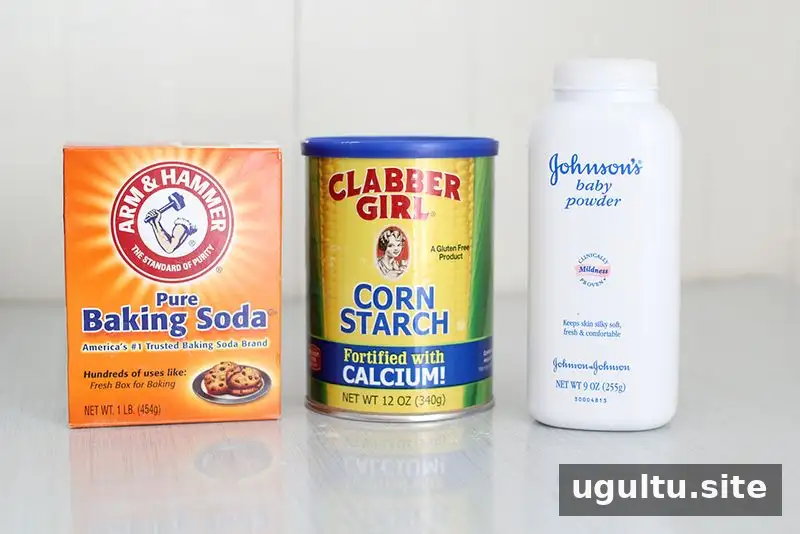
Here are some considerations for each option:
- Baby powder: It may absorb oil, but its fragrance can be noticeable. Apply carefully and avoid creating airborne powder that could be inhaled.
- Baking soda: Some people report scalp irritation, and concerns have been raised about frequent use. Because it may not suit every scalp or hair type, avoid treating it as a routine weekly option; discontinue use if you notice discomfort.
- Cornstarch: This is a low-scent option that can help absorb excess oil. Arrowroot powder can be used as an alternative. If adding essential oils for fragrance, use only a small amount and take care: essential oils can irritate skin, so patch-test the mixture before applying it to your scalp.
How to Apply Dry Shampoo
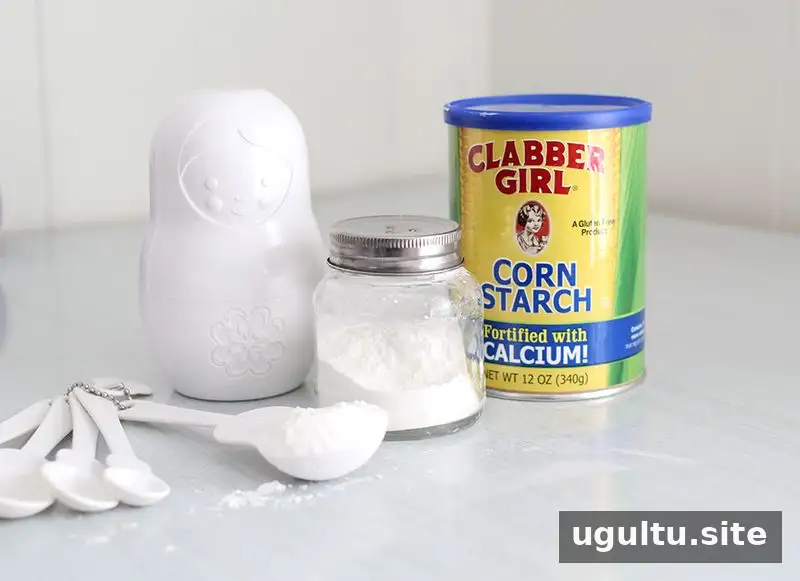
For a homemade powder, use a clean shaker or a clean makeup brush to place a small amount at the roots. Work in sections so you can target oily areas rather than coating the whole head. Let the powder sit briefly, then massage it into the roots with your fingertips or brush it through. Start with less than you think you need; adding more is easier than removing excess powder.

Apply the product to dry hair, and avoid breathing in loose powder. If you have a sensitive scalp, test a small area first. Dry shampoo can help revive a style between washes, but wash your hair when buildup becomes noticeable or your scalp feels uncomfortable.
Adjusting the Powder for Dark or Red Hair
Light-colored powders may leave a visible cast, especially on darker hair. For dark hair, unsweetened cocoa powder can be blended with cornstarch in roughly equal parts to make the mixture less pale. For red hair, a small amount of cinnamon may help the powder blend more closely with the hair color and add fragrance. Use these additions sparingly, and test the mixture on a discreet section first; spices can irritate some skin.

Dry shampoo offers a convenient way to manage oily roots between washes, whether you choose a ready-made product or a simple powder. Use a light hand, check how your scalp responds, and remember that dry shampoo is a temporary refresh—not a substitute for washing. With careful application and a formula suited to your hair color, dry shampoo can be a practical part of your hair-care routine.


