
 admin


Dutch braided bangs offer a neat way to style fringe while it grows out or to try a different look for the day. The braid sweeps hair away from the face and can be pinned behind the ear, making it a practical option when a simple side part is not enough. A little texture can help the braid hold together, especially when shorter fringe pieces are difficult to tuck in.
How to Create Dutch Braided Bangs
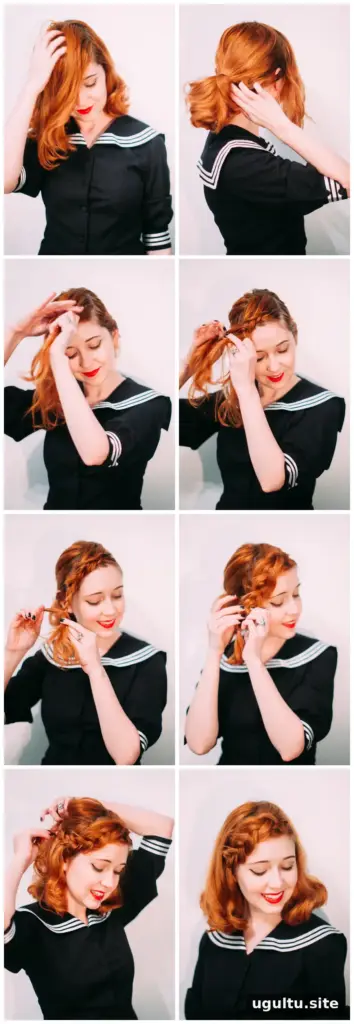
- Prepare your hair. This style is often easier to work with on hair that is a day or two past washing, since it may have more grip. If your hair is freshly washed, apply a small amount of styling product to add texture. Avoid using so much that the hair feels sticky or difficult to handle.
- Make a deep side part. Choose the side where you want the braid to begin. A clear part helps define the direction of the style.
- Section off the hair. Gather the hair you plan to braid and secure the remaining hair temporarily so it does not get caught in the braid.
- Start with three sections. Take a small piece of hair near the beginning of your part and divide it into three sections. A Dutch braid resembles a French braid, but its sections are crossed under the middle section rather than over it.
- Build the braid. Cross the left section under the middle, then cross the right section under the new middle. Add a small amount of loose hair to the outside section before crossing it under. Continue alternating sides and adding hair as you work along the hairline.
- Braid to the ends. Keep adding small sections until you reach the end of the hair you are braiding. Smaller additions usually make it easier to keep the braid close to the hairline.
- Gently widen the braid. For a fuller appearance, carefully pull the braid’s outer edges apart. If you have a fringe, do this gently so shorter strands do not slip out. A little hairspray on your fingertips can help smooth stray pieces back toward the braid.
- Pin it in place. Let down the rest of your hair and secure the braid behind your ear with a hairpin or bobby pin.
Tips for Styling and Variations

If you already know how to make a Dutch or French braid, this style uses familiar hand movements. The main difference is the under-crossing technique for a Dutch braid. Keep the braid comfortably secure without pulling too tightly, particularly around the hairline.
A traditional French braid or a rope braid can also be used for a similar swept-back effect. Rope braids may be easier to manage when the fringe is especially short. Try the technique that best suits your hair length and texture, and use only enough product to help hold loose pieces in place.
When to Wear Dutch Braided Bangs
Dutch braided bangs are useful when you want to keep fringe away from your face, style bangs during the grow-out stage, or add a braided detail to an everyday look. For a tidy finish, check that the braid is secure behind the ear and smooth any loose strands gently. With a little practice, this style can be adjusted to suit different lengths of bangs.
— Rebecca


