admin
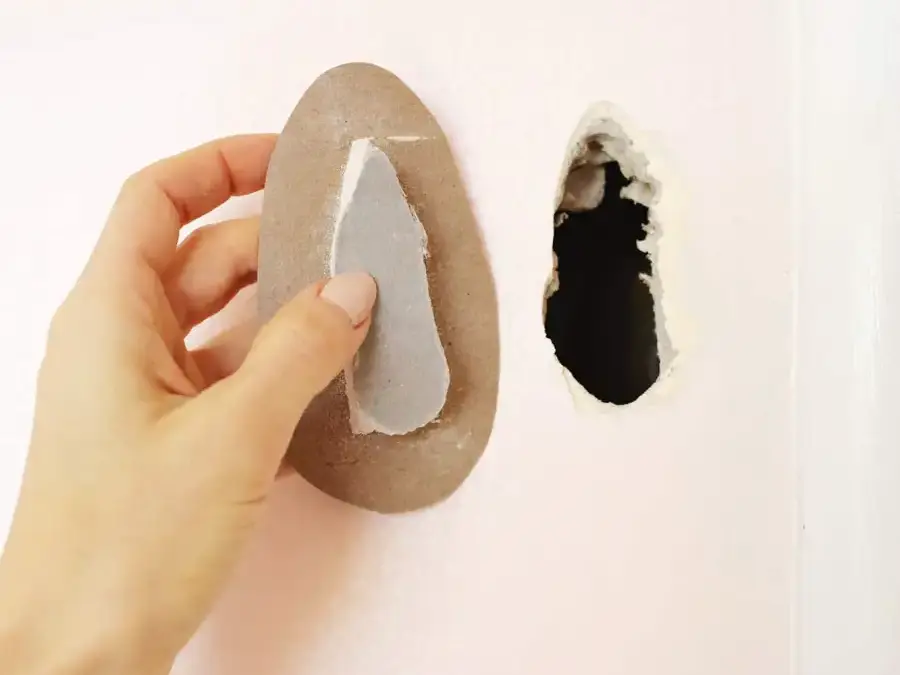
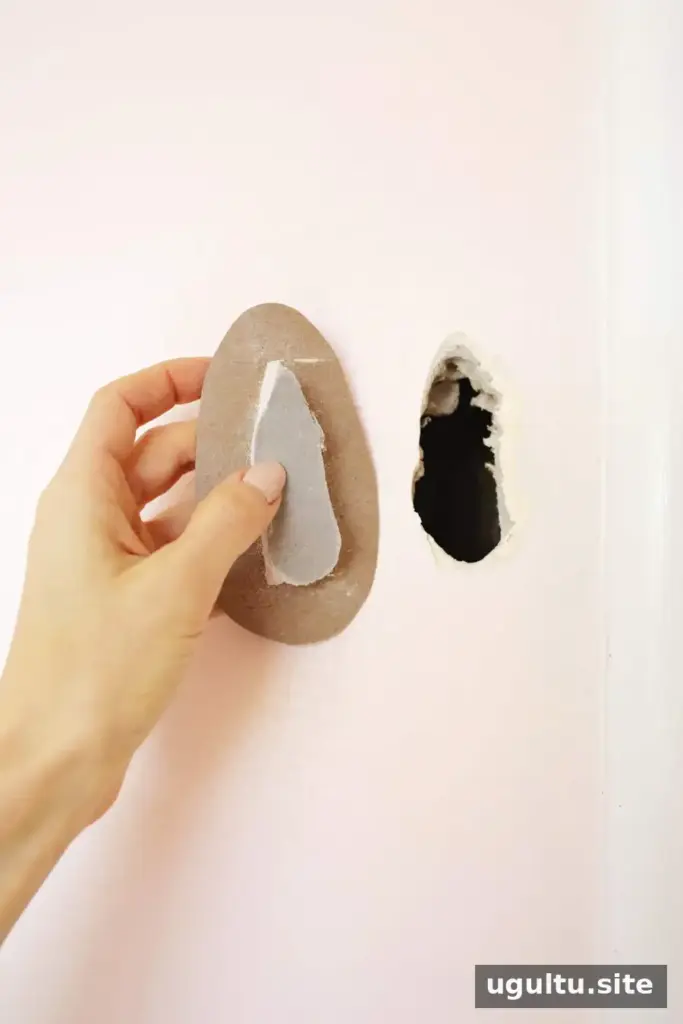
Knowing how to patch a drywall hole can help restore a wall after an accidental puncture, a decorating change or a renovation. For a small hole, you can make a fitted patch from scrap drywall: the piece sits in the opening while its paper layer overlaps the surrounding wall, creating an edge that can be covered with joint compound.
How to patch a drywall hole with a paper-backed patch
This method is intended for smaller holes that can be covered by a single piece of drywall. The patch is shaped to fit the opening, so careful measuring and a test fit are useful before applying compound.
What you’ll need
- Scrap drywall
- Utility knife
- Paper and a pen for tracing
- Drywall mud or spackle
- 6-inch drywall knife
- Rough, medium- and fine-grit sandpaper
- Wall paint
- Dust mask and eye protection
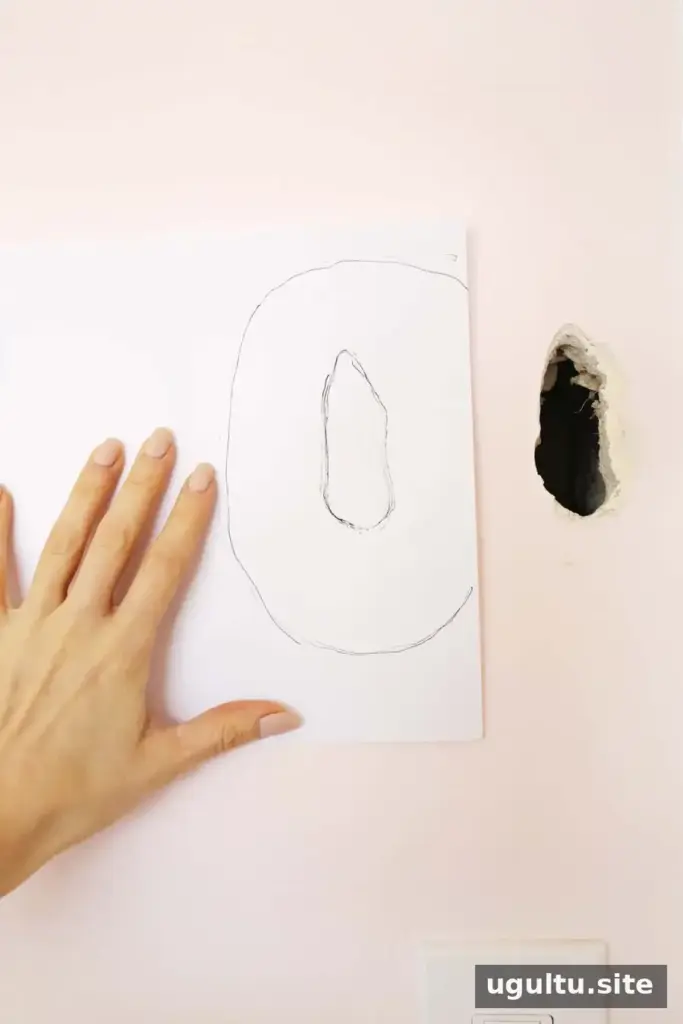
1. Trace the hole
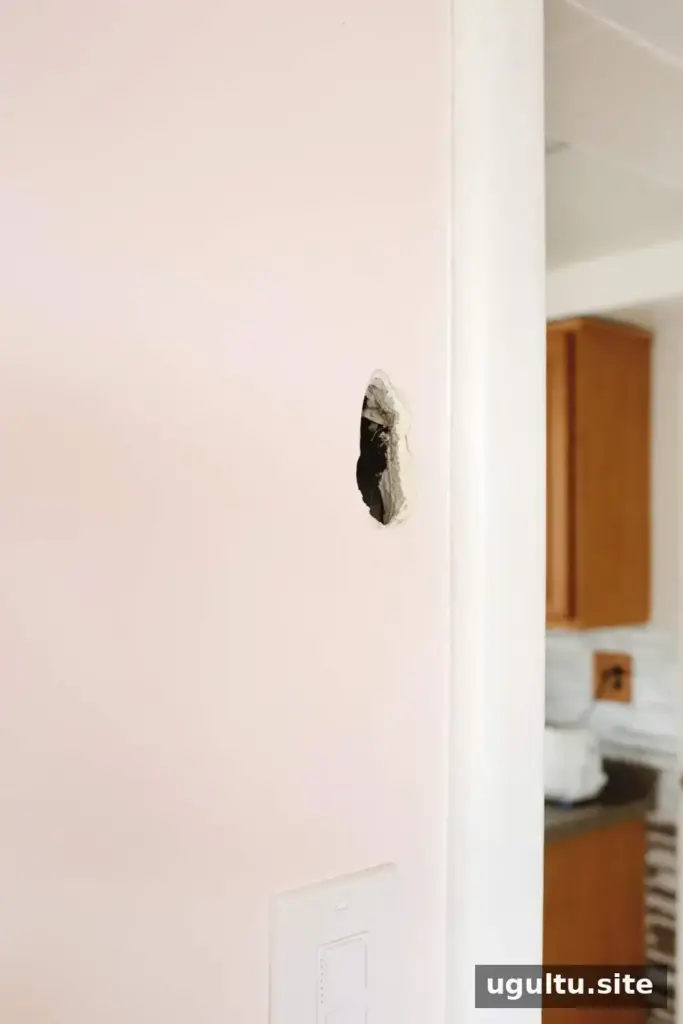
Place a piece of paper over the opening and trace its outline. If you cannot see the edge through the paper, press gently around the opening to make an indentation, then trace that line after removing the paper. If the hole has an irregular shape, lightly tap around its edges with a hammer or screwdriver to make it more uniform, such as an oval or circle.
Work gently when adjusting the opening so you do not loosen more drywall than necessary. A neater outline can make the patch easier to fit.
2. Cut and mark the drywall scrap
Cut a piece of scrap drywall a few inches larger than the hole. Center the tracing on the back of the scrap and transfer the outline with a utility knife or X-Acto knife. Reverse the tracing when marking the back so the patch will match the opening when turned around.
Score the outline lightly at first. Remove the paper tracing and deepen the cut with a second pass if needed. Keep the blade under control and cut on a stable surface.
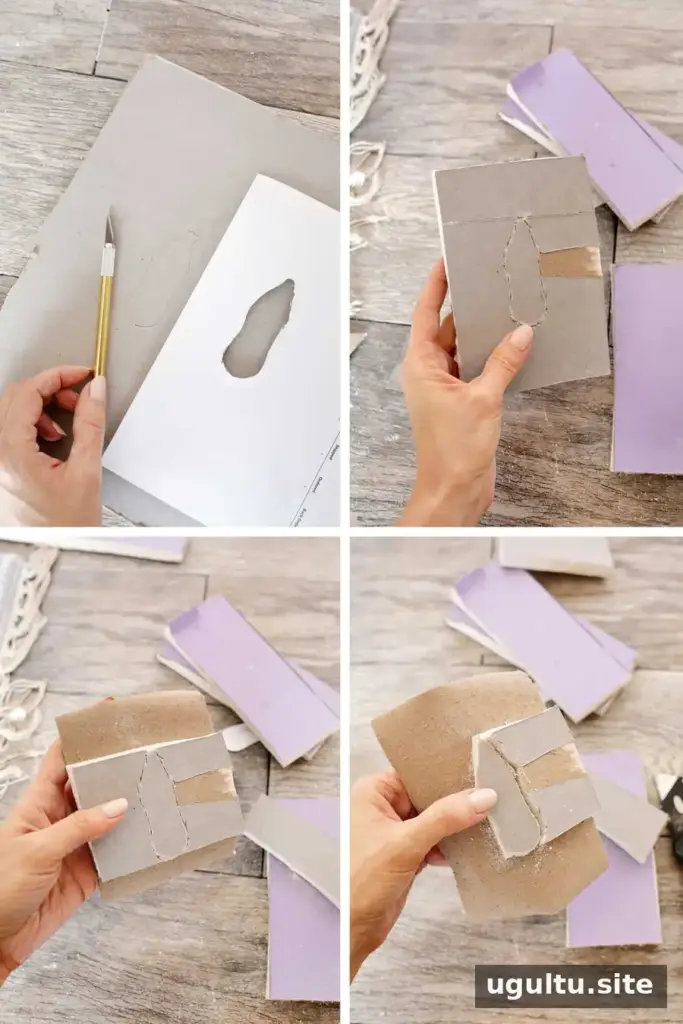
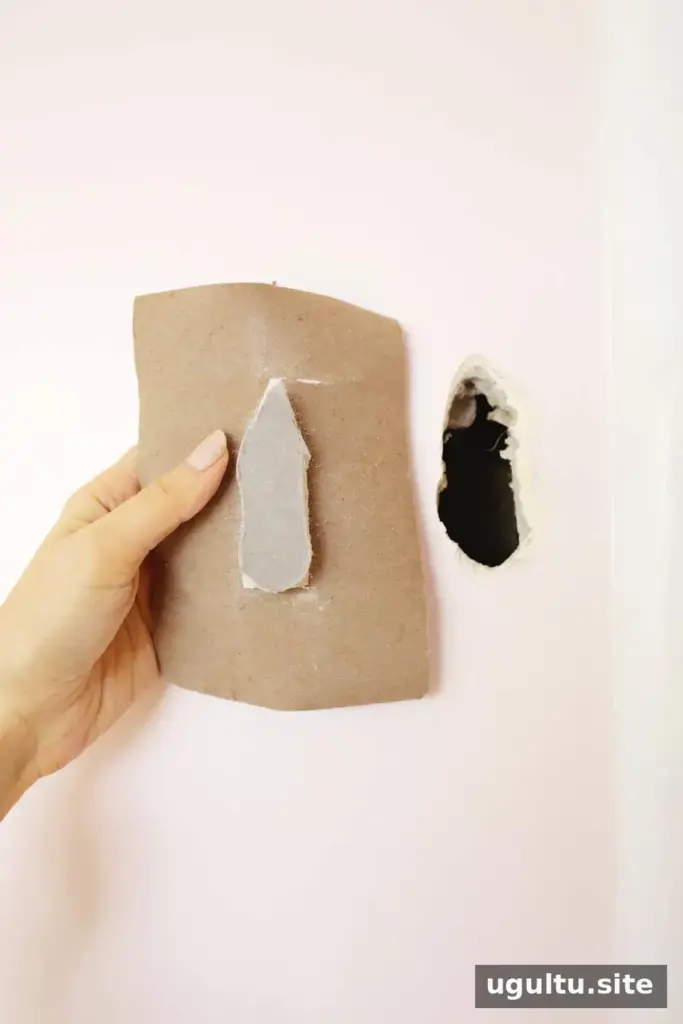
3. Shape the patch while keeping the front paper intact
Score straight lines across the top and bottom of the traced shape, then snap away the excess drywall. Peel the extra gypsum from the front paper rather than cutting through that paper layer. The intact paper should extend beyond the patch by about 1.5 inches around the edge; trim excess paper with scissors if necessary.
Depending on the shape, you may need to score and snap away additional pieces. Test the patch in the opening and carefully remove small amounts of drywall until it fits without forcing it.
4. Attach the patch with joint compound
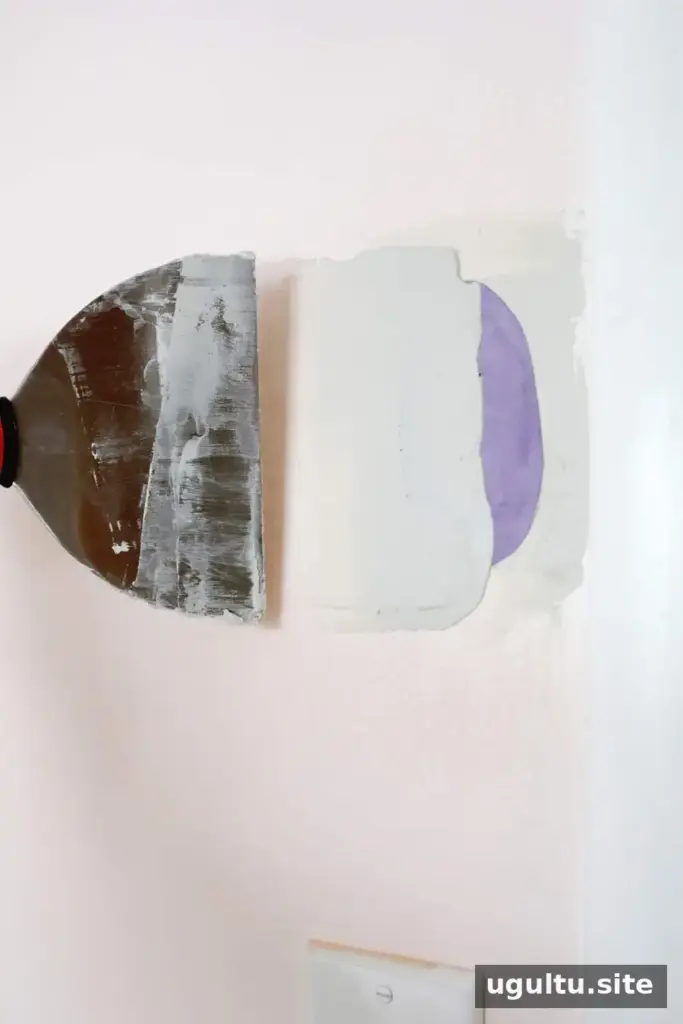
Sand the painted area around the hole with rough sandpaper to reduce its gloss. A slightly rough surface helps the compound adhere. Spread a thin layer of drywall mud around the edge of the opening, or use spackle if preferred.
Slightly dampen the paper edges of the patch, place it into the opening and press it into position. Use a 6-inch joint knife to smooth the patch and spread the compound. A small amount of compound squeezing out along the edges helps cover the joint; wipe away heavy excess while keeping the patch in place.
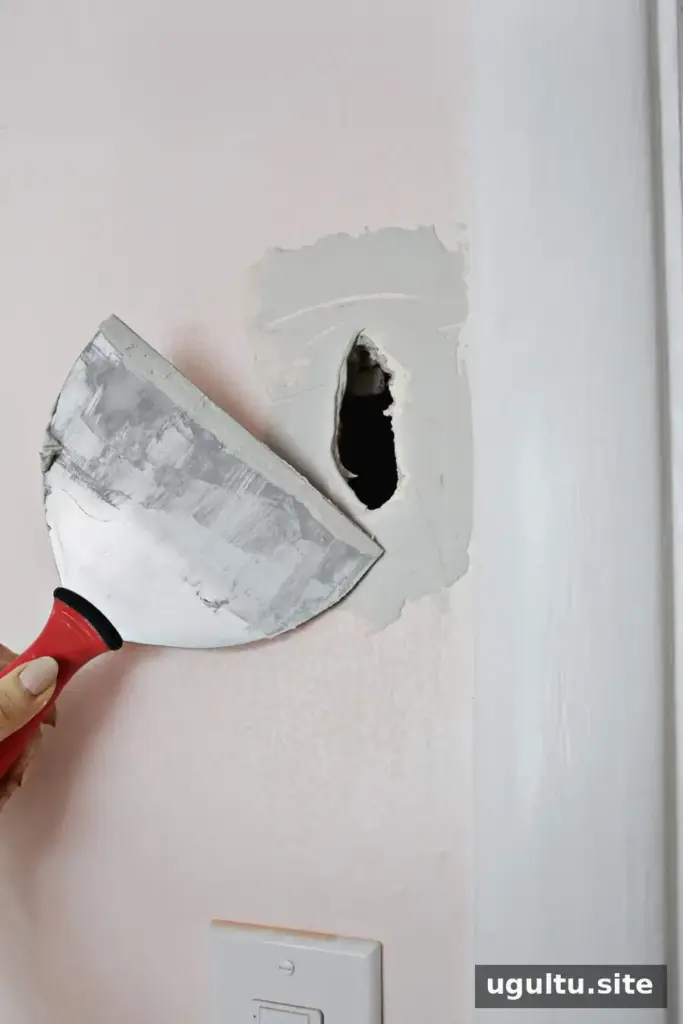
5. Apply additional coats, sand and paint
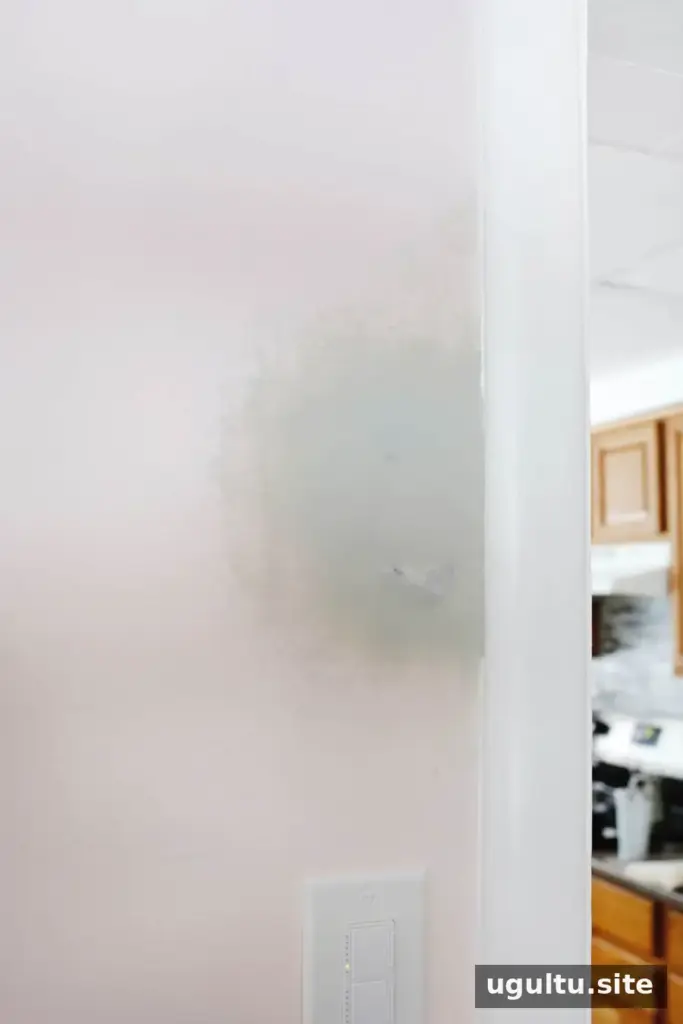
Spread another thin coat of compound over the patch, feathering the edges outward so there are no abrupt ridges. Let it dry fully, then apply another thin coat that extends a little farther beyond the first. Follow the drying guidance on the compound packaging before sanding.
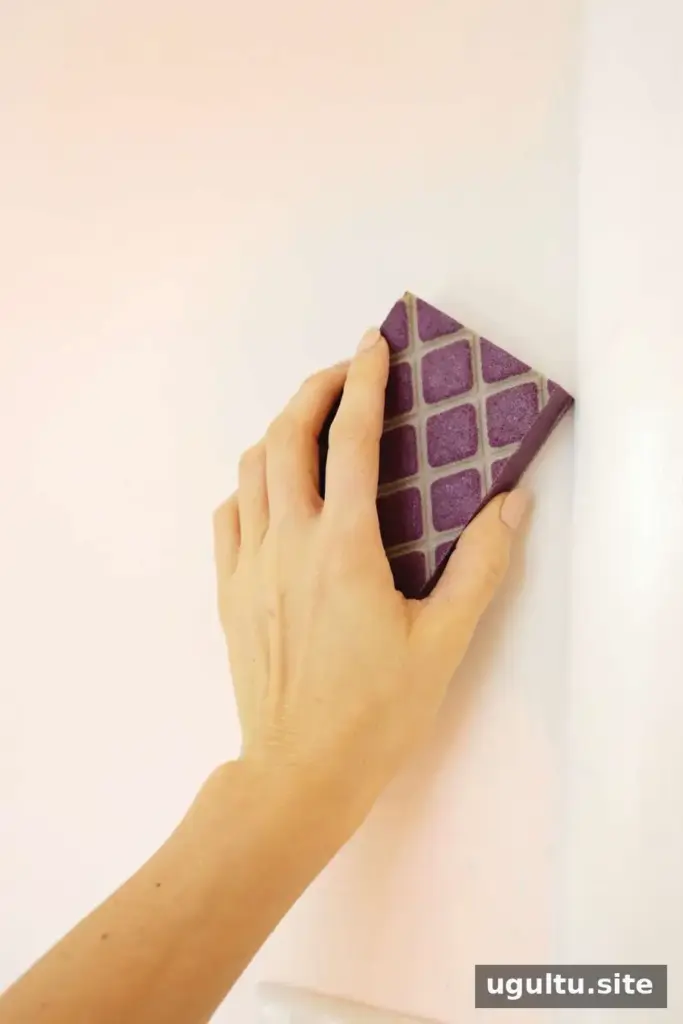
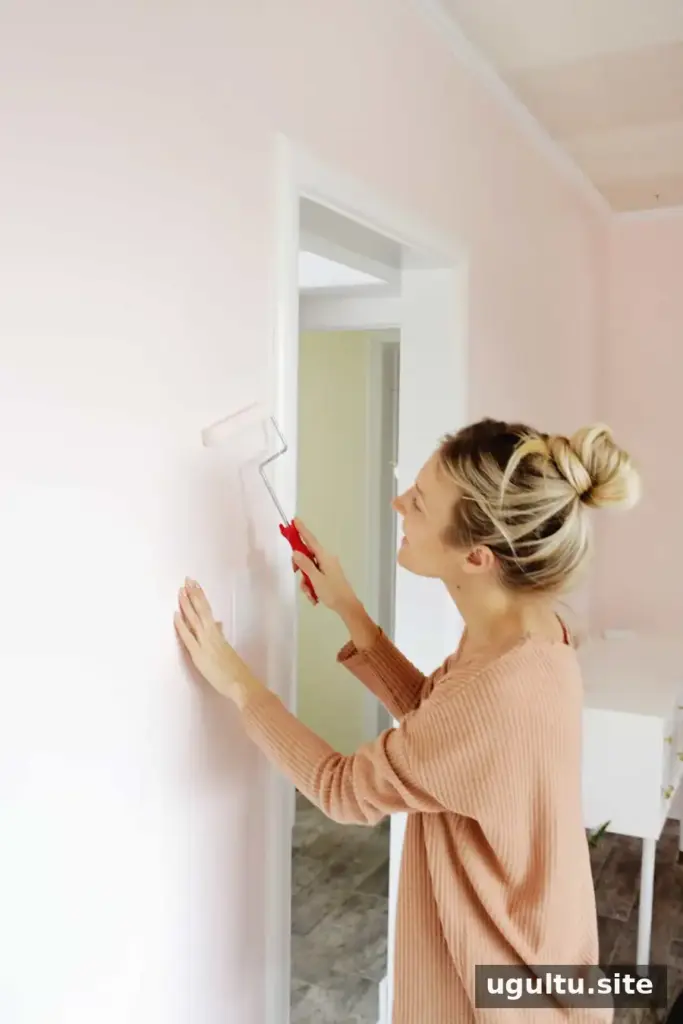
When the surface is dry, sand first with medium-grit paper and finish with fine-grit paper. Wear eye protection and an N95 mask while sanding and cleaning up to reduce exposure to dust. Once the surface is smooth, paint the repair. A higher-nap roller, or one labeled for semi-rough surfaces, can add texture to the smooth patch and help it blend with the surrounding wall.
When a different drywall repair is needed
This paper-backed technique is best for smaller openings. For a medium or large hole, wooden boards screwed to the back of the existing drywall can provide support for a replacement section. Cut the replacement piece to fit and fasten it to the boards before finishing the seams with compound.
The same paper-backed approach can also be used on plaster walls, though older surfaces may vary. Test carefully and avoid enlarging a fragile opening. If the wall is unstable or the damage extends beyond the visible hole, consider a repair method suited to the larger affected area.
Final tips for patching a drywall hole
To patch a drywall hole neatly, take time to reverse the tracing, preserve the patch’s front paper and check the fit before applying compound. Thin coats that dry fully are easier to sand than one thick layer. With careful finishing and paint that matches the surrounding wall, the repair can blend into the surface.
— Laura