admin
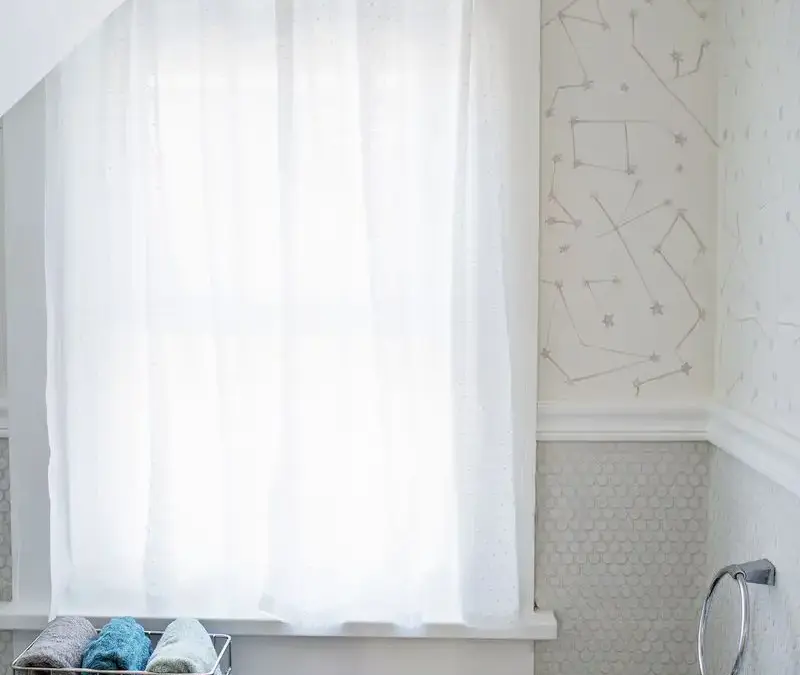
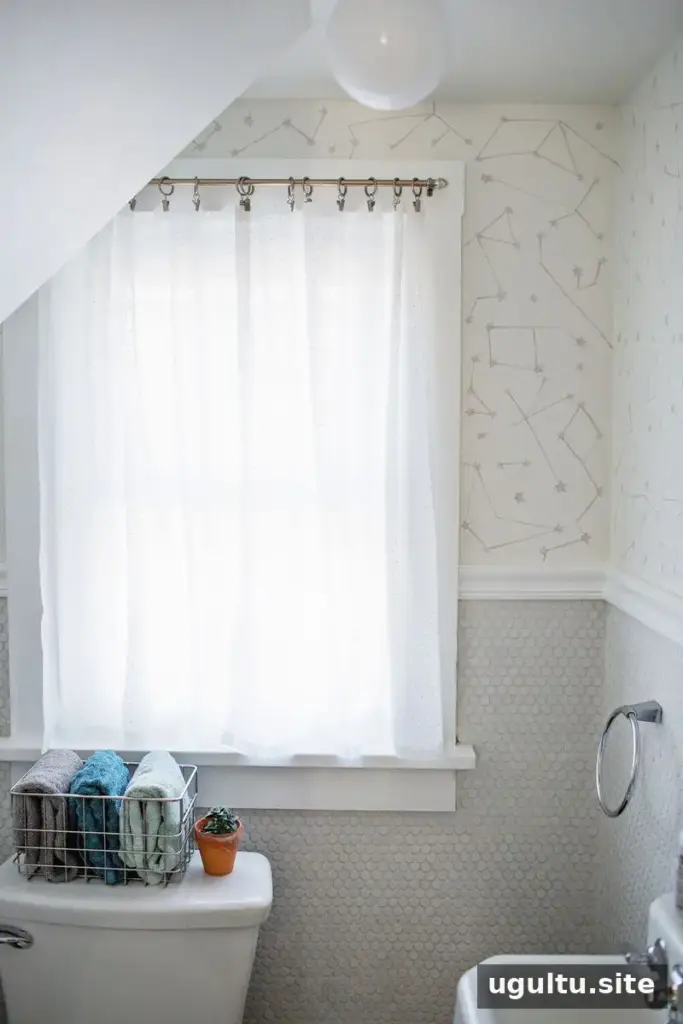
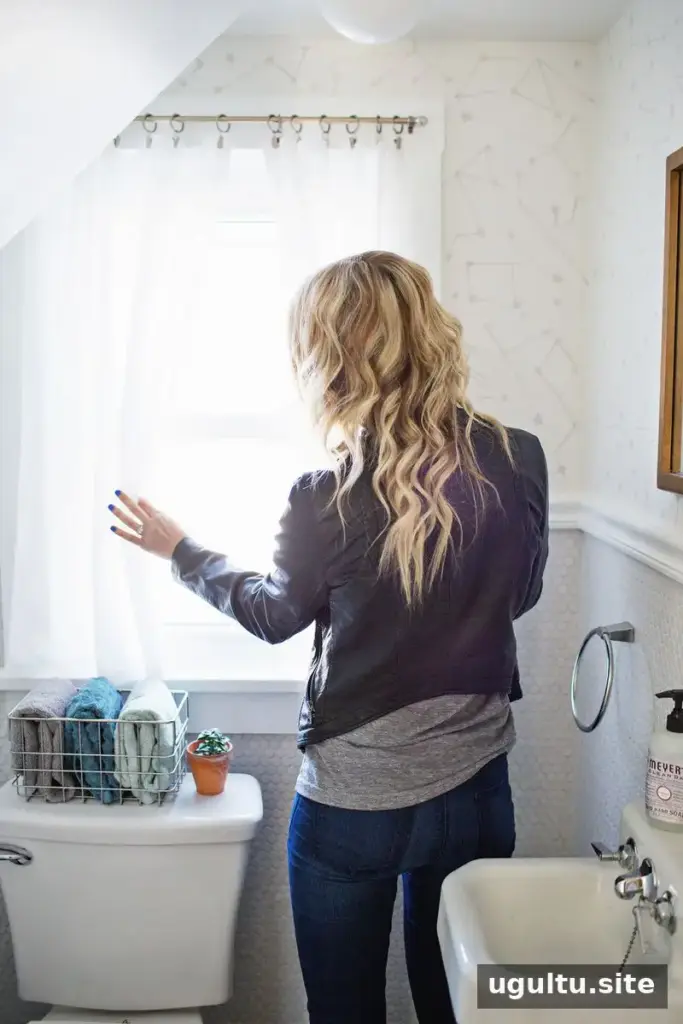
No-sew curtains are a practical option when you want a simple window treatment without using a sewing machine. Fusible fabric tape bonds folded hems with heat, making this project suitable for a small bathroom or other space where you need a quick, custom fit. Choose a fabric that balances privacy and natural light, and check that your tape is suitable for the fabric before you begin.
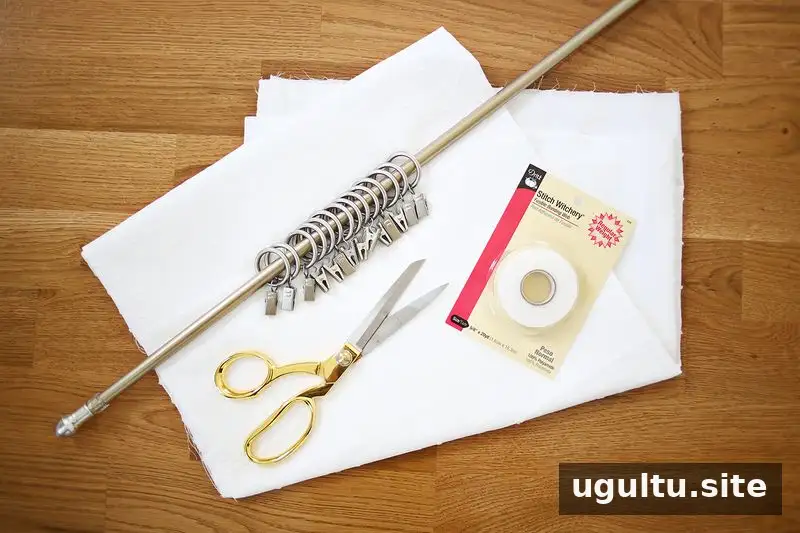
Supplies:
- Cotton fabric; a lightweight Swiss dot fabric lets in light while offering some privacy
- Fusible fabric tape
- Measuring tape
- Fabric scissors
- Iron
- Curtain rod and clip rings
- Thin cotton dish towel
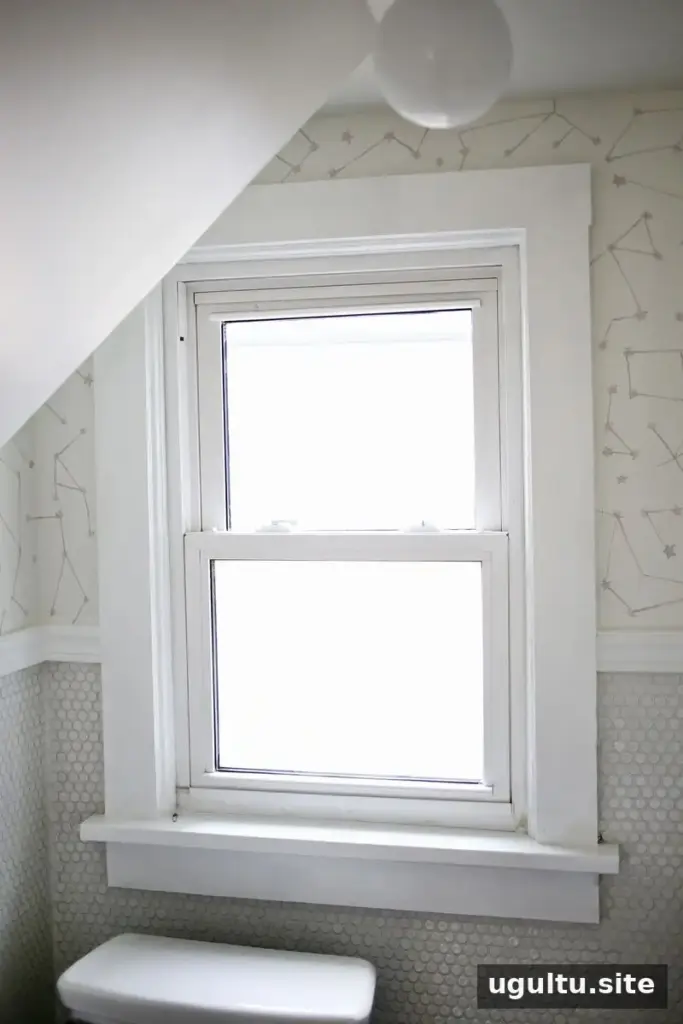
How to make no-sew curtains
1. Measure the window and plan the panels
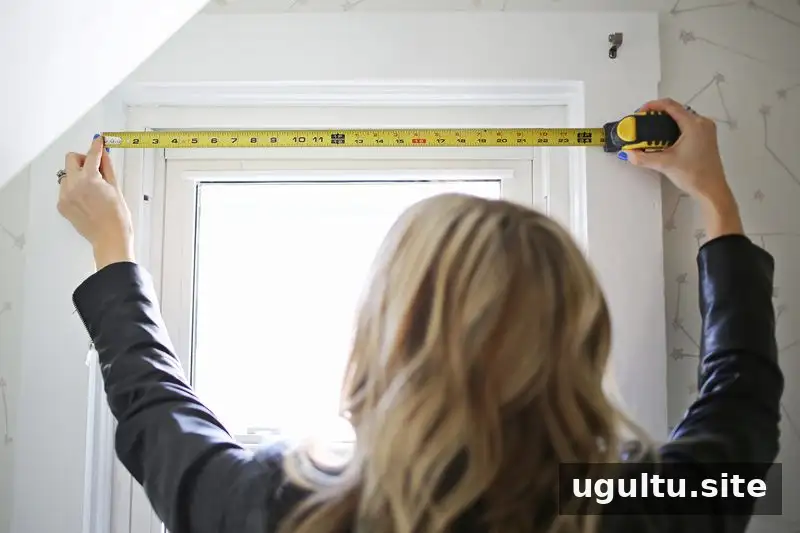
Measure the width and height of the window you want to cover. For a fuller look, plan for the curtain fabric to be about 1 1/2 times the window width. If you are using sheer fabric, a little extra width can create more overlapping folds and improve coverage when the curtains are closed.
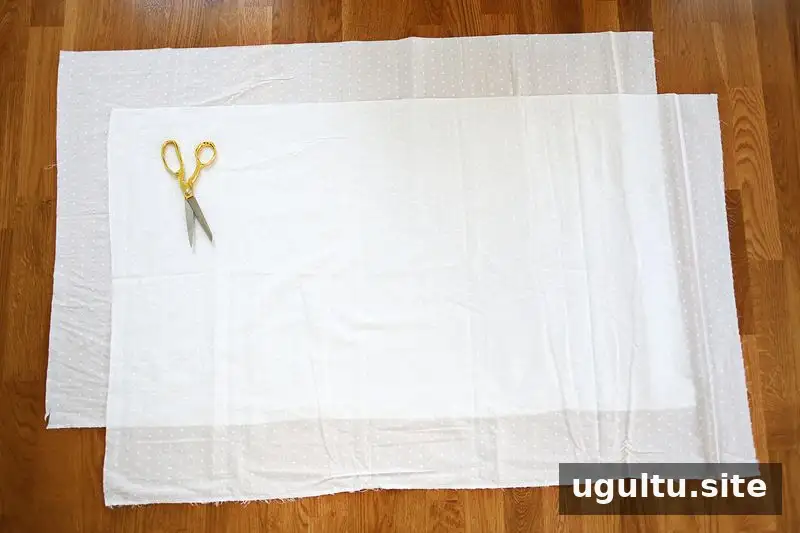
For two panels, add 2 inches to the measured height: 1 inch for the top hem and 1 inch for the bottom. Add 4 inches to the overall width to allow for a 1-inch hem along both sides of each panel. Cut the fabric to these dimensions, then divide it down the middle to create two panels. Before cutting, double-check your measurements and make sure both panels will be the same size.
2. Press and secure the side hems
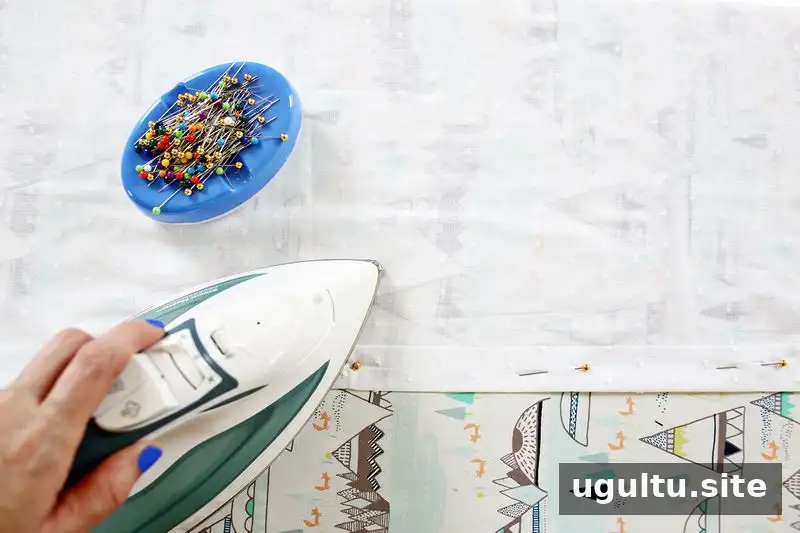
Fold each side edge 1 inch toward the back of the fabric. Pin the fold in place and press it with an iron to create a clear crease. Keep the fabric flat as you work so the finished panel hangs evenly.
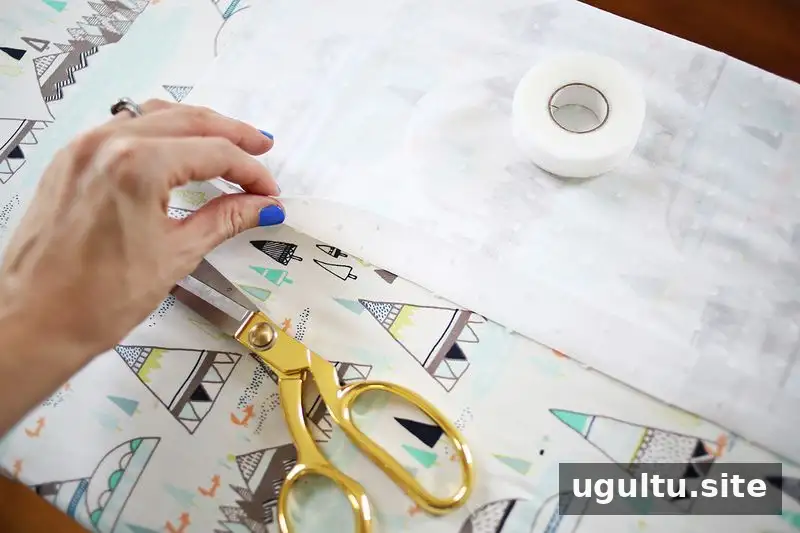
Remove the pins and cut a length of fusible fabric tape to match the side of the panel. Lift the pressed fold and position the tape underneath it, between the folded fabric layers. Make sure the tape sits inside the hem rather than extending beyond the edge.
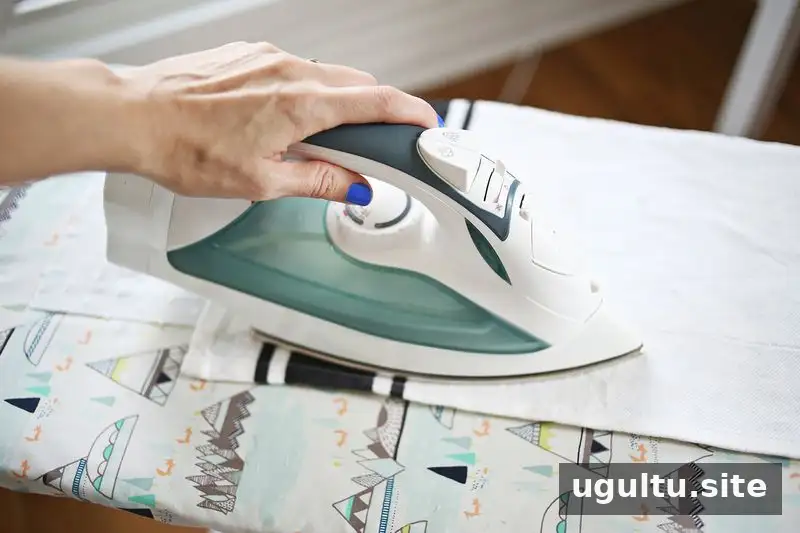
Place a damp, thin cotton towel over the fold. Following the tape manufacturer’s directions, press the iron onto the fabric for the recommended time. In this project, the tape instructions called for a wool setting and 10 seconds of pressure at each spot. Check the instructions for your own tape, since heat settings and pressing times can vary. Move along the hem, repositioning or dampening the towel as needed, then turn the fabric over and repeat on the other side. Use the same process for the remaining side hems. A small test on a fabric offcut can help confirm the heat setting before you work on the panels.
3. Finish the top and bottom hems
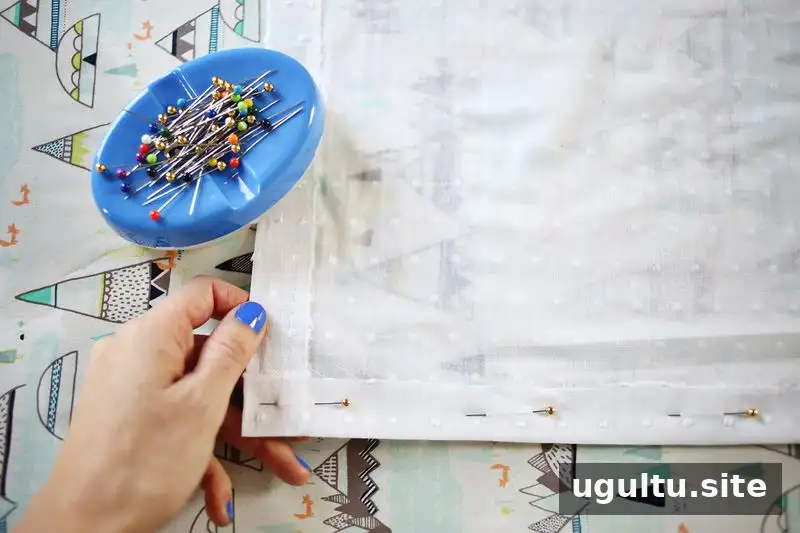
Once the side hems are secure, fold the top and bottom edges of each panel by 1 inch. Pin and press each fold, remove the pins, and apply fusible tape using the same method. Let the hems cool before handling the fabric so the bond has time to set as directed by the tape instructions.
4. Hang the curtains
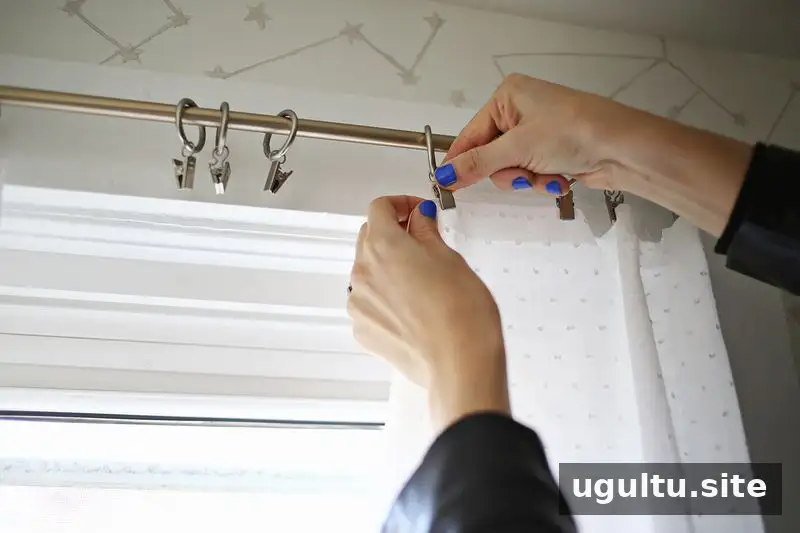
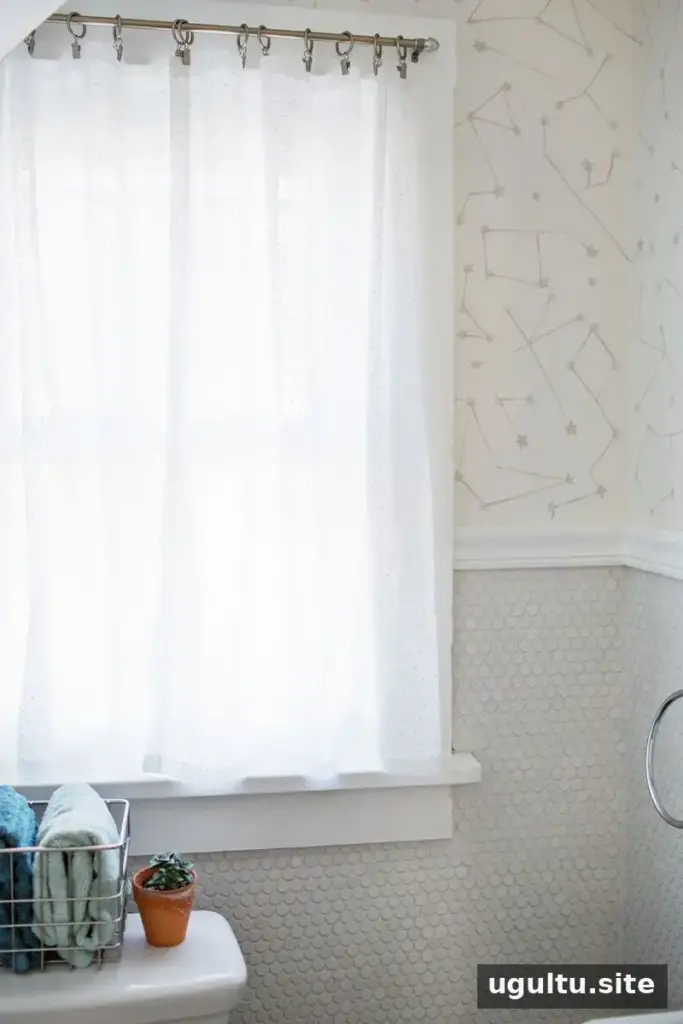
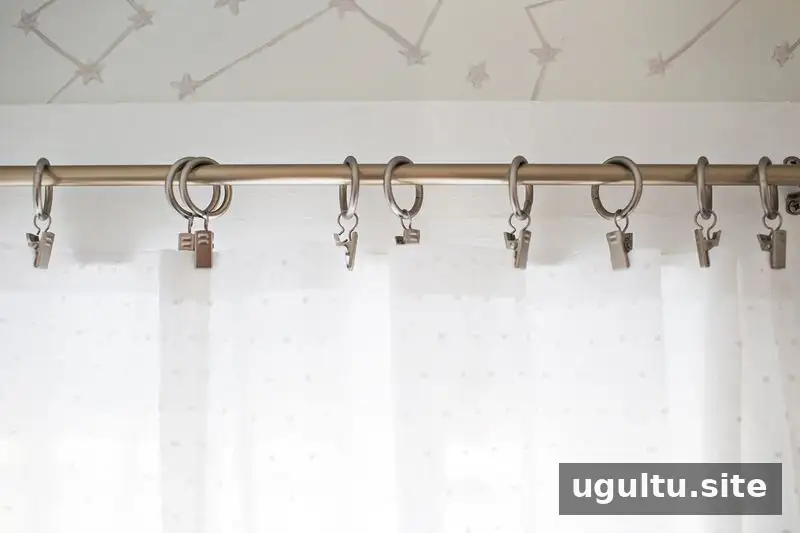
Install the curtain rod, then attach the top of each panel to the clip rings. Space the clips evenly to help the fabric hang neatly. Adjust the panels along the rod to distribute the folds and check that the hems sit at the desired height.
Tips for a neat, useful finish
- Choose fabric weight and opacity based on the room’s needs. Lightweight fabric admits more daylight, while denser fabric generally provides more coverage.
- Use the tape’s care instructions when cleaning or ironing the finished curtains. Heat-bonded hems may have specific care requirements.
- For bathroom use, consider how close the fabric will be to moisture and allow it to dry between uses.
These no-sew curtains offer a straightforward way to make a window covering in a size and fabric suited to your space. With accurate measuring, carefully pressed folds, and tape applied according to its instructions, the finished panels can look tidy without stitching. The Swiss dot fabric suits a bright, light-filled setting while adding some privacy. Project by Laura.