
 admin
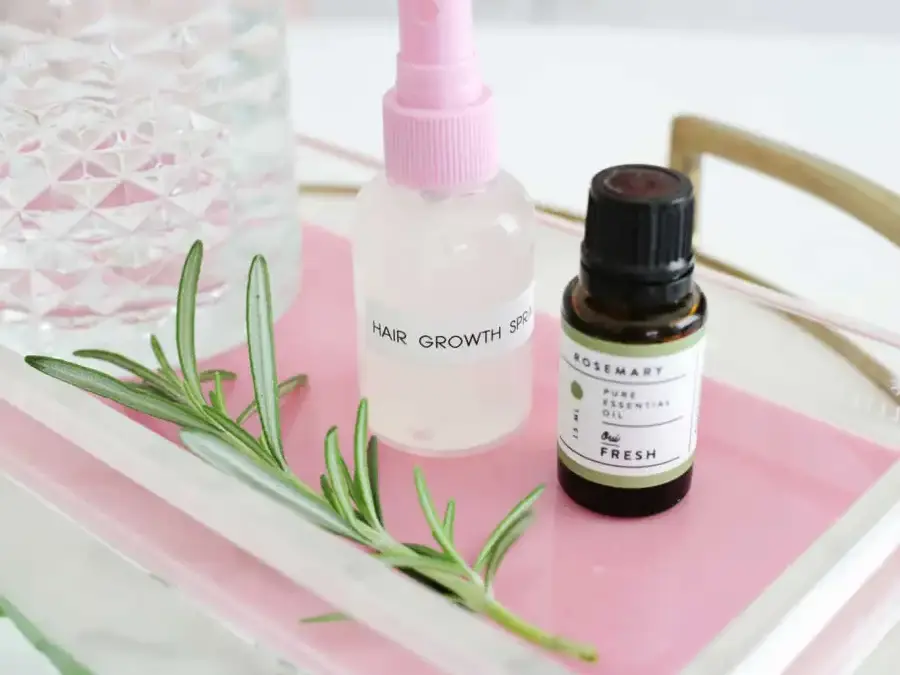
This rosemary hair growth spray is a simple, water-based scalp mist made with rosemary essential oil. The recipe takes only a few minutes to prepare, but it’s important to keep expectations realistic: research on rosemary oil is limited, and a homemade spray cannot guarantee faster or thicker hair. Use it as part of your regular hair-care routine, and stop if your scalp becomes irritated.
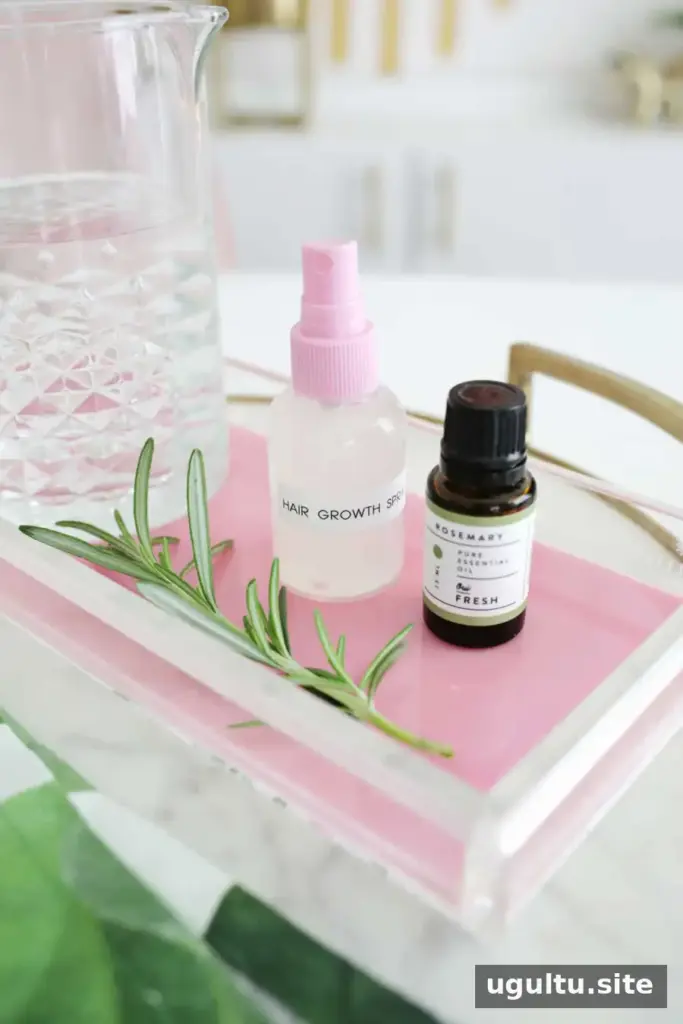
One study has compared rosemary oil with a commonly used hair-growth medication. Its findings are interesting, but one study does not prove that this DIY spray will work for everyone or produce the same results. Hair changes can have many causes, so consider speaking with a healthcare professional about persistent or sudden hair loss.
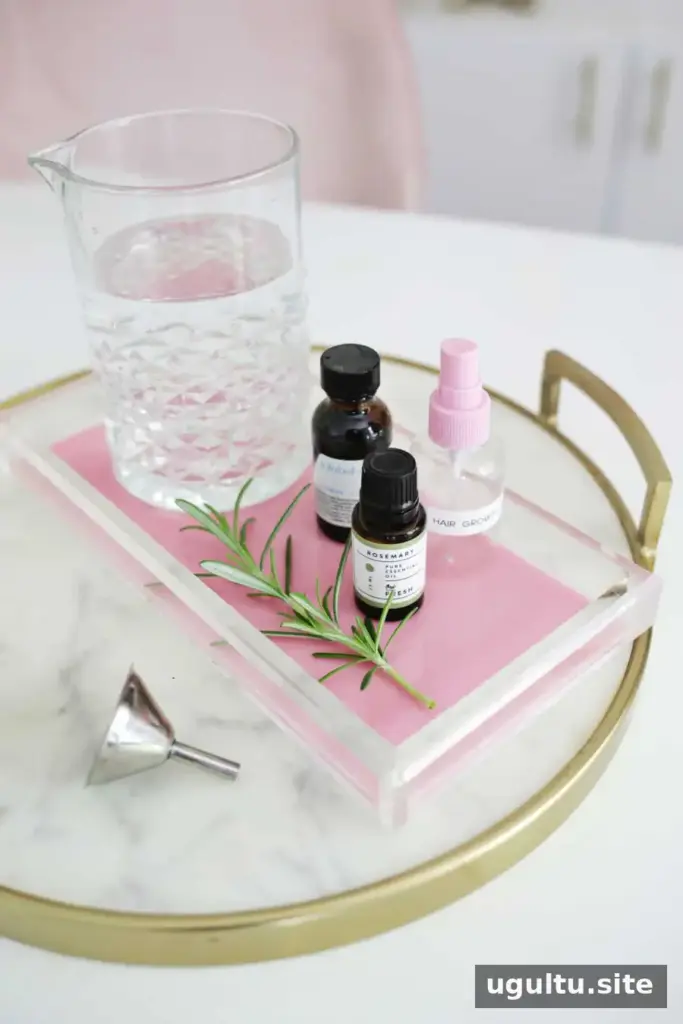
Rosemary Hair Growth Spray Ingredients and Supplies
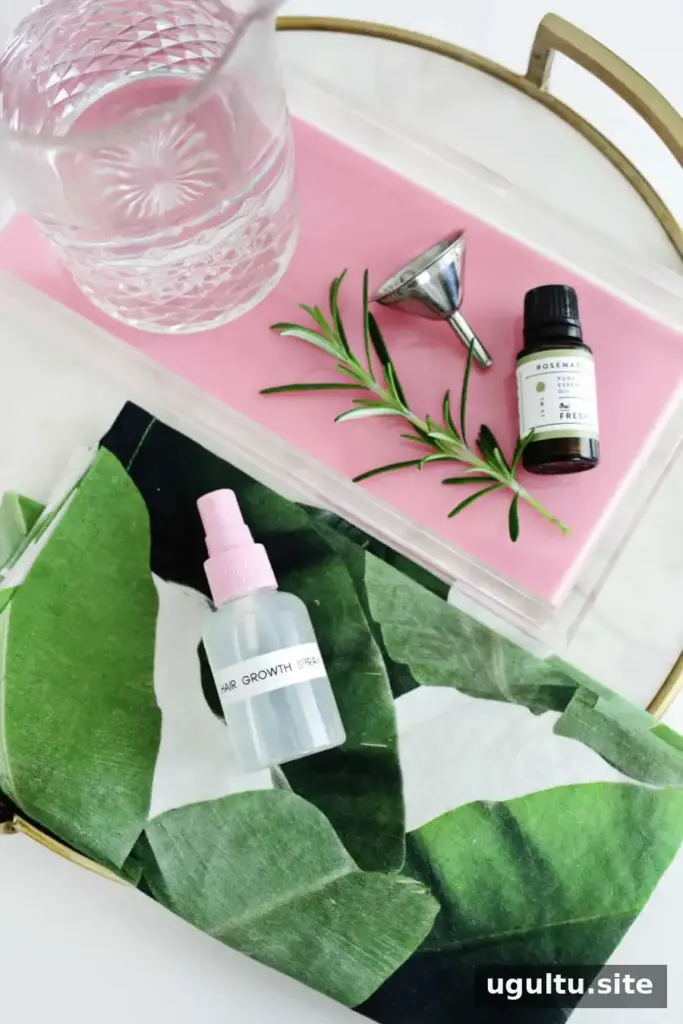
Gather the ingredients and a clean spray bottle before you begin. Distilled water is used in this recipe; keeping the bottle and funnel clean helps reduce the chance of contaminating the mixture.
- 10 drops rosemary essential oil
- ½ teaspoon Solubol or a carrier oil
- 4 ounces distilled water
- One 4-ounce spray bottle; an amber glass bottle helps limit light exposure
- A mini funnel, optional but useful for filling the bottle
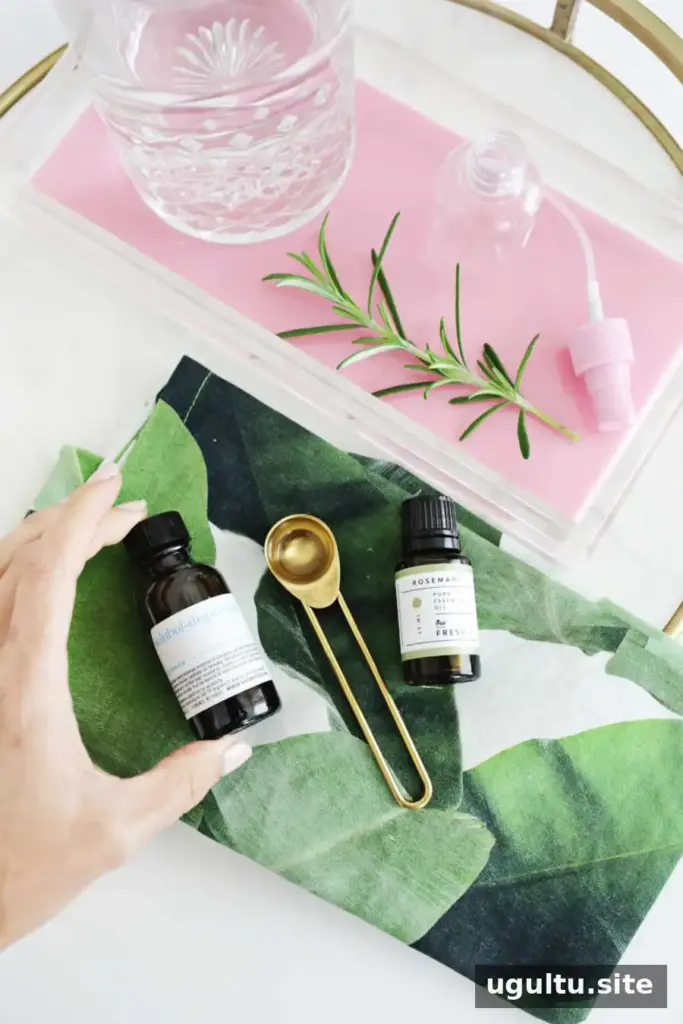
How to Make and Apply the Spray
Solubol is intended to help disperse essential oils in water. A carrier oil may not blend evenly with water, so the oil can separate and the spray may not distribute consistently. If using Solubol, follow its product directions. In either case, shake the bottle before each use.
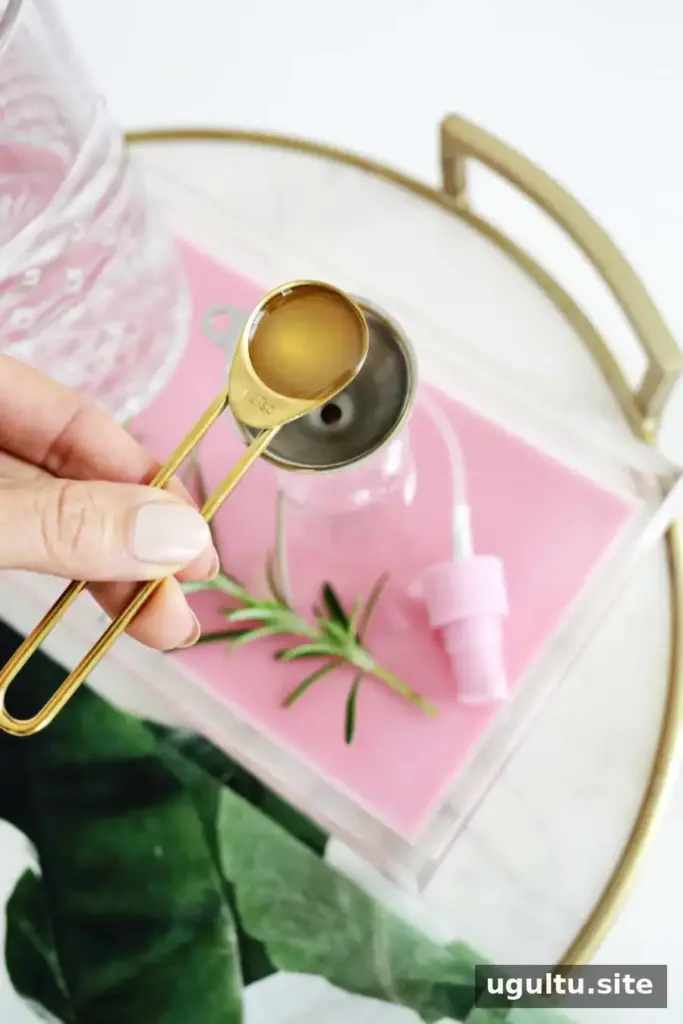
- Measure 10 drops of rosemary essential oil and add enough Solubol or carrier oil to make ½ teaspoon.
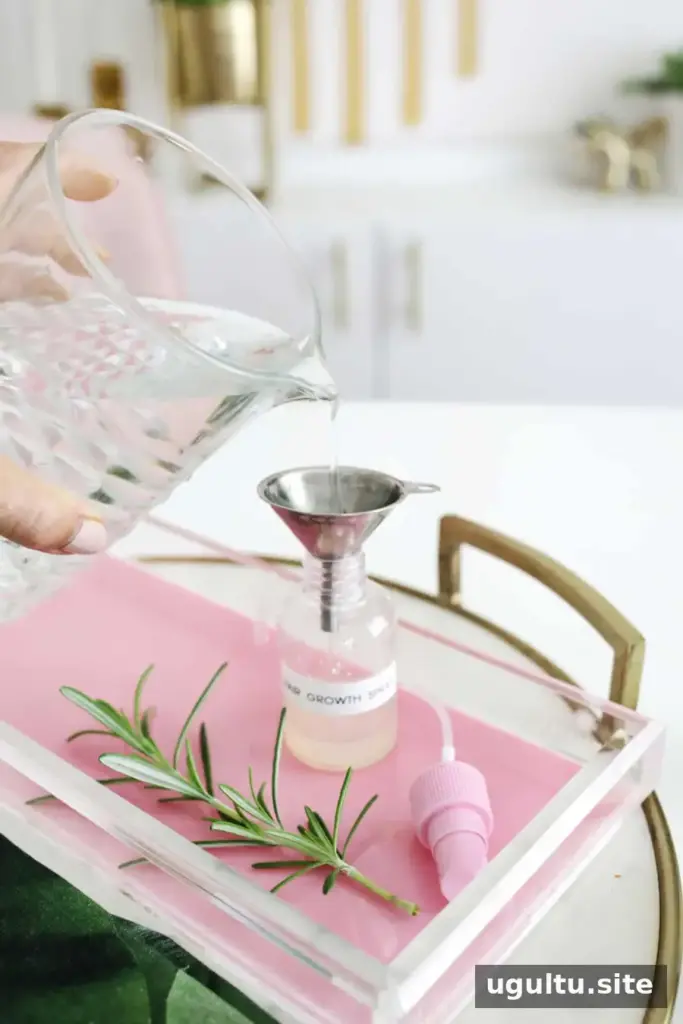
- Pour the mixture into the spray bottle, using a mini funnel if needed.
- Fill the bottle with 4 ounces of distilled water, leaving enough room to close the sprayer.
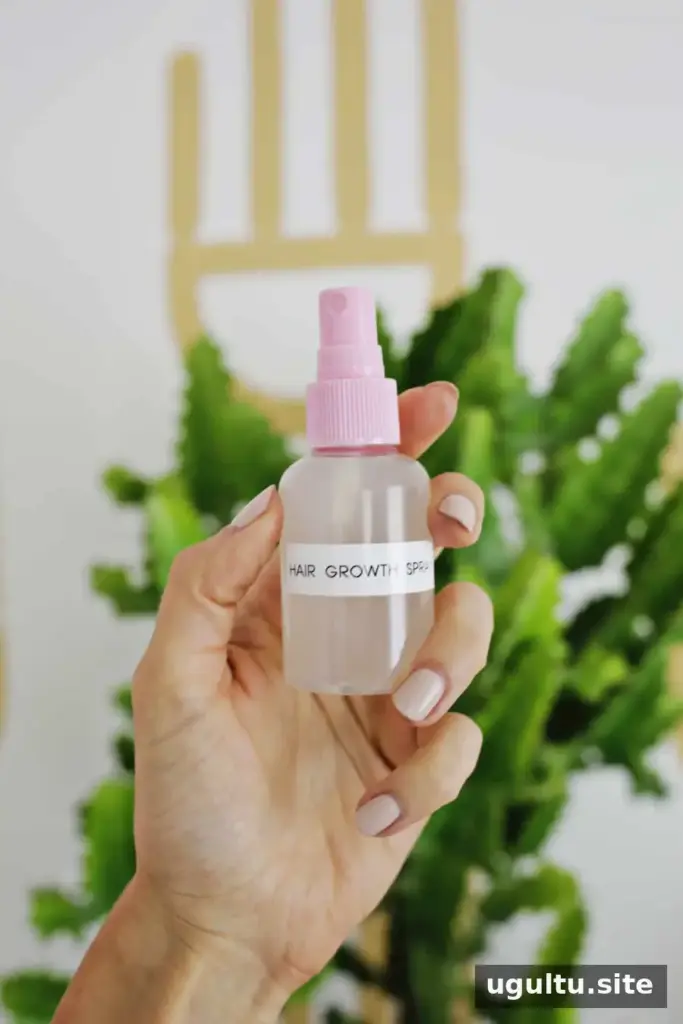
- Close the bottle and shake it well. Spray a small amount onto the roots and gently massage it into the scalp with your fingertips.
The original routine suggests applying the spray once a day. Start cautiously and pay attention to how your scalp responds. Avoid spraying near your eyes, and do not apply it to broken or irritated skin. Because the mixture contains water and no preservative, prepare it with clean equipment, avoid touching the nozzle to your scalp, and discard it if its smell or appearance changes.
Some people may find that the spray leaves their hair looking or feeling damp after it dries. Trying it before bed may be more convenient if that effect matters to your styling routine.
When Might You Notice a Difference?
It can be difficult to judge whether a topical hair-care routine is making a difference, and individual results vary. The study mentioned above reported more visible results at six months than at three months; that timeline is not a promise that this homemade spray will produce the same outcome. If you choose to try it, keep your routine consistent and take occasional photos in similar lighting rather than relying only on day-to-day impressions.
Stop using the spray if you notice burning, itching, redness, or another unwanted reaction. Essential oils are concentrated, and even diluted products can irritate some people. For ongoing hair loss or scalp symptoms, seek advice from a qualified healthcare professional.
More Simple DIY Ideas
- Make your own relaxing massage oil
- Make your own minty cooling body mist
- Eucalyptus cold and flu shower melts
- Epsom salt bath soak

This rosemary hair growth spray is an easy recipe to make, but it should be treated as a personal-care mist rather than a proven treatment for hair loss. Use clean supplies, shake before each application, and discontinue use if irritation occurs. Recipe credited to Laura.


