admin
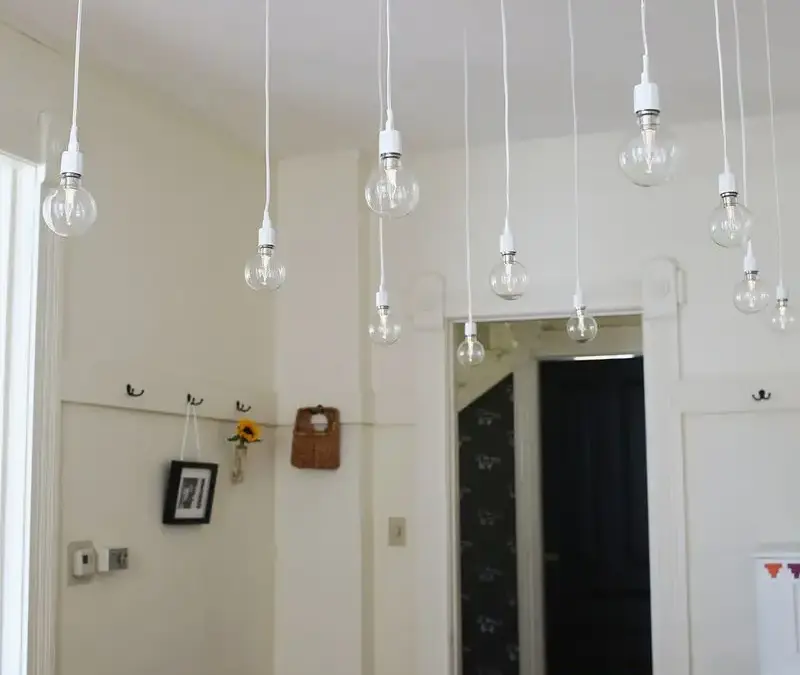
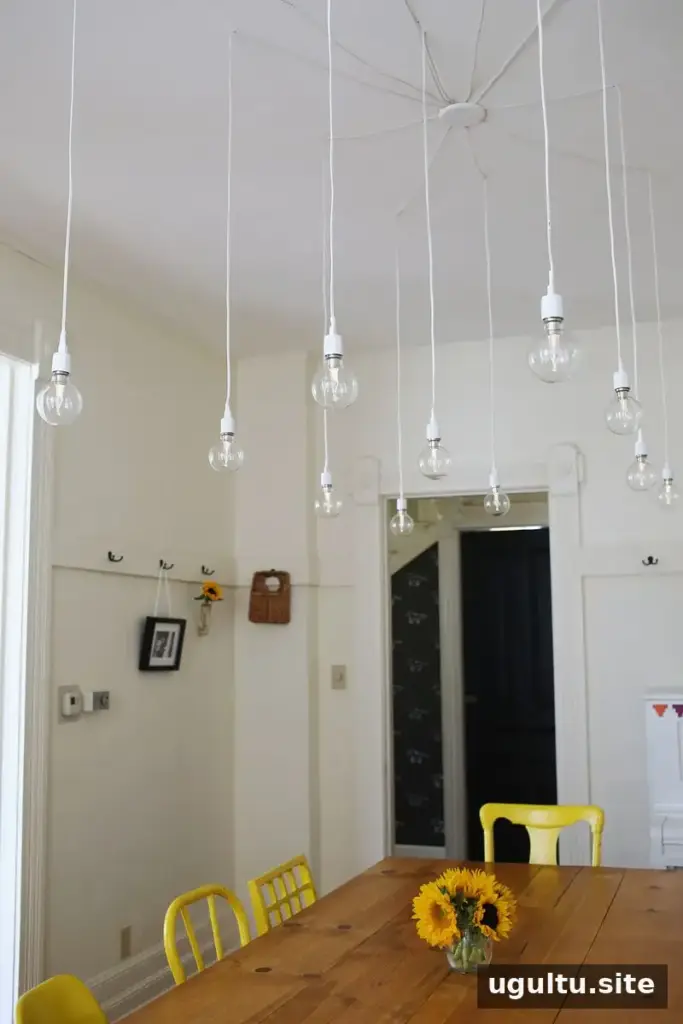
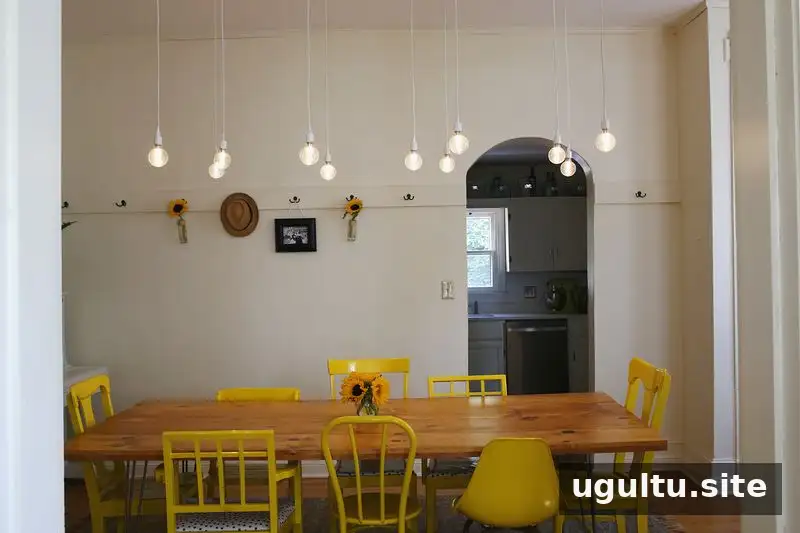
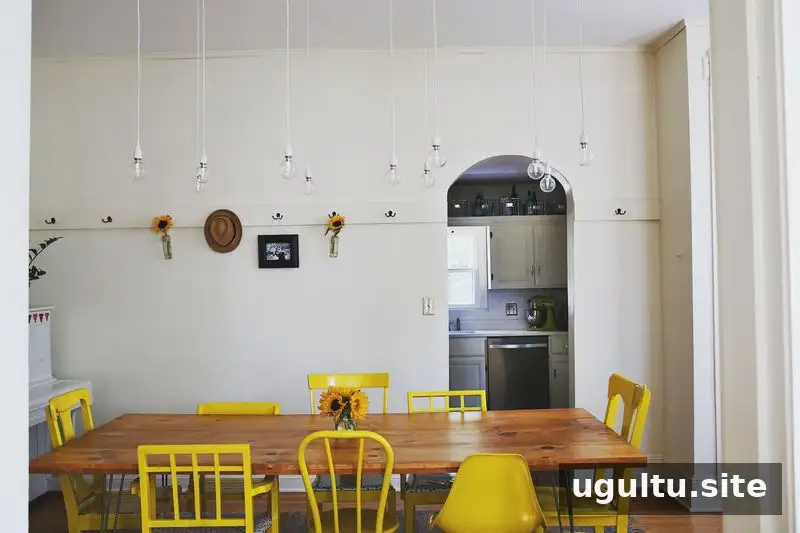
A DIY dining room light fixture can transform the mood of a space, especially when the dining table is where people gather in the evening. In this project, an existing chandelier was replaced with a simple, evenly spaced arrangement of 11 pendant lights. The aim was to create a warmer, more distinctive atmosphere while complementing a handmade eight-seat table.
Why choose a DIY dining room light fixture?
The original chandelier suited the room, but dinners and drinks around the table called for a softer, more inviting feel. Outdoor string lights had inspired the idea of using multiple points of light indoors. Rather than choosing another standard pendant, the design used a series of small lights to make a feature above the table.
Planning the fixture around the furniture helped it feel intentional. The dining table measures 8 feet long and 3 1/2 feet wide, so its dimensions informed the spacing and overall arrangement. Before settling on a design, consider the table size, ceiling outlet location, ceiling height, and how the room is used. These details can help a qualified professional assess whether a similar layout will work in your space.
Planning the 11-light arrangement
The lights were arranged in a repeating 2-1-2-1-2-1-2 pattern, for a total of 11. To plan the positions, the tabletop was drawn on paper and the ceiling wiring location was marked. The pattern was then laid out evenly on the drawing to create a reference for installation.
The distance between the ceiling and table also needed to be considered to determine the required wire lengths. A measured plan can make it easier to discuss the layout with an electrician and spot spacing issues before any work begins. Keep the drawing and measurements available during planning, and confirm the final placement in the room before installation.
Electrical safety comes first
This project is a design example, not a recommendation to build or wire a light fixture without suitable electrical training. The original process used 18/2-gauge wire, soldered connections at the sockets, heat-shrink tubing, white staples, and a parallel connection to the ceiling outlet. Electrical work can create a risk of shock or fire if it is not performed correctly.
Local electrical codes and requirements vary. Have a licensed electrician review the design, select suitable components, make the electrical connections, and verify that the installation meets local code. Do not rely on a written project description as a substitute for professional assessment or safe installation.
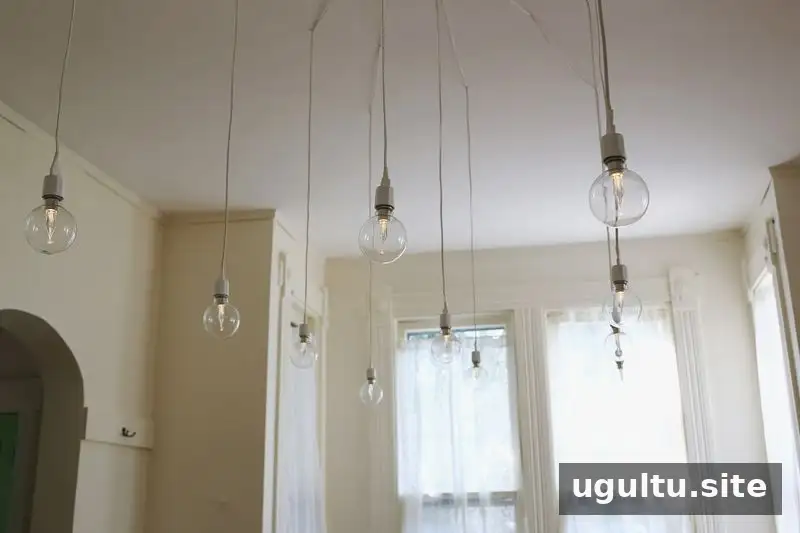
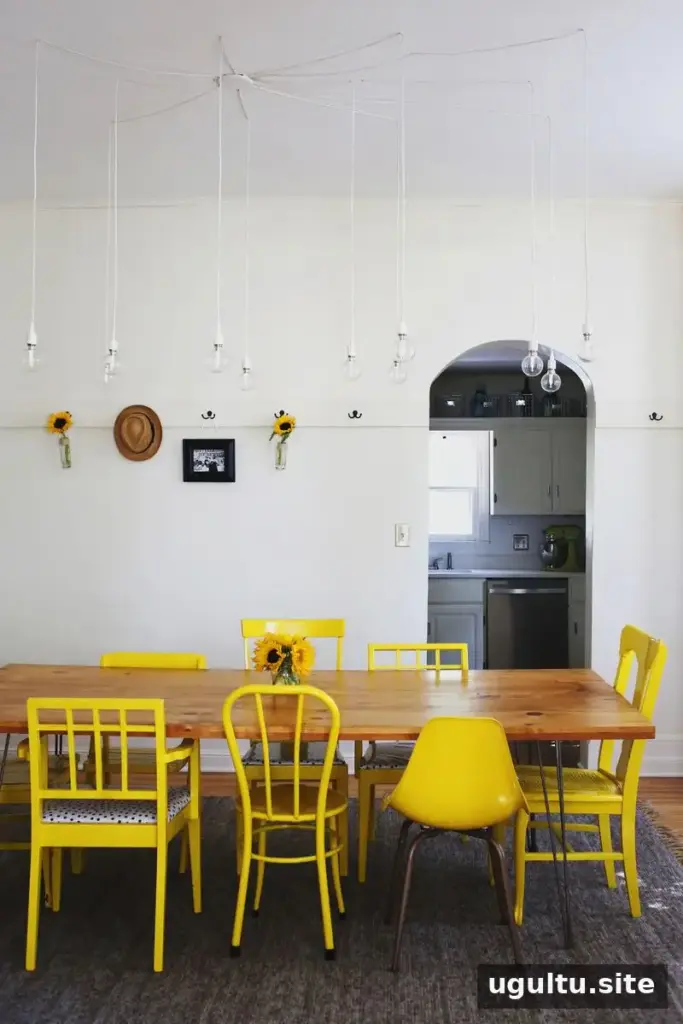
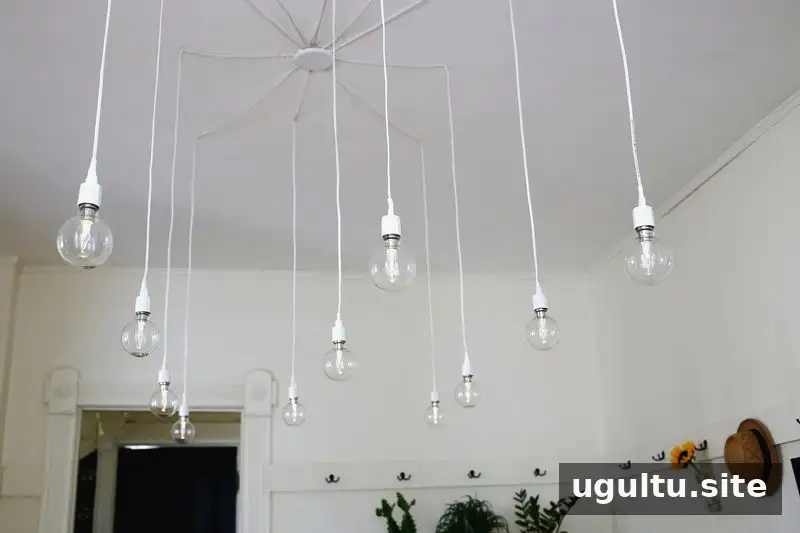
Lighting the dining table
A dimmer switch makes it possible to adjust the brightness for different occasions, from everyday use to a relaxed dinner with guests. Before choosing bulbs, check that they are compatible with the fixture and dimmer, and follow the manufacturers’ instructions. It is also useful to consider how the light looks during both daytime and evening, since the fixture will be seen in changing conditions.
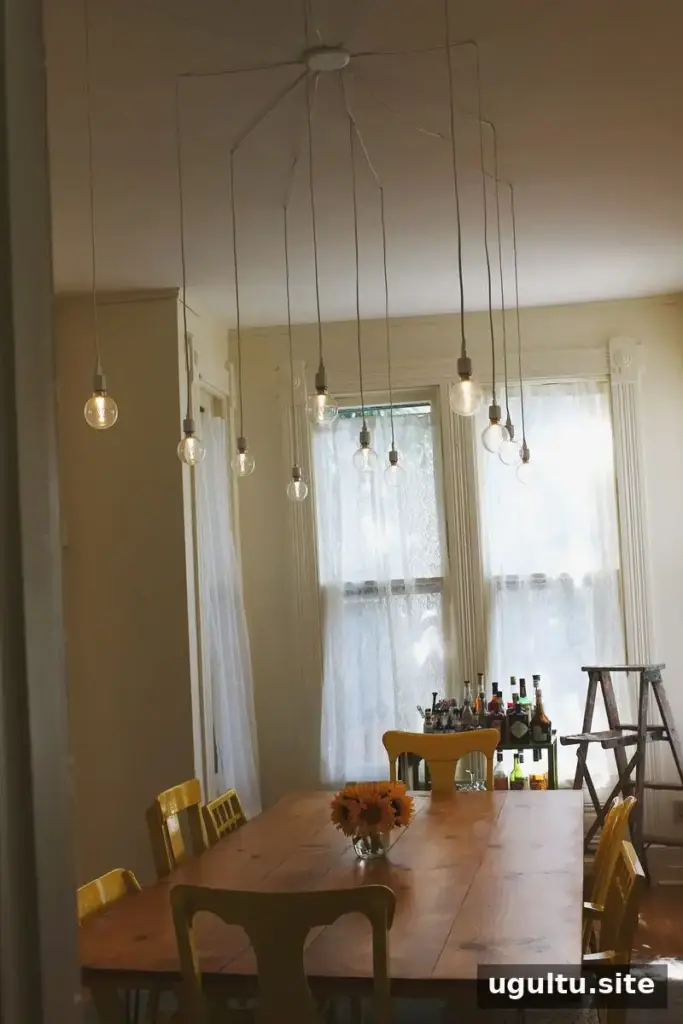
The finished arrangement brings a distinctive focal point to the dining room and provides adjustable light for gatherings. For anyone considering a DIY dining room light fixture, careful measurement and a clear layout are useful first steps; all wiring and installation should be handled or approved by a qualified electrician.
— Elsie