
 admin
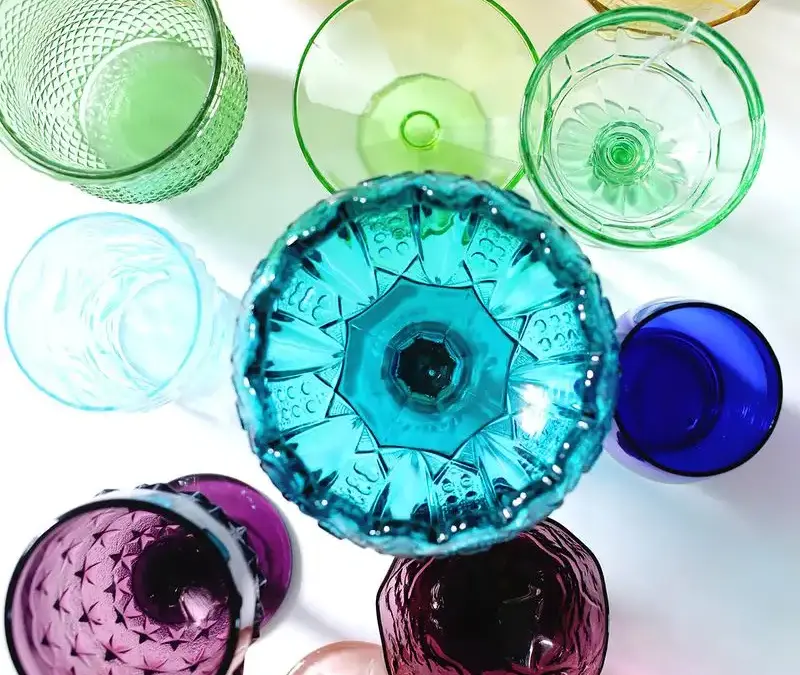
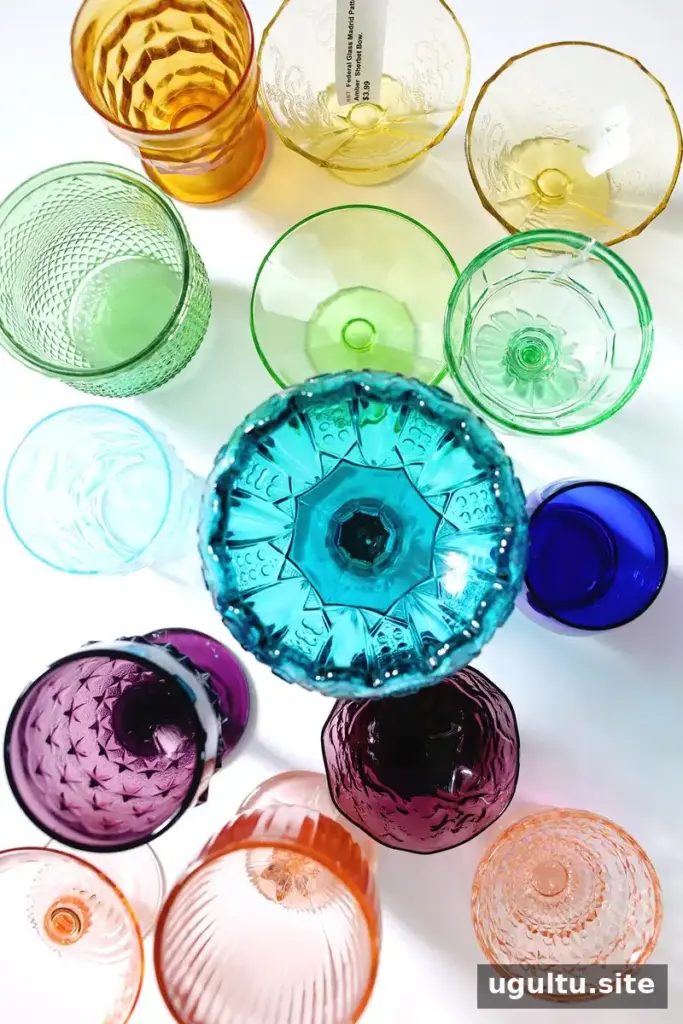
A rainbow glassware collection can bring color and character to a small display space. Elsie is building hers in the breakfast nook, where a built-in cabinet offers a cheerful contrast to the home’s other storage for white dishes and clear glassware. The display has been part of the plan since the house was first viewed, and it is gradually taking shape through flea-market and thrift-store finds.
Building a rainbow glassware collection over time
Rather than trying to complete the display all at once, Elsie is treating it as a long-term project. Setting a spending limit for each piece helps make browsing more focused: the target is under $3 per item, with up to $5 reserved for something especially pretty or unusual.
That limit is useful because vintage depression glass—and glass made to imitate it—can sometimes be priced as high as $20 per piece at flea markets in Missouri. Comparing prices and being willing to leave an item behind can help keep a collection affordable. Elsie has also found pieces at thrift stores for 25 cents each, so patience can make a noticeable difference.
Practical tip: Before shopping, decide on a comfortable price range and keep a simple list of the colors or shapes you still need. This can help prevent impulse buys and make it easier to spot a fair price.
Choosing colors for a useful display
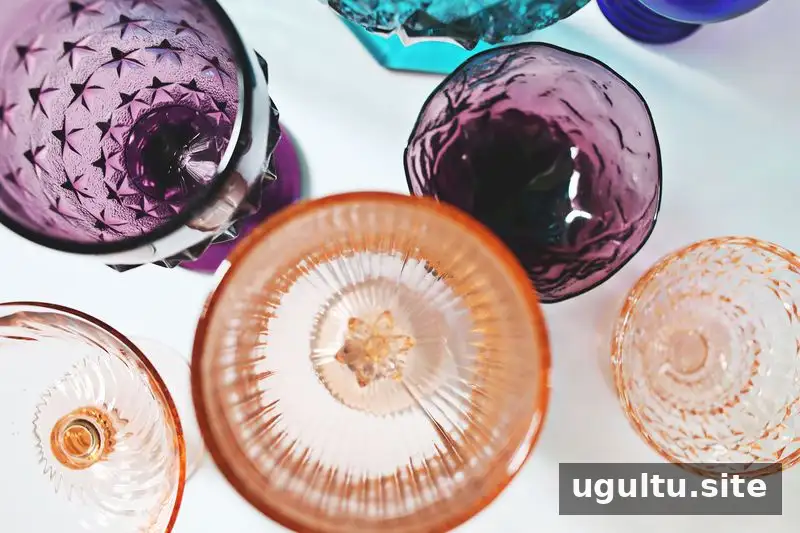
Planning the color palette early can make a mixed collection feel more cohesive. Red was left out because it was not a preferred color for this type of glassware, while orange was skipped because it is difficult to find. Pink, turquoise, and bright yellow—not amber—are priorities because they are expected to work well for table settings.
The pieces are intended for more than display. Elsie plans to use the glassware for parties and cocktail nights, which makes choosing colors that suit both the cabinet and future gatherings especially practical. If you are collecting vintage glassware for regular use, consider how each piece will fit your table settings and how it should be handled and cleaned.
Look for details that make pieces distinctive
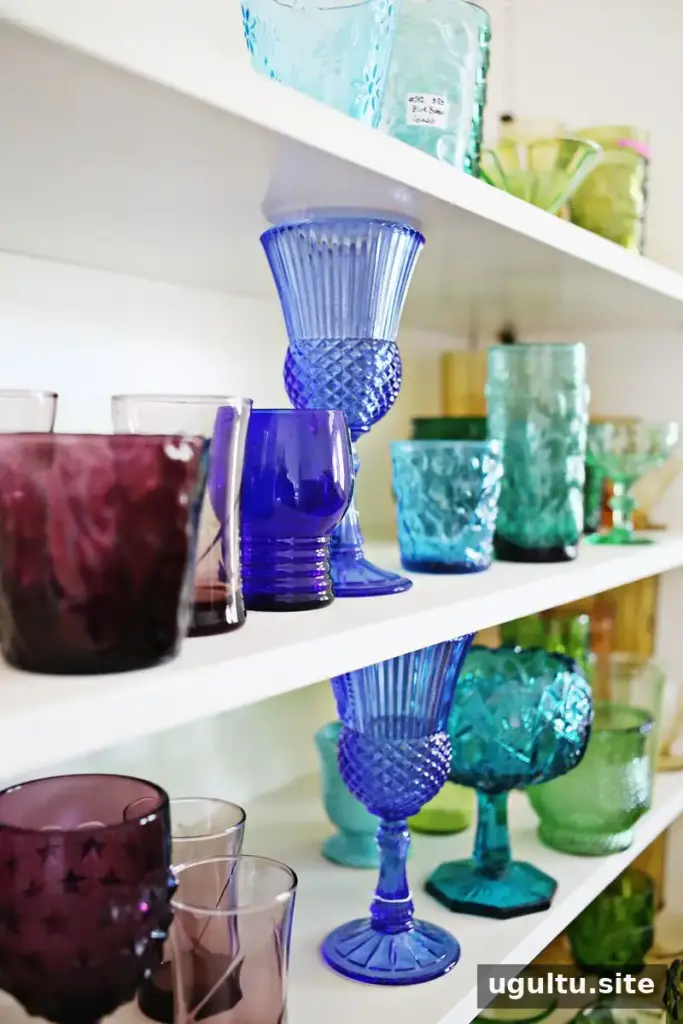
Patterns and small decorative features can give a collection variety. One goblet decorated with stars is a standout example. When browsing, check the glass from different angles and look for chips or cracks, particularly around rims and stems. A special detail may make a piece worth a little more, but it should still fit your budget and plans for use.
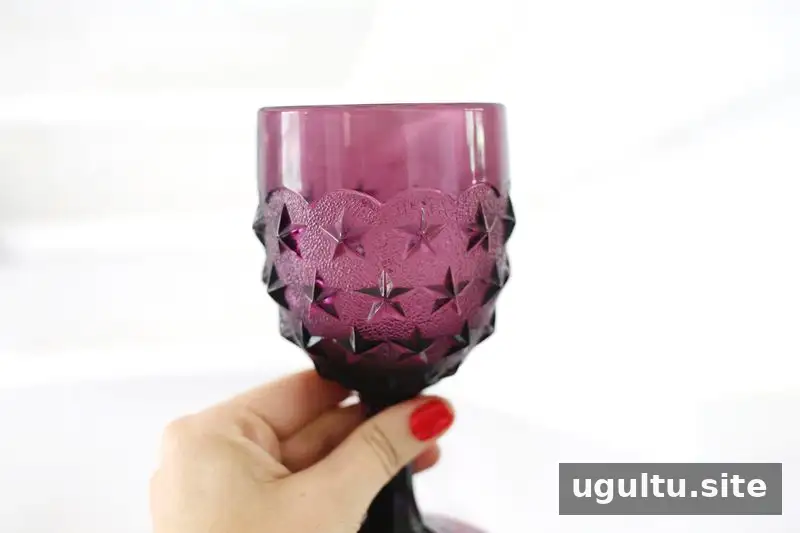
Let the collection grow at its own pace
The display still has gaps, and that is part of the process. A collection does not need to be complete before it can look inviting; leaving room for future finds also avoids buying pieces simply to fill space. The breakfast nook display may be fuller by the time a room tour is ready, but there is no fixed deadline.
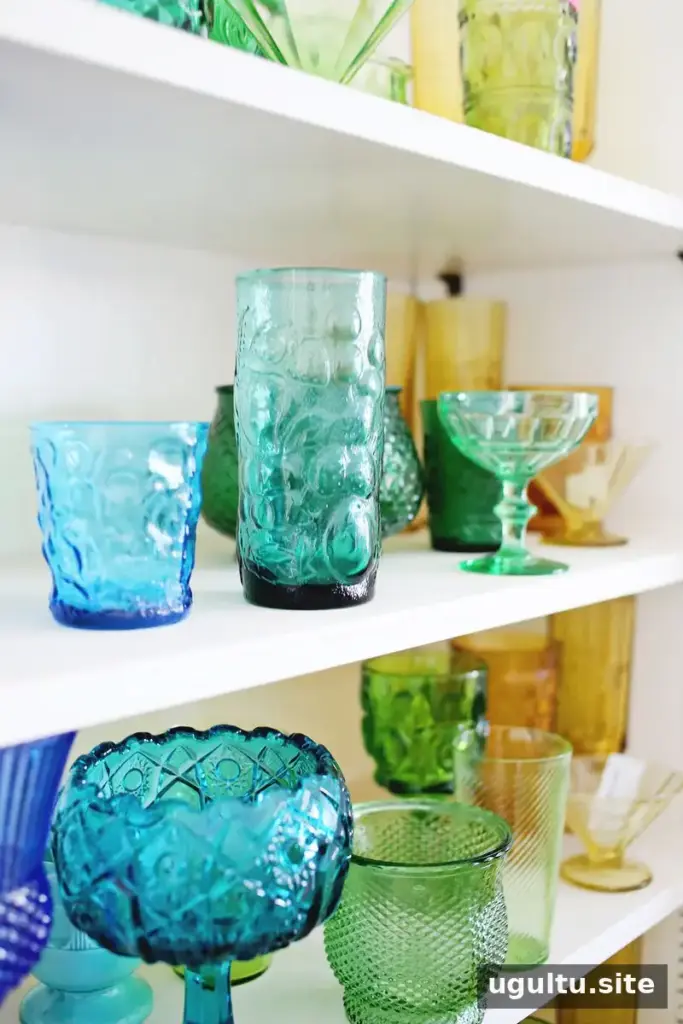
At this stage, the pieces are being arranged to show which colors are still needed. Green and yellow are filling out, while pink and purple have been harder to find. Tags are still attached to some items, so the arrangement is being used as a planning guide rather than a finished display.
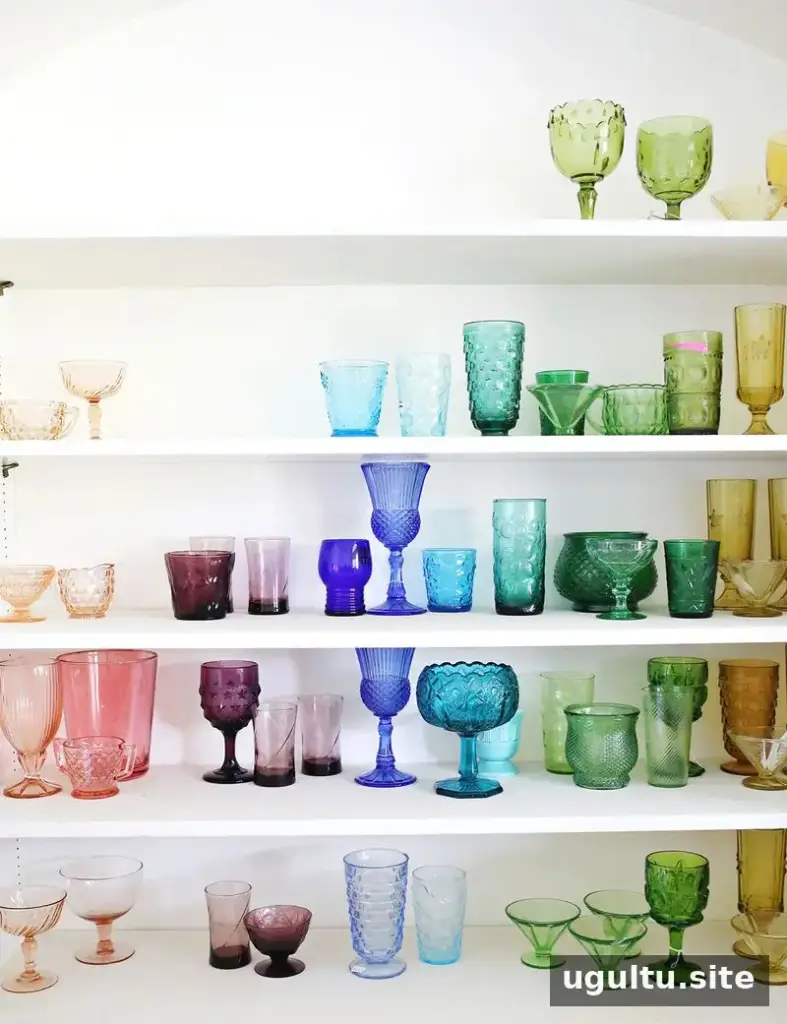
For anyone starting a similar project, take a quick inventory before each shopping trip, measure the display area, and leave enough space between pieces to make the colors and patterns visible. Those simple steps can help a rainbow glassware collection feel intentional while it continues to grow.
Readers in the Nashville area can share recommendations for local flea markets, thrift shops, and plant stores. Elsie is looking forward to seeing the breakfast nook project come together and sharing more progress along the way.
— Elsie


