
 admin
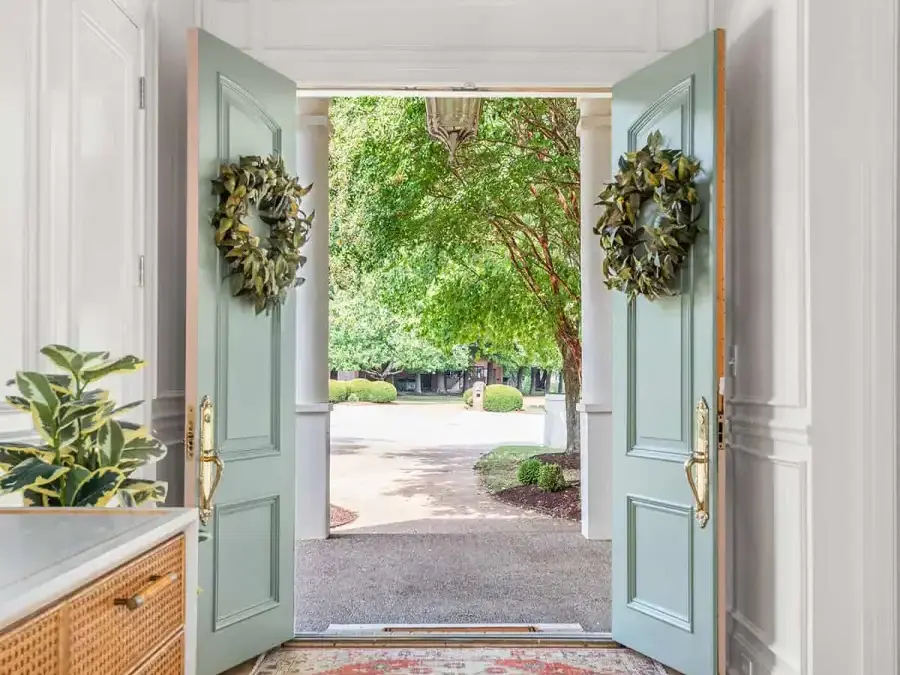
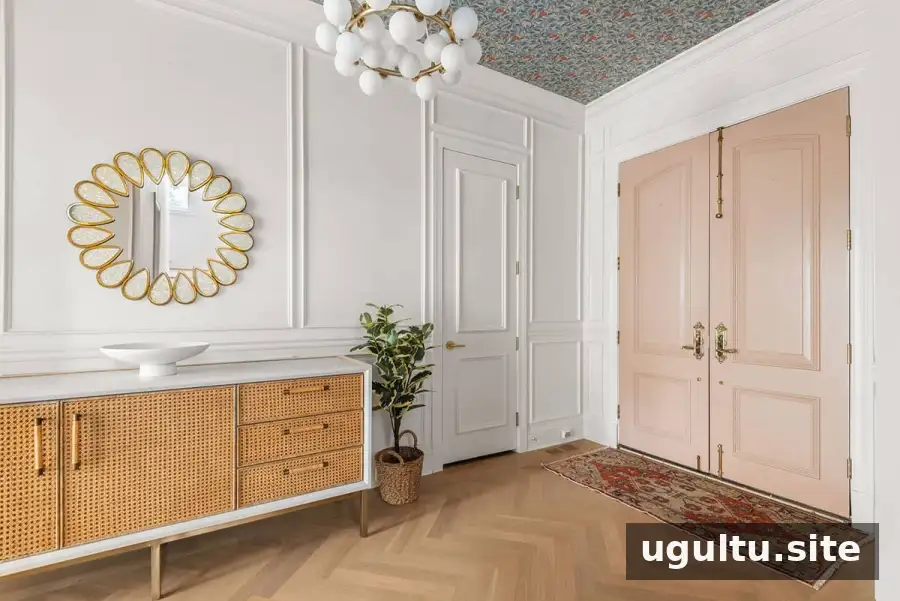
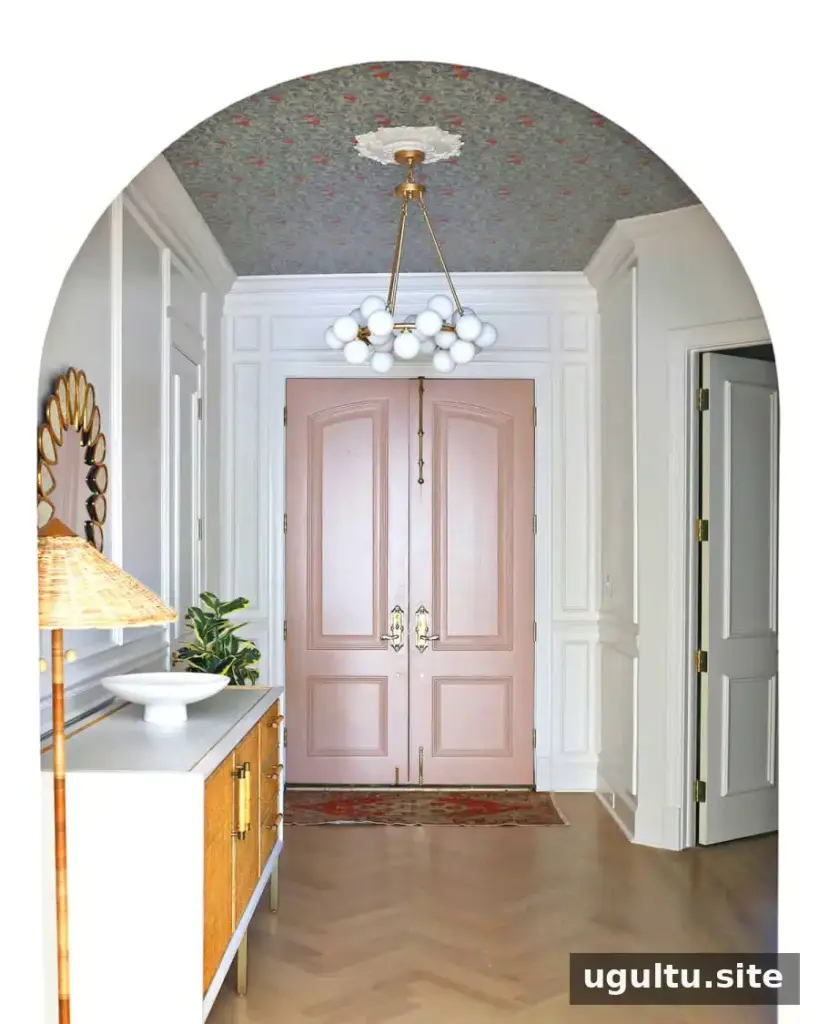
Thoughtful entryway decor can turn a large, formal foyer into a warm and welcoming part of the home. In this two-story entryway, closing in the upper level created a more intimate one-story space, while a wallpapered ceiling, herringbone floors, and architectural details brought character to the room.
The renovation developed over time rather than following a plan made before moving in. Living in a home first can reveal how a space is used through the seasons and help clarify what changes will make it more comfortable and practical.
- Green living room inspiration
- Decor books for fresh ideas
- Art studio and library-dining-room ideas
- Tips for finding affordable art online
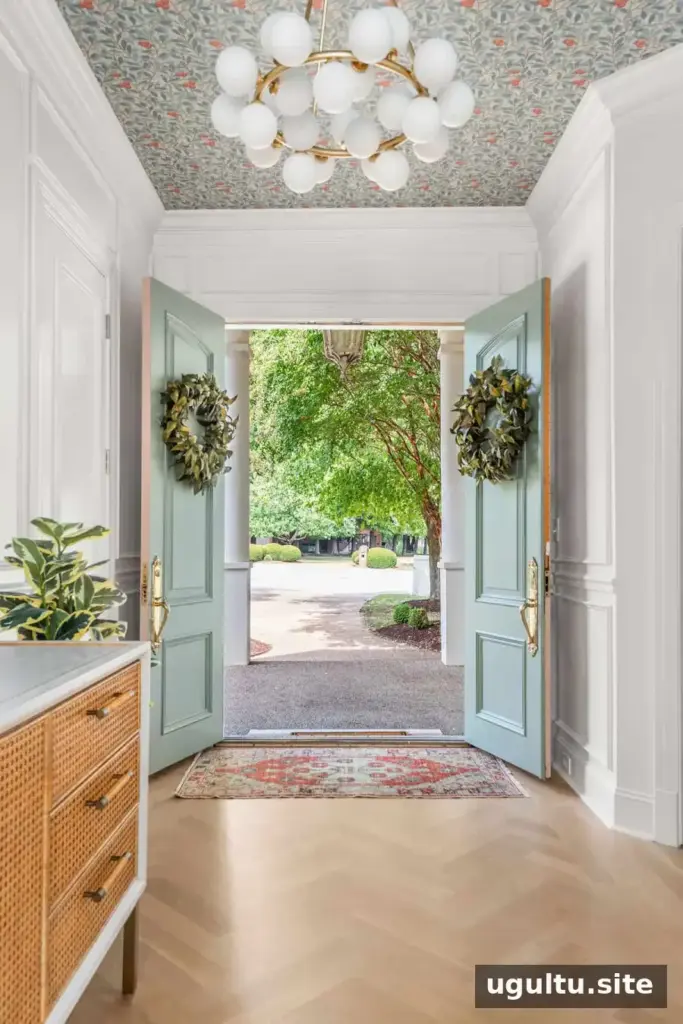
Entryway Decor Before and After
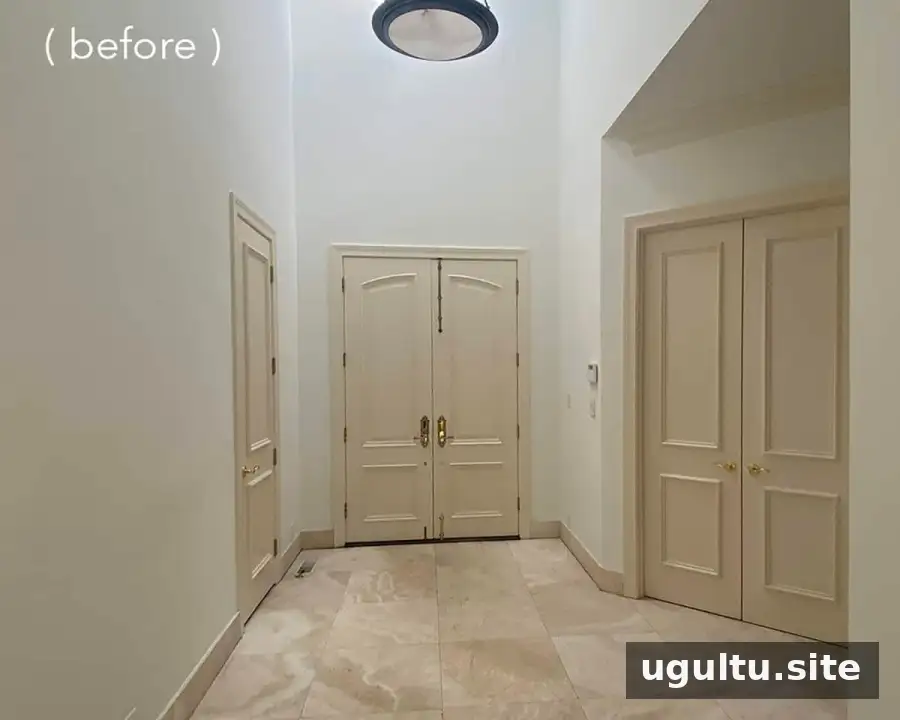
Before the renovation, the foyer felt spacious but lacked a distinct style. The completed design feels cozier and more connected to the surrounding rooms. The project took two years, allowing time to consider different options before making major structural decisions.
One significant change was enclosing the second-story opening. The space gained upstairs became a children’s library, making better use of the home’s layout. Arches were also added to define three adjoining living areas without making them feel disconnected.
Materials and Details That Add Warmth
Herringbone wood flooring adds movement and visual interest to the entryway and main bedroom. The rest of the home has white oak flooring, helping the rooms feel consistent. A soft white-wash stain keeps the wood finish light.
The original double front doors were kept and repainted. Matching wreaths provide a simple seasonal accent: use a pair of similar designs for a balanced look, then change them throughout the year. Wood moldings add definition and make the entry feel more finished.
Plan the Entryway Around How You Live
Not every renovation decision needs to be made immediately. For a challenging space, take time to observe how natural light moves through the room, where people walk, and which views you want to emphasize. This can help prevent costly changes that do not suit daily life.
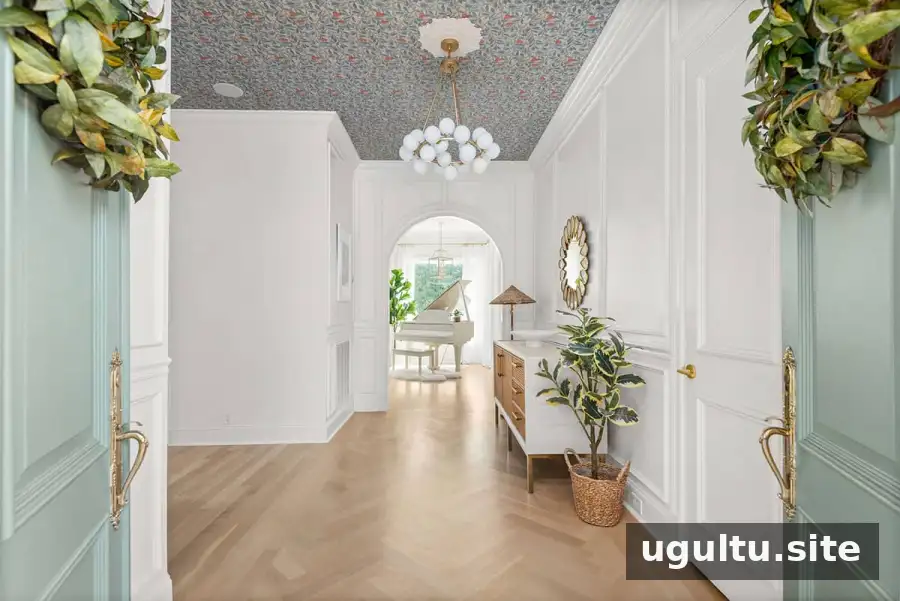
In this design, the entry offers a view through an arch into the next room. The opening creates a sense of connection while giving each living area its own outline. When planning a similar transition, consider how the doorway, flooring, and trim will relate to the adjoining spaces.
Paint Colors and Finishes
- Interior walls: Marshmallow, a clean, bright white.
- Exterior side of the door: Meadow Sage.
- Interior side of the door: Pinky Beige.
- Flooring: White oak with a soft white-wash stain.
Before painting a door or a large wall, test the chosen color in the actual space. Check it in daylight and evening light, since surrounding finishes and changing light can affect how a shade appears.
Finishing the Space with Decor
A console table, mirror, floor lamp, rug, art print, and chandelier can make an entryway feel complete while serving practical purposes. A mirror can brighten the space and provide a last-minute check before leaving; a lamp adds a softer source of light. Choose a rug that fits the entry’s proportions and can handle regular foot traffic. A vintage rug can introduce color and pattern alongside the herringbone floor.
For a cohesive result, repeat a few colors from the adjoining rooms rather than matching every item. Keep the console surface useful and uncluttered, leaving room for everyday essentials.
Add Vintage and Personal Objects
A useful design principle is to include both a vintage element and something personal. In this entryway, a bowl of collected photo-booth pictures adds a family connection. Other options include photo books, framed children’s artwork, or candid family photographs.
Personal objects help a polished room feel lived in. Choose items that matter to the household, and group smaller pieces together so they feel intentional rather than scattered.

Conclusion: Make Entryway Decor Feel Welcoming
Successful entryway decor balances practical choices with details that express the character of the home. Warm flooring, defined architectural features, considered lighting, and personal accents can transform a formal foyer into a comfortable first impression. Take time to understand the space before renovating, and choose finishes that work with the rooms around it.
Design tip from Elsie: Add something vintage and something deeply personal to make a room feel distinctive.


