
 admin
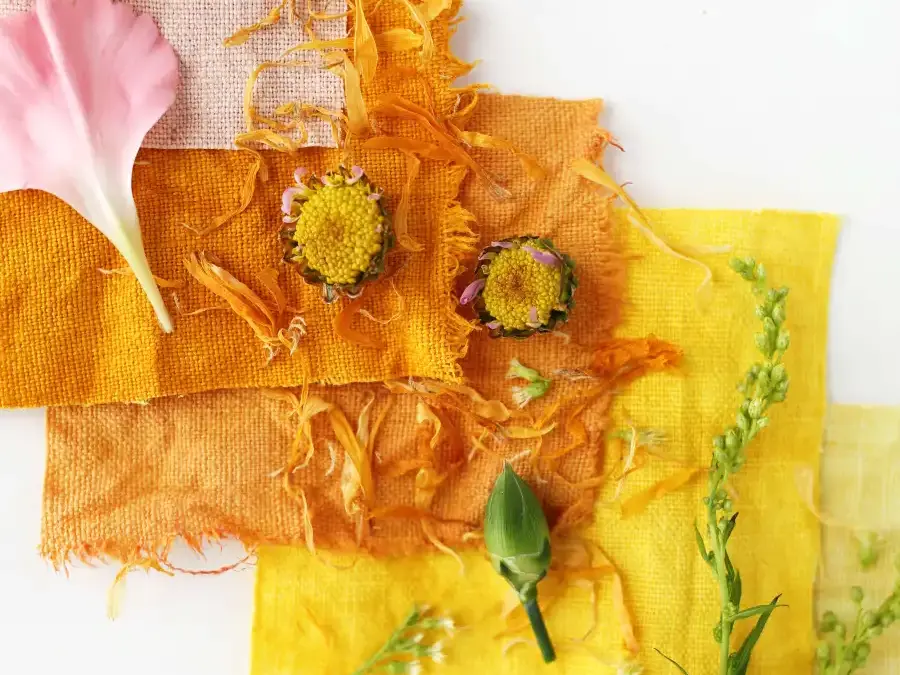
Natural fabric dyeing can produce a surprising range of colors, from soft blush pinks to vibrant yellows and deep purples. The results depend on more than the plant material: water, fiber type, mordants, temperature, and dyeing time all influence the final shade. This beginner’s guide covers supplies, preparation, color possibilities, and a straightforward way to dye linen at home.
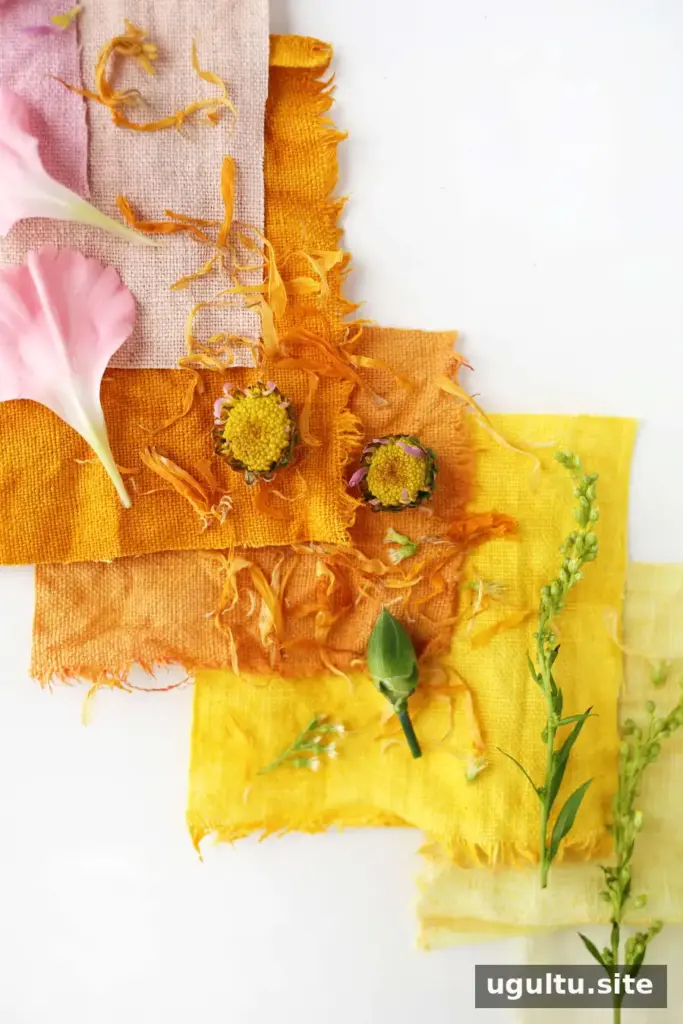
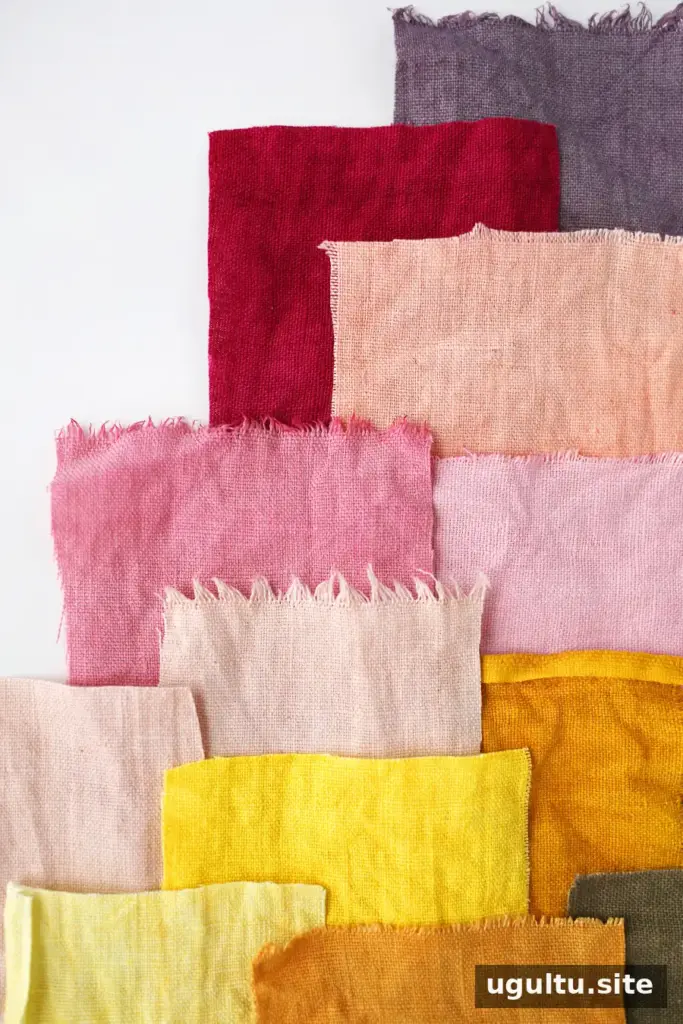
Expect variation between batches, even when you use the same ingredients. The freshness and quantity of the dye material, the order in which items go into the pot, and how long each piece stays in the bath can all affect the outcome. For example, cochineal can produce pink, red, and purple shades from the same dye pot.
Natural Dye Materials and Color Ideas
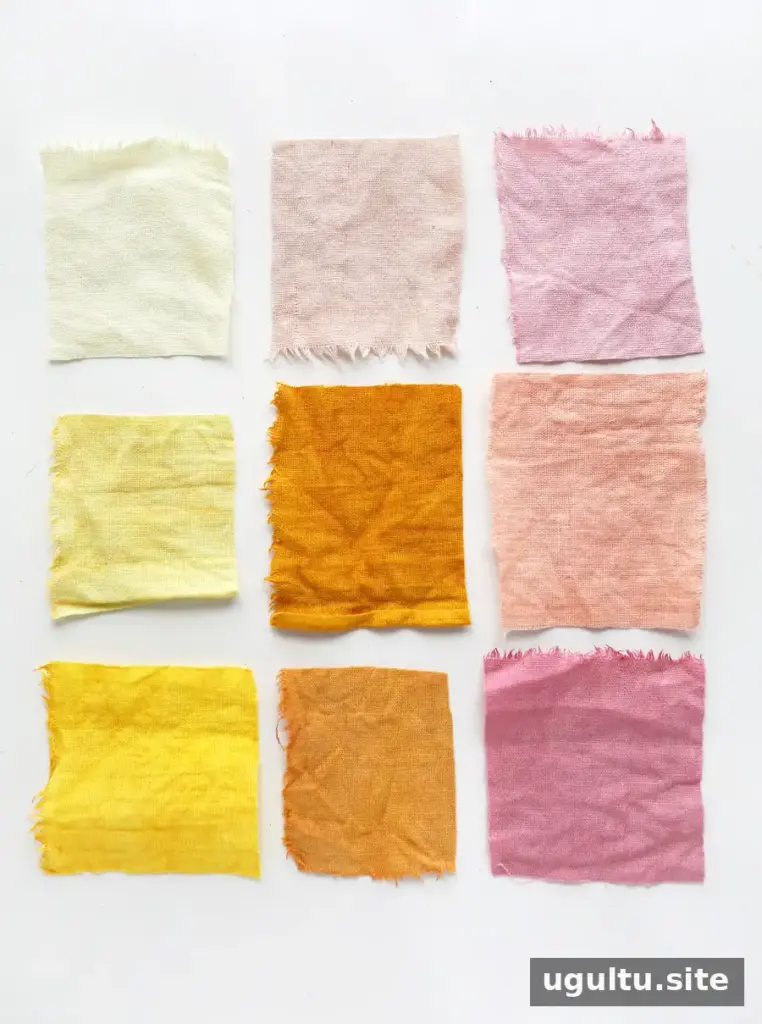
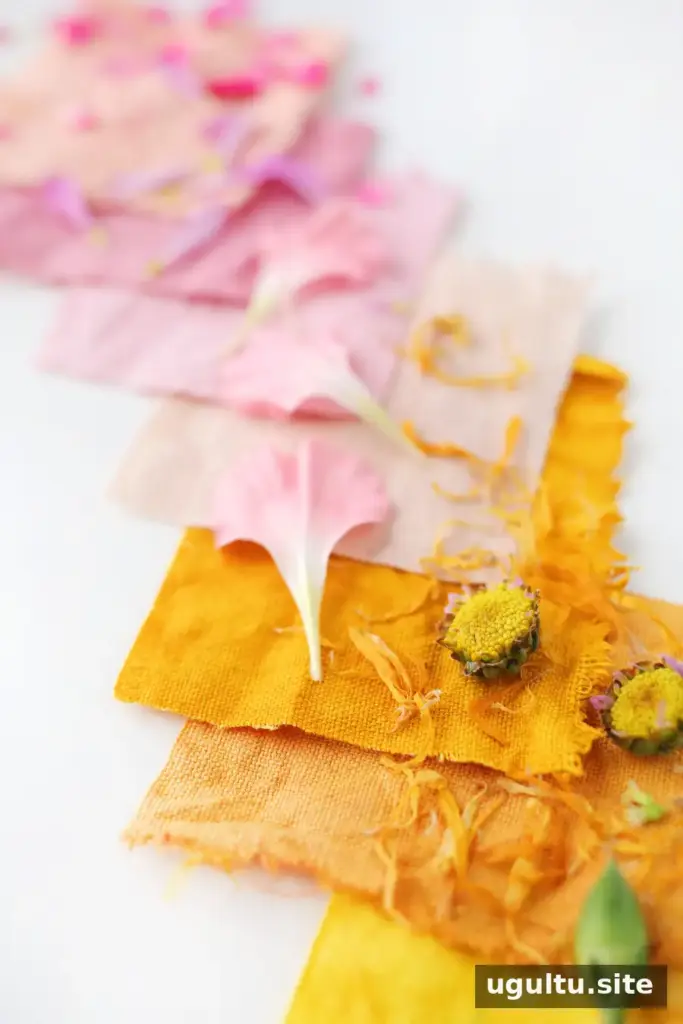
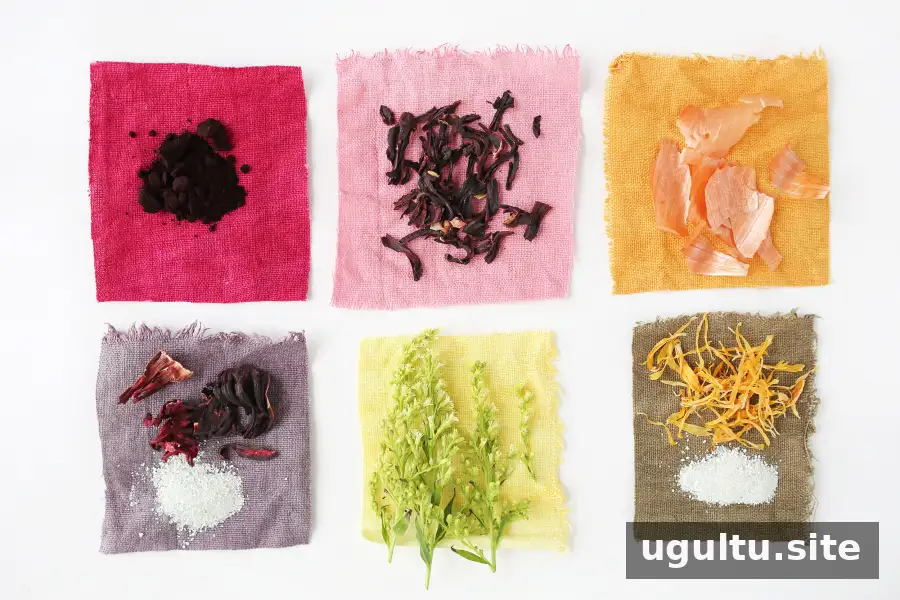
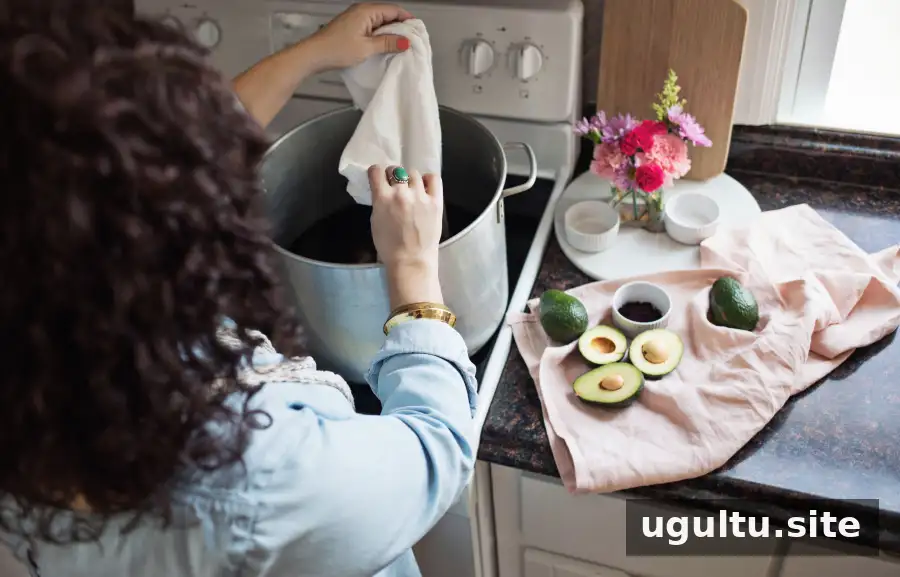
Many useful dye materials come from plants and kitchen scraps. Avocado pits can create a soft blush, onion skins can yield warm shades, turmeric can produce bright yellow or orange, and dry black beans can be used to make blue. The result varies with the fabric and dyeing conditions, so testing a small swatch first is a practical way to check the color.
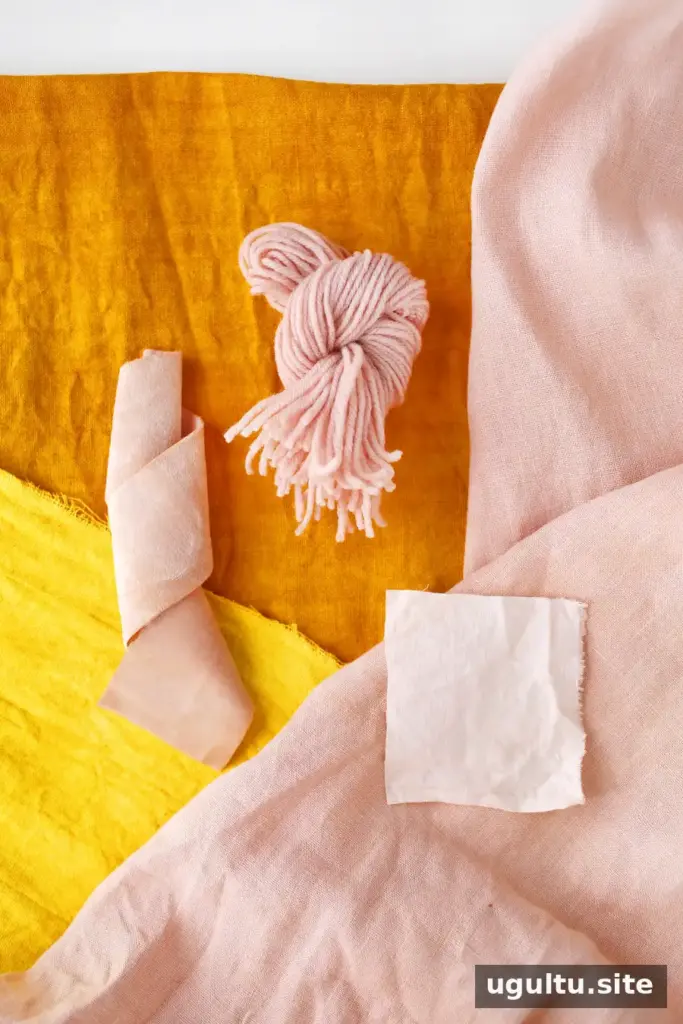
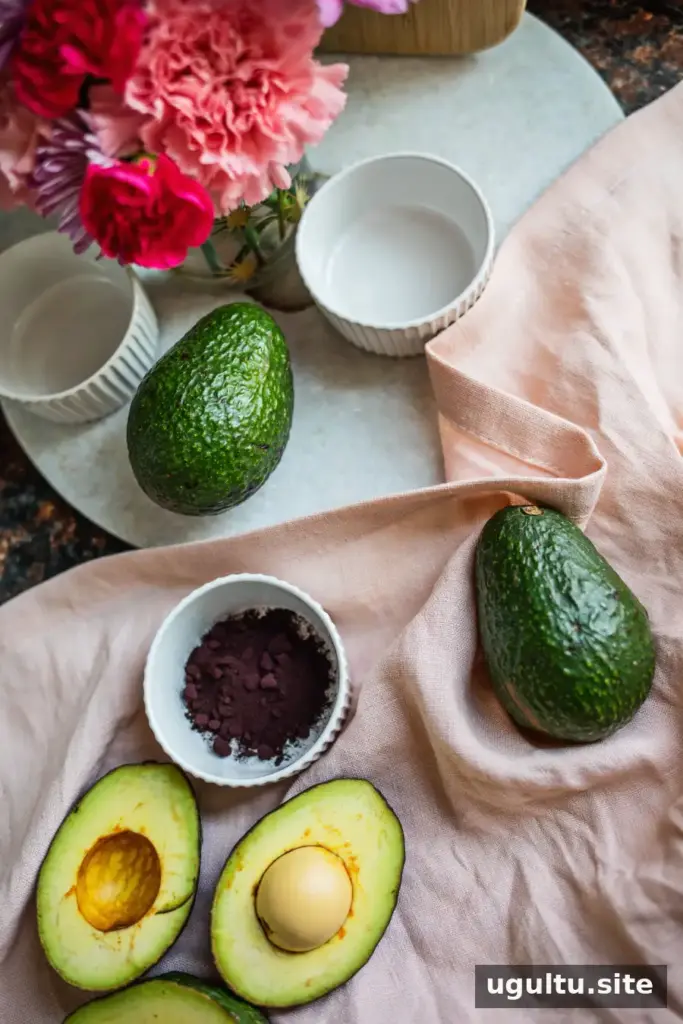
- Avocado pits: light peachy pink on linen, light peach on silk, and light blush on wool.
- Marigolds: light yellow on cotton and linen; olive green when used with iron.
- Turmeric: bright tangerine on linen; bright yellow when mixed with white vinegar.
- Yellow onion skins: warm orange on linen.
- Red onion skins: grayish purple on linen.
- Madder root: bright rust on linen.
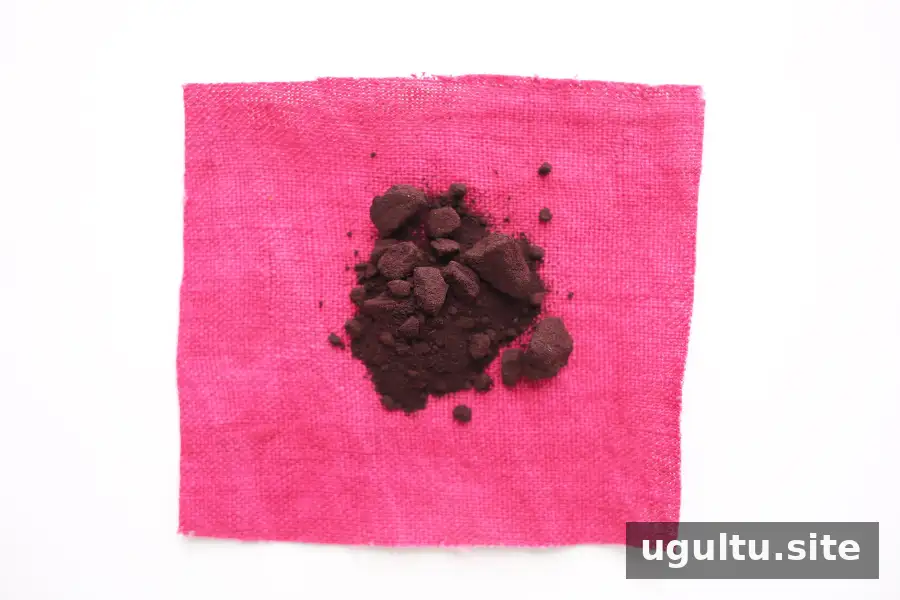
- Cochineal: bright cranberry on linen and silk.
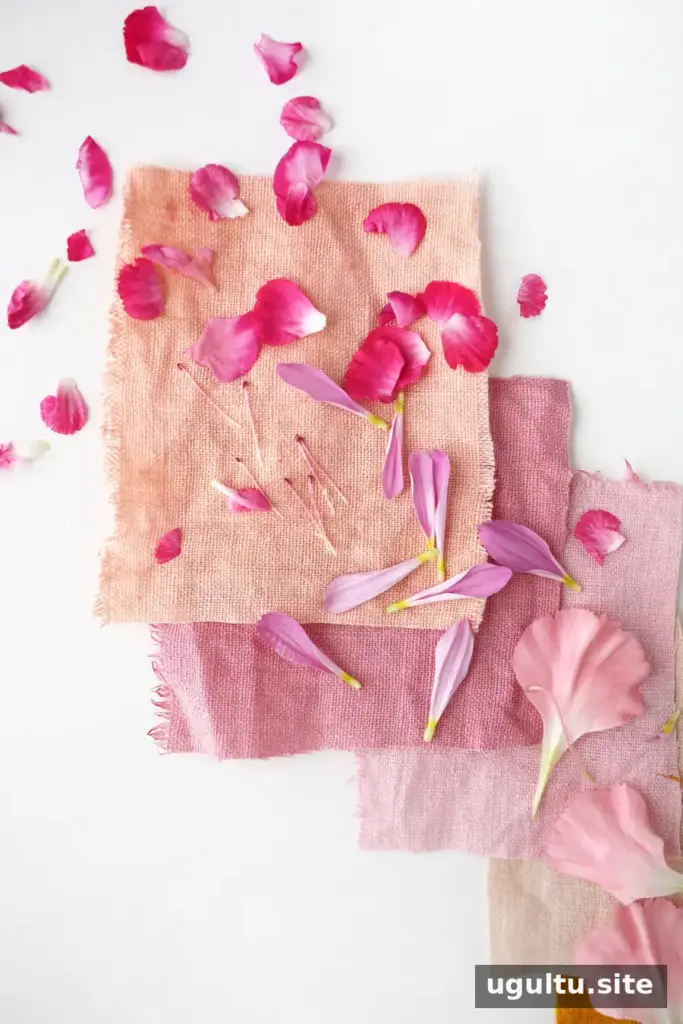
- Hibiscus: cool pink on linen.
Season matters when gathering plants. Goldenrod collected in early fall may give a brighter yellow than material gathered later in the season. Foraging should be responsible: avoid trespassing, take only what you need, and leave enough for wildlife and the plant to thrive.
Dye quantities depend on the material and are often calculated in relation to the dry weight of the fiber. As one example, 2 oz. of cochineal produced a dark fuchsia or cranberry shade, while 1 oz. may have been enough for a fuchsia result. Six ounces of dried marigold petals produced a weaker color than expected. Keep notes on weights, fabric, and results so you can make informed adjustments in later batches.
Mordants and Color Modifiers
Mordants help dye bond with fabric. They can be applied to the fabric before dyeing or added to the dye bath, and some—such as iron and copper—also change the resulting color. For instance, marigolds can color linen yellow, while adding an appropriate amount of iron to the bath can shift a second piece toward olive green.
Avocados, onion skins, and black walnuts contain tannins that can help with dyeing, so a separate mordant step may not be necessary when using them. Even so, a mordant or dye containing tannins is often useful for plant fibers such as linen and cotton.
Common options
- Alum: Dissolve it in warm water before adding it to the dye pot. Excess alum can affect the softness of wool.
- Cream of tartar: Used with alum, it can help brighten color. One suggested ratio is 2.5–3 tbsp. alum with 1 tbsp. cream of tartar.
- Copper: Often used to dull or darken colors.
- Iron: Can darken or shift colors toward green, gray, or brown.
- White vinegar: It changed turmeric dye from bold orange to bold yellow in one experiment, but faded the blush from an avocado dye bath. Its effect depends on the dye, so test before treating a full piece.
Safety: Take precautions when handling mordants and powdered dyes. Avoid breathing in powders, and protect sensitive skin, as some mordants may cause irritation.
Choosing and Preparing Fabric
Fiber type affects how well a dye takes. Wool and silk are protein fibers and generally accept dyes well. Cotton and linen are plant-based cellulose fibers; they may need a mordant or a tannin-rich dye material. Linen is useful for comparing color tests because it gives consistent results across experiments.
Scour fabric before dyeing to remove oils and residues from natural materials or manufacturing. Cotton and linen can be washed with hot water and pH-neutral laundry detergent, or cleaned in a pot with unscented dish soap. Scour wool in a pot on the stove rather than in a washing machine to reduce the risk of felting.
Tools for Natural Fabric Dyeing
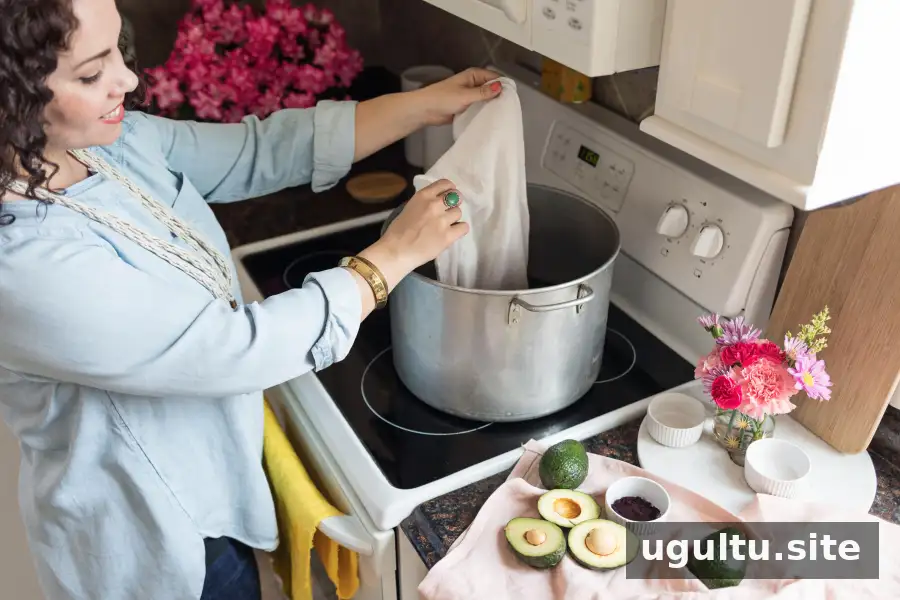
- Stainless steel pot or pots
- Stainless steel tongs
- Clothesline or drying rack
- Colander
- Measuring spoons
- Mason jars with lids for storing unused dye
Important: Pots and tools used for dyeing should no longer be used for food. Keep them clearly separated from kitchen equipment. Stainless steel is a practical choice; copper and aluminum pots can affect dye color because they act as mordants.
Storing Leftover Dye
Strain out plant material before storing excess dye, then refrigerate it in a covered container. Labeling the container with the dye material and date can help you keep track of what is inside and use it appropriately.
How to Dye Linen at Home
This basic process uses 1 yard of 100% linen. Natural dye recipes vary, so treat the method as a starting point and record your measurements for repeat experiments.
- Scour the linen. Wash 1 yard of fabric in warm to hot water with pH-neutral detergent, or heat it in a pot with water and unscented dish soap. Simmer for an hour, allow it to cool, then rinse with cool water. Add the fabric to the empty dye pot while it is still wet.
- Prepare the dye bath. Add enough cool, filtered water to a stainless steel pot to cover the linen, then add your dye materials. Bring the bath to a simmer, not a boil, as boiling can muddy the color.
- Simmer and cool. Let the dye bath simmer for 45–60 minutes, then turn off the heat and leave the fabric to cool in the pot. A longer soak may create a stronger color. Remember that wet fabric can look darker than it will once dry.
- Dry and rinse. Air-dry the linen in a shady spot before rinsing it with cool water. It can then be washed and dried as usual; linen generally becomes softer with repeated washing.
- Finish the project. To make cloth napkins, cut the fabric to size, double-fold the edges, and stitch along the inner fold.
Natural fabric dyeing offers a way to explore the colors in plants while learning how materials and process affect the result. Start with a small piece of fabric, use dedicated equipment, and keep clear notes on ingredients, fiber, and timing. Those simple habits make it easier to understand each batch and develop colors you can recreate.
Further Reading
The Modern Natural Dyer and Natural Color are books about natural dyeing. Libraries, bookshops, and secondhand stores may also have older publications on the subject.
Indigo dyeing uses a different process from the methods described here. Shibori is another approach to explore when creating patterns with dyed fabric.
—Rachel


