
 admin
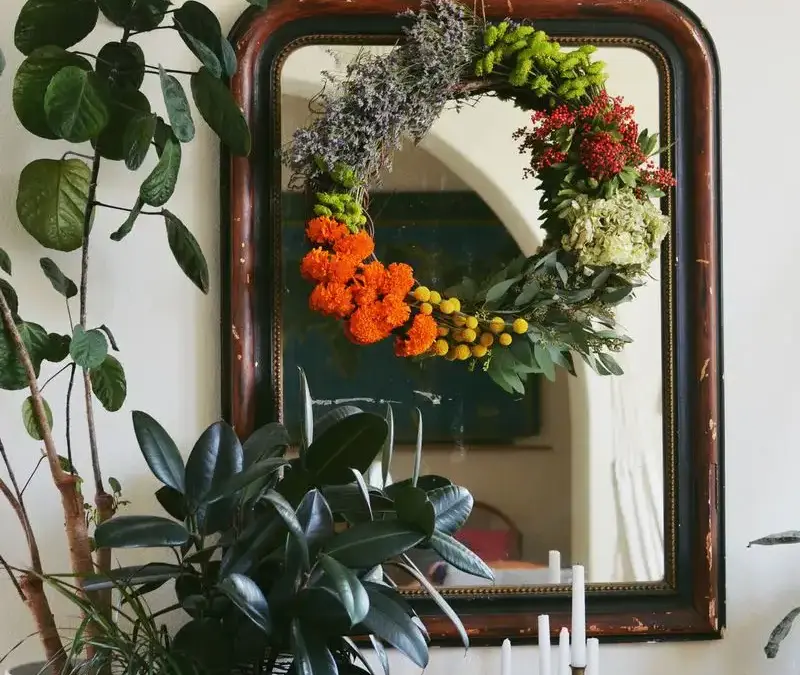
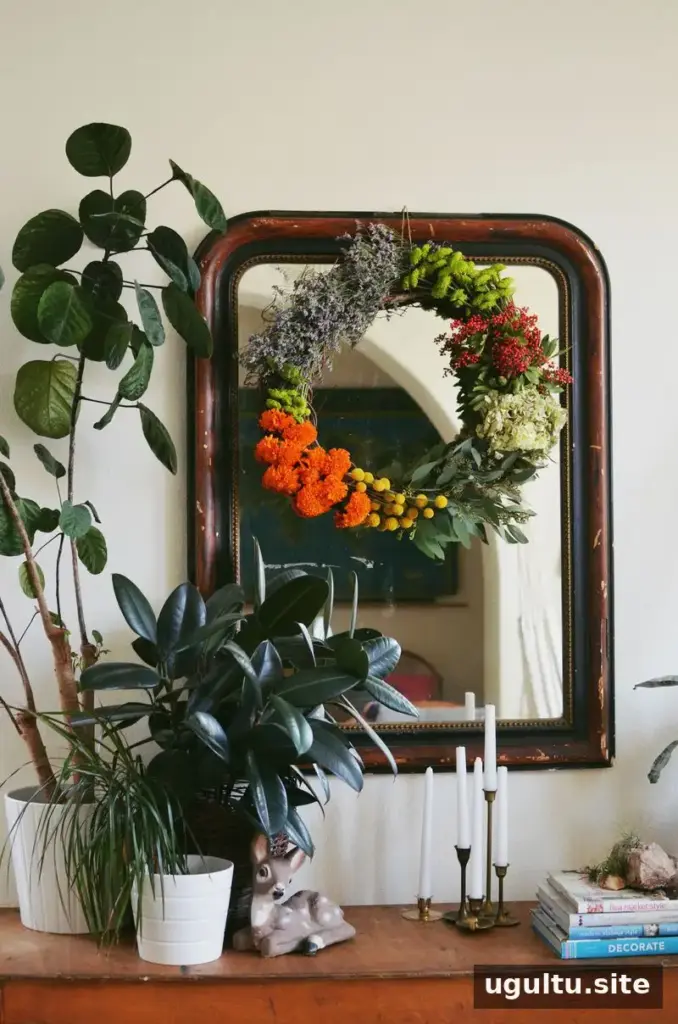
A flower grapevine wreath is a natural way to bring autumn color indoors, even when the weather still feels like summer. This design uses fresh flowers selected for their ability to dry on the wreath, creating a seasonal decoration that can be displayed inside or on a sheltered door.
Instead of hanging the wreath on the front door in hot weather, display it in front of an indoor mirror or on an interior wall. Choose a spot away from direct sunlight, excess moisture, and strong air currents to help the flowers dry more evenly and keep the arrangement in place.
The flowers are attached while fresh, although the hydrangeas should be partly dried first. As the arrangement dries over the following weeks, its colors become softer and more muted, giving the wreath a distinctly autumnal look.

Supplies for a Flower Grapevine Wreath
Gather the materials before you begin so you can arrange the flowers while the stems are easy to handle:
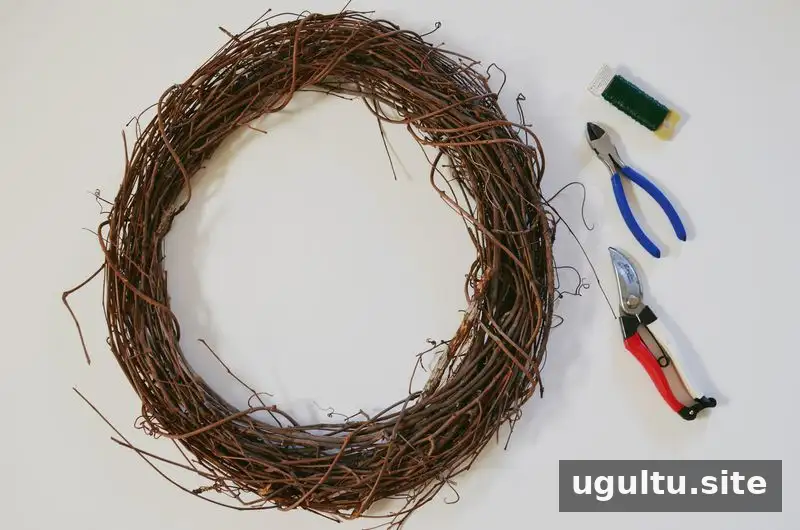
- 18-inch grapevine wreath
- Fresh flowers that dry well: one bunch each of hydrangeas, craspedia, seeded eucalyptus, marigolds, caspia, button poms, and pyracantha
- Floral wire
- Wire cutter
Before cutting, lay the flowers beside the wreath and consider where each variety will go. Grouping matching blooms together creates distinct sections, while distributing them evenly gives the finished wreath a more blended appearance.
How to Make the Wreath
1. Trim and position the flowers
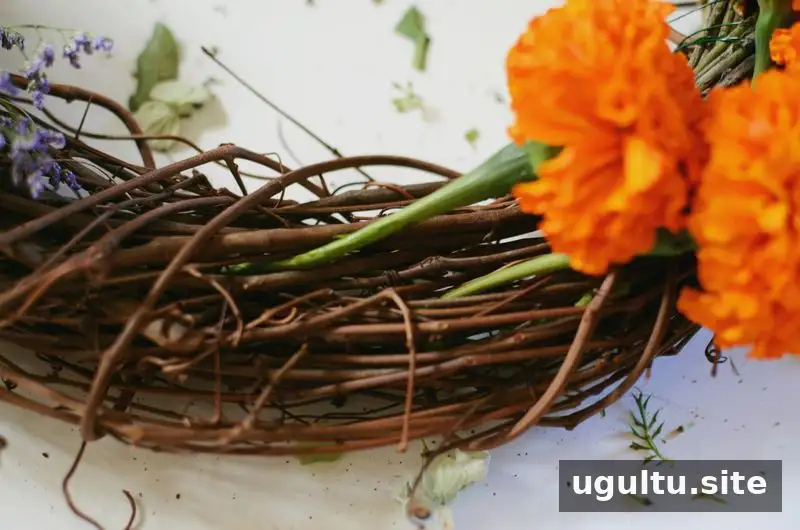
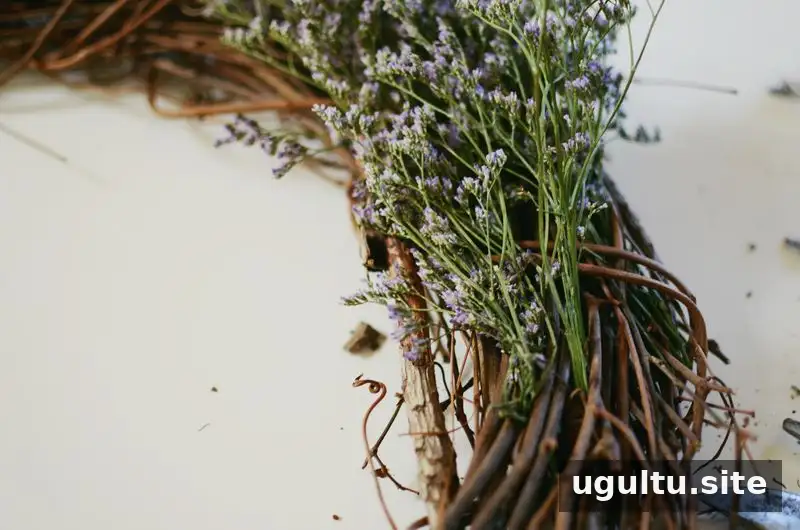
Cut the flower stems to about 5 to 7 inches. Decide on the overall placement, then insert the individually stemmed flowers into the grapevine base. Marigolds, craspedia, and caspia can be tucked into the natural gaps in the wreath.
Arrange flowers in small groups if you want each type to stand out. Leave enough room for the remaining stems, and check the wreath from the front as you work to keep the shape balanced.
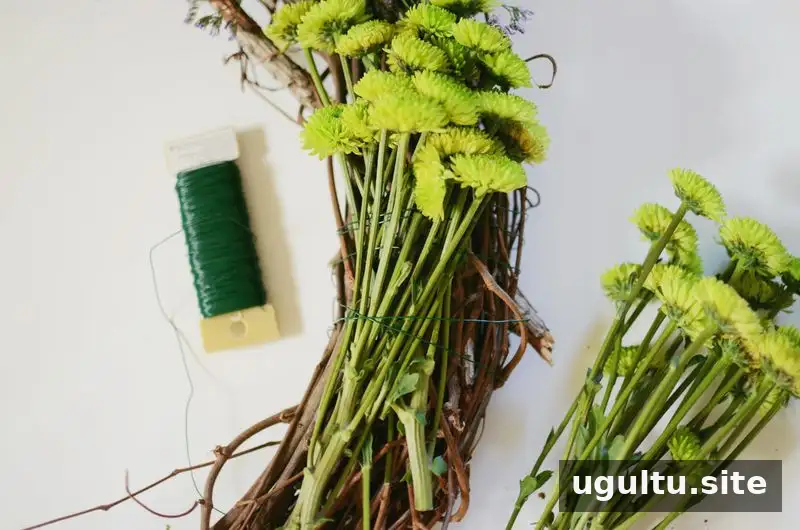
2. Attach the remaining flowers
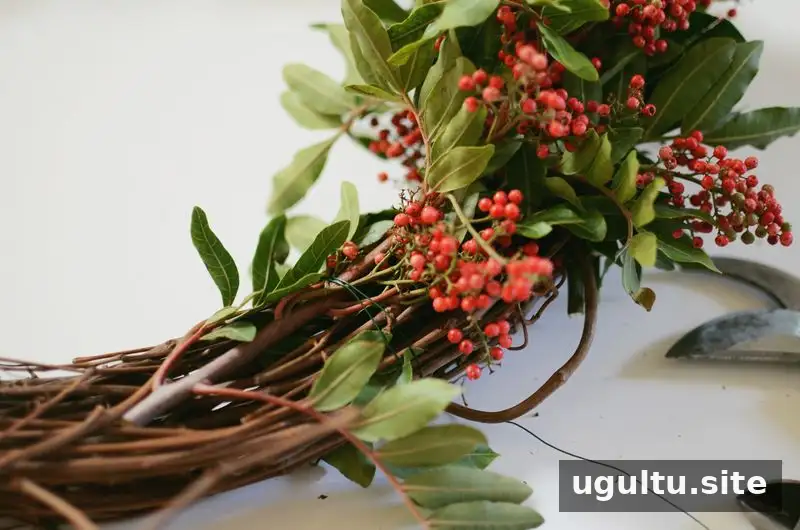
Continue adding flowers until the wreath is covered to your preference. Wrap floral wire around the stems and grapevine to secure them. You can also wire stems that were inserted directly into the base for extra stability.
For a continuous, layered look, point the stems in the same direction as you move around the wreath. Place each new flower head over the stems of the previous flowers. Keep the wire snug, but avoid pulling it so tightly that delicate stems are crushed.
Prepare hydrangeas for drying
Hydrangeas should be somewhat dry before they are added. If their petals are too fresh and moist, they may clump together and flatten as they dry. A few days ahead, place the stems in a vase with fresh water covering about half their length. Once the water has evaporated, the hydrangeas are ready to use in the wreath.
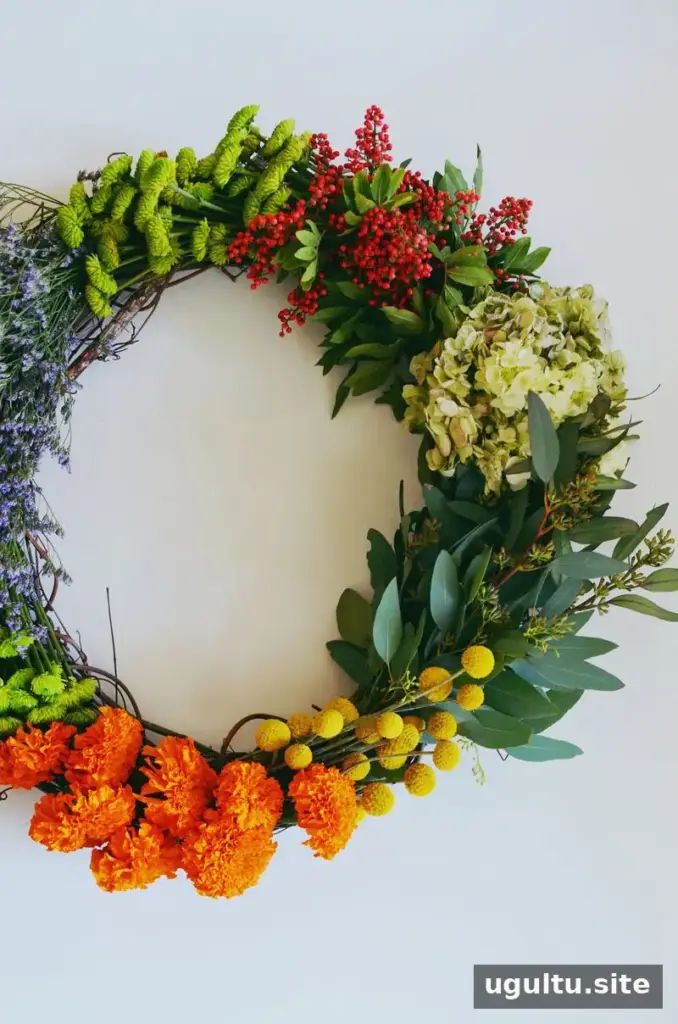
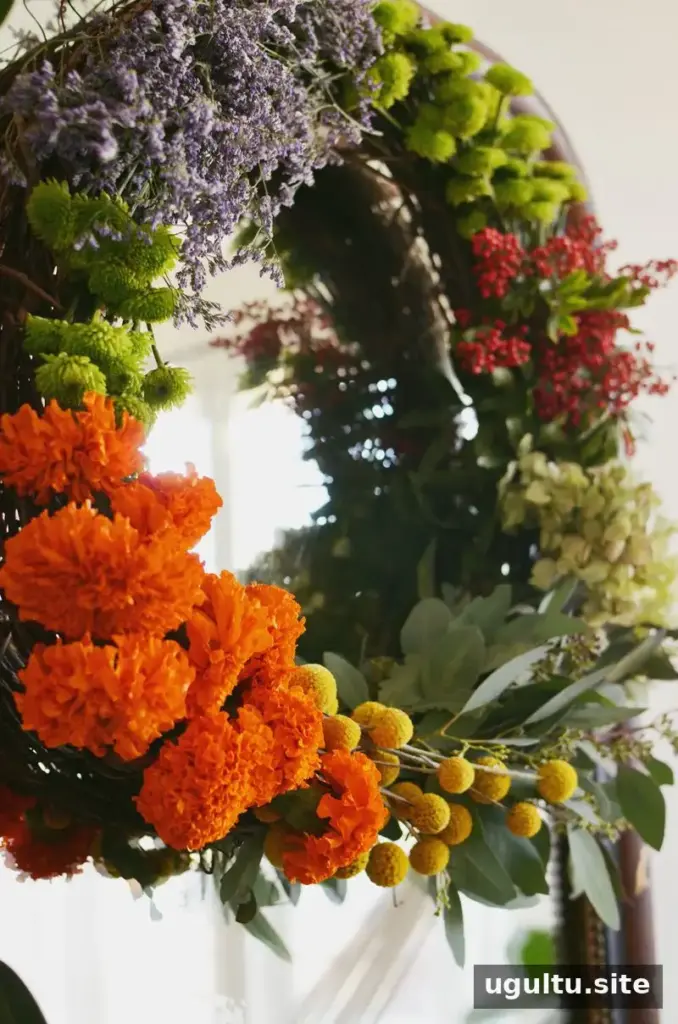
What to Expect as the Wreath Dries
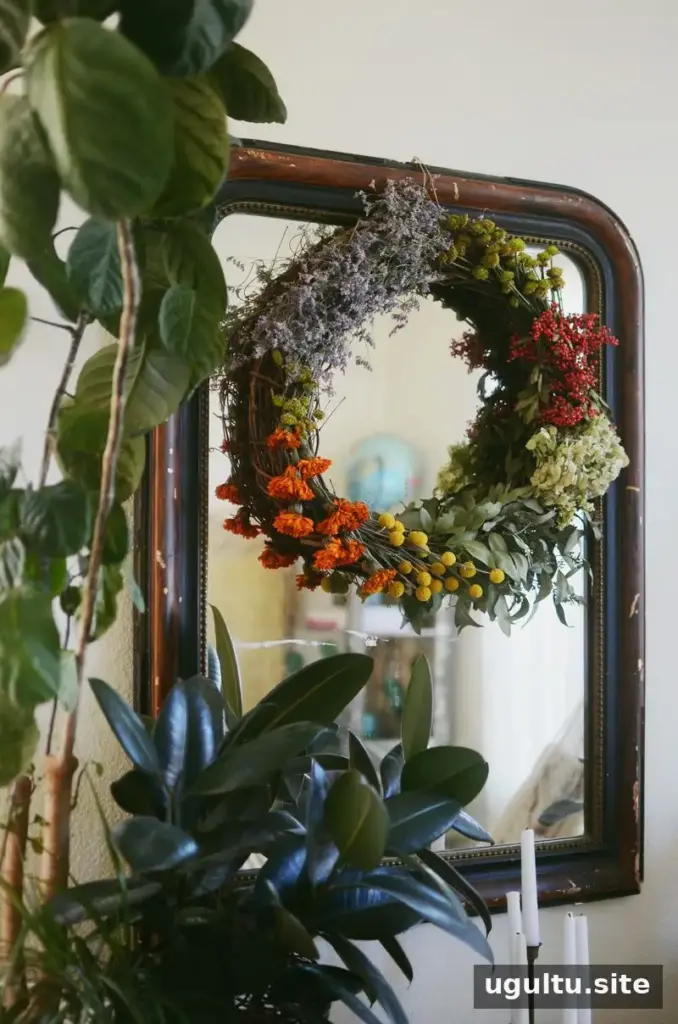
After about two weeks, the wreath will look different from the fresh arrangement. The marigolds may lose some fullness, and the flower colors will become more muted, with a slight brown tint. These changes are part of the natural drying process and give the finished piece a soft, autumn-inspired appearance.
Keep the wreath in a dry place while it settles, and handle it gently once the flowers have dried, since dried petals and stems can be more fragile. This flower grapevine wreath offers a simple way to enjoy seasonal blooms indoors, whatever the temperature outside.
—Rubyellen


