
 admin
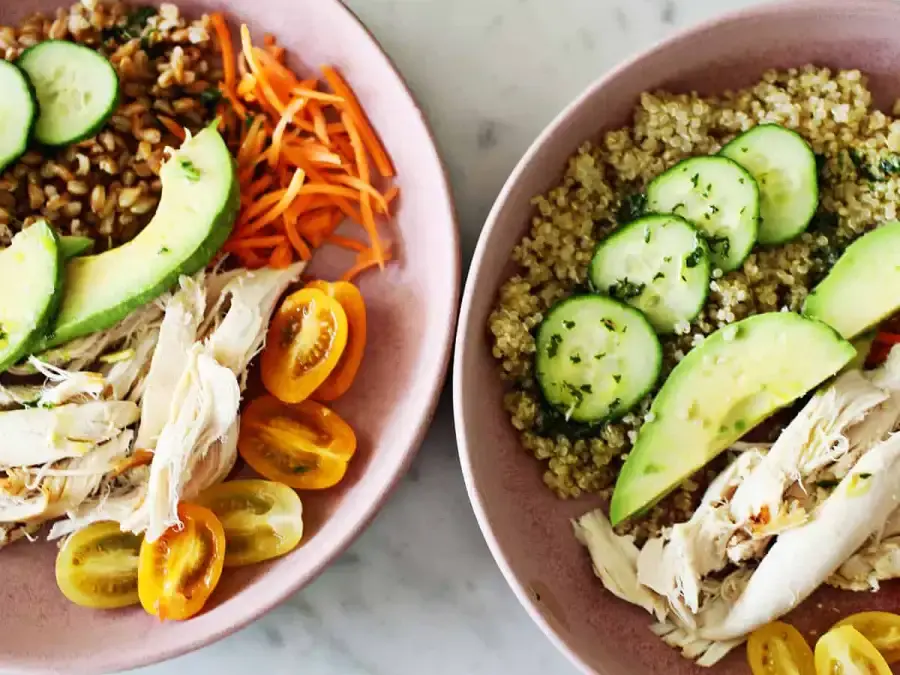
Grain bowls are a flexible way to bring whole grains, protein, and a mix of fresh or cooked vegetables together in one meal. Start with a grain you enjoy, add a protein and colorful produce, then finish with dressing and toppings. The combinations below offer practical ideas for assembling a bowl and preparing portions ahead.
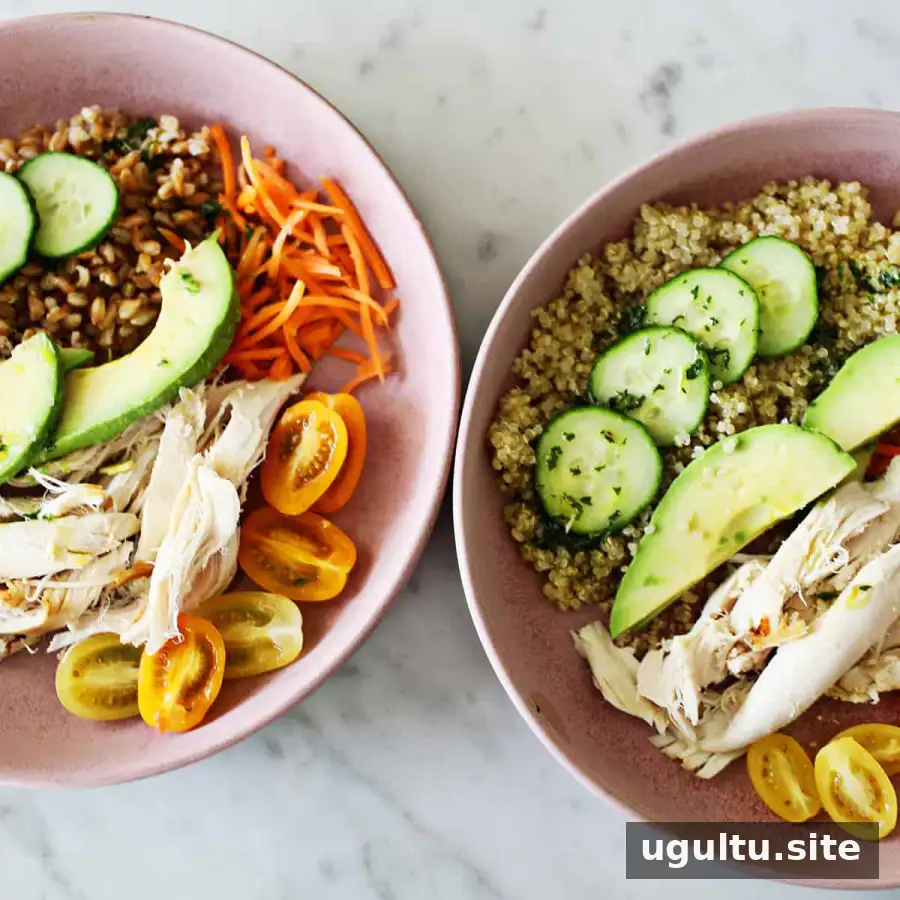
What to Put in Grain Bowls
A balanced grain bowl can be customized to suit different tastes and dietary preferences. Choose ingredients from these groups, then adjust the portions and combinations to make a meal that works for you.
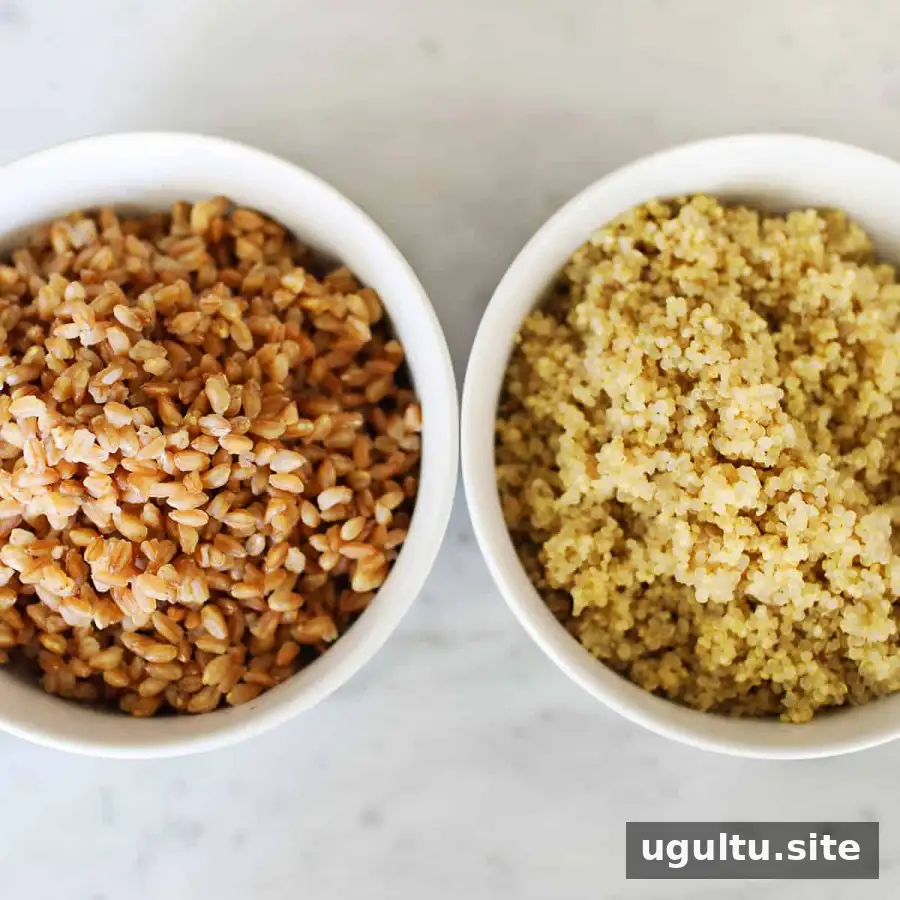
- Whole grains: Use quinoa, rice, millet, farro, or bulgur wheat as the base. About one cup of cooked grains per bowl is a useful starting point.
- Protein: Salmon, chicken, steak, and hard-boiled eggs are options. For a vegetarian or vegan choice, try crispy chickpeas.
- Fresh vegetables: Sliced cucumbers, cherry tomatoes, red onions, shredded carrots, and avocado pair well with leafy greens such as arugula or kale.
- Cooked vegetables: Add cauliflower, zucchini, sweet potato, or Brussels sprouts for a warm, hearty element.
- Toppings: Cheese, seeds, beans, or edamame can add extra flavor and texture.
- Sauce: Try a lemon vinaigrette, hummus, Green Goddess dressing, honey mustard dressing, Caesar dressing, or ranch dressing. Keep dressing separate if you want to assemble bowls in advance.
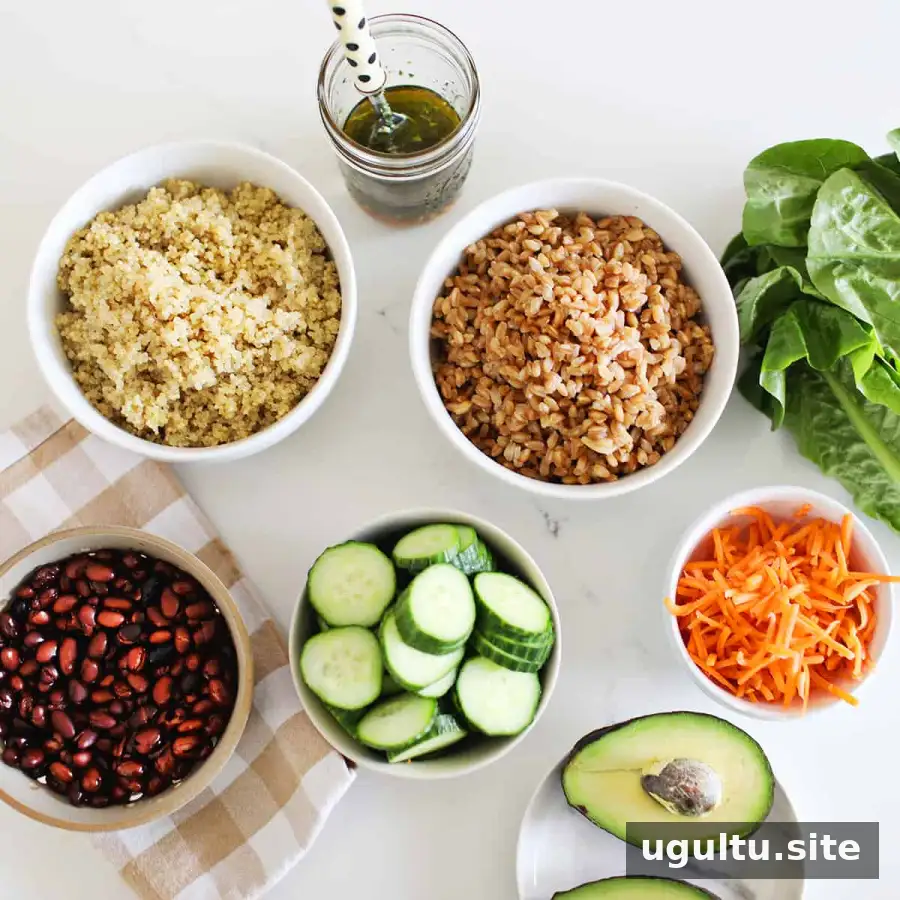
How to Assemble Grain Bowls
Layering the ingredients makes it easy to build a bowl with a variety of flavors and textures:
- Place about one cup of cooked whole grains in the bowl.
- Add your preferred protein.
- Arrange a mix of raw and cooked vegetables over the grains.
- Drizzle with dressing to taste.
- Finish with a topping, such as cheese or seeds.
For a better balance of textures, combine crisp raw vegetables with softer cooked ingredients. Add dressing gradually so the grains and vegetables do not become overly coated.
Meal Prep Tips for Grain Bowls
Preparing three or four portions at once can make meals for the next few days easier to serve. Store prepared ingredients in covered containers in the refrigerator, and plan to eat prepped meals within three days.
- Keep protein separate: Prepare the grain, vegetables, and other components ahead, then add protein such as rotisserie chicken or air-fryer salmon when serving.
- Change up the ingredients: Rotate grains, vegetables, and toppings to add variety and keep meals from feeling repetitive.
- Store dressing separately: Adding it shortly before eating helps preserve the texture of fresh vegetables and grains.
What to Serve with Grain Bowls
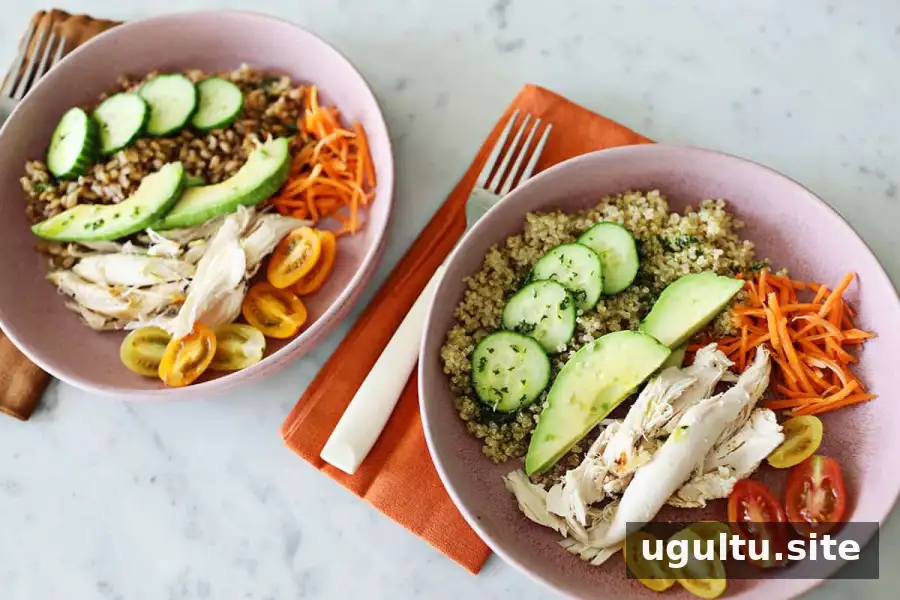
A grain bowl can be a complete meal on its own. If you want to add a side, consider a simple salad, such as a cucumber salad, pea salad, pasta salad, or egg salad. A smoothie can also be served alongside the meal. Choose sides that complement the bowl without making preparation unnecessarily complicated.
Grain Bowl Variations
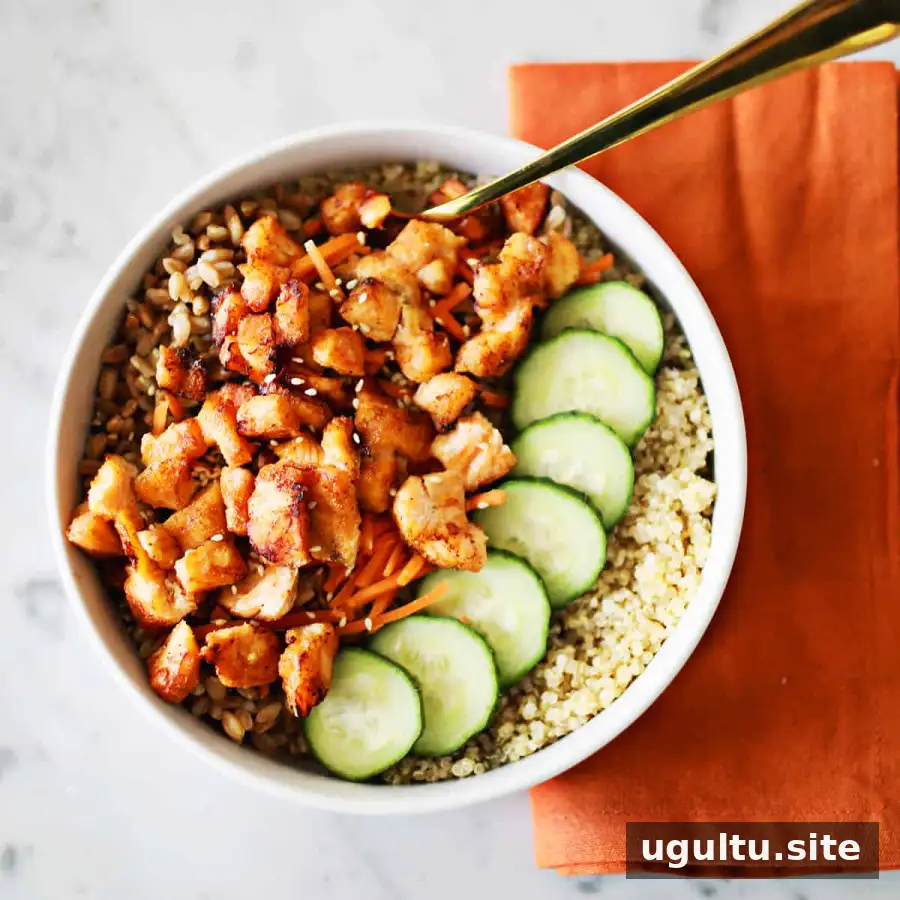
Use the same basic method to create different flavor combinations. Here are several ideas to get started:
- Taco bowl: Use rice or quinoa as the base, then add chicken or beef, guacamole, pico de gallo, and cheese.
- Mediterranean bowl: Combine quinoa with chicken, sliced tomatoes and cucumber, onion, feta cheese, and shredded carrot. A dressing made with olive oil, lemon, herbs, and garlic complements these ingredients.
- Sushi bowl: Add crab or salmon, cucumber, shredded carrot, and avocado to a grain base. Serve with soy sauce and yum yum sauce.
- Roasted vegetable bowl: Pair brown rice with sweet potato, cauliflower, Brussels sprouts, and chickpeas.
- Breakfast grain bowl: Start with quinoa and add breakfast sausage and one or two eggs cooked to your preference.
Frequently Asked Questions About Grain Bowls
What is a grain bowl?
A grain bowl begins with whole grains and can include any combination of protein, raw or cooked vegetables, sauce, and toppings.
Are grain bowls healthy?
They can provide a mix of grains, protein, and vegetables. The overall nutrition depends on the ingredients and portions you choose, so adjust the components to suit your needs.
Easy Grain Bowl Recipe
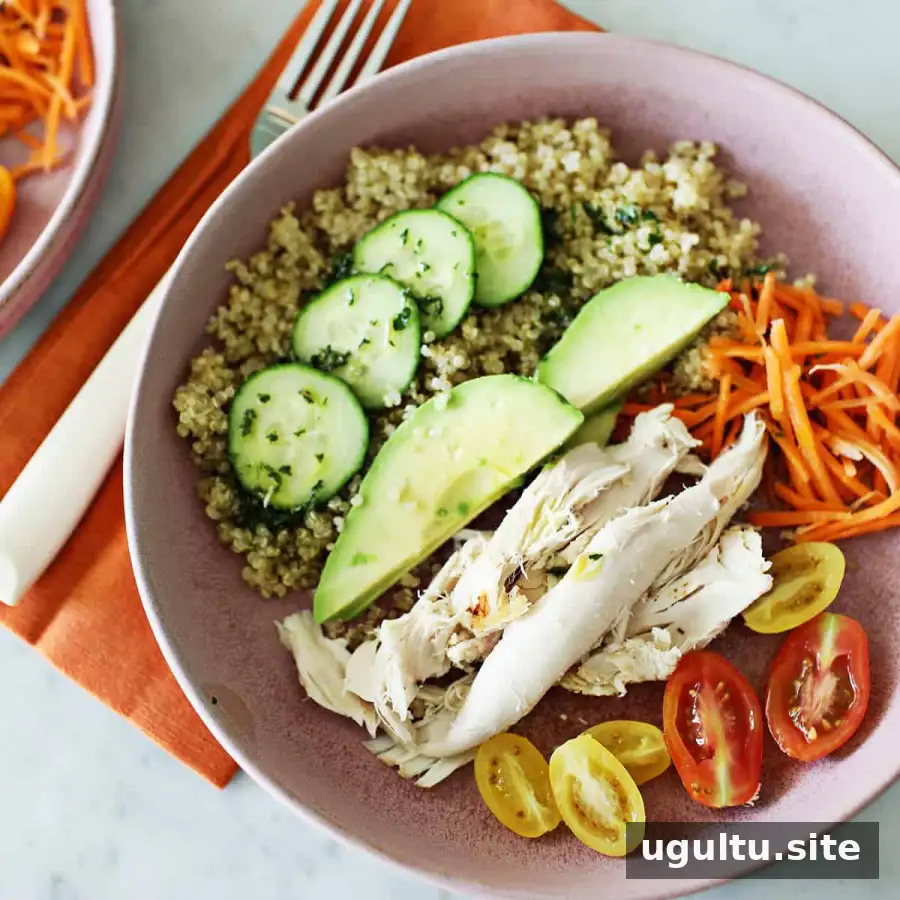
This single-serving version combines quinoa, rotisserie chicken, and fresh vegetables. It takes 20 minutes to prepare, with the grains serving as a base for the other ingredients.

Ingredients
- 1 cup quinoa, or any whole grain
- ½ cup shredded rotisserie chicken
- ½ cup sliced cherry tomatoes
- ½ cup sliced Persian cucumber
- ¼ cup shredded carrots
- ¼ sliced avocado
- 1 tablespoon vinaigrette dressing, or more to taste
Instructions
- Cook the quinoa or other whole grain according to its package instructions, if it is not already prepared.
- Add about one cup of cooked grains to a bowl.
- Top with the chicken, tomatoes, cucumber, carrots, and avocado.
- Add the vinaigrette, adjusting the amount to taste.
Yield: 1 serving
Prep time: 20 minutes
Course: Main course
Cuisine: American
Keywords: grain bowl
Nutrition Information
Per serving: 1,030 calories; 36 g fat (55% daily value), including 6 g saturated fat (38%); 10 g polyunsaturated fat; 10 g monounsaturated fat; 114 mg cholesterol (38%); 454 mg sodium (20%); 1,543 mg potassium (44%); 122 g carbohydrates (41%); 17 g fiber (71%); 5 g sugar (6%); 59 g protein (118%); 5,862 IU vitamin A (117%); 25 mg vitamin C (30%); 113 mg calcium (11%); and 9 mg iron (50%).
Percent Daily Values are based on a 2,000-calorie diet. Nutrition is automatically calculated using Spoonacular and is provided for convenience; calculations may vary, so use your own nutrition calculation where appropriate.
Make Grain Bowls Your Own
Grain bowls are easy to adapt with different grains, proteins, vegetables, sauces, and toppings. Use the recipe as a starting point, vary the ingredients to suit your preferences, and keep components separate when meal prepping. With a little planning, grain bowls can make a convenient and customizable meal for the week.


