admin
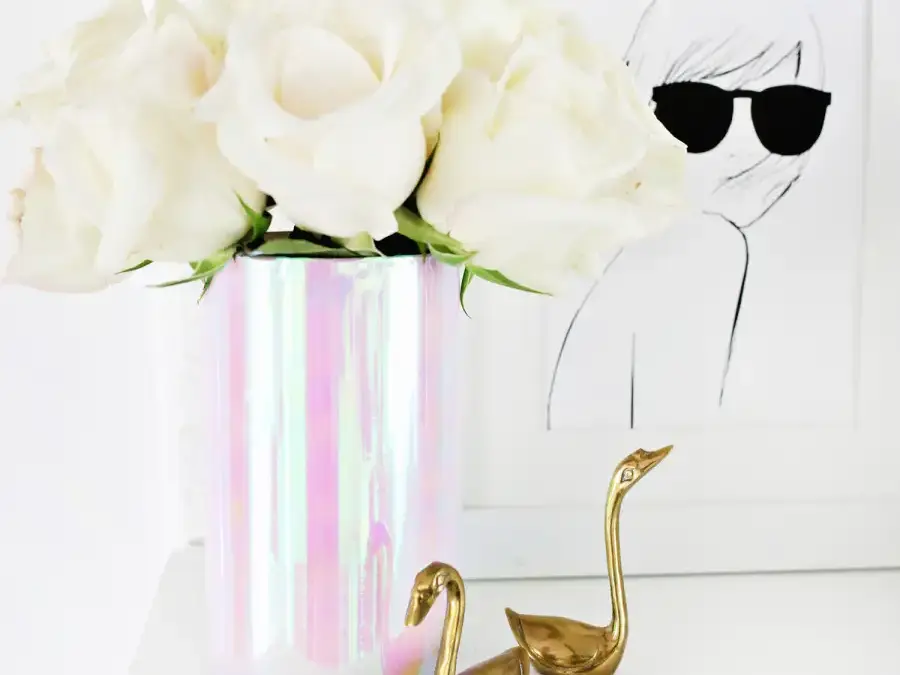
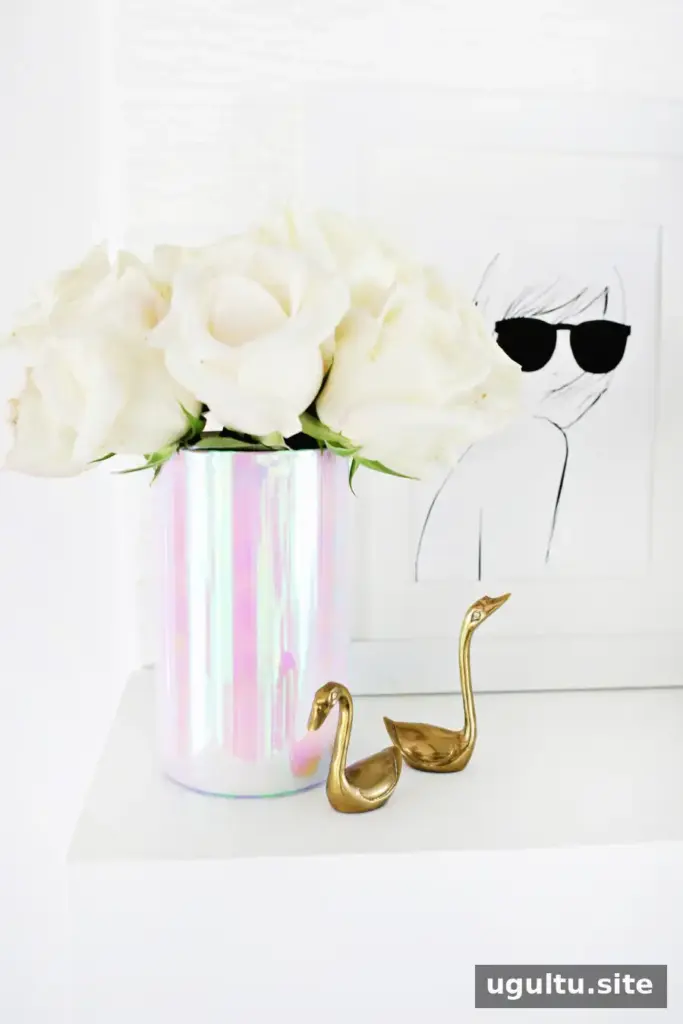
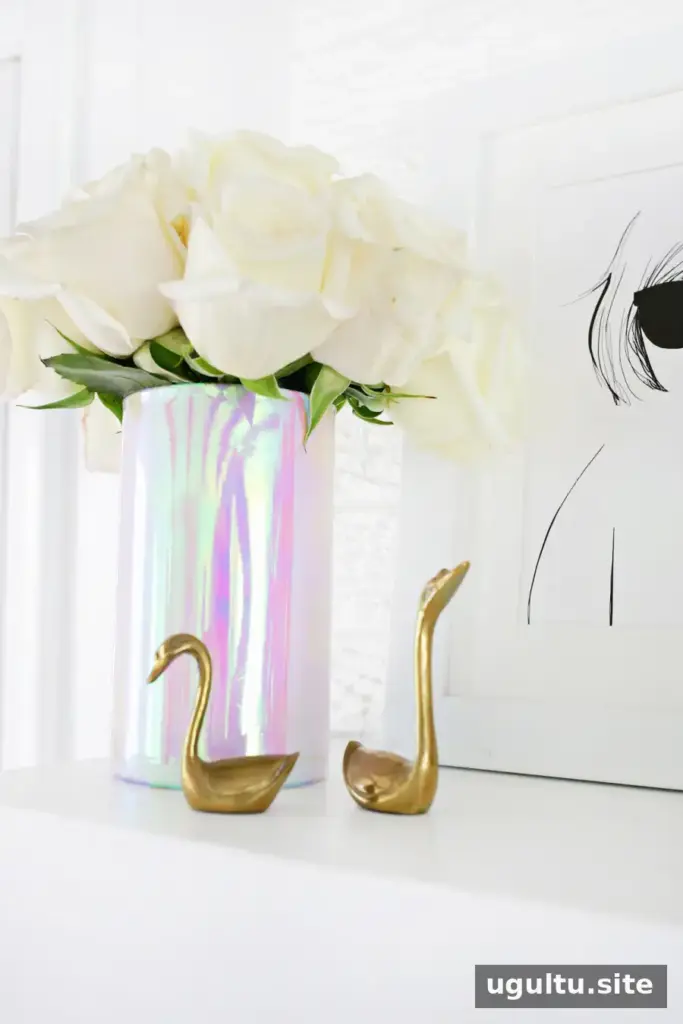
A holographic vase DIY is a simple way to give a plain glass container a colorful, light-catching finish. Holographic vinyl creates shifting pastel reflections, while a coat of white paint underneath helps the pattern stand out. With a few basic materials and some patience, you can make a decorative vase for fresh or artificial flowers.
Materials for a Holographic Vase DIY
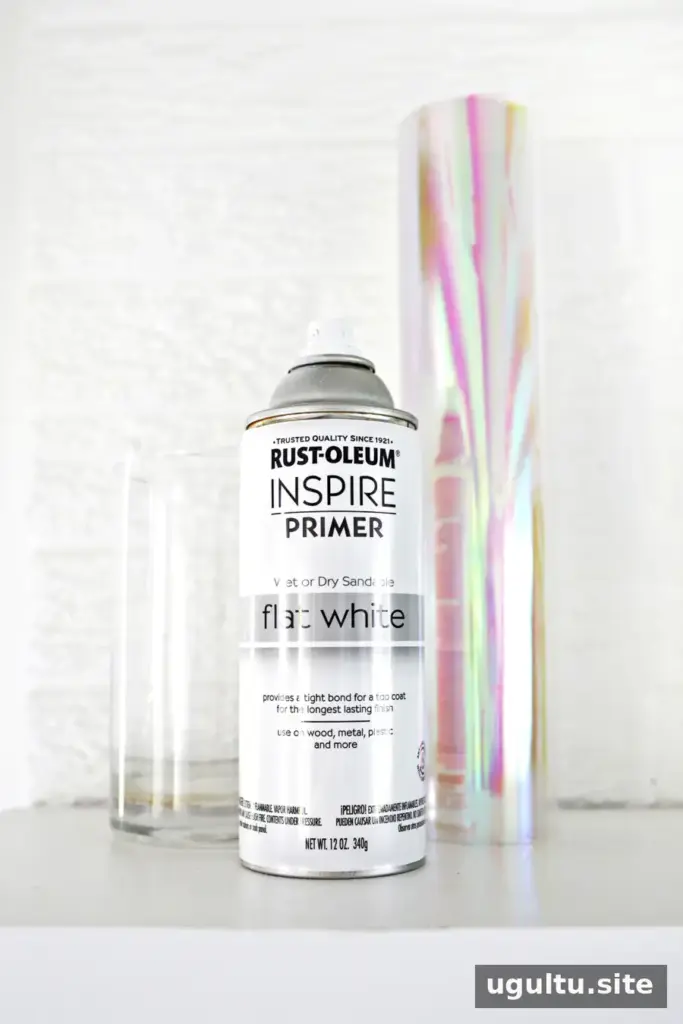
- Glass vase
- Holographic vinyl film
- Painter’s tape
- Craft knife
- Flat white spray paint or white primer
Choose a vase with a smooth, rounded surface if possible. Vinyl is easier to apply evenly to simple shapes, and a clean, dry surface helps it adhere. Check that the vinyl is suitable for the project and follow the product’s handling instructions.
How to Make the Holographic Vase
1. Mask the inside of the vase
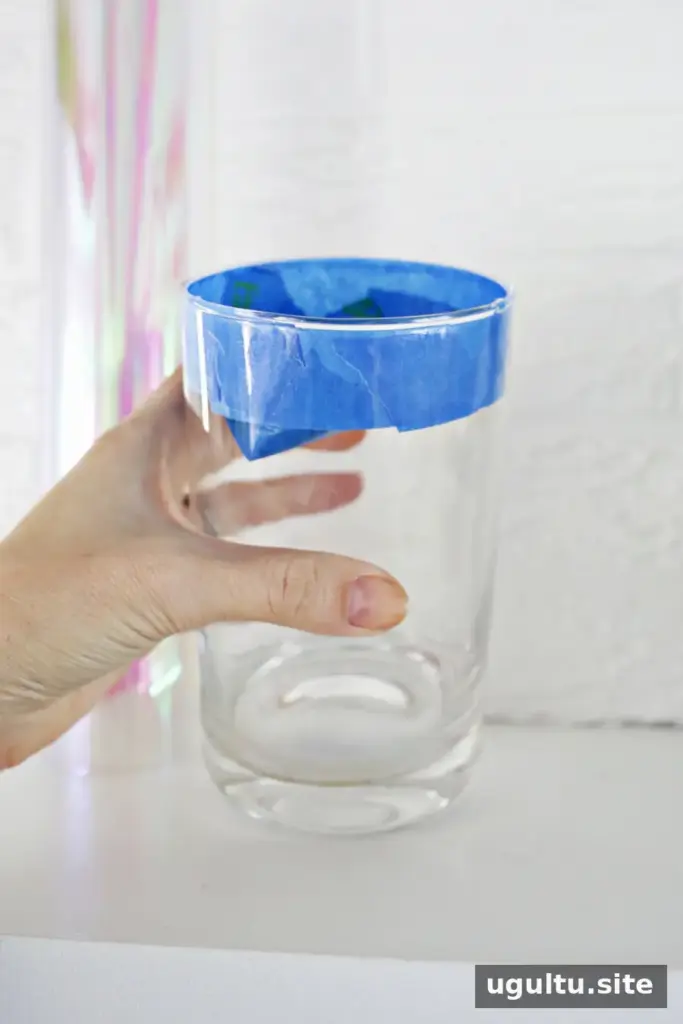
Use painter’s tape to cover the inside rim, then add enough tape to block the opening. The goal is to keep paint on the exterior only, leaving the inside of the vase clear for water and flowers.
2. Paint the exterior
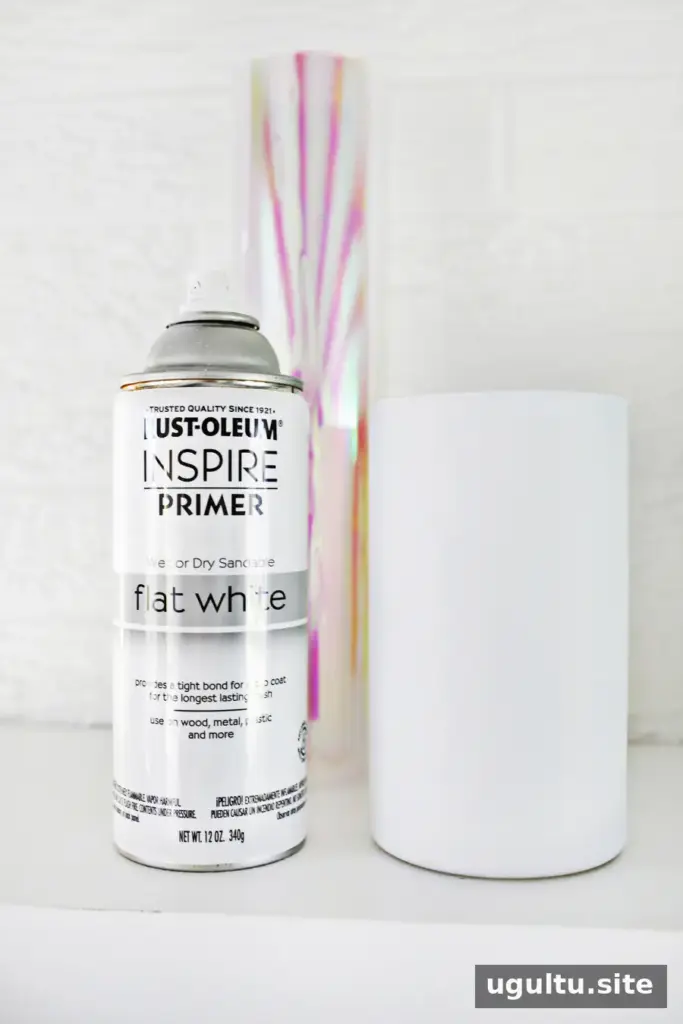
Apply flat white spray paint or primer to the outside of the glass in several thin, even coats. Thin layers help create a more uniform finish than one heavy coat. Work in a well-ventilated area, protect nearby surfaces and follow the paint label for drying time. Let the paint dry completely before applying the vinyl.
3. Measure and apply the vinyl
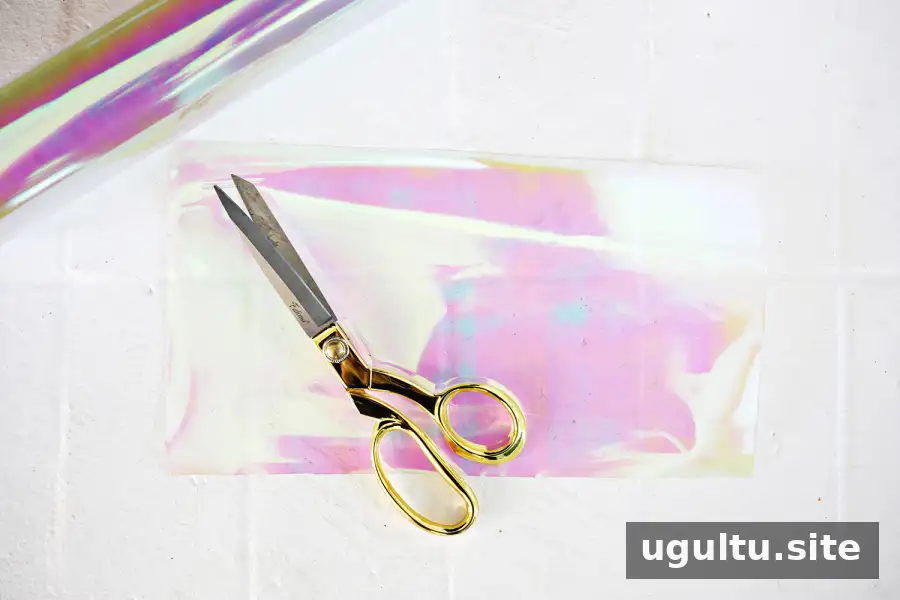
Cut a piece of holographic vinyl slightly larger than the area you need to cover. This extra material gives you room to trim the edges neatly after application.
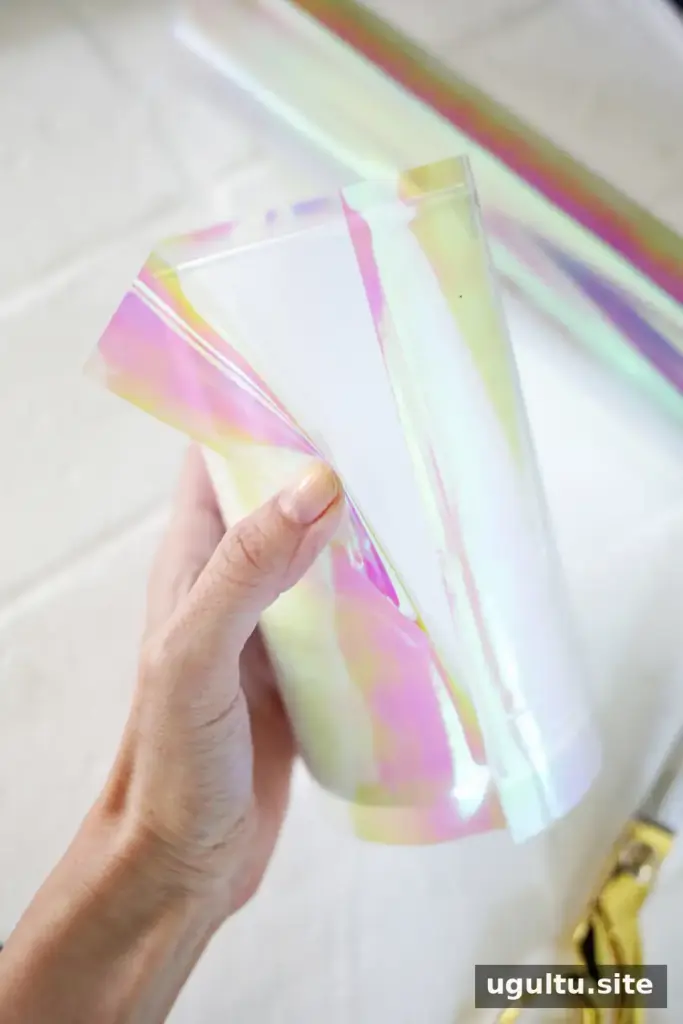
Align the vinyl with the vase, then gradually peel away its backing as you press it onto the glass. Smooth the film from the center outward to help push out air bubbles and creases. Work slowly, especially around curved areas, so the vinyl sits as flat as possible.
4. Trim the edges
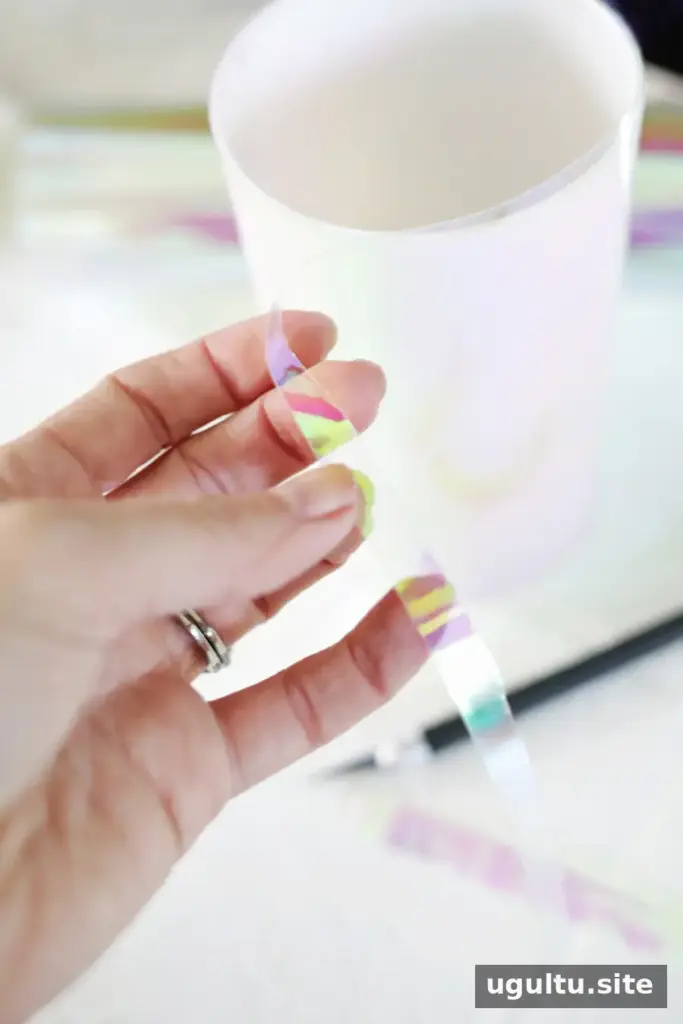
Once the vinyl reaches all the way around the vase, carefully trim the excess along the top and bottom edges with a craft knife. Keep the blade pointed away from your hands and use controlled, light cuts to avoid damaging the vase or lifting the film.
Display and Care
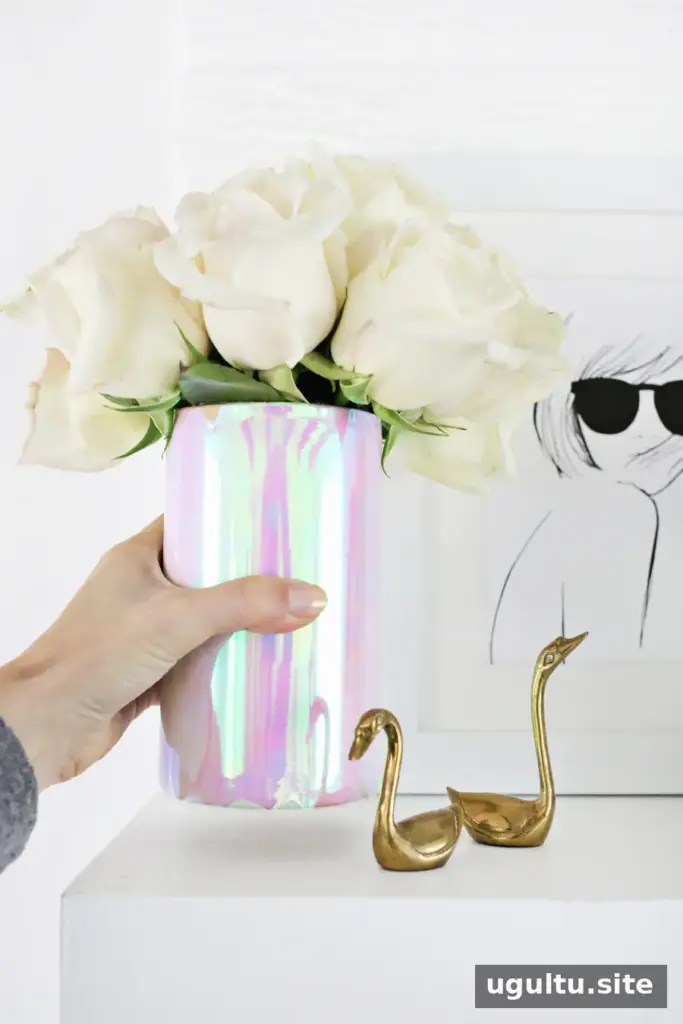
Add flowers once the finish is complete. The holographic surface catches light, so placing the vase where it receives indirect daylight can help show its changing colors. Avoid placing it where it could be easily knocked over, as the base is still glass.
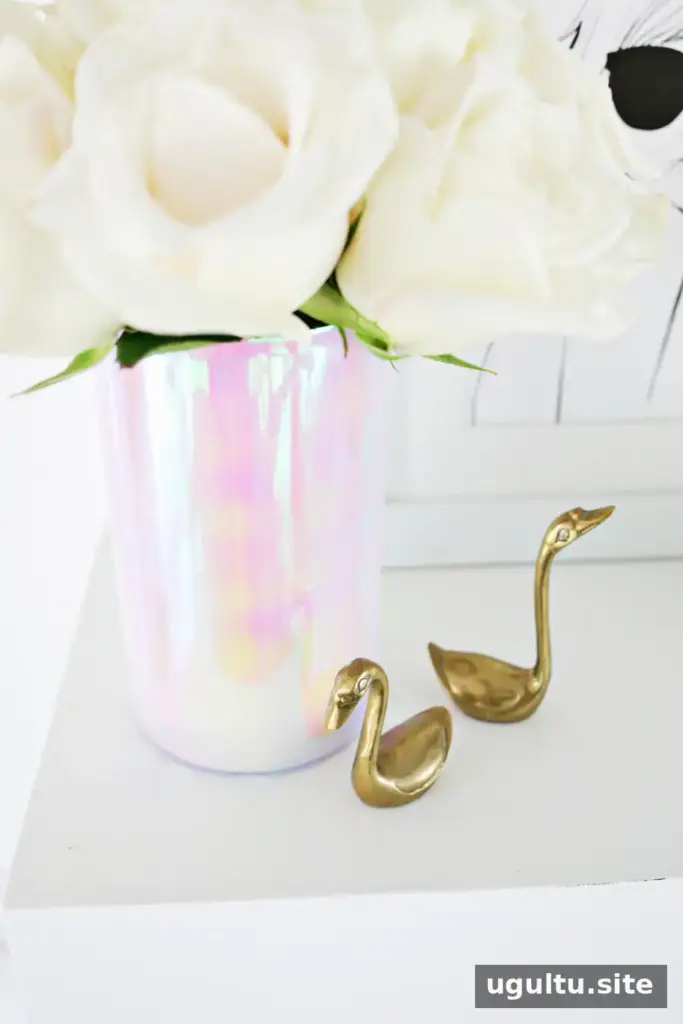
This decorated vase should not go in the dishwasher. After use, wash the inside by hand and avoid soaking or scrubbing the vinyl-covered exterior. The same method can be adapted for a planter or another smooth container; round shapes tend to display the holographic effect especially well. If using a planter, check that the container is suitable for your plant and watering needs.
This holographic vase DIY offers a straightforward way to refresh a basic glass vase with a reflective finish. Take your time with the paint drying and vinyl application for a neater result. Project by Laura.