
 admin


Choosing to recolor kitchen appliances can add a distinctive touch to a kitchen without buying new ones. In this project, a refrigerator and stove were covered in custom-colored vinyl after the appliances selected for a renovated kitchen did not match the desired mint-green look. The result offered a way to personalize the space while keeping the option of removing the finish later.
Why recolor kitchen appliances with vinyl?
The refrigerator needed to be counter-depth, with clean lines and no ice maker on the front. A stainless-steel model met those requirements, while the stove was chosen for its appearance and price. Painting initially seemed like a possible way to give both appliances a coordinated color.
However, the stove’s high operating temperatures made paint selection a major concern. The project team contacted several companies that offered high-heat paint but could not find a custom-color option they considered suitable for the oven. This is an important distinction: a coating that works on a refrigerator may not be appropriate for an oven or other surfaces exposed to high heat.
After reconsidering vinyl, the owners contacted a local custom-vinyl installer. The shop said its material could withstand temperatures of around 900 degrees, or possibly 1,000 degrees; the exact figure was not confirmed. It also offered custom color matching and a matte finish. Anyone considering a similar project should verify the precise temperature rating, intended use, and appliance manufacturer guidance for the specific material and surface.
Choosing the color and finish
A paint-color swatch was provided as a reference, and the installer produced several samples before settling on the desired mint shade. This sampling step helps avoid relying on a screen or small color chip alone: lighting, nearby finishes, and the size of the covered surface can all affect how a color appears.
The chosen matte vinyl was intended to be easy to clean. Before selecting a finish, ask the installer how to care for it and which cleaners to avoid. Always follow the vinyl manufacturer’s instructions, especially around heat, seams, and areas that may be exposed to grease or moisture.
Professional installation and cost
Large vinyl sheets can be difficult to apply smoothly. To reduce the risk of wrinkles and achieve a more seamless appearance, the owners hired the local shop to install the material. The installer removed the refrigerator and stove doors, applied the vinyl, and reattached the doors afterward.
The vinyl and installation cost about $400 in total. The owners chose professional fitting because a polished result mattered more than saving some of the installation cost. Requesting a written estimate in advance can help clarify whether measuring, material, door removal, and reassembly are included.
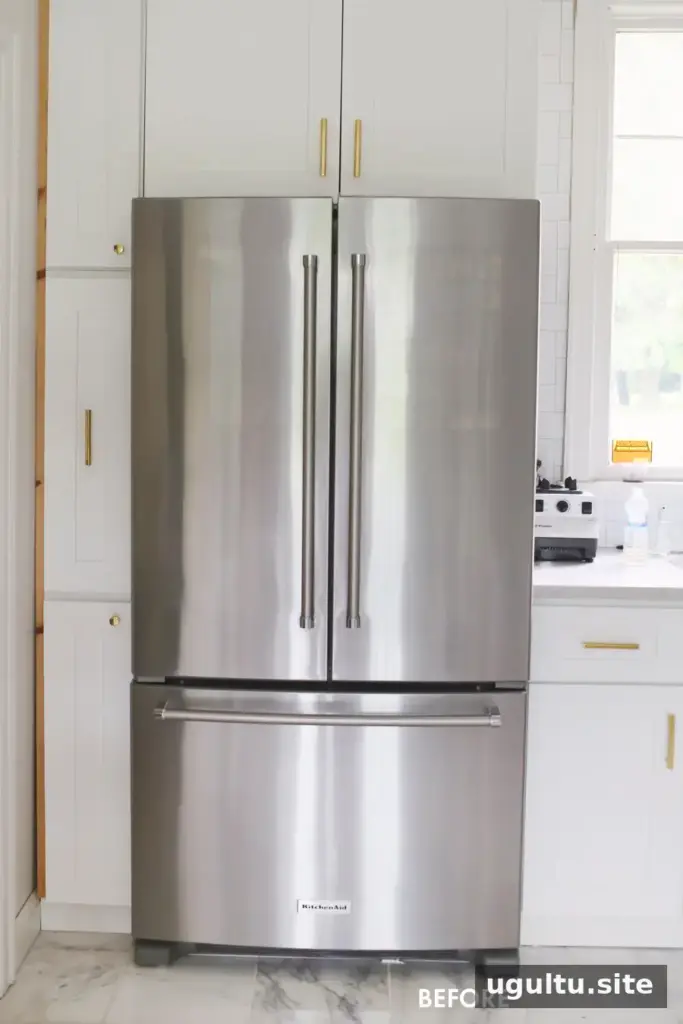
The refrigerator was selected for its counter-depth fit and simple front, rather than for its original color. The custom covering helped it work with the kitchen’s planned palette.
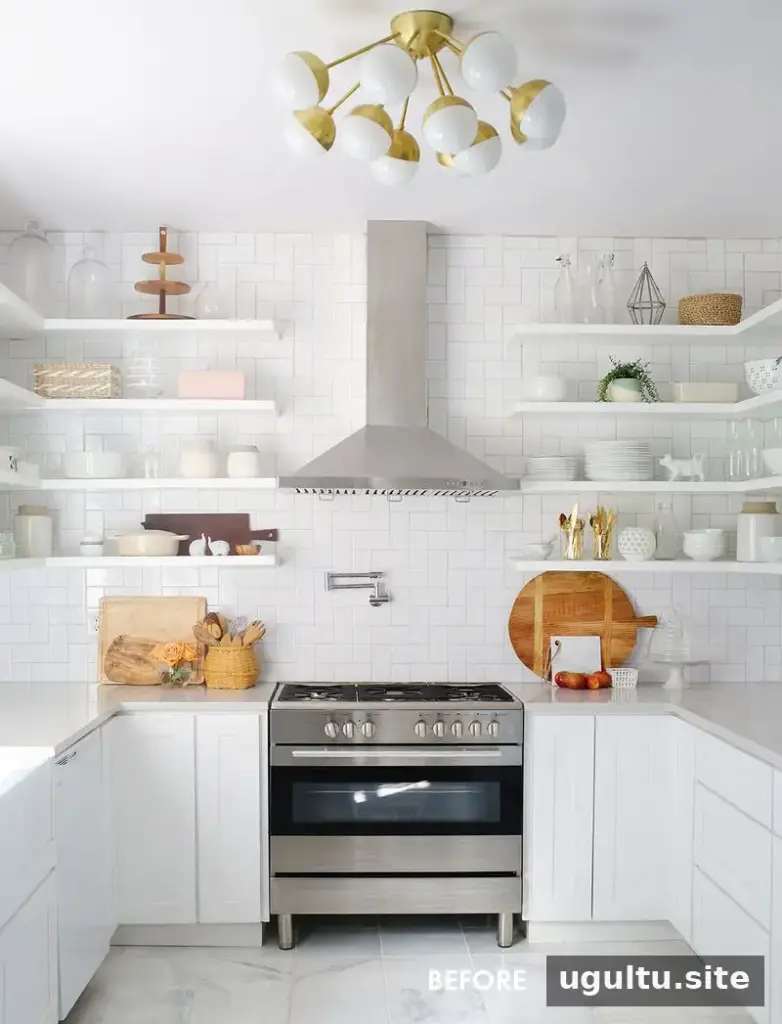
The stove was attractive, but its performance required some adjustment: the cooktop ran hotter than expected and the oven was a little cooler than expected. A decorative update does not correct appliance performance, so check that an appliance functions reliably before investing in a new finish.
Results and practical considerations
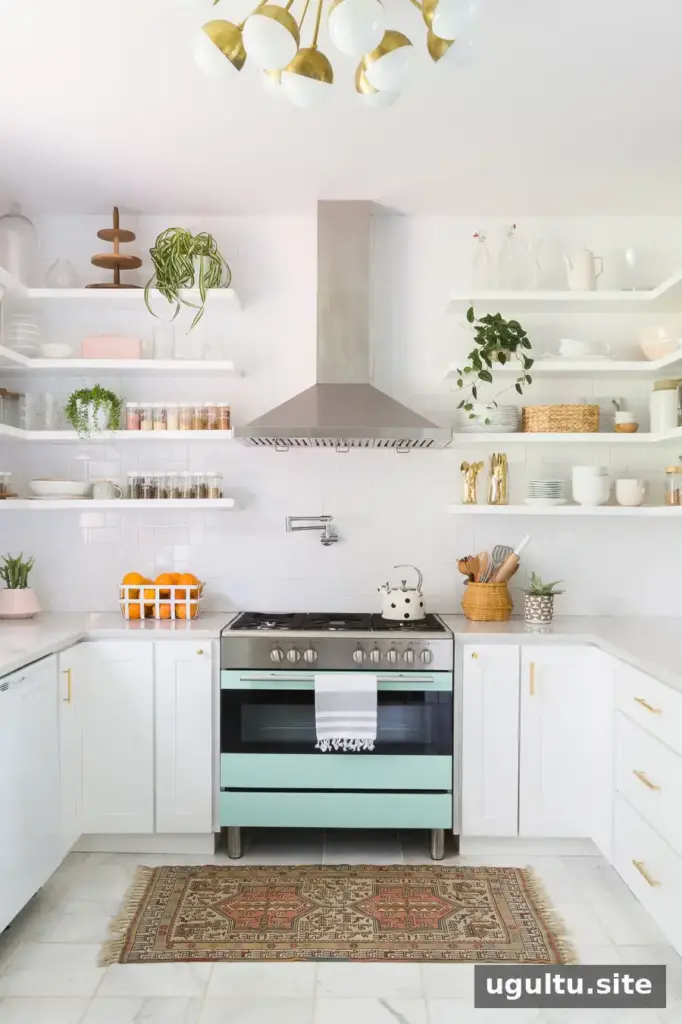
After roughly three to four months, the vinyl was still in place and the mint color gave the otherwise simple kitchen a more individual character. The covering was also removable, offering flexibility if the owners later wanted to restore the stainless-steel appearance or change the design.
Before starting a similar project, confirm that the chosen material is suitable for each appliance surface and its actual operating conditions. Do not assume that a general heat-resistance claim makes a product safe for every oven component. Check the exact specifications with the installer and appliance manufacturer, and keep ventilation, controls, labels, and moving parts unobstructed.

Photography by Alyssa Rosenheck.

Conclusion: Is it worth it to recolor kitchen appliances?
For this kitchen, custom vinyl provided a removable alternative to replacing the refrigerator and stove or painting them. The project cost about $400 for materials and professional installation, and the color remained in place for the first three to four months. To recolor kitchen appliances successfully, prioritize material compatibility and precise heat ratings, compare samples in the room, and consider professional installation for large or complex surfaces.
Article by Elsie. Photography by Alyssa Rosenheck.


